

 English
 Español
 日本語
日本語Sliding doors and windows aren't just openings—they control how easily, quietly, and reliably a space feels to live in or work in every day. Behind that daily experience sits one small part that does most of the work: the roller.
The type of roller you install has a surprisingly big effect on whether the door glides smoothly for ten years or starts dragging, rattling, or sticking after two. Two of the most common choices people face are 201 stainless steel rollers and what's usually called "regular" rollers (carbon steel, zinc-plated steel, plastic, or basic aluminum).
What a roller really is
At its simplest, a roller is a small wheel assembly that lets the door or window slide along a track. In most modern sliding systems, the door is hung from the top, so the rollers carry the full weight and do the guiding.
A typical roller has three main pieces:
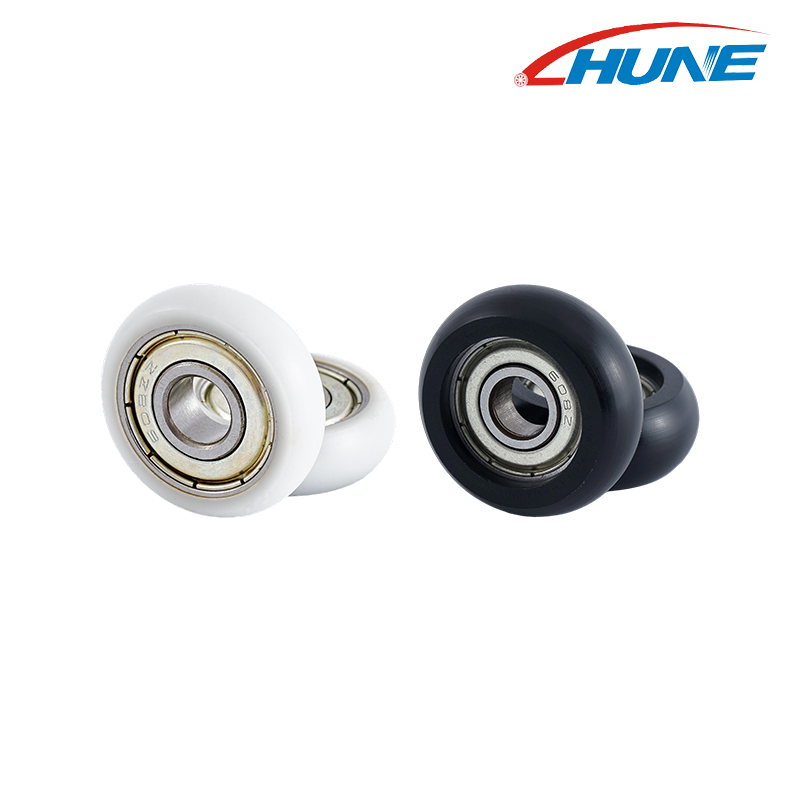
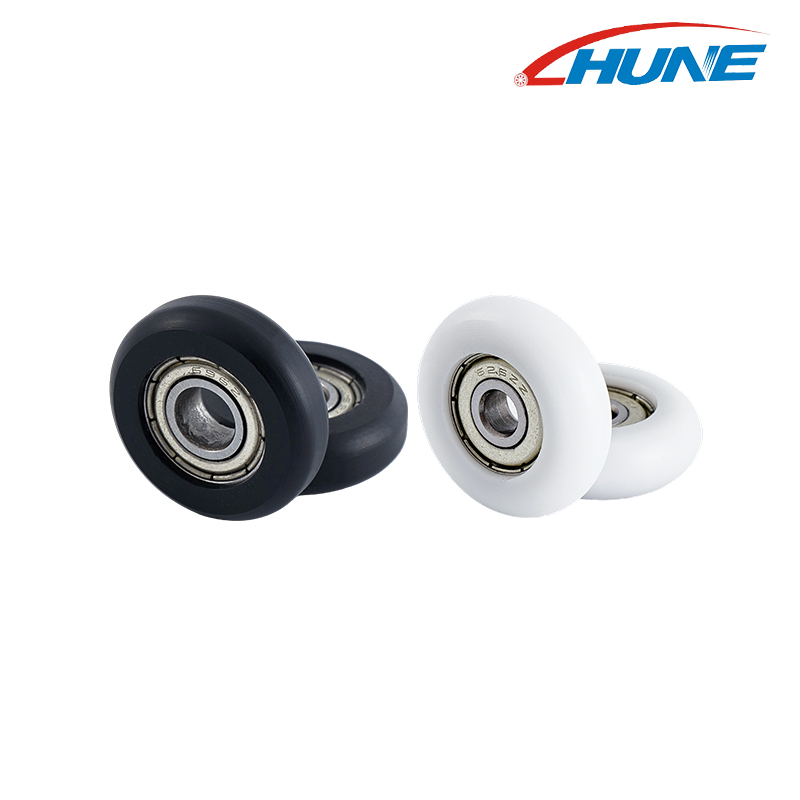
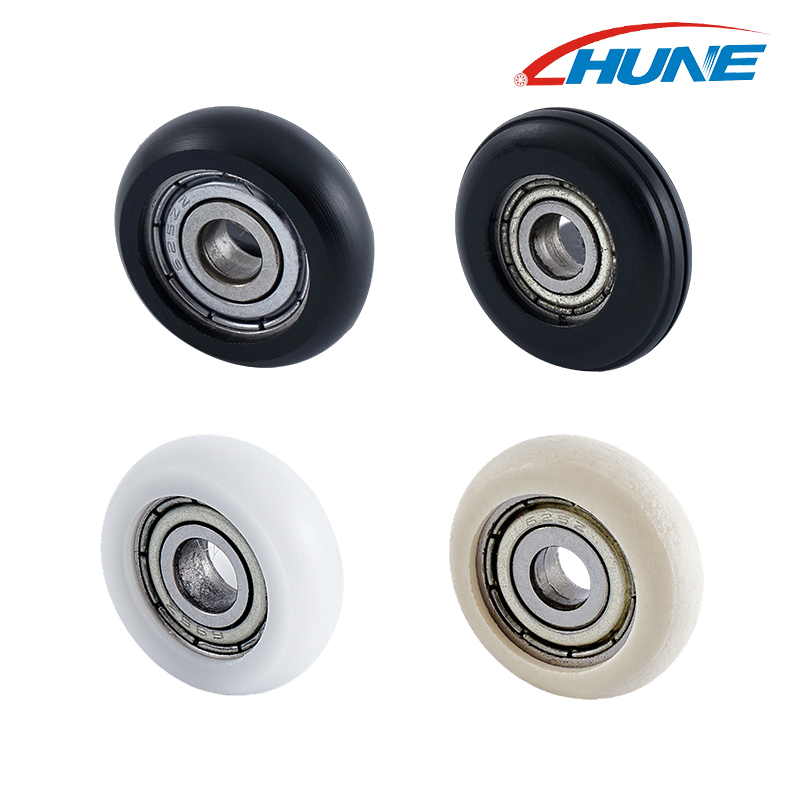
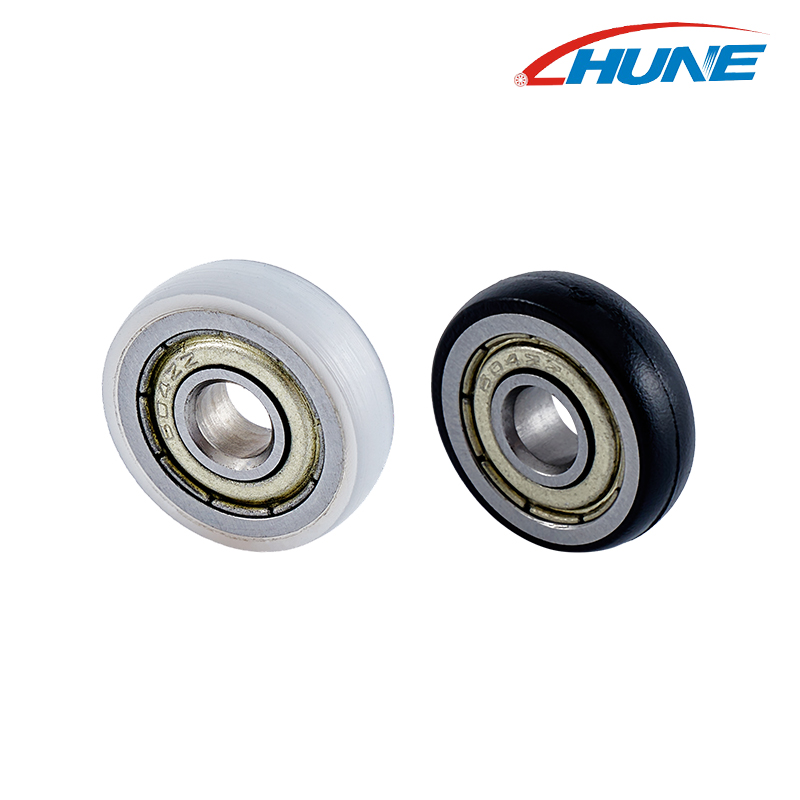
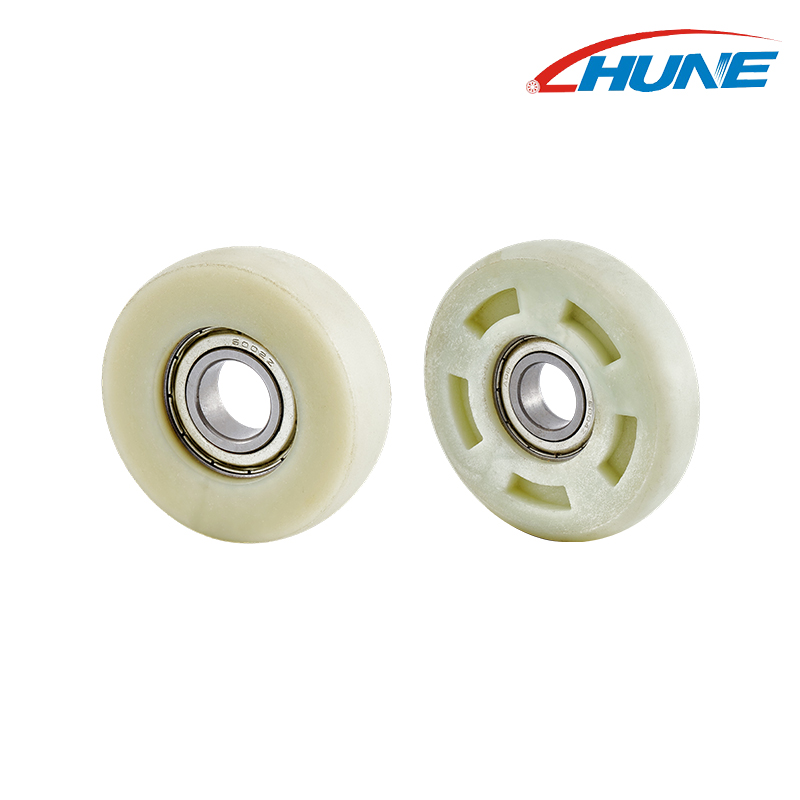
- The wheel — the part that actually rolls inside the track (metal, plastic, or sometimes nylon-coated).
- The bearing — usually a small ball bearing that allows the wheel to turn smoothly and quietly with very little drag.
- The housing/mount — the bracket or body that bolts to the door frame and holds the wheel and bearing in place.
All rollers do the same basic job. But the materials and quality of those three pieces create a huge difference in how long the system stays quiet, light, and trouble-free.
Material Differences: 201 Stainless Steel vs Regular Rollers
1. 201 Stainless Steel Sliding Door Rollers
201 stainless steel is a cost-effective austenitic alloy that gives rollers a useful combination of properties for real-world use:
- Longer-lasting under load It resists flattening, grooving, or wearing out the wheel surface even after many thousands of cycles, so heavy glass doors or frequently used panels stay smooth longer.
- Much better resistance to rust In normal household humidity, condensation, occasional rain splash, or semi-outdoor locations (covered patios, balconies, kitchens), it holds up far longer than uncoated or lightly coated metals. Surface rust is rare under typical conditions.
- Handles serious weight The material's strength means a single roller can carry substantial door weight (often 80–200 kg depending on design) without bending or seizing prematurely.
- Stays looking decent The metal doesn't pit or discolor easily, so the visible parts of the roller continue to match modern glass and aluminum frames for years.
2. Regular Rollers
These are usually made from one of the following:
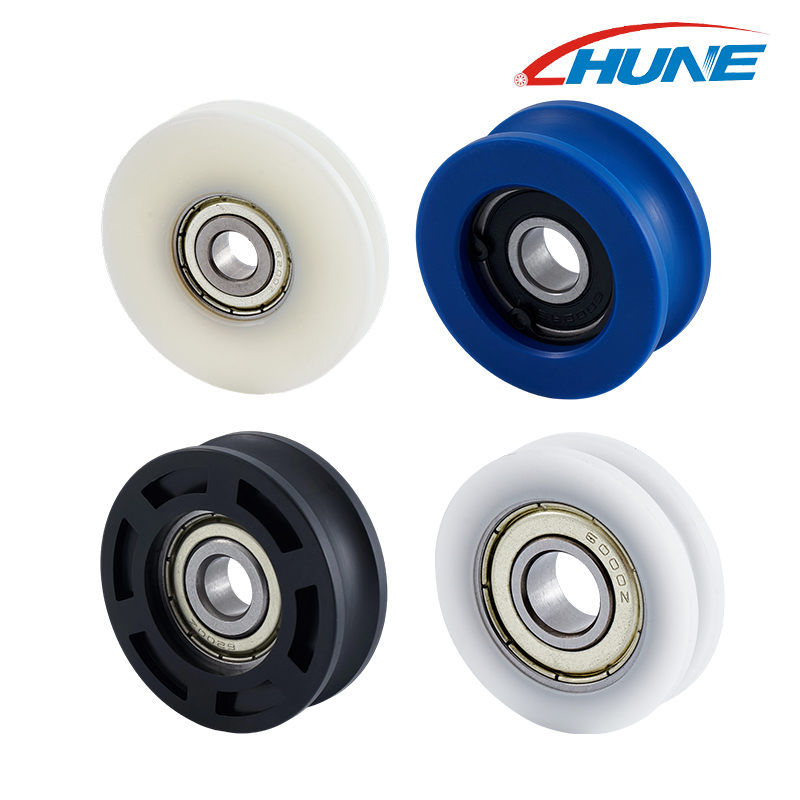
- Plastic (nylon, POM, etc.) Very light, cheap, and quiet when new. They wear quickly under heavy doors, develop flat spots, crack with age or cold, and lose their smooth rolling action relatively fast.
- Mild/carbon steel Strong when new and inexpensive. Without good protection, rust appears quickly in anything but completely dry indoor conditions, leading to rough movement, seizing, or complete failure.
- Zinc alloy or zinc-plated steel Better than plain steel for a while. The zinc coating wears off with use and exposure, after which rust sets in. They're a middle ground but rarely match stainless steel for long-term reliability.
Performance Comparison
- How smoothly the door actually moves
- 201 stainless steel rollers: Good sealed bearings and a hard, round wheel keep rolling resistance low for years. The door glides quietly and evenly, even with a large or heavy panel.
- Regular rollers: Plastic wheels flatten or get grooves, mild steel can rust and bind, leading to squeaks, drag, or jerky motion that gets worse over time.
- Weight they can handle long-term
- 201 stainless steel rollers: Built to carry substantial door weight (often 80–200 kg per roller depending on model) without deforming the wheel or seizing the bearing.
- Regular rollers: Plastic and mild steel versions often start to struggle after a few years under heavy glass, commercial traffic, or oversized panels — flat spots appear, bearings wear out, and the door feels heavier.
- Stability and staying aligned
- 201 stainless steel rollers: Many include simple adjustability and anti-sway features (eccentric wheel, threaded height adjustment, or side pressure control) that keep the door from wobbling side-to-side or drifting off track.
- Regular rollers: Usually fixed-position with no real anti-sway design, so minor track imperfections or building movement cause rattling, scraping, or eventual misalignment.
- How much care they need over time
- 201 stainless steel rollers: Very low maintenance — occasional wipe-down, maybe a drop of silicone lubricant every couple of years. They keep performing with little attention.
- Regular rollers: Plastic can get brittle or dusty; mild steel rusts and seizes; zinc coatings wear off. Most need frequent lubrication, cleaning, or full replacement much sooner.
Applications: Where Each Roller Shines
1. 201 Stainless Steel Rollers
- Residential sliding doors — patio access, balcony doors, large room dividers, kitchen-to-outdoor transitions.
- Commercial and public spaces — office partitions, retail storefronts, hotel balcony or terrace doors, restaurants with outdoor seating.
- Humid, damp, or coastal locations — covered patios, sunrooms, ground-floor apartments, beach houses, or any spot that sees regular condensation, occasional rain splash, or salt-laden air.
These are the places where daily use, exposure to moisture, and the need for long-term quiet performance make the extra durability worthwhile.
2. Regular Rollers
- Light interior doors — bedroom wardrobes, closet sliders, bathroom partitions, small room dividers.
- Low-use or occasional access — guest rooms, storage areas, rarely opened windows or secondary doors.
- Budget-conscious or temporary projects — rental properties, starter homes, basic renovations where cost is the main priority and the door won't see heavy traffic or weather exposure.
Cost Considerations
Regular rollers look cheaper at purchase — often significantly so — and that can be the deciding factor for light-use or tight-budget projects.
However, when you look at the full picture (replacement frequency, extra maintenance, track wear, and downtime), 201 stainless steel rollers frequently turn out to be the better financial choice over time. A modest extra spend upfront usually means fewer service calls, less track damage, and a door that keeps feeling smooth and quiet for 10+ years instead of needing attention every 2–4 years.
Why Choosing the Right Roller Matters
- Protects the whole system
- Cheap rollers wear out fast and start grinding or dragging, which quickly damages the track, frame, and even the glass panel itself. Good rollers prevent that cascade.
- Safety
- A stable, anti-sway roller keeps the door from wobbling, tipping, or trying to jump the track — small things that reduce the risk of pinched fingers, falling glass, or sudden heavy drops.
- Quiet living/working space
- Smooth stainless rollers stay quiet for years. Worn regular rollers often become noisy (squeaks, rattles, scraping), which is especially noticeable in homes, offices, hotels, or any place where people value peace.
- Keeps the look clean
- Stainless steel doesn't pit, rust, or discolor noticeably. Regular rollers (especially metal ones) can show corrosion or wear marks that clash with modern glass and metal frames.
Installation and Maintenance Tips
- Alignment first — Make sure the wheel sits centered and level in the track. A little misalignment causes uneven wear and noise that gets worse quickly.
- Light lubrication — Even stainless rollers benefit from a tiny drop of silicone-based lubricant on the bearing every year or two — it keeps them gliding effortlessly.
- Quick periodic checks — Every 6–12 months, look at the rollers and track for dust buildup, looseness, or unusual noise. A fast readjustment often fixes things before they become a problem.
- Replace when needed — If a roller starts to wobble, flatten, or seize, swap it out early. Waiting usually leads to track damage that's more expensive to fix.
Which roller actually makes sense for your project
The choice between 201 stainless steel rollers and regular rollers comes down to a few straightforward questions:
- How often will the door be used?
- How heavy is the panel?
- Will it see moisture, humidity, or occasional weather?
- Do you want to adjust it once and mostly forget about it for the next decade?
Regular rollers (plastic, mild steel, zinc-plated) are perfectly acceptable for light interior sliders, wardrobes, closets, or any low-use situation where cost is the main driver. They do the job when demands are modest.
But when the door is large, heavy, used daily, or exposed to real-life conditions (covered patios, balconies, coastal humidity, commercial traffic, kitchens), 201 stainless steel rollers from Zhejiang Huaneng Micro Bearing Co., Ltd. consistently deliver a different experience: noticeably smoother and quieter operation, far less wobble thanks to the adjustable anti-sway design, much slower wear, and minimal need for fiddling or replacement over many years.
In today's buildings — whether modern homes, offices, hotels, or shops — people notice when a sliding door feels effortless and stays that way. A good 201 stainless roller from Huaneng isn't about luxury; it's about choosing hardware that matches the rest of the quality you've already put into the space, so the door keeps performing reliably and looking sharp without ongoing hassle.