

 English
 Español
 日本語
日本語Choosing the correct operating system for a sliding door is one of the most important decisions in any architectural or interior design project. Two fundamentally different approaches dominate the market:
- Top-hung (hanging) systems – the door is fully suspended from overhead wheels running in or on a ceiling- or wall-mounted track.
- Bottom-rolling (track-floor) systems – the door's weight is carried primarily by wheels or rollers that travel along a floor-mounted track, with only a light guide at the top.
The choice between them is rarely a matter of fashion; it is a structural, functional, and long-term performance decision that will affect daily use for decades.
Each has specific strengths that make it the clear winner in certain buildings — and obvious weaknesses that rule it out in others.
So which system actually deserves to be specified for your project?
1.Operating Principles and Core Components
- Top-Hung (Hanging) Systems
- The entire static and dynamic load of the door is transferred through two or more wheel assemblies attached to the top edge of the door into a rigidly fixed overhead track. Key components:
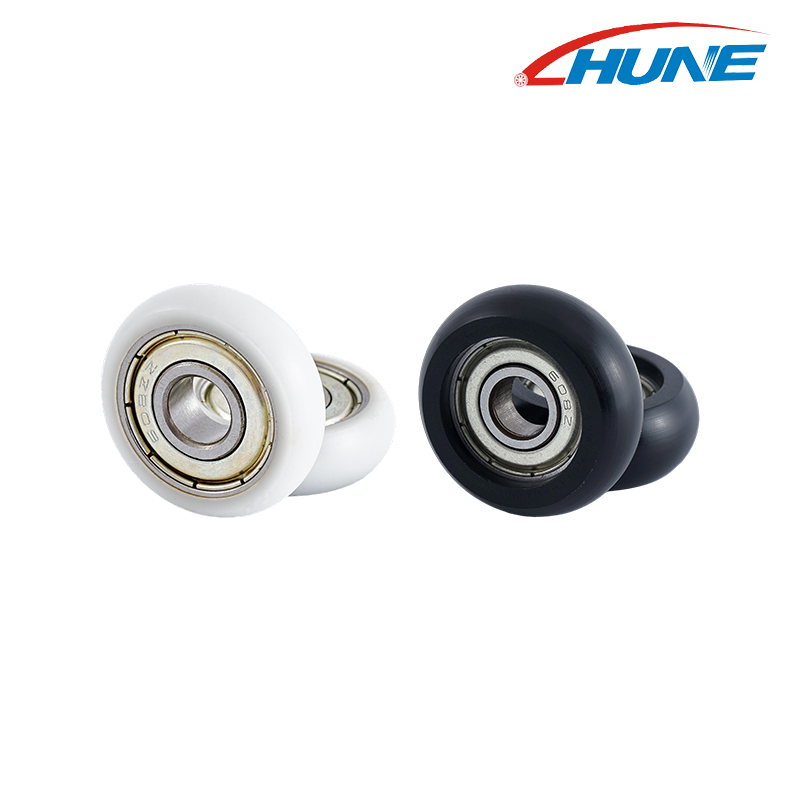
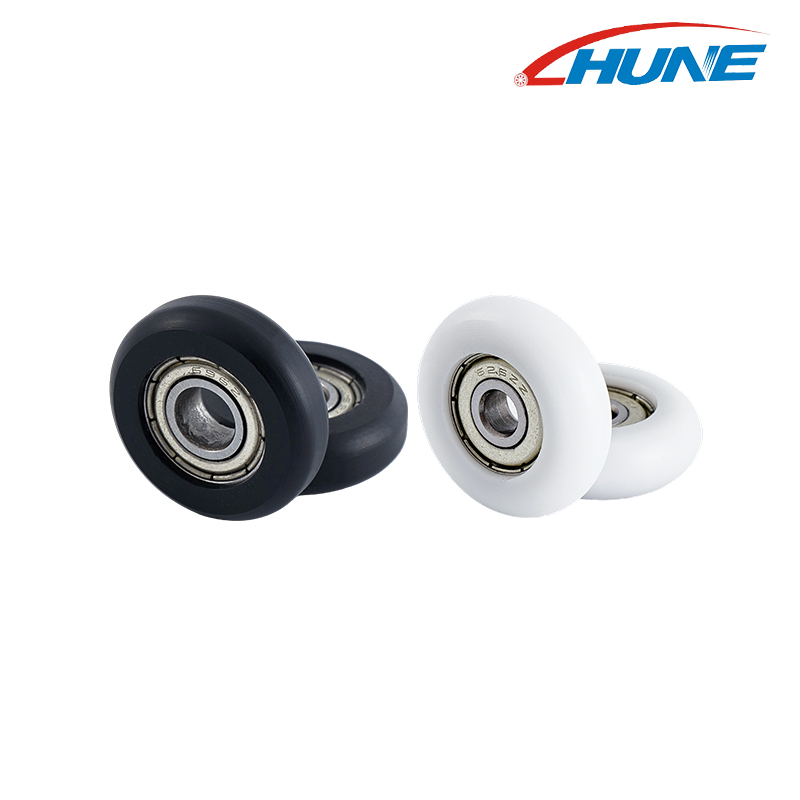
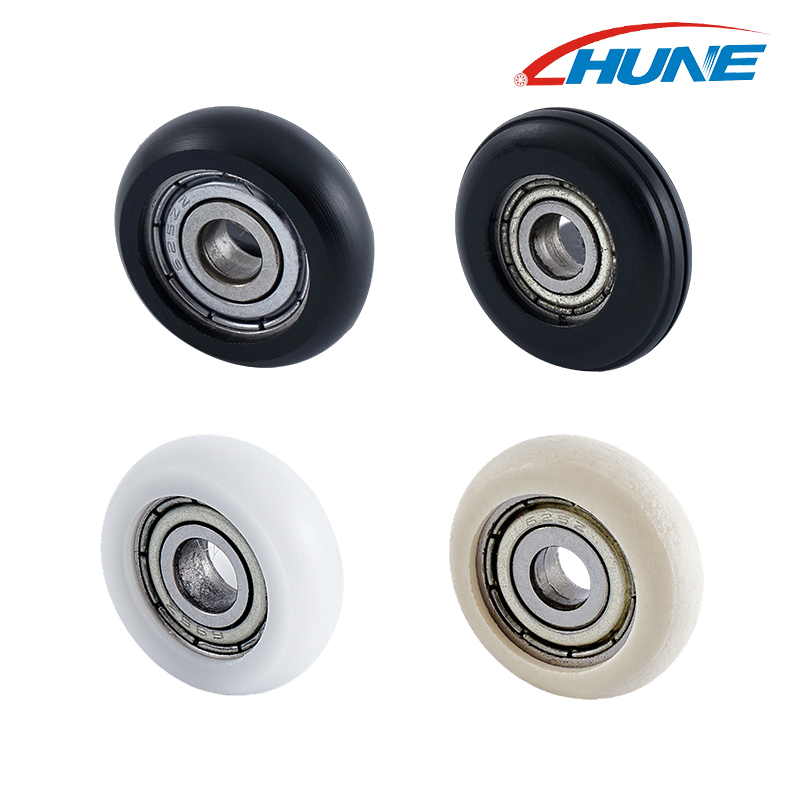
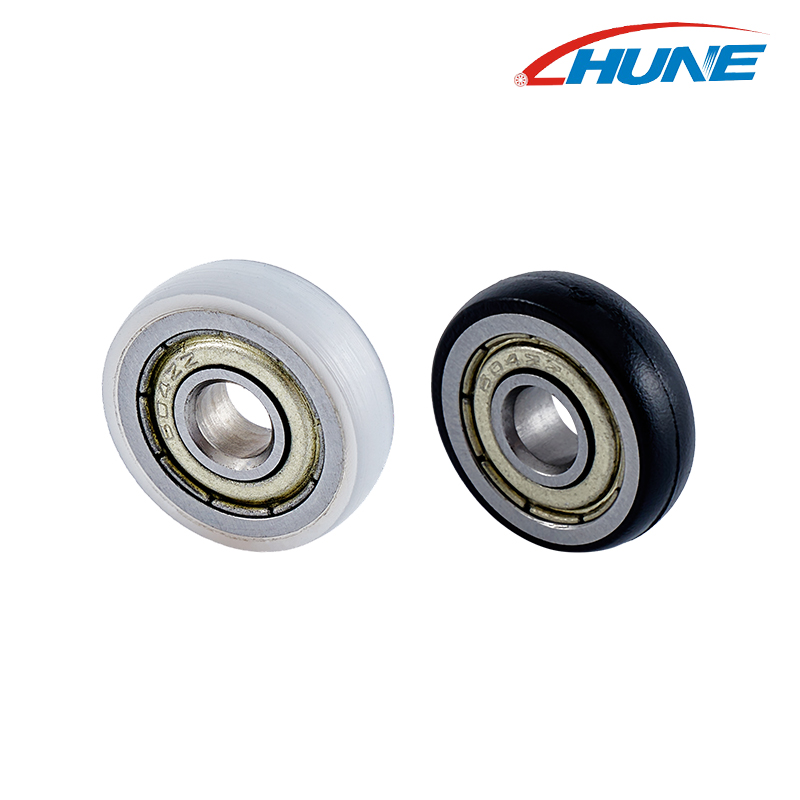
- Precision wheel assemblies (steel, stainless steel, or nylon/polyurethane tyred) with sealed ball bearings
- Structural track (box rail, J-section, or flat bar)
- Adjustable or fixed hanger brackets
- Anti-lift devices and end stops
- Optional integrated soft-close/self-close dampers
- The floor remains completely free of any track or guide in the purest form of the system, though a discreet bottom guide is sometimes added for lateral stability on very wide or tall doors.
- The entire static and dynamic load of the door is transferred through two or more wheel assemblies attached to the top edge of the door into a rigidly fixed overhead track. Key components:
- Bottom-Rolling (Track-Floor) Systems
- The majority of the door weight is supported by robust rollers mounted at the bottom edge, which run inside a recessed or surface-mounted floor track. A light upper guide channel prevents tipping. Key components:
- Heavy-duty bottom rollers (often 50–100 mm diameter)
- Floor track (U-channel, recessed or surface-mounted)
- Upper guide roller or pin assembly
- Optional top track for added stability on very heavy doors
- The majority of the door weight is supported by robust rollers mounted at the bottom edge, which run inside a recessed or surface-mounted floor track. A light upper guide channel prevents tipping. Key components:
2. Structural and Architectural Implications
- Header and Wall Requirements
- Top-hung: Requires a structurally adequate lintel or header capable of supporting the full door weight plus dynamic forces. In timber-frame construction this often means a doubled or engineered header; in steel or concrete structures a suitably sized beam or channel must be provided. Bottom-rolling: Places minimal load on the wall or header, making it the preferred choice when overhead structure is limited or when retrofitting into existing openings with insufficient lintel capacity.
- Floor Construction and Finish
- Top-hung: No modification to the finished floor is required, allowing seamless transitions across carpet, hardwood, tile, or stone. Bottom-rolling: Demands a continuous, level floor track. In new construction the track is usually recessed flush with the finished floor level. In renovations, a surface-mounted track creates a small trip hazard and interrupts flooring continuity.
3. Load Capacity and Door Size
Top-hung systems routinely support doors up to 500 kg (and in industrial applications considerably more) when correctly engineered. However, load capacity is limited by header strength and track rigidity rather than the wheels themselves. Bottom-rolling systems can carry doors exceeding 1,000 kg with relative ease because the load is transferred directly into the floor slab. This makes them the default choice for large-format glass, solid timber, or metal fire and security doors.
4. Cleanliness, Maintenance, and Long-Term Performance
- Debris and Contamination
- Top-hung: Wheels and track remain elevated and largely protected from floor-borne dust, pet hair, and spilled liquids. Maintenance is limited to occasional track vacuuming and light lubrication. Bottom-rolling: The floor track acts as a natural collector of dirt, grit, and moisture. In residential and light-commercial environments, regular cleaning is essential to prevent binding or noisy operation.
- Wear Patterns
- Top-hung: Wear is distributed evenly across sealed bearings; correctly specified systems often last 25–40 years with minimal intervention. Bottom-rolling: Bottom rollers are exposed to abrasive particles, leading to faster tyre or bearing wear, although replacement is straightforward.
5. Safety and Accessibility
Top-hung systems eliminate trip hazards entirely, making them the preferred solution in homes with young children, elderly residents, or wheelchair users. They fully comply with accessibility standards when no floor guide is used. Bottom-rolling systems, even when recessed flush, present a small but measurable trip risk and may require additional signage or contrasting nosing in public buildings.
6. Aesthetic and Design Considerations
Top-hung systems offer the cleanest possible floor plane and are favoured in contemporary, minimalist, and high-end residential projects. Exposed barn-door hardware has also made decorative top-hung tracks a deliberate design feature in industrial and rustic interiors. Bottom-rolling systems are less visually intrusive when the track is recessed and finished to match the floor, but they inevitably interrupt flooring patterns and are rarely chosen for premium aesthetic applications.
7. Acoustic Performance
Large-diameter, precision-bearing top-hung wheels combined with nylon or polyurethane treads routinely achieve near-silent operation. Integrated soft-close dampers eliminate slamming entirely. Bottom-rolling systems can be quiet when new and clean, but accumulated debris in the floor track frequently produces audible rumbling or scraping over time.
8. Suitability by Application
|
Application |
Recommended System |
Primary Reason |
|
Residential interiors (bedrooms, closets) |
Top-hung |
Clean floor, quiet operation, no trip hazard |
|
Large glass patio doors |
Top-hung or sealed bottom-rolling |
Top-hung preferred for seamless flooring; bottom-rolling acceptable if recessed |
|
Commercial offices and partitions |
Top-hung |
Flexibility, cleanliness, accessibility |
|
Heavy fire or security doors |
Bottom-rolling |
Superior load transfer into slab |
|
Warehouses and industrial facilities |
Bottom-rolling |
High load capacity, tolerance of debris and forklift traffic |
|
Wet areas (bathrooms, pool enclosures) |
Top-hung |
Corrosion avoidance |
|
Retrofits with limited header strength |
Bottom-rolling |
Minimal structural modification required |
9. Cost Comparison (Professional Installation)
|
Item |
Top-Hung System |
Bottom-Rolling System |
|
Hardware (per door, mid-range) |
$250–$650 |
$300–$800 |
|
Structural reinforcement |
Often required |
Rarely required |
|
Floor preparation |
None |
Recessing or surface track |
|
Long-term maintenance |
Low |
Moderate to high |
|
Total installed cost (typical) |
Comparable or slightly higher |
Comparable or slightly lower |
10. Where Each System Wins Decisively
Choose Top-Hung (Hanging) Wheels when:
- The floor finish must remain unbroken (expensive stone, timber, or resin floors)
- Children, elderly residents, or wheelchair users are present
- Absolute silence is required (bedrooms, recording studios, luxury residences)
- The door is under 400–500 kg and a proper header can be provided
- Future flexibility is desired (easy to move or remove the door without floor scars)
Choose Bottom-Rolling (Track-Floor) when:
- The door is exceptionally heavy (large glass, solid core, fire-rated, or security doors)
- The existing lintel is weak or impossible to reinforce
- The building experiences strong wind loads or physical impact
- The environment is dusty or industrial and floor-track cleaning is acceptable
- Budget or construction sequence makes floor preparation simpler than header reinforcement
The right choice is the one that perfectly matches your building and your life. For most homes, offices, and premium interiors today, top-hung systems deliver the cleanest floor, the quietest operation, and the longest trouble-free life. When that decision is made, the difference between good and exceptional comes down to the quality of the wheels themselves. Hunepulley hanging wheels and tracks are engineered exactly for this purpose—silent, precise, and built to last decades without compromise. Specify the right system and the right components, install once, and enjoy flawless performance for a lifetime.