

 English
 Español
 日本語
日本語Why do some sliding wardrobe doors glide smoothly for years, while others start feeling off after a short time?
Most people don't really think about this until something changes. A door that once felt effortless suddenly starts dragging a little. Maybe there's a faint scraping sound, or one side doesn't feel as balanced as before.
That's usually where sliding wardrobe wheels come into the picture.
They're small parts hidden inside the structure, but they quietly decide how the whole system behaves every day. When everything is working properly, you barely notice them. When something is slightly worn or misaligned, the difference shows up fast.
In modern interiors, sliding doors are everywhere because they save space and keep rooms visually clean. But expectations have shifted. It's not just about "opening and closing" anymore. People notice smoothness, sound, and how the door feels over time.
What really shapes the experience is a mix of small factors:
- Wheel structure inside the frame
- Bearing movement quality
- Track condition over time
- Installation balance
- Surface contact and friction
- Material choice
When these elements stay in sync, movement feels light and controlled. When one part starts drifting out of balance, the change is gradual but noticeable.
What Are Sliding Wardrobe Wheels?
Basic Definition and Core Function
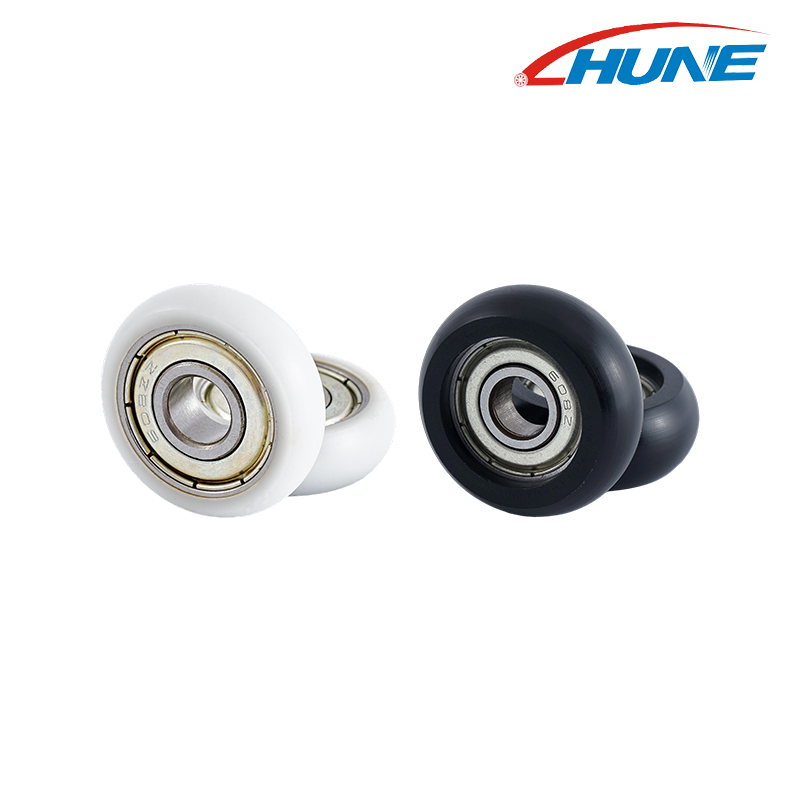
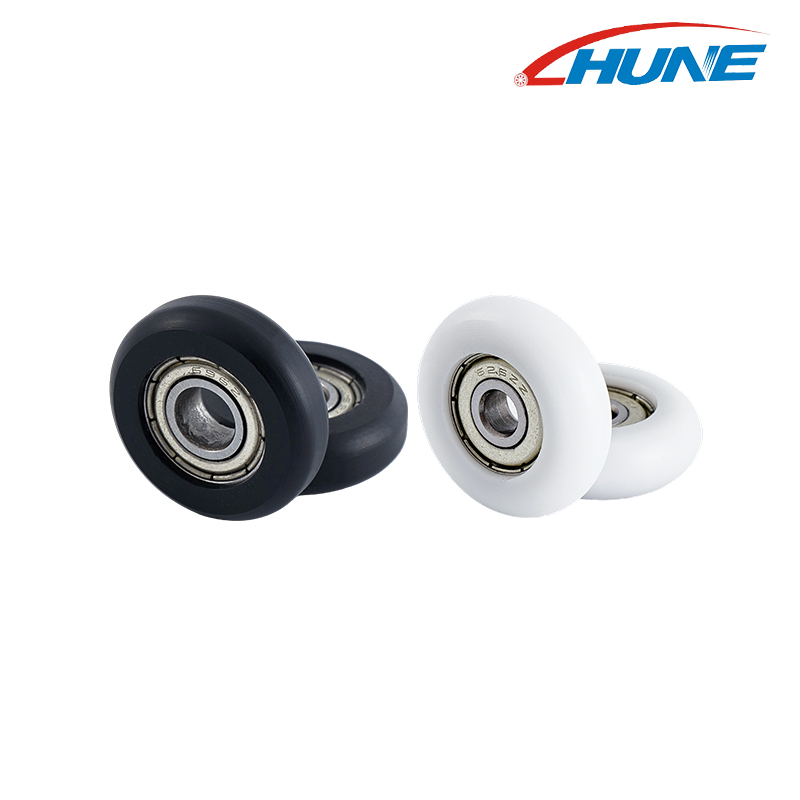
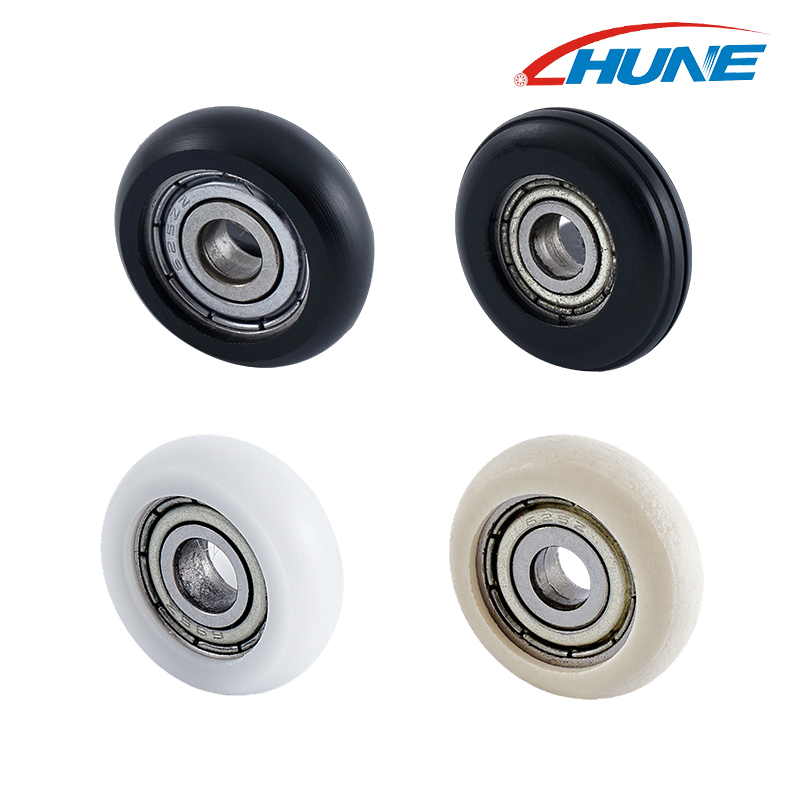
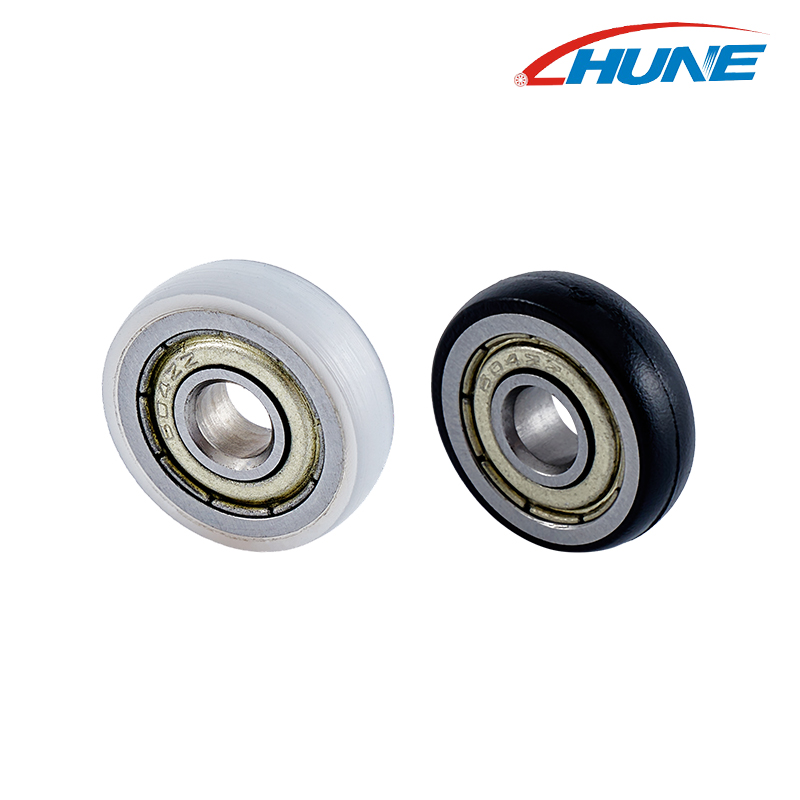
Sliding wardrobe wheels are small rolling components that allow wardrobe doors to move along a fixed rail instead of swinging open.
It sounds simple, but the idea is actually very practical. The door slides sideways, guided by a track system, and the wheels handle the movement so the surface doesn't drag directly.
A basic setup usually includes:
- Wheel assemblies
- Door frame structure
- Upper and lower tracks
As the door moves, the wheels rotate inside the track and reduce direct surface friction.
Depending on the design, the weight may sit more on the bottom wheels or be supported from the top rail.
Main Components of a Sliding Wheel System
Even though different brands design things slightly differently, the internal structure usually looks similar.
| Component | What It Does in Real Use |
|---|---|
| Roller wheel | Keeps the door moving |
| Bearing | Makes rotation smoother |
| Axle | Connects wheel and support frame |
| Housing bracket | Holds everything in place |
| Adjustment screw | Helps fix alignment issues |
| Anti-jump part | Prevents the door from coming off track |
| Support cushion | Reduces vibration during movement |
You don't really see these parts during daily use, but they're always working together in the background.
How Each Component Affects Daily Use
Sliding doors rarely fail all at once. It usually starts small.
A slight vibration. A softer grinding sound. A feeling that one side is doing more work than the other.
For example:
- Bearings start wearing → movement feels rough
- Brackets loosen slightly → door feels unstable
- Wheels wear unevenly → sliding becomes inconsistent
In many cases, people assume the track is the problem, but the issue is often inside the wheel assembly itself.
Common Sliding Wardrobe Configurations
Sliding systems are not all built the same. The structure depends on the space and door design.
Bypass Doors
Two or more panels slide past each other on separate tracks. Very common in bedrooms.
Pocket Systems
The door slides into the wall cavity, staying completely hidden when open.
Top-Hung Systems
The upper rail carries most of the load, giving a floating feel.
Bottom-Rolling Systems
The lower wheels carry the weight, making the floor track more important.
Frameless Glass Wardrobes
Heavier and more sensitive to balance and vibration.
Heavy Mirrored Doors
Require stronger support because of added weight and pressure on the hardware.
The Evolution of Sliding Wardrobe Wheel Design
From Basic Rollers to Refined Systems
Older sliding systems were simple. Metal wheels on metal rails. They worked, but the experience was often basic.
Over time, people started expecting more comfort in everyday furniture. That slowly changed how the systems were designed.
Modern setups often include:
- Nylon-coated wheels for quieter movement
- Sealed bearings to reduce dust impact
- Soft-close behavior for controlled stopping
- Hidden wheel structures for cleaner design
- Shock-absorbing inserts to reduce vibration
The goal shifted from "just working" to "feeling better in daily use."
How Consumer Expectations Changed
People today care about small details more than before.
Common expectations include:
- Quiet movement
- Smooth sliding feel
- Less maintenance
- Clean interior design
- Stable long-term use
In smaller apartments, even small mechanical sounds become noticeable.
So the focus shifted from basic function to overall feel.
Smart Engineering Trends
Some newer systems are starting to refine movement even further.
You'll see ideas like:
- Hidden rolling structures
- Magnetic damping behavior
- Replaceable modular wheel parts
- Internal cushioning layers
None of these feel dramatic on their own, but together they make the system feel more controlled and stable over long-term use.
Structural Details That Influence Performance
Wheel Size and Movement Feel
Wheel size changes how pressure spreads along the track.
Smaller wheels fit compact designs but rely more on precise alignment. Larger wheels spread load more evenly but take more space.
Still, size alone doesn't decide how smooth the door feels.
Other things matter just as much:
- Track alignment
- Bearing condition
- Surface smoothness
- Load balance of the door
Real-World Example
| Door Type | What Usually Affects Movement |
|---|---|
| Light panel door | Feels fast but sensitive to imbalance |
| Glass door | Needs stable support to avoid vibration |
| Mirror door | Heavier load on wheels and tracks |
| Large wardrobe system | Long track consistency matters more |
Bearing Technology and Smooth Movement
Bearings are one of the main reasons a door feels smooth or rough.
When they're in good shape, movement feels effortless. When they start wearing out, the change is obvious.
Typical signs:
- Slight grinding sound
- Uneven sliding feel
- Small vibrations during movement
Different types exist:
- Ball bearings – commonly used for smoother rotation
- Sealed bearings – better protection against dust
- Self-lubricating types – reduce maintenance needs
Material Selection and Durability
Material choice changes how the system feels over time.
Nylon Wheels
Quieter and softer during movement, often used in home furniture.
Steel Wheels
Stronger under load, but can feel more direct on contact.
Rubber-Coated Wheels
Help reduce vibration and soften impact.
| Material | Feel During Use | Common Setting |
|---|---|---|
| Nylon | Quiet and smooth | Home wardrobes |
| Steel | Strong and firm | Heavy systems |
| Rubber-coated | Balanced feel | Mixed environments |
Suspension and Shock Absorption Systems
Some systems include extra support to soften movement.
This may include:
- Spring-based support
- Flexible mounting parts
- Small cushioning inserts
It's not always visible, but it helps reduce long-term vibration stress inside the system.
Track Interaction and Door Stability
Why Track Quality Matters as Much as the Wheel
Even a good wheel won't perform well if the track is uneven or dirty.
Common track materials include aluminum and stainless steel.
The track affects:
- Smoothness of movement
- Noise level
- Stability over time
Alignment and Load Distribution
If the alignment is slightly off, the difference shows up quickly.
Typical signs:
- One side feels heavier
- Door tilts slightly during movement
- Sliding feels inconsistent
It's not always a broken part. Sometimes it's just positioning.
Friction Control and Glide Consistency
Movement depends on how surfaces interact.
Things that change friction:
- Dust buildup
- Wear on track surface
- Lubrication condition
- Uneven pressure distribution
Even small particles inside the track can affect how smooth the door feels.
Common Problems and What Causes Them
Why Sliding Doors Become Noisy
Noise usually doesn't appear suddenly. It builds up over time.
It often starts as a soft rubbing sound, then becomes more noticeable.
Common reasons:
- Dust inside the track
- Worn bearings
- Loose fittings
- Dry contact points
Why Wheels Wear Out Prematurely
Wear happens faster when:
- The door is too heavy for the system
- Installation is slightly off
- Humidity affects materials
- Load is uneven
Door Jumping or Derailing Issues
This usually comes from worn anti-jump parts or slight track deformation.
Uneven Sliding Resistance
If one side feels harder to move:
- Wheel wear may not be balanced
- Track may be dirty
- Alignment may be off
Can You Identify the Problem?
| Symptom | Likely Reason |
|---|---|
| Grinding sound | Bearing wear |
| Door shake | Misalignment |
| Sudden resistance | Debris in track |
| Uneven movement | Load imbalance |
Step-by-Step Guide to Choosing the Right Sliding Wardrobe Wheels
Measure Before Buying
Before replacing anything, it's worth checking:
- Door weight
- Track size
- Space clearance
- Wheel compatibility
Small mismatch often leads to bigger issues later.
Match Wheel Type to Wardrobe Style
| Wardrobe Type | What Matters Most |
|---|---|
| MDF panels | Light movement |
| Glass panels | Stability |
| Mirror doors | Strong support |
| Large systems | Track durability |
Residential vs Commercial Use
Daily usage changes everything.
More frequent use usually means faster wear, even with the same materials.
Questions Buyers Should Ask Before Purchasing
- Is the bearing sealed or open?
- Can it be replaced easily?
- Does it support soft-close behavior?
- Will it match the existing track?
Installation Best Practices
Tools Required
Basic tools usually include:
- Screwdriver
- Measuring tape
- Level tool
- Alignment guide
Proper Wheel Installation Steps
- Check the track condition
- Align brackets carefully
- Fix rollers evenly
- Test movement slowly
- Adjust balance if needed
Mistakes to Avoid
- Over-tightening screws
- Ignoring alignment
- Mixing incompatible parts
- Skipping balance checks
Maintenance Strategies That Extend Wheel Lifespan
Cleaning Routines
Dust builds up slowly inside tracks, especially in bedrooms.
Simple habits help:
- Wipe tracks regularly
- Remove debris
- Check wheel contact points
- Tighten loose fittings
Lubrication Best Practices
Too much lubrication can attract dust.
In many indoor setups, dry-type lubrication works better over time.
Inspection Schedule
Look for early signs like:
- Noise changes
- Surface cracks
- Loose fittings
When to Replace Instead of Repair
Replacement makes more sense when:
- Cracks appear
- Vibration doesn't go away
- Structure becomes uneven
Noise Reduction Engineering in Modern Sliding Systems
Acoustic Design Features
Modern systems often try to reduce sound through:
- Rubber damping layers
- Soft-close mechanisms
- Multi-layer wheel coating
Why Quiet Operation Matters in Modern Homes
In open living spaces, even small mechanical sounds become noticeable.
Comparing Quietness Across Wheel Materials
| Material | Sound Behavior |
|---|---|
| Nylon | Soft rolling |
| Steel | Firm contact sound |
| Rubber-coated | Dampened vibration |
Psychology of Quiet Movement
People often associate quieter movement with better comfort, even if they don't consciously notice it.
Myths and Misconceptions About Sliding Wardrobe Wheels
"Metal wheels last longer"
Not always. Wear depends more on alignment and load than material alone.
"Lubrication fixes everything"
It only helps friction, not structural issues.
"All systems are the same"
Design differences can be quite large between systems.
"Bigger wheels solve weight issues"
Weight balance also depends on track and bearing design.
Advanced Engineering Insights Most Articles Ignore
Load Cycle Fatigue and Long-Term Wear
Every opening and closing adds small stress cycles to the system.
Microscopic Surface Friction
Even smooth tracks have tiny irregularities that affect movement.
Thermal Expansion and Seasonal Performance
Humidity and temperature can slightly affect material behavior.
Manufacturing Precision Effects
Small differences in production accuracy can change long-term smoothness.
Sustainability and Eco-Friendly Material Trends
Recyclable Wheel Materials
Some designs now use recycled nylon and lighter metals.
Long-Life Design Reduces Waste
Replaceable parts help reduce full system replacement.
Low-Noise Systems and Comfort
Quiet furniture design is increasingly linked to indoor comfort.
The Future of Sliding Wardrobe Wheel Technology
Smart Sliding Systems
Possible features include:
- Sensor-assisted closing
- Smart home connection
- Adaptive movement control
Advanced Polymer Materials
New materials aim to reduce friction and improve stability.
AI-Assisted Furniture Design
Simulation tools may help predict wear patterns before production.
Future Questions
- Will future systems need almost no lubrication?
- Will modular replacement become more common?
Expert Buying Recommendations by Use Case
Family Homes
- Quiet movement
- Stable structure
- Safe closing behavior
Luxury Interiors
- Hidden mechanisms
- Smooth visual design
- Controlled motion
Rental Properties
- Easy replacement
- Low maintenance
- Practical installation
Heavy-Duty Applications
- Reinforced bearings
- Strong track support
- Stable load handling
Frequently Asked Questions
How long do sliding wardrobe wheels last?
It depends on usage, load, and maintenance conditions.
Can wheels be replaced without removing the frame?
Some systems allow it, others require partial disassembly.
Why does one side move harder?
Usually due to alignment, wear, or track dirt.
Are soft-close systems worth it?
They help control impact and improve movement feel.
What works better in humid environments?
It depends on material choice and ventilation conditions.
How often should tracks be cleaned?
It depends on dust levels and usage frequency.
Sliding wardrobe wheels are small, but they shape a very noticeable part of daily life.
When everything is aligned, the door feels almost effortless. When something shifts even slightly, the difference shows up quickly.
Most of the experience doesn't come from the visible design, but from what's hidden inside the system working quietly in the background.