

 English
 Español
 日本語
日本語Why Sliding Door Rollers Matter More Than They Look
Most people never think much about a wardrobe sliding door roller until the door starts feeling a bit "different" in daily use. At the beginning, everything is quiet and light. You push the door, it moves, no effort, no attention needed. It just blends into everyday life.
Then something changes, usually in a very subtle way.
Maybe there is a faint scraping sound that wasn't there before. Maybe the door doesn't start moving as smoothly as it used to. Or it feels slightly uneven, like one side is doing more work than the other. Nothing is broken, nothing is obvious, but you notice it.
What makes this interesting is that the wardrobe itself looks exactly the same. The panels are fine, the track still looks normal, and nothing visually screams "problem." The real action is happening inside the small roller system that carries the door every time you slide it.
Sliding doors are popular because they save space and keep rooms visually clean. But in real use, people care less about the concept and more about the feeling: does it still move the same way after months or years.
That feeling usually comes down to a few quiet factors:
- How freely the wheel turns inside the housing
- How stable the bearing stays after repeated use
- Whether dust or friction builds up inside the track
- How evenly the door weight is carried on both sides
- How materials react after long contact and pressure
When everything is aligned, the door feels almost effortless. When one small part slowly shifts out of balance, the change shows up in daily use without warning.
What Is a Wardrobe Sliding Door Roller System?
Core Function and Simple Working Idea
A wardrobe sliding door roller system is what allows a door to move sideways along a fixed track instead of swinging open.
On paper, it sounds simple. In reality, it's a small mechanical chain where each part affects the next. The door sits on wheels, and those wheels run inside a track. As you push the door, the wheels rotate and carry the weight forward.
Main parts usually include:
- Wheels that handle movement
- A track that guides direction
- A frame connection that holds structure
- Support points that balance load
The whole idea is to reduce direct friction between the door and the frame, replacing it with rolling motion.
That's why even heavy doors can feel light when the system is working properly.
Basic Structure (What's Actually Inside)
Even though designs vary, most systems share the same logic.
| Part | What It Actually Does |
|---|---|
| Roller wheel | Keeps the door moving |
| Bearing | Controls smooth rotation |
| Axle | Holds alignment together |
| Bracket | Supports weight transfer |
| Adjustment point | Fixes small imbalance |
| Stopper | Prevents the door from jumping out |
You don't see these parts in daily life, but they are constantly working in the background every time the door moves.
Why People Prefer Sliding Systems Now
The main reason is simple: space.
A swinging door needs room to open. A sliding system doesn't. That alone makes it useful in apartments, small bedrooms, and built-in furniture setups.
But over time, people start caring about more than just space:
- Does it still feel smooth after months of use
- Does noise slowly appear
- Does it stay stable under daily pressure
- Does it require constant adjustment
That's where the roller system becomes more important than expected.
What's Inside a Roller System (And Why It Matters)
Bearing Behavior in Real Use
Inside each wheel is a bearing. This is the part that decides how smooth the rotation feels.
When new, everything feels easy. The door almost moves by itself.
But bearings don't stay the same forever. They deal with constant motion, weight, and contact. Over time:
- Dust slowly finds its way inside
- Lubrication becomes less effective
- Tiny wear marks start forming
The change is not sudden. It builds up quietly.
Typical signs:
- Slight resistance at the start of movement
- A soft rough feeling during sliding
- Light vibration when stopping or starting
Nothing dramatic, just a gradual shift in feel.
Wheel Materials and How They Feel
The material of the wheel changes how the door behaves more than most people expect.
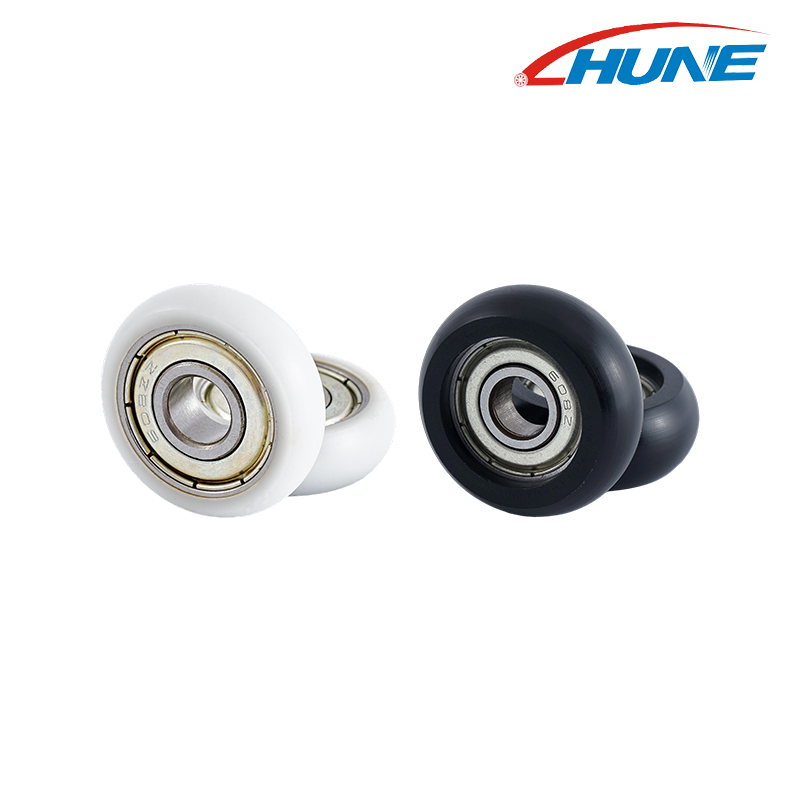
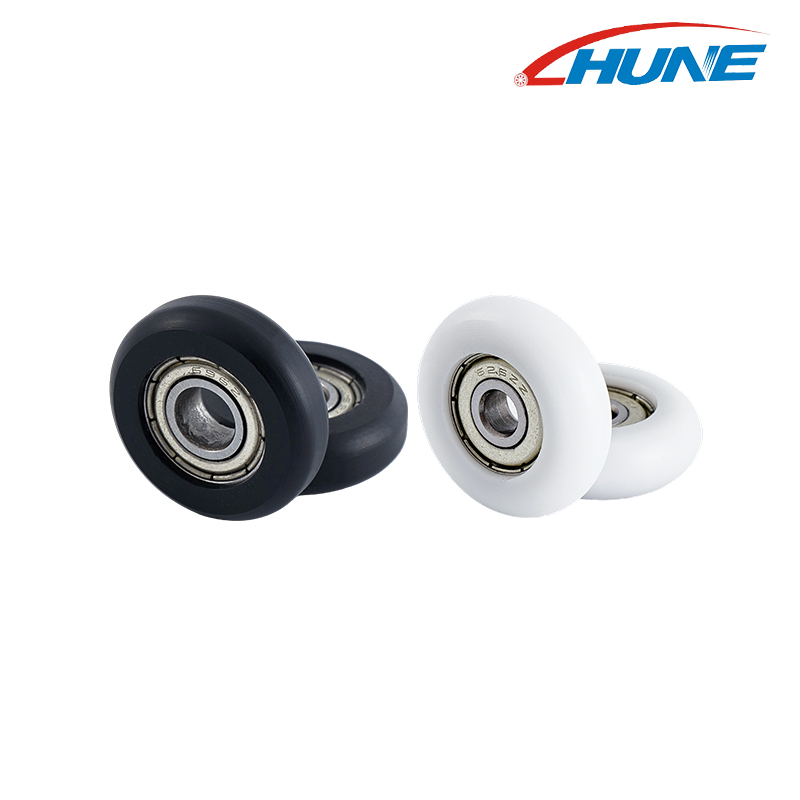
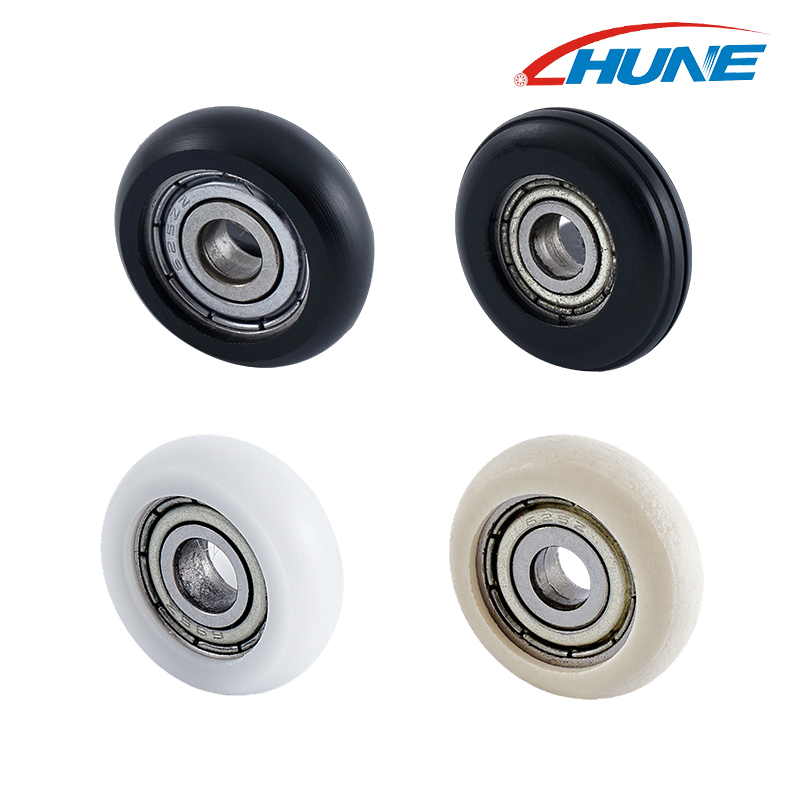
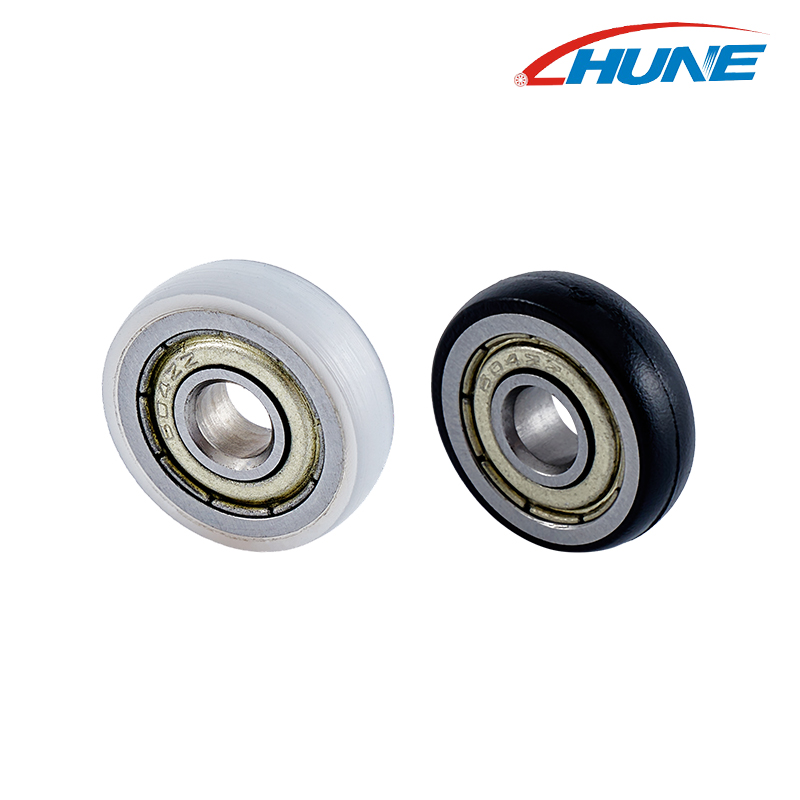
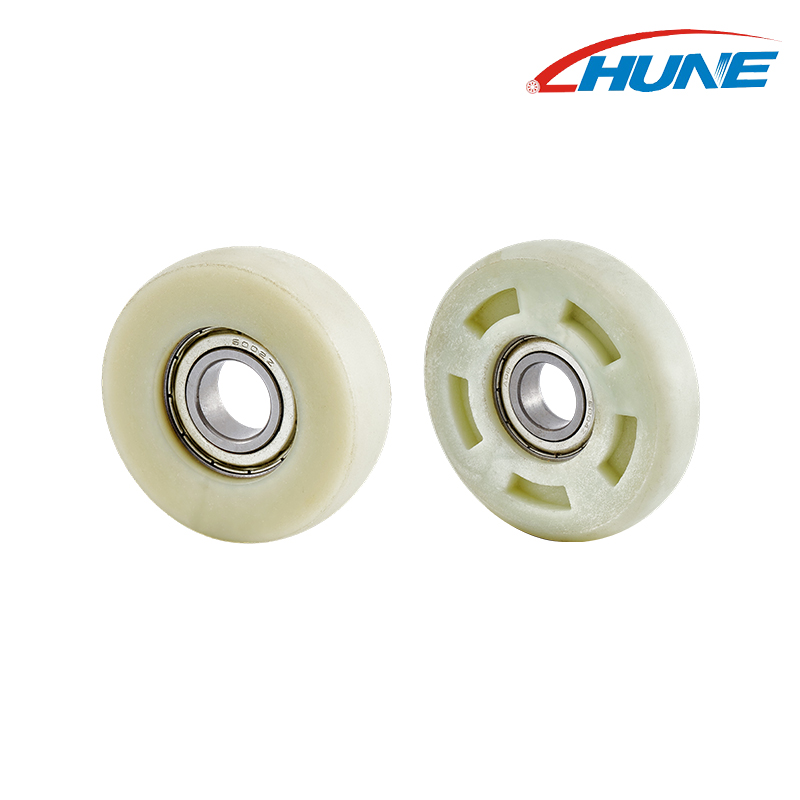
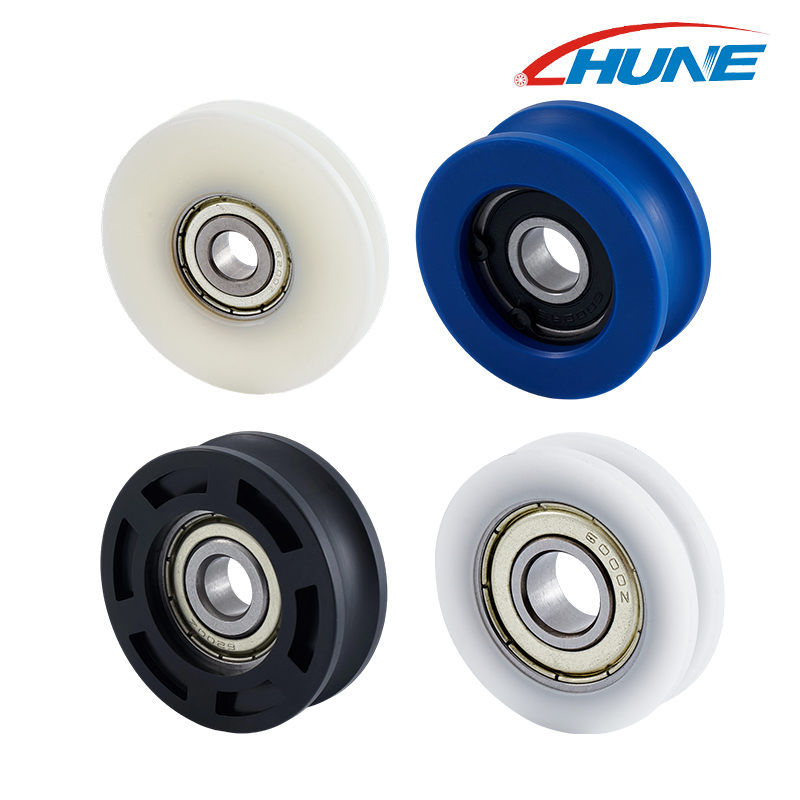
Nylon wheels are common in home setups because they feel quieter and softer on contact. Metal wheels are stronger under heavier loads, but the movement feels more direct and sometimes a bit louder. Rubber-coated wheels try to sit in between, softening vibration while keeping structure stable.
| Material | Daily Feel | Where It Is Usually Used |
|---|---|---|
| Nylon | Quiet, smooth movement | Home wardrobes |
| Metal | Firm, direct motion | Heavy doors |
| Rubber-coated | Balanced feel | Mixed environments |
It's less about "good or bad" and more about what kind of feeling the space needs.
Weight Balance and Why It Slowly Matters
A wardrobe door might look evenly supported, but inside the system, weight distribution is not always perfect.
If one side carries slightly more load, the difference might not show immediately. But over time:
- One wheel wears faster
- Movement becomes slightly uneven
- The door starts feeling "off" without a clear reason
It's one of those things that develops slowly enough that people often don't notice the starting point.
Track Contact and Small Surface Changes
The track is where everything happens physically.
Even if the wheel is fine, the track can change the experience:
- Dust inside the groove
- Slight scratches from long use
- Minor bending over time
Tiny debris stuck in contact points
Sometimes it only takes a small particle to change how smooth the door feels.
Why Sliding Performance Changes Over Time
The Slow Shift Pattern
Sliding systems usually don't fail suddenly. They change step by step:
- Early stage: smooth, quiet, effortless
- Middle stage: slight resistance appears
- Later stage: noise becomes noticeable
- Advanced stage: uneven movement or instability
It feels more like aging than breaking.
Mistakes in Judging the Problem
One common reaction is blaming the track immediately. But in many cases, the roller is the real source of change.
Another common mistake is using lubrication too often. It may help briefly, but it doesn't fix internal wear or alignment issues.
Environment and Daily Habits
A few everyday things also play a role:
- Humidity slowly affecting materials
- Dust changing surface friction
- Uneven floors affecting alignment
And user behavior matters too:
- Pulling the door slightly sideways
- Using uneven force
- Overloading the storage inside
None of these break things instantly, but they shape long-term behavior.
Common Issues and Why They Happen
Noise Over Time
Noise usually doesn't appear suddenly. It starts soft and builds slowly.
Common reasons:
- Dust in track
- Bearing wear
- Loose fittings
- Dry contact surfaces
Uneven Movement Feel
When one side feels heavier:
- Wheel wear is not balanced
- Track has uneven buildup
- Alignment is slightly off
Door Instability
This usually appears after long use when alignment slowly shifts or small support parts lose tightness.
Quick Diagnosis
| Feeling | Possible Reason |
|---|---|
| Grinding sound | Bearing wear |
| Uneven sliding | Balance shift |
| Sudden stop | Track blockage |
| Vibration | Uneven load |
Choosing the Right Roller System
Matching It With Real Use
A wardrobe in a bedroom doesn't experience the same stress as a frequently used storage unit. So the setup doesn't need to be the same either.
Compatibility Matters More Than It Looks
Even similar parts don't always work well together. Track shape, roller size, and mounting style all influence final behavior.
Mismatch can lead to:
- Rough movement
- Faster wear
- Reduced stability over time
Simple Selection Points
Before choosing:
- Does it match the track already installed
- Can it handle daily load comfortably
- Can it be replaced without major effort later
- Does it feel smooth in test movement
Installation and Adjustment
Small Errors, Big Difference Over Time
Even a tiny installation mismatch can slowly affect movement quality. It might work at first, but not consistently.
Basic Flow
- Check track condition
- Position rollers properly
- Secure fittings evenly
- Test full movement range
- Adjust balance if needed
Common Mistakes
- Tightening too aggressively
- Skipping leveling checks
- Mixing incompatible parts
- Not testing full sliding path
Maintenance and Long-Term Use
Cleaning Makes More Difference Than Expected
Dust is one of the quiet reasons performance drops over time. It builds slowly and changes how surfaces interact.
Lubrication Needs Balance
It helps reduce friction, but too much can attract dust and create buildup that works against smooth movement.
Regular Check Habits
Worth noticing:
- Change in sound
- Slight resistance
- Loose fittings
When Replacement Makes Sense
Usually when:
- Cracks appear
- Movement stays unstable
- Noise doesn't improve after cleaning
Comfort and Sound Perception
Why Quiet Movement Feels Better
In daily life, small mechanical sounds stand out more than people expect. A quiet system feels calmer, even if the difference is small.
Material Sound Differences
- Nylon: softer, quieter contact
- Metal: clearer mechanical sound
- Rubber-coated: reduced vibration feel
Misunderstandings People Often Have
Metal Means Longer Use
Not always. Balance and design matter just as much.
Lubrication Fixes Everything
It only affects surface feel, not internal structure.
All Sliding Systems Feel Similar
Small design differences can change the whole experience.
Engineering Notes Most People Don't Notice
Repeated Motion
Every slide adds small stress inside the system. Over time, these small cycles accumulate.
Surface Detail
Even smooth tracks have tiny imperfections that affect movement feel.
Temperature Changes
Heat and humidity can slightly change material behavior over time.
Modern Direction
Modular Replacement
Some systems now allow individual part replacement instead of full disassembly.
Quiet-Focused Design
More attention is going into reducing vibration and contact sound.
Smarter Furniture Ideas
Some designs explore controlled motion or assisted closing behavior.
Real-Life Scenarios
Home Use
Quiet and stable movement matters most.
Rental Spaces
Easy maintenance and quick replacement are key.
Heavy Use Areas
Consistency and load handling become more important.
FAQ
Why does a sliding door become noisy over time?
Because the system slowly changes with use. Dust collects inside the track, bearings gradually wear, and the contact surface becomes less smooth. It doesn't happen suddenly. It builds up step by step through repeated daily motion, until the change becomes noticeable as sound.
Can rollers be replaced without removing the door?
Sometimes yes, sometimes no. It depends on how the system is built. Some designs allow access from the side or bottom, while others require lifting the door off the track. There is no universal method, because each structure handles assembly differently.
Why does one side move differently?
Usually it comes from imbalance. One roller may be more worn, or one side of the track may have more dust or resistance. Even small alignment differences can slowly create a noticeable change in movement feel.
How often should tracks be cleaned?
It depends on the environment. Dusty spaces need more frequent attention, while cleaner indoor spaces need less. The key is not strict timing, but preventing buildup before it affects movement quality.
What causes sudden resistance?
Most of the time it is something simple: a small object in the track, uneven load, or a slight shift in roller position. It rarely means serious damage. It is usually a small interruption in the rolling path.
A wardrobe sliding door roller is small, but it quietly shapes how a door feels every single day.
When everything is aligned, you barely notice it. When something shifts, even slightly, the change becomes obvious in daily use.
Most of the experience comes from how these hidden parts interact over time, not from what you can see on the surface.