

 English
 Español
 日本語
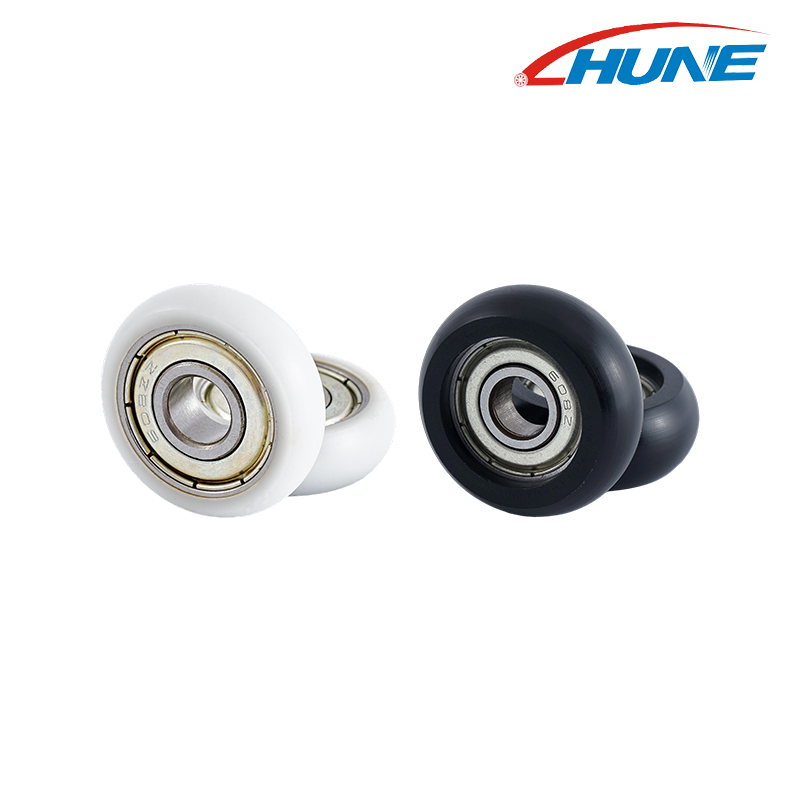
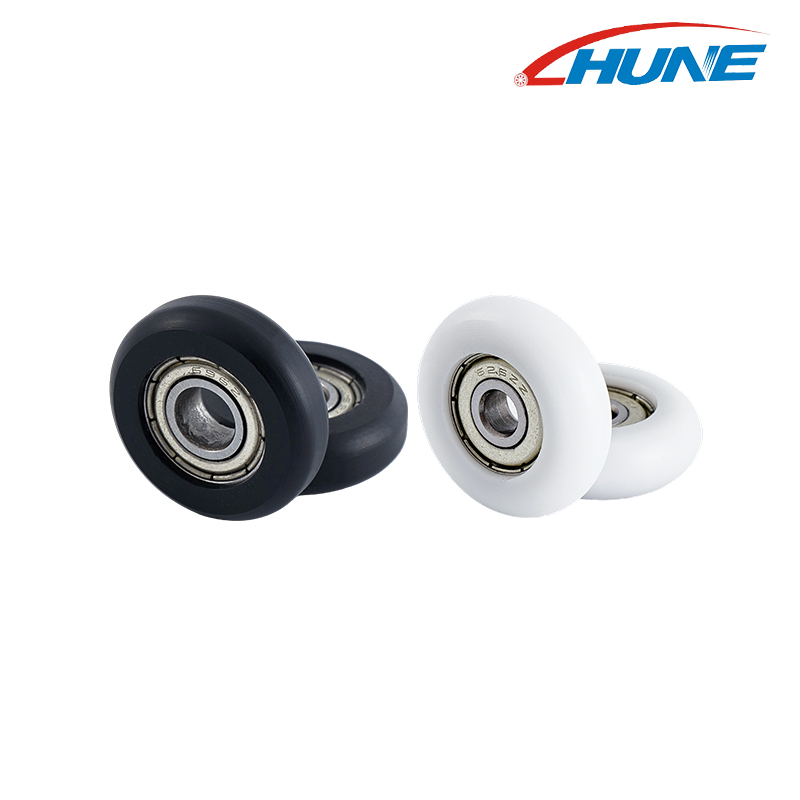
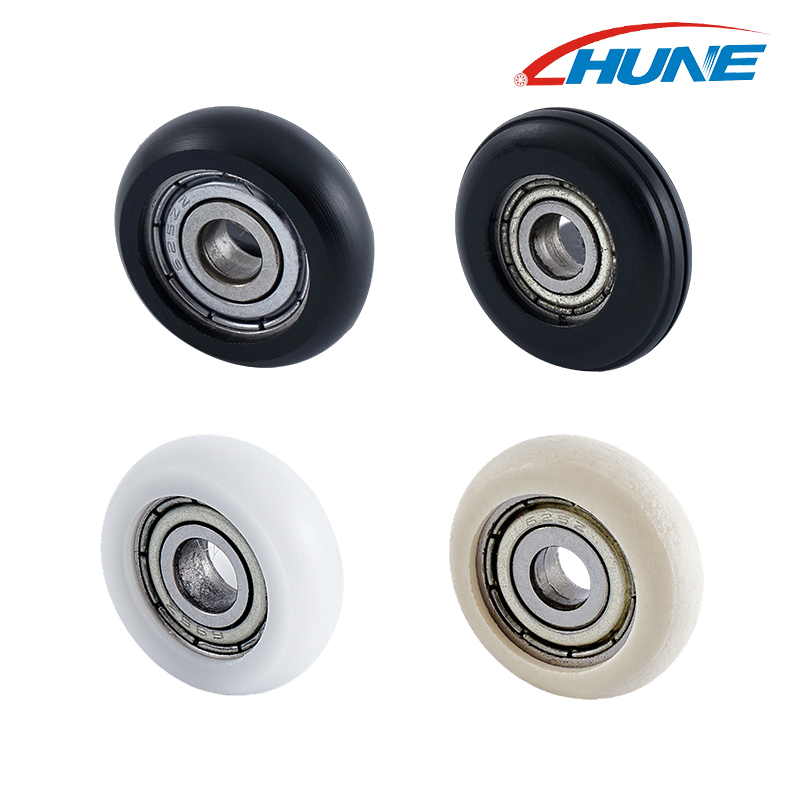
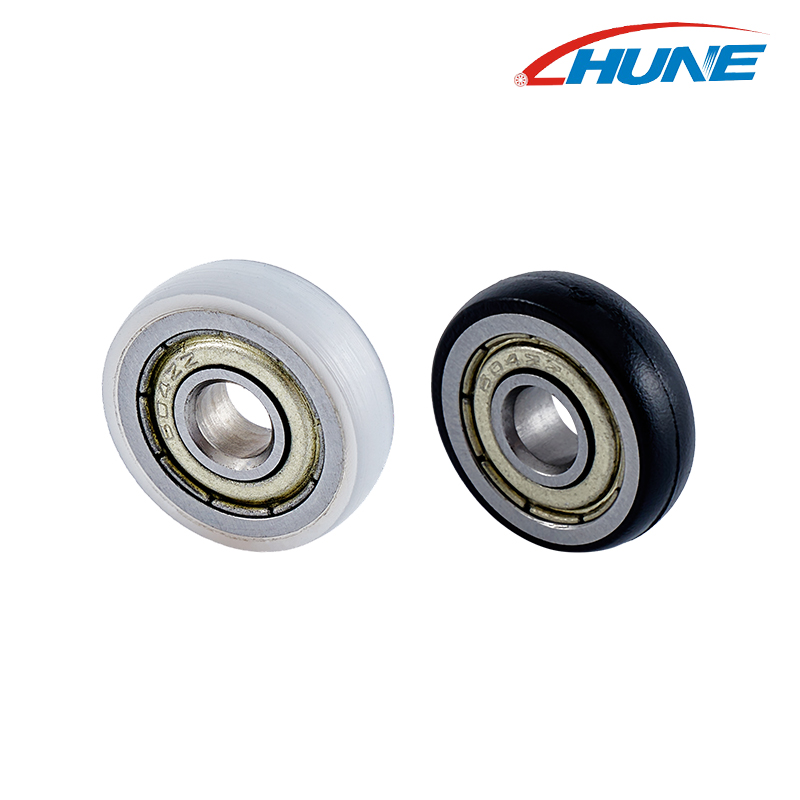
日本語Sliding Security Screen Door Rollers play a quiet but important role in how smoothly a door moves in daily use. Most people only start paying attention to this small component when the sliding motion feels different, such as slight resistance, uneven movement, or unfamiliar noise during operation. In real applications, both nylon and metal structures are commonly used, and each brings its own behavior depending on the environment and usage habits.
In many cases, the small part doing all the hidden work is the roller system. It is not big, not visible most of the time, but it carries the whole movement every single day. That is why material choice between nylon and metal becomes a real question for long term use, especially in homes and light commercial spaces.
What Rollers Are Really Doing Behind the Scenes
A sliding screen door looks simple from the outside, but inside the track system, things are constantly moving and interacting.
Rollers are responsible for:
- Supporting continuous door movement along the track
- Reducing direct friction between frame and rail
- Helping the door stay aligned during repeated sliding
- Absorbing small imperfections inside the track surface
- Keeping motion stable over long periods of use
When everything is working properly, users barely notice any of this. The door just moves. But once wear starts building up or the material is not well matched to the environment, the difference becomes very easy to feel.
That is usually when people start asking whether nylon or metal makes more sense.
Nylon vs Metal Rollers in a Real World View
Instead of looking at technical definitions, it helps more to imagine how each one feels during everyday use.
| Aspect in Daily Use | Nylon Roller Behavior | Metal Roller Behavior |
|---|---|---|
| Movement feel | Softer glide along the track | Firmer rolling contact |
| Sound during sliding | Usually quieter in normal conditions | Can be more noticeable depending on setup |
| Response to small track imperfections | Slightly forgiving | More direct contact with surface |
| Reaction to moisture and dust | Generally stable in indoor use | Can depend on coating and environment |
| Handling door load | Works well with lighter structures | Better suited for heavier frames |
| Long term wear pattern | Gradual surface change over time | More structural wear pattern depending on usage |
These differences do not mean one side is better overall. They simply behave differently once installed and used regularly.
How Nylon Rollers Perform in Everyday Living
Nylon based rollers are often chosen for residential sliding screen doors, and there is a practical reason for that.
The material has a slightly flexible surface behavior. It does not feel rigid against the track, so the movement tends to feel smoother in quiet indoor environments.
Why Many Homes Use Nylon Systems
In daily home use, people usually value comfort more than mechanical toughness. Nylon supports that feeling in several ways:
- Movement feels lighter during repeated use
- Sound level stays relatively low in normal conditions
- Minor track irregularities are less noticeable
- Door operation feels more relaxed overall
In apartments, patios, and interior screen systems, this kind of behavior is often preferred.
What Happens After Long Periods of Use
Over time, nylon does not suddenly stop working. Instead, changes happen slowly.
You might notice:
- Slight reduction in smoothness
- A more polished contact surface
- Small adaptation to track shape from repeated movement
This is part of natural wear. It usually develops gradually, not suddenly.
Basic Care Expectations
Nylon systems are not complicated to maintain. Most of the time, simple habits are enough:
- Keeping the track clean from dust buildup
- Checking for small debris that might affect sliding
- Making small adjustments if the door feels uneven
In many setups, heavy lubrication is not always necessary, depending on design.
Metal Rollers and Their Practical Strength
Metal roller systems feel different from the start. They give a more solid impression when the door moves, especially in heavier structures.
The main advantage is not softness, but stability.
Why Metal Is Often Used in Heavier Systems
Metal rollers are usually selected when the door structure demands more support. This includes:
- Larger screen door frames
- Higher frequency usage areas
- Entry points with repeated opening and closing
- Commercial or shared access spaces
In these situations, stability under continuous load becomes more important than softness of movement.
Movement Characteristics in Daily Use
Metal rollers tend to give a more direct rolling feeling. The door moves in a defined way along the track. If everything is installed correctly and the track is clean, the motion can stay consistent for a long time.
However, the feel can be influenced by:
- Track cleanliness
- Surface condition of the rail
- Installation alignment
- Environmental exposure over time
So the same metal system can feel different depending on setup quality.
Long Term Behavior
Metal components generally keep their shape under pressure. They do not deform easily during normal use, which is why they are often used in stronger door systems.
Over time, attention may be needed for:
- Surface contact wear depending on track material
- Occasional cleaning or light maintenance
- Environmental protection in humid or outdoor conditions
With proper conditions, they remain stable in function for a long period.
Comparing Real Usage Scenarios Instead of Theory
The easiest way to understand the difference is to look at daily life situations.
Morning to Night Routine Use
In a typical home, a sliding screen door might be used many times throughout the day.
- Nylon systems often feel easier and quieter during repeated movement
- Metal systems feel more structured and controlled
The preference often depends on whether comfort or firmness matters more in daily routine.
Sound Sensitivity in Living Spaces
Sound is something people only notice when it changes.
- Nylon usually blends into background movement
- Metal may create a more defined rolling sound depending on track condition
This becomes more noticeable in quiet indoor environments.
Environmental Influence Over Time
Conditions around the door matter more than people expect.
- Indoor use tends to be more stable for both materials
- Outdoor exposure can introduce dust and moisture effects
- Temperature changes may slightly influence movement feel
Proper installation and basic cleaning reduce most issues.
Door Weight and Structural Match
One important factor is not just material, but compatibility with the door itself.
- Lightweight screen doors often pair naturally with nylon rollers
- Heavier framed doors may require stronger structural support from metal systems
Matching system type with door weight helps maintain smoother operation.
Misunderstandings People Often Have
Thinking Smooth Movement Depends Only on Material
In reality, smooth sliding depends on:
- Track condition
- Installation accuracy
- Roller alignment
- Maintenance habits
Material is only one part of the system.
Assuming Metal Always Performs More Consistently
Metal can provide stability, but if the track is dirty or misaligned, performance still drops. No material can fully compensate for poor installation.
Believing Nylon Is Only for Light Duty Systems
Nylon is widely used in many modern designs because it offers stable movement in suitable environments. It is not limited to low quality applications.
Maintenance Matters More Than Most People Expect
No matter which material is used, daily habits often decide long term performance.
Simple practices include:
- Keeping the sliding track clean
- Avoiding forceful movement when the door resists
- Checking alignment occasionally
- Ensuring screws and fittings stay secure
These small actions often extend system life more than switching materials alone.
Environmental Conditions That Change Behavior
Real environments are never controlled, and that affects performance.
Indoor and Outdoor Difference
Indoor systems usually stay more consistent. Outdoor systems face dust, humidity, and temperature shifts that gradually influence movement.
Frequency of Usage
The more often a door is used, the more important material response becomes:
- Light use: occasional movement with minimal wear
- Regular household use: steady daily operation
- High traffic use: continuous opening and closing cycles
Each level creates different wear patterns over time.
Choosing Between Nylon and Metal in Practical Terms
Instead of searching for a universal answer, it is more useful to match the system with real needs.
Nylon Makes More Sense When
- Quiet movement is preferred in daily life
- Door structure is not very heavy
- Residential environment is the main use case
- Simple maintenance is preferred
Metal Makes More Sense When
- Door frame is heavier or reinforced
- Usage frequency is higher than normal household levels
- Structural stability is a key concern
- Long term rigidity under load is required
Quick Comparison Overview
| Situation | More Suitable Direction |
|---|---|
| Quiet home environment | Nylon based system |
| High traffic entrance | Metal based system |
| Lightweight screen door | Nylon option |
| Heavier frame structure | Metal option |
| Low maintenance preference | Nylon option |
| Strong load support need | Metal option |
How Daily Habits Influence Performance
Even with the same material, user behavior can change how long the system feels smooth.
Examples include:
- How gently or roughly the door is moved
- How often the track is cleaned
- Whether debris is allowed to build up
- How accurately the system was installed in the first place
These small details often decide the real experience more than material alone.
Small Component, Noticeable Daily Difference
Sliding screen door rollers are easy to ignore until something changes. Once movement becomes rough or uneven, the importance of this small component becomes very clear.
A good setup does not draw attention. It simply allows the door to move in a steady and predictable way, which is what most users actually want in daily life.
Nylon and metal rollers each bring a different kind of behavior into sliding systems. One leans toward smoother and quieter movement, while the other focuses more on structural stability and load handling.
There is no universal choice that fits every situation. The better direction depends on how the door is used, where it is installed, and what kind of experience is expected over time.