

 English
 Español
 日本語
日本語Why This Small Component Still Matters in Real Engineering Projects
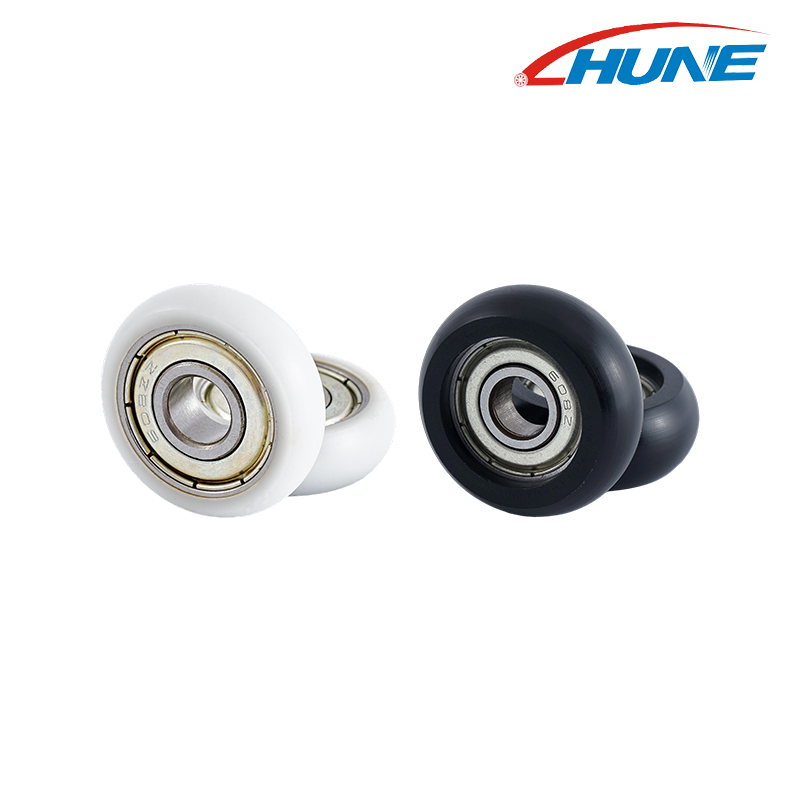
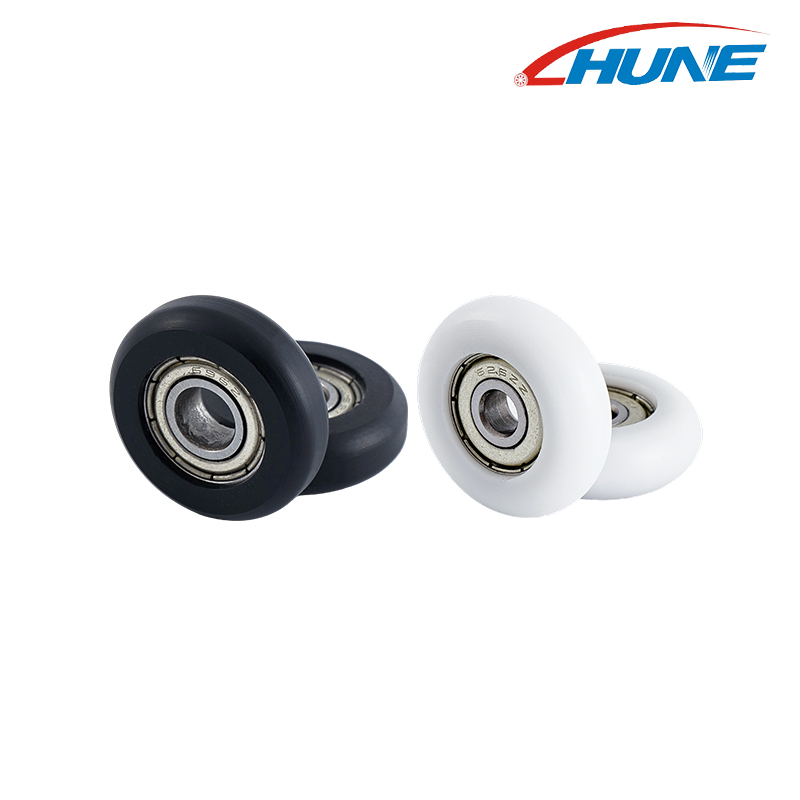
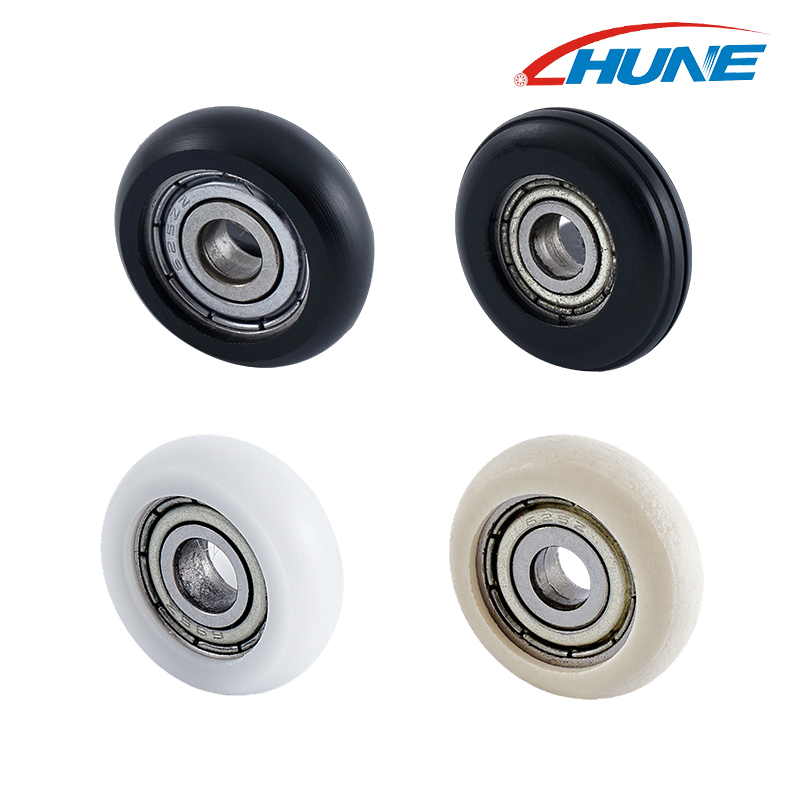
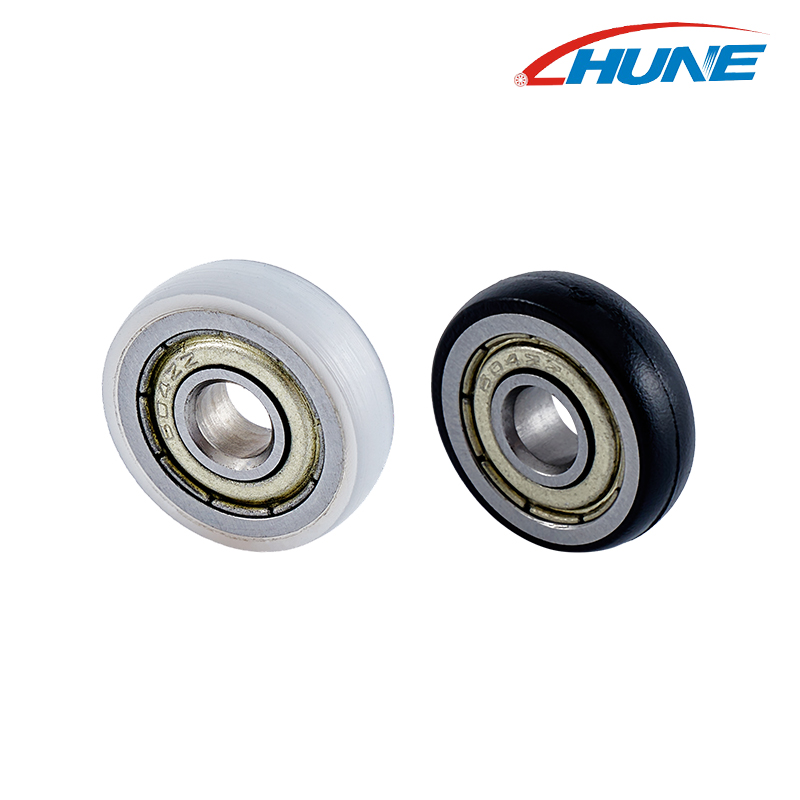
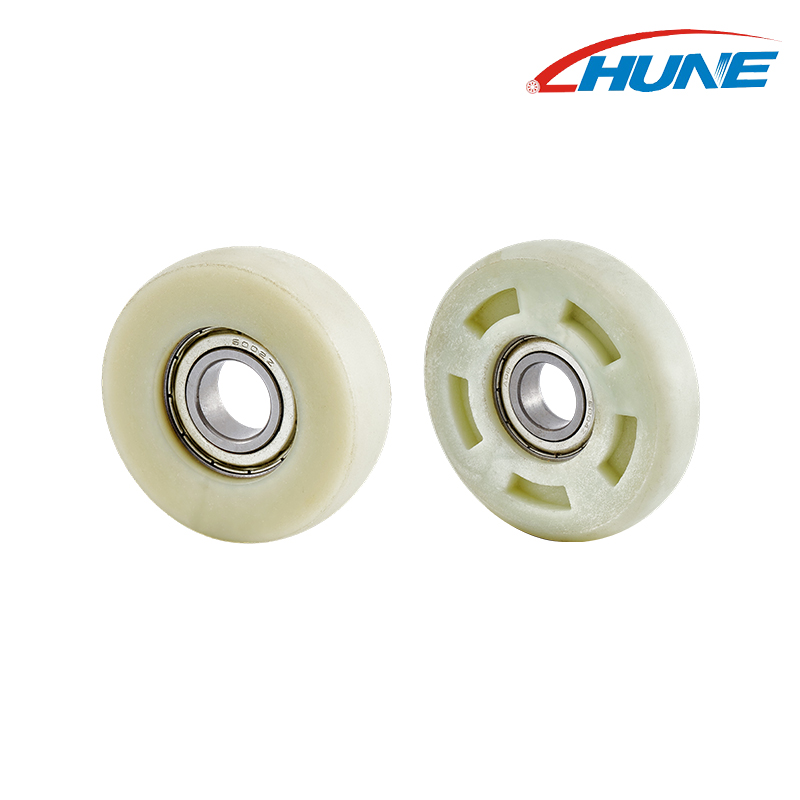
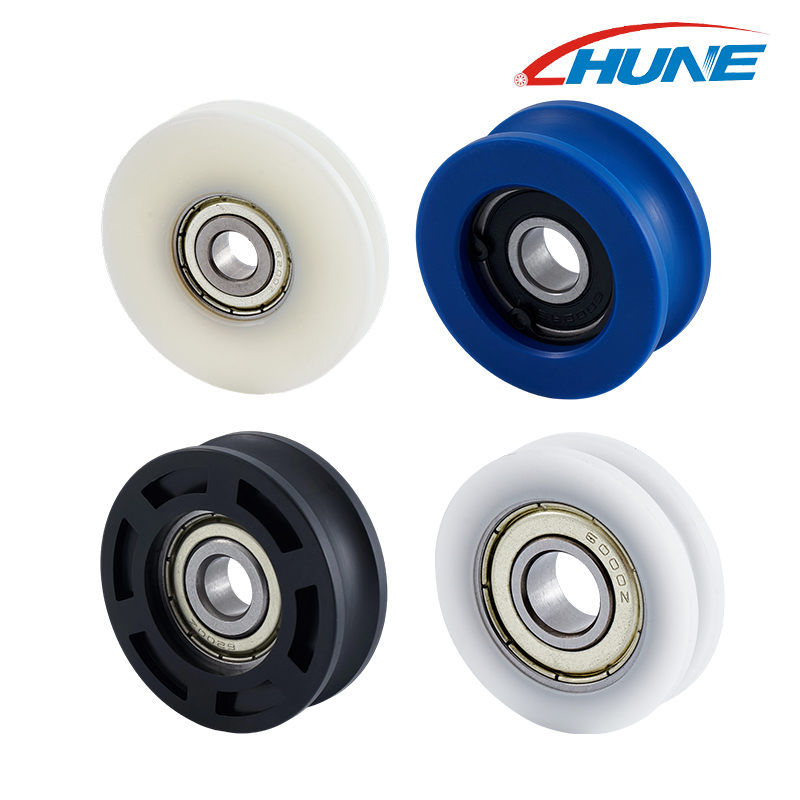
Sliding Security Screen Door Rollers are often treated as a minor hardware part during early design work. On drawings and basic layouts, they may not receive much attention compared to frames or tracks. But in real installation and long term use, this small component often becomes one of the parts that influences how a sliding door actually feels in daily operation.
In many real project cases, engineers and installers notice that a door system can feel different after a period of use, even if everything looked fine at the beginning. This kind of change is usually not related to the visible structure, but to the interaction between roller, track, and load over time.
From a practical engineering point of view, this is why roller selection is never treated as a secondary step. It is part of how the whole system behaves after installation.
What Engineers Usually Check Before Choosing a Roller System
In real projects, engineers do not start by comparing product names or materials directly. They usually begin by understanding how the system will be used.
Before selecting Sliding Security Screen Door Rollers, the following points are normally considered:
- Type of building or project environment
- Expected daily usage frequency
- Indoor or outdoor installation conditions
- User behavior patterns during operation
- Expected service life of the system
- Maintenance conditions after installation
In practice, these factors decide the direction of selection much more than any single technical detail.
At this stage, engineers are not trying to find a "perfect product". They are trying to match the system behavior with real usage conditions.
Different Project Types Lead to Different Roller Choices
In real engineering work, project type is one of the first classification methods.
Residential Applications
In residential systems, usage is usually light to medium. Doors are used daily, but not in continuous cycles. In this case, comfort and smooth feeling during operation are often noticed by end users.
Typical focus points include:
- Stable daily movement
- Quiet operation behavior
- Simple maintenance requirement
Apartment and Shared Building Systems
In shared residential environments, usage frequency increases. The same door may be used by different people throughout the day. This creates more repeated movement cycles.
Engineers usually pay attention to:
- Long term consistency
- Wear behavior over time
- Balance between smoothness and durability
Commercial Environments
In commercial entrances, sliding systems are used more frequently. Doors are opened and closed many times during working hours.
In this type of project, engineers usually focus on:
- Stable repeated operation
- Resistance to performance change over time
- Predictable movement behavior
Industrial and Structural Systems
In industrial applications, sliding doors may be part of larger structural systems. Load conditions are usually higher, and operation cycles may be continuous.
Key focus areas:
- Structural support behavior
- Load handling stability
- Long term mechanical reliability
Outdoor and Exposed Environments
Outdoor installations introduce additional environmental factors that directly affect performance over time.
Common conditions include:
- Dust exposure
- Moisture and rain
- Temperature variation
- Airborne particles
In these environments, engineers usually focus more on stability over time rather than short term movement feel.
How Roller Behavior Is Evaluated in Real Engineering Use
Instead of focusing only on specifications, engineers usually evaluate how the roller behaves inside a full system.
Key evaluation aspects include:
- Movement consistency during repeated use
- Interaction with track surface
- Behavior under different load conditions
- Environmental response over time
- Installation compatibility
- Maintenance accessibility
Sliding Security Screen Door Rollers are always evaluated as part of a complete sliding system rather than a standalone part.
Material Behavior Explained in a Practical Way
In real engineering discussions, materials are not treated as competing "better or worse" options. They are usually described based on behavior under different conditions.
Nylon Based Roller Behavior
In many real applications, nylon based rollers are used in systems where movement comfort is more important.
From field experience, this type of material usually shows:
- Softer interaction with the track surface
- Less rigid movement feeling
- Better adaptation to small surface variations
- More suitable for indoor environments
Over time, the surface condition may gradually change due to repeated use. This is usually a slow process rather than sudden failure.
Metal Based Roller Behavior
Metal based roller systems are more often used in environments where structural stability is more important than movement softness.
Common observed behavior includes:
- More defined rolling movement
- Stronger response under load
- Stable operation in frequent use environments
- Better suitability for commercial or industrial systems
These systems are usually selected when long term structural consistency is a priority.
Practical Comparison From Engineering Perspective
| Evaluation Point | Nylon Based Behavior | Metal Based Behavior |
|---|---|---|
| Movement feel | Softer interaction with track | More structured rolling motion |
| Load response | Moderate adaptability | Strong structural support |
| Environment suitability | Indoor focused use | Exposed or commercial use |
| Long term behavior | Gradual wear development | Stable structural performance |
| Application type | Residential systems | Commercial and industrial systems |
Why Environment Often Decides the Final Choice
In real projects, environment conditions often influence selection more than material preference.
Indoor environments usually allow more flexible selection because conditions are stable and predictable.
Outdoor environments are different. Dust, moisture, and temperature changes slowly affect how the system behaves over time.
In coastal or humid regions, engineers often focus more on long term stability and predictable performance rather than short term movement feel.
Load Distribution and System Behavior in Real Installations
A sliding door system works through load transfer between multiple components. The roller system is part of this load path.
Engineers usually consider:
- Door frame balance
- Track alignment
- Load distribution across movement points
- Structural support consistency
If the system is not balanced, uneven movement may appear over time, even if individual parts are suitable.
Usage Frequency and Real Performance Expectations
Usage frequency plays an important role in selection decisions.
Low Frequency Systems
- Occasional use
- Lower wear accumulation
- More flexible selection options
Medium Frequency Systems
- Daily residential use
- Gradual performance changes over time
- Balanced design requirements
High Frequency Systems
- Continuous or repeated use
- Faster wear visibility
- Strong stability requirements
Sliding Security Screen Door Rollers must match the expected usage cycle to maintain consistent performance.
Why Stability Matters More Than Smooth Feeling Alone
In engineering practice, stability is often considered more important than initial smoothness.
A stable system:
- Keeps similar movement behavior over time
- Avoids sudden changes in sliding feel
- Maintains alignment during repeated operation
- Reduces irregular motion patterns
This is one of the main reasons roller selection is treated seriously in system design.
Installation Quality Also Affects Final Performance
Even well selected components can behave differently depending on installation conditions.
Common factors include:
- Track alignment accuracy
- Frame positioning consistency
- Mounting stability
- Installation environment conditions
Engineers usually consider installation reality as part of system performance rather than a separate step.
Maintenance Expectations in Real Engineering Projects
Maintenance is not always about frequent servicing. In many projects, it is more about accessibility and predictability.
Engineers usually evaluate:
- Ease of inspection
- Cleaning accessibility
- Replacement possibility
- Early wear detection signs
In large scale systems, maintenance planning is part of the design stage.
Selecting Sliding Security Screen Door Rollers is not about choosing a single ideal material. It is about matching system behavior with real project conditions.
In practice, engineers aim for:
- Stable long term movement
- Predictable performance under real use
- Compatibility with structural design
- Adaptability to environment and usage patterns
A well selected system is not defined by its initial feel, but by how consistently it performs over time in real conditions.