

 English
 Español
 日本語
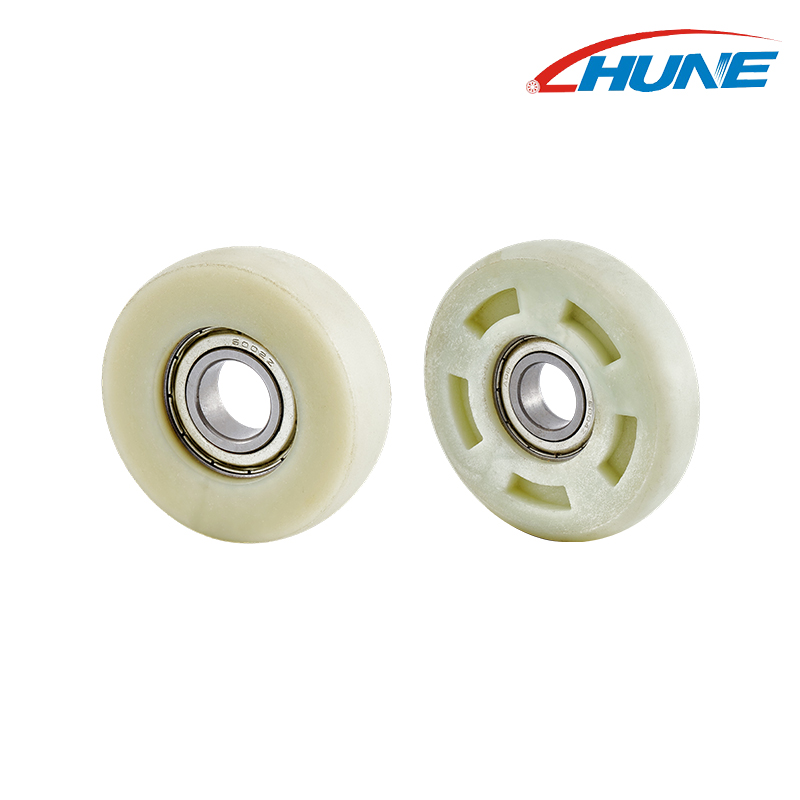
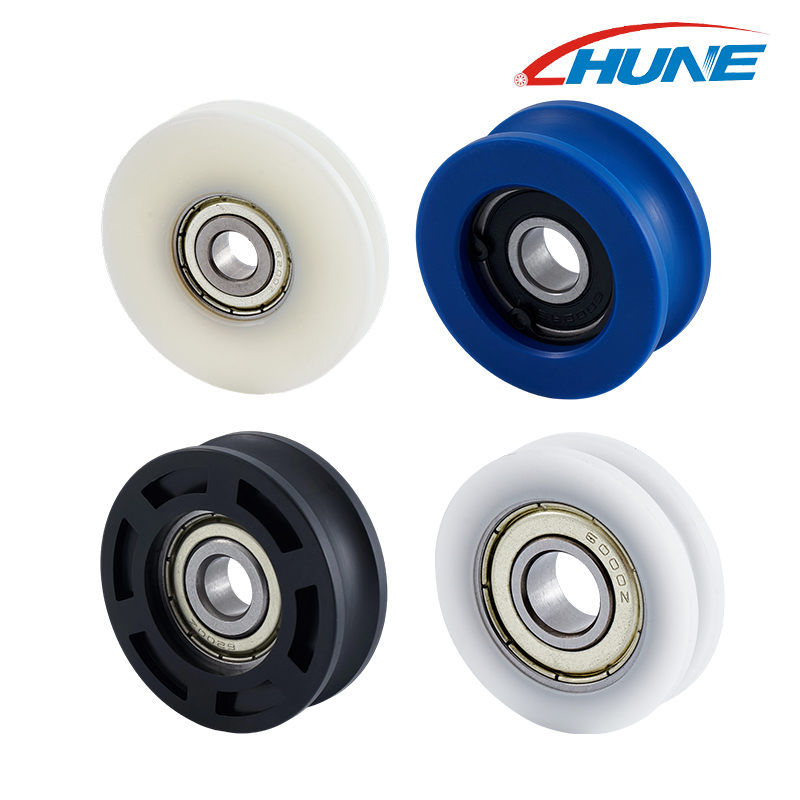
日本語Sliding Security Screen Door Rollers are small parts that quietly control how a door moves day to day. When everything is working smoothly, nobody pays attention to them at all. The door opens, closes, and slides like it is supposed to, and life goes on. But over time, that smooth feeling can slowly fade, and the door may start feeling a bit heavier or less steady.
What Is Actually Happening Inside a Sliding Door System
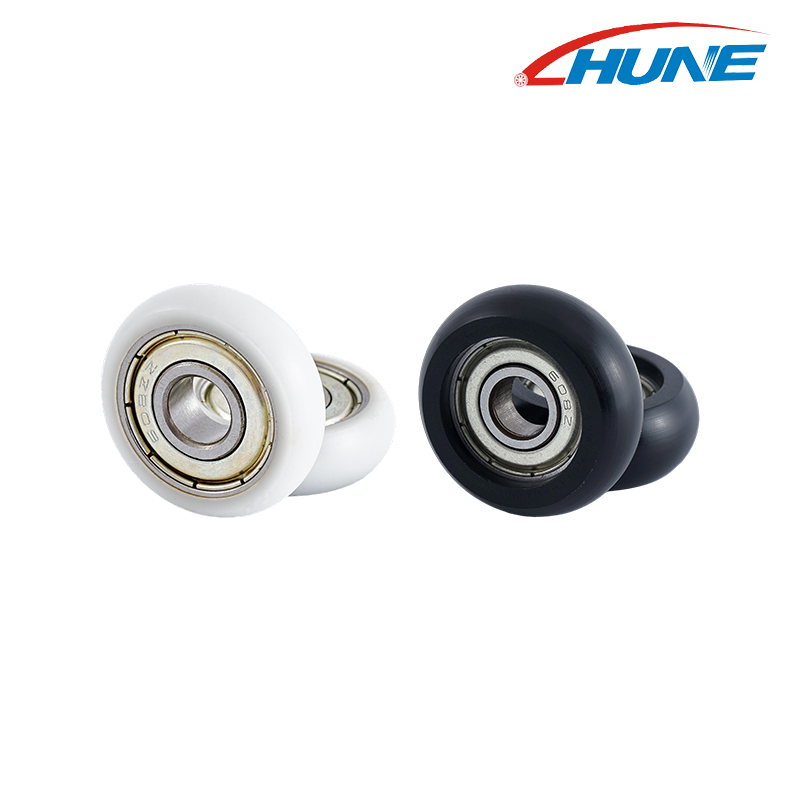
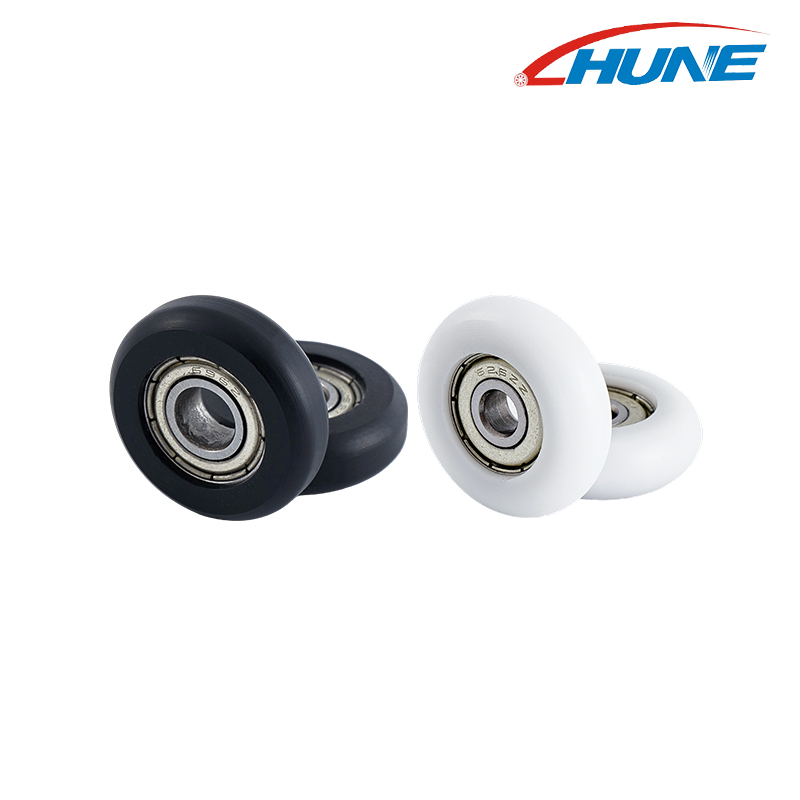
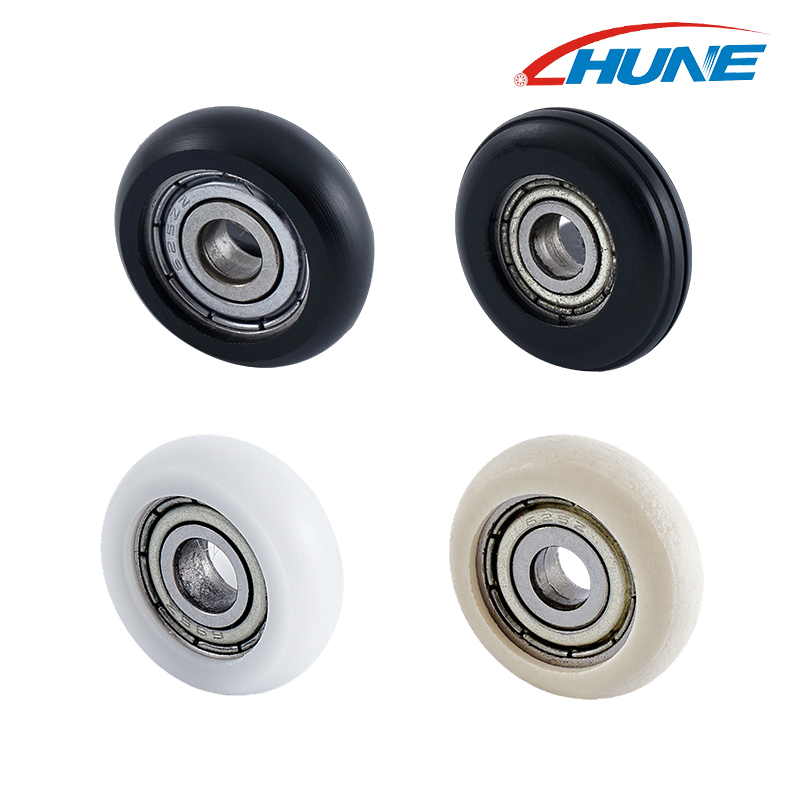
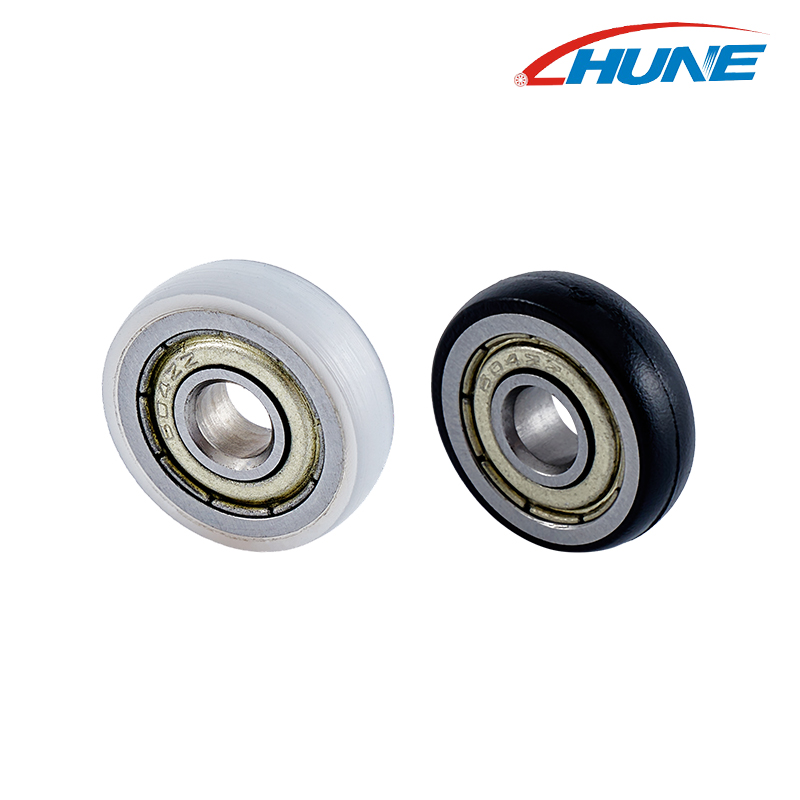
Inside most sliding screen doors, the movement depends on a small wheel setup hidden inside the bottom frame. That part carries the load and keeps the door aligned while it moves along the track.
When people notice changes in movement, it is usually not the whole door structure that has changed. More often, it is the wheel assembly reacting to everyday conditions.
Things that slowly affect it include:
- Fine dust collecting inside the lower track
- Small particles getting pressed into the wheel path
- Repeated opening and closing over long periods
- Slight frame shifts from normal use
- Outdoor air exposure in certain environments
- Occasional hard closing that creates extra stress
These things do not cause sudden failure. They build up slowly, so the change feels gradual instead of obvious.
Small Signs That Usually Point Toward Wheel Issues
Instead of guessing, it is better to observe how the door behaves in real use. Most doors give clear signals when something inside the movement system is no longer ideal.
Movement Feels Slightly Uneven
One section of the track feels normal, but another section feels heavier or less smooth.
Soft Scraping or Friction Sound
Not loud or alarming, just a light dragging sound during movement.
Door Position Looks Slightly Unbalanced
One side may appear a bit lower, especially when viewed from a distance.
Extra Effort During Sliding
The same door that used to move easily now needs a bit more push or pull.
Slight Hesitation While Moving
Instead of continuous motion, the door may pause briefly in certain spots.
These are not dramatic failures. They are early warnings that something in the wheel system may need attention.
Getting Ready Before Touching Anything
Preparation makes the whole process easier and reduces unnecessary frustration later.
Common tools used for this kind of work:
| Item | Purpose in Simple Terms |
|---|---|
| Screwdriver set | Loosening and tightening fixing points |
| Pliers | Helping with tight or small metal parts |
| Soft cloth | Cleaning surfaces and wiping dust |
| Small brush | Reaching corners of the track |
| Flat tool | Gently lifting or adjusting components |
A simple tip before starting: keep a small container nearby for screws so nothing gets lost during the process.
Removing the Door Without Forcing Anything
Before accessing the wheel system, the door needs to come out of its track. This part often looks more complicated than it actually is.
Start by checking how much space the door has at the top and bottom. Most sliding doors are designed with a bit of vertical movement allowance.
Then:
- Lift the door slightly upward
- Release the bottom edge from the lower track
- Tilt the door gently outward
- Guide it out of the upper rail
The key idea here is control, not force. If something feels stuck, it usually means the angle is slightly off, not that it needs more strength.
Once removed, place the door on a stable surface where it will not shift or scratch.
Finding Where the Wheel System Is Located
Lay the door so the bottom edge is clearly visible. This is where the wheel mechanism is usually installed.
Depending on the structure, you might notice:
- A small cover plate along the bottom
- Screws positioned near the frame edge
- A recessed housing area
- A slot where the wheel assembly sits
In some designs, the system is partially hidden, so it may take a moment to identify where the component begins and ends.
It helps to look slowly along the entire bottom edge instead of focusing on one spot.
Taking a quick reference photo before removing anything can help during reassembly.
Taking Out the Existing Wheel Assembly
Once the mounting points are clear, the removal process begins.
Start by loosening all visible screws. Keep them organized in one place so they can be reused later without confusion.
After that, gently slide or ease the wheel unit out of its position.
In real situations, you might notice different resistance levels:
- Some units slide out smoothly
- Some feel slightly stuck due to dust buildup
- Some need a small side-to-side adjustment before coming loose
If it does not move easily, stop and check again. Most issues at this stage come from:
- A screw that is still partially holding
- Dust compacted around the edges
- A hidden clip or locking point
Avoid pulling hard. A steady approach is safer for the frame.
Cleaning the Track Area Before Installing New Parts
This step is often ignored, but it affects how the new parts behave later.
Over time, the lower track collects:
- Fine dust
- Small debris
- Outdoor particles
- Light residue from repeated movement
Even if the new wheel system is installed properly, leftover debris can still create resistance.
Use a brush or cloth to clean along the full track path. Pay attention to corners and edges, where buildup tends to stay unnoticed.
If wiping with a damp cloth, make sure everything is dry before moving forward.
A clean track helps reduce unnecessary friction right from the start.
Choosing a Replacement That Actually Fits the Frame
Not all wheel assemblies are identical, even if they look similar at first glance.
When selecting a replacement, focus on practical matching points:
- Shape of the mounting base
- Position of screw holes
- Direction the wheel sits in the frame
- How it fits inside the bottom channel
A side-by-side comparison with the old part is usually the simplest way to avoid mismatch.
If anything feels forced during a dry fit, it is better to pause and recheck rather than trying to make it work.
Installing the New Wheel Assembly Step by Step
Now the main replacement process begins.
Start by placing the new unit into the same position as the old one. Align it slowly so it sits naturally in the frame opening.
Then:
- Line up all screw points
- Fix screws lightly first, without fully tightening
- Check if the wheel sits evenly
- Test small movement if possible
- Once alignment feels correct, tighten gradually
Avoid tightening one side completely before the other. Balanced tightening helps reduce uneven pressure inside the frame.
This step is more about alignment than strength.
Putting the Door Back Into the Sliding System
With the new wheel unit installed, the door can be placed back.
Begin with the top rail:
- Lift the door into the upper track first
- Make sure it sits properly in the channel
- Then guide the bottom section downward into place
If it does not sit correctly, remove and retry instead of forcing it in.
A proper fit should feel natural when the alignment is right.
Adjusting Movement So Everything Feels Balanced
Most wheel systems allow small adjustments after installation.
If the door feels slightly off, you can fine tune it by:
- Raising one side a little
- Lowering the opposite side slightly
- Testing movement after each adjustment
Small changes are usually enough. Large adjustments are rarely needed in normal cases.
The goal is not perfection in measurement, but balanced movement during real use.
Testing How the Door Behaves After Installation
Once everything is back in place, test the door slowly at first.
Pay attention to:
- Whether movement feels continuous
- Any point where resistance appears
- Sound during sliding motion
- How the door sits when closed
Open and close it several times so the new parts settle naturally into position.
If something still feels slightly off, minor adjustments are usually enough.
Mistakes That Often Happen During the Process
Skipping Cleaning
Old debris left inside the track can affect new parts immediately.
Applying Force When Something Feels Stuck
This can bend the frame or damage alignment points.
Not Checking Screw Positions Carefully
Missing a single screw can affect stability.
Ignoring Small Uneven Movement
Small imbalance can become more noticeable later during daily use.
Avoiding these makes the process smoother overall.
Simple Habits That Help Extend Smooth Movement
- Clean the track occasionally
- Remove dust before it builds up
- Avoid slamming the door
- Check movement every few months
- Make small adjustments when needed
Nothing complicated, just basic care over time.
When the Issue Might Not Be Only the Wheel System
Sometimes replacing the rollers improves movement, but does not fully solve the issue.
Other possible factors include:
- Slight bending in the frame structure
- Wear inside the track surface
- Loose installation points elsewhere
- Combined wear from multiple components
If movement still feels inconsistent after replacement, it may be worth checking the full sliding system instead of focusing only on the wheel part.
Replacing Sliding Security Screen Door Rollers is not about complicated steps or special skills. It is more about careful observation, steady handling, and paying attention to small details during each stage.
Most of the result comes from how carefully each step is done, not from tools or experience level.
Once everything is aligned properly, the door usually returns to a more natural sliding feel, making everyday use noticeably easier and more comfortable again.