

 English
 Español
 日本語
日本語A stuck, noisy, or jumping garage door is almost always bad rollers — and fixing them is one of the easiest repairs you can do yourself. But garage doors are heavy and spring-loaded, but with the right steps and safety precautions, you can restore your door's performance quickly and effectively. Are you prepared to tackle the repair and get your garage door running smoothly again?
Safety Precautions Before Starting the Repair
1. Kill the Power – Every Single Time
Even if you're only changing one roller, someone walking into the garage and hitting the wall button can move the door while your hand is in the track. We've seen it happen.
What we do:
- Unplug the opener from the ceiling outlet (most are plug-in)
- For hardwired units, flip the breaker and put a piece of tape over it with "DO NOT TURN ON" written in Sharpie
Takes 10 seconds and eliminates the biggest surprise risk.
2. Lock the Door in Place
An unsecured door can drop like a guillotine or shoot upward if the springs still have tension.
Our foolproof method (used on thousands of doors):
- Lift the door manually to about waist/chest height (gives easy access to all rollers)
- Slide two heavy-duty Vice Grips or C-clamps onto each vertical track, directly under the bottom rollers
- As backup, slide a short 2×4 under the bottom of the door
With those three locks in place, the door isn't moving — period.
3. Gear Up – It's Cheap Insurance
Sharp metal edges, rusty stems, and the occasional exploding plastic roller make this simple gear mandatory:
- Thick leather or mechanic's gloves – no cut-up knuckles
- Safety glasses – we've had bearings shoot out like bullets
- Closed-toe shoes (steel-toe if you have them) – dropped rollers hurt
- We keep a spare set of gloves and glasses in every truck because even pros forget sometimes.
Do these three things and 99 % of the risk disappears. Skip any one of them and you're rolling the dice.
Tools & Materials You'll Need for a Garage Door Roller Replacement
Must-Have Tools
- Flathead & Phillips screwdrivers (or a cordless drill with bits – speeds things up)
- 7/16″ and 1/2″ wrenches or a small socket set (most hinge bolts are one of these sizes)
- Two heavy-duty Vice Grips or C-clamps (the single most important safety tool)
- Locking pliers / needle-nose pliers (perfect for pulling cotter pins or stubborn clips)
- Rubber mallet (for gently persuading stuck rollers without bending anything)
- Measuring tape or caliper (to confirm 2-inch vs 3-inch wheels and stem length)
Step ladder (sturdy, rated for your weight)
- Shop rags and a small brush or vacuum (track cleanup is half the battle)
- Materials You Don't Want to Be Without
- Your new sealed nylon rollers (have all 10–12 ready before you start)
- Silicone spray or white lithium grease (we lightly hit each new stem and bearing before install)
- Zip-lock bag or magnetic tray (keeps every bolt and clip from disappearing into the abyss)
Optional but Nice to Have
- Cordless impact driver – makes removing old rusty bolts effortless
- Flashlight or headlamp – garages are always darker than you think
- Knee pads – you'll thank us later
With this exact kit, we can change every roller on a standard double door in 30–45 minutes and have it running quieter than new.
Key Tools and Materials for Replacing Garage Door Rollers
|
Tool |
Purpose |
|
Screwdrivers |
Remove screws securing rollers and door |
|
Pliers |
Remove clips, retaining rings, and other hardware |
|
Wrench |
Loosen bolts securing rollers |
|
Lubricant |
Reduce friction and prevent rust |
|
Measuring Tape |
Measure roller size for proper fit |
Choosing the Right Rollers & Knowing When It's Time to Replace Them
How to Pick the Correct Roller Every Time
- Roller Material
- Sealed nylon → our default for 98 % of homes. Dead quiet, zero maintenance, never rusts.
- Steel → only for true commercial doors or extremely heavy custom wood doors over 650–700 lbs.
- Plastic → we remove these, never install new ones. They're the reason most doors are loud after 5–8 years.
- Roller Size
- Measure the wheel diameter of your current roller (not the stem).
- 2-inch → perfect for single-car, non-insulated doors.
- 3-inch → required for double-car, insulated, wood, or high-cycle doors. Bigger wheel = smoother, quieter, longer life.
- Quick Decision Chart We Use on Every Call
- Single-car, non-insulated, normal use → 2-inch sealed nylon
- Double-car OR insulated OR wood OR lots of daily cycles → 3-inch sealed nylon
- Want the absolute quietest door possible → 3-inch sealed nylon (works great even on lighter doors)
Five Dead-Giveaway Signs Your Rollers Are Done
You don't need to guess — the door will tell you:
- Noise that wasn't there before Grinding, squealing, or rattling that gets worse over time.
- The "bumpy" ride You can feel the door jerk or hesitate as it goes up and down.
- Visible damage Cracked nylon, flat spots, missing chunks of plastic, or rusted-through steel.
- Black marks or grooves on the track Worn rollers literally grind metal off the track — expensive to fix later.
- Door feels heavier than it used to Bad rollers make the opener and springs work harder — often the first sign before total failure.
If you're seeing two or more of these symptoms, the rollers are on borrowed time.
The Fix Is Faster (and Cheaper) Than You Think
Replacing all the rollers with the correct sealed nylon type usually takes us 30–45 minutes and instantly makes the door feel brand new — quieter, smoother, and easier on your opener.
Garage Door Roller Inspection & Full Replacement Guide
First: Quick 60-Second Inspection – Do You Actually Need New Rollers?
Open the door halfway and look at each roller:
- Cracked, chipped, or missing pieces? → Replace
- Flat spots or no longer round? → Replace
- Rusty steel or seized bearings? → Replace
- Grinding noise or bumpy travel? → Replace
- Plastic rollers older than 8–10 years? → Replace now before they explode
If two or more of the above apply, just skip straight to replacement — lubrication won't save them.
Step 1 – Safe Removal of Old Rollers
- Unplug the opener (or flip the breaker)
- Lift door to chest height and clamp both tracks with Vice Grips right under the bottom rollers
- Start at the top roller: loosen hinge bolts, tilt the panel slightly, slide old roller out
- Work your way down one side at a time — never remove more than one roller at once
Step 2 – Clean & Inspect the Track (Don't Skip This)
- Brush or vacuum all the old grease and debris out of the track
- Look for bends, spread flanges, or dents — hammer minor ones flat with a block of wood
- Tighten any loose lag screws holding the track to the wall
A clean straight track makes new rollers last twice as long.
Step 3 – Install the New Sealed Nylon Rollers
- Lightly spray each new roller stem and bearing with silicone lubricant (makes insertion easy and keeps them quiet)
- Slide roller into hinge first, then into the track
- Snug hinge bolts — firm but don't crush the hinge
- Repeat for all 10–12 rollers
Step 4 – Test Everything Before You Call It Done
- Remove the clamps
- Manually run the door up and down 3–4 full cycles — it should feel dramatically lighter and completely silent
- Plug the opener back in and run it with the remote
- Watch and listen: any rub, grind, or bump means a roller or track still needs a tiny adjustment
That's it. The whole job takes us 30–45 minutes start to finish.
Garage Door Roller Replacement: Key Steps for Smooth Operation
|
Step |
Action |
Details |
|
Step 1 |
Assess the Condition of Your Rollers |
Check for signs of wear, noise, or damage. Inspect the rollers and tracks for smooth movement and proper alignment. |
|
Step 2 |
Remove the Old Rollers |
Loosen and remove retaining hardware. Slide rollers out carefully without damaging the track. |
|
Step 3 |
Prepare for New Roller Installation |
Inspect the track, clean debris, lubricate the track, and prepare the new rollers. |
|
Step 4 |
Install New Rollers |
Align the new rollers with the track and securely fasten the retaining hardware. |
|
Step 5 |
Test and Adjust Door Operation |
Manually open and close the door. Check for smooth movement, proper alignment, and noise reduction. |
Post-Repair Maintenance Tips
After replacing or repairing your garage door rollers, keeping your system well-maintained is key to ensuring its long-term performance. Regular maintenance will not only extend the lifespan of your rollers but also improve the overall efficiency and smoothness of your garage door operation.
Regular Lubrication to Extend Roller Lifespan
Proper lubrication is crucial for the smooth operation of your garage door system. It reduces friction, prevents wear, and ensures the longevity of your rollers and track.
- Lubricate the Rollers: Apply a silicone-based lubricant to the rollers every 3 to 6 months. This will help minimize friction and noise. Avoid grease-based lubricants, as they can attract dirt and debris, causing blockages.
- Lubricate the Track: Wipe down the track with a cloth that's been lightly sprayed with lubricant. This helps prevent rust and ensures the rollers glide smoothly along the track without resistance.
- Lubricate the Bearings: If your rollers are equipped with bearings, it's essential to apply lubrication regularly. This helps maintain their smooth rotation and reduces the chances of premature wear or failure.
Regular lubrication will not only ensure that your garage door operates quietly but also prevent rust and corrosion, which can significantly extend the lifespan of the system.
When to Schedule Further Inspections
Maintaining your garage door doesn't stop after the repair is done. It's essential to monitor its performance and schedule regular inspections to catch potential issues before they escalate.
- Schedule Inspections Every 6 to 12 Months: It's a good idea to have a professional inspect your garage door system at least once a year. A trained technician can detect early signs of wear or misalignment, helping you avoid costly repairs down the line.
- Look for Signs of Wear: If you notice that your garage door isn't operating smoothly, or if you hear unusual sounds like squeaking or grinding, it’s time to inspect your rollers and tracks. Any visible wear, such as cracked or damaged rollers, is a clear sign that the system needs attention.
- Track and Mount Alignment: Regularly check the track and mounting brackets for proper alignment. Misaligned tracks can cause uneven wear on the rollers and lead to poor door movement. If the track appears out of alignment, it may need adjustment to ensure the rollers glide smoothly.
Consistent inspections and maintenance are key to keeping your garage door in top shape, ensuring smooth performance and avoiding sudden, costly repairs. A critical part of this upkeep is using reliable garage door rollers—they directly affect how well your door operates long-term.
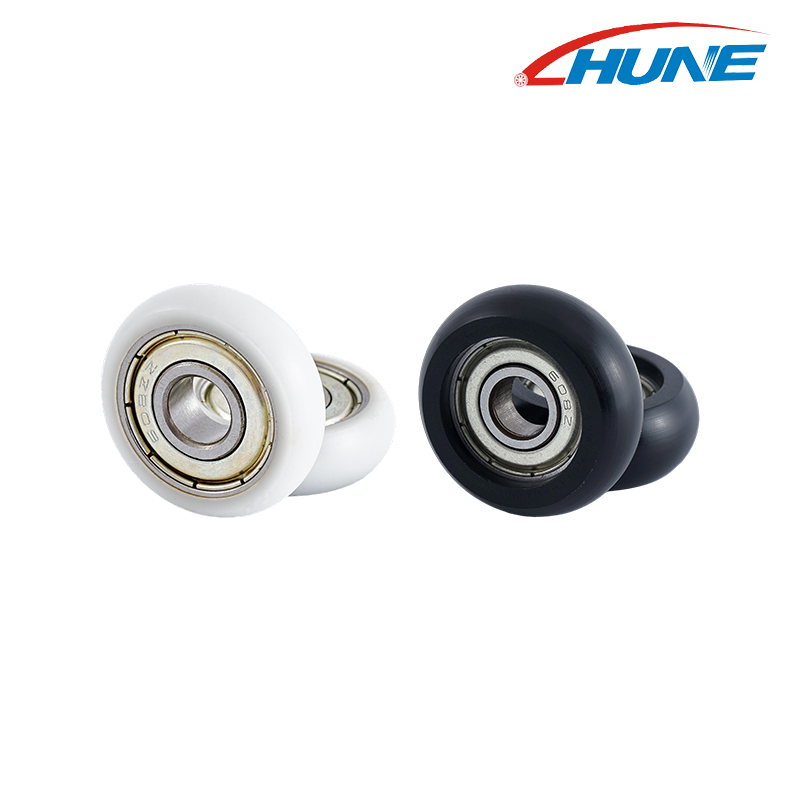
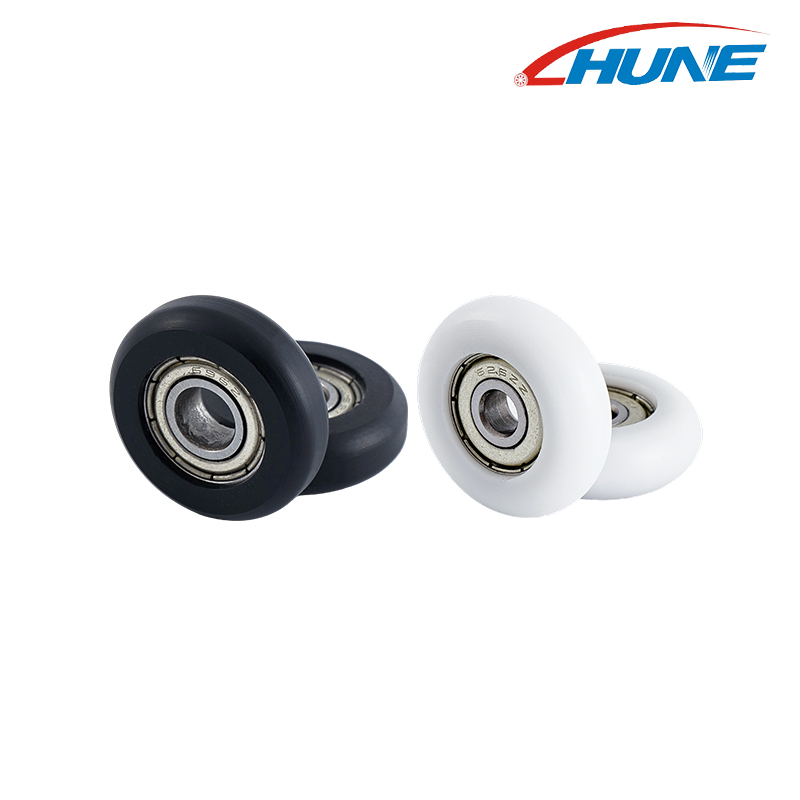
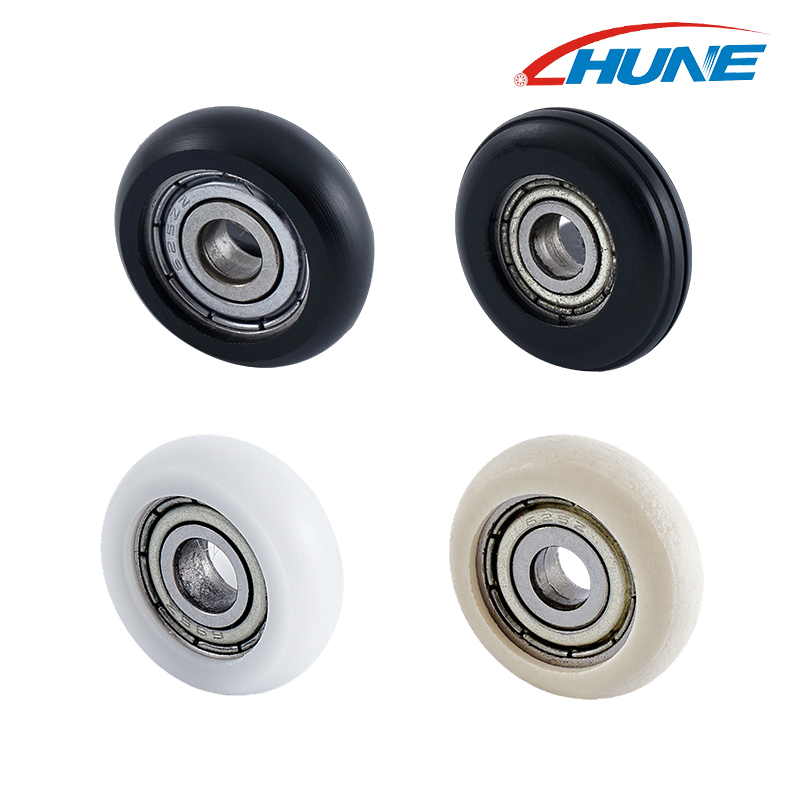
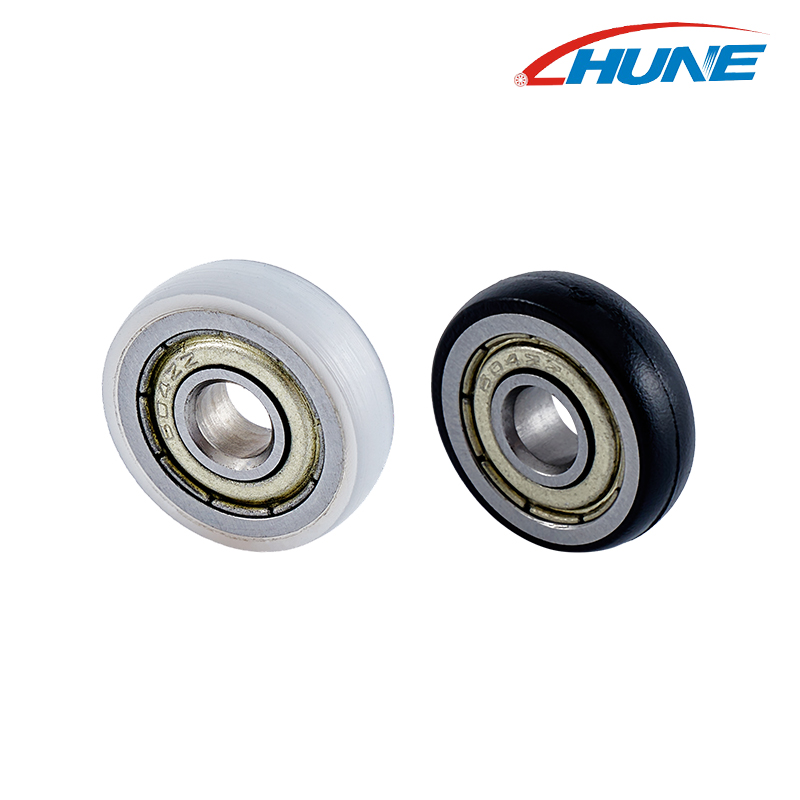
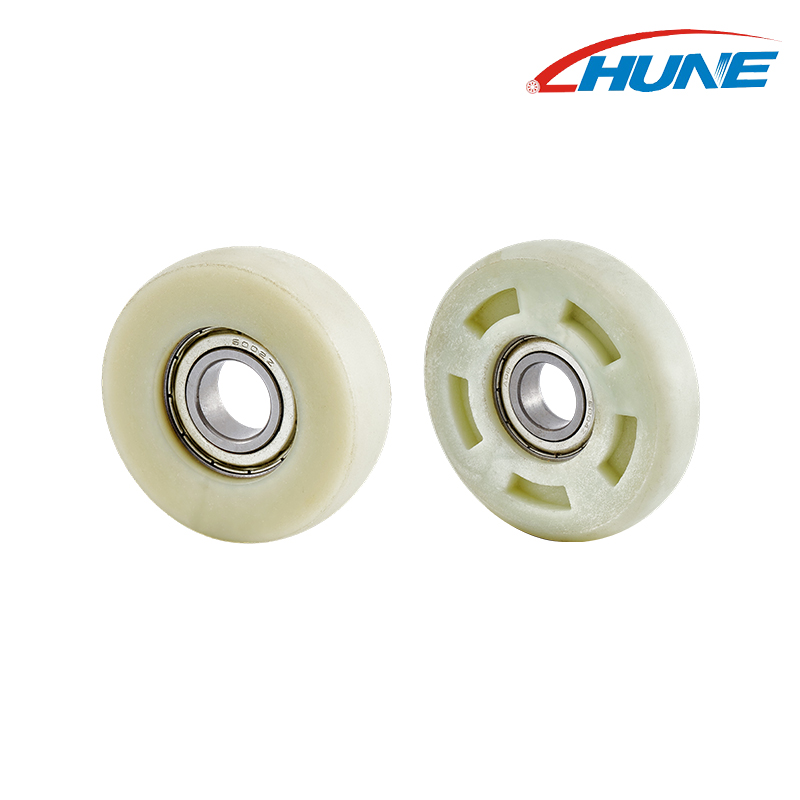
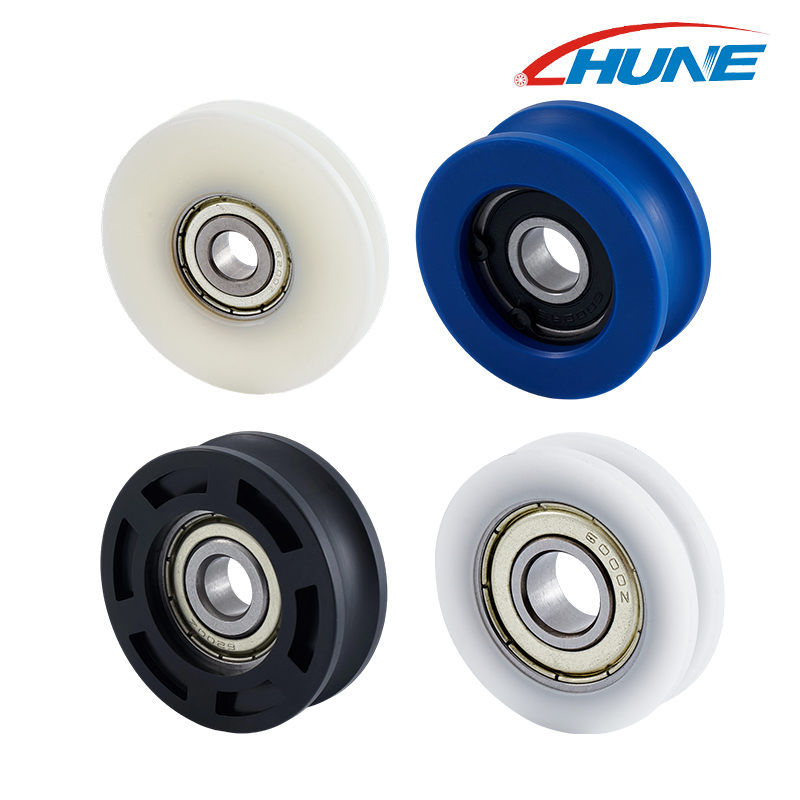
If you need high-quality garage door rollers, turn to Hune. We offer top-tier rollers for both residential and commercial use, engineered for durability and smooth movement. These rollers keep your garage door running efficiently for years. With our expertise and premium products, Hune helps extend your garage door system's lifespan and boost its overall performance.