

 English
 Español
 日本語
日本語Winter Camping TentTop hung sliding doors are more than just a stylish addition to your home; they embody a blend of functionality and elegance that transforms any space. With their ability to create a seamless flow between your interior and the outdoors, these doors are a favorite choice for modern living. However, the secret to their effortless glide lies in the rollers that support them.
If you're specifying a project, replacing tired hardware, or planning a new opening that demands flawless movement and minimal sightlines, you've come to the right place.
Why Top-Hung Matters More Than You Think
Bottom-rolling doors carry the weight on the sill. Top-hung doors hang the panels from the head track. That single difference changes everything:
- The floor stays clean and level—no sunken track to trip over or collect water.
- Thresholds can be flush or near-flush, which architects love and building inspectors often demand.
- The load is transferred straight into the structure above, so sills don't crush under heavy glass.
- Debris on the floor doesn't get rolled over and ground into bearings.
The catch? Every gram of that panel weight is now hanging from the rollers. Get them wrong and the whole door sags, binds, or makes horrible noises within months.
Core Components That Actually Matter
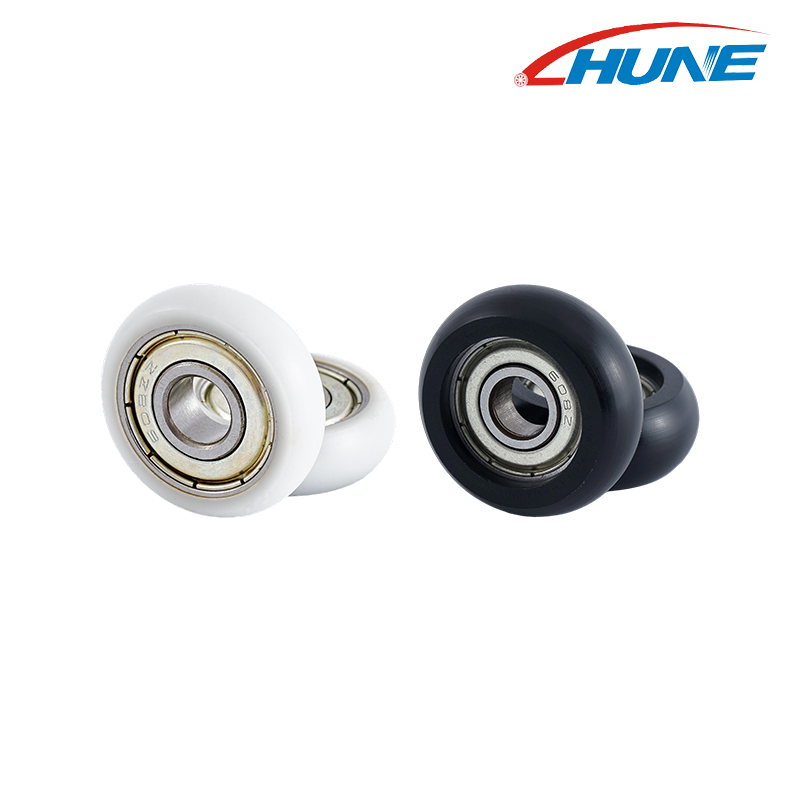
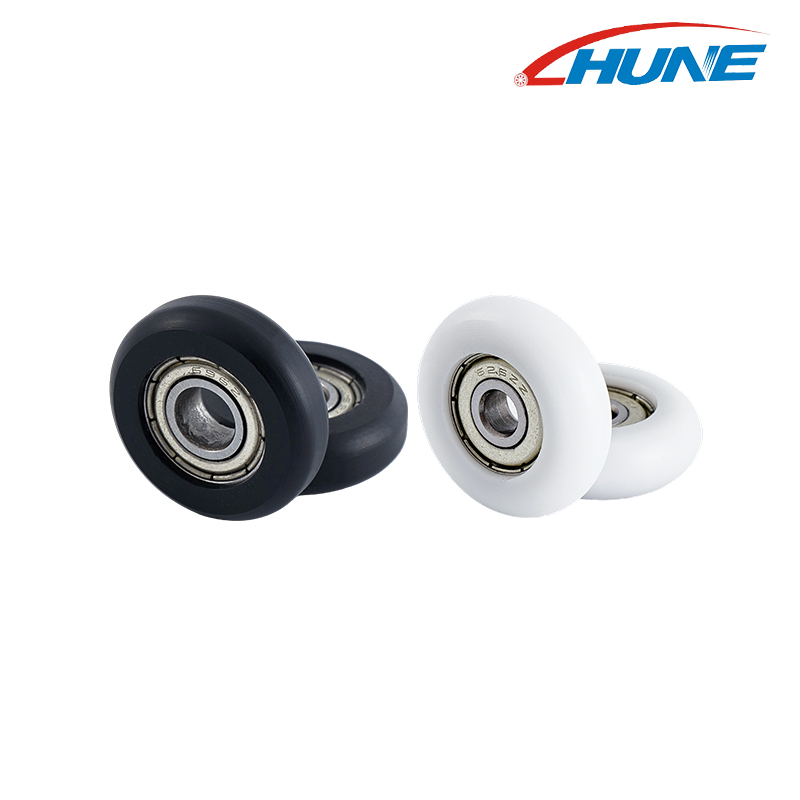
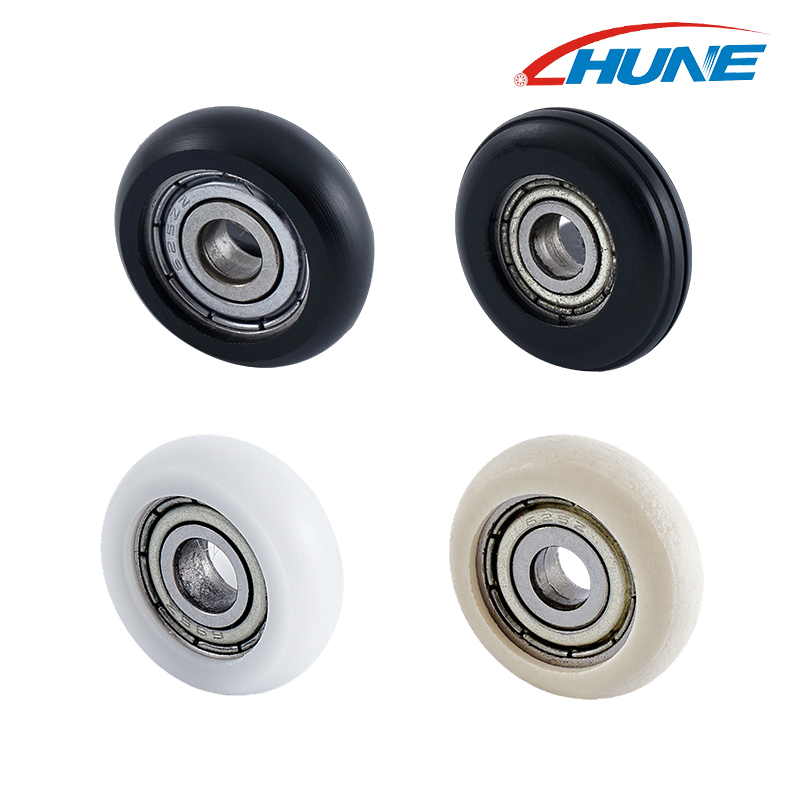
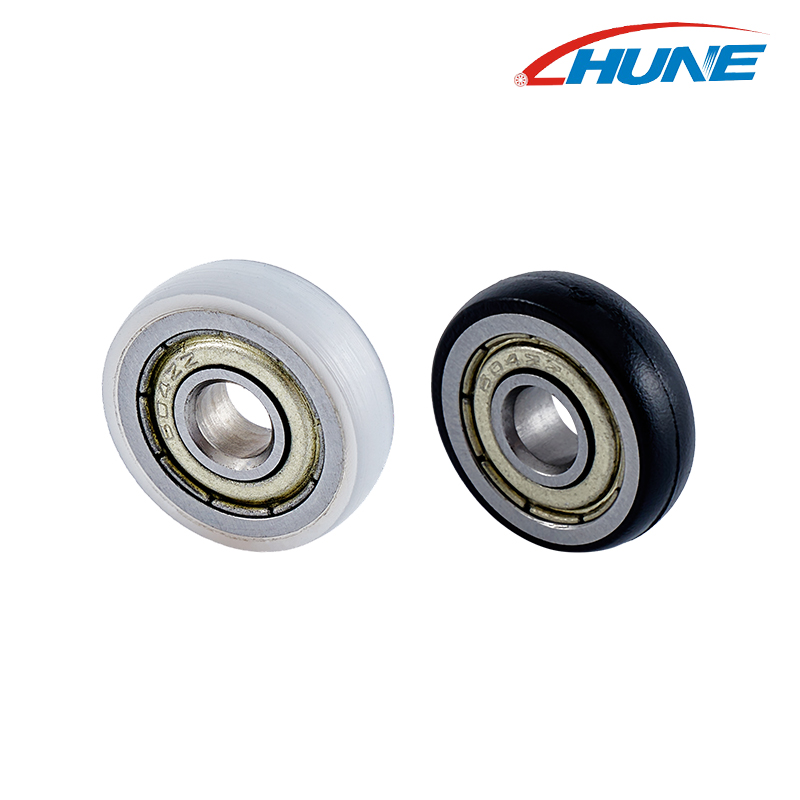
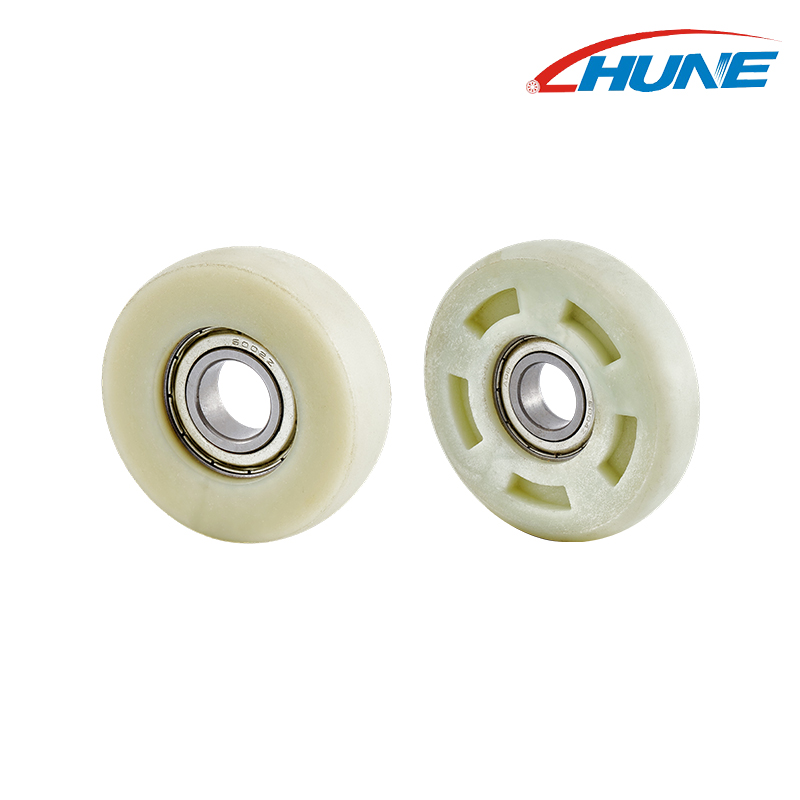
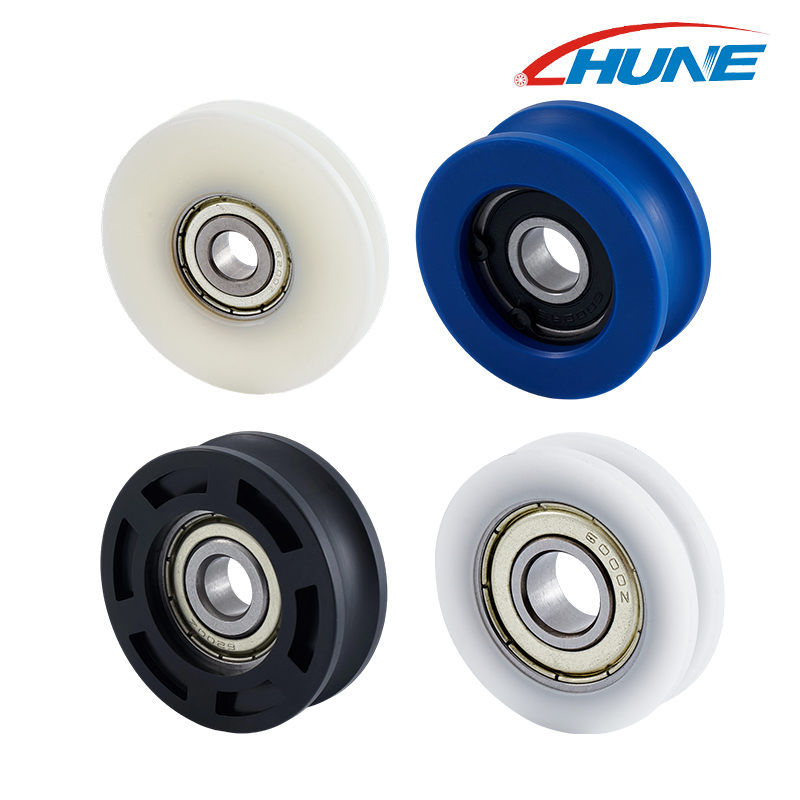
- The Wheel We use solid machined stainless steel or high-grade polyamide, never hollow pressed metal or soft plastic. Hollow wheels deform. Soft wheels pick up grit and flatten. A 150 kg panel riding on a deformed wheel is guaranteed to feel like pushing a shopping trolley with a broken caster.
- The Bearing Fully sealed stainless bearings are non-negotiable. Open bearings or cheap nylon bushes fill with fine dust in weeks, especially on coastal jobs. Once the bearing seizes, the wheel locks and the edge of the panel scrapes the track. Game over.
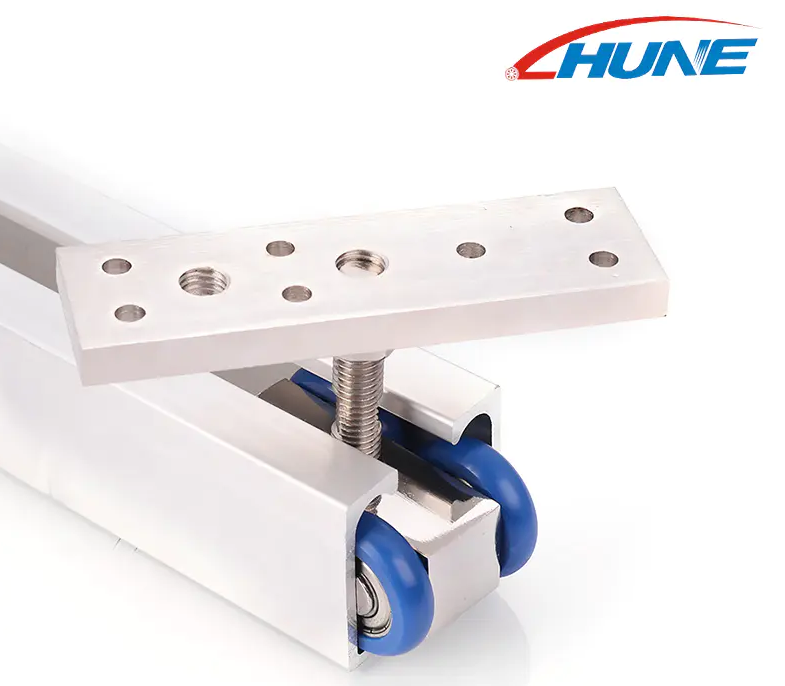
- The Carriage Body Precision-machined, never die-cast. Die-casting leaves microscopic air pockets that crack under repeated load. We machine every carriage from solid bar so it never twists or spreads under load.
- The Hanger Bolt & Adjustment Vertical adjustment must be accessible after the door is hung. We make ours with a 13 mm spanner slot on top of the carriage so you can level the panel from inside the room without removing head lining.
- The Track A straight, stiff track is everything. We extrude ours with a thick upper flange so it doesn't bow between fixing points. Bowed track = tight spots every time the panel passes a support.
Key Components of Top Hung Sliding Door
|
Component |
Description |
|
Door Panels |
Visible part of the door, usually glass or wood, providing aesthetics and insulation. |
|
Track |
Top-mounted horizontal rail guiding the door’s sliding motion. |
|
Rollers |
Enable smooth sliding along the track; made from nylon, steel, or both for durability and noise control. |
|
Hangers |
Connect rollers to the door panel, keeping it stable and aligned. |
|
Stops |
Prevent the door from sliding off the track ends. |
|
Guide |
Keeps the door vertically aligned, avoiding swaying or misalignment. |
How to Specify Correctly — The Hune Way
- Weigh the heaviest panel (glass + frame + hardware).
- Divide by two. That's the minimum safe working load per roller pair.
- Add a generous safety margin for wind, slamming, and future toughened/laminated glass upgrades.
- Never trust brochure numbers alone — ask for the certified dynamic load test sheet.
We rate every Hune roller conservatively so the published figure is what you'll actually get on site, not a laboratory best-case.
Installation — The Exact Sequence We Follow
- Confirm the structure above is level and strong enough.
- Fix track at correct centres with stainless fasteners.
- Butt joints dead straight — no stepping allowed.
- Insert carriages into track before lifting panels (saves backs and tempers).
- Lift and hang panels, adjust height for even clearance.
- Check vertical plumb in closed position — no toe-in or toe-out.
- Test glide with one finger. If it needs more, something is still wrong.
Maintenance — Almost None
Once a year:
- Vacuum or air-blow the track
- Wipe wheels with a dry cloth (never lubricant — it attracts dust)
- Check adjustment nuts are still tight
That's it. A correctly specified Hune system asks for nothing else.
Quick Troubleshooting
- Door suddenly heavy? Look for a loose track screw riding under a wheel.
- Gap under door uneven? Track has sagged or a hanger bolt has dropped.
- Grinding or clicking noise? Feel each wheel while someone moves the door slowly — the rough one needs replacing.
Mastering top-hung sliding door rollers comes down to understanding load distribution, choosing sealed bearings that shrug off dust and weather, aligning the track perfectly level, and never compromising on wheel material or carriage design. Do these things right and your doors will open with a single finger, stay quiet in wind and heat, and never sag or bind—no matter how large the panels or how often they're used.
That's exactly why, at Hune, we manufacture every roller, carriage, and track component ourselves in our own factory. We control the precision machining, the stainless grades, the bearing seals, and the final quality checks because we've seen too many projects let down by third-party parts that looked fine on paper but failed in the real world. When you choose Hune, you're choosing hardware built by people who live and breathe smooth-gliding doors every day. Get in touch—we'll make sure your next project moves perfectly from day one and keeps moving that way for good.