

 English
 Español
 日本語
日本語HUNE Rollers can be considered for retractable awning systems where controlled movement, suitable wheel geometry, bearing support, and practical integration matter. A retractable awning may look simple from the outside, but its movement depends on several coordinated components. Fabric, front bars, support arms, shafts, brackets, guides, and rolling or pulley elements all need to work together.
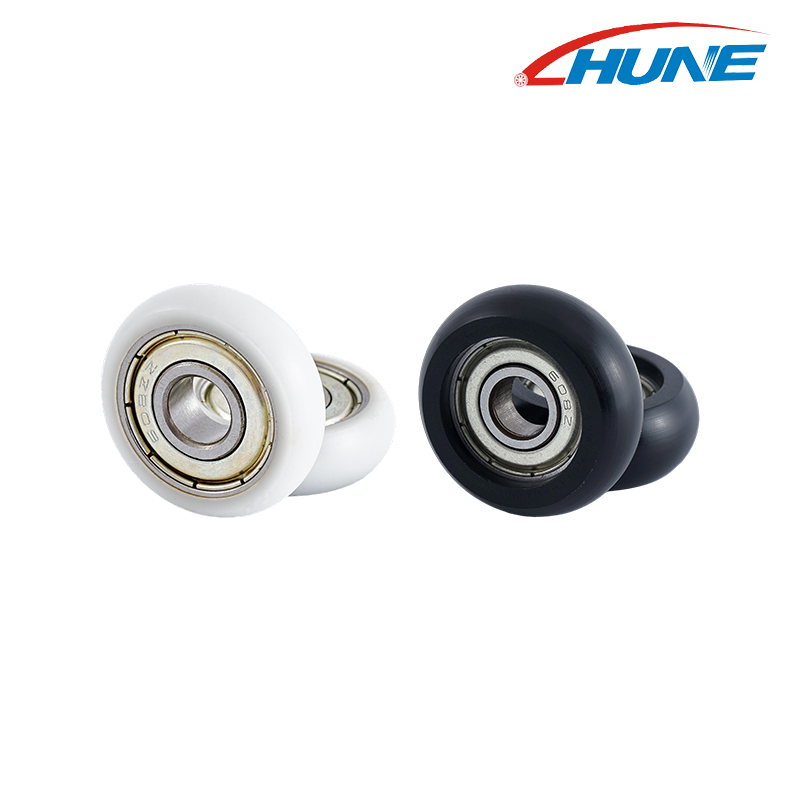
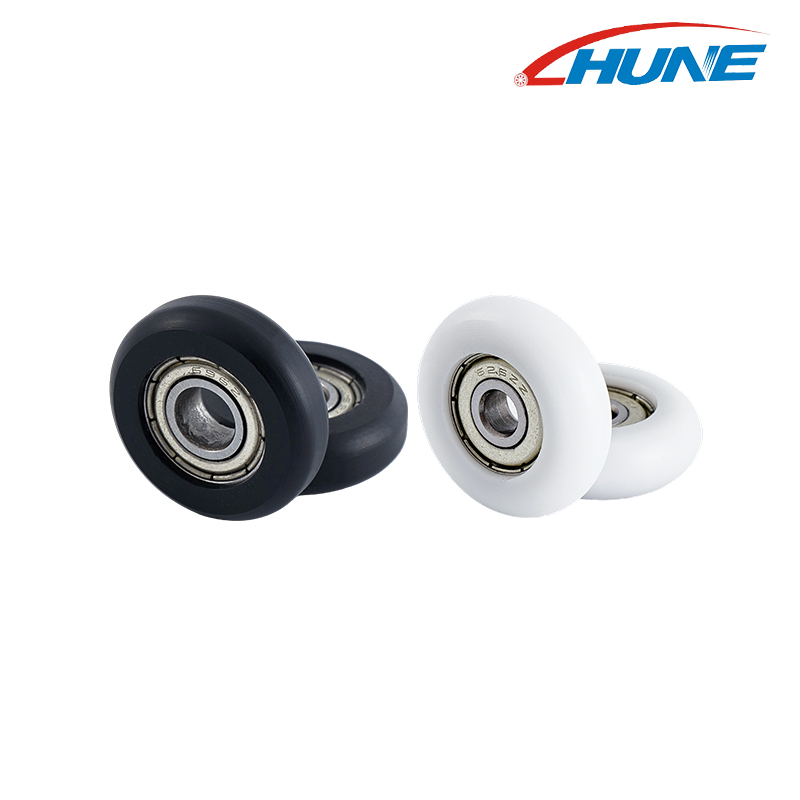
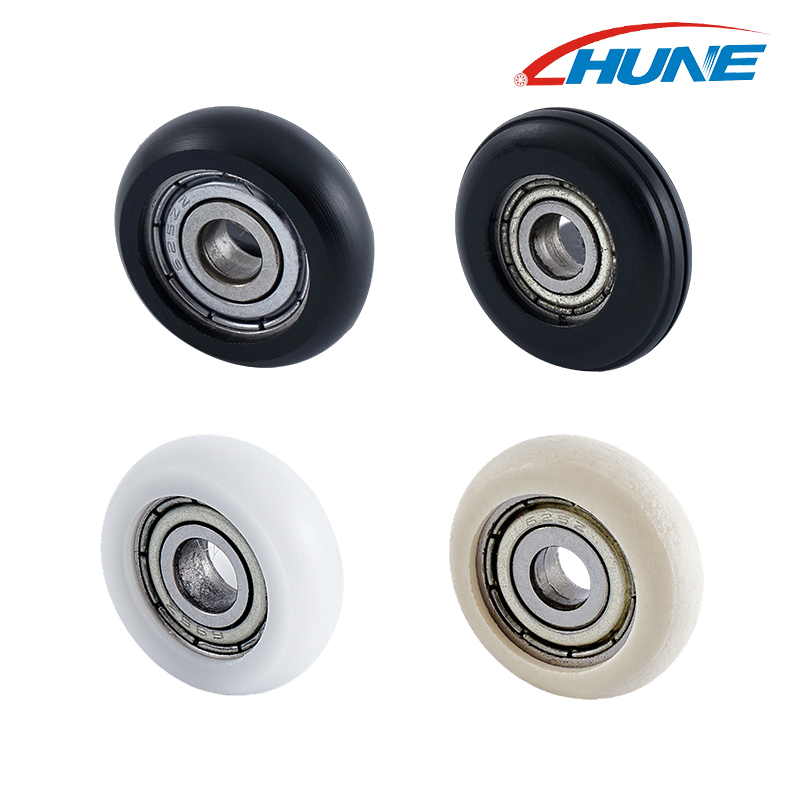
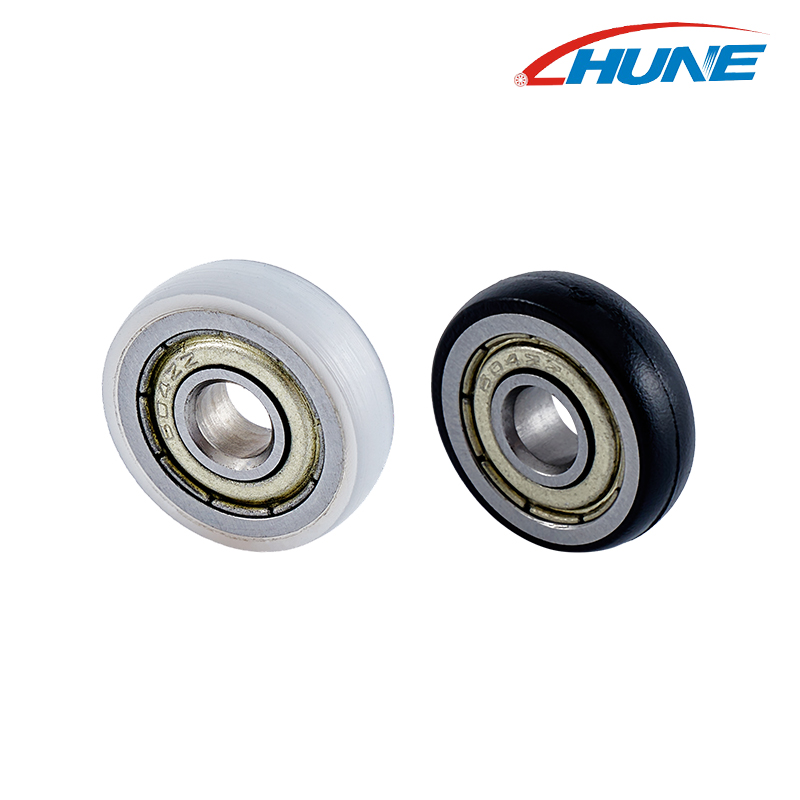
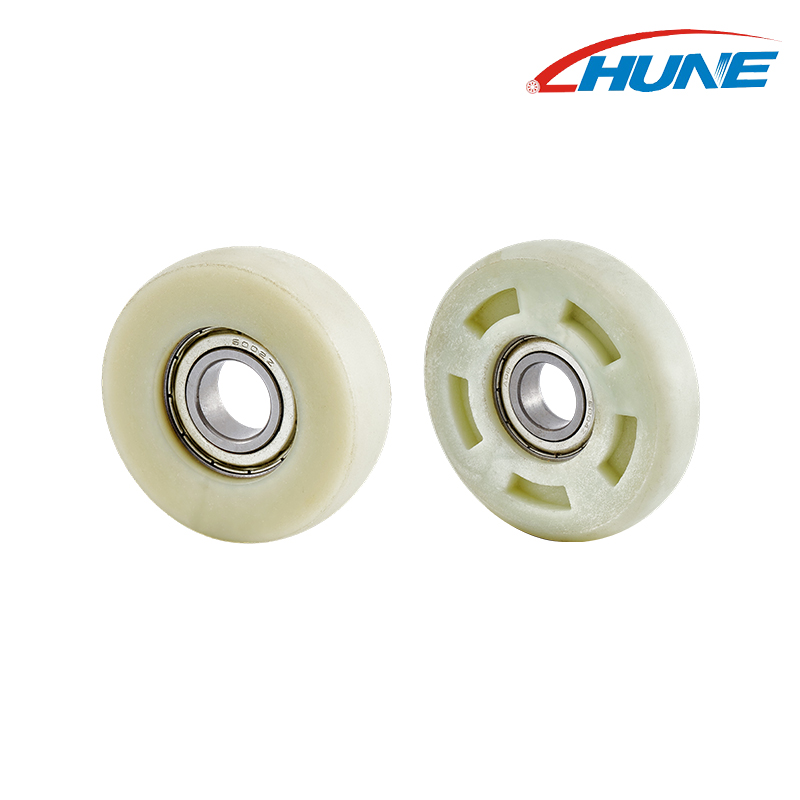
A roller is not simply a small wheel placed inside an assembly. Its shape, material, bearing arrangement, mounting method, and contact with the running surface can influence how a moving section behaves during extension and retraction. Bearing pulleys, sliding rollers, and customized pulley solutions can provide options for different mechanical applications when developing or refining retractable awning mechanisms.
Understanding the Movement Behind a Retractable Awning
Before choosing a roller, it helps to understand what the component is expected to do.
A typical retractable awning uses a fabric panel connected to structural elements that allow the cover to extend outward and return toward its stored position. Depending on the design, movement can involve a rotating roller tube, articulated arms, guide elements, belts, shafts, or other transmission components.
Some systems rely on manual operation, while others use motorized movement. In either case, controlled mechanical movement is important because uneven resistance can affect the alignment between different parts of the assembly.
Where Rollers Can Matter
A roller or pulley can serve different functions depending on the architecture of the awning.
It may help:
- Guide a moving component along a defined path
- Support controlled movement within a compact mechanism
- Reduce sliding contact between components
- Transfer movement through a cable, belt, or similar element
- Maintain a consistent relationship between moving parts
- Assist with movement where space inside the assembly is limited
Not every retractable awning uses the same roller arrangement. That is why selecting a component according to the actual mechanism is more practical than treating all awning rollers as interchangeable.
Why Roller Geometry Matters in Awning Mechanisms
A roller does not operate independently. The wheel profile needs to match the surface or track with which it interacts.
For example, a grooved wheel can help guide a belt, cable, or other flexible transmission element, while a shaped wheel may be intended to follow a particular track profile. A mismatch between the wheel and its running surface can create unnecessary resistance, unstable movement, or accelerated wear.
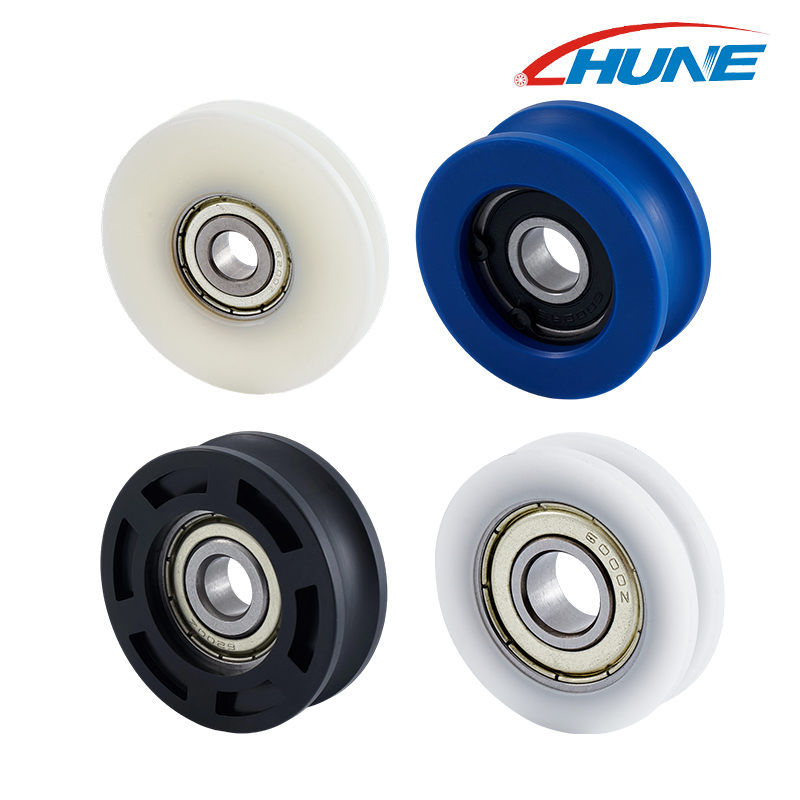
Different roller profiles can therefore provide different options during system development. Depending on the mechanism, designers may consider R-shaped, U-shaped, V-shaped, flat, or other wheel configurations.
Wheel Profile Should Follow the System
When evaluating a roller for a retractable awning, designers can look at several basic questions:
| Consideration | Why It Matters |
|---|---|
| Wheel profile | Needs to match the track, guide, cable, or transmission element |
| Wheel material | Influences contact behavior, wear, noise, and environmental suitability |
| Bearing arrangement | Affects rotational movement and resistance |
| Mounting structure | Determines whether the roller can be installed correctly |
| Available space | Important for compact awning mechanisms |
| Operating environment | Helps determine suitable material and protection |
| Maintenance access | Influences inspection and replacement procedures |
This approach avoids choosing a roller based only on appearance or outside dimensions.
How Bearing Support Affects Roller Movement
Bearings are another important part of a roller assembly.
A wheel may rotate around a shaft, and the bearing provides the interface that allows this rotation to occur. When a moving awning component cycles repeatedly, consistent rotational behavior can help reduce unnecessary friction within the mechanism.
For an outdoor system, the bearing arrangement also needs to be considered alongside the surrounding environment. Dust, moisture, temperature changes, and installation conditions can all influence how a component should be selected.
Pulley and roller solutions can be developed with different bearing arrangements and material combinations according to the intended application. This allows the bearing structure to be considered together with the wheel profile, mounting method, and running conditions.
Smooth Movement Is About the Whole Assembly
It is tempting to judge a roller by whether it spins smoothly when held in the hand. That is useful during inspection, but it does not tell the whole story.
Once installed, the roller interacts with:
- The shaft or mounting pin
- The wheel track or guide
- The surrounding housing
- The fabric movement
- The awning arms
- The drive mechanism
- Environmental contaminants
A suitable roller therefore needs to work as part of the complete assembly rather than as an isolated component.
Material Selection for Outdoor Awning Applications
Retractable awnings are commonly used in outdoor areas, which means their mechanical components may encounter changing environmental conditions.
Moisture, airborne dust, temperature changes, coastal air, and regular operation can all influence material selection. The correct choice depends on the location and the specific construction of the awning.
Plastic and engineering polymer wheels can be useful where low friction, reduced contact noise, and corrosion resistance are relevant considerations. Metal wheels may be appropriate when the system requires a different mechanical behavior or structural arrangement.
Roller and pulley components can be produced using different material options, including engineering plastics, steel, stainless steel, brass, and other materials according to the application.
Why Material Should Be Chosen With the Track
The wheel material should not be selected independently from the track.
A metal wheel running against an unsuitable surface may produce a different noise and wear pattern from a polymer wheel. Likewise, a polymer wheel may not be appropriate for every load, temperature, or operating condition.
For this reason, manufacturers should consider the wheel and mating surface together. The goal is to create a compatible contact pair rather than simply selecting a material based on its name.
Compact Construction Can Help With Awning Design
Space is often limited inside mechanical assemblies.
A retractable awning may need to accommodate its roller, bearing, shaft, bracket, fabric, and other components within a relatively compact structure. This makes the physical arrangement of the roller important during the design stage.
A compact bearing pulley can be useful when the available installation area is restricted. The relationship between the wheel, bearing, shaft, and housing can be considered during component development.
However, compactness should not be considered separately from load and operating conditions. A smaller component is not automatically suitable simply because it fits into the available space.
The better approach is to determine the mechanical requirements first and then identify a roller configuration that fits those requirements.
How HUNE Supports Different Roller Requirements
Retractable awning systems can vary considerably in their structure, movement method, and installation space. As a result, a roller that works for one design may not necessarily suit another. This makes manufacturing flexibility an important part of the sourcing process.
At HUNE, we work with different roller and pulley requirements by considering the application, wheel structure, material, bearing arrangement, and mounting method together. Depending on the project, our manufacturing process can involve material selection, precision machining, surface treatment, heat treatment, sample development, and customized production.
For awning manufacturers, this approach makes it easier to discuss a roller around the actual application rather than trying to adapt the system to a fixed component.
From Application Details to Roller Development
A customized roller usually starts with a clear understanding of how the component will be used.
Customers can provide drawings, samples, sketches, or basic information about the intended mechanism. Our technical team can then review factors such as the running surface, movement direction, installation position, and surrounding components.
This process can be useful when an awning system has a specific groove, mounting structure, wheel profile, or space limitation.
Instead of looking at the roller as an isolated part, the company considers how the component needs to interact with the rest of the mechanism.
Flexible Options for Different Awning Designs
Material and construction can also vary according to the application. Depending on the design requirements, roller systems may involve engineering plastics, steel, stainless steel, or other suitable materials.
The choice is influenced by factors such as operating environment, contact surface, movement frequency, expected load, and maintenance conditions.
For retractable awning manufacturers developing different product series, having these options available can make the component selection process more practical. It also allows the roller design to be discussed alongside the overall awning structure rather than after the main design has already been finalized.
Supporting OEM and Customized Projects
Not every awning mechanism can use a standard roller without modification. In some cases, the wheel needs to match an existing track or housing. In others, the mounting arrangement or overall dimensions may require a different construction.
HUNE can work from application drawings and project requirements to develop suitable roller or pulley solutions for these situations. Sample development can also provide an opportunity to check the fit and movement of a component before moving into larger-scale production.
The goal is straightforward: understand the mechanical application, define the relevant requirements, and develop a roller that fits the intended system.
Installation Alignment Still Matters
Even a suitable roller can behave poorly if it is installed out of alignment.
An incorrectly positioned wheel can create uneven contact with a track or transmission element. Over time, this may contribute to abnormal wear, additional resistance, or inconsistent movement.
Installation teams should therefore check:
- Wheel alignment
- Shaft position
- Track condition
- Fastener security
- Contact between the wheel and running surface
- Movement through the full operating range
The roller should move through its intended path without being forced sideways.
For manufacturers, these installation details are also useful during product testing because they help distinguish component issues from assembly-related problems.
Maintenance Should Not Be Ignored
Outdoor shading systems are exposed to conditions that indoor sliding mechanisms may not encounter.
Dust and debris can enter exposed areas. Moisture may reach mechanical components. Repeated operation can also gradually reveal problems that are difficult to notice during initial installation.
Regular inspection can help identify:
- Unusual noise
- Increased operating resistance
- Visible wheel wear
- Loose mounting components
- Track contamination
- Bearing irregularities
- Misalignment
Cleaning should follow the recommendations of the awning manufacturer and the component supplier. Lubrication should also be approached carefully because some wheel materials, seals, and lubricants may not be compatible.
A simple inspection routine can help identify mechanical changes before they affect the wider awning assembly.
A Practical Selection Checklist for Awning Rollers
For buyers comparing different roller options, the following checklist can make the sourcing process easier.
Application
First, identify exactly where the roller will operate. Is it guiding an arm, supporting movement along a track, or transmitting motion through a cable or belt?
Contact Surface
Determine what the wheel will run against. Aluminum, steel, polymer, and other surfaces can create different operating conditions.
Environmental Exposure
Consider whether the awning will be installed in a dry indoor space, a residential outdoor area, a humid location, or an environment exposed to coastal air.
Movement Pattern
Think about how often the system will extend and retract. Occasional seasonal operation creates different requirements from frequent daily cycling.
Installation Space
Check the available space around the roller, including the shaft, housing, bracket, and neighboring components.
Maintenance
Consider whether the roller can be inspected or replaced without removing large sections of the awning.
This checklist can help buyers avoid a common sourcing mistake: selecting a component because its general appearance seems compatible.
What Should Buyers Ask Before Placing an Order?
A short technical discussion before purchasing can prevent many avoidable issues.
Useful questions include:
- Which wheel profile matches the intended running surface?
- Which material is appropriate for the operating environment?
- Is a bearing required for the application?
- How should the roller be mounted?
- Does the wheel need a customized groove or shape?
- What information is needed for sample development?
- How should the component be inspected after installation?
- What packaging method is suitable for storage and transportation?
Clear communication is particularly useful for OEM projects because the roller is often only one part of a larger assembly.
Providing drawings, samples, installation sketches, or photographs of the existing mechanism can also make technical discussions more efficient.
Bringing the Roller Into the Bigger Picture
A retractable awning is a coordinated mechanical system. The fabric provides shading, the frame supports the structure, the arms control extension, the shaft or drive mechanism manages movement, and smaller components help guide or transfer that movement.
A roller may occupy only a small amount of physical space, but its interaction with surrounding components still deserves attention.
The right selection process therefore starts with the system rather than the component. Wheel profile, bearing structure, material, environment, installation position, movement pattern, and maintenance should all be considered together.
For manufacturers developing new awning mechanisms, this approach can also make future sourcing easier because the technical requirements are defined before production begins.
Choosing a roller for a retractable awning system is less about finding a generic wheel and more about matching the component to the movement, environment, installation structure, and maintenance requirements of the complete mechanism.
At HUNE, we approach roller and pulley development from the application side, considering factors such as wheel geometry, bearing arrangement, material, mounting structure, and operating conditions. This makes it possible to discuss both standard and customized solutions according to the requirements of different mechanical systems.
For awning manufacturers, distributors, and system designers, the practical way forward is to evaluate the application first, then select the wheel profile, bearing arrangement, material, and mounting structure that fit the design. HUNE Rollers can be considered as part of this process when a retractable awning requires a roller or pulley solution developed around its mechanical requirements.