

 English
 Español
 日本語
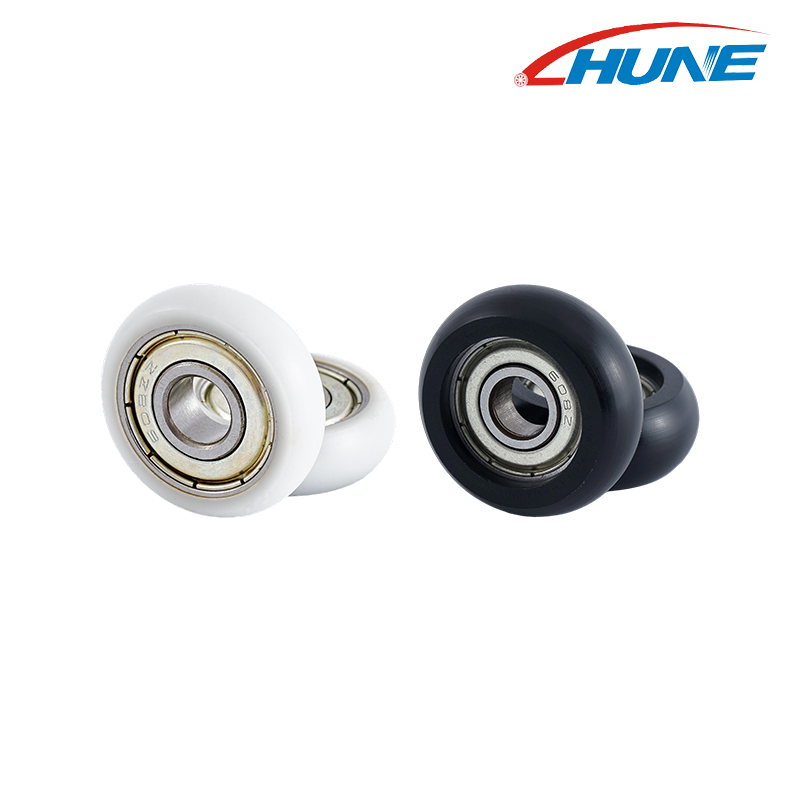
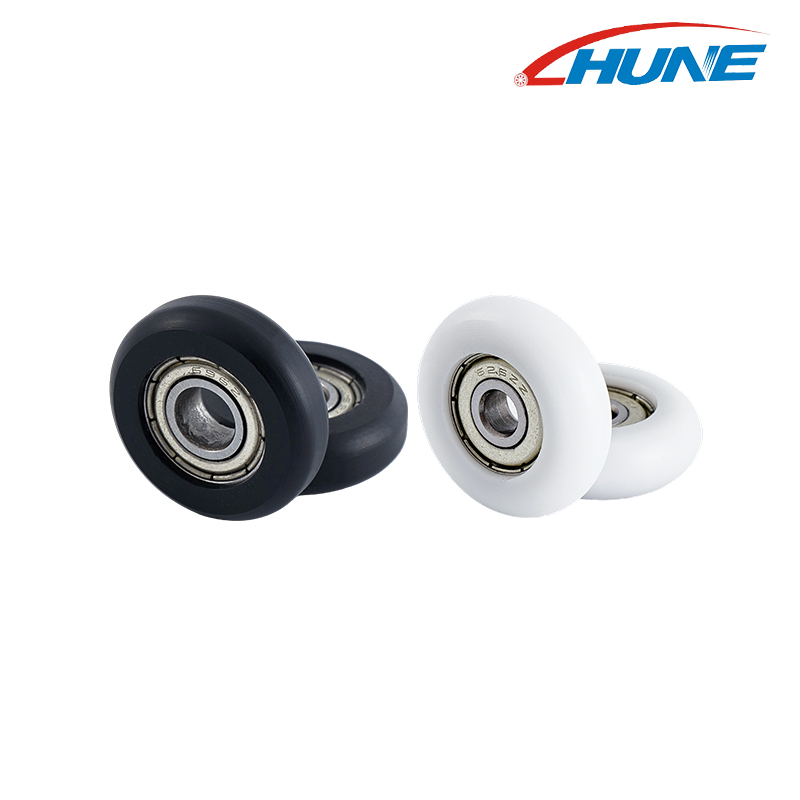
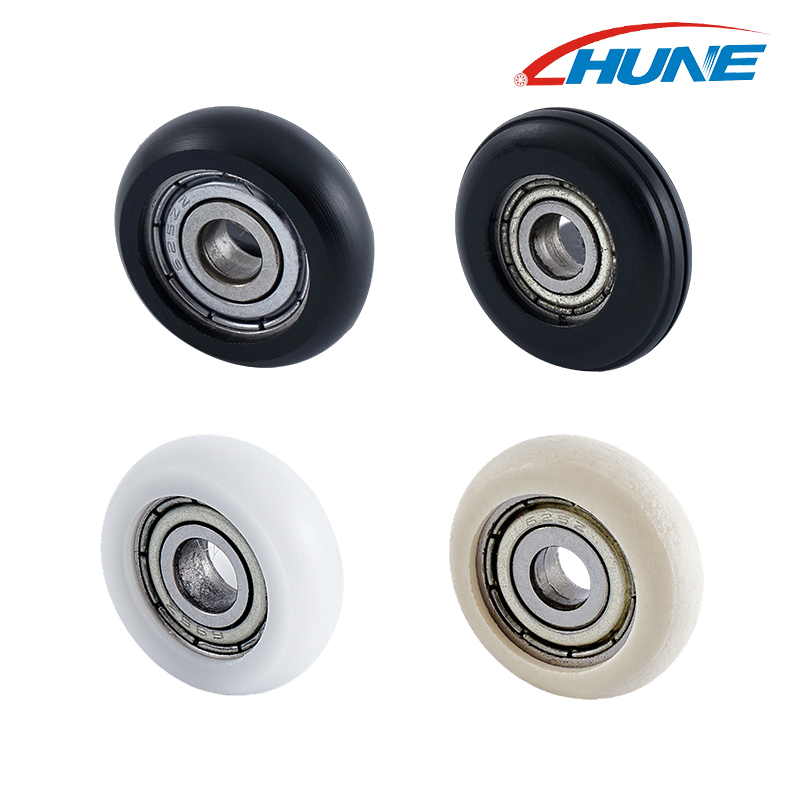
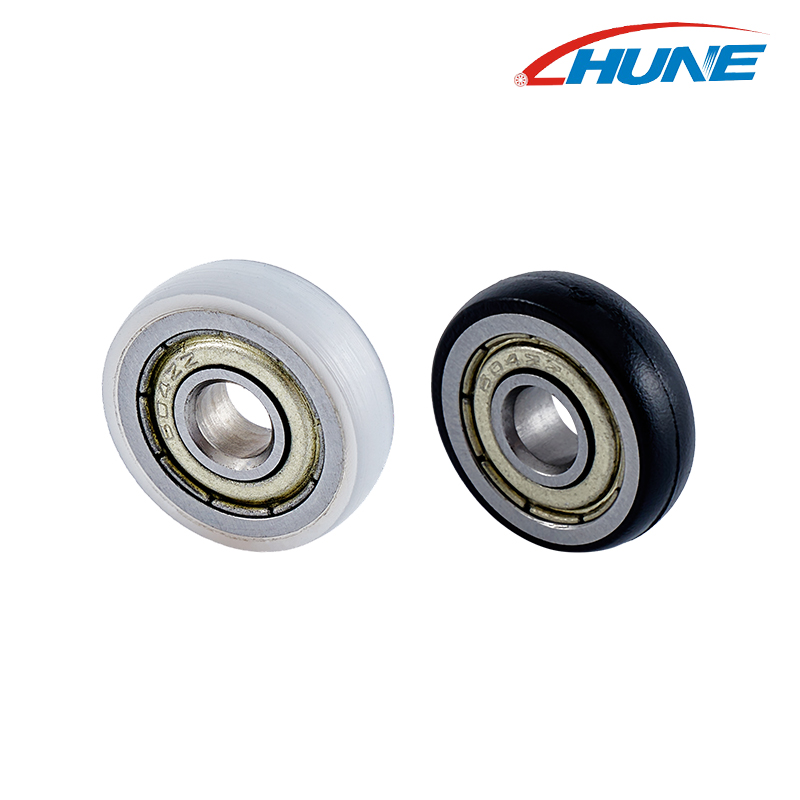
日本語Sliding glass doors usually feel like one of those home features that should "just work." You use them daily without thinking too much about what is happening underneath. Open, close, slide, repeat. As long as the glass moves across the opening without too much effort, most people assume everything is fine. Over time, however, Old Sliding Glass Door Rollers can begin to show gradual changes that affect how smoothly the door moves.
But after a few years, the feeling starts to shift.
The door still works, but it does not feel as light as it used to. You might notice a slight drag at one point in the track, or a faint sound that appears only sometimes. At first it feels random. Later it becomes more consistent. Eventually, you realize the movement is not as smooth as before.
In most cases, this is not about a single sudden failure. It is a slow combination of wear, environment, and everyday use affecting the roller system underneath the door.
Why Sliding Door Movement Slowly Changes Over Time
A sliding glass door is not just a panel on a track. The movement depends on balance between weight, rollers, track condition, and alignment. When everything is new, these parts work together with very little resistance.
Over time, things slowly shift. Not in a dramatic way, but in small steps that are easy to ignore at first.
Daily use creates invisible wear
Every time the door slides open or closed, the rollers are doing the same job again and again. Even if the movement feels light, the load is still there.
After thousands of cycles, small changes start to build up:
- Slight increase in resistance during movement
- Less consistent glide from start to end
- Small differences in how the door feels depending on position
- Gradual reduction in smooth rolling behavior
The important part is that none of this happens suddenly. It is more like the door slowly "learning resistance" over time.
Dirt Build Up Inside The Track And Roller Area
One of the most common reasons older sliding doors start feeling rough is simply accumulation inside the track system. It sounds basic, but it has a long-term impact that is often underestimated.
Where the debris actually comes from
Sliding doors sit at a connection point between inside and outside spaces. That alone makes them naturally exposed.
Common sources include:
- Indoor dust moving with air circulation
- Sand and soil brought in through shoes
- Pet hair that collects along edges
- Wind carrying fine outdoor particles
- Small organic debris like leaves or pollen
At first, most of this stays visible in the track. But over time, repeated movement pushes part of it deeper into areas around the roller assembly.
What changes when buildup becomes long-term
In early stages, cleaning the track may improve movement for a short time. But as debris becomes more compacted, the effect becomes less obvious.
You may start to notice:
- Door feels fine after cleaning, but becomes rough again quickly
- Certain spots along the track feel heavier than others
- Movement feels inconsistent depending on direction
- Slight dragging even when the track looks clean
This is where the issue moves beyond surface cleaning and becomes part of the roller environment itself.
Wheel Surface Wear And Shape Changes
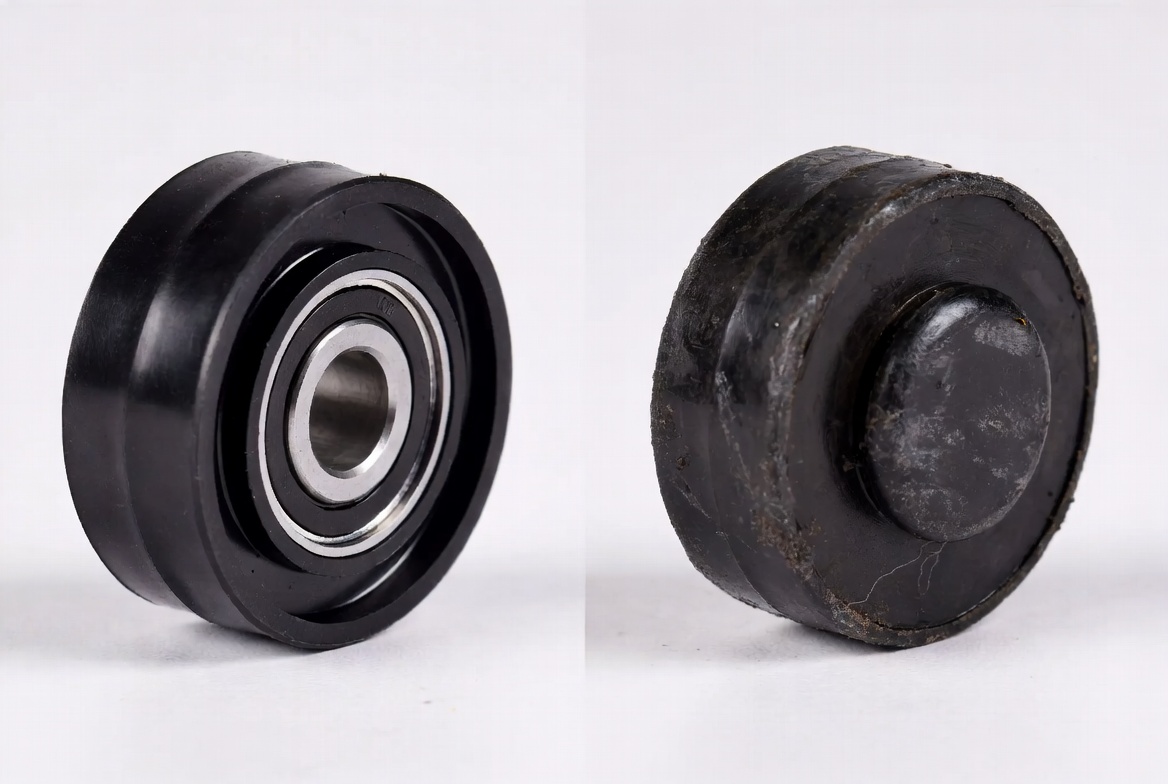
Roller wheels are designed to keep rotating smoothly under load, but they are constantly in contact with the same surface. That repeated contact slowly changes their condition.
How wear actually develops in real use
Instead of breaking or failing suddenly, wheels usually change in a more subtle way:
- Contact areas become slightly flattened over time
- Surface texture becomes less uniform
- Small irregular patterns form where pressure is highest
- Rotation feels less balanced compared to new condition
None of these changes usually look dramatic when you first inspect the part. But they affect how the wheel interacts with the track.
What users tend to feel
- A slight bump during movement
- A feeling that the door is not rolling evenly
- Smooth motion in some sections, rougher in others
- A subtle vibration when the panel moves
It is not that the door stops working. It is more that the movement loses its "clean glide" feeling.
Internal Bearing Wear Inside Roller Assemblies
Inside many roller units, there are small bearing components that control rotation. These are not visible during normal use, but they play a key role in how smooth the door feels.
What happens inside over time
Bearings work under constant pressure and motion. Over a long period, several quiet changes can happen:
- Lubrication slowly becomes less effective
- Fine dust begins to enter internal spaces
- Moisture exposure affects internal surfaces in some environments
- Metal surfaces experience gradual wear from repeated motion
Why it is hard to notice early
The wheel often still turns when you test it by hand. That is why bearing wear is not always obvious during a quick inspection.
But in real use, under the weight of a full glass panel, the difference becomes more noticeable.
Typical signs include:
- Door requires more effort than before
- Slight resistance during movement
- Occasional rough or uneven rotation feeling
- A low grinding sensation during travel
It is usually not a sudden failure. It is more like efficiency slowly dropping over time.
Noise Changes That Develop Gradually
A sliding door that starts making sound is usually trying to signal that something has changed in the movement system.
How sound usually evolves
- A faint squeak that appears occasionally
- A repeating sound in certain track positions
- A more consistent scraping or rubbing noise
- A low friction sound during full travel
Why sound is often the first warning
Sound shows up early because friction changes happen before full performance decline. Even small changes in contact between wheel and track can create audible differences.
So when a door becomes noisy, it is usually not random. It is a reflection of internal movement conditions shifting gradually.
Moisture And Environmental Influence
Not all sliding doors age in the same way. Environment plays a quiet but important role in how fast or slow changes appear.
Different environments create different conditions
A door near the coast will not age the same way as one in a dry inland area. Even within the same city, conditions can vary depending on exposure.
Common environmental factors include:
- Coastal air carrying salt particles
- Humid conditions that stay present for long periods
- Frequent rain exposure near door openings
- Seasonal temperature changes affecting materials
How this affects rollers over time
- Metal parts may slowly develop surface changes
- Lubrication becomes less stable over time
- Internal components experience more resistance
- Movement gradually becomes less smooth
The result is usually a slow shift in performance rather than a sudden change.
Uneven Sliding And Alignment Changes
One of the more noticeable symptoms in older sliding doors is uneven movement. The door may feel fine in one area but noticeably different in another.
What this feels like in daily use
- Smooth movement at the beginning, then resistance later
- One direction feels easier than the other
- Slight wobble or shift during travel
- A feeling that the door is not tracking evenly
Why this happens
- Uneven roller wear across different sides
- Small track surface inconsistencies
- Gradual alignment shifts over time
- Debris concentrated in certain track areas
Because of this mix, the door does not feel consistent across the full movement range.
Track And Roller Interaction Over Time
A sliding door system is always a relationship between two surfaces: rollers and track. When one side changes, the other side reacts over time.
How the interaction develops
- Slight roller wear increases track friction
- Rough track areas accelerate wheel wear
- Debris affects both surfaces at once
- Movement becomes less stable overall
Why problems often come in groups
- Noise plus resistance
- Dragging plus uneven movement
- Stiff motion plus alignment change
It is a chain reaction rather than a single isolated issue.
Increased Effort During Everyday Use
One of the clearest real-world signs of aging rollers is effort. The door still moves, but it requires more physical input.
What people usually notice
- Need to push harder than before
- Less smooth opening during normal use
- Door feels heavier in daily operation
- Reduced ease when moving with one hand
This is often the point where people start paying attention to the system underneath.
Small Symptoms That Often Get Ignored
Before things become clearly noticeable, there are usually small hints.
Early signals include
- Occasional sticking in one track area
- Slight change in sound depending on weather
- Minor resistance that comes and goes
- Small vibration during movement
- Inconsistent smoothness across the track
Old sliding glass door roller issues usually do not appear suddenly. They build slowly through repeated use, environmental exposure, and natural mechanical wear. At first, the changes are small enough to ignore. Later, they become part of everyday experience.
Dirt accumulation, wheel surface changes, bearing wear, moisture influence, and track interaction all play a role. They do not act alone, but together they gradually change how the door feels during operation.
Even though rollers are hidden beneath the door, they have a direct impact on smoothness, effort level, and overall user experience. When a sliding glass door starts to feel different, the reason is often developing quietly right under the panel long before it becomes obvious.