

 English
 Español
 日本語
日本語Sliding doors show up in homes everywhere because they make moving between spaces feel effortless. They save room and create nice connections to the outside. But when a door starts to drag or shake, it turns into one of those little things that annoy you every single time you use it. A big part of what keeps doors moving well comes from the Sliding Door Carriage and Roller systems tucked away in the setup. These parts carry the weight and guide the panel so the whole thing feels steady instead of frustrating.
Why Carriage and Roller Systems Matter for Everyday Doors
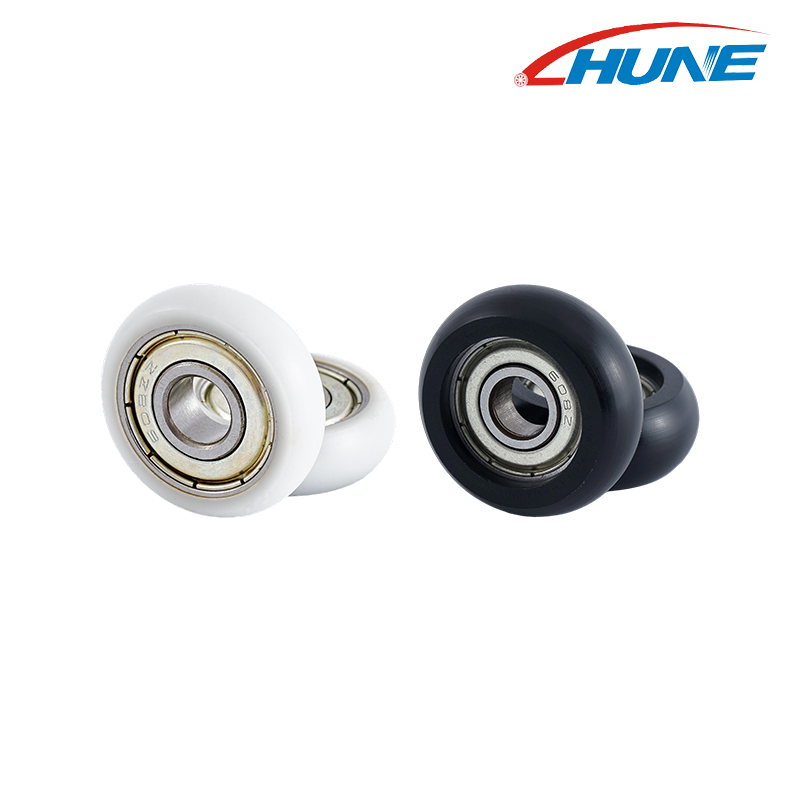
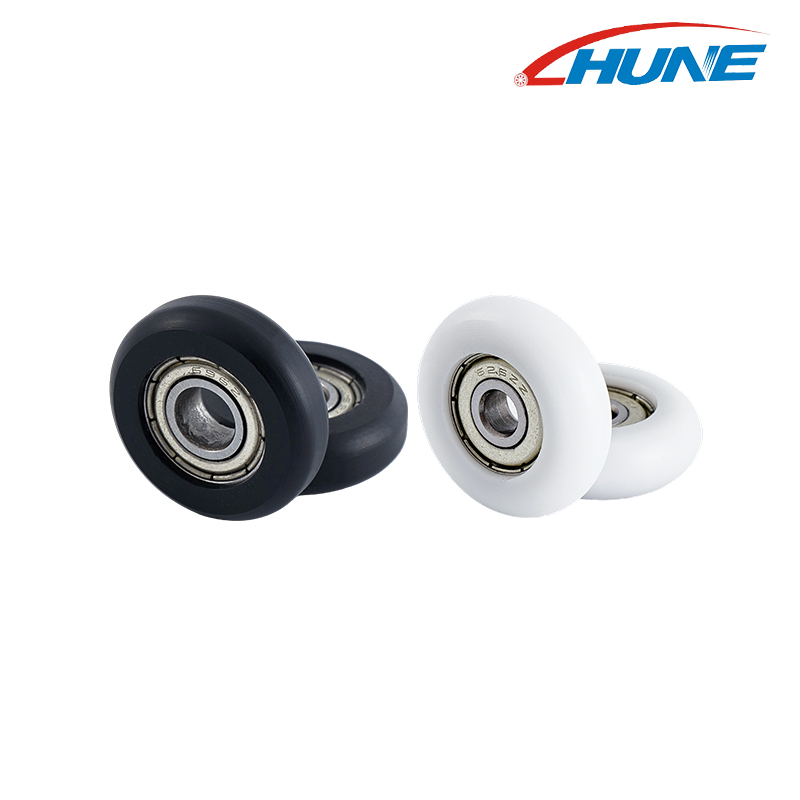
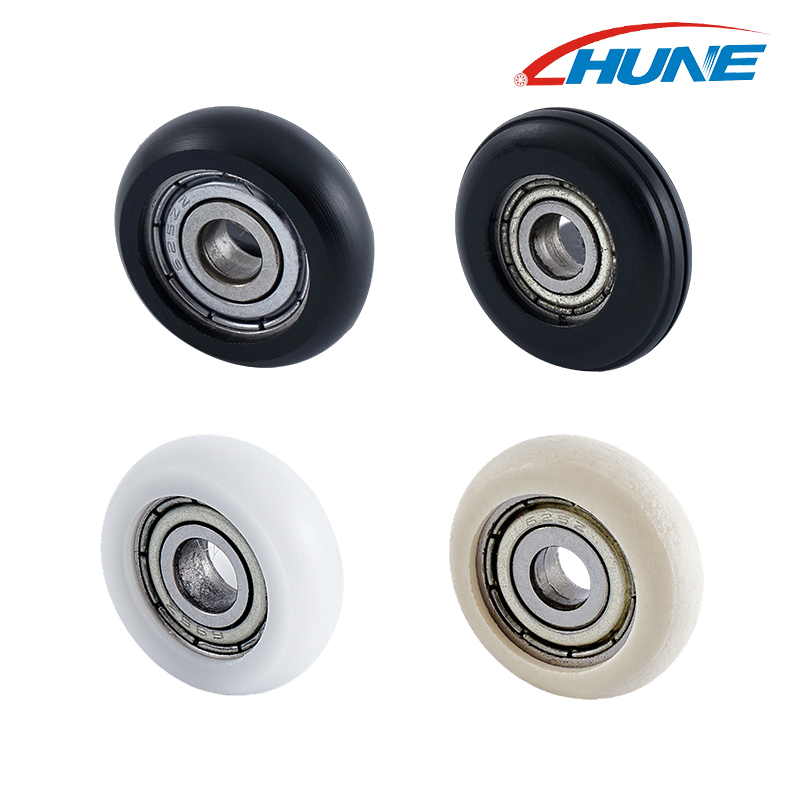
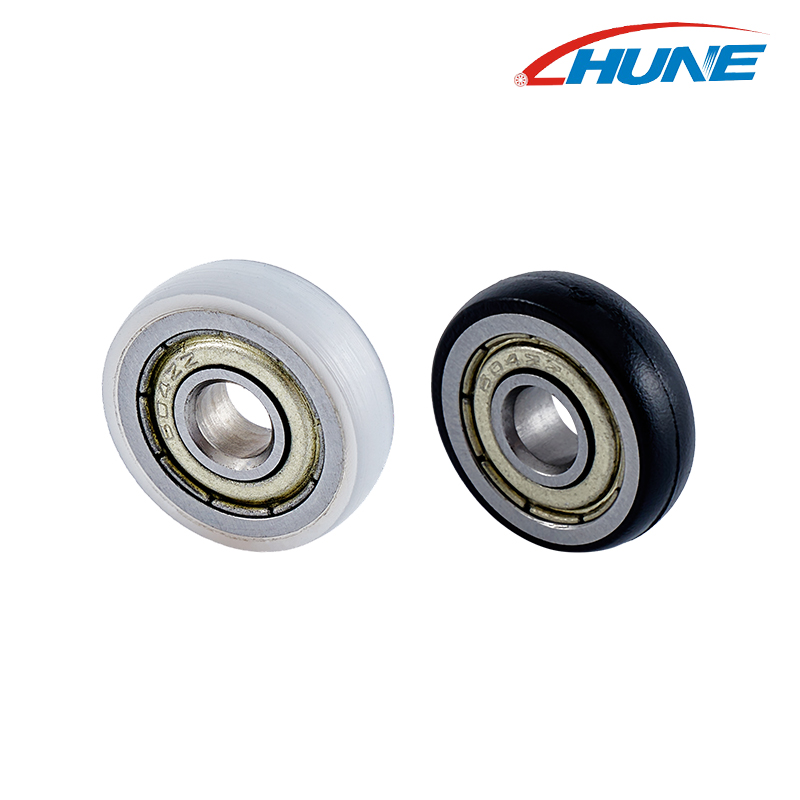
Sliding doors do not swing like regular ones. They travel sideways along a fixed track. That motion puts special demands on the hardware underneath or above the panel. The carriage holds everything together and attaches to the door. Inside it, the rollers act like wheels that roll along the track.
When these parts work together well, weight spreads out evenly. The door stays level and follows the track without much side-to-side wobble. This setup cuts down on friction, so pushing or pulling takes less effort. Over time, it also helps the seals around the door stay in better contact, which can reduce drafts and noise.
Many people only notice the hardware when something goes wrong. A sticky door after a few years often points back to worn rollers or a carriage that no longer holds alignment. Understanding the system makes it easier to keep things running smoothly.
Basic Mechanics Behind the Movement
The carriage is basically a sturdy housing. It connects to the bottom of the door in most home setups. Rollers sit in that housing and touch the track. As you slide the door, the rollers turn and carry the panel along.
This arrangement spreads the door’s weight across several contact points. Even spreading means no single wheel bears too much pressure. The carriage also keeps the rollers lined up so the door does not tilt or wander off course. Small guides built into many carriages limit sideways play, giving a more solid feel during travel.
In daily use, these mechanics show up as a door that starts easily, glides without sudden stops, and closes cleanly. The difference becomes obvious when comparing an old worn-out setup to one with fresh components.
Common Types of Carriages and Rollers
Different doors need different hardware. Here is a breakdown of what shows up most often.
Single Roller Carriages for Lighter Applications
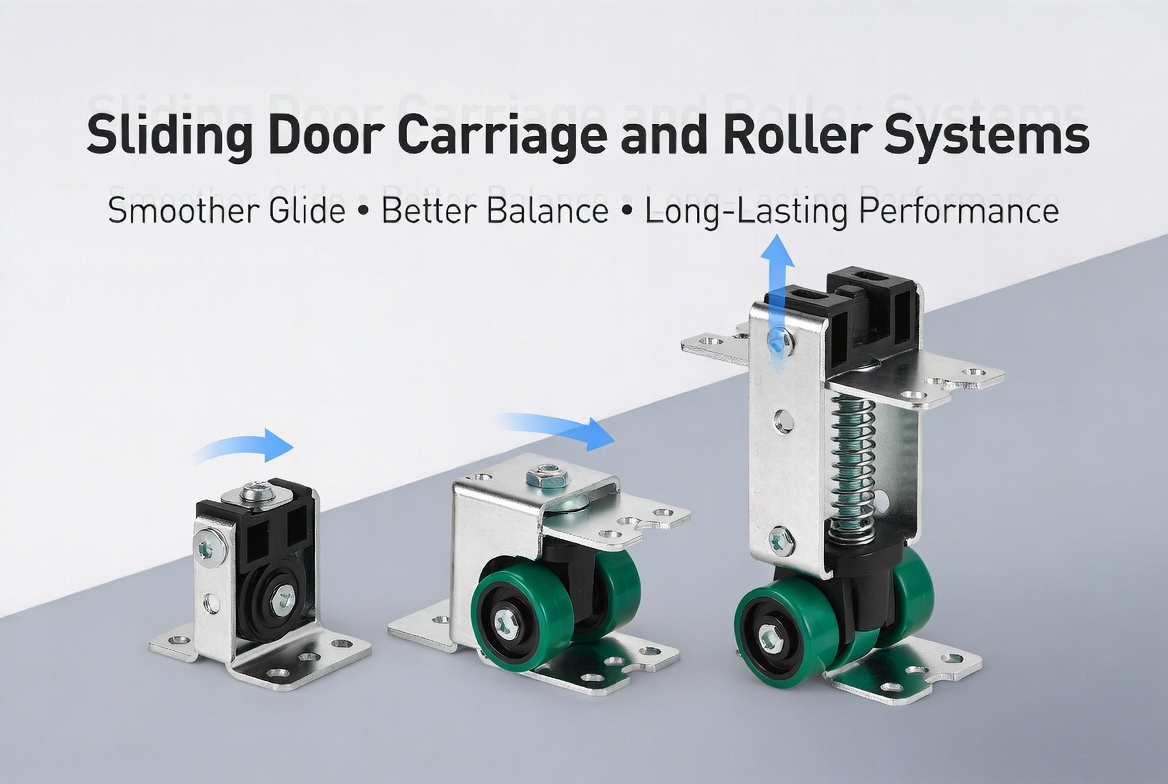
Single roller designs use one wheel. They work well for screen doors or small interior panels where weight stays low. The simple style keeps things straightforward and easy to maintain in low-traffic spots.
Tandem Roller Setups for Standard Home Doors
Tandem carriages pair two wheels in one housing. This spreads weight better and appears in lots of patio doors. The extra wheel helps the door roll more evenly, especially over longer tracks. Many homeowners see a clear improvement after switching to tandem rollers on doors that have become difficult.
Multi-Wheel Carriages for Heavier or Wider Panels
Some carriages group three or more rollers. These handle larger glass doors or openings that see heavy use. The additional contact points keep the panel steady across the full travel distance and reduce strain on any one wheel.
Adjustable Features That Make a Real Difference
Many carriages include height adjustment screws. A simple turn raises or lowers the door slightly. This comes in handy after new flooring, seasonal changes, or small shifts in the building. The feature lets people fine-tune alignment without removing the entire door.
How Weight Distribution Affects Stability
Stability feels like the door moving in a straight, predictable line. Good weight distribution plays a key role. When rollers share the load, pressure stays balanced. This prevents flat spots on wheels and keeps the track from wearing unevenly in one area.
On top of that, the carriage design helps control side movement. Guiding lips or channels limit how much the door can shift left or right. Together these elements create steadier operation even when wind blows or kids run through the opening.
In practice, balanced systems mean less rattling, fewer catches, and doors that sit evenly when closed. The advantage builds up over months of regular use.
Matching Hardware to Track Styles
The track and rollers need to fit together. Common home tracks have U-shaped or flat channels. Rollers with rounded or flat profiles roll nicely in these. Angled tracks work better with matching wheel shapes that lock in for guidance.
Taking time to match the parts avoids problems like climbing, binding, or extra noise. During replacement projects, measuring the track and old rollers saves time and ensures better results.
Real-World Examples from Homes and Other Spaces
Think about a busy backyard patio door. Families use it constantly for meals, play, and letting pets in and out. Tandem carriages and rollers help the door keep up without sticking during rush times.
Interior sliding dividers in open-concept homes separate spaces quietly. Stable carriages reduce vibration so the divider feels like part of the room rather than an obstacle. Larger openings in living areas use multi-wheel setups to keep multiple panels moving together smoothly.
Older houses sometimes settle a bit over the years. Adjustable carriages let owners correct small height changes and restore easy movement without big renovations.
Installation Details That Support Long-Term Stability
Good installation starts with a clean track. Old dirt and debris get removed completely. Carriages go on at even intervals to balance the weight. Height gets adjusted until the door sits level with the right clearance.
Several test slides across the full opening check for smooth spots. Small tweaks fix any remaining issues before the door goes back into daily service. Final alignment makes sure the panel meets the frame properly when closed.
These steps take a little extra time but prevent many headaches later.
Simple Maintenance Routines That Keep Doors Moving Well
Maintenance does not have to be a big project.
- Regular sweeping of the track channels clears sand, dust, and hair.
- Wiping rollers when possible removes buildup.
- Checking adjustment screws a couple times a year catches small changes early.
- Visible wear on wheels means replacement time.
In dusty or coastal areas these checks happen more often, but they still take only a short while. Consistent care extends how long the hardware performs well.
When Replacement or Upgrades Make Sense
Doors that stay sticky after cleaning or develop grinding sounds often need new rollers. Wobble that does not go away points to worn carriages. Many older doors feel much better after switching to tandem setups or wheels with bearings.
Timing replacements with other home projects, like painting or floor updates, makes the work feel less disruptive while delivering clear improvements.
Broader Factors That Influence Performance
Material choices affect how hardware holds up. Sealed bearings help rollers turn more freely over time. Corrosion-resistant options suit outdoor doors. Track condition matters just as much. A straight, clean track lets even good rollers do their best work.
Extra guides at the top or bottom sometimes add more control in wide openings. These small additions complement the main carriage system.
Side-by-Side Comparison of Common Options
| Configuration | Wheel Count | Best For | Stability Benefit |
|---|---|---|---|
| Single Roller | 1 | Light screens, small dividers | Basic everyday support |
| Tandem Roller | 2 | Patio doors, medium panels | Even weight distribution |
| Multi-Wheel | 3+ | Large openings, heavy use | Stronger alignment across distance |
| Adjustable Carriage | Varies | Most home retrofits | Easy leveling for changing conditions |
Handling Common Movement Problems
Sticking often comes from dirt in the track or slight misalignment. Thorough cleaning and adjustment fix many cases. Uneven effort usually responds to height changes. Persistent wobble calls for checking rollers and carriages.
Starting simple identifies what needs attention before bigger repairs.
Advantages That Show Up Over Time
Reliable doors make indoor-outdoor living easier. Quieter operation improves comfort in living areas. Better alignment supports seals and reduces drafts. In busy spaces the hardware handles repeated use without constant issues.
The overall effect feels like doors that simply work as expected instead of demanding attention.
Guidance for Selecting and Caring for Hardware
Selection starts with door measurements and usage patterns. Track profile and environment guide material choices. Keeping notes on part details simplifies future replacements.
Routine checks during cleaning create a useful history for later work.
Questions That Come Up Often
What shortens the life of rollers and carriages?
Heavy daily use, dirt buildup, and lack of adjustment all play a part. Regular care stretches the timeline.
Can older doors get meaningful upgrades?
Yes. Tandem rollers or adjustable carriages often restore smooth movement on doors that have seen better days.
How do you measure for replacements?
Wheel diameter, carriage width, and track channel size matter most. Photos help when ordering.
Do adjustable features really help long term?
They allow corrections for floor or frame changes without removing the door each time.
What reduces noise from sliding doors?
Cleaning the track, replacing worn parts, and proper alignment make a noticeable difference.
When should professional help come in?
Heavy panels or complex multi-door setups benefit from experienced hands.
Sliding Door Carriage and Roller systems do a lot of quiet work behind smooth door movement. Paying attention to type, matching, installation, and care leads to steadier performance that lasts. Whether fixing an annoying patio door or planning new ones, these details make a real difference in daily convenience.
Taking small steps like regular cleaning and timely adjustments keeps frustration low and usability high. The right hardware turns sliding doors into something reliable instead of a constant reminder. With a little focus on these systems, spaces feel more open and comfortable for everyone who uses them.