


 English
 Español
 日本語
日本語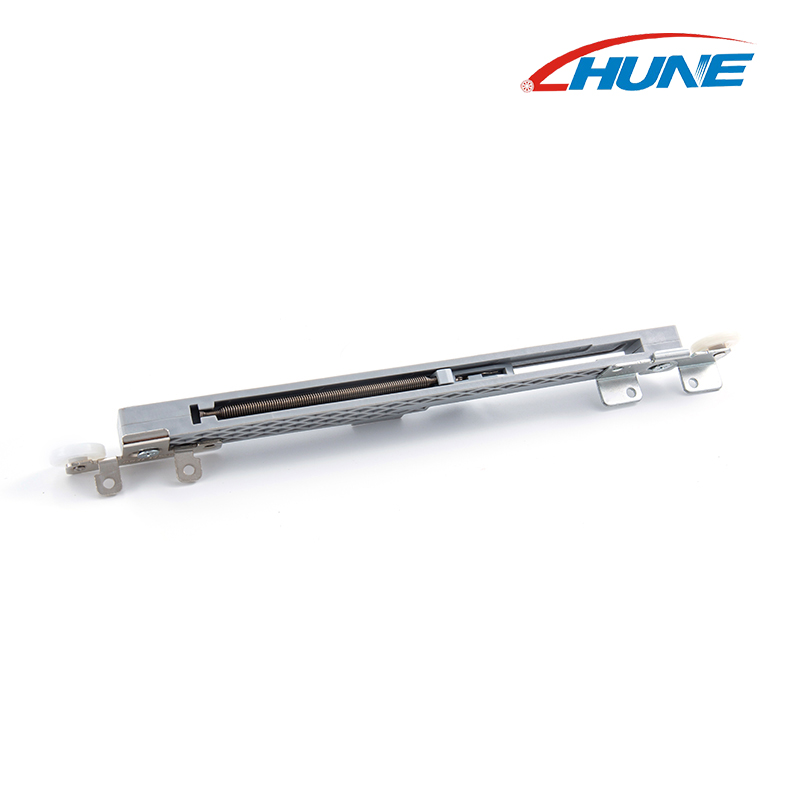
Over the past few years, we have diligently pursued higher standards to enhance our product quality, aiming to deliver increased convenience and a better user experience.
Product Categories
Hot Products

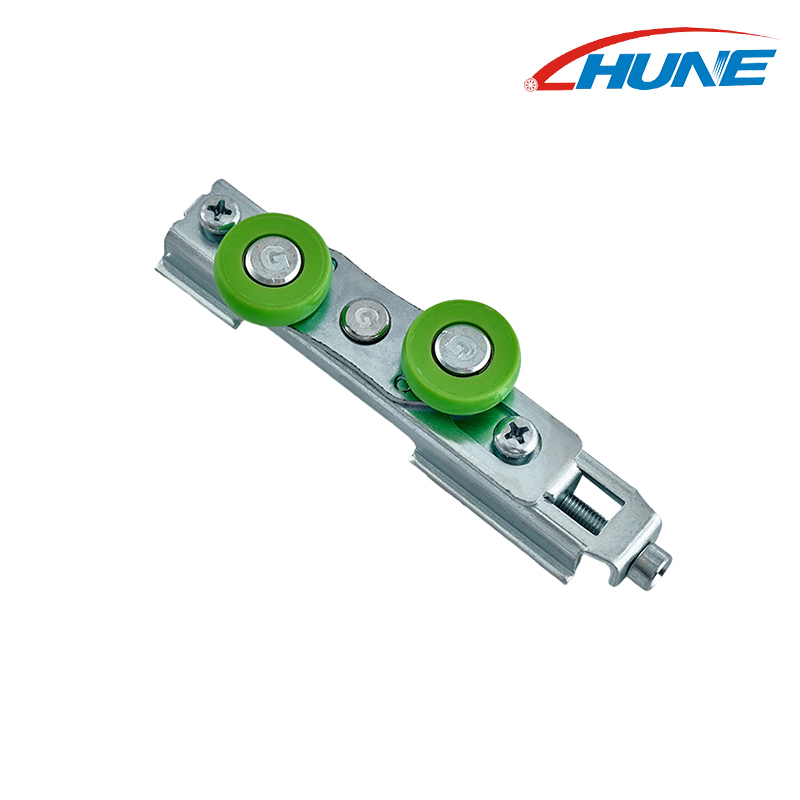
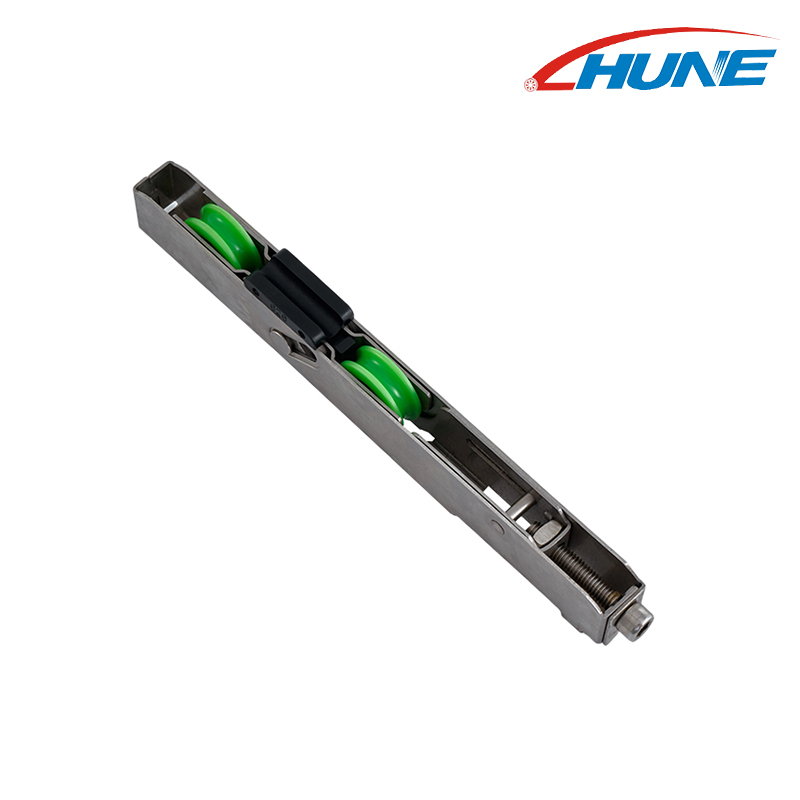
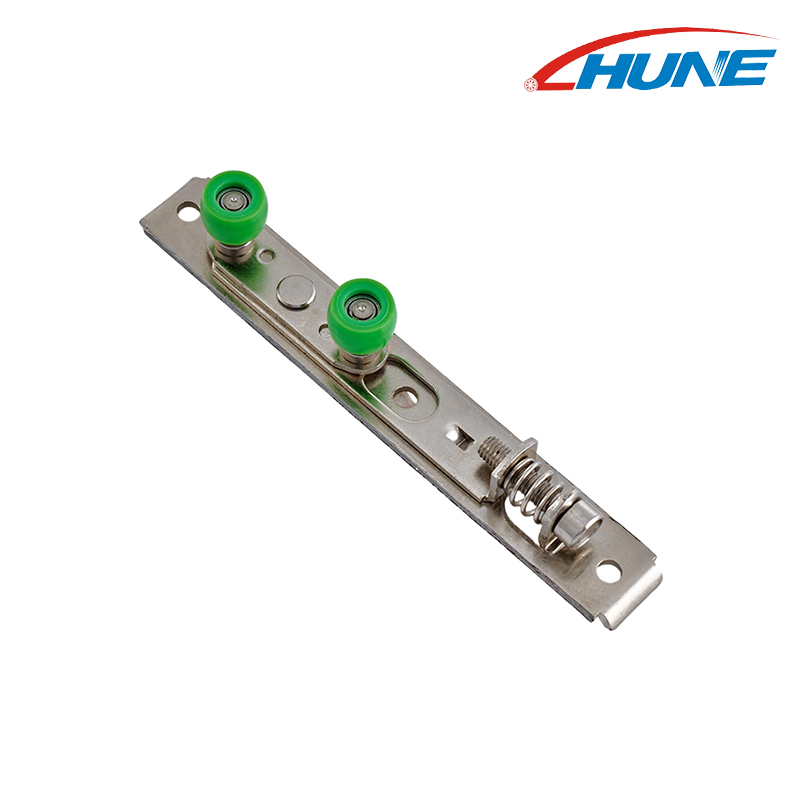
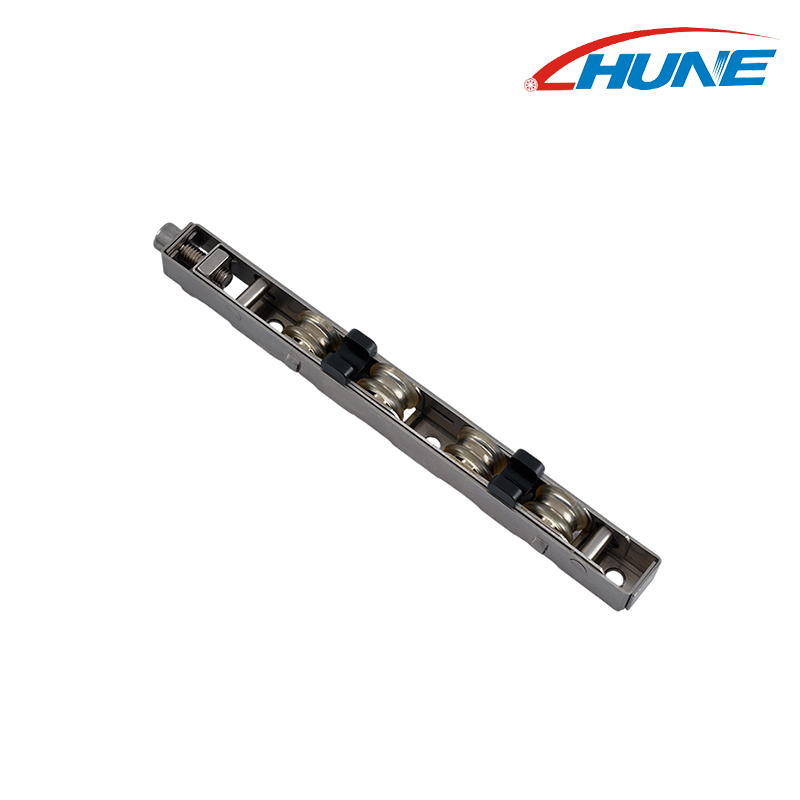

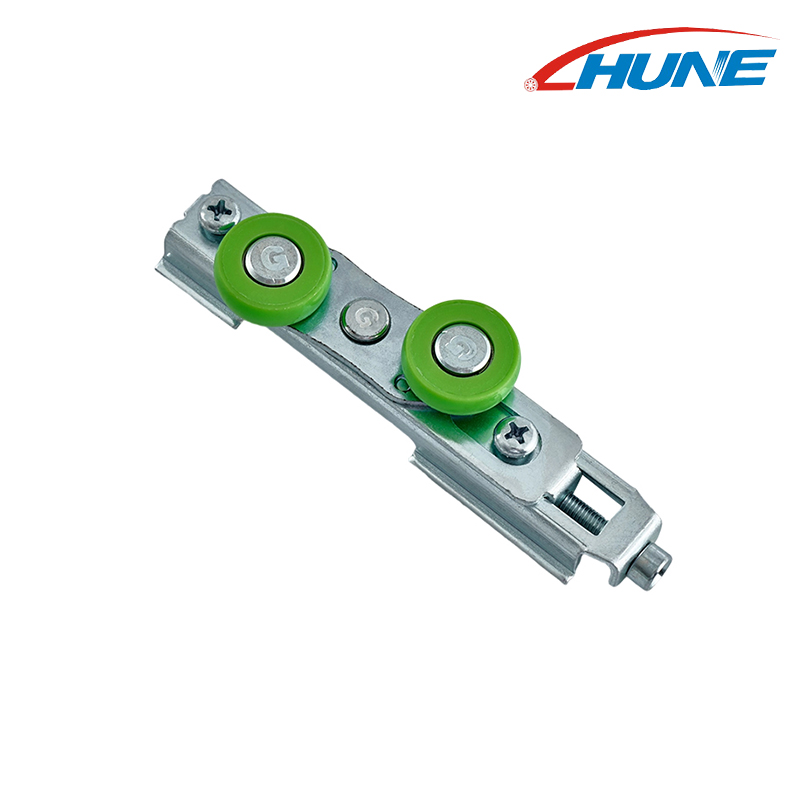
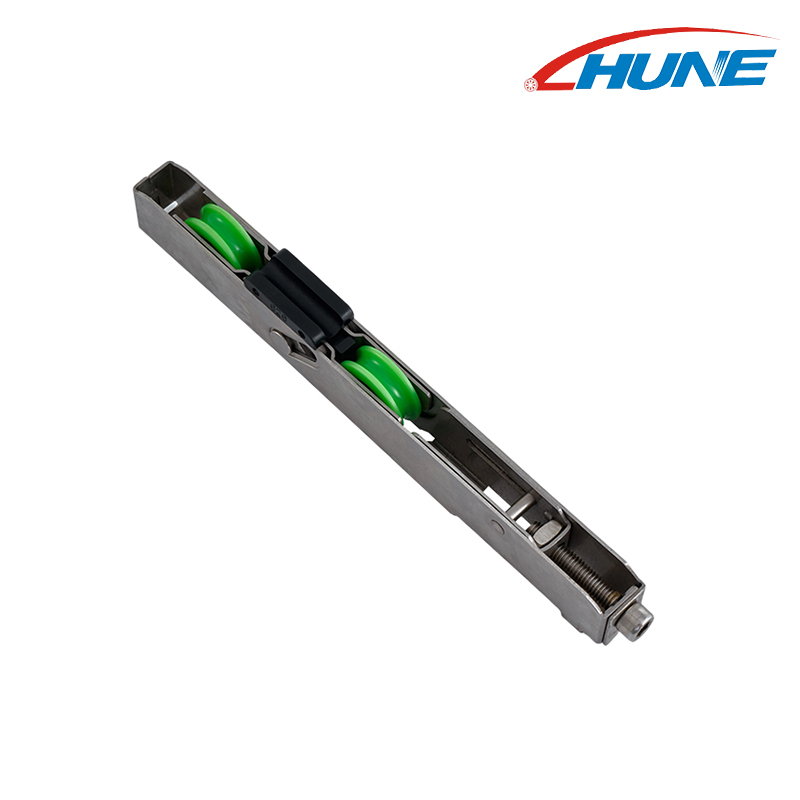
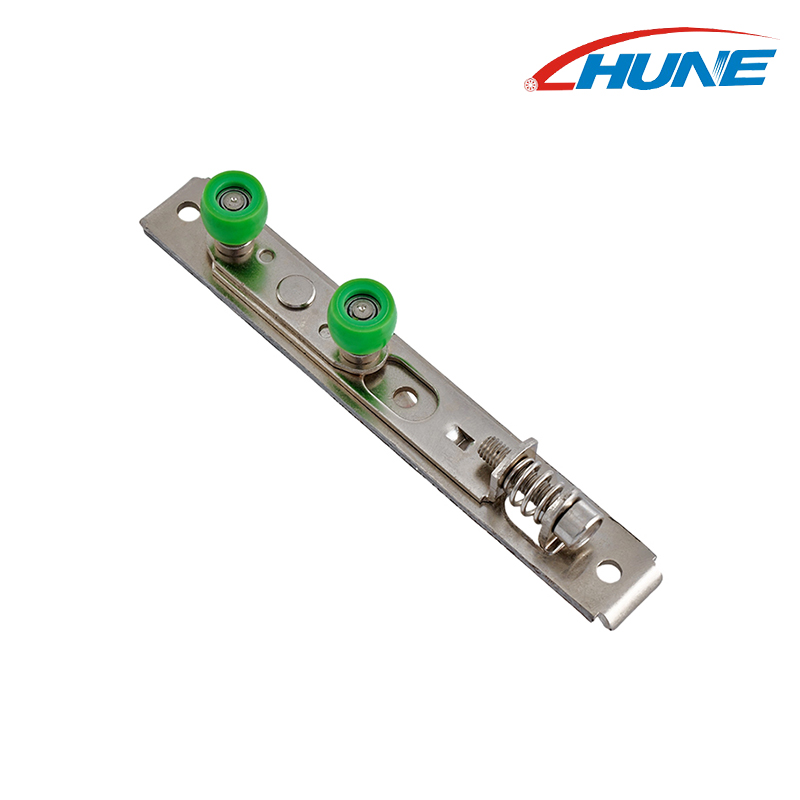
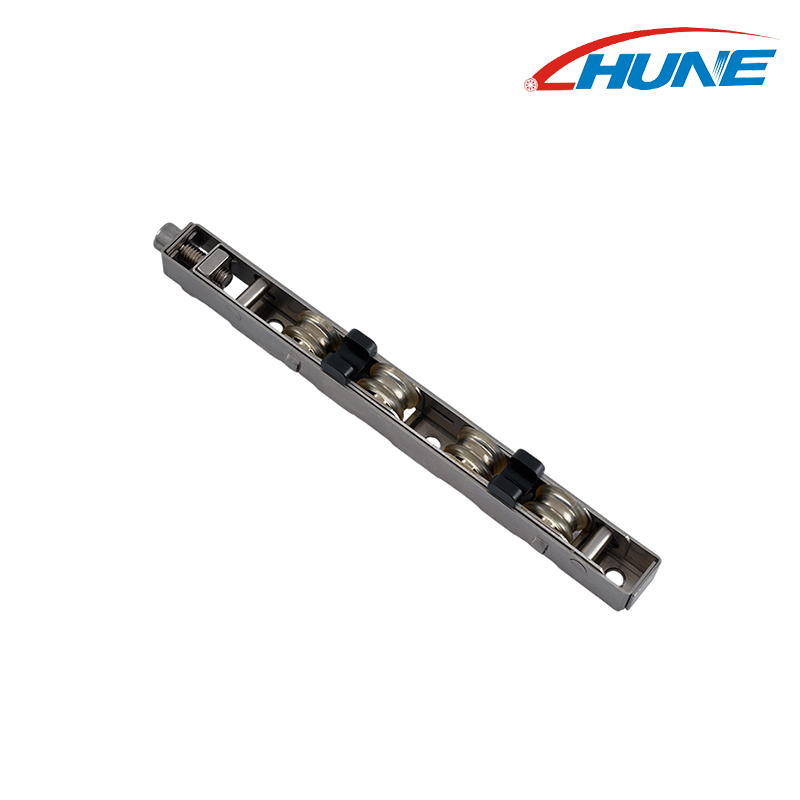
Adjustable Sliding Door Anti-sway Roller with Screws
○ Material and color can according to customers' requirement.
○ We can make different size as per customers' requirement.
○ We can make different size as per customers' requirement.
 +86-15058997617
Product Advantages
- Smooth Operation
The spacer design ensures smooth rolling and no jamming, even when screws are fully tightened. - Silent & High Load Pulley
Combines quiet bearings with high load capacity for smooth, low-noise performance. - Durable Materials
The nylon-coated outer layer offers strength, toughness, and fatigue resistance. - Precision Bearings
High-quality bearing steel provides quiet, high-speed, and wear-resistant performance. - Sealed & Dustproof
Metal dust cover ensures tight sealing; smooth surface with no burrs for refined quality.
Product Description
Product Name: Adjustable Sliding Door Anti-sway Roller with Screws
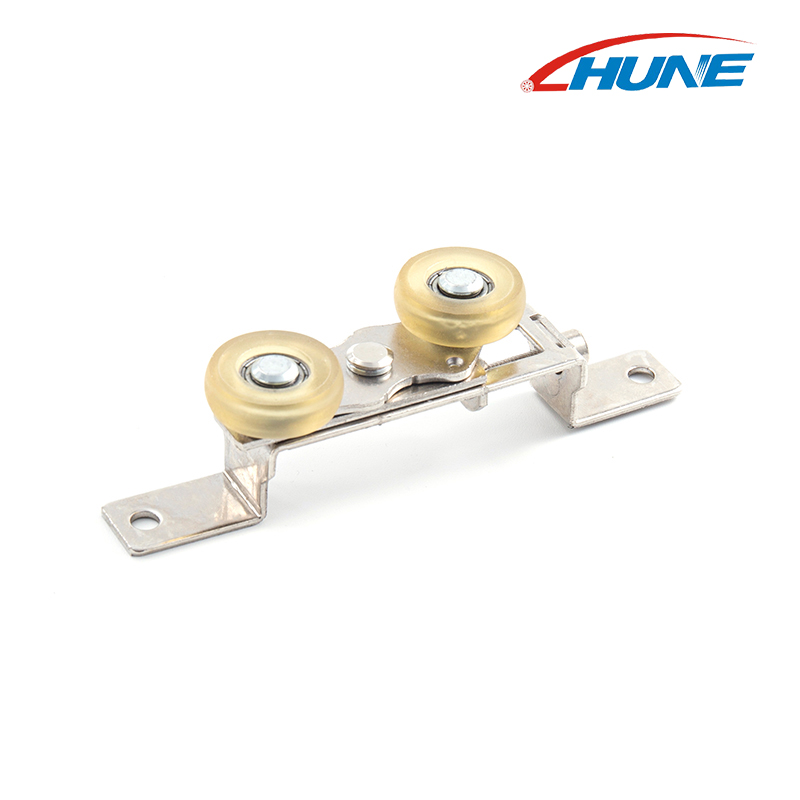
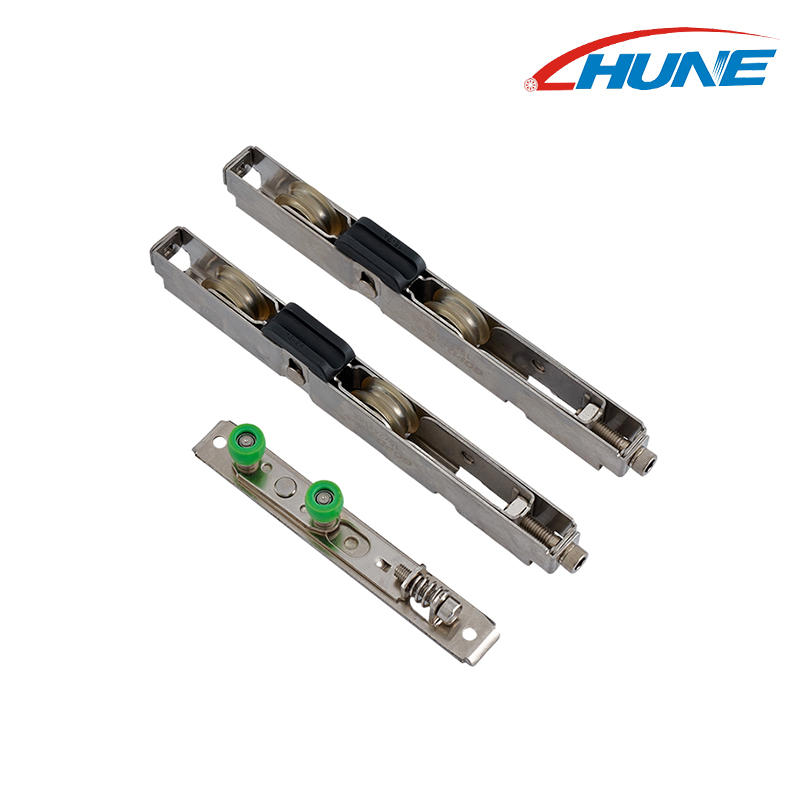
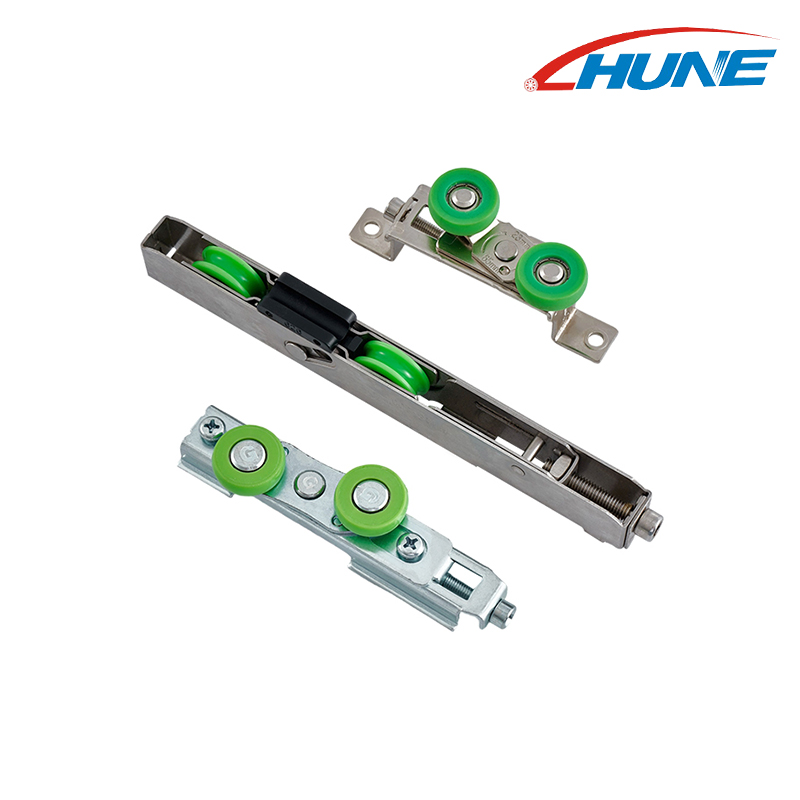
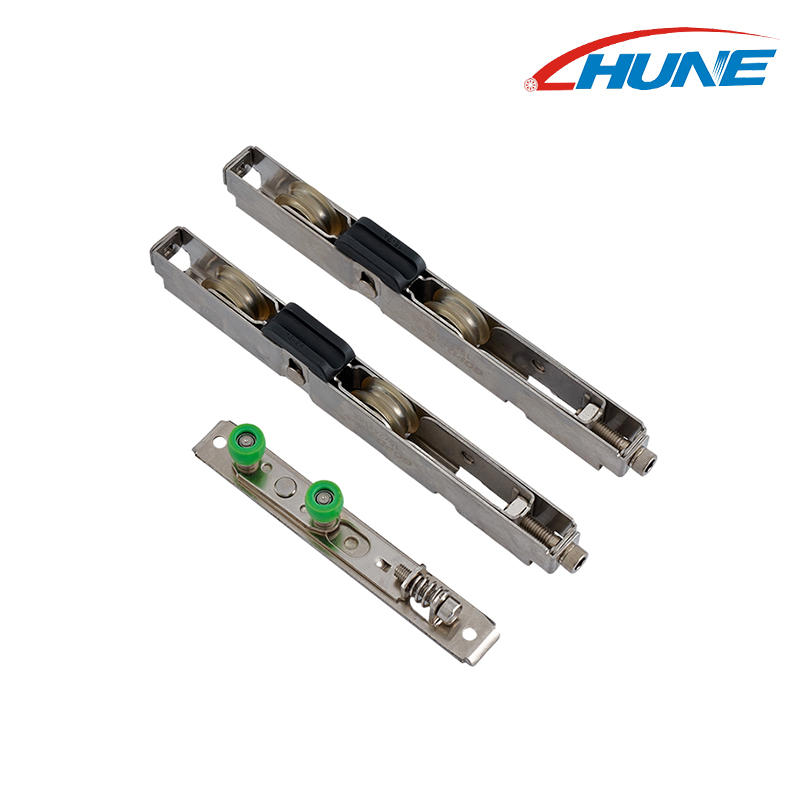
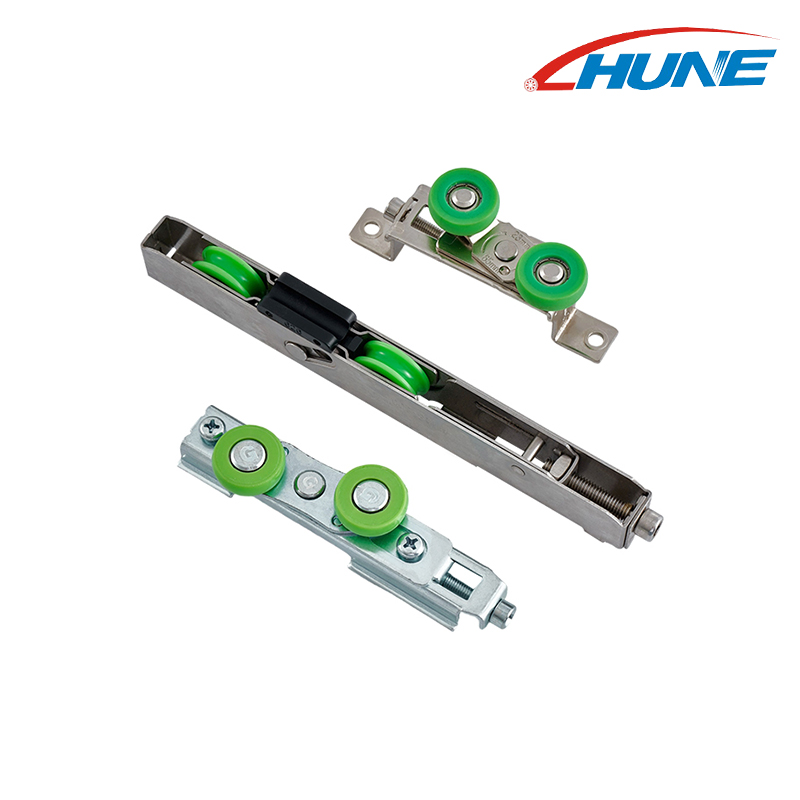
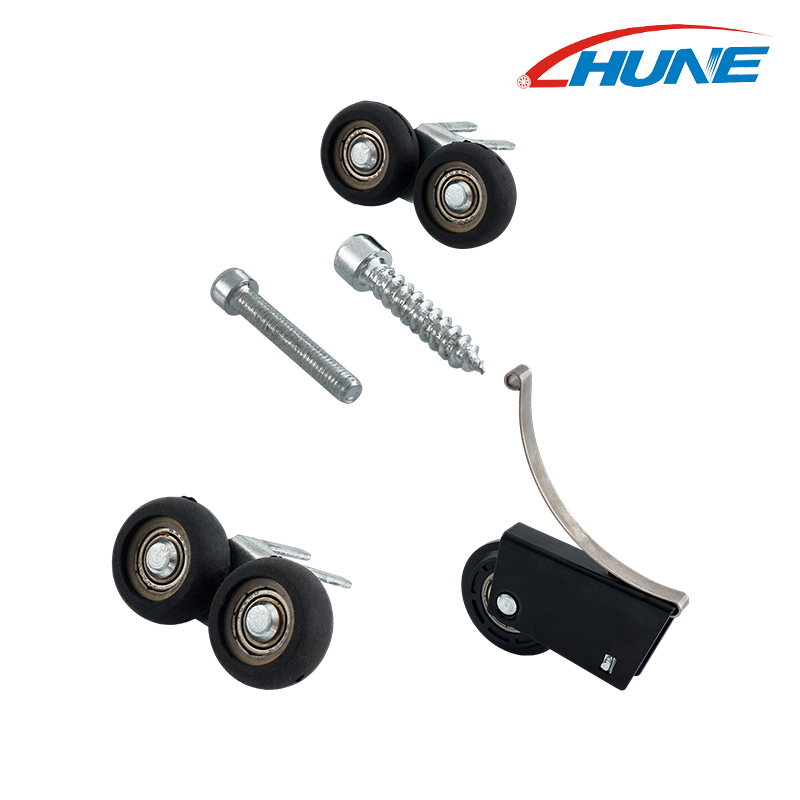
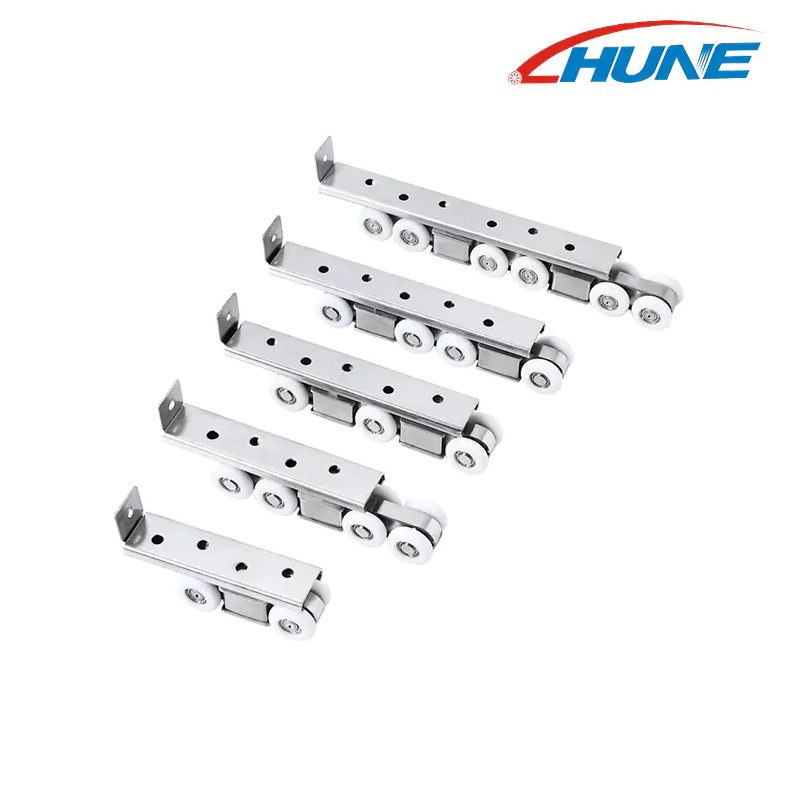
This sliding door roller hardware set features a sturdy metal construction and green bearing-style rollers for smoother travel and stable guidance. The dual-roller bracket supports secure mounting, while the slim roller carriage uses multiple internal rollers and a spring-loaded section to enhance guidance, support, and fit adjustment. A practical choice for new installations or replacing worn roller assemblies in sliding door systems.
Design & Construction
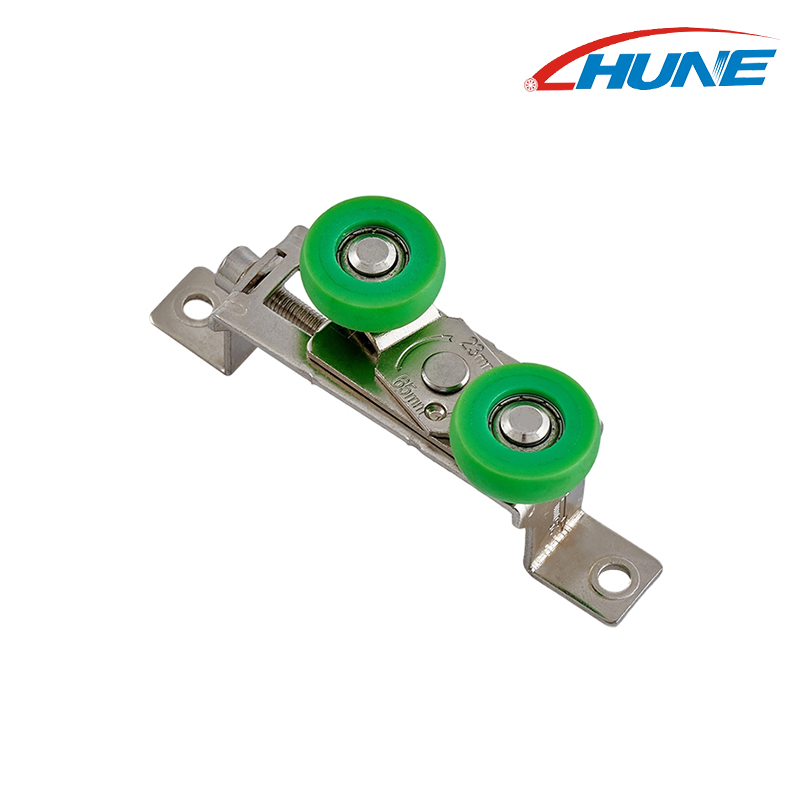
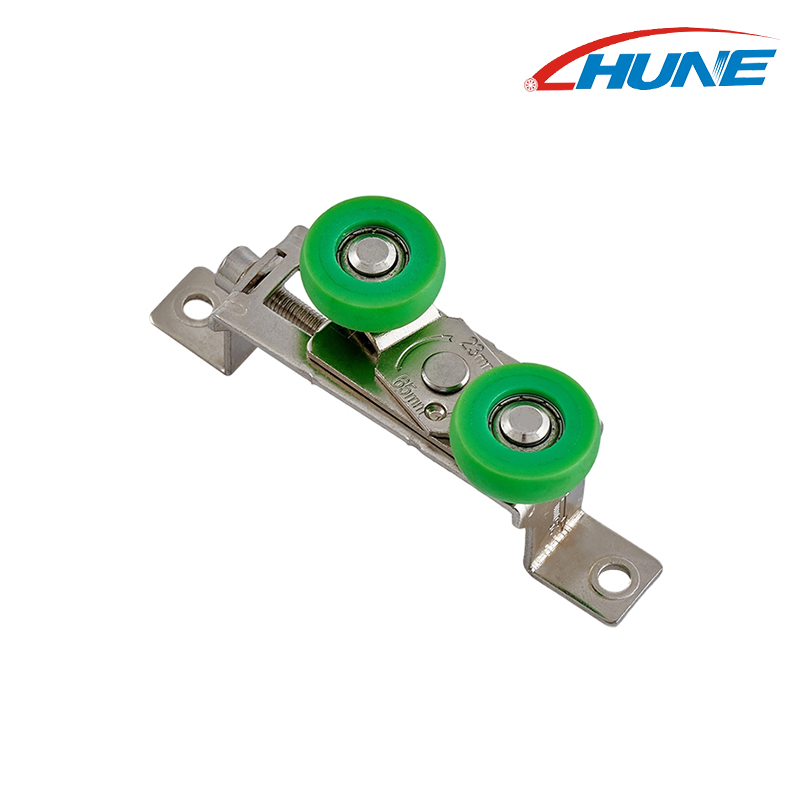
- Rollers: Bright green rollers with a metal bearing core for smooth, quiet travel.
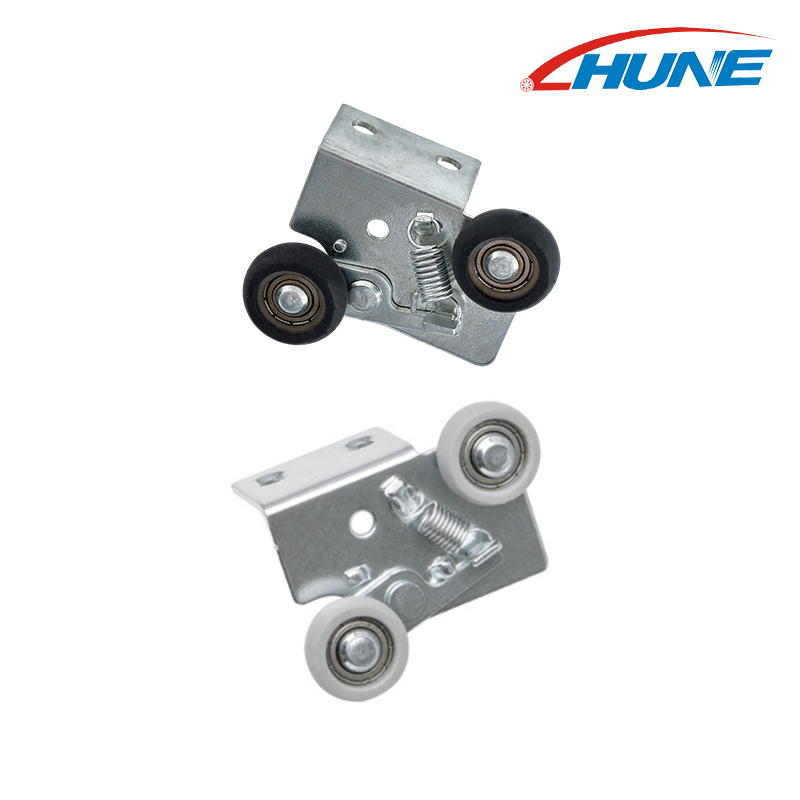
- Dual-roller bracket: Two rollers mounted on a metal base; mounting holes at both ends for screw fastening.
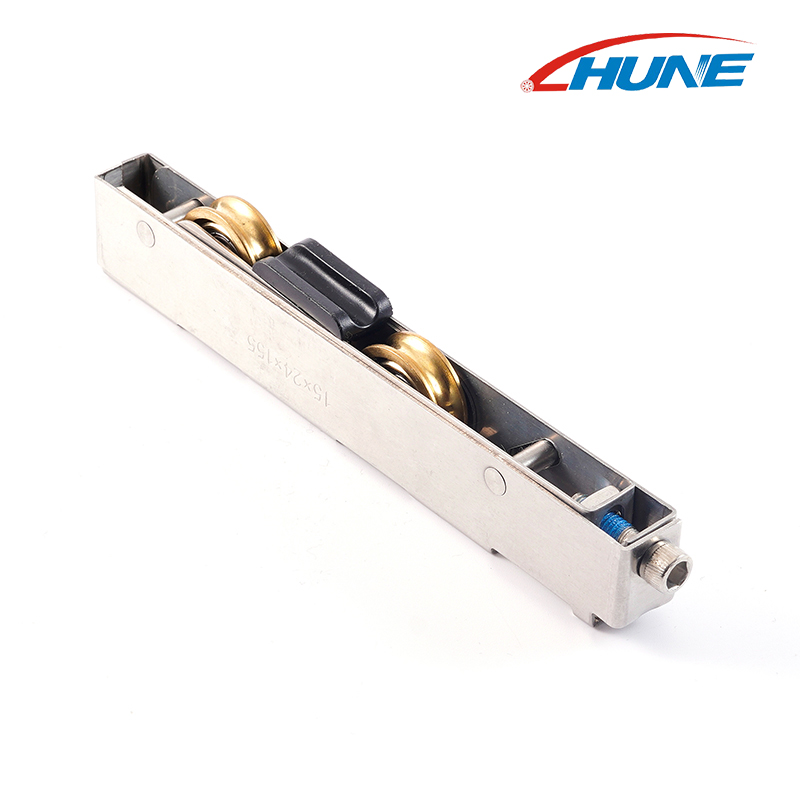
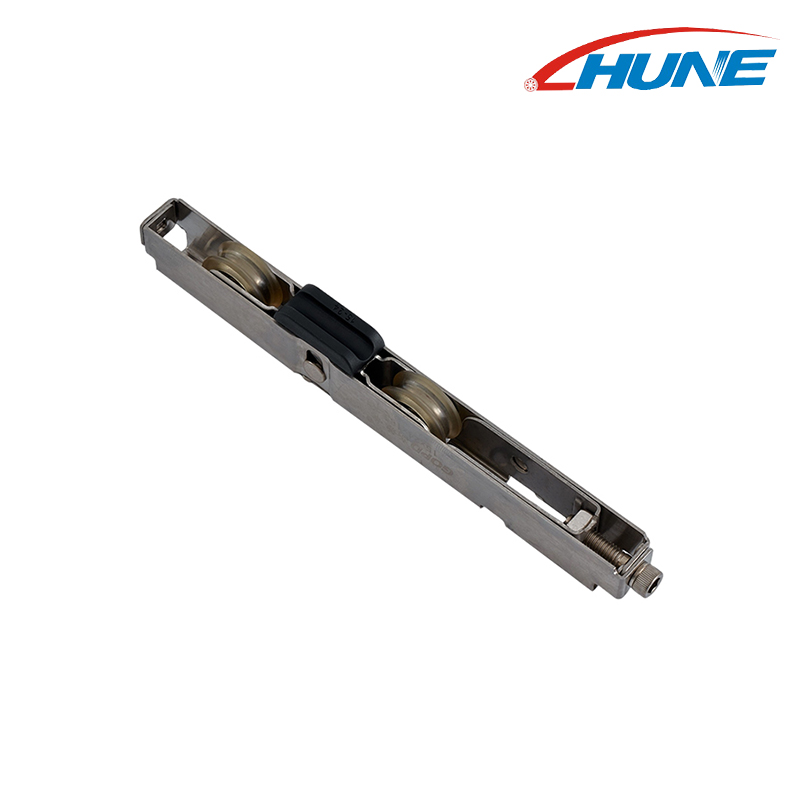
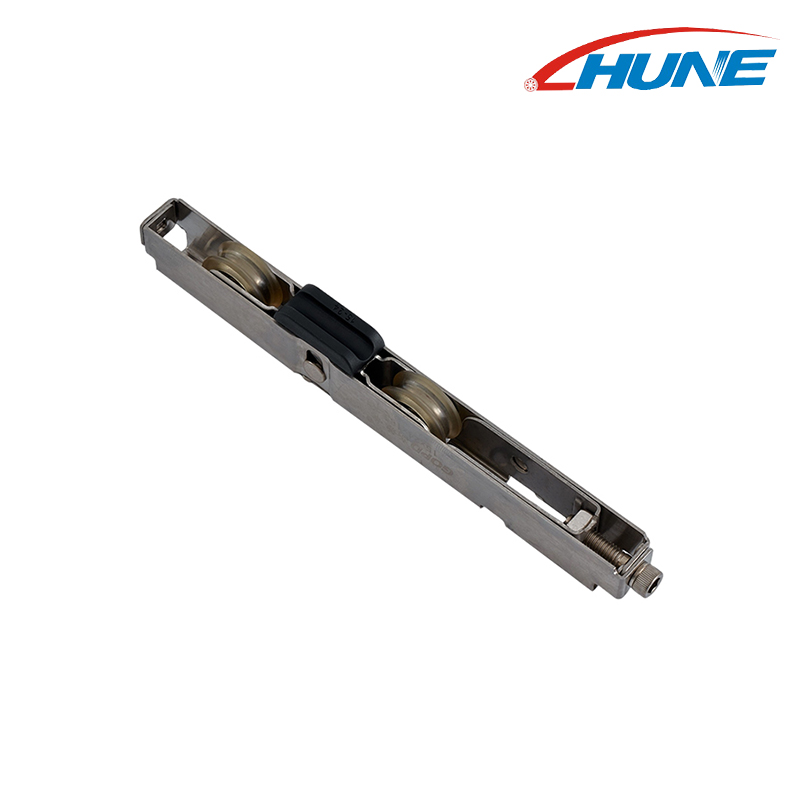
- Slim carriage housing: A long metal channel design with multiple rollers arranged inside; black guide/stop pieces are visible in the assembly.
- Spring/adjustment section: A spring-loaded end structure appears on the long carriage, commonly used for return force, cushioning, or fit adjustment.
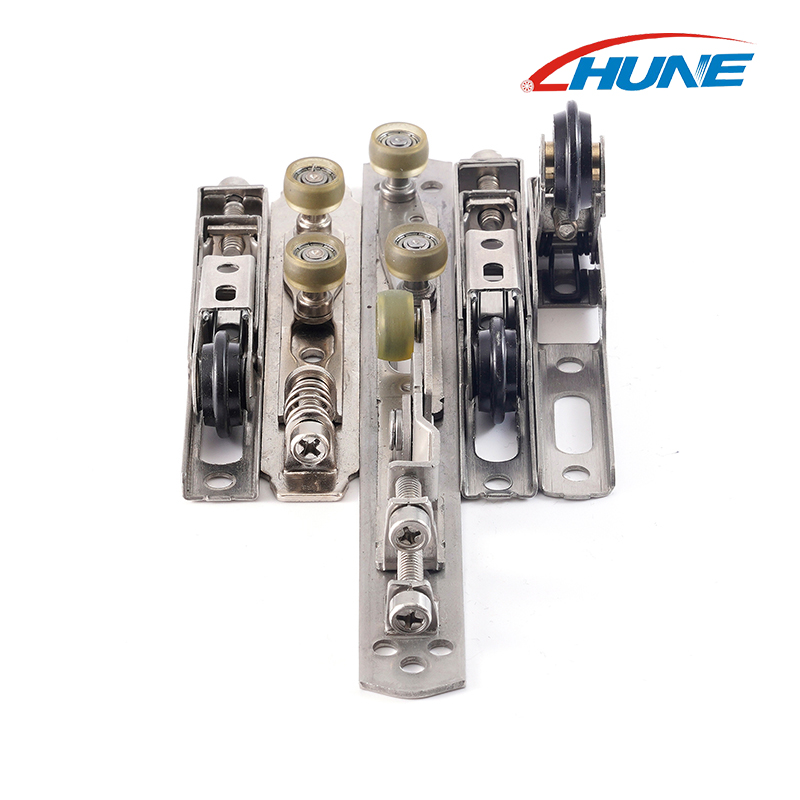
- Mounting slots/holes: Multiple round and slotted holes to help with positioning, fine adjustment, and compatibility.
Materials & Finish
- Main body: Silver-tone metal parts with a galvanized/stainless-like finish for strength and rigidity.
- Rollers: Green engineering-plastic/nylon-looking wheels with a metal bearing core.
- Spring: Metal spring component, easy to inspect and maintain.
Typical Applications
Ideal for roller-guided sliding systems such as sliding doors, sliding glass/patio doors, wardrobe/closet sliding doors, room dividers, and sliding shower enclosures—great for installation or replacement in repair work.
Measurement Method
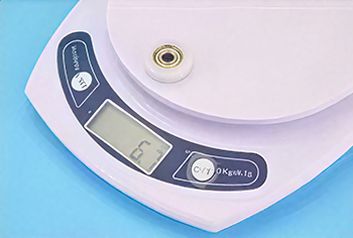 |
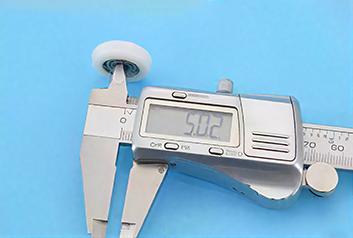 |
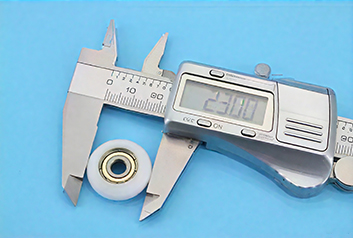 |
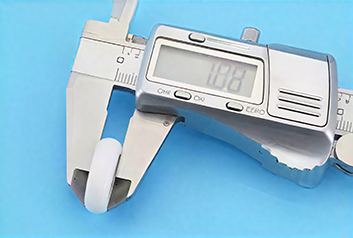 |
| Weight(g) | ID(mm) | OD(mm) | Height(mm) |
Payment Terms
1.100% T/T in advance
2.30% T/T deposit, 70% balance against copy of B/L
3. PayPal
Packaging Details: Standard export packing (plastic bag, carton, and pallet or wooden case), or as per customer's requirements.
Delivery Port: Ningbo / Shanghai
Delivery Time: Normally within 30 days for ready goods or as per customer's request.
2.30% T/T deposit, 70% balance against copy of B/L
3. PayPal
Packaging Details: Standard export packing (plastic bag, carton, and pallet or wooden case), or as per customer's requirements.
Delivery Port: Ningbo / Shanghai
Delivery Time: Normally within 30 days for ready goods or as per customer's request.
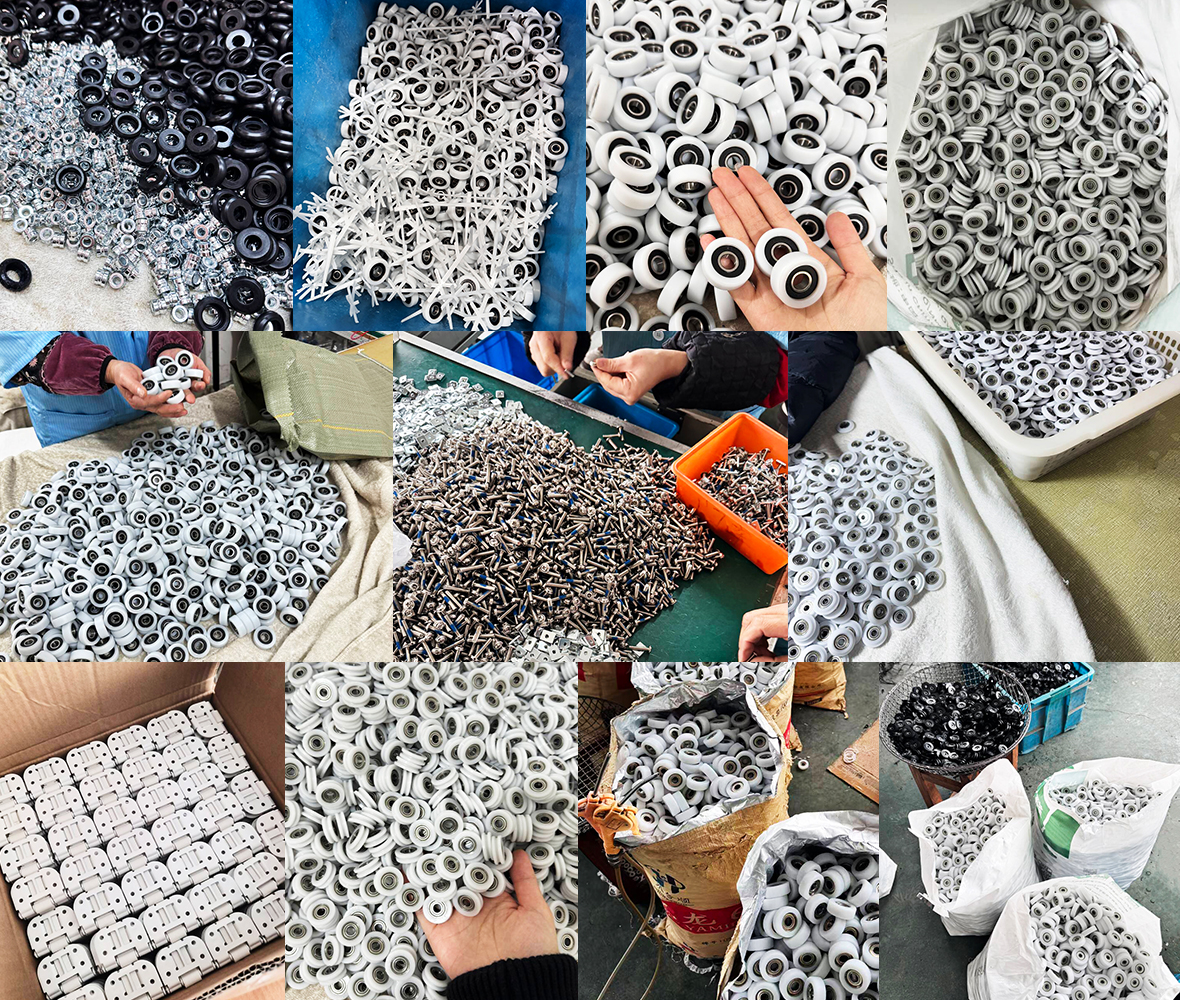
ACTUAL PHOTOS
FAQ
-
What are your payment terms?What are your payment terms?
1.100% T/T in advance2.30% T/T deposit, 70% balance against copy of B/L3. PayPalPackaging Details: Standard export packing (plastic bag, carton, and pallet or wooden case), or as per customer's requirements.Delivery Port: Ningbo / ShanghaiDelivery Time: Normally within 30 days for ready goods or as per customer's request.
-
How do you handle shipment?How do you handle shipment?
For small orders: we ship via express (DHL, FedEx, UPS, TNT, etc.).For bulk orders: we ship by sea or by air, depending on your preference.
-
How long is the production lead time?How long is the production lead time?
For in-stock samples: shipped within 2 days.For out-of-stock samples: lead time is within 7 days.For mass production: approximately 15 days after receiving the deposit.
-
What after-sales service do you offer for sliding rollers?What after-sales service do you offer for sliding rollers?
We provide online technical support. If the issue is caused by a quality defect, we will replace the defective items with new ones.
-
How does your factory ensure quality control?How does your factory ensure quality control?
80% of our staff have over 10 years of experience. We have a mature and skilled technical team along with a comprehensive quality management system to ensure consistent product quality.
-
Can we print our logo on the products?Can we print our logo on the products?
Yes, we can print your logo on the products based on your design requirements.
-
Can we customize our own color box?Can we customize our own color box?
Yes, if your order quantity reaches 1,000 sets, we can provide customized color box packaging.
-
Do you offer free samples?Do you offer free samples?
Yes, we are happy to provide free samples for you to evaluate the quality.
-
Are you a manufacturer?Are you a manufacturer?
Yes, we are a professional manufacturer specializing in door and window roller pulleys for over 20 years. We also have our own international sales department and handle both production and sales in-house.
-
How long does it take to receive a response after sending an inquiry?How long does it take to receive a response after sending an inquiry?
We will reply to you within 6 working hours on business days.
Related Product
-
limit="6" child="1" no_p="1" page_num="5"}
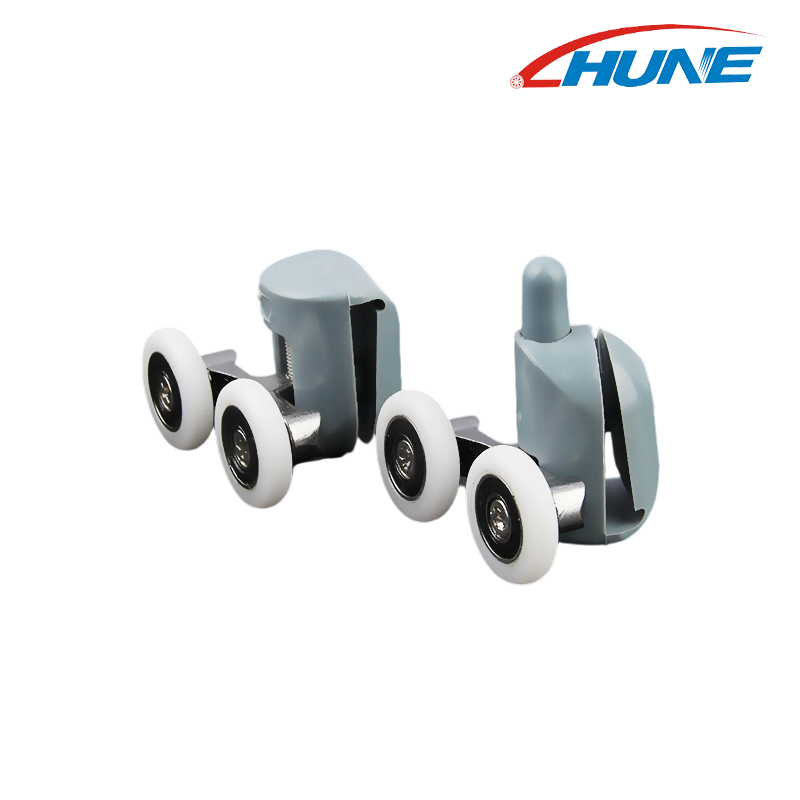
- Plastic Roller Wheels for Curved Bathroom Shower Door limit="6" child="1" no_p="1" page_num="5"}
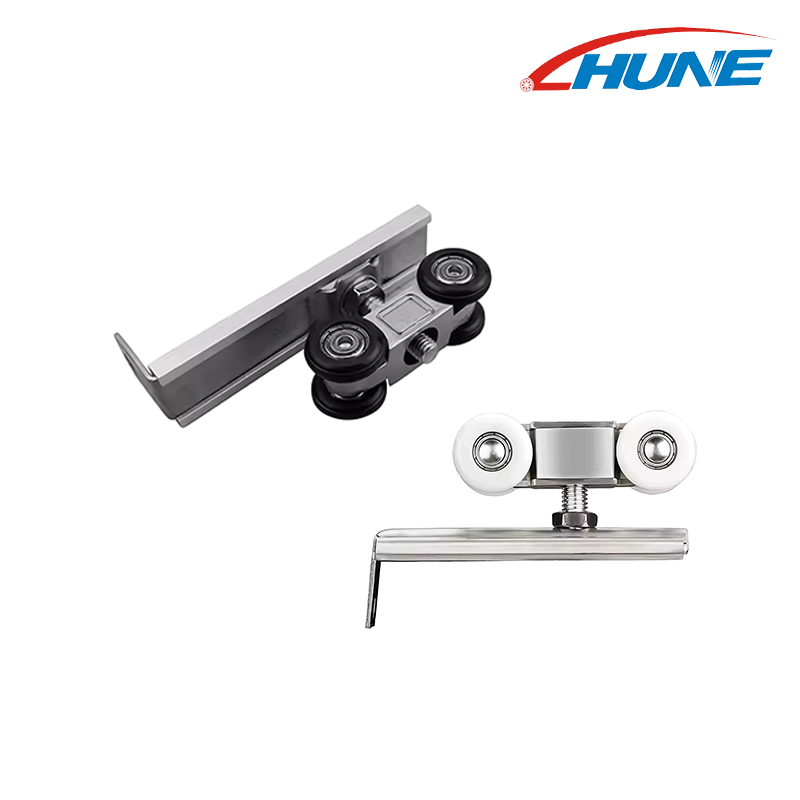
- Zinc Alloy Sliding Roller Door Hanger 4 Wheels Hardware Accessories limit="6" child="1" no_p="1" page_num="5"}
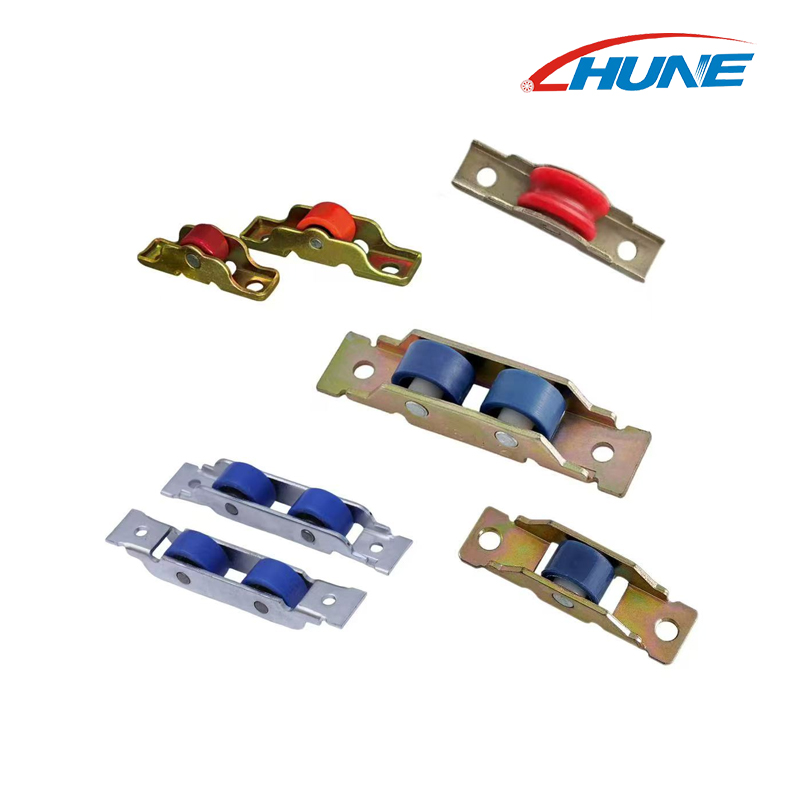
- Aluminum Sliding Door&Window Roller Sash Pulley Wheel limit="6" child="1" no_p="1" page_num="5"}
- Furniture Wardrobe Closet Sliding Door Pulley Wheel limit="6" child="1" no_p="1" page_num="5"}
- Adjustable Spring Upper Roller Wheel Cabinet Wheel Folding Door&Fittings Wardrobe Sliding Door Plastic Roller Parts limit="6" child="1" no_p="1" page_num="5"}
- Window Hardware Durable 608ZZ Bearing Sliding Window Wheel Nylon Roller Pulley limit="6" child="1" no_p="1" page_num="5"}
- Closet Sliding Roller Wheel Roller Chain Sprocket Wheel Slide Door Roller Wheel limit="6" child="1" no_p="1" page_num="5"}
- Sliding Door And Window Hardware Accessories Nylon Pom Pulley Aluminum Closet Screen Shutter Door Roller Wheel With Bearing limit="6" child="1" no_p="1" page_num="5"}
- Sliding Security Screen Door Rollers limit="6" child="1" no_p="1" page_num="5"}
- Hardware Furniture Bed Caster Plastic Nylon/PA/PU Wheel
Send Inquiry
-
 0㎡Plant Area
 -
 0+Staff
 -
 0Established in
 -
 0+Exporting Countries
Zhejiang Huaneng Micro Bearing Co., Ltd.
Zhejiang Huaneng Micro Bearing Co., Ltd. specializes in the development and manufacturing of miniature and medium-sized bearings, non-standard bearings, and pulley systems. With over a decade of industry experience, we offer high-precision processing and responsive customization capabilities.As China Adjustable Sliding Door Anti-sway Roller with Screws Suppliers and Custom Adjustable Sliding Door Anti-sway Roller with Screws Factory. Our products are widely used in home appliances, industrial equipment, and door/window systems, and are exported to Japan, Korea, Europe, and beyond.
Adjustable Sliding Door Anti‑Sway Guide Roller with Screws – Noise‑Reducing, Heavy Duty Bottom Guide Wheel for Interior/Exterior Sliding Doors
Sliding doors are supposed to feel effortless: a clean line, a gentle pull, a quiet glide. Yet many doors don't fail dramatically—they degrade into everyday irritation. The panel starts to sway. It taps the wall. It chatters on the track. It develops that unmistakable rattle that announces itself at the worst times, like late-night kitchen raids or early-morning closet runs. An adjustable anti-sway bottom guide roller is a small part that solves a surprisingly big problem: keeping a sliding door stable, aligned, and quiet—whether it's inside the home or exposed to tougher exterior conditions.
Why "Anti‑Sway" Matters More Than People Think
Most people assume the top hardware does all the work. In many sliding door setups, the door is suspended or primarily supported from above, and the bottom is "just guidance." But guidance is the difference between a door that feels premium and one that feels improvised.
Sway shows up when the door can move laterally as it slides—rocking or drifting as the panel travels. That side-to-side movement creates a chain reaction: misalignment increases friction, friction increases noise, and noise often signals wear. Over time, the door begins to behave like it's fighting the track.
An sliding door anti-sway guide roller is designed to constrain that lateral movement. It keeps the panel's path consistent, reducing the tiny collisions and vibrations that become audible and annoying.
The Bottom Guide Roller's Real Job
A bottom guide isn't merely a wheel. In practice, it serves three essential functions:
- Stability: It helps prevent the door from wobbling as it starts moving, stops, or changes direction. That wobble is what causes “door slap”—the edge contacting the jamb or wall.
- Alignment: It keeps the panel tracking straight, so the top hardware isn't forced to compensate. Better alignment means smoother travel and less uneven stress on rollers and hangers.
- Protection: It reduces scraping and edge wear. When a door sways, the lower corners can drag on guides, thresholds, or floor surfaces, slowly grinding down finishes and creating debris.
For interior doors, the goal is often comfort and quiet. For exterior sliding doors, the goal expands to durability and consistent performance through temperature changes, dust, and heavier panels.
Adjustable Design: Quiet Performance Starts with Fit
"Adjustable" sounds like a convenience feature, but it's really a performance feature. No doorway is perfect. Frames settle. Floors aren't always level. Seasonal shifts can change clearances by small amounts that make a big difference in how a door behaves.
An adjustable guide roller allows you to dial in the fit so the roller contacts the panel (or guide channel) with the right pressure—firm enough to control sway, not so tight that it adds drag. That tuning does two things at once:
- It reduces vibration by preventing loose play that causes chatter.
- It reduces friction by avoiding over-clamping or misalignment.
In other words, adjustment helps you land in the sweet spot: stable and quiet, but still effortless.
Noise Reduction: Where the Sound Actually Comes From
Sliding door noise usually isn't one single issue. It's a mix of micro-impacts, vibration, and friction. A bottom guide roller helps with all three.
When the door sways, it taps. When it taps, it resonates through the panel and frame—especially with hollow-core doors, aluminum frames, or large glass surfaces. A guide roller reduces those taps by keeping the door centered.
Then there's track noise: if alignment is off, the top rollers can ride unevenly, creating a repeating rumble or scraping sound. Stabilizing the bottom reduces the load fluctuations at the top, which often lowers overall noise more than people expect.
Finally, a roller with a quality wheel material and smooth rotation reduces the squeak-and-grind effect that comes from sliding contact or cheap, sticky wheels.
Heavy Duty Isn't Just About Weight
"Heavy duty" should mean more than "it doesn't break." In a guide roller, heavy duty performance is about holding geometry under stress. A stable bracket resists bending. A well-made wheel resists flat spots. A solid axle or bearing surface resists wobble. And the mounting hardware needs to hold tight over time, especially when doors are frequently used or exposed to vibration.
For exterior applications, heavy duty also implies better tolerance for dust, grit, and moisture—conditions that accelerate wear and turn smooth movement into rough movement. A guide that maintains stability despite these factors doesn't just feel better; it extends the life of the entire sliding system.
Screws Included: Small Detail, Big Difference
Including screws seems basic, but it matters for installation success. The right screws reduce stripping, improve bite into common substrates, and help the guide stay aligned instead of slowly rotating or shifting after repeated use.
More importantly, providing a complete mounting solution encourages correct installation—because many “mystery problems” in sliding doors come from hardware that was installed with whatever fasteners happened to be in a drawer. A guide roller that's slightly loose is often worse than none at all: it can introduce noise and uneven wear.
Where This Guide Roller Fits Best
This type of adjustable bottom guide wheel is a practical upgrade for:
- Interior barn-style doors that sway when opened quickly or stopped abruptly
- Closet doors that rattle or misalign over time
- Room dividers where quiet operation matters
- Exterior sliding doors that need stability under wind pressure or frequent use
It's also ideal when you've already replaced top rollers but the door still feels unstable—because the bottom guidance is the missing half of the equation.
A truly smooth sliding door isn't the result of chance—it comes from stable tracking, minimal vibration, and clean guidance at the base. An adjustable anti-sway bottom guide roller addresses the real culprits behind wobble and rattling by keeping the panel aligned and preventing side-to-side drift. When the door stays centered, it rolls with less resistance, produces less chatter, and feels more controlled with every open and close. The difference is subtle in appearance but obvious in use: quieter motion, fewer jolts, and a more "finished" feel throughout the space. That's why Hune focuses on guide rollers built to perform, not just fit.
Message Feedback

Huaneng specializes in the R&D and manufacturing of miniature and medium-sized bearings, non-standard bearings, and pulley systems.
Wholesale OEM/ODM Miniature Bearings, Bearing Pulley, Wheel Bearing Pulley, Door And Window Pulleys.
- PRODUCTS
- Stainless Steel Sliding Door&Window Rollers
- Plastic Bearing Pulley
- Screw Thread Bearing Pulley
- Door & Window Roller Hardware
- Ball Bearing
- Rubber Ring
- Hardware Accessories
- INFORMATION
-
-
Tel+86-15058997617
-
E-mailshirley@cnhune.com
-
AddNo. 118, Development Road, Wengyang Industrial Zone, Yueqing City, Zhejiang Province, China
-
- MOBILE SITE
-