

 English
 Español
 日本語
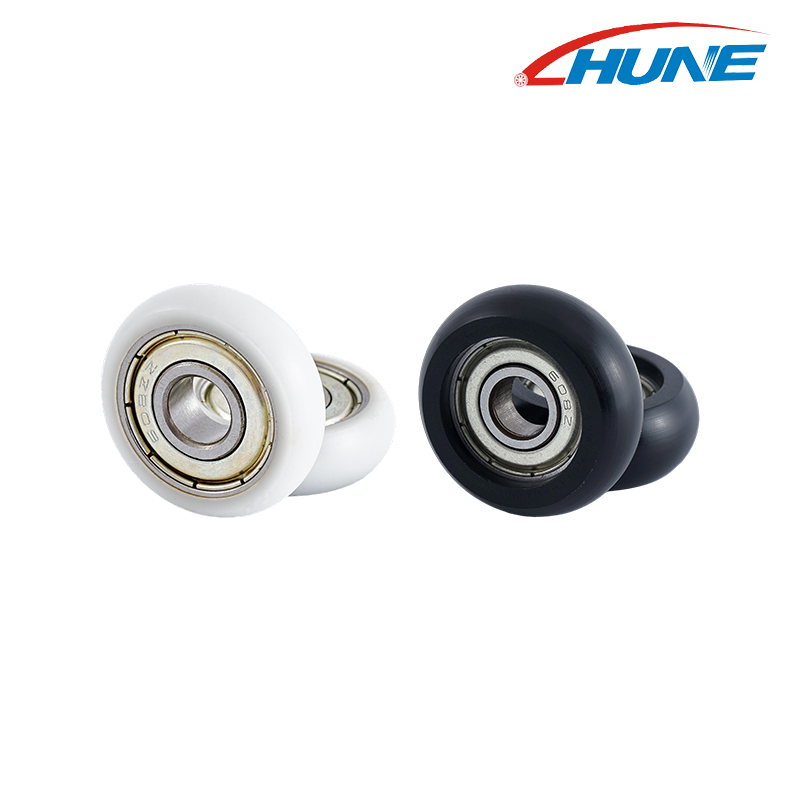
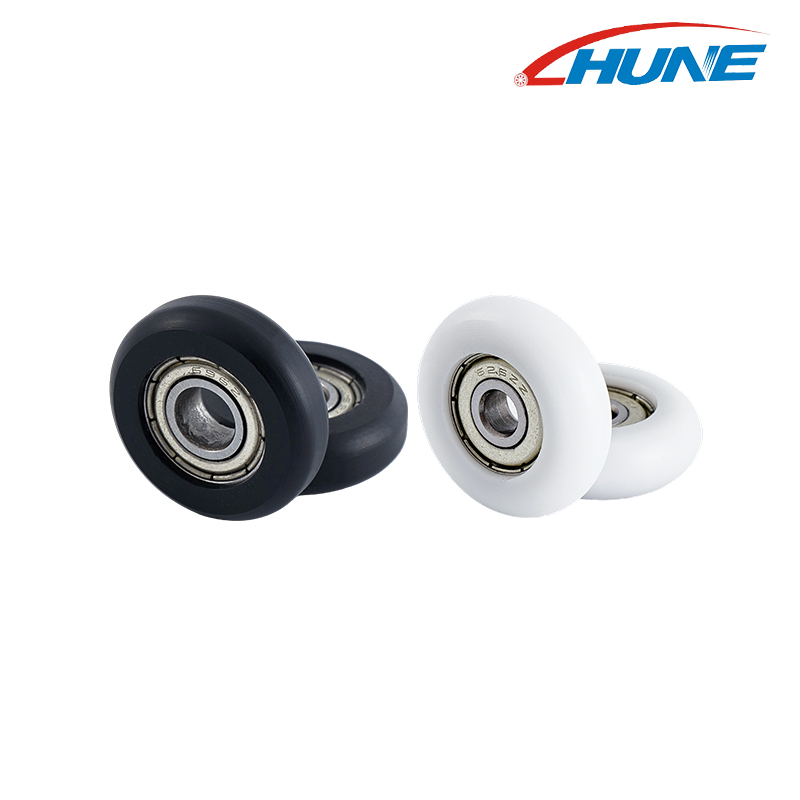
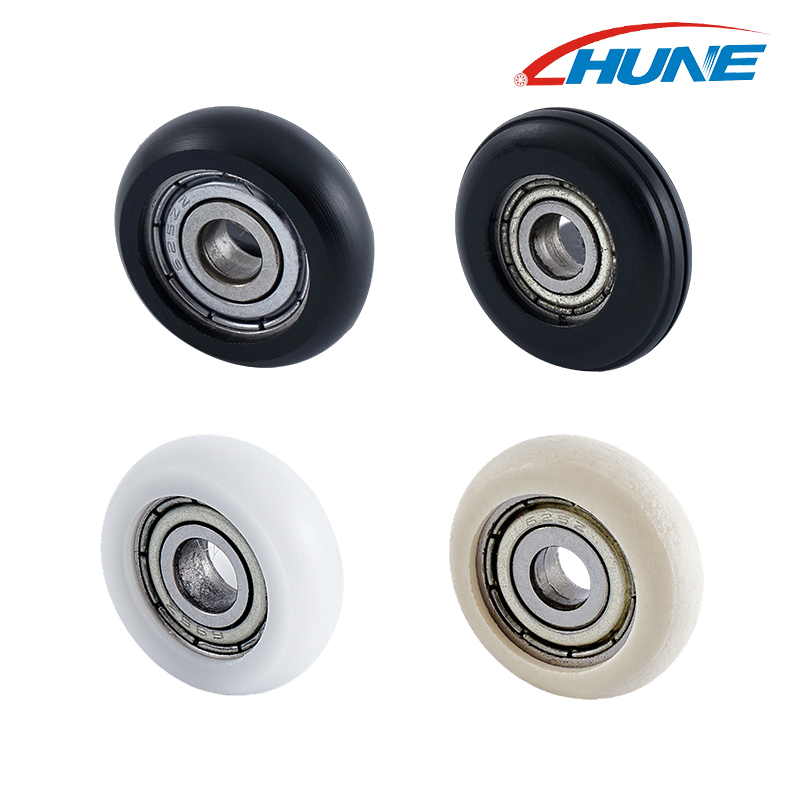
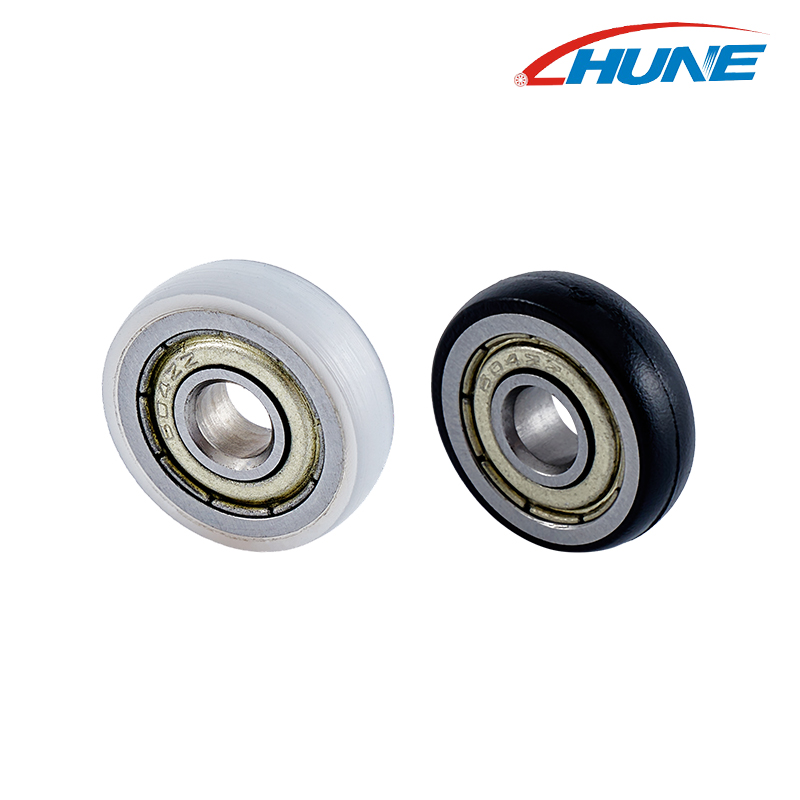
日本語Sliding doors look simple, but their performance is decided by a small set of parts—none more important than the rollers. When a door starts dragging, wobbling, squeaking, or refusing to stay aligned, the roller material is often the real culprit. Stainless steel and nylon sliding door rollers are the two most common options, and they behave very differently under load, moisture, debris, and temperature changes.
What Sliding Door Rollers Actually Do (and Why Material Matters)
Rollers aren't just "wheels." They manage three engineering problems at once:
- Load handling: the full door weight plus dynamic forces from opening/closing
- Rolling friction: how easily the door moves along the track
- Wear & corrosion resistance: how the wheel and bearings survive dust, water, salt air, and grit
Because the roller is in constant contact with the track, its material determines:
- how quickly the wheel surface wears or flattens
- whether it becomes noisy or stays smooth
- how well it tolerates poor track condition or contamination
- how often you'll adjust or replace the assembly
Stainless Steel Sliding Door Rollers: Strength, Longevity, and Harsh-Environment Reliability
Stainless steel rollers are typically chosen for heavy doors, frequent use, and environments where "tough" matters more than "quiet."
Key advantages
- High load capacity
- Stainless steel resists deformation. Under heavy door weight, it's less likely to develop flat spots or change shape.
- Excellent wear resistance (in the right setup)
- Steel-on-metal contact can last a long time when the track is compatible and kept relatively clean.
- Better for harsh environments
- For coastal areas, humidity, and temperature swings, stainless steel has strong corrosion resistance—especially compared with plain carbon steel parts.
Real-world trade-offs
- Noise can be higher
- Metal rollers on metal tracks often sound sharper, particularly if the track has pits, dents, or debris.
- Track wear can increase
- A hard wheel can be less forgiving. If the track material is softer (or already damaged), stainless rollers may accelerate track wear.
- Corrosion resistance depends on grade
- "Stainless" is not one single material. Lower grades can still stain or pit, especially near salt air. In premium applications, higher-grade stainless performs better long-term.
Best use cases
- Heavy aluminum or steel-framed sliding doors
- High-traffic doors (commercial spaces, rentals, busy households)
- Exterior doors exposed to moisture, grit, or temperature extremes
- Situations where roller access is difficult and you want longer replacement intervals
Nylon Sliding Door Rollers: Quiet Operation, Smooth Glide, and Track Friendliness
Nylon rollers are commonly selected for quiet, smooth movement and for protecting the track from wear.
Key advantages
- Quieter, smoother sliding
- Nylon naturally dampens vibration and reduces the "metal click" effect. For bedrooms, offices, and living areas, this is a noticeable upgrade.
- Gentler on the track
- Nylon is softer than metal and generally causes less track abrasion, especially when debris gets involved.
- Good resistance to many household conditions
- Nylon won't rust, and it performs well in typical indoor/outdoor residential environments—assuming the door isn't oversized or abused.
Real-world trade-offs
- Lower load tolerance than stainless
- Under heavy doors, nylon can wear faster, deform, or develop flat spots (especially if the door sits closed for long periods).
- More sensitive to heat and UV (depending on formulation)
- Extreme heat, direct sun exposure, or poor-quality nylon can lead to brittleness or accelerated wear.
- Debris can "embed" into the wheel
- Grit may press into nylon rather than bouncing off. That can either reduce noise (temporarily) or create uneven rolling and extra friction.
Best use cases
- Standard residential sliding patio doors
- Interior sliding doors and room dividers
- Homes where quiet operation is a priority
- Situations where the track is lightweight, older, or you want to minimize track damage
Stainless Steel vs Nylon Rollers: Side-by-Side Comparison
Below is a practical comparison you can use while shopping or specifying replacement parts.
|
Feature |
Stainless Steel Rollers |
Nylon Rollers |
|
Noise level |
Moderate to higher |
Low (typically quietest) |
|
Load capacity |
High |
Medium (varies by design) |
|
Wear resistance (wheel) |
High |
Medium |
|
Track friendliness |
Medium (can be harder on track) |
High (gentler on track) |
|
Corrosion behavior |
Good to excellent (grade-dependent) |
No rust (polymer), but can age |
|
Best environment |
Outdoor, coastal, heavy-duty |
Residential, quiet spaces |
|
Maintenance sensitivity |
Works best with a clean track |
Also benefits from clean track; grit can embed |
|
Typical lifespan |
Long in heavy-duty use |
Long in light-to-medium use |
The Hidden Variables That Matter More Than the Wheel Material
People often focus on stainless vs nylon and miss the bigger performance drivers. Two rollers with the same wheel material can behave completely differently depending on these factors:
1) Bearing type and sealing
- Ball bearings generally roll smoother and handle load better than plain bushings.
- Sealed bearings reduce grinding and extend life in dusty or outdoor conditions.
2) Wheel diameter and profile
- Larger diameter wheels typically roll over minor track imperfections more smoothly.
- The wheel groove/profile must match your track shape (U, V, flat, etc.). A mismatch causes wobble, noise, and premature wear.
3) Track material and condition
- A bent, dented, or dirty track can make any roller feel "bad."
- Stainless rollers can amplify the consequences of a damaged track; nylon can mask it—until it can't.
4) Door alignment and load distribution
If the door is out of plumb, you'll chew through rollers regardless of material. Proper adjustment often adds more life than upgrading the wheel.
How to Choose the Right Roller Material (Practical Decision Guide)
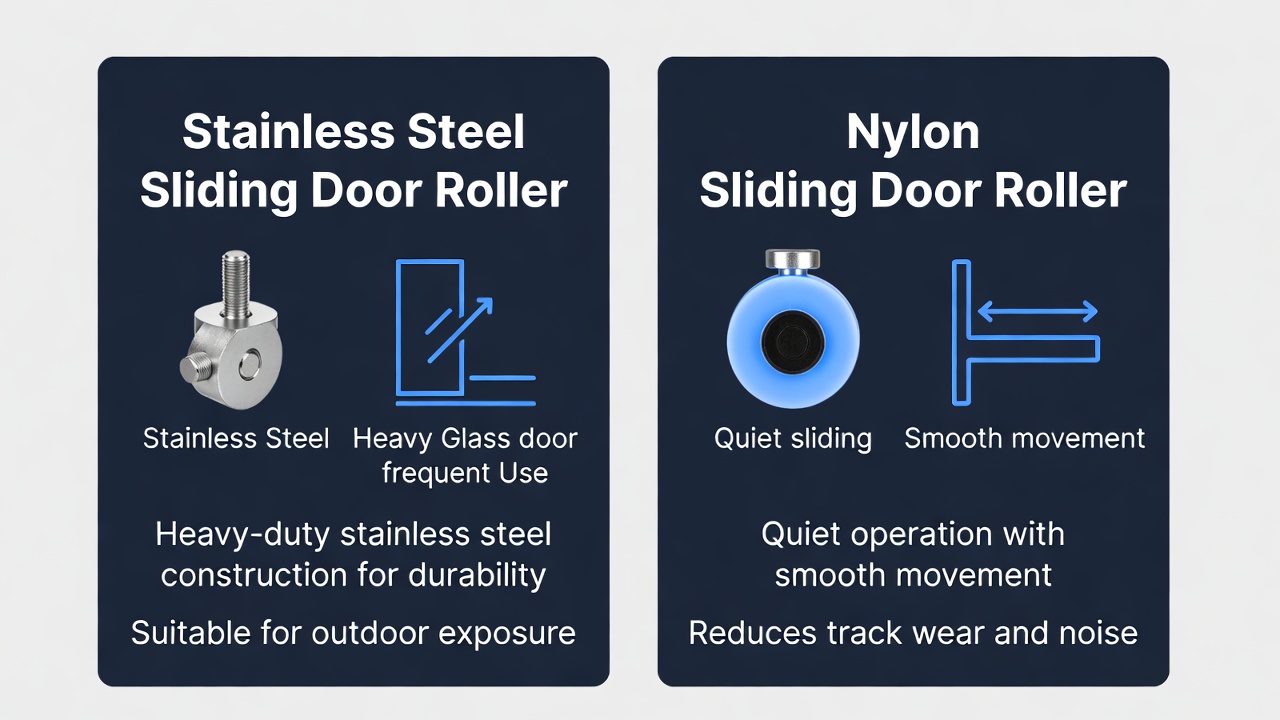
Choose stainless steel rollers if you have:
- A heavy glass door or oversized panel
- Frequent daily use (many open/close cycles)
- An exterior opening exposed to rain, sand, or salt air
- A history of flattened, cracked, or quickly-worn nylon wheels
Choose nylon rollers if you want:
- Quieter sliding and less vibration
- A smoother feel on lighter doors
- Reduced track wear (especially on older tracks)
- A solid residential solution with easy maintenance
Rule of thumb:
If your priority is durability under load, pick stainless. If your priority is silent comfort and track protection, pick nylon.
Maintenance Tips That Extend Roller Life (Both Materials)
A "better" roller won't fix a neglected track. These simple habits dramatically reduce friction and wear:
- Vacuum the track regularly (dust + grit is the #1 roller killer).
- Wipe with a damp cloth and let it dry before lubricating.
- Use a dry silicone spray (avoid greasy lubricants that attract dirt).
- Check door alignment: if the door rubs or scrapes, adjust the roller height screws.
- Replace rollers in pairs to keep the door level and reduce uneven loading.
In daily use, the stainless vs nylon choice isn't about which material is "better"—it's about which problems you want to prevent. Stainless steel rollers are the durability-first option: they handle heavier doors, higher traffic, and tougher environments with less risk of deformation, grinding, or premature wear. If your door is large, used constantly, or exposed to moisture, dust, or coastal air, stainless often stays stable longer.
Nylon rollers focus on comfort and refinement. They typically glide more quietly, feel smoother, and are gentler on the track—ideal for most residential sliding doors where noise control and track preservation matter.
To choose confidently, match the roller to four real-world factors: door weight, noise expectations, track condition, and environmental exposure. As Hune is a professional sliding door roller supplier, we recommend selecting material together with bearing and wheel design so your door stays effortless, not a recurring maintenance project.