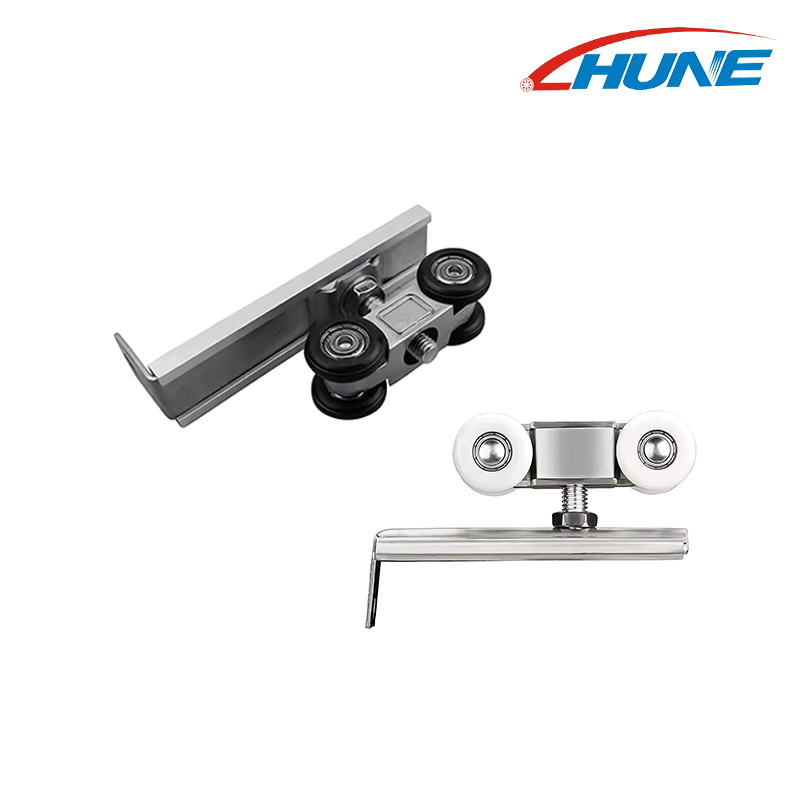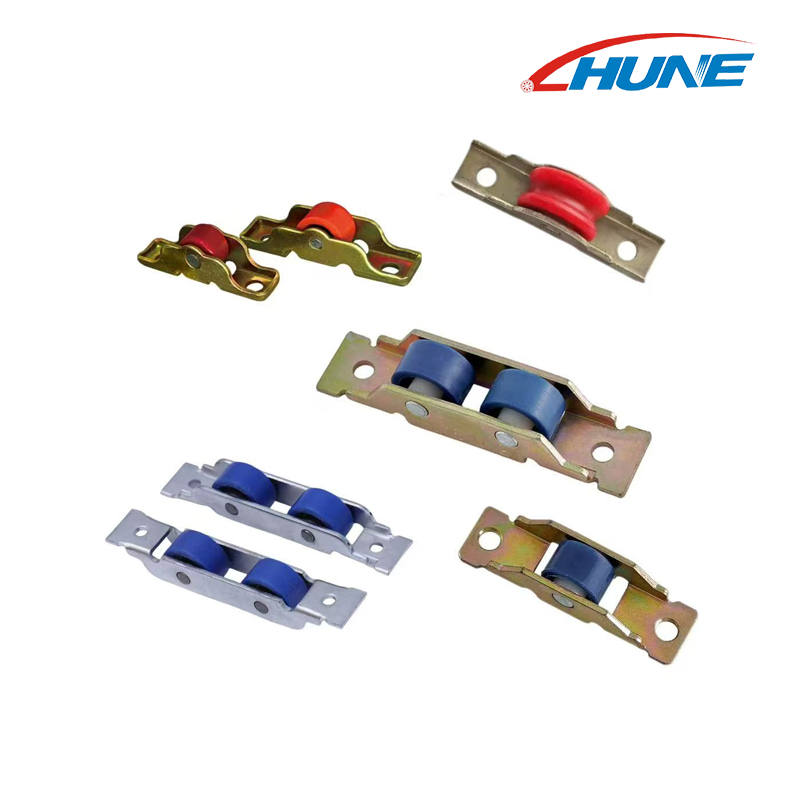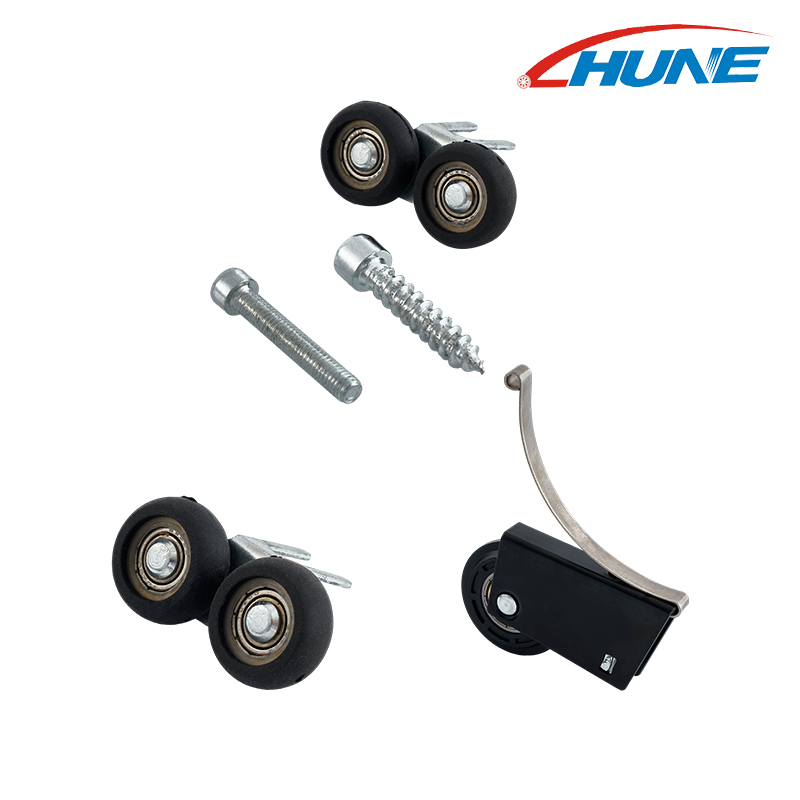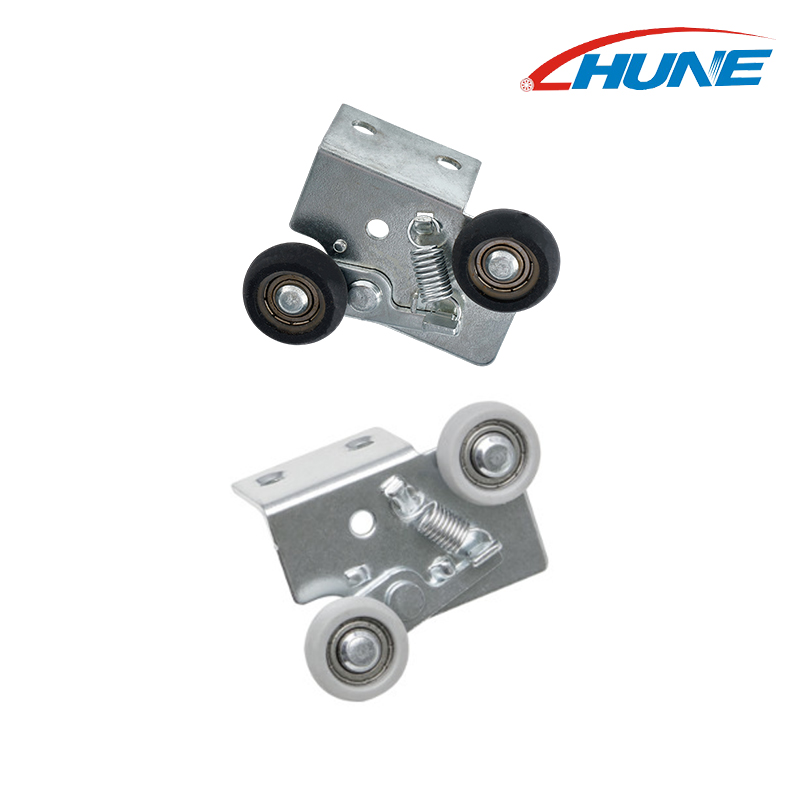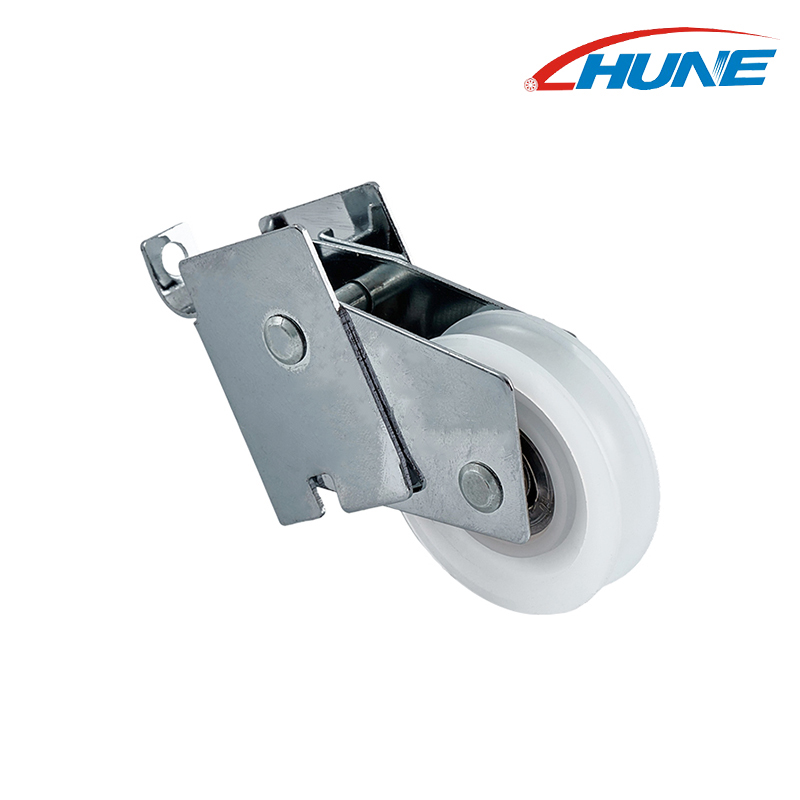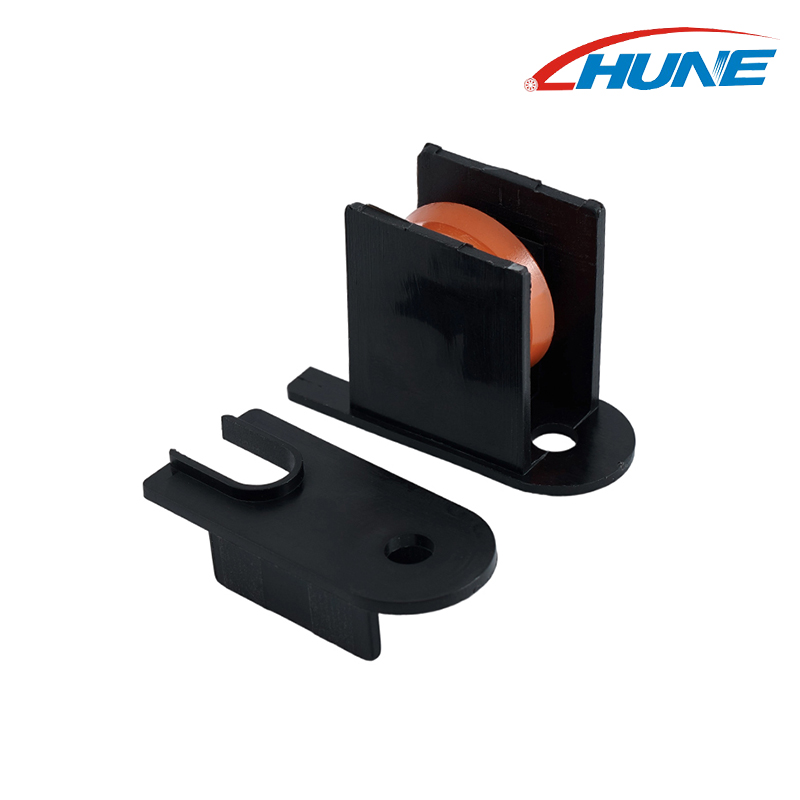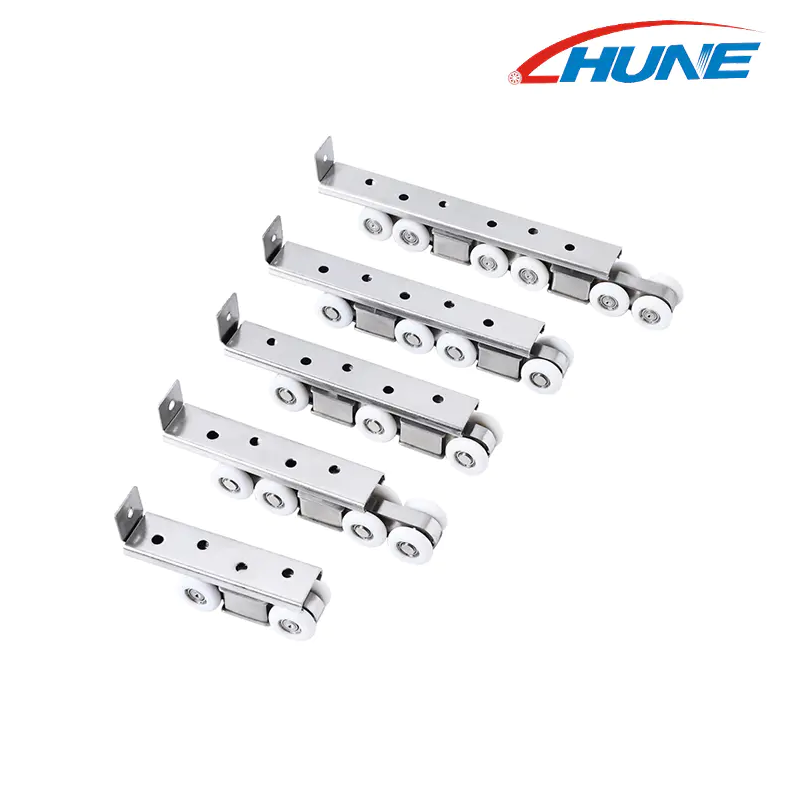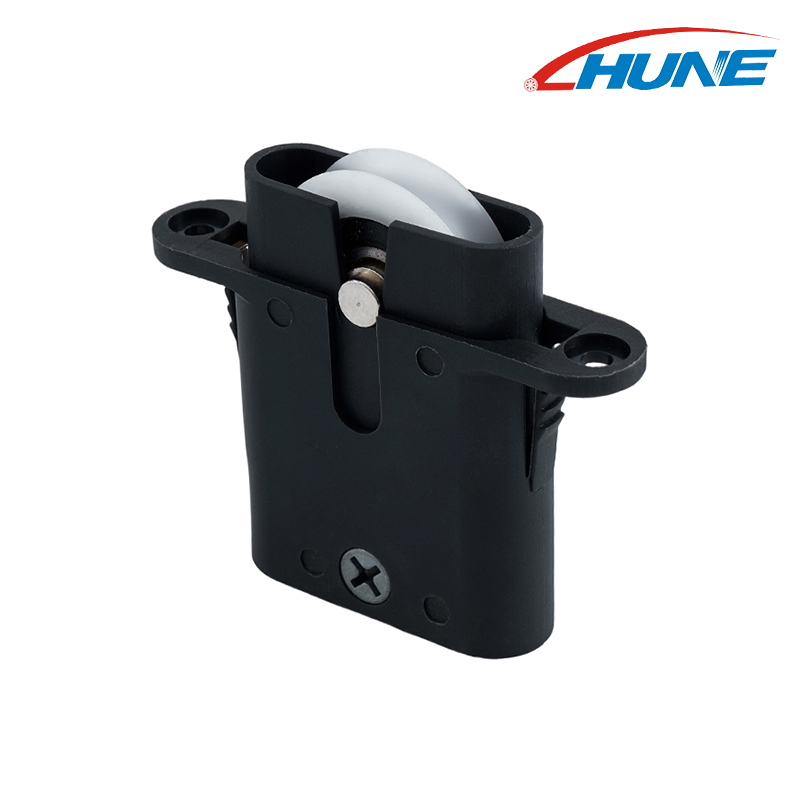
Door & Window Roller Hardware

HOME / PRODUCT / Door & Window Roller Hardware / Axle-Mounted Adhesive Wheels Assembly I-Beam Heavy-Duty Door And Window Hardware Double Track Sliding Door Roller

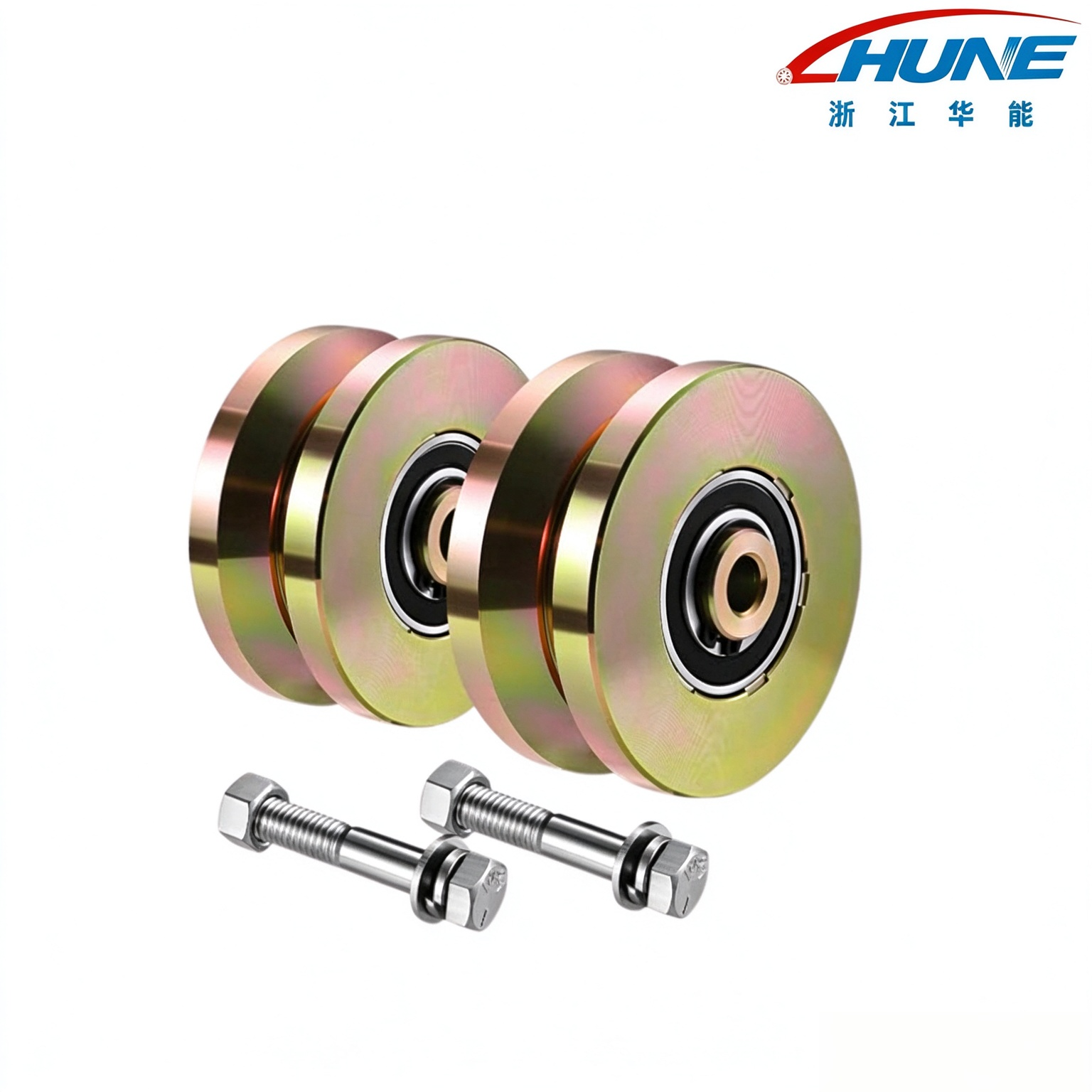
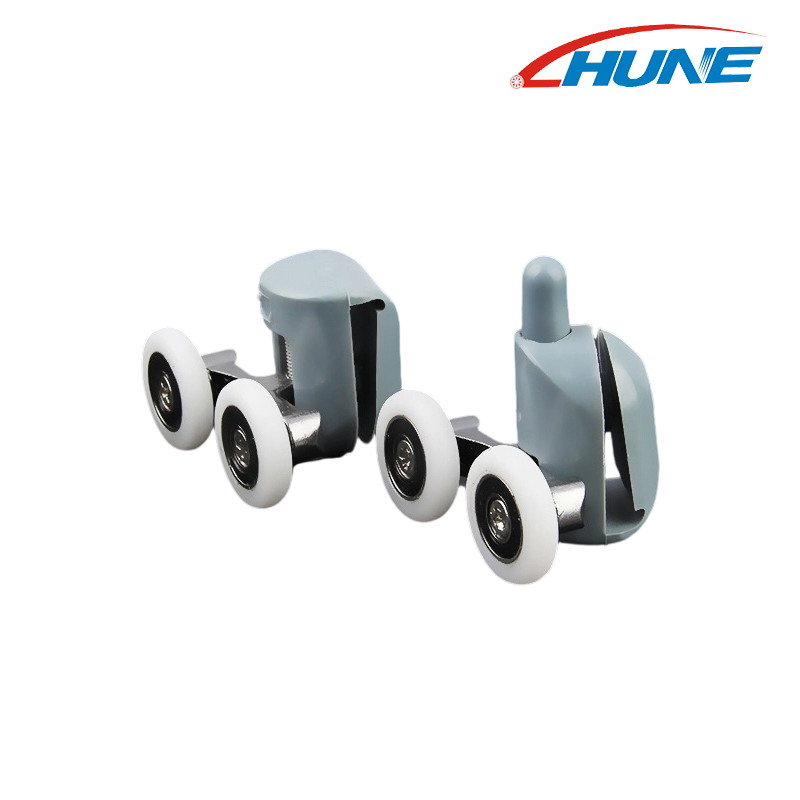
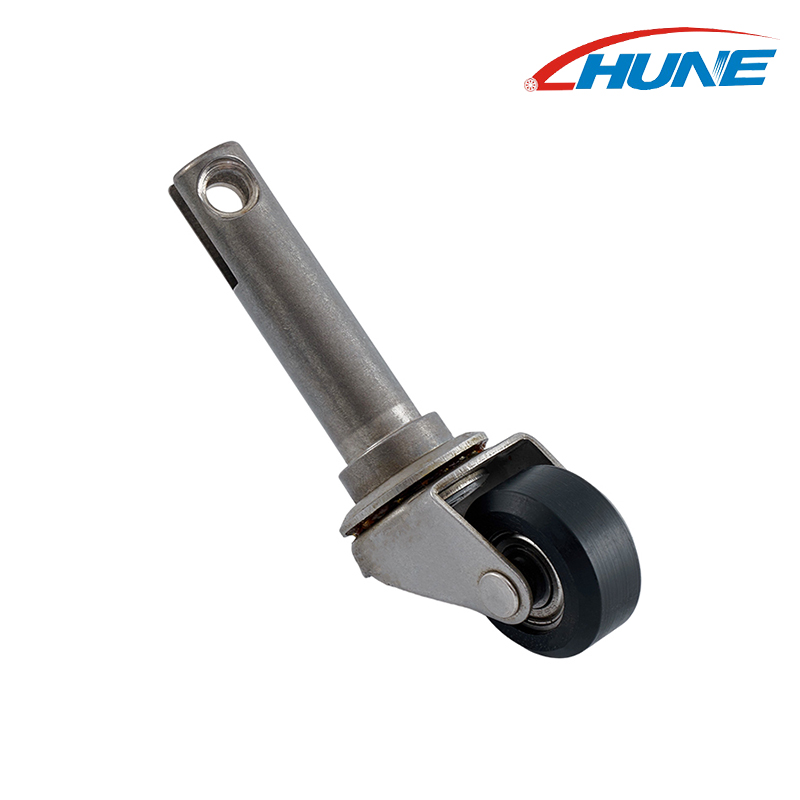
Axle-Mounted Adhesive Wheels Assembly I-Beam Heavy-Duty Door And Window Hardware Double Track Sliding Door Roller

○ Material and color can according to customers' requirement.
○ We can make different size as per customers' requirement.

Product Advantages
  • Smooth Operation
    The spacer design ensures smooth rolling and no jamming, even when screws are fully tightened.
  • Silent & High Load Pulley
    Combines quiet bearings with high load capacity for smooth, low-noise performance.
  • Durable Materials
    The nylon-coated outer layer offers strength, toughness, and fatigue resistance.
  • Precision Bearings
    High-quality bearing steel provides quiet, high-speed, and wear-resistant performance.
  • Sealed & Dustproof
    Metal dust cover ensures tight sealing; smooth surface with no burrs for refined quality.
Product Description

Axle-Mounted Adhesive Wheels Assembly I-Beam Heavy-Duty Door And Window Hardware Double Track Sliding Door Roller

A heavy sliding door puts every part of its roller system to work. The wheel must contact the track correctly, the bearing must turn under load, and the axle and bracket must hold their alignment throughout the door's travel. Selecting a larger wheel alone will not solve a mismatch between these parts.

The Axle-Mounted Adhesive Wheels Assembly I-Beam Heavy-Duty Door And Window Hardware Double Track Sliding Door Roller is a configurable bearing roller assembly for compatible sliding tracks and door hardware. It can be developed for an I-beam track profile, a double-track layout, or a specific door-panel mounting arrangement.

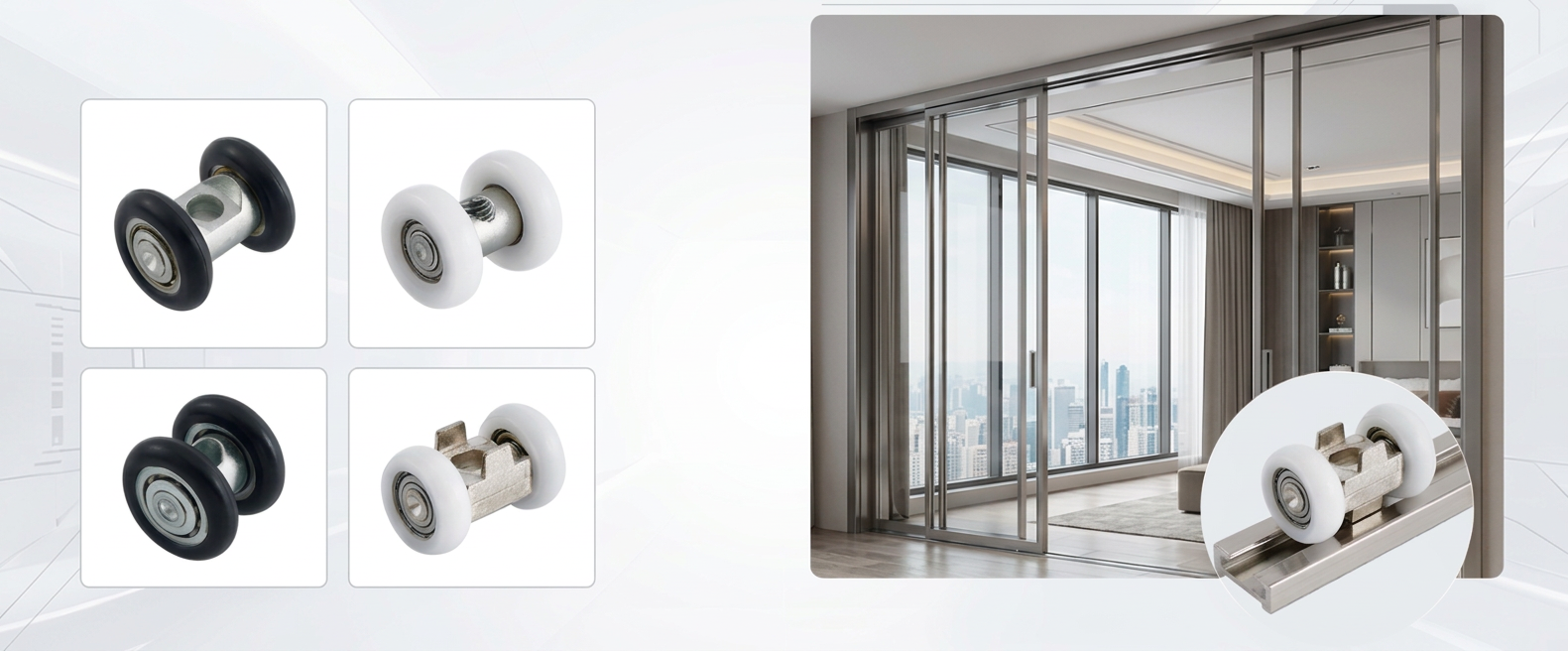
Applications may include large glass doors, wooden sliding panels, industrial partitions, commercial sliding doors, warehouse doors, patio doors, and equipment access doors. Load capacity, track compatibility, and environmental suitability must be established for each complete assembly rather than inferred from the term heavy-duty.

Hune / Hunepulley / Zhejiang Huaneng Micro Bearing Co., Ltd. provides I Beam Track Roller, Sliding Door Track Roller, Wheels for Sliding Door Track, Track Wheels for Sliding Doors, and custom sliding door roller designs based on track drawings, door loads, and installation requirements.

Product Overview

This axle-mounted roller uses a wheel and bearing mounted on an axle within a supporting hardware structure. In a load-bearing sliding door system, force passes from the door and mounting bracket through the axle and wheel to the track. The track then transfers that force to its supporting structure.

The roller can be specified for an I-beam-type track when the wheel's running surface matches the actual track cross-section. It may also be used in a double-track sliding door system, where two parallel tracks provide separate travel paths for panels. A double-track layout does not by itself double the load capacity of one roller.

The term adhesive wheel assembly needs clarification at the specification stage. It may refer to a bonded wheel tread or another adhesive-based wheel construction; it should not be assumed to mean that the roller is attached to the door with glue. The wheel drawing should identify the bonded materials, contact surface, and retention method where applicable.

Potential uses include:

  • Heavy-duty sliding doors and I-beam track sliding systems
  • Double-track sliding door systems
  • Large glass doors and wooden sliding panels
  • Industrial partitions and commercial sliding doors
  • Residential sliding doors, patio doors, and warehouse doors
  • Equipment access doors and compatible sliding windows

For each use, confirm whether the roller is intended to carry panel weight, provide guidance, or perform both functions. Hune can review samples and drawings covering the track, wheel, bearing, axle, bracket, and available installation space.

Product Structure and Components

A heavy-duty sliding door roller performs as a system. Its components must remain correctly positioned under load and after the door has been installed and adjusted.

Axle-Mounted Wheel System

The axle supports the wheel and connects it to the bracket or door hardware. Its diameter, straightness, material, and mounting method affect bearing fit and wheel alignment.

For a heavy load door roller, the axle must be assessed alongside the bearing and bracket. An axle that deflects or shifts can change the wheel's contact with the track even when the wheel itself is correctly sized.

Adhesive Wheel Assembly

Where the design includes a bonded tread or contact layer, the adhesive wheel assembly may provide a different running surface from an all-metal or single-material wheel. Its behavior depends on the tread material, bond construction, contact pressure, temperature, and track surface.

A compliant surface may help reduce certain contact noises, but it must also remain securely attached during repeated movement. The adhesive or bonding specification should be confirmed on the approved drawing and tested for the intended duty.

I-Beam Support Structure

An I Beam Track Roller is selected to work with a particular I-beam-style rail or guide. The designation does not establish that every roller bracket itself has an I-beam cross-section.

The important interface is between the wheel and the track: flange dimensions, running-face width, clearance, and intended contact points must be identified. Track strength and its support structure also form part of the load assessment.

Double-Track Matching Structure

A double track sliding door roller must fit the lane assigned to its panel without interfering with the adjacent track or door. Check track spacing, panel overlap, bracket width, and access for installation.

Double tracks provide a layout for multiple sliding paths. Load sharing between tracks occurs only if the complete door system is designed to provide it.

Bearing Track Roller

The bearing track roller uses an internal bearing to allow the wheel to rotate around its axle. Bearing dimensions, internal clearance, lubrication, and fit within the wheel affect running behavior.

A smooth bearing cannot correct a wheel profile that contacts the wrong part of the rail. Both the bearing and the wheel-to-track interface should be checked under the intended door load.

Sealed Bearing and Dustproof Shield

A sealed bearing roller can help limit contaminant entry into the bearing, depending on its seal construction. A separate cover or shield may help protect the surrounding area from larger debris.

These are distinct features. A dustproof sliding roller is not necessarily waterproof, and a sealed bearing does not protect an exposed track from accumulated dirt or damage.

Spacer Design

A correctly specified spacer preserves the intended distance between the wheel, bracket, and fasteners. After the axle or mounting screw is tightened, the bracket should be secure and the wheel should still rotate freely.

Spacer length and bearing-ring contact matter. If tightening clamps a rotating part, the roller may bind despite passing a free-spin check before assembly.

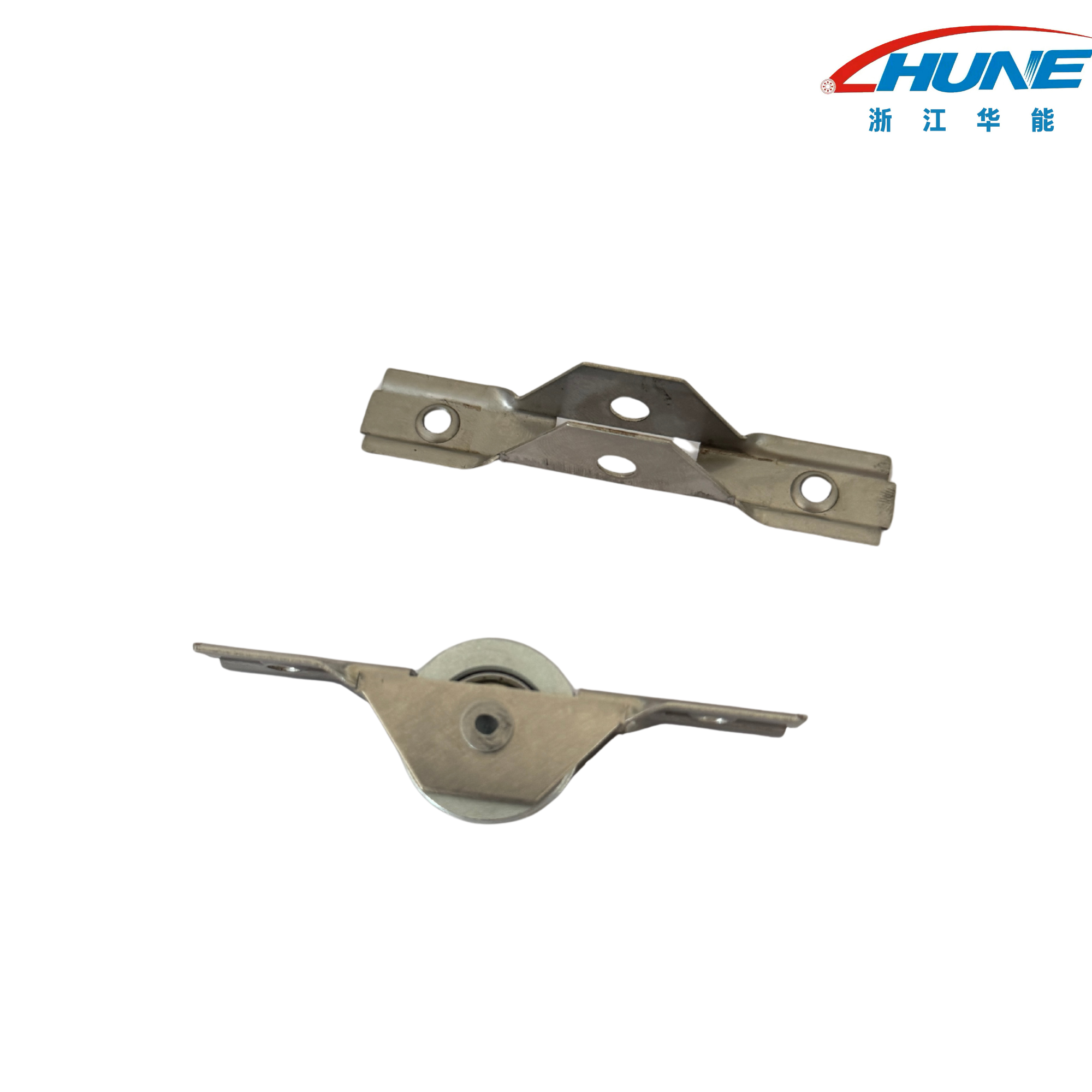
Metal Bracket

The metal bracket attaches the roller to the door or window structure and holds the axle in position. Its material, thickness, formed geometry, mounting holes, and surface treatment should suit the specified load and exposure.

For a sliding door hardware roller, bracket stiffness and mounting security are part of the complete load path. They should be evaluated with the door panel and track supports.

Key Features

The assembly can be configured around a defined track and door structure rather than selected by product name alone. Depending on the approved design, key features may include:

  • Axle-mounted roller construction for a specified wheel and bracket arrangement
  • I-beam sliding door roller profile matched to an actual rail section
  • Double track sliding door roller dimensions suited to parallel-track clearance
  • Bearing track roller construction for wheel rotation around the axle
  • Adhesive wheel assembly or specified contact layer, where required
  • Sealed bearing roller and protective cover options for suitable environments
  • Spacer dimensions that maintain wheel clearance after fastening
  • Custom wheel, axle, bearing, bracket, and surface-treatment specifications

The intended result is controlled rolling and guidance in a matched installation. Low-noise sliding roller performance, load capacity, and service life require testing against the track, door weight, travel cycle, and working environment.

How the I-Beam Double Track Sliding Door Roller Works

In a load-bearing arrangement, the moving panel applies force to the bracket. The bracket transfers it through the axle and bearing to the wheel, which rolls along its designated track surface. The track and its fixings complete the load path.

The wheel profile helps determine where contact occurs and whether the panel remains guided. If the track is I-beam-shaped, the design must establish which faces carry vertical load and which provide lateral guidance. Contact on an unintended flange edge can increase friction or cause uneven wear.

In a double-track system, each panel normally follows its assigned lane. The roller must have enough clearance from the neighboring lane, adjacent panel, fasteners, and surrounding hardware throughout the full travel.

The installed Sliding Door Track Roller should be checked for:

  • Correct wheel contact on the rail under load
  • Free rotation after axle and bracket fasteners are tightened
  • Adequate clearance along the full track
  • Stable bracket and axle position
  • No abnormal noise, rubbing, or visible wheel-tread movement

Door weight, wheel diameter and width, bearing selection, axle size, bracket geometry, track condition, and installation alignment all affect the outcome.

Technical Parameters and Custom Options

For custom development, the most useful specification describes the wheel and its mating hardware. The table below identifies the principal items to confirm.

Parameter What to specify Selection purpose
Wheel Diameter and Width Running dimensions and available clearance Match the rail and load arrangement
Wheel Profile Intended contact faces and groove geometry Match the actual track section
Bearing Model Dimensions, clearance, lubrication, closure Match axle, wheel, and duty
Axle Diameter and Length Bearing fit and bracket spacing Maintain support and alignment
Bracket Material and Thickness Material grade and formed dimensions Match mounting and load path
I-Beam Track Dimensions Flanges, running faces, and clearances Verify wheel-to-track contact
Double-Track Spacing Distance between parallel travel lanes Avoid panel and hardware interference
Wheel Surface Material Solid wheel or bonded contact layer Define wear, noise, and retention needs
Seal and Dustproof Structure Bearing seal and any external cover Match contaminant exposure
Spacer Size Width and bearing-ring contact Preserve rotation after tightening
Surface Treatment Finish for exposed metal parts Match the working environment
Load Requirement Panel weight and number of supporting rollers Assess the complete assembly

These are customization inputs, not fixed product ratings. Wheel load cannot be confirmed from door weight alone: the number of rollers, uneven load sharing, impact, side forces, and track support must also be considered.

Hune can review drawings or samples for Wheels for Sliding Door Track, Track Wheels for Sliding Doors, a sliding window roller, or an industrial sliding door roller where the application and dimensions are defined.

Material and Performance Advantages

Material selection is useful only when each material's role is clear. The bracket and axle support the assembly; the bearing permits rotation; the wheel surface meets the rail.

Metal Bracket and I-Beam Support

The metal bracket holds the wheel in its intended position, while the I-beam track and its supports provide the running structure where specified. Their strength must be assessed together.

This is particularly important for a commercial sliding door roller or large sliding door roller, where panel weight and frequent movement can reveal bracket deflection or mounting problems.

Axle-Mounted System

An axle-mounted construction provides a defined connection between wheel and bracket. Correct axle diameter, bearing fit, retention, and alignment help maintain the intended wheel contact during repeated travel.

Bearing Track Roller

The bearing reduces rotational resistance at the wheel's center. Its suitability depends on radial and axial forces, operating speed, lubrication, closure, and the fits provided by the axle and wheel seat.

Sealed and Dustproof Design

Seals and covers can help protect the bearing from contamination in suitable conditions. Warehouses, workshops, and semi-outdoor entrances may present different combinations of dust and moisture, so the protective construction should match the actual exposure.

Adhesive Wheel Assembly

A bonded or adhesive-based contact layer, if specified, can change how the wheel meets the rail. Potential noise or vibration benefits must be weighed against tread wear and bond retention under load. Its material and construction should be stated explicitly before performance claims are made.

Spacer Structure

A spacer helps keep mounting force away from parts that must rotate. It is a small component with a direct practical effect: the assembled roller should remain secure without binding the wheel.

The Axle-Mounted Adhesive Wheels Assembly I-Beam Heavy-Duty Door And Window Hardware Double Track Sliding Door Roller is best selected from the complete system drawing—not from the words I-beam, heavy-duty, or double track alone.

Hune supplies I Beam Track Roller, Sliding Door Track Roller, Wheels for Sliding Door Track, Track Wheels for Sliding Doors, heavy-duty sliding door roller, double track sliding door roller, door and window hardware roller, axle-mounted roller, adhesive wheel assembly, I-beam sliding door roller, sliding door hardware roller, heavy load door roller, sliding window roller, industrial sliding door roller, commercial sliding door roller, large sliding door roller, bearing track roller, sealed bearing roller, dustproof sliding roller, low-noise sliding roller, and custom sliding door roller options for specified tracks and mounting structures.
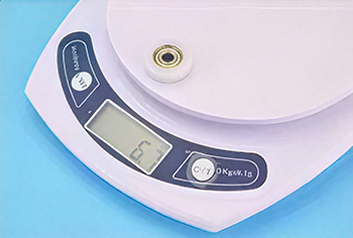
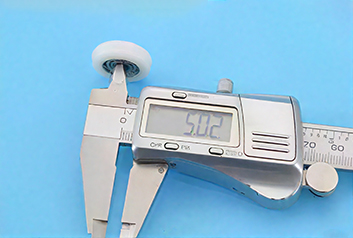
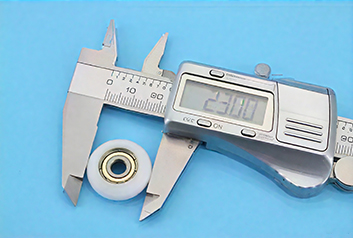
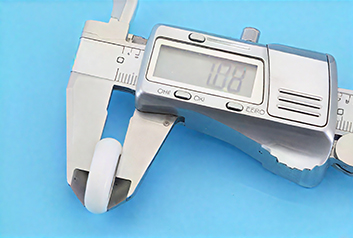
Measurement Method
Weight(g) ID(mm) OD(mm) Height(mm)
Payment Terms
1.100% T/T in advance
2.30% T/T deposit, 70% balance against copy of B/L
3. PayPal
Packaging Details: Standard export packing (plastic bag, carton, and pallet or wooden case), or as per customer's requirements.
Delivery Port: Ningbo / Shanghai
Delivery Time: Normally within 30 days for ready goods or as per customer's request.
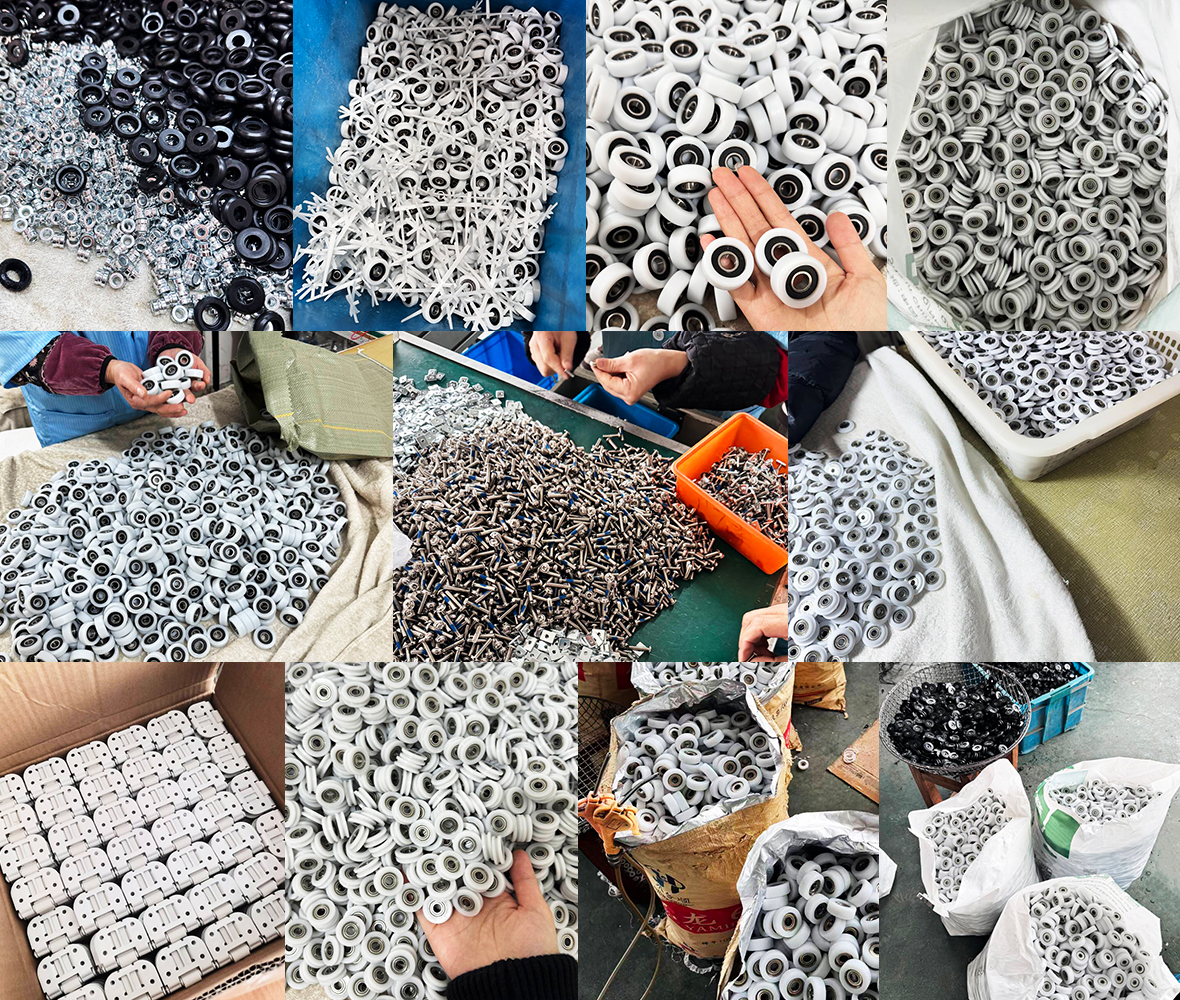
ACTUAL PHOTOS
FAQ
  • What are your payment terms?
    What are your payment terms?

    1.100% T/T in advance2.30% T/T deposit, 70% balance against copy of B/L3. PayPalPackaging Details: Standard export packing (plastic bag, carton, and pallet or wooden case), or as per customer's requirements.Delivery Port: Ningbo / ShanghaiDelivery Time: Normally within 30 days for ready goods or as per customer's request.

  • How do you handle shipment?
    How do you handle shipment?

    For small orders: we ship via express (DHL, FedEx, UPS, TNT, etc.).For bulk orders: we ship by sea or by air, depending on your preference.

  • How long is the production lead time?
    How long is the production lead time?

    For in-stock samples: shipped within 2 days.For out-of-stock samples: lead time is within 7 days.For mass production: approximately 15 days after receiving the deposit.

  • What after-sales service do you offer for sliding rollers?
    What after-sales service do you offer for sliding rollers?

    We provide online technical support.  If the issue is caused by a quality defect, we will replace the defective items with new ones.

  • How does your factory ensure quality control?
    How does your factory ensure quality control?

    80% of our staff have over 10 years of experience.  We have a mature and skilled technical team along with a comprehensive quality management system to ensure consistent product quality.

  • Can we print our logo on the products?
    Can we print our logo on the products?

    Yes, we can print your logo on the products based on your design requirements.

  • Can we customize our own color box?
    Can we customize our own color box?

    Yes, if your order quantity reaches 1,000 sets, we can provide customized color box packaging.

  • Do you offer free samples?
    Do you offer free samples?

    Yes, we are happy to provide free samples for you to evaluate the quality.

  • Are you a manufacturer?
    Are you a manufacturer?

    Yes, we are a professional manufacturer specializing in door and window roller pulleys for over 20 years. We also have our own international sales department and handle both production and sales in-house.

  • How long does it take to receive a response after sending an inquiry?
    How long does it take to receive a response after sending an inquiry?

    We will reply to you within 6 working hours on business days.

Send Inquiry
Zhejiang Huaneng Micro Bearing Co., Ltd.
  • Zhejiang Huaneng Micro Bearing Co., Ltd.
    0㎡
    Plant Area
  • Zhejiang Huaneng Micro Bearing Co., Ltd.
    0+
    Staff
  • Zhejiang Huaneng Micro Bearing Co., Ltd.
    0
    Established in
  • Zhejiang Huaneng Micro Bearing Co., Ltd.
    0+
    Exporting Countries
Zhejiang Huaneng Micro Bearing Co., Ltd.
Zhejiang Huaneng Micro Bearing Co., Ltd. specializes in the development and manufacturing of miniature and medium-sized bearings, non-standard bearings, Axle-Mounted Adhesive Wheels Assembly I-Beam Heavy-Duty Door And Window Hardware Double Track Sliding Door Roller and pulley systems. With over a decade of industry experience, we offer high-precision processing and responsive customization capabilities.As sliding door track roller supplier for double track door and window hardware. Our products are widely used in home appliances, industrial equipment, and door/window systems, and are exported to Japan, Korea, Europe, and beyond.
CONTACT US

Industry Knowledge: I-Beam Heavy-Duty Sliding Door Track Rollers for Double-Track Door Systems

A large sliding door depends on more than a strong wheel. Its weight must pass safely through the door connection, bracket, axle, bearing, wheel, track, and track supports. If any one of those parts is undersized or misaligned, the door may become difficult to move even when the bearing itself rotates smoothly.

An I-beam heavy-duty sliding door track roller is specified for a door system with a compatible I-beam-style track or support arrangement. It may use an axle-mounted roller, bearing track roller, spacer, and protective bearing closure. Some designs also have an adhesive wheel assembly or bonded contact layer.

For a double track sliding door roller, compatibility extends beyond one rail: the roller and bracket must fit their assigned travel lane without interfering with the adjacent panel or track. Here is how to assess those interfaces as one system.

What Is an I-Beam Sliding Door Track Roller?

An I Beam Track Roller is a wheel assembly designed to run on—or within hardware built around—a specified I-beam track profile. A typical assembly may include a wheel body, bearing, fixed mounting axle, metal bracket, spacer, and a wheel profile shaped for the intended running surface. A sealed bearing or external dustproof shield may be specified for the working environment.

The term I-beam needs a drawing to be meaningful. It may describe the track cross-section, a supporting member, or another feature of the door system. It does not establish that the roller bracket itself has an I-shaped section.

Axle-Mounted Adhesive Wheels Assembly I-Beam Heavy-Duty Door and Window Hardware Double Track Sliding Door Roller

In a load-bearing configuration, the roller transfers force from the door to the track while allowing movement along the guide. "Heavy-duty" should refer to an assembly evaluated for a defined door weight and installation, not simply to a large wheel or a metal bracket.

Why I-Beam Structure Is Used in Heavy-Duty Sliding Door Hardware

An I-beam section can provide structural stiffness for its material and geometry. In a sliding door installation, that may make it useful as a supported track or structural member. The benefit, however, depends on its dimensions, material, span, fixings, and the loads applied to it.

For an industrial sliding door roller or large sliding door roller, examine two separate questions:

  • Is the track adequately supported? A suitable wheel cannot compensate for a rail that deflects or moves at its fixings.
  • Does the wheel contact the intended track surface? The roller profile must provide the designed running and guiding contact without rubbing an unintended flange or edge.

An I-beam designation alone does not confirm load distribution, reduced bracket deformation, or a rated capacity. Those outcomes require assessment of the actual track and roller assembly.

How Axle-Mounted Rollers Work

An axle-mounted roller holds the wheel on a shaft or axle connected to the door bracket. As the panel moves, the wheel turns around the axle and rolls along the track.

For a load-bearing arrangement, the force path is:

Door panel → mounting connection → bracket → axle → bearing and wheel → track → track supports.

Axle diameter and material affect its ability to support the applied load. Axle straightness, bearing fit, retention, and bracket spacing affect wheel alignment. A spacer, where required, helps preserve clearance when the axle fastener is tightened.

If an installed heavy load door roller binds, check whether tightening has clamped a rotating part before assuming the bearing is defective.

Role of Bearings in Sliding Door Track Rollers

The bearing reduces rotational friction between the wheel and axle. In a bearing track roller, its bore, outside diameter, width, internal clearance, lubrication, and fit within the wheel all influence installed performance.

A sealed bearing roller may help limit dust or moisture entering the bearing, depending on its seal construction. An external cover can provide additional protection around the assembly. Neither feature keeps the track itself clean, and neither makes the complete roller waterproof.

Bearing selection should reflect the load assigned to each roller, operating speed, side forces, and exposure conditions. Door noise or uneven movement can also originate outside the bearing—from a damaged wheel surface, loose bracket, debris, or poor track alignment.

Why Double-Track Compatibility Matters

A double-track system provides parallel travel paths, often so two door panels can pass or overlap. A double track sliding door roller must fit the track assigned to its panel and maintain clearance from the neighboring lane.

Check the track spacing together with panel thickness, door overlap, bracket projection, fastener positions, and the full movement path. A roller that fits one rail in isolation may strike adjacent hardware after both panels are installed.

Two tracks do not automatically share one panel's weight or double a roller's capacity. Load distribution depends on where the supporting rollers are installed and how the complete door system is designed.

Adhesive Wheel Assembly in Sliding Door Rollers

The phrase adhesive wheel assembly should be defined on the product drawing. In one design, it may describe a bonded tread or contact layer on the wheel. It should not be interpreted as a roller fixed to the door by adhesive unless the mounting specification expressly says so.

A bonded running surface can change contact noise, grip, vibration, and wear behavior. Its suitability depends on the wheel-core material, contact-layer material, bonding method, track surface, load, temperature, and cleaning chemicals.

For a heavy-duty application, verify both running-surface wear and bond retention over the intended movement cycle. A softer contact layer is not necessarily better if it deforms excessively or shifts on the wheel.

Common Applications of Heavy-Duty Sliding Door Track Rollers

The same product category may serve very different door systems. In each case, confirm the roller's supporting or guiding role before selecting its size.

Large Glass Doors

Track Wheels for Sliding Doors used with large glass panels need evaluation against the complete glass-door mounting and track system. Panel weight, roller count, load sharing, and secure retention are critical.

Wooden Sliding Panels

A heavy wooden panel may place significant load on its supporting rollers. Check panel weight, fixing strength, track support, and clearance as the panel passes adjacent surfaces.

Industrial Partitions

Industrial partitions may be wide or frequently operated. Roller selection should include movement cycles, side forces, track straightness, and access for inspection.

Commercial Sliding Doors

A commercial sliding door roller should suit the door's load and usage pattern. Noise requirements must be assessed with the installed track and surrounding hardware.

Residential Sliding Doors

A low-noise sliding roller may improve operating feel in a residential door when wheel material, bearing condition, and track alignment are all appropriate.

Sliding Windows

A sliding window roller may have a much smaller installation envelope than a heavy-duty door roller. Similar construction terms do not make the two assemblies interchangeable.

Warehouse Doors

Warehouse tracks can collect dust, grit, or metal particles. A dustproof sliding roller or sealed bearing may help protect rotating parts, but track cleaning remains necessary.

Equipment Access Doors

Equipment access doors often have restricted space or unusual mounting positions. Verify that the bracket, axle, and fasteners remain accessible for installation and maintenance.

How to Select Track Wheels for Sliding Doors

Start with the door system, not a wheel photograph. A practical selection sequence is:

  • Define the load. Record panel weight, roller quantity and placement, expected load sharing, impact, and side forces.
  • Document the track. Provide the I-beam or other track cross-section, running-face dimensions, material, span, and support arrangement.
  • Check the layout. For double tracks, record lane spacing, panel overlap, bracket projection, and movement clearances.
  • Specify the wheel. Confirm diameter, width, profile, contact material, and intended running surfaces.
  • Match the bearing and axle. Check bearing size and closure, axle dimensions, retention, and spacer arrangement.
  • Review the environment. Consider dust, moisture, corrosion, temperature, usage frequency, and maintenance access.
  • Test the installed assembly. Check contact under load, free wheel rotation after tightening, full-travel clearance, and any abnormal noise or wear.

This process applies whether the search term is Wheels for Sliding Door Track, Sliding Door Track Roller, or heavy-duty sliding door roller. The product name is a starting point; the mating dimensions determine fit.

Common Customization Options for Sliding Door Rollers

A custom sliding door roller should be specified against the track and mounting structure it will actually use.

Customization item What to define Why it matters
Wheel Diameter and Width Running size and available clearance Track contact and installation fit
Wheel Profile Intended load-bearing and guiding faces I-beam or custom-track matching
Wheel Surface Material Solid wheel or bonded contact layer Wear, noise, and bond-retention assessment
Bearing Model and Seal Type Dimensions, closure, and lubrication Axle fit and environmental protection
Axle Diameter and Length Bearing fit and bracket spacing Support and wheel alignment
Bracket Shape and Thickness Material and mounting geometry Load path and door connection
Spacer Size Position and contact with bearing rings Free rotation after fastening
Double-Track Spacing Parallel-lane and panel clearances Prevention of interference
Surface Treatment and Color Finish requirements Exposure suitability and appearance

These items are customization inputs, not a universal load-rating table. Drawings, track samples, door weight, operating conditions, and the intended mounting method provide the basis for development.

Installation Considerations for I-Beam Sliding Door Rollers

Installation should preserve the geometry established during design. Before fitting the door, confirm the rail is correctly supported, straight, and free of damage along the full travel path.

Then verify that:

  • The wheel contacts the intended track surfaces.
  • The axle and bracket are secure without restricting wheel rotation.
  • Required spacers are installed in the specified positions.
  • The door has adequate clearance in both lanes of a double-track system.
  • Panel alignment remains acceptable at the start, middle, and end of travel.
  • Stops and retention hardware prevent unintended travel or disengagement.

After installation, move the door through its full range under its normal load. A short free-spin check cannot reveal rubbing that occurs only at one point on the track.

Maintenance Considerations for Sliding Door Track Wheels

Maintenance should address both the roller and the surface it runs on. Dust, grit, or metal chips left in the track can damage a wheel even when its bearing is sealed.

Inspect track cleanliness, wheel wear, bearing noise, bracket movement, axle retention, and corrosion at intervals appropriate to the door's use and environment. Look for uneven contact marks: they can indicate misalignment before the door begins to jam.

When replacing a roller, match the wheel profile, bearing and axle dimensions, bracket geometry, and load requirement. A visually similar part may run on a different face of the track.

Why Choose Hune for I-Beam Heavy-Duty Sliding Door Rollers

Hune works with I Beam Track Roller, Sliding Door Track Roller, Wheels for Sliding Door Track, Track Wheels for Sliding Doors, heavy-duty sliding door roller, double track sliding door roller, axle-mounted roller, adhesive wheel assembly, bearing track roller, sealed bearing roller, dustproof sliding roller, and custom sliding door roller configurations.

For a specified project, Hune can review the wheel, bearing, axle, spacer, bracket, and contact surface against track drawings, samples, installation space, and door load. Useful quality checks include wheel-profile dimensions, bearing fit, axle alignment, bracket accuracy, free rotation after assembly, and movement on the intended track.

The objective is not merely to supply a roller described as heavy-duty. It is to establish a matching assembly and verifiable operating requirements for the door system.

FAQ About I-Beam Heavy-Duty Sliding Door Track Rollers

What is an I-beam heavy-duty sliding door track roller?

It is a roller assembly specified for a compatible I-beam-style track or support system. Its wheel, bearing, axle, and mounting structure must be assessed against the intended door load.

What is the purpose of an axle-mounted roller?

The fixed axle supports and locates the rotating wheel while transferring force between the wheel and mounting bracket.

Why are sealed bearings used in sliding door rollers?

A suitable sealed bearing can help limit contaminant entry into the bearing. It does not eliminate the need to clean the track or inspect the complete assembly.

What is a double track sliding door roller?

It is a roller specified for a panel operating within a parallel, two-track door layout. Its wheel and bracket must fit the assigned lane and clear the adjacent panel.

Where are heavy-duty sliding door rollers used?

Potential applications include large glass doors, wooden panels, industrial partitions, commercial and warehouse doors, patio doors, and equipment access doors, subject to system-specific load and fit checks.

What affects the smoothness of sliding door track wheels?

Wheel-to-track contact, bearing condition, axle alignment, bracket stability, panel load, track condition, and installation all affect movement.

How do I choose wheels for sliding door track systems?

Match the door load and mounting arrangement first, then confirm the track section, wheel profile and dimensions, bearing, axle, bracket, clearances, and environment.

Why is spacer design important?

A correctly specified spacer helps maintain the intended wheel clearance after fasteners are tightened, preventing mounting force from binding the rotating wheel.

Can sliding door rollers be customized?

Yes. Wheel size and profile, contact material, bearing, axle, bracket, spacer, finish, and double-track clearances can be specified for a particular assembly.

What causes sliding door roller noise?

Possible causes include debris, damaged running surfaces, worn bearings, loose hardware, misalignment, unintended track-edge contact, or excessive load. The source should be identified before replacing parts.

An I-beam heavy-duty sliding door track roller performs reliably only when its load path and running contact match the complete door system. For double-track installations, adjacent-lane clearance is just as important as fit on the assigned rail. Hune provides related door and window hardware roller, I-beam sliding door roller, sliding door hardware roller, heavy load door roller, industrial sliding door roller, commercial sliding door roller, large sliding door roller, and low-noise sliding roller options for systems defined by drawings and operating requirements.

Message Feedback