

 English
 Español
 日本語
日本語A sliding door that drags, grinds, or refuses to glide is more than a daily annoyance—it's a warning that the door's weight isn't being carried smoothly anymore. In many cases, worn rollers are the root cause. The real question for most homeowners isn't whether the rollers need attention, but who should do the work: a confident DIYer or a professional installer.
The best choice depends on door weight, track condition, access to the roller assembly, and how quickly you want a reliable result. Below is a practical, field-tested way to think about the tradeoffs before you remove a single screw.
When DIY roller replacement is genuinely worth it
DIY can be a great fit when the door system is straightforward and the symptoms point to rollers—not a bent track, frame issues, or structural settling.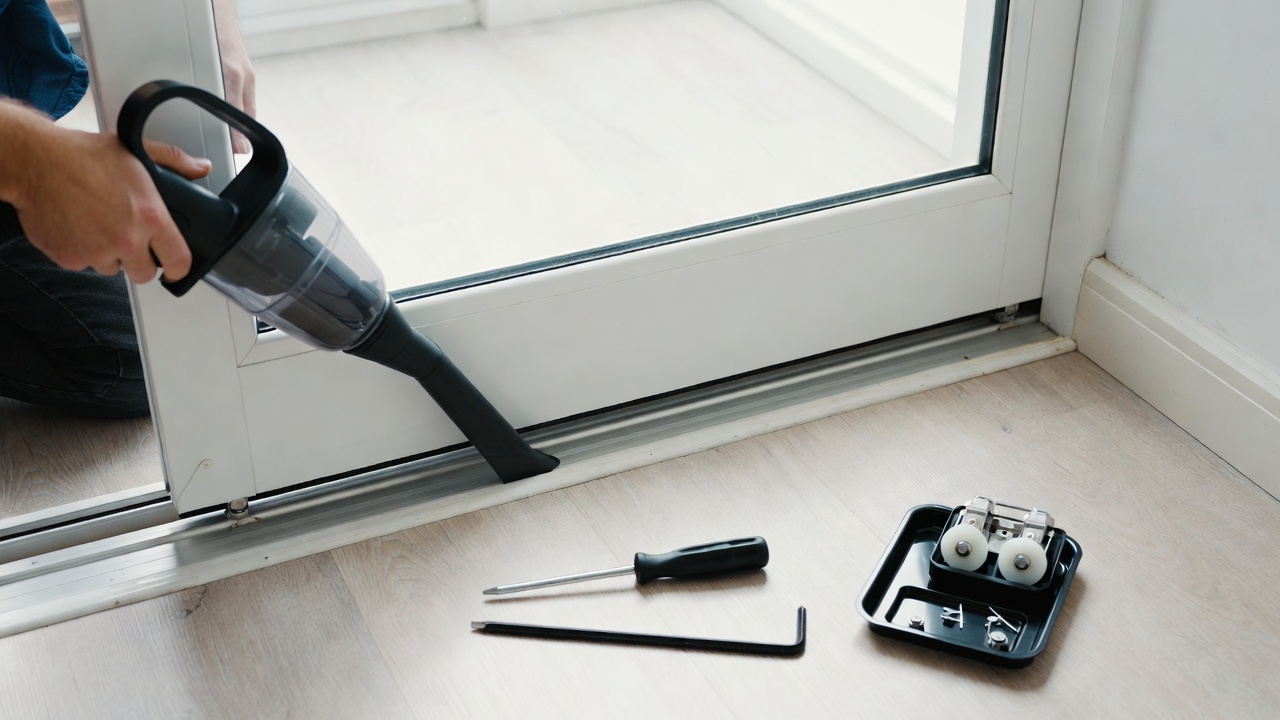
- DIY is a good match if you have:
- A standard sliding patio door with accessible roller adjustment screws
- A door that still sits square in the frame (no major rubbing at the head jamb)
- A track that looks intact—no deep gouges, kinks, or crushed sections
- Basic tools and a helper (many glass panels are heavy and awkward)
- Why DIY can pay off
- Cost control: labor is often the biggest line item
- Fast turnaround: no waiting for a service window
- Preventive maintenance mindset: you can clean the track and restore glide at the same time
That said, DIY only "wins" if the replacement is done correctly. A mis-sized roller or uneven height adjustment can create new friction and accelerate track wear.
Costs and outcomes: a practical comparison
Here's how the decision typically plays out for US/EU homeowners.
|
Factor |
DIY Replacement |
Professional Replacement |
|
Upfront Cost |
Lower (parts + your time) |
Higher (labor + parts) |
|
Risk |
Medium–High (glass, alignment, fitment) |
Lower (experienced handling) |
|
Time to Complete |
1–3 hours typical, plus parts research |
Often 30–90 minutes onsite |
|
Best For |
Standard doors, accessible hardware |
Heavy doors, track/frame issues |
|
Common Failure Mode |
Wrong roller size / uneven adjustment |
Less common; usually parts availability |
The "worth it" calculation often comes down to whether you can confidently handle two essentials: choosing the correct roller assembly and setting the door height evenly.
The two mistakes that make DIY go sideways
1) Buying the wrong roller assembly
Roller assemblies aren't universal. The wheel diameter, housing shape, axle position, mounting style, and adjuster geometry all matter. Ordering a “close enough” part can lead to:
- The door sitting too low (track grind)
- Limited adjustment range
- Premature wheel wear and noisy glide
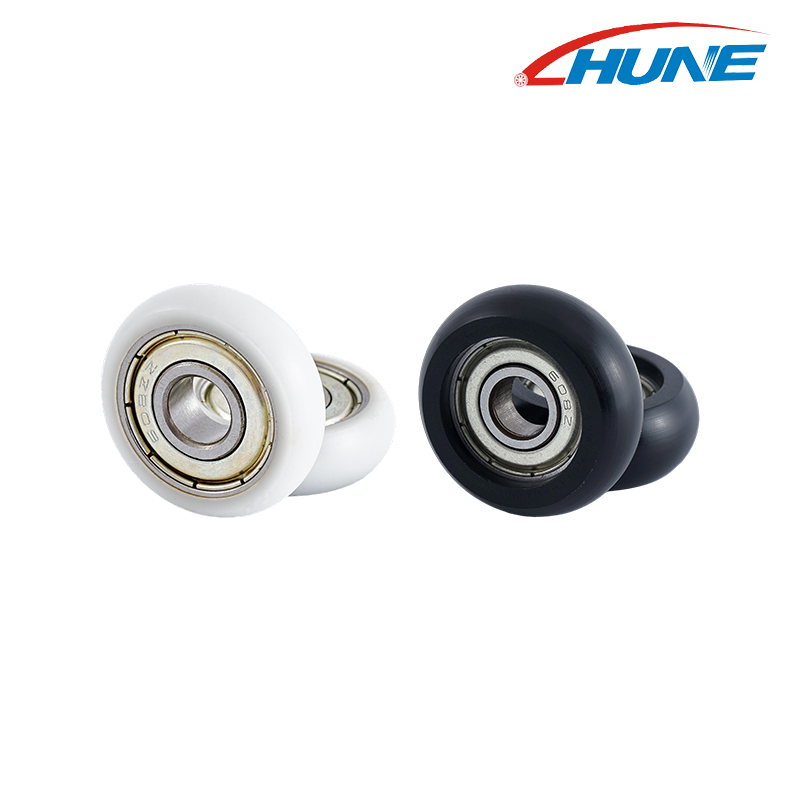
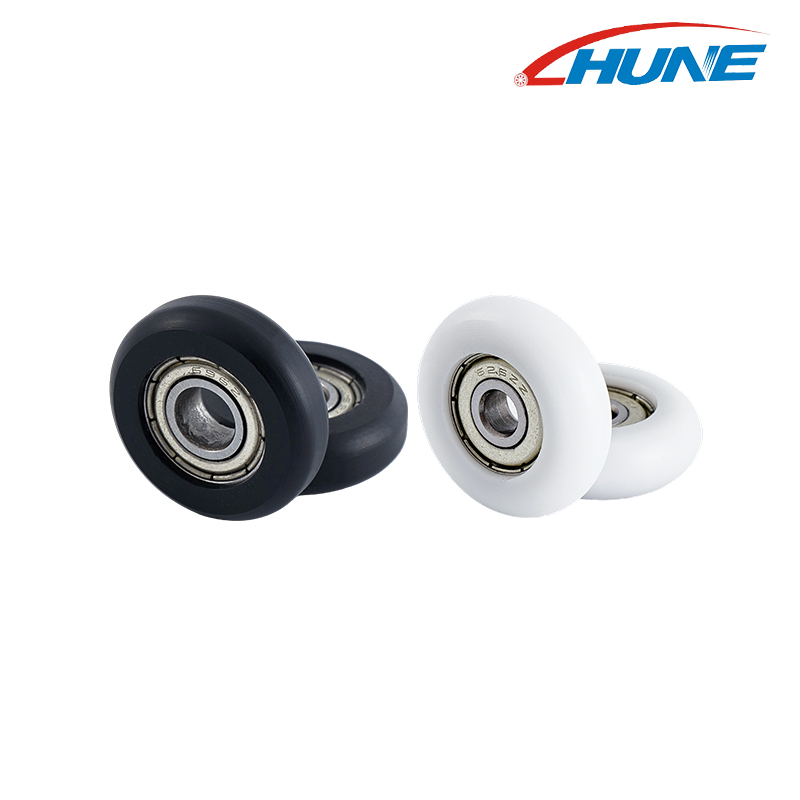
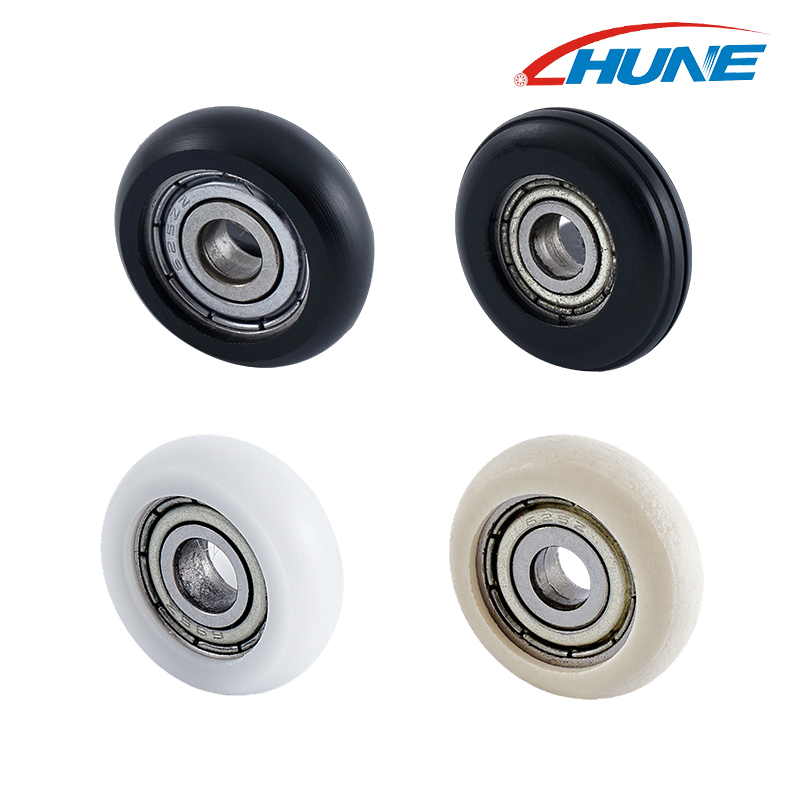
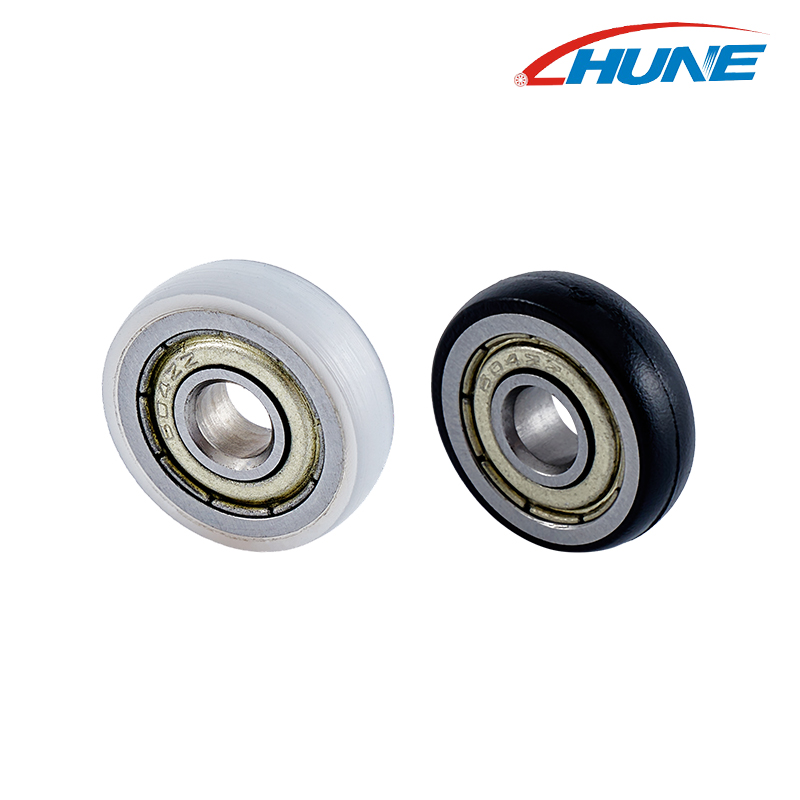
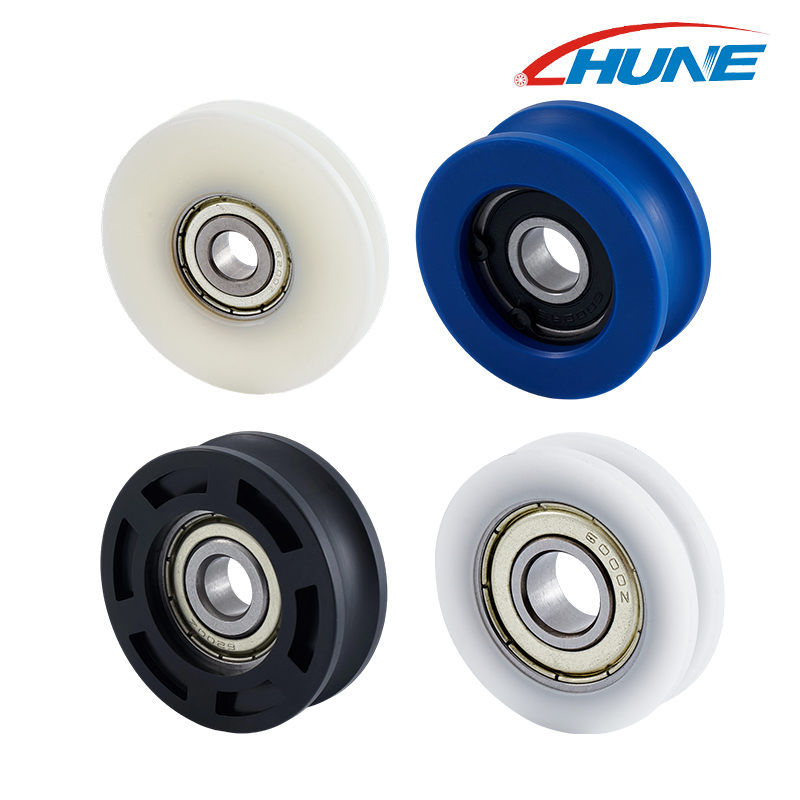
A reliable replacement—such as Hune sliding door rollers when matched to your door's specs—helps keep the panel stable and the glide consistent over time.
2) Skipping track inspection and cleanup
A new roller rolling over a dirty or damaged track is like installing new tires on a road full of nails. Before installation, the track should be:
- Vacuumed and wiped clean
- Checked for burrs, dents, and deep grooves
- Verified for proper drainage (standing water shortens roller life)
A "no-regrets" decision checklist
- Choose DIY if most of these are true:
- Door is manageable with a helper
- Track is in good condition
- You can identify the roller type accurately
- You're comfortable lifting and re-seating the panel safely
- Choose a pro if any of these are true:
- Door is oversized or difficult to remove
- Track is damaged or the frame seems out of square
- You want guaranteed alignment and smooth operation quickly
- The door is part of a higher-stakes space (rental turnover, storefront, client area)
DIY roller replacement is absolutely worthwhile when the door is standard, the track is healthy, and you can match the correct roller assembly and dial in alignment. Professional service is worth it when the door is heavy, access is tight, or symptoms suggest track or frame problems—because the expensive failures usually come from misdiagnosis, not from the rollers themselves.
For long-term results, the winning formula stays the same either way: clean track, correct fitment, even load sharing, and quality rollers designed to keep the door gliding smoothly season after season.