

 English
 Español
 日本語
日本語Sliding doors earn their keep quietly—until one day they don't. A door that used to glide with one finger starts to drag, rattle, or feel oddly "heavy." In most cases, the culprit isn't dramatic breakage. It's slow mechanical wear caused by two everyday forces: weather exposure and dirt contamination.
Rollers are designed to carry significant weight while maintaining smooth movement along a track. That system works best when the wheel surface is clean, the bearings rotate freely, and the door stays properly aligned. Weather and dirt interfere with all three, often in small increments that are easy to ignore—right up to the point where the track starts getting damaged or the door falls out of adjustment.
Dirt isn't “just dirt”—it's abrasive, sticky, and persistent
Tracks are natural debris collectors. Sand and fine grit get carried in on shoes, blown in by wind, or pulled in through gaps in weatherstripping. Once inside the track, those particles don't sit harmlessly to the side. They sit exactly where the roller needs to roll.
Over time, grit can:
- Increase friction so the wheel slides instead of rolling cleanly
- Create flat spots on softer wheels (common with nylon)
- Wear grooves into the track, especially on aluminum rails
- Produce a gritty grinding sound, the kind that makes homeowners wince
It gets worse when debris mixes with moisture or household residue (pollen, cooking aerosols, cleaning product film). That combination can form a paste that clings to wheels and bearings. Many "mystery" roller failures start as a track that simply wasn't cleaned often enough.
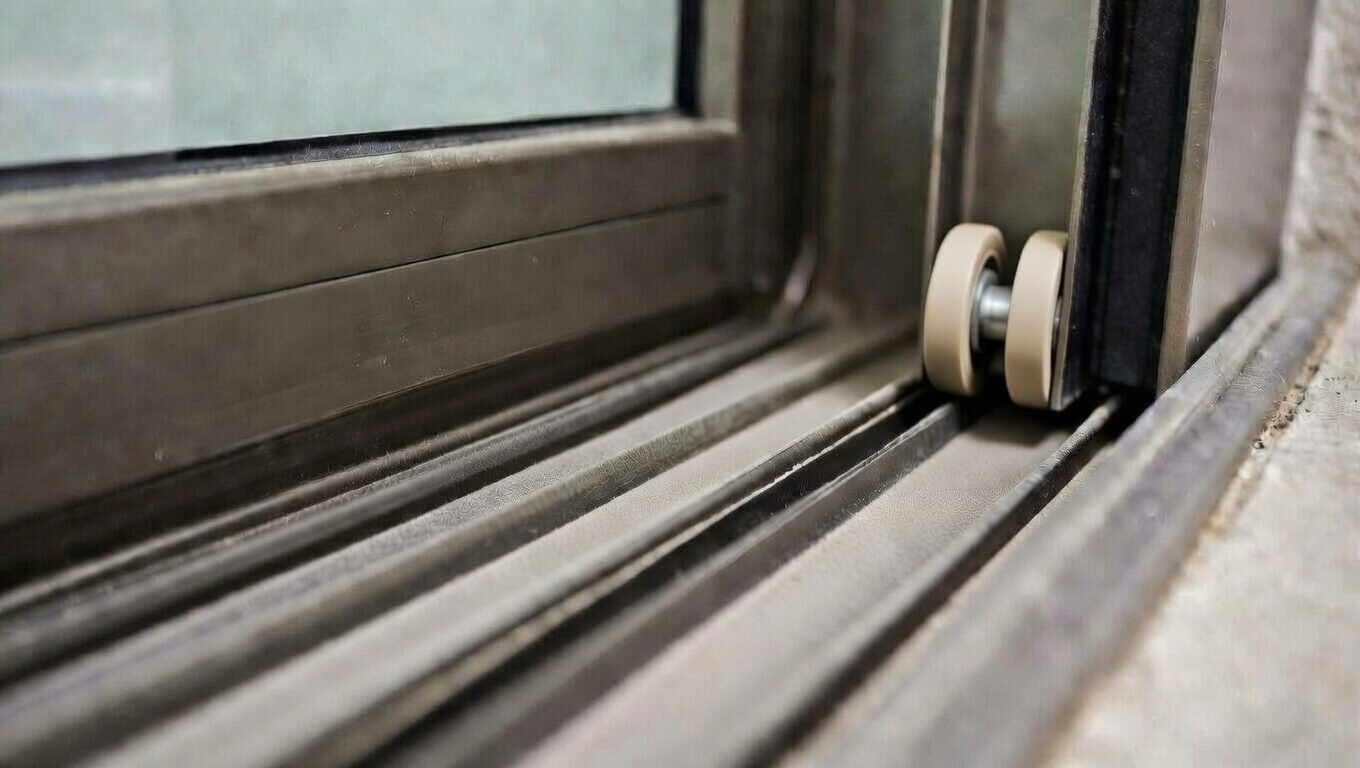
Weather's long game: moisture, temperature swings, and corrosion
Weather affects sliding door rollers in ways that aren't always visible from the room side of the door. Even "indoor" tracks can be exposed to humidity, condensation, and wind-driven rain—especially with patio doors.
Moisture and humidity: bearings don't like living wet
Many roller assemblies contain metal components (axles, bearings, brackets, adjustment screws). Moisture invites corrosion, and corrosion changes surface smoothness. A bearing that used to rotate freely begins to feel rough, then inconsistent, then stubborn. This progression often shows up as:
- The door moves smoothly for a moment, then catches
- A faint squeal or scrape turns into constant grinding
- The roller height adjustment becomes difficult to turn because threads corrode
If water pools in the track—because of clogged weep holes, poor drainage, or a slightly bowed track—rollers are effectively operating in a damp channel. That environment shortens service life dramatically.
Freeze/thaw: tiny shifts that create big misalignment
In cold climates, trapped water can freeze and expand. The damage isn't always a cracked component; it's often subtle: debris gets pushed into corners, the door sits differently on the rollers, and alignment shifts just enough to overload one wheel. Uneven loading accelerates wear because one roller ends up doing more than its share of the lifting.
Heat and sun: expansion changes clearances
Hot afternoons can change how a door sits in the frame. Metal expands, clearances tighten, and a track that was “fine” in the morning suddenly feels sticky. UV and heat can also age certain plastics and polymers over long periods, making some wheels more prone to deformation under load.
Coastal environments: salt is a multiplier
Salt air speeds corrosion and keeps components damp. Even if the track looks clean, salt residue can continue reacting with metal parts. In coastal areas, roller assemblies may need inspection and replacement more frequently than homeowners expect.
Early symptoms: what homeowners usually notice first
Roller wear announces itself in consistent, practical ways:
- The door feels heavier or takes two hands instead of one
- It sticks in the same spot, often where debris accumulates
- The panel rattles or feels loose when moved
- The latch no longer lines up cleanly (a sign of sagging or misalignment)
- You find dark residue in the track (often a mix of dirt and worn material)
One important note: forcing a sticking door can turn a roller issue into a track issue. Tracks are harder and more expensive to repair than rollers, so “muscling it” is rarely the best plan.
Why lubrication sometimes backfires
- Lubrication has its place, but it's not a substitute for cleaning and alignment.
- Oily sprays can trap dust and turn loose debris into a sticky buildup.
That buildup increases rolling resistance and can speed wear on both wheel and track.
A better approach is typically: clean first, dry thoroughly, then use a low-tack product only if needed. If the roller bearings are already rough or corroded, no amount of lubricant will restore smooth rotation for long.
Practical maintenance that extends roller life (without making it a weekend project)
Keep the track clean—more often than you think
A quick routine prevents most "grinding paste" scenarios:
- Vacuum the track using a crevice tool
- Wipe with mild soap and water for stuck grime
- Dry the track so moisture doesn't linger around metal parts
Homes with pets, nearby landscaping, or frequent outdoor traffic usually need more frequent track cleaning because fine debris is constant.
Check drainage and pooling
If your door system has weep holes or drainage channels, keep them clear. Standing water is a roller-killer.
Don't ignore alignment
If the door rubs at the top, drags at the bottom, or won't latch smoothly, alignment is off. That can be a simple adjustment—or a sign one roller is failing and letting the door sag.
When replacement is the smart move
Cleaning helps, adjustment helps—but rollers are wearable parts. Replacement is usually warranted when:
- Wheels show cracks, chips, or flattening
- Bearings feel gritty or don't spin freely by hand
- The door still drags after a thorough track clean
You see scoring or gouges developing in the track (replace rollers before the track becomes the next repair)
Replacing a worn roller assembly can restore smooth glide immediately and reduce stress on the frame, handle set, and locking hardware.
Sliding doors don't get stubborn for no reason. Weather and airborne grit slowly change the mechanics—the rollers stop sharing weight evenly, bearings lose their smooth rotation, and the panel begins to sit slightly out of true. Once that happens, friction rises, wear speeds up, and the "small drag" you feel today can turn into track scoring and noisy movement down the line.
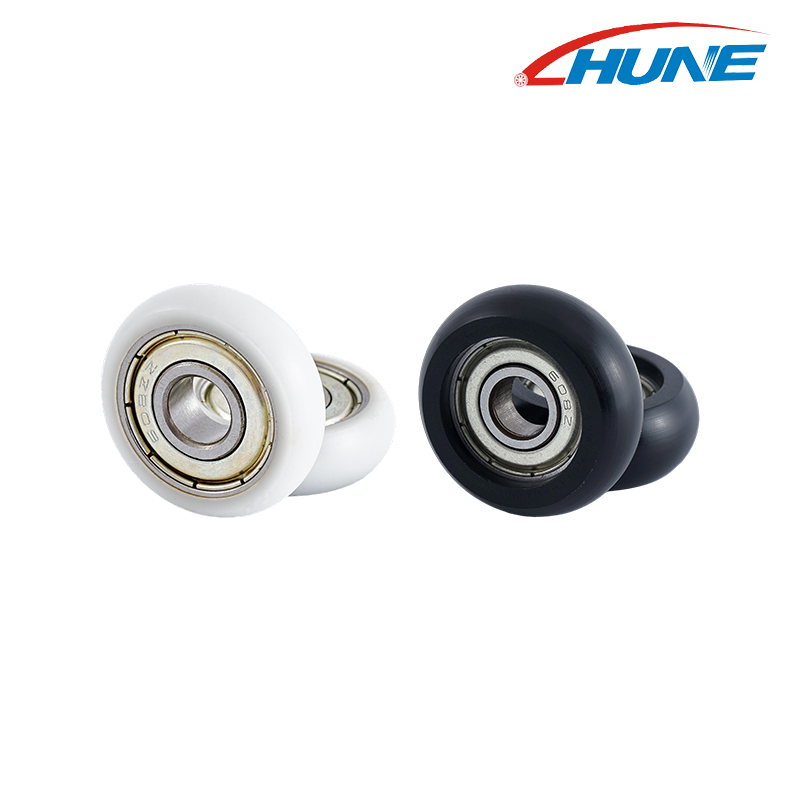
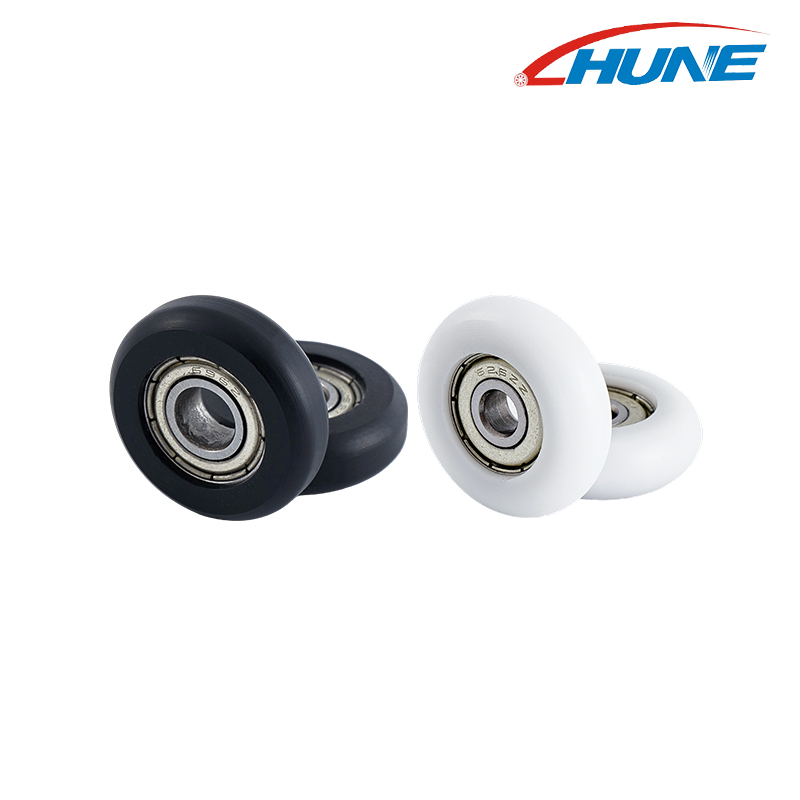
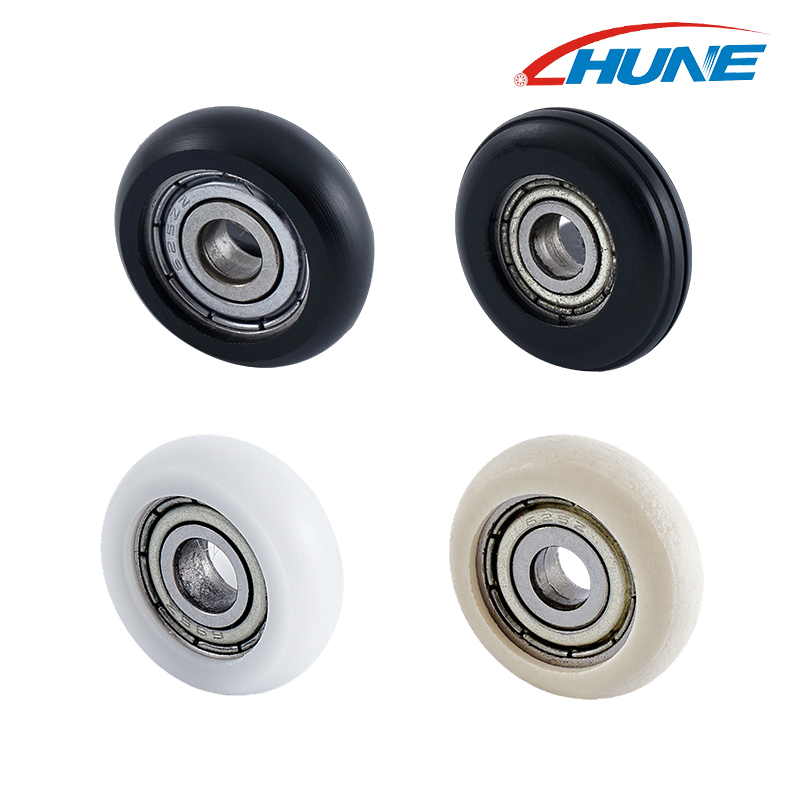
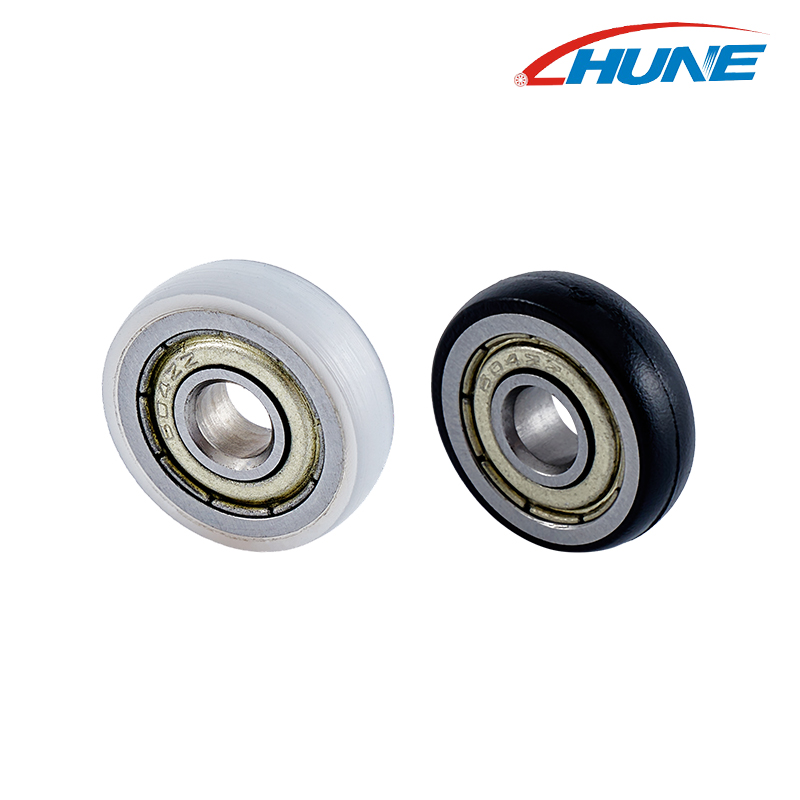
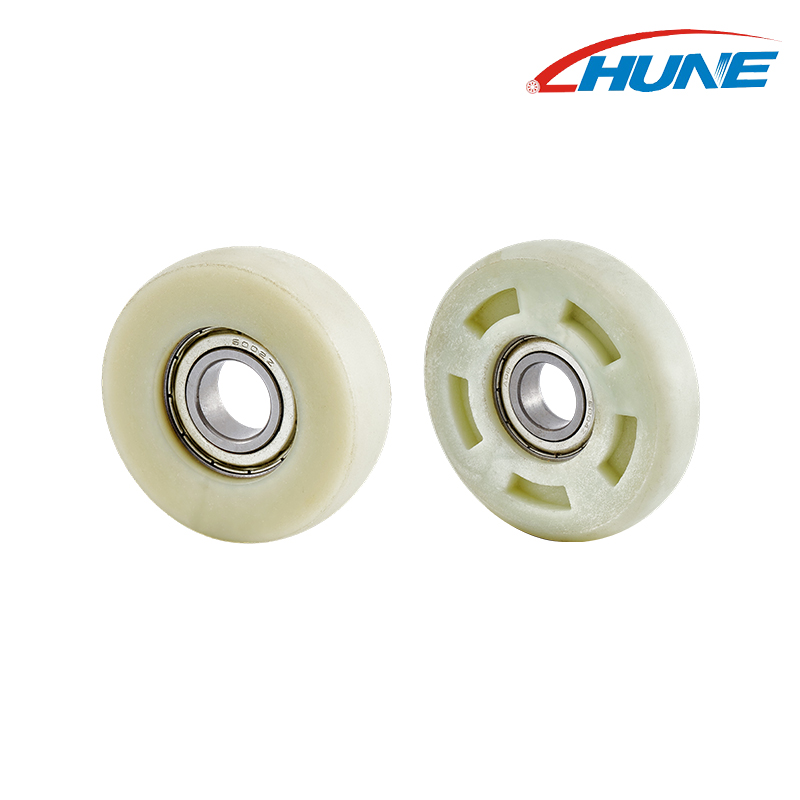
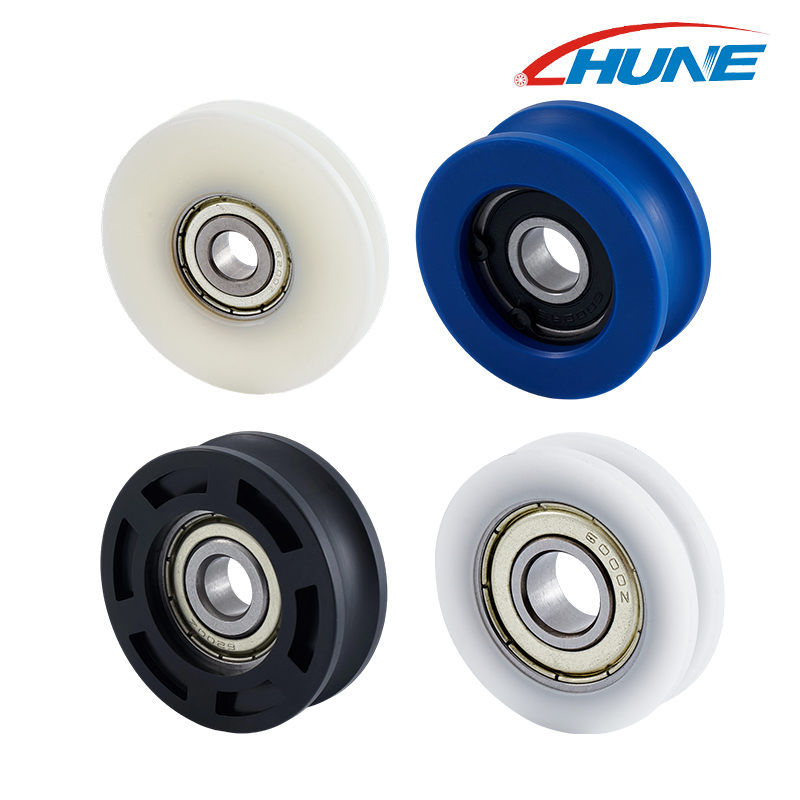
A better long-term approach is refreshingly practical: clean the track regularly, keep drainage paths clear so moisture doesn't linger, correct alignment as soon as the door starts rubbing, and replace tired rollers before they start grinding into the rail. When it's time to swap parts, choosing a dependable roller assembly matters. Hune sliding door rollers are built for consistent glide and stable support, making them a solid option for homeowners and installers who want the door to move smoothly—and keep the track in good shape—season after season.