

 English
 Español
 日本語
日本語A sliding glass door should feel steady, quiet, and almost effortless—like it's floating on the track. When it starts dragging, squealing, or wobbling, the rollers are often the real culprit. Cleaning and adjusting can help, but worn or seized rollers don't "come back" with lubricant. The trick is knowing when a simple tune-up is enough and when replacement is the smarter fix.
Below is a practical guide to spot failing rollers, confirm the diagnosis, and choose replacement rollers that actually fit—so you don't end up buying the "almost right" part twice.
Signs You Need New Sliding Glass Door Rollers
Most roller problems show up in feel and sound before you can even see the hardware. If you recognize any of the symptoms below, you're on the right trail.
- 1) The door still drags after you clean the track
- If you vacuum and scrub the track, wipe it dry, and the door still feels heavy, rollers may be:
- Flat-spotted (a worn "flat" area that thumps as it rolls)
- Seized from rust or grit in the bearing
- Worn down so the door frame starts riding the track
- If you vacuum and scrub the track, wipe it dry, and the door still feels heavy, rollers may be:
- 2) Grinding, squealing, or crunchy noises when sliding
- Healthy rollers are quiet. Bad rollers sound like:
- Metal-on-metal squeal (often a stuck wheel or damaged housing)
- Gritty crunching (debris embedded in a worn wheel)
- Repeating click-thump (classic flat spot)
- Healthy rollers are quiet. Bad rollers sound like:
- 3) You have to lift the handle to make it move
- If lifting the handle helps the door slide, the door weight isn't being carried correctly by the rollers. Common causes:
- Roller height adjustments are maxed out
- The wheel/axle is worn so the door sags
- The roller bracket has play (wobble) and won't hold alignment
- If lifting the handle helps the door slide, the door weight isn't being carried correctly by the rollers. Common causes:
- 4) Uneven gaps, rubbing, or the latch won't line up
- A door that rubs one side of the frame or won't latch cleanly may need adjustment—but if it won't stay adjusted, worn rollers are likely:
- One roller collapsing under load
- Uneven wheel wear changing the door height side-to-side
- A door that rubs one side of the frame or won't latch cleanly may need adjustment—but if it won't stay adjusted, worn rollers are likely:
- 5) The door wobbles, derails, or pops off the track
- This is both annoying and a safety issue. It often happens when rollers are:
- Worn enough that the door sits too low
- Loose in the housing so the wheel doesn't track straight
- Combined with a damaged or bent track lip
- This is both annoying and a safety issue. It often happens when rollers are:
A Quick Test: Tune-Up vs. Replacement 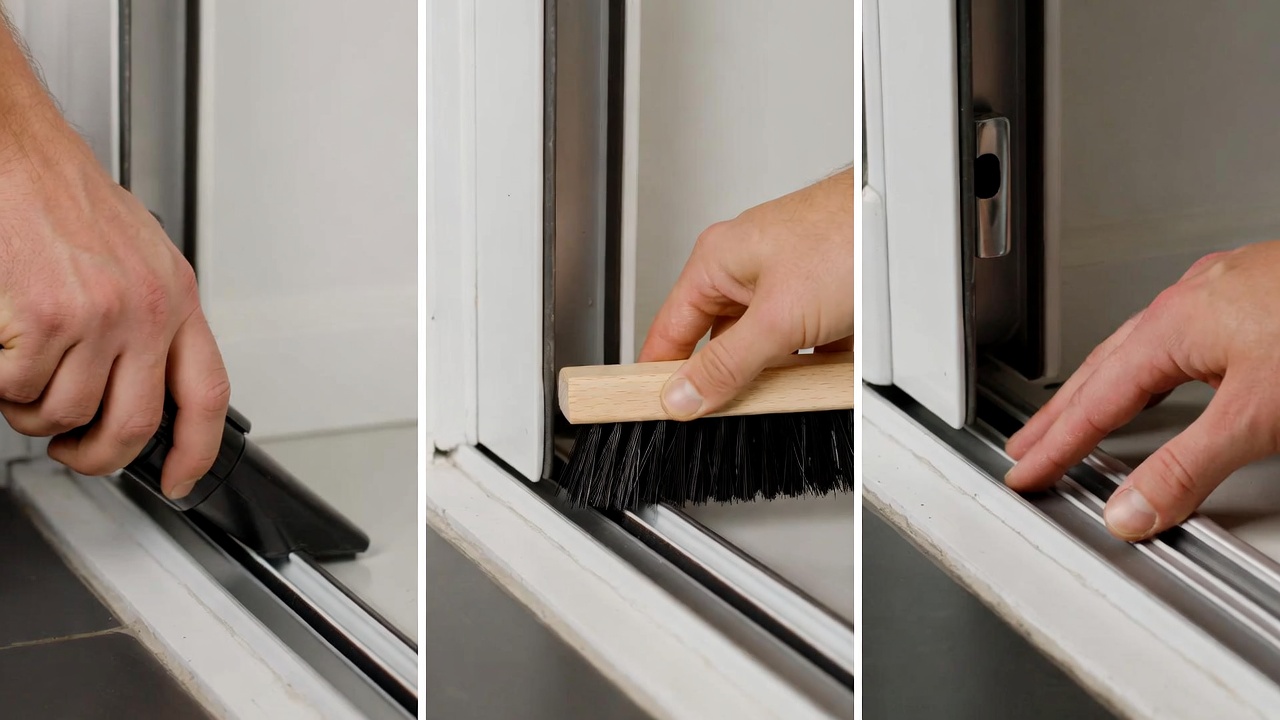
This fast check helps you decide whether you can stop at cleaning/adjusting or you're headed for new rollers.
- Clean the track thoroughly (vacuum + brush + wipe dry).
- Slide the door slowly and listen.
- Lightly lift the handle while sliding.
What it means:
- Huge improvement after cleaning: you likely had debris + minor misadjustment.
- Only slight improvement, still noisy/heavy: rollers are probably worn or seized.
- Lifting the handle changes everything: the door is sagging—rollers are failing or out of adjustment (and often near the end of their life).
What Pros Look For When Inspecting Rollers
If you remove the door (or access the roller area), these are the dead giveaways.
Visible roller failure checklist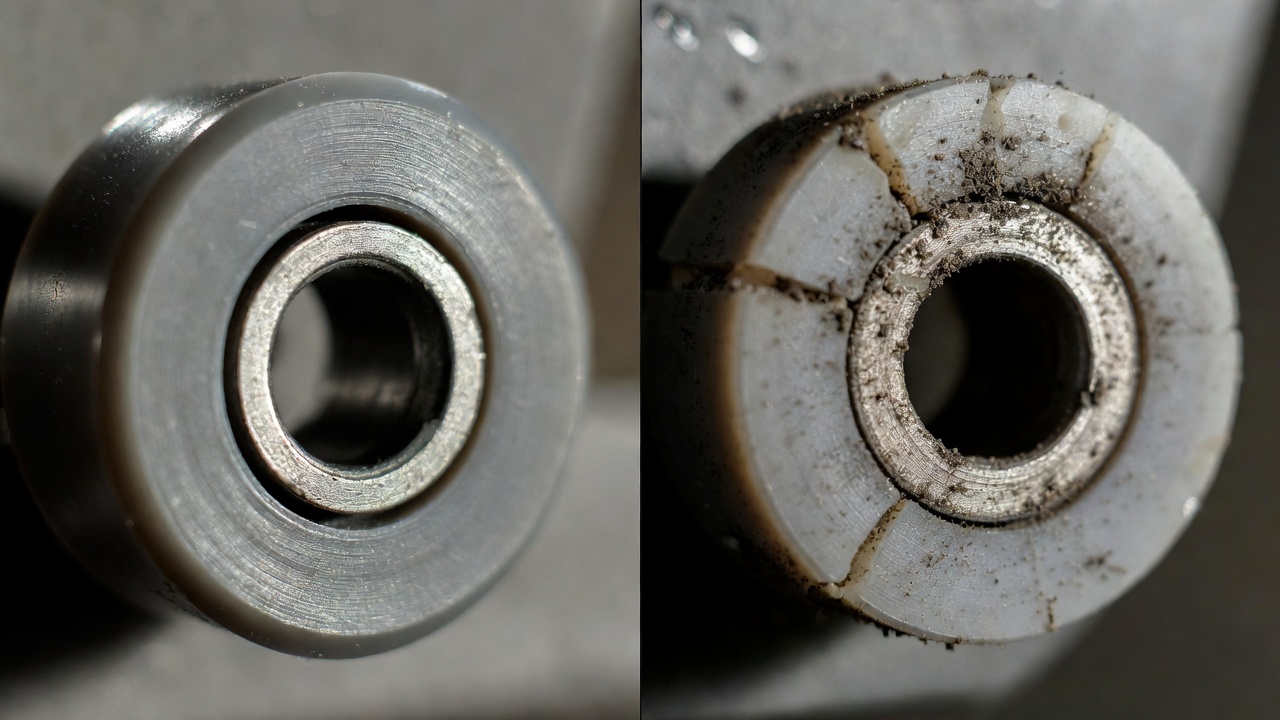
- Cracks, chips, or missing chunks on the wheel
- A wheel that won't spin freely or stops abruptly
- Side-to-side wobble at the axle
- Flat spot (wheel looks slightly 'squared' in one area)
- Rust staining or corrosion at the roller housing
How to Pick the Right Sliding Glass Door Rollers
Buying the correct replacement is less about brand names and more about matching dimensions, style, and load. Here's how to choose confidently.
- 1) Identify the roller style (single vs. tandem)
- Single roller: one wheel per corner; common on lighter doors
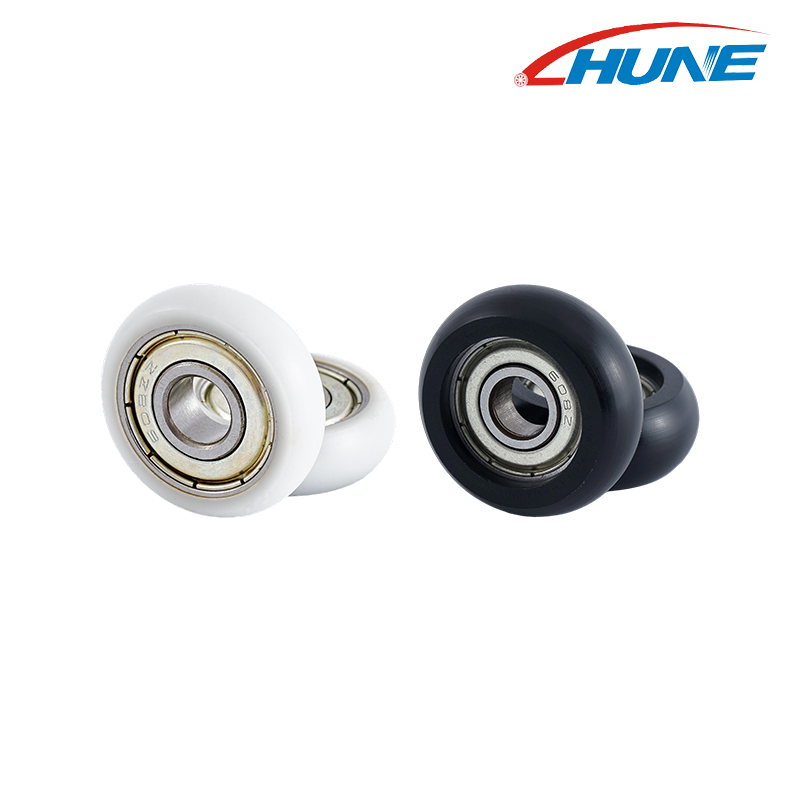
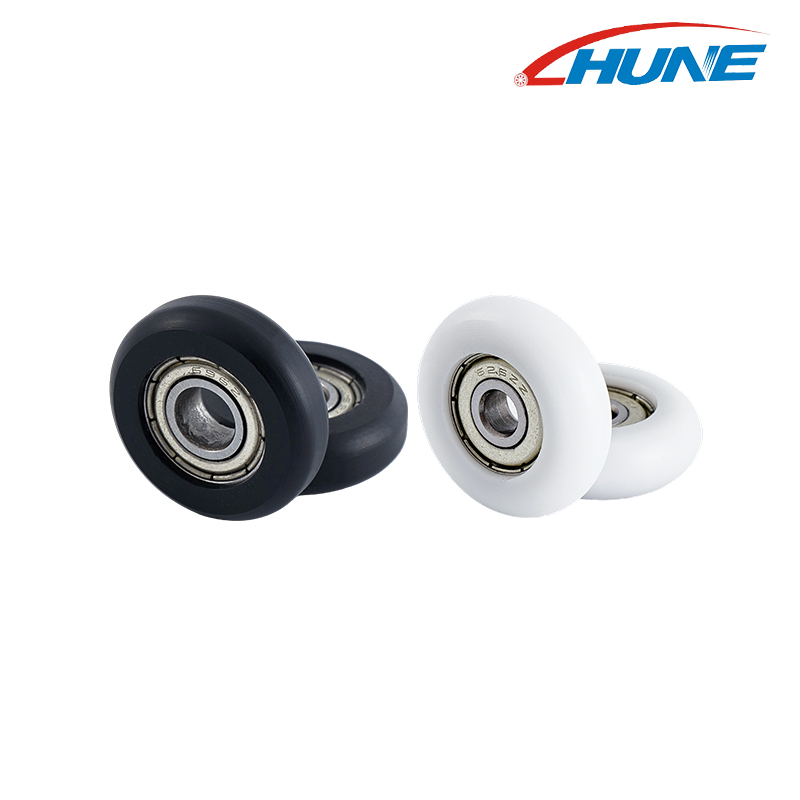
- Tandem rollers: two wheels in one housing; common on heavier glass doors and smoother under load
- Rule of thumb: If your door is large/heavy and you want the smoothest glide, tandem assemblies are often worth it—as long as they match the original.
- 2) Match the housing shape and adjustment screw location
- Roller assemblies vary in:
- Mounting shape (straight vs. offset)
- Screw placement (front/side)
- Height range (how far the wheel can be adjusted)
- If the housing doesn't match, you may not be able to install it—or you'll lose adjustment range and the door won't sit correctly.
- 3) Measure what matters (don't guess)
- The most common mismatch is wheel size. Measure:
- Wheel diameter (e.g., 1", 1-1/4", 1-1/2")
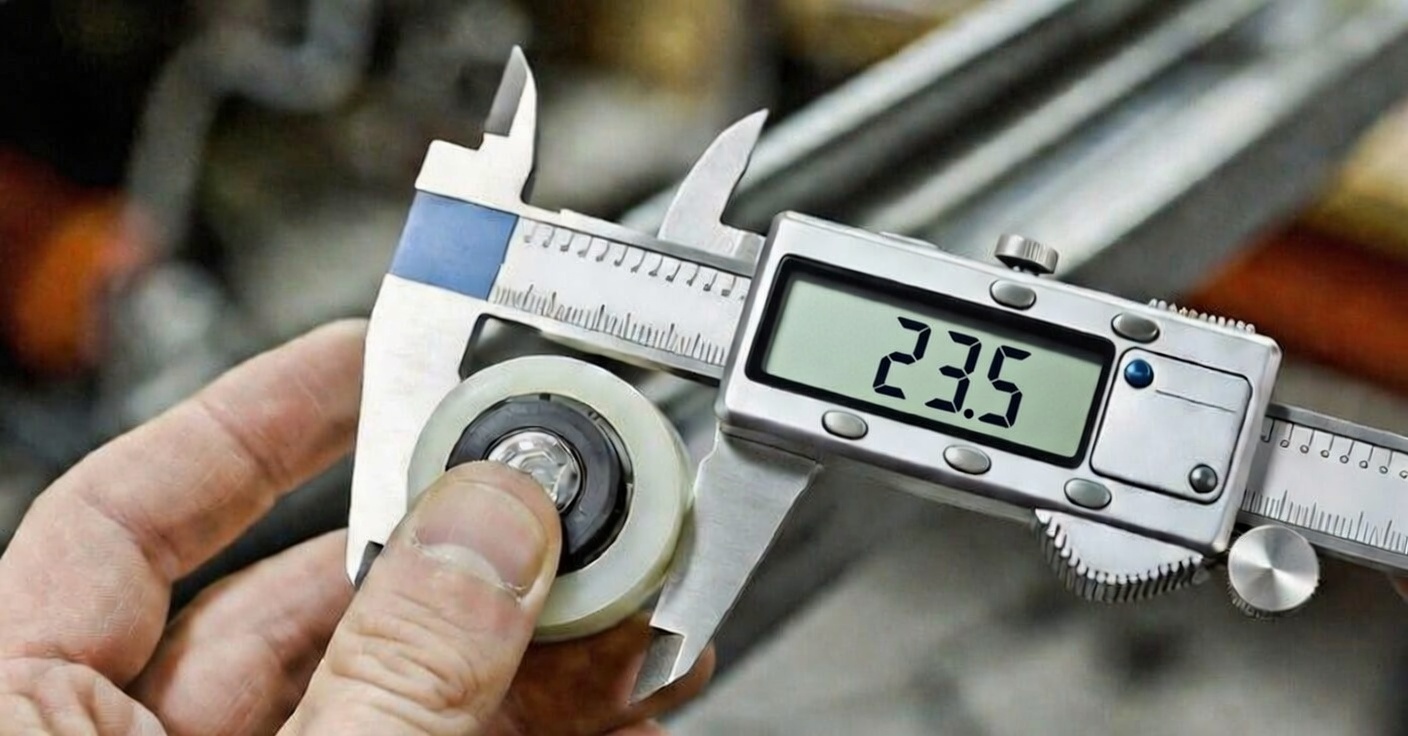
- Wheel thickness
- Housing width/length
- Mounting hole spacing
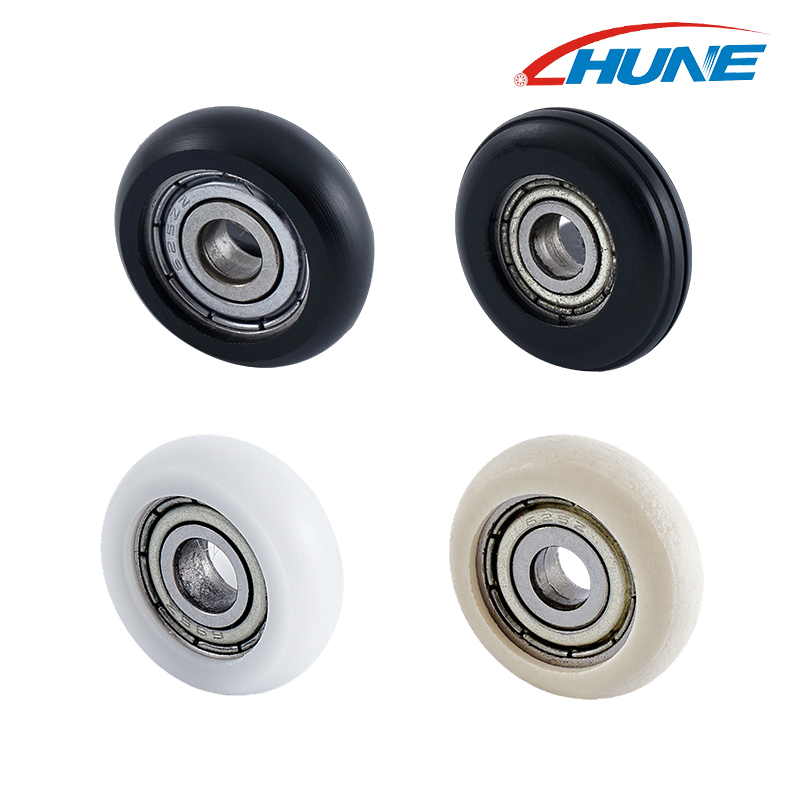
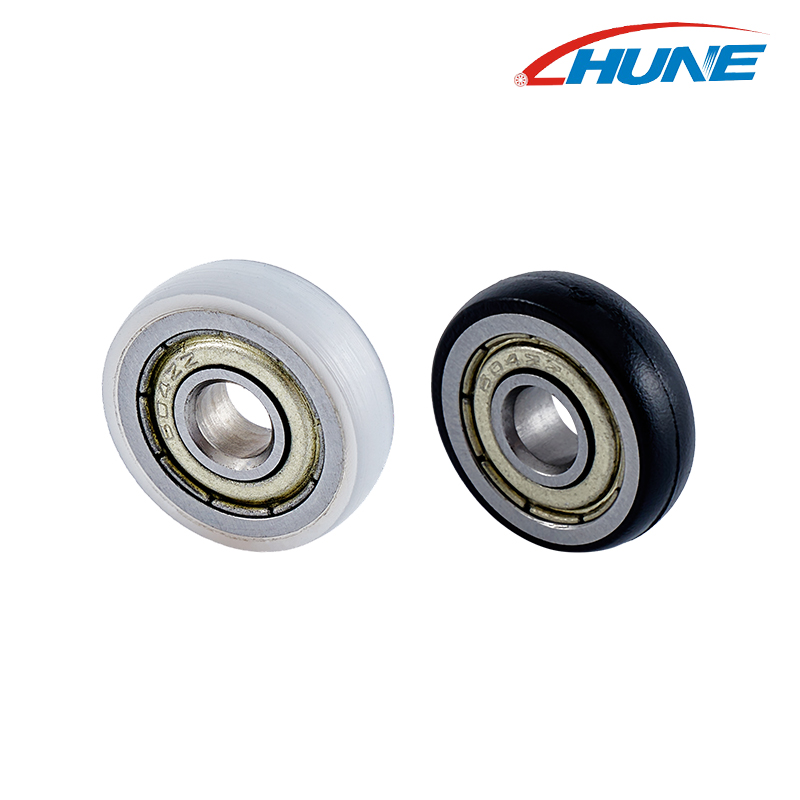
- Wheel material (nylon, steel, etc.)
- Wheel diameter (e.g., 1", 1-1/4", 1-1/2")
4) Choose the wheel material for your environment
- Nylon/plastic: quieter and smooth; great for many homes
- Steel: durable, can roll well on certain tracks, may be noisier; can rust in coastal/humid areas
- Stainless components (where available): better for salty air and corrosion resistance
If you live near the ocean or deal with wet winters, corrosion resistance matters more than people think.
5) Consider door weight and usage
A door used dozens of times a day (kids, pets, back patio traffic) benefits from:
- Higher-quality bearings
- Stronger housings
- Tandem rollers (if compatible)
Common Buying Mistakes (That Waste Time)
- Buying "universal" rollers without matching housing and screw orientation
- Matching wheel diameter but ignoring thickness and housing width
- Upgrading to steel wheels on a track that's already worn (can accelerate track wear)
Replacing only one side when both rollers are the same age (uneven performance)
When a sliding glass door still feels stubborn after you've cleaned the track, it's rarely "just tight." In many cases, the rollers are worn, flat-spotted, or beginning to seize—especially if the door has years of daily use behind it.
Noises and movement issues are your best clues. Grinding or squealing, needing to lift the handle to get it moving, a door that wobbles, or one that jumps the track are all strong indicators that you're past basic maintenance and into replacement territory.
When you shop for new rollers, fit matters more than brand names. You'll get the best results by matching the roller type (single vs. tandem), the housing profile, the adjustment screw location, and the exact wheel and housing measurements—then choosing a wheel material that makes sense for your climate. If you want a reliable starting point for compatible roller options and hardware, hunepulley.com is a helpful place to compare roller assemblies and narrow down what matches your door before you buy.