

 English
 Español
 日本語
日本語Why Is Your Sliding Door Hard to Slide?
When a sliding door starts resisting, it's rarely "just getting old." Something in the moving system is adding friction—most often the rollers, sometimes the track, and occasionally the frame alignment. The trick is noticing the pattern before the door starts grinding the rail or dropping out of latch position.
Common symptoms of worn sliding door rollers
Worn rollers usually show up as changes in feel and sound rather than obvious damage.
- The door takes noticeably more effort to move, even after a quick track wipe
- You hear grinding, scraping, or a gritty rumble from the bottom edge
- The panel moves with small jolts or skips, especially under load
- The door begins to sit low and the lock or latch needs extra force to catch
How roller issues differ from track or frame problems
These three problems can feel similar, but they behave differently.
- Roller-related drag tends to come and go along the travel. The door may feel smoother in one area and rough in another, and the noise often seems to live inside the lower frame.
- Track problems are more location-specific. If the door sticks at the same spot every time, suspect a dent, groove, packed debris, or a worn section of rail.
- Frame or alignment issues show up as rubbing at corners, inconsistent gaps, or a latch that won't line up even after adjustment. If the door keeps falling out of tune, the opening or panel alignment may be the underlying cause.
What Causes Sliding Door Rollers to Wear Out?
Rollers wear out the same way most moving parts do: contamination increases friction, friction accelerates wear, and wear changes alignment—creating a cycle that gets louder and harder to ignore.
- Dirt and debris in the track: sand and grit act like abrasives, dulling wheels and scuffing the rail surface.
- Wheel material aging: polymer wheels can flatten or crack under constant weight; metal wheels can stay strong but still suffer if the bearing inside degrades.
- Misalignment and uneven load: if one roller carries more of the door's weight, it wears faster, the panel sags, and sliding effort climbs quickly.
- Humidity and coastal corrosion: moisture and salt air can roughen bearings, seize hardware, and turn a smooth glide into a stubborn grind—sometimes with very little visible rust at first.
Sliding Door Roller Inspection Checklist: What to Check
A quick roller inspection can tell you whether your sliding door needs a simple clean-and-adjust—or whether worn hardware is starting to damage the track. Use the checklist below as a practical, homeowner-friendly routine. It takes about 10 minutes and can prevent bigger repairs later.
- 1) Check Door Alignment
- Start by looking at the door panel in the frame. A properly aligned sliding door should sit square, with even gaps and a latch that meets the strike cleanly.
- Look for uneven spacing along the jamb or head.
- Check whether the door rubs at the top corner or drags at the bottom.
- If the lock suddenly feels "off," alignment is often the reason.
- 2) Inspect the Roller Wheels
- Roller wheels carry the weight of the panel, so visible wear matters.
- Check for cracks, chips, or flat spots on the wheel edge.
- Watch for wobble (a wheel that doesn't track straight can signal bearing or axle wear).
- On metal wheels, note any signs of deformation or fatigue, especially if the door is heavy.
- 3) Examine the Track Condition
- Even good rollers can't glide on a damaged rail. Track issues also tend to "telegraph" themselves in repeatable sticking points.
- Remove loose debris and inspect for dents, gouges, or deep grooves.
- Look for packed grit in corners where the roller passes.
- If the door sticks in the exact same spot every time, suspect track damage or buildup there.
- 4) Test the Roller Adjustment Screws
- Adjustment screws should turn smoothly and hold position. If they're seized, stripped, or drifting, the door won't stay properly set.
- Turn screws in small increments and confirm the panel height changes evenly.
- Check that the setting doesn't slip after a few open/close cycles.
- Corrosion around the screw head is a common sign of moisture exposure.
- 5) Listen for Grinding or Clicking Sounds
- Noise is often the earliest warning—especially when bearings begin to fail.
- Grinding usually points to debris in the track or rough bearings.
- Clicking can indicate a cracked wheel, a flat spot, or internal play in the roller assembly.
- If noise persists after cleaning, roller wear is a strong suspect.
|
Check Item |
What to Look For |
What It Usually Means |
Quick Action |
|
1) Door Alignment |
Uneven gaps, rubbing at corners, latch doesn’t line up |
Door is out of square; rollers may be unevenly loaded |
Adjust roller height gradually; confirm latch alignment |
|
2) Roller Wheels |
Cracks, flat spots, wobble, deformation/metal fatigue |
Wheel or bearing wear; roller near failure |
Replace rollers if damage is visible or motion stays rough |
|
3) Track Condition |
Dents, gouges, deep grooves, packed debris |
Track damage or debris is creating friction |
Vacuum + wipe clean; repair/replace track if deeply scored |
|
4) Adjustment Screws |
Hard to turn, seized, stripped, won’t hold position |
Corrosion, worn threads, unstable adjustment |
Clean/lightly treat; replace roller assembly if screws won’t hold |
|
5) Noise Check |
Grinding, clicking, repeated scraping |
Debris in track or internal bearing/wheel damage |
Clean first; if noise remains, roller replacement is likely |
Clean the track first, then re-test—if the door still drags or the latch won't align, worn rollers are the most common root cause.
When Should You Inspect Sliding Door Rollers?
Sliding door rollers don't usually fail overnight—they wear gradually. A quick inspection at the right time can prevent track damage, reduce noise, and keep the door aligned so it locks properly. Here are the moments when a roller check delivers the most value.
Seasonal home maintenance schedule
Treat roller inspection like other routine home care. For most homes, twice a year is enough—typically spring and fall.
- Spring checks catch grit from winter storms and everyday traffic.
- Fall checks help you address moisture exposure and alignment changes before colder, wetter months.
If you live in a coastal, humid, or dusty area, inspecting quarterly is a smart upgrade because corrosion and abrasive debris accelerate wear.
After noticeable sliding resistance
If the door suddenly feels heavier, starts dragging, or makes new scraping sounds, don't wait. Increased resistance often means the rollers are no longer rolling smoothly, and the door can begin grinding into the track, which turns a small hardware swap into a bigger repair.
A good rule: if cleaning the track doesn't restore normal glide, schedule a roller inspection next.
Before replacing the entire door system
Many homeowners consider replacing the whole sliding door when it becomes noisy or difficult to move. Before you commit to a full replacement, inspect the rollers, track, and adjustments. In many cases, the door frame and glass are fine—the door just needs new roller assemblies and proper alignment.
Signs It's Time to Replace the Rollers
Inspection is helpful, but these red flags usually mean replacement is the practical next step.
Persistent sticking after cleaning
If you've removed debris, cleaned the track thoroughly, and the door still sticks or feels "crunchy," the bearing or wheel surface may be worn. Continued use can damage the rail and make the door harder to align.
Visible damage to wheels
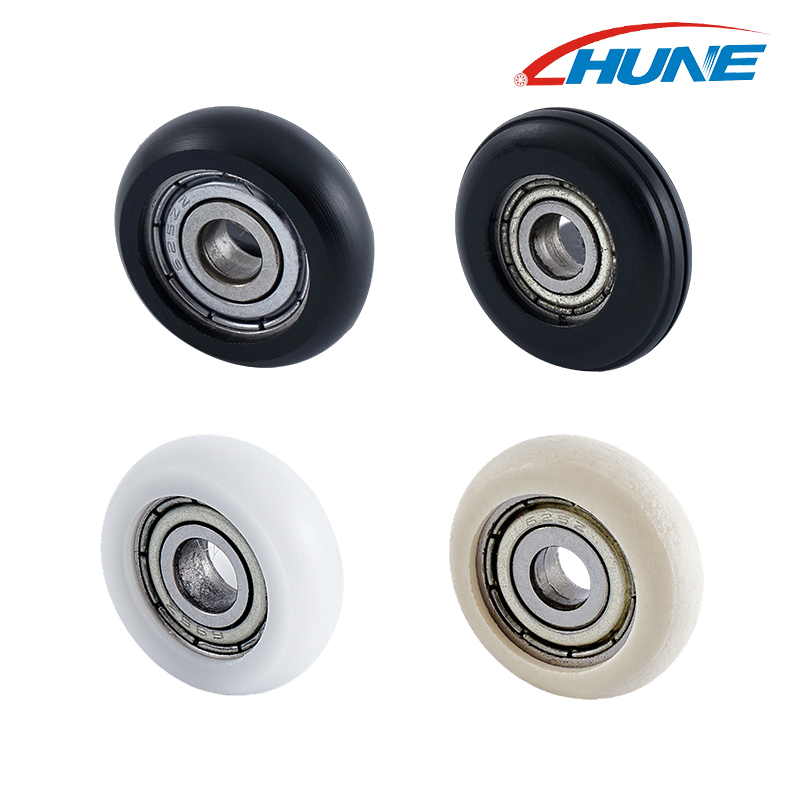
Rollers should be round, stable, and smooth.
- Cracks or missing chunks
- Flat spots (often felt as a repeating bump)
- Wobble or uneven rolling
- Rust or corrosion around the wheel/bearing area
Any of these typically justifies replacement rather than "adjusting around" the problem.
Door drops or drags on one side
A door that sits low on one corner, drags along the track, or won't stay aligned often indicates one roller is collapsing or carrying uneven load. Replacing rollers early helps protect the track and restores proper latch alignment.
DIY Inspection vs. Professional Assessment
A basic sliding door roller inspection is something many homeowners can handle safely—especially when the goal is to confirm obvious wear, clean the track, and check alignment. The key is knowing when the issue is still "maintenance-level" versus when it points to track damage, frame movement, or heavy-panel safety risks.
When a homeowner inspection is sufficient
A DIY check is typically enough when the door is manageable in weight, the symptoms are mild, and you can identify clear causes like debris buildup or minor height adjustment drift.
- The door is just starting to feel stiff, but still moves without forcing it
- Track cleaning noticeably improves glide
- You can see simple issues: dirt, pet hair, small pebbles, loose screws
- The door remains square in the frame and the latch alignment is only slightly off
- No deep grooves, dents, or bent areas in the track
When to call a technician
A professional assessment is the smarter move when there's risk of injury, glass damage, or the problem suggests a bigger underlying issue than rollers alone.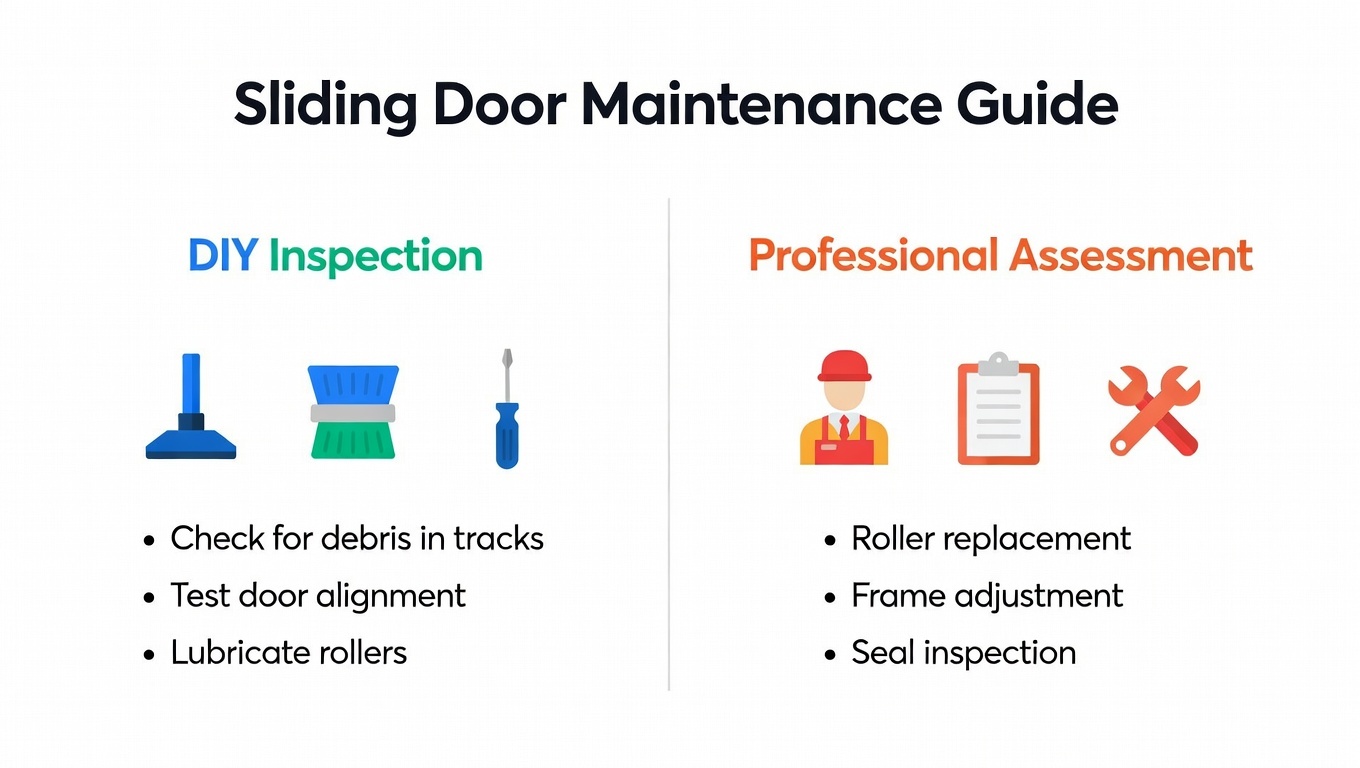
- The panel is large/heavy (big glass sliders, multi-panel systems)
- The door drags hard, drops on one side, or won't stay adjusted
- You hear persistent grinding/clicking even after thorough cleaning
- The track shows deep gouges, dents, separation, or deformation
- The frame appears out of square (rubbing at corners, shifting gaps, seasonal binding)
- Signs of water intrusion or corrosion keep returning
Keeping Your Sliding Door Operating Smoothly Year-Round
Smooth sliding doors aren't luck—they"re the result of low friction, clean rolling surfaces, and stable alignment. A few small habits make rollers last longer and keep the track from turning into a wear-and-tear battlefield.
Preventive cleaning tips
- Vacuum first, wipe second: remove grit before it gets pushed into corners.
- Use a stiff nylon brush for packed debris in the track channel.
- Wipe with a damp cloth, then dry—especially in humid areas.
- Avoid heavy, oily products on the track; they can trap dirt and create paste-like buildup.
Simple maintenance habits
- Open and close the door slowly a few times after cleaning to confirm smooth travel.
- Check latch alignment occasionally—misalignment is often an early warning.
- Keep weep holes and drainage paths clear so moisture doesn't sit around the roller area.
- If the door starts sticking again quickly, inspect the wheels—don't keep forcing it.
Avoiding premature roller failure
- Don't let a dragging door "wear itself in." That usually means it's wearing the track down.
- Replace rollers in pairs when possible so load stays balanced.
- Address alignment early—uneven weight is one of the fastest ways to kill a roller.
- In coastal or high-humidity zones, inspect more often and watch for corrosion at the adjustment screws and wheel hubs.
Keeping an eye on your sliding door rollers is a small habit that can save you from big headaches later. Regular checks help you catch the usual culprits early—grit packed in the track, wheels starting to flatten or crack, or a panel that's drifting out of level. Addressing those signs sooner keeps the door moving smoothly and reduces the chance of track wear, latch misalignment, or costly hardware damage.
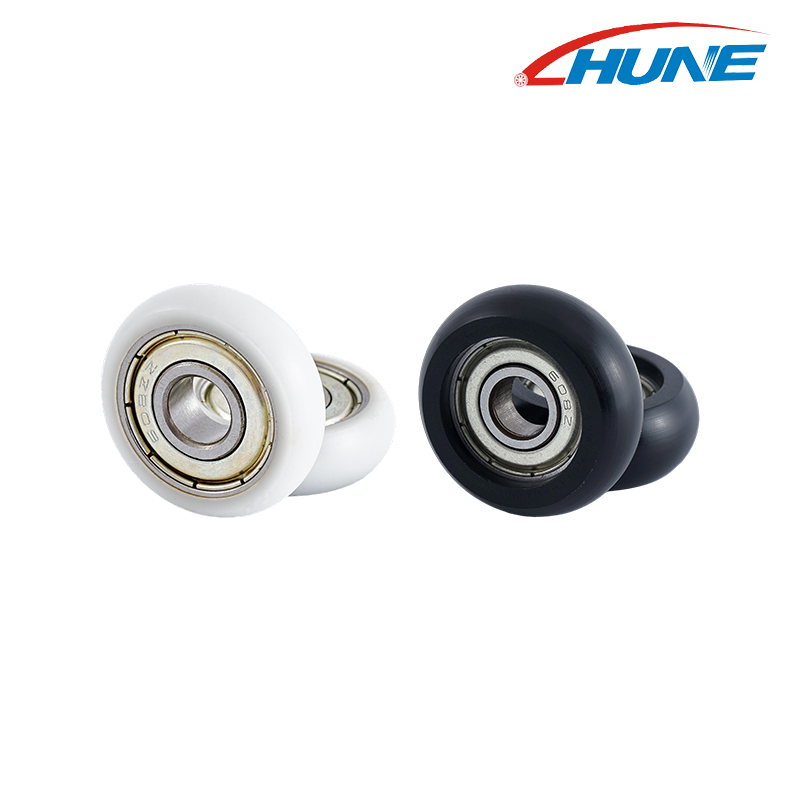
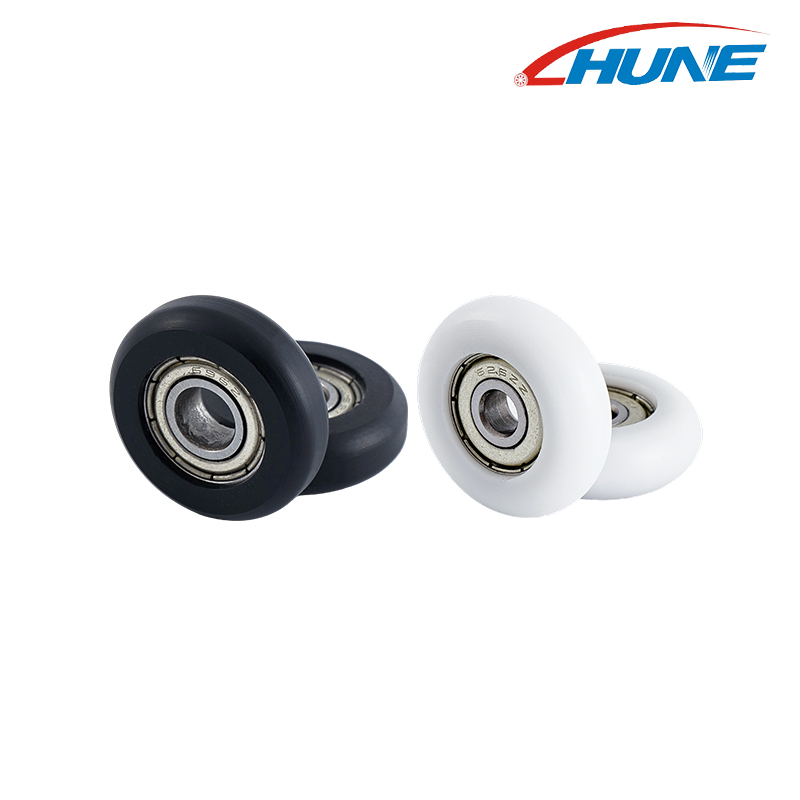
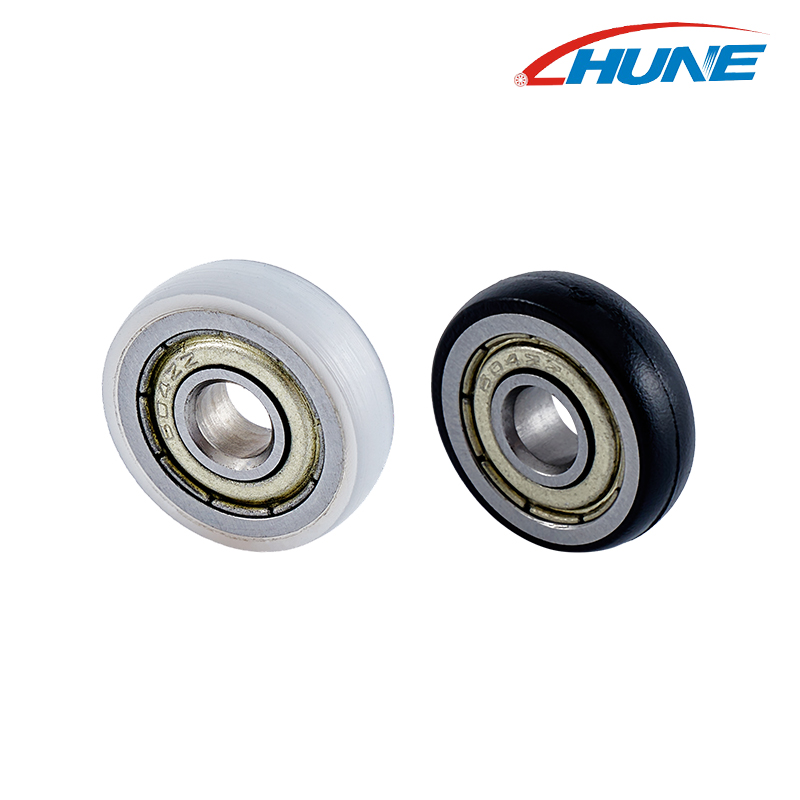
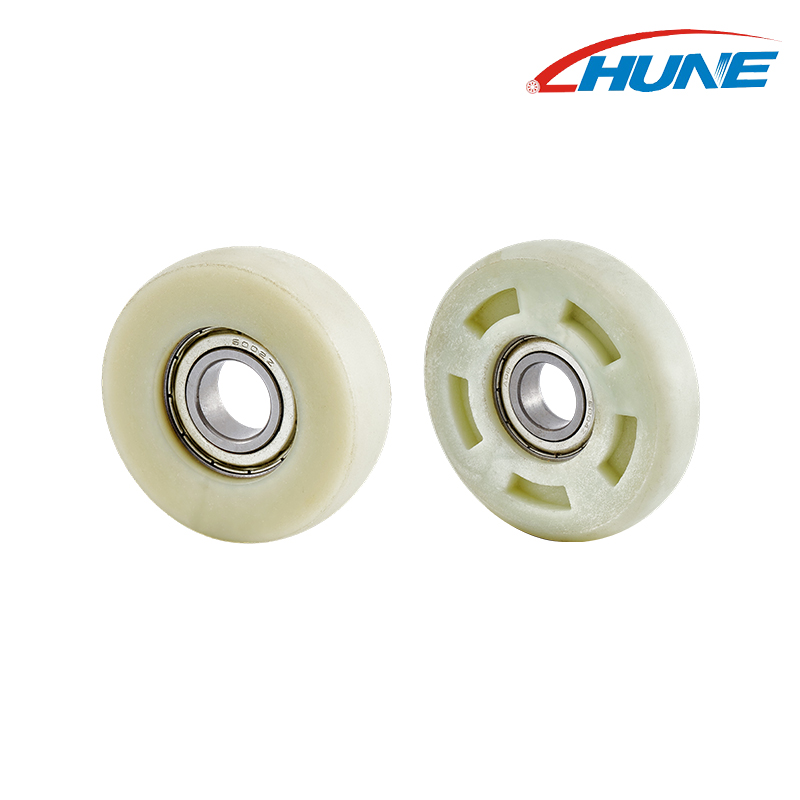
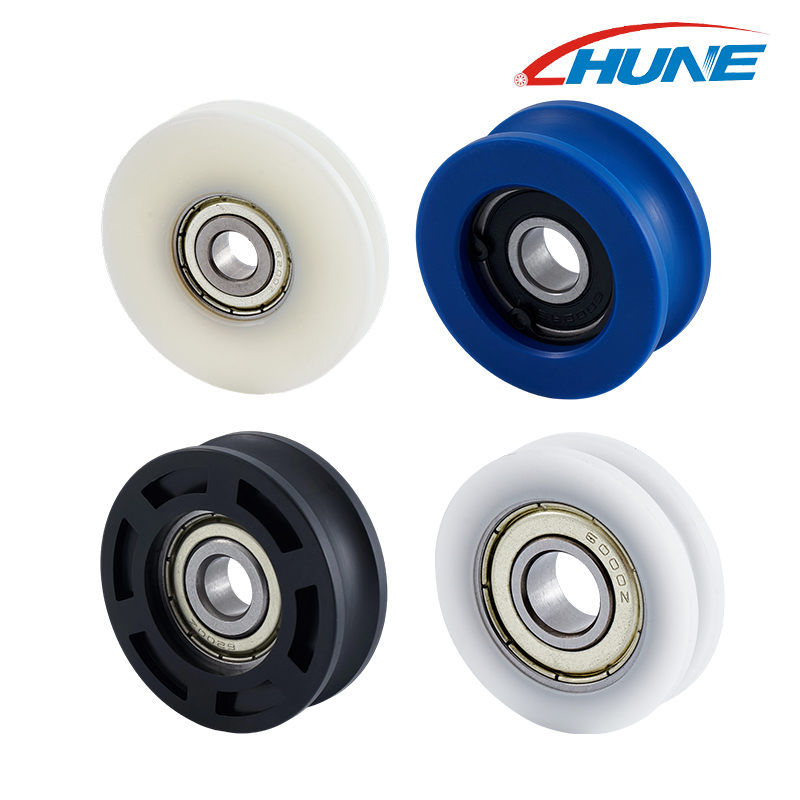
When it's time to replace parts, quality matters—especially on heavier patio doors where roller and bearing strength directly affect performance. Hune is a professional sliding door roller factory, producing durable roller systems for standard and heavy-duty applications. Taking a proactive approach extends the service life of the door and makes everyday use feel effortless, quiet, and secure.