

 English
 Español
 日本語
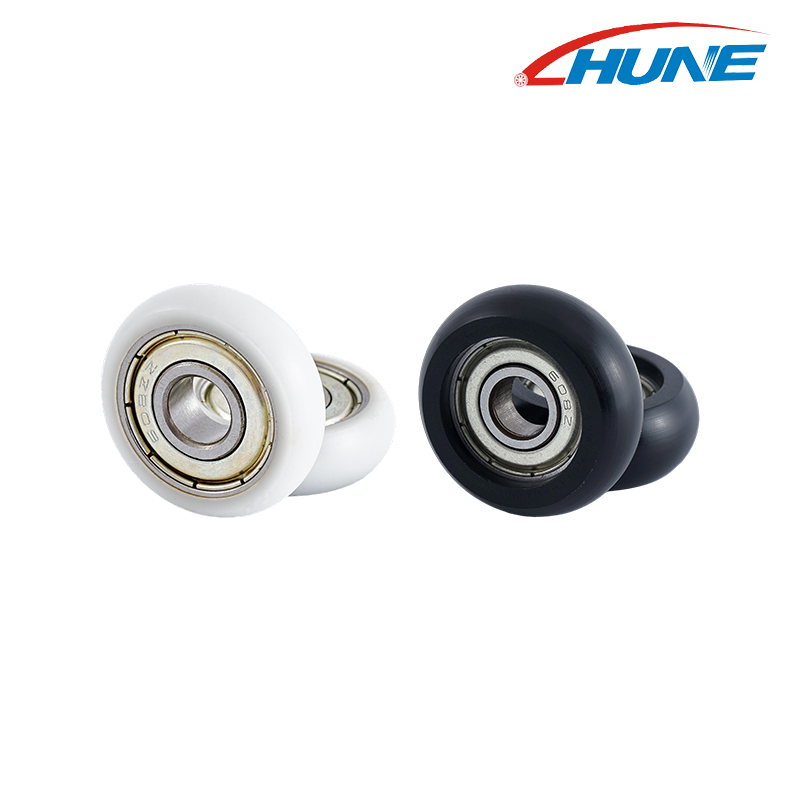
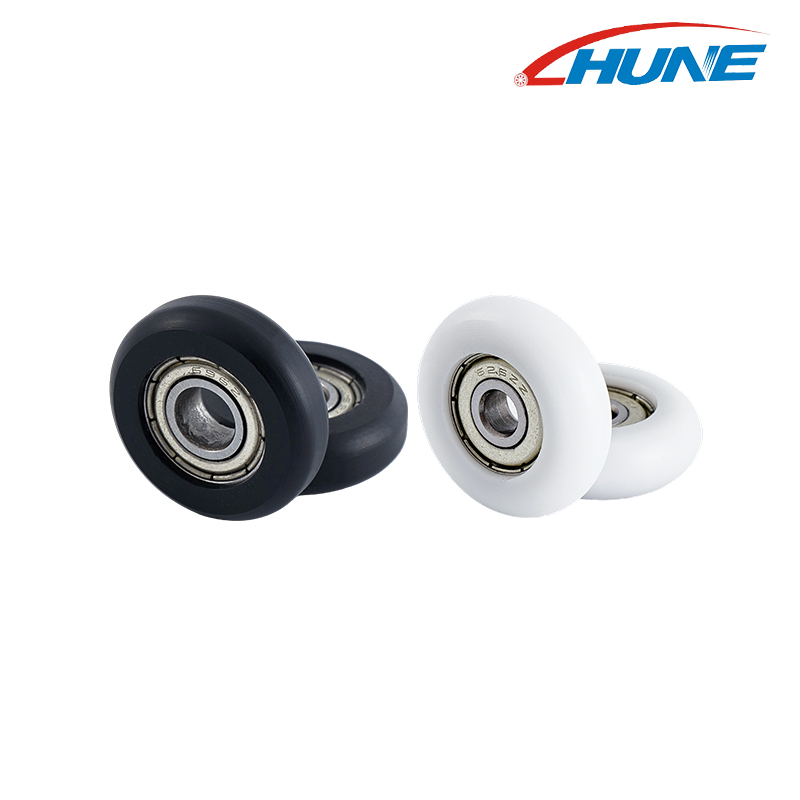
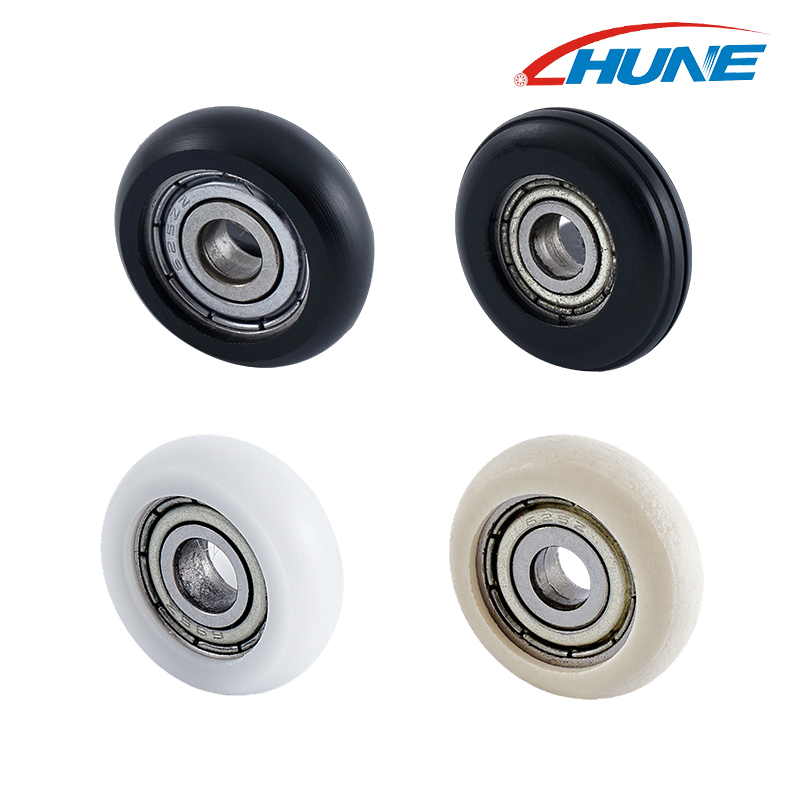
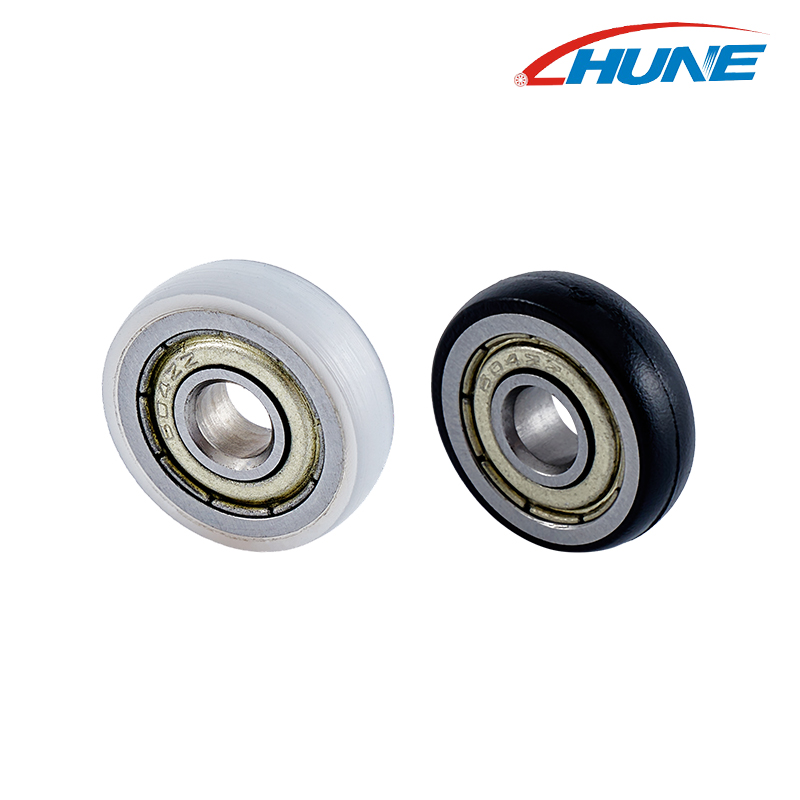
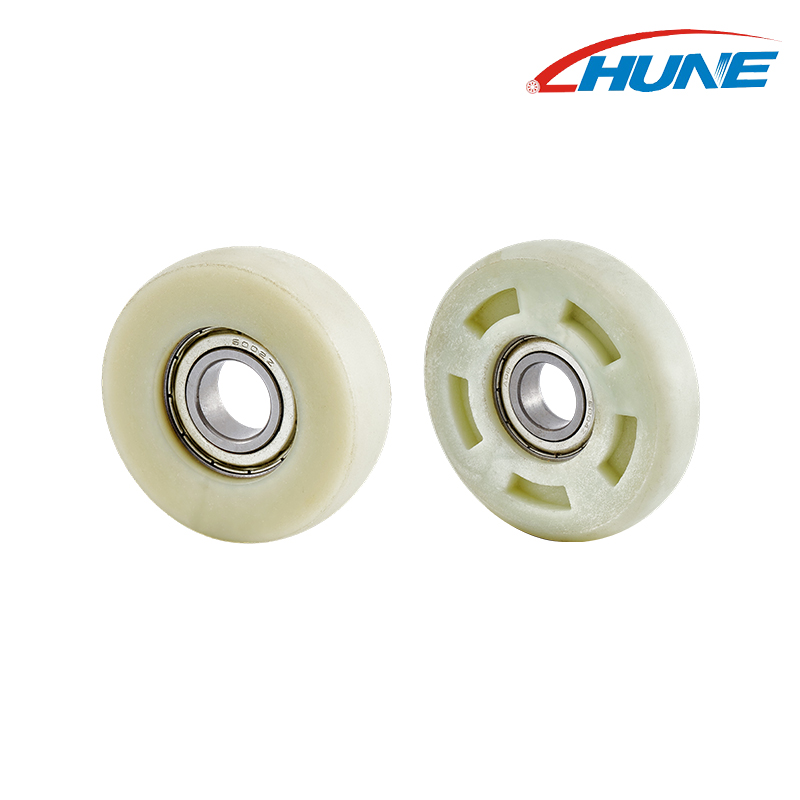
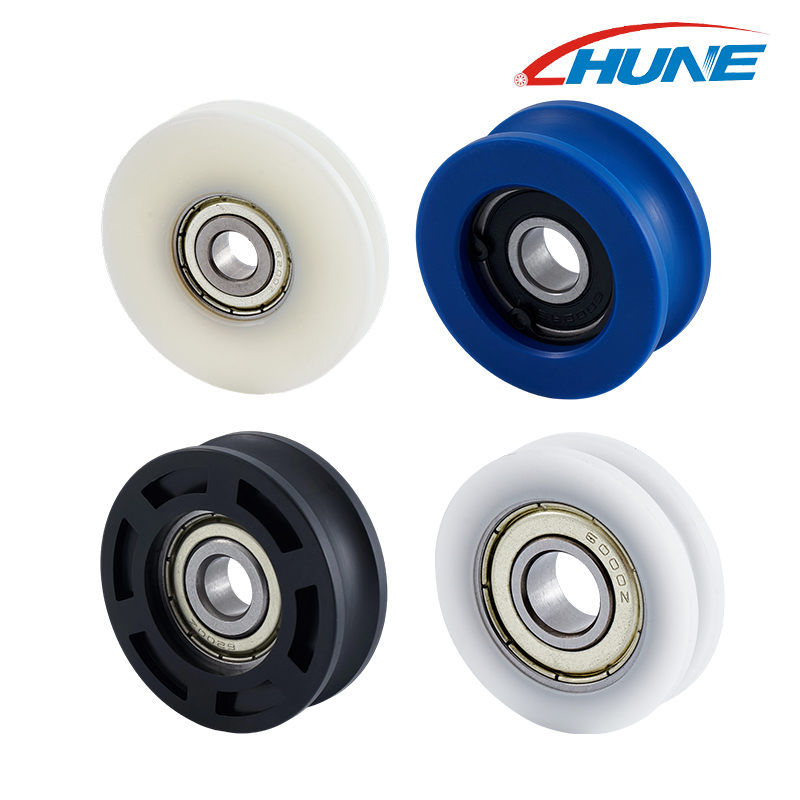
日本語Sliding door systems are used in many building types today, from office interiors and retail spaces to residential rooms and industrial access points. Although the door panel is usually what people notice first, the real performance depends heavily on a hidden component: the Sliding Door Carriage and Roller.
This part carries the load, guides movement, and directly affects how the door feels during everyday use. When selecting components for a project, many users focus only on appearance or general compatibility, but overlook details that influence long term behavior.
In real applications, small differences in hardware selection can lead to noticeable changes in smoothness, noise level, and stability over time. That is why understanding what to check before purchasing is not just a technical step, but also a practical decision that affects daily experience.
Why hardware selection changes long term performance more than expected
A sliding door may look simple, but its movement depends on continuous interaction between track and rolling components. Even when two systems look similar externally, their internal behavior can feel different after installation.
In many real cases, users notice changes only after some time:
- The door feels slightly heavier
- Movement becomes less consistent
- Small sounds appear during operation
- Alignment feels slightly off
These changes are rarely caused by one factor alone. Instead, they are usually the result of how components interact over time.
This is why selection at the beginning stage plays a role that is often underestimated.
What makes Sliding Door Carriage and Roller so important in a system
Before going into selection details, it helps to understand why this part matters so much.
The Sliding Door Carriage and Roller is responsible for:
- Supporting door weight during movement
- Guiding travel along the rail
- Reducing friction between moving surfaces
- Maintaining alignment stability
- Ensuring controlled motion in daily use
Unlike decorative components, this part is constantly under load. Every opening and closing cycle involves contact, rotation, and structural pressure.
Because of this continuous usage, even small differences in design or material behavior can influence long term performance.
What should be checked before buying Sliding Door Carriage and Roller
Instead of focusing only on appearance or general description, it is more useful to evaluate several practical factors that reflect real usage conditions.
1. Understanding the actual application environment
One of the first things to consider is where the system will be used.
Different environments create different demands:
- Indoor residential spaces
- Commercial office areas
- Public access zones
- Industrial or storage environments
Each setting has its own usage frequency and exposure conditions.
For example, a low traffic room may not place the same stress on components as a frequently used passage in a commercial building. Similarly, dust levels or humidity can vary significantly between locations.
Thinking about the environment first helps narrow down suitable options more effectively.
2. Matching with door structure and weight distribution
Another important factor is how the door itself is built.
A sliding system does not operate independently. It works together with the door panel, frame, and support structure.
Points to consider:
- Door material type
- Overall structural balance
- Load distribution points
- Frame rigidity
If the load is not distributed evenly, the carriage system may experience uneven stress during movement. Over time, this can influence smoothness and alignment.
This is why compatibility between hardware and door design is often discussed in engineering planning.
3. Track compatibility and system alignment
Even a well-designed roller system will not perform properly if the track is not compatible.
Before purchasing, it is useful to confirm:
- Rail profile matching
- Contact surface consistency
- Installation method compatibility
- Movement path stability
In real projects, misalignment between track and roller system is one of the common reasons for early performance changes.
It is not always visible at the beginning stage, but becomes noticeable after repeated use.
4. Material behavior in long term usage
Material selection plays a quiet but important role in performance stability.
Instead of focusing on specifications alone, it is more practical to think about how materials behave over time.
Consider:
- Wear resistance during repeated movement
- Surface interaction with rail system
- Reaction to environmental conditions
- Stability under continuous load
Different materials respond differently depending on usage intensity and environment. This is why similar-looking products may behave differently after installation.
5. Movement consistency during real operation
One useful way to evaluate quality is to think about how the system feels during motion.
In practical use, smooth movement is not only about low resistance. It is also about consistency.
A stable system usually feels:
- Even throughout the entire sliding path
- Controlled when starting and stopping
- Stable without sudden resistance changes
If movement feels inconsistent, it often indicates that something in the system balance is not fully aligned.
6. Noise behavior during operation
Noise is often overlooked during selection, but it is one of the early indicators of system behavior.
In real usage environments, noise can come from:
- Contact surface friction changes
- Dust accumulation in rail areas
- Loose connection points
- Uneven rolling movement
While slight sound variation may be normal in some environments, consistent noise changes during early use can indicate that system interaction needs attention.
7. Installation flexibility and adjustment range
Not all installation environments are the same. Some allow precise alignment, while others require adjustment flexibility.
Before selecting components, it helps to understand:
- Whether alignment adjustments are possible after installation
- How easily components can be repositioned
- Whether system setup requires strict positioning
- If there is tolerance for minor structural variation
In real projects, installation flexibility often influences long term performance more than initial appearance.
8. Maintenance accessibility in daily use
Sliding systems are usually not maintenance-heavy, but they still require occasional inspection.
It is useful to consider:
- Whether track cleaning is easy
- If roller inspection can be done without disassembly
- Whether adjustment points are accessible
- How often basic maintenance is expected
Systems that are easier to maintain tend to remain stable for longer periods in real environments.
Comparison perspective: what users often notice after installation
| Selection Factor | Early Stage Experience | Long Term Behavior |
|---|---|---|
| Environmental match | Stable movement | Consistent performance |
| Poor compatibility | Acceptable at start | Gradual resistance change |
| Weak alignment fit | Slight uneven feel | Noticeable drift |
| Low maintenance access | Hard to inspect | Delayed issue detection |
| Proper system matching | Smooth operation | Stable usage over time |
Common mistakes during selection process
In practical procurement and installation scenarios, some decisions are made too quickly.
Typical situations include:
- Choosing based only on appearance
- Ignoring actual usage frequency
- Overlooking installation environment differences
- Not checking compatibility with existing track systems
- Assuming all sliding systems behave similarly
These are not rare cases. They happen often when planning focuses only on short term installation instead of long term usage behavior.
Real usage scenarios and what they reveal
Looking at actual environments helps understand how selection decisions perform over time.
Residential interior spaces
Usage is usually moderate, but comfort and quiet movement matter more.
Office environments
Frequent use means stability and consistency become important.
Public or commercial areas
High usage frequency requires attention to durability and maintenance planning.
Industrial or storage settings
Environmental conditions like dust or load variation play a bigger role.
Each scenario shows that there is no single selection approach that fits all situations.
How to evaluate performance after installation
Even after installation, it is useful to observe system behavior over time.
Key signs include:
- Whether movement remains consistent
- Whether sound levels change gradually
- Whether alignment stays stable
- Whether resistance increases in specific areas
These observations help understand how well the system matches real conditions.
Choosing a Sliding Door Carriage and Roller is not only a technical decision. It is also about understanding how the system will behave in real environments over time.
Instead of focusing only on initial appearance or basic compatibility, it is more practical to think about usage conditions, installation environment, and long term interaction between components.
When these factors are considered together, the system is more likely to maintain stable movement and predictable behavior in daily use scenarios.