

 English
 Español
 日本語
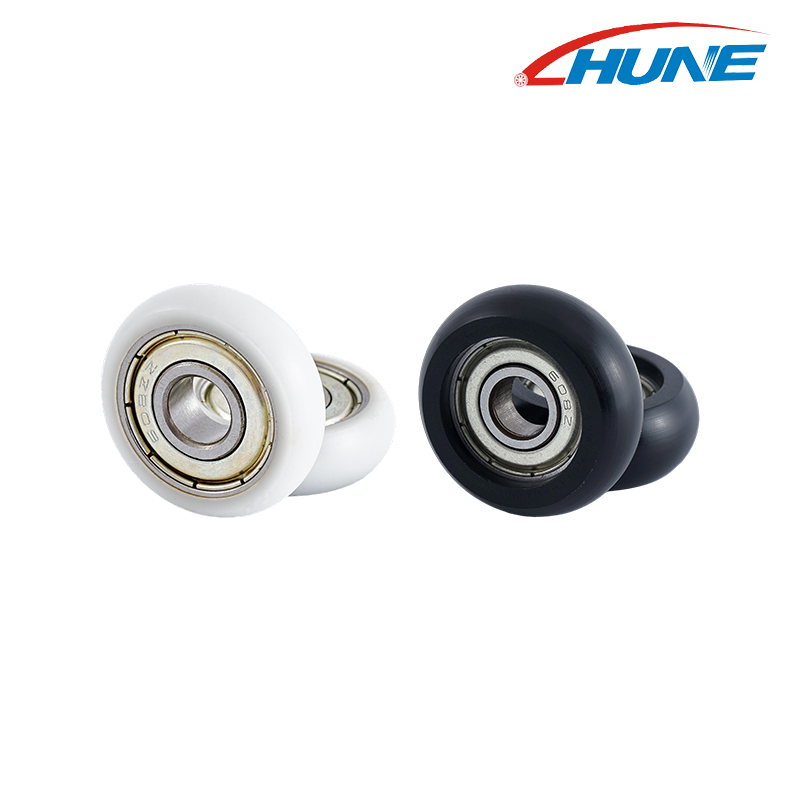
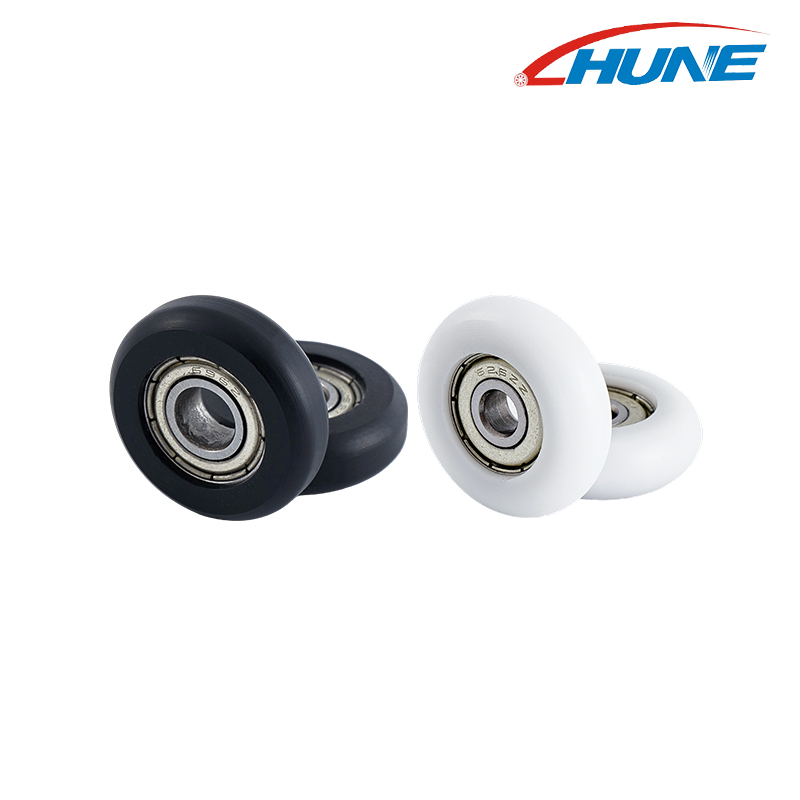
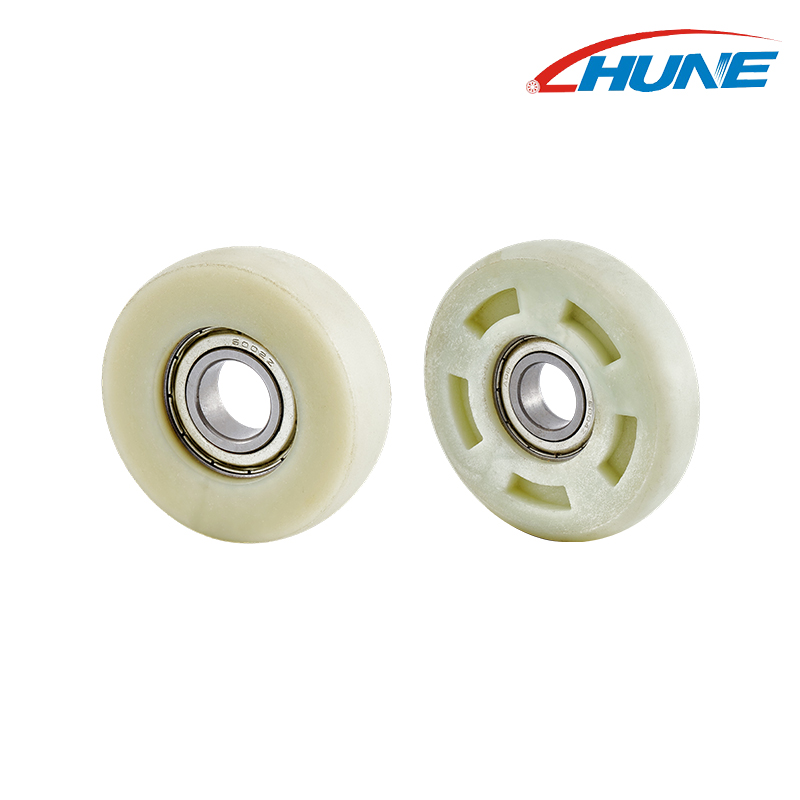
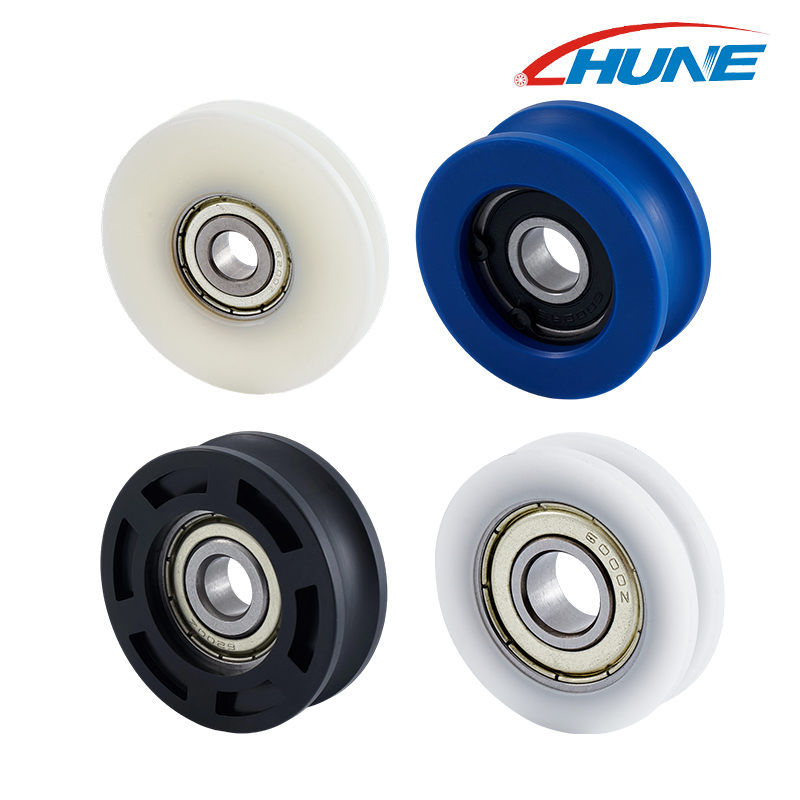
日本語Sliding door systems are used in a lot of different places, from office partitions to warehouse entrances, hotel rooms, and residential interior layouts. On the surface, the structure looks simple. A door moves left and right, that's it. But in reality, the whole movement experience depends heavily on a small mechanical assembly: the Sliding Door Carriage and Roller.
When everything is new, the door usually feels light and controlled. It moves without much effort, and people barely think about the hardware behind it. But after a period of use, things can start to feel slightly different. The door might not glide as easily as before, or there may be a faint change in sound or resistance. It doesn't usually fail suddenly. It changes slowly, almost unnoticed at first.
This is why understanding real Sliding Door Problems & How to Fix Them is useful not just for technicians, but also for designers, installers, and even end users who deal with these systems every day. And once you understand how the system behaves, it also becomes clearer How to Make Your Sliding Door Slide Smoothly without guessing.
How sliding door movement actually works behind the scenes
A sliding door system is often underestimated. People see only the door panel, but the movement actually depends on a chain of components working together in a very balanced way.
Inside a typical system, you will usually find:
- Upper rail or track channel
- Sliding Door Carriage and Roller assembly
- Connection brackets that hold the door weight
- Door panel structure itself
- End stoppers to control travel distance
- Sometimes lower guiding parts depending on design
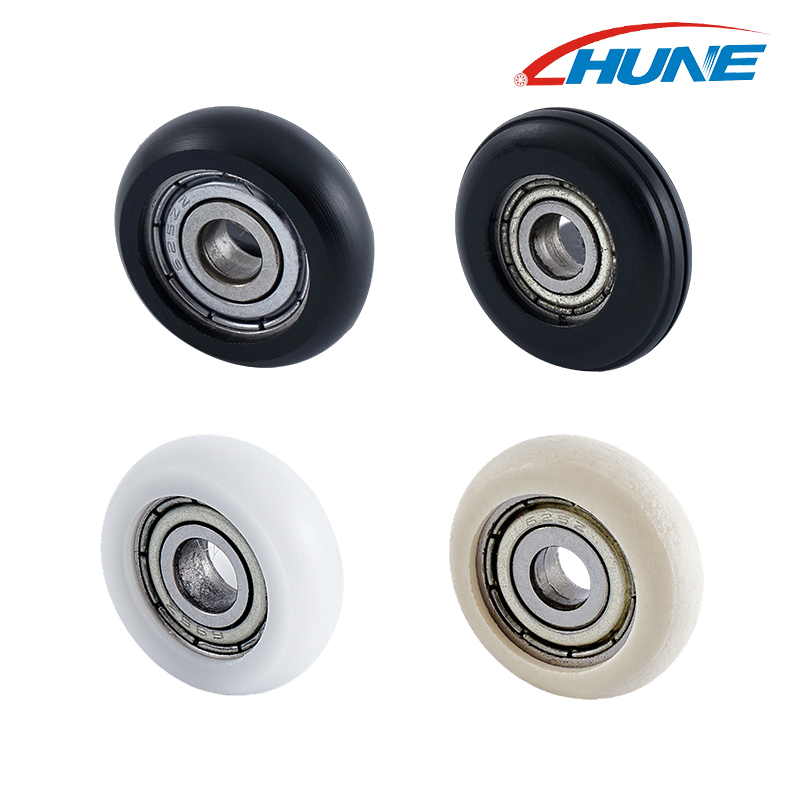
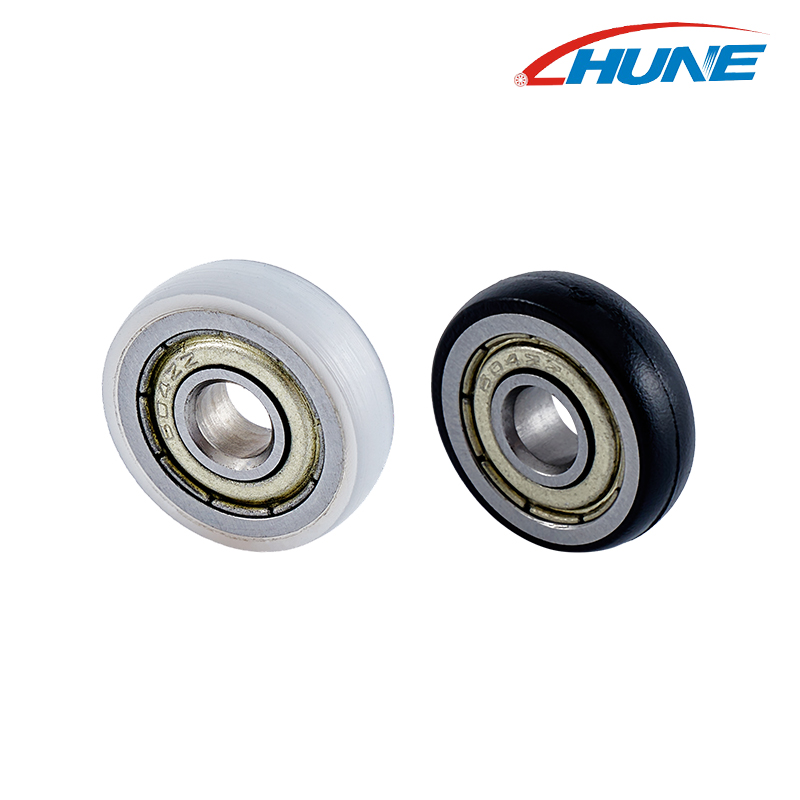
Among all of these, the Sliding Door Carriage and Roller carries the real workload. It is constantly supporting weight while also allowing controlled movement along the track. If this part changes even slightly in behavior, the whole system starts to feel different.
One thing that often surprises people is that sliding performance is not just about strength. It is more about balance, contact quality, and consistency over time.
Why sliding doors slowly lose their smooth feeling
In most real installations, sliding doors don't go from "perfect" to "broken." That's not how it happens.
What usually happens is more gradual.
Dust starts to collect inside areas that are not easy to see. Tiny particles get into contact points between roller and rail. At the same time, the system goes through thousands of small cycles of opening and closing. Each cycle adds a tiny amount of wear.
On top of that, environmental conditions also play a role. In some places, humidity affects surface interaction. In other environments, dry dust builds up faster. Even the way people operate the door can influence long term behavior.
So instead of one clear reason, it is usually a combination of small factors building up over time.
Common Sliding Door Problems & How to Fix Them
1. Movement feels inconsistent across the track
This is usually one of the first things people notice. The door doesn't feel the same from start to end. One section feels fine, then suddenly there is a slight resistance or change in smoothness.
In many cases, the track itself is not completely clean, even if it looks fine at first glance. Dust tends to settle in corners and inside grooves where it is not easily visible. Over time, that small buildup starts affecting how the roller interacts with the rail.
Another possible reason is that the roller is no longer rotating as evenly as before. This does not always mean damage. Sometimes it is just uneven wear or slight changes in surface contact.
There are also cases where the carriage position shifts a little after long use, especially if the installation environment has vibration or frequent heavy usage.
A practical way to deal with this is to slowly move the door along the entire track and observe where the change happens. That usually gives a good clue whether the issue is localized or system-wide.
2. A light but continuous noise appears during sliding
Noise is interesting because it often appears before any obvious mechanical issue.
It can start as a very soft sound that people barely notice. Over time, it becomes more familiar, and eventually users start asking about it.
In most real situations, the sound comes from small friction changes. When surfaces are clean and properly balanced, movement is quiet. But once dust enters the contact area, or when lubrication conditions change over time, the sound becomes more noticeable.
Sometimes, the noise is not even constant. It may appear only in certain positions of the track, which usually indicates a localized contact issue rather than a full system problem.
A simple inspection often shows whether the sound is coming from a specific point or the entire movement path.
3. Door starts feeling heavier than before
This is one of those changes that users describe clearly, even if they cannot explain the technical reason behind it.
The door itself has not changed weight, but the force needed to move it increases slightly.
This usually happens when resistance inside the system builds up gradually. The roller may not rotate as freely as it used to, or there may be more friction in the contact surface between roller and track. In some cases, the alignment is slightly off, which increases load during movement.
What makes this tricky is that it doesn't feel like a sudden problem. It just feels like the door is "not as easy as before."
Cleaning the track and checking movement consistency often reveals whether the issue is surface-related or internal to the carriage.
4. Door shakes slightly while moving
A stable sliding door should feel controlled and steady. When shaking appears, even if it is small, it usually means something in the balance has changed.
This can come from loose connection points, uneven load distribution across the carriage, or minor wear in the rolling interface. In some cases, it is also related to the guide system not holding the door perfectly centered anymore.
The shaking is often more noticeable at certain speeds or certain points in the track, rather than throughout the entire movement.
Checking the stability of the mounting points is usually the first step, followed by observing how the door behaves when moved slowly versus quickly.
5. Door suddenly stops during sliding
This is more noticeable because it interrupts normal use.
In most cases, the cause is something physical rather than structural failure. A small object might be inside the track, or there could be a point where the roller is catching due to slight deformation or misalignment.
What's interesting is that this problem often repeats at the same position. That repetition is usually a strong clue that the issue is located in a specific section of the track.
A careful inspection of that section usually reveals the cause.
6. Door drifts slightly away from its intended path
This is a slower-developing issue. The door still moves, but it does not feel perfectly centered anymore.
Over time, small shifts in installation alignment, combined with wear on guiding components, can cause this drift. It is not always obvious unless you compare both sides visually.
In some cases, the structure around the installation also influences this behavior, especially in environments where vibration or frequent usage is present.
The key here is consistency. If the door slowly changes its position over time, it usually points to gradual system imbalance rather than a single fault.
Quick reference for real usage issues
| Situation | What is usually happening | What people usually notice |
|---|---|---|
| Uneven movement | Local resistance changes | Door feels different in sections |
| Noise during use | Friction variation | Small sound appears gradually |
| Heavier movement | Increased internal resistance | More effort needed |
| Shaking motion | Balance shift | Slight vibration during travel |
| Sudden stop | Local obstruction | Door halts at same point |
| Alignment shift | Long term wear or shift | Door looks slightly off |
How to Make Your Sliding Door Slide Smoothly in real use
Smooth movement is not something that comes from one adjustment. It is more like a result of several small conditions staying in balance.
In real environments, the biggest difference usually comes from how often the system is checked and how early small changes are noticed.
Keeping the track clean without overthinking it
Dust is one of those things that quietly builds up without being noticed.
Even when the surface looks clean, there can still be fine particles inside grooves or hidden areas. These particles don't stop movement immediately, but they slowly change how smooth everything feels.
A simple cleaning routine focused on visible and hidden track areas is usually enough to keep things stable.
Observing roller behavior instead of ignoring small changes
The Sliding Door Carriage and Roller is often the first part that shows early signs of change.
It does not usually fail suddenly. Instead, it slowly changes in how it feels during movement. Slight resistance, small delays, or subtle sound changes are all early indicators.
Paying attention to these early signs helps prevent bigger issues later.
Making sure alignment stays stable over time
Even if installation was done correctly at the beginning, real usage conditions can slowly shift alignment.
This is why it is useful to occasionally check how the door sits in the track and whether movement still feels centered.
Small adjustments over time are normal in long term use environments.
Reducing unnecessary resistance in the system
Resistance is usually not caused by one big problem. It is often a mix of small factors.
Dust, surface wear, slight misalignment, and environmental influence all contribute gradually. When these are managed together, the movement naturally feels smoother again.
Environmental conditions also play a role
In real installations, the environment is always part of the system behavior.
Humidity, dust levels, and usage frequency all influence how the sliding system performs over time. This is why the same hardware can feel slightly different in different locations.
Maintenance habits that actually matter in daily use
Most real-world maintenance is not complicated. It is mostly observation and small actions done regularly.
Light inspection routine
Just checking how the door feels during normal use can reveal a lot. Changes in sound, speed, or resistance are usually early signals.
Occasional cleaning routine
Keeping the track and contact areas clear of dust helps maintain consistent movement.
Stability check
Making sure the system still feels aligned and steady helps prevent gradual drift from becoming a noticeable issue.
When performance changes become noticeable
Sliding systems usually give warning signs before any serious issue appears.
The key is not to wait for a clear failure, but to notice gradual changes like resistance, sound variation, or movement inconsistency.
A sliding door system is not just a set of mechanical parts. It is a balance between structure, movement, and environment.
The Sliding Door Carriage and Roller plays a central role in keeping that balance stable. When its behavior changes, the whole system reflects it.
Most Sliding Door Problems & How to Fix Them are not complex failures. They are slow changes that happen in everyday use.
Once you understand that, it becomes much easier to keep the system running smoothly just by paying attention to small details over time.