

 English
 Español
 日本語
日本語Why This Work Matters More Than It Looks
Glass sliding doors are everywhere in modern buildings now. Offices, hotels, shops, even residential spaces use them because they save space and fit clean interior styles. At first glance, the system looks simple. A glass panel slides on a track with rollers doing the main job.
But in real use, people do not notice the glass. They notice how the door moves. Smooth, quiet, stable, or slightly annoying when something is off. That feeling is mostly decided during installation, not after.
In real projects, small differences in alignment or tightening can slowly turn into long-term movement issues. That is why installation is less about "putting parts together" and more about getting balance right from the beginning.
What the System Actually Depends On
Before starting, it helps to understand the system as one connected structure, not separate parts.
A standard setup usually includes:
- Upper rail that guides movement
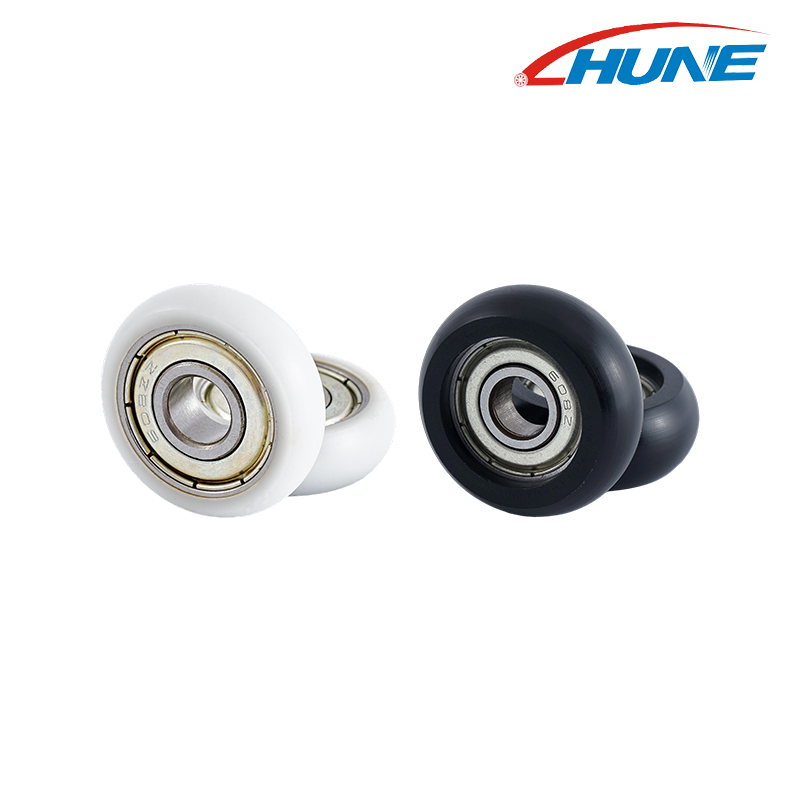
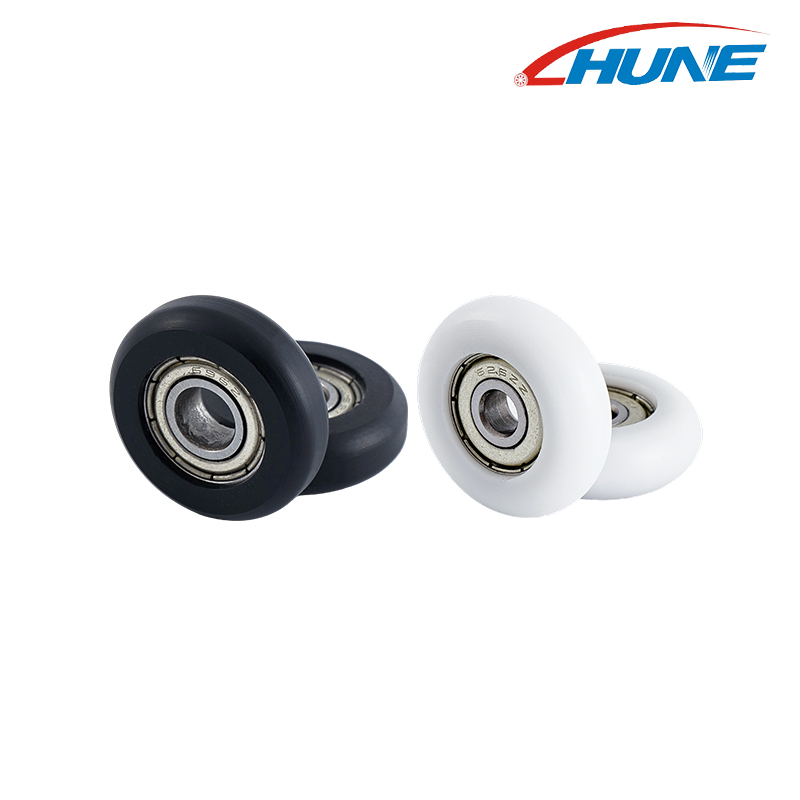
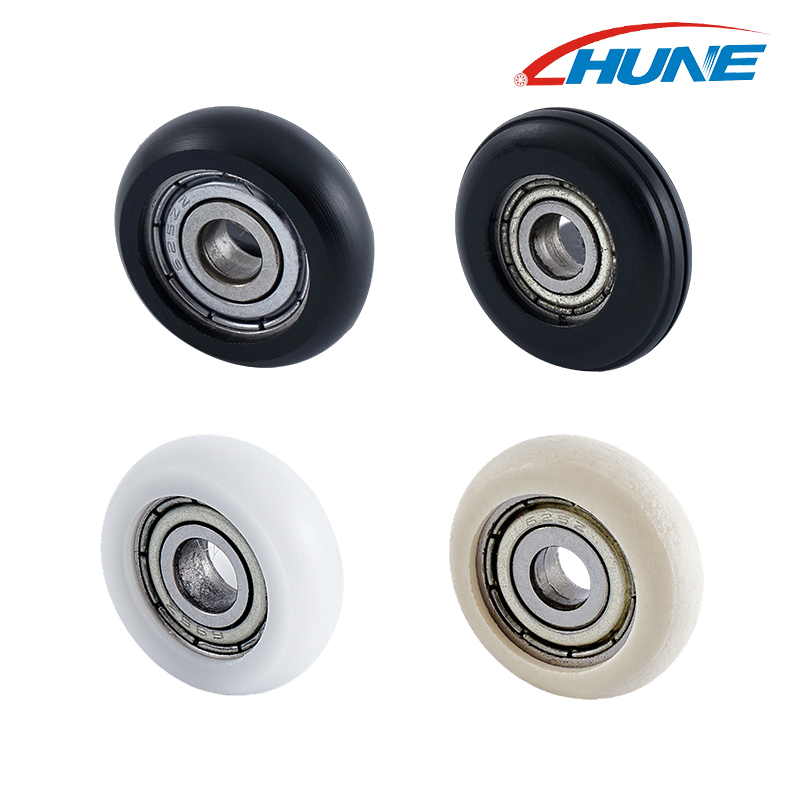
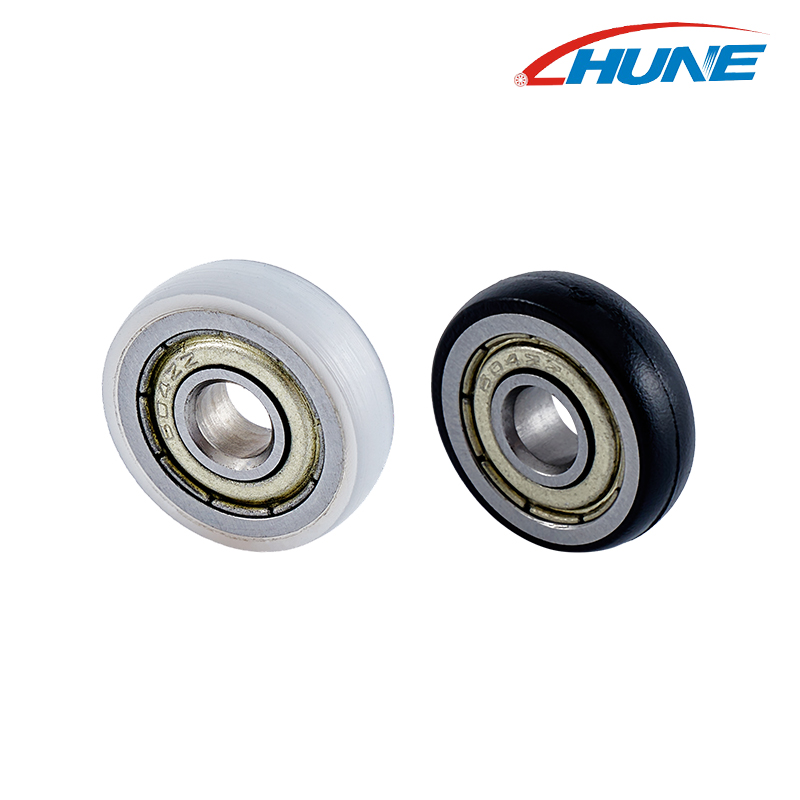
- Roller units that carry the load
- Glass panel that moves along the path
- Fixing brackets that connect hardware to glass
- Bottom guide that keeps direction stable
- End stops that control movement range
All of these work together. If one part is slightly off, the effect usually shows up later as uneven sliding or small resistance points.
Most real issues do not come from broken parts. They come from small alignment gaps that were not noticed during installation.
Getting the Site Ready Before Installation
This step is often treated as "basic", but it actually saves most future problems.
Check the structure first
The surface holding the track must stay stable. If it shifts over time, the door alignment will also shift.
Look at the track line
The rail should be straight and level. Even a small curve can change how the rollers move inside it.
Clean the channel
Dust, cement residue, or small debris inside the track can create friction points. This is very common on real construction sites.
Check the glass before touching anything
Make sure:
- Edges are clean and not damaged
- Mounting positions match hardware layout
- Surface is free from dirt or oil
At this stage, the goal is simply to remove surprises later.
Handling Glass During Installation
Glass panels used in sliding systems are strong when installed, but during handling they need care.
The main idea is simple: avoid sudden force.
Good practice:
- Keep the glass upright and stable
- Do not twist or push edges
- Use proper support when lifting
- Keep the working area clear
On many sites, problems do not happen when the door is finished. They happen during small movements before installation is complete.
Fixing the Roller System onto Glass
This step has a big impact on how the door will feel later in daily use.
Rollers are attached to the top part of the glass using brackets or clamps. The key is balance, not speed.
A stable method looks like this:
- Place roller brackets in correct position first
- Make sure all fixing points line up
- Tighten slowly and evenly
- Do not lock one side fully before the other
- Check alignment again before final tightening
If pressure is uneven here, the door may still work, but movement can feel slightly heavy or inconsistent after some use.
Small mistakes here usually become long-term issues later.
Putting the Glass into the Track
Once the rollers are fixed, the glass is lifted into the rail system.
This is where control matters more than force.
What usually works in real projects:
- Align rollers with track opening before lifting fully
- Lower the glass slowly into position
- Let rollers settle naturally into the rail
- Avoid pushing or forcing the movement
- Do a first sliding test immediately
If everything is aligned properly, the door should start moving with very little resistance.
If it feels stuck, the issue is usually alignment, not the system itself.
Adjusting the Door After Installation
This is the part where the final feeling of the door is decided.
Adjustment is not one single action. It is a slow tuning process.
Three main things are checked:
Height balance
The door should not lean or sit unevenly. Even a small tilt can affect movement over time.
Side alignment
The gap between moving and fixed parts should stay consistent along the whole path.
Movement feel
The door should slide evenly without spots that feel tighter or looser.
The usual method is simple:
- Adjust a small amount
- Move the door
- Observe how it behaves
- Repeat if needed
There is no benefit in big adjustments. Small corrections are what usually make the system feel right.
Installing Stops and Guide Parts
End stops are small, but they control the limits of movement.
They help with:
- Defining how far the door can move
- Preventing hard impact at the end
- Keeping movement predictable
Bottom guides also help keep the glass stable, especially in taller doors where slight swinging can happen.
If these parts are not positioned correctly, the door may feel unstable even if the rollers are fine.
Final Testing Before Completion
After everything is installed, the system should be tested more than once.
The goal is to check real movement, not just "it works".
Things to observe:
- Does it slide smoothly from start to end
- Any point where it feels heavier
- Any vibration or small noise
- Does it stop naturally at both ends
- Does it stay aligned after repeated use
Testing a few times is important because real usage is repetitive, not single movement.
Problems That May Show Up Later
Even when installation looks correct, some changes can appear after days or weeks.
Door feels heavier
Usually linked to slight misalignment or dirt inside the track.
Small noise during movement
Often caused by friction changes or small loosened points.
Door position shifts slightly
Can come from uneven load or weak locking during adjustment.
These are not sudden failures. They are slow changes that develop over time.
Basic Maintenance That Helps Stability
Sliding systems stay stable longer when simple maintenance is done regularly.
Typical actions include:
- Cleaning the track from dust
- Checking screws after initial use period
- Watching for early changes in movement
- Removing small debris before buildup happens
In busy places, maintenance is usually based on how often the door is used, not fixed timing.
What Really Affects Long-Term Behavior
Long-term performance is not controlled by one factor. It is a combination of several things:
- How often the door is used
- How stable the structure is
- How clean the track stays
- How carefully adjustment was done
- How well roller and track match
When these stay in balance, the system usually keeps a steady feel for a long time.
What Experienced Installers Usually Notice
From real installation work, a few patterns show up again and again:
- Track alignment matters more than hardware appearance
- Small installation errors may only show after usage begins
- Adjustment stage is just as important as installation itself
- Clean working conditions reduce later correction work
- Small gradual tuning works better than large changes
These points are not theory. They come from repeated real site situations.
Glass door roller installation is not just assembly work. It is a process of alignment, balance, and controlled adjustment.
When it is done carefully, the door moves in a way that feels natural and steady every time it is used. When steps are rushed, problems may not show immediately, but they usually appear later during daily operation.
In real projects, installation quality often decides whether the system feels stable or needs constant attention over time.