

 English
 Español
 日本語
日本語Walk into a newly built office tower in 2026 and you can immediately feel the difference compared with commercial buildings from years ago. Doors open automatically before visitors stop walking. Meeting rooms change layout during the day. Hotel lobbies feel quieter even during busy hours. Healthcare centers move patients through different zones with less interruption.
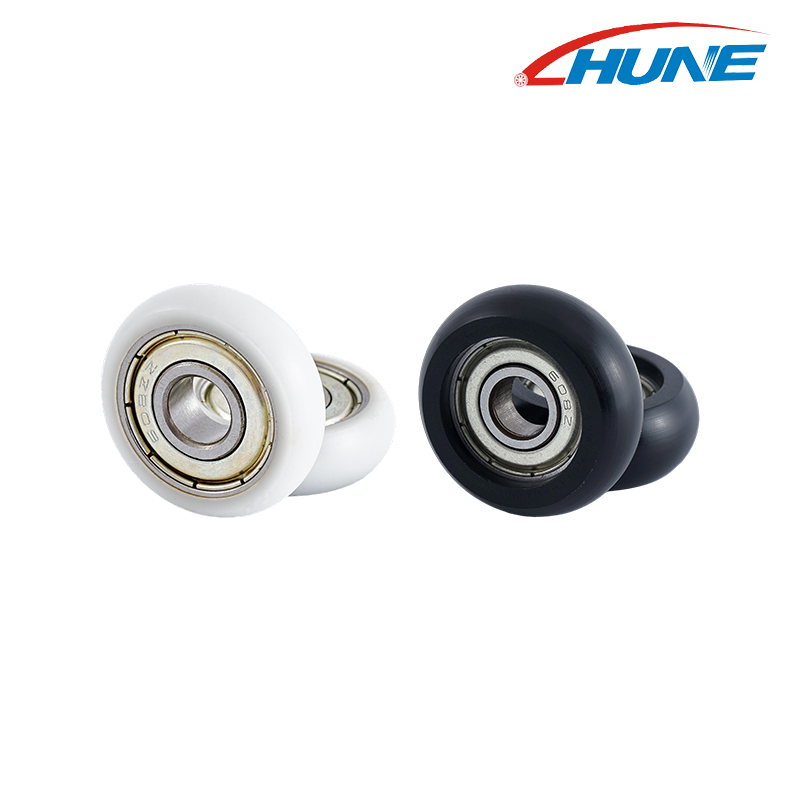
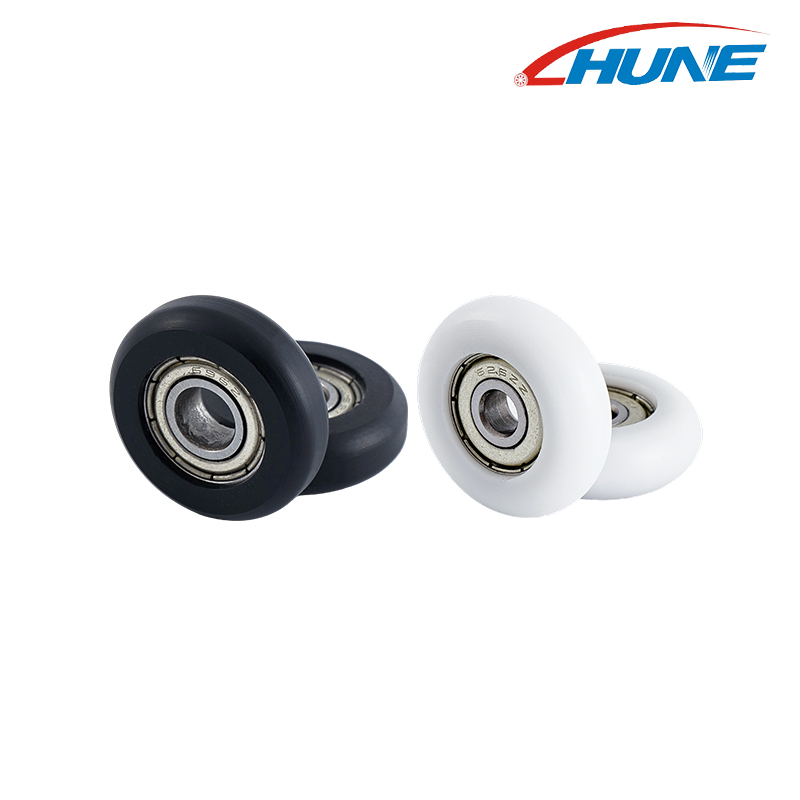
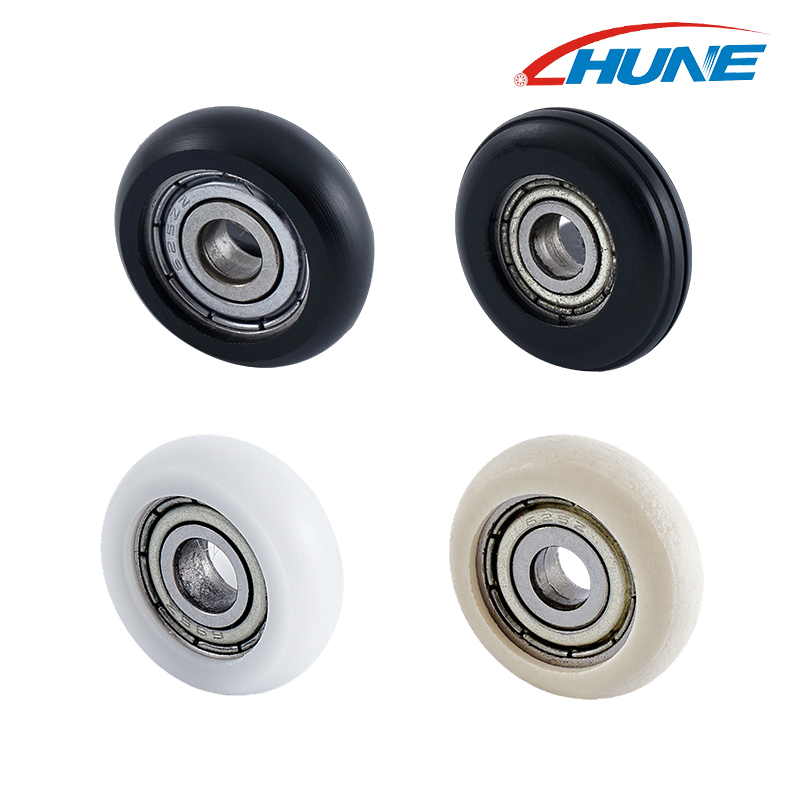
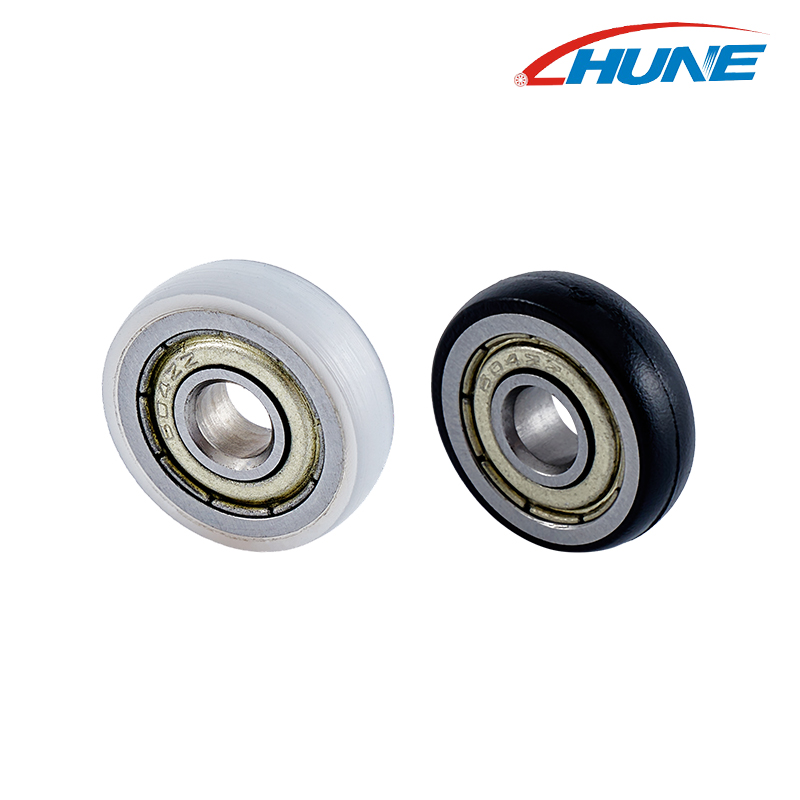
A lot of this comes from smart building technology, but not every change is related to software or sensors. Many shifts are happening at the hardware level too. Commercial sliding door rollers are one of those examples.
For a long time, rollers were treated as ordinary support parts. They stayed hidden inside tracks, and most project teams only cared whether the door could open and close. Now the conversation is different. Architects, contractors, property managers, and even maintenance teams are paying more attention to how these systems behave after installation.
Smooth movement, lower noise, easier servicing, and compatibility with automated systems are becoming part of normal purchasing discussions. In many projects, the roller system is no longer an afterthought.
Smart Buildings Changed More Than Just Technology
People often hear the phrase "smart building" and immediately think about screens, apps, or digital controls. In reality, the shift is much broader.
Modern commercial projects are being designed around how people move, work, and interact with a space during the entire day.
That affects things like:
- Traffic flow
- Access control
- Acoustic comfort
- Energy usage
- Flexible room layouts
- Maintenance scheduling
Sliding systems sit directly inside that daily movement pattern. Because of that, roller performance suddenly matters more than it did before.
A few years ago, if a door made a little noise, many property owners ignored it. Today, that same issue may become part of a larger user experience discussion.
Why Offices Are Using More Sliding Systems
Office design has changed fast over the last few years. Large fixed layouts are becoming less common, especially in shared work environments.
Many businesses now prefer spaces that can change function throughout the day.
One room might serve as:
- A meeting area in the morning
- A presentation zone in the afternoon
- A private workspace later in the evening
Sliding systems make those adjustments easier.
Because of this, doors move far more often than they did in older office layouts. That naturally puts more attention on the roller system underneath.
Quiet Operation Became More Valuable
Open offices created another challenge: noise.
People working in shared environments notice sound more easily than before. Even small mechanical noise can become distracting during video calls or meetings.
That is one reason why smoother sliding movement has become more important in commercial interiors.
Project teams now regularly ask about:
- Reduced vibration – Helps keep work areas calmer
- Stable movement – Prevents uneven door travel
- Lower operational sound – Supports quieter interiors
- Easier adjustment access – Simplifies maintenance work
Hotels Started Paying Attention to Movement Feel
Hospitality projects have also changed how sliding systems are viewed.
Guests may never ask what type of roller system sits behind a hotel partition door, but they definitely notice when movement feels rough or noisy.
Modern hotels care heavily about atmosphere. Small details shape how visitors experience a property.
A door that shakes slightly or creates friction noise may not sound serious technically, but it changes how refined a room feels.
That is why many hospitality developers now focus on:
- Softer movement
- Cleaner integration
- Minimal visible hardware
- Consistent daily operation
Sliding systems are especially popular in:
- Guest suites
- Conference areas
- Flexible meeting rooms
- Lounge spaces
As hotel layouts become more adaptable, roller systems handle more daily movement than before.
Healthcare Facilities Created Different Expectations
Healthcare projects brought another layer of change to the industry.
Hospitals and clinics use sliding systems heavily because they support smoother movement between rooms while saving space.
But medical environments also create pressure on hardware performance.
A door inside a healthcare facility may open hundreds of times daily. If movement becomes inconsistent, staff notice quickly.
Touchless Systems Increased the Pressure
Touchless access became more common in healthcare environments over recent years.
When doors connect with sensors or automated controls, movement stability becomes much more important.
If rollers create resistance or uneven travel, automation systems may respond inconsistently.
Because of this, healthcare buyers increasingly focus on:
- Reliable movement
- Consistent alignment
- Reduced interruption
- Easier cleaning access
Many older healthcare buildings are also being renovated instead of rebuilt. Contractors often want systems that can be upgraded without creating long operational shutdowns.
That trend helped increase demand for retrofit-friendly hardware.
Retail Spaces Are Becoming More Flexible
Retail stores are not designed the same way anymore either.
Many commercial brands now change layouts regularly to support promotions, events, or seasonal campaigns.
Sliding systems help stores reorganize space faster without major reconstruction work.
You now see movable partitions and sliding setups in:
- Fashion stores
- Showrooms
- Technology retailers
- Beauty product spaces
- Commercial exhibition environments
Because these layouts change often, doors move constantly during setup adjustments.
That means rollers need to support repeated use without becoming difficult to operate.
Smart Buildings Increased Maintenance Awareness
Another big shift in 2026 is how facility managers think about maintenance.
Years ago, some building operators only reacted after problems appeared. Now many commercial properties use predictive maintenance planning.
That changes how hardware is evaluated.
Instead of asking only:
"How much does this cost?"
buyers are also asking:
- How often will servicing be needed?
- How difficult is replacement work?
- Will movement stay stable long term?
- Can maintenance happen without disrupting operations?
This is especially important in large buildings where even small maintenance interruptions affect daily business activity.
Automation Changed Expectations Completely
Sliding doors connected to automation systems behave differently from traditional manual doors.
When sensors, access controls, and building management platforms become involved, movement precision matters much more.
A roller system that feels acceptable in a simple manual setup may create problems inside a connected environment.
That is why many developers now focus more heavily on:
- Smooth directional travel
- Stable movement speed
- Reduced track friction
- Consistent positioning
Automation increased attention on mechanical details that many buyers previously ignored.
Minimalist Architecture Helped Sliding Systems Grow
Commercial interior trends also influenced roller demand.
Modern architecture often favors:
- Cleaner lines
- Open layouts
- Flexible room divisions
- Less visible hardware
Sliding systems fit naturally into that design style.
Compared with swing doors, sliding systems help save usable floor space and create smoother room transitions.
This is especially valuable in:
- Compact office projects
- Urban hotels
- Mixed-use developments
- Shared commercial environments
As cities become denser, efficient layout planning continues pushing demand higher.
Noise Became a Bigger Design Topic
Commercial interiors today sound different from older buildings.
Architects now spend more time discussing acoustic comfort, especially in:
- Offices
- Healthcare projects
- Educational buildings
- Hospitality spaces
Even moderate hardware noise becomes noticeable inside quieter environments.
A sliding door that rattles slightly during movement may affect the atmosphere of an otherwise calm space.
That is one reason manufacturers started focusing more heavily on smoother operation and vibration control.
Modular Construction Changed Installation Preferences
Construction schedules remain tight in many markets.
To reduce project time, more developers are using modular building methods and prefabricated interior systems.
This affects sliding hardware selection because installers often prefer systems that support:
- Faster setup
- Easier adjustment
- Simpler alignment
- Flexible installation conditions
Projects with limited installation windows usually avoid hardware that requires extensive on-site modification.
Transportation Buildings Need Stable Hardware
Airports, railway stations, and transit hubs create completely different operating conditions compared with offices or hotels.
These facilities handle continuous pedestrian movement every day.
Doors may operate constantly for long periods without extended downtime.
That environment increases demand for:
- Stable movement
- Long-term consistency
- Easier servicing access
- Reliable automation compatibility
Maintenance teams inside transportation facilities also prefer hardware that allows quicker inspection and replacement procedures.
Sustainability Discussions Reached Hardware Too
Sustainability goals are influencing more parts of commercial construction than before.
Today, many buyers look beyond initial installation costs and think more about long-term operational impact.
That includes topics such as:
- Product lifespan
- Maintenance frequency
- Replacement cycles
- Material durability
Some project teams now prefer systems designed to reduce long-term servicing requirements because fewer replacements may help lower operational disruption.
What Buyers Are Asking in 2026
Commercial purchasing discussions in 2026 are becoming more detail-driven. Buyers are no longer only checking basic function. They are trying to understand how a system behaves after long-term use inside real operating environments.
Below are the key questions that often appear during project evaluation, along with more practical explanations based on real application logic.
Will the movement remain stable over time?
In most projects, the concern is not how the system feels on day one, but how it performs after continuous use.
Sliding door rollers are exposed to repeated cycles every day, especially in commercial environments like offices, hotels, and healthcare facilities. Over time, small changes in alignment or wear can start to affect movement behavior.
What buyers usually focus on here is long-term consistency, including:
- Wear performance of internal components
- Track and roller matching accuracy
- Stability under repeated daily operation
- Installation precision at site level
In short, the expectation is not just smooth movement, but predictable movement over time.
How difficult is maintenance access?
Maintenance is often judged from an operational perspective rather than a technical one.
Facility teams are usually less concerned about whether a system can be maintained, and more concerned about how easily it can be maintained without disrupting daily use.
Typical considerations include:
- Whether inspection requires full disassembly
- Whether parts can be replaced individually
- Whether adjustments can be completed on-site
- Whether building operations need to stop during service
In many modern commercial buildings, reduced maintenance interruption has become a key planning factor rather than a secondary detail.
Does the system work well with automation?
With smart building systems becoming more common, sliding doors are often connected to automated control platforms.
This changes the role of the roller system. It is no longer only a mechanical support component, but part of a controlled movement process linked with sensors and access systems.
In practice, buyers are mainly concerned with:
- Whether movement is consistent enough for sensors to read correctly
- Whether resistance remains stable during repeated cycles
- Whether the door responds predictably to automated triggers
If movement is irregular, it may affect how the automation system performs as a whole.
Can the system adapt to future layout changes?
Flexibility has become an important consideration in modern commercial design.
Many buildings are no longer static. Office layouts change, retail spaces are reconfigured, and hospitality environments are updated over time based on usage needs.
Because of this, buyers often evaluate whether the system can support:
- Interior reconfiguration
- Partition adjustments
- Retrofit upgrades
- Integration with future automation systems
The focus is shifting toward lifecycle adaptability rather than single-stage installation.
The Industry Still Faces Challenges
Even with steady market demand and more advanced building requirements, several practical challenges continue to appear in real projects.
Installation Quality Still Matters
In real applications, performance is strongly influenced by installation accuracy.
Even well-designed systems may not perform as expected if:
- Tracks are slightly misaligned
- Load distribution is uneven
- On-site adjustments are inconsistent
- Structural conditions vary during installation
This is why installation quality is often treated as part of system performance, not just construction work.
Commercial Design Changes Quickly
Architectural trends continue to evolve at a fast pace.
In recent years, commercial spaces have shifted toward:
- Hidden or integrated hardware design
- More flexible spatial layouts
- Cleaner visual appearance
- Modular construction approaches
This creates continuous pressure for hardware systems to adapt while maintaining stable mechanical performance.
Different Markets Have Different Requirements
Commercial building standards are not uniform across regions.
Depending on the market, priorities may shift between:
- Acoustic comfort
- Durability expectations
- Installation efficiency
- Cost sensitivity
- Maintenance structure
Because of this, product requirements often need adjustment based on local project conditions.
Budget Pressure Remains Common
Even in smart building projects, cost control remains part of decision-making.
Buyers usually balance:
- Initial procurement cost
- Long-term maintenance expectations
- Installation complexity
- Operational efficiency goals
In many cases, the final selection is based on overall project fit rather than maximum specification level.
Commercial sliding door rollers may look like small mechanical parts, but their role inside modern buildings keeps expanding.
Smart offices, healthcare modernization, flexible retail layouts, hospitality upgrades, and automated infrastructure are all pushing the industry in new directions.
In 2026, buyers are paying closer attention to movement quality, operational consistency, maintenance planning, and compatibility with connected building systems.
The interesting part is that this shift did not happen overnight. It developed gradually as commercial spaces became more flexible, quieter, and more technology-focused.
As smart building projects continue growing across different industries, commercial sliding systems will likely remain an important part of how modern spaces function every day.