

 English
 Español
 日本語
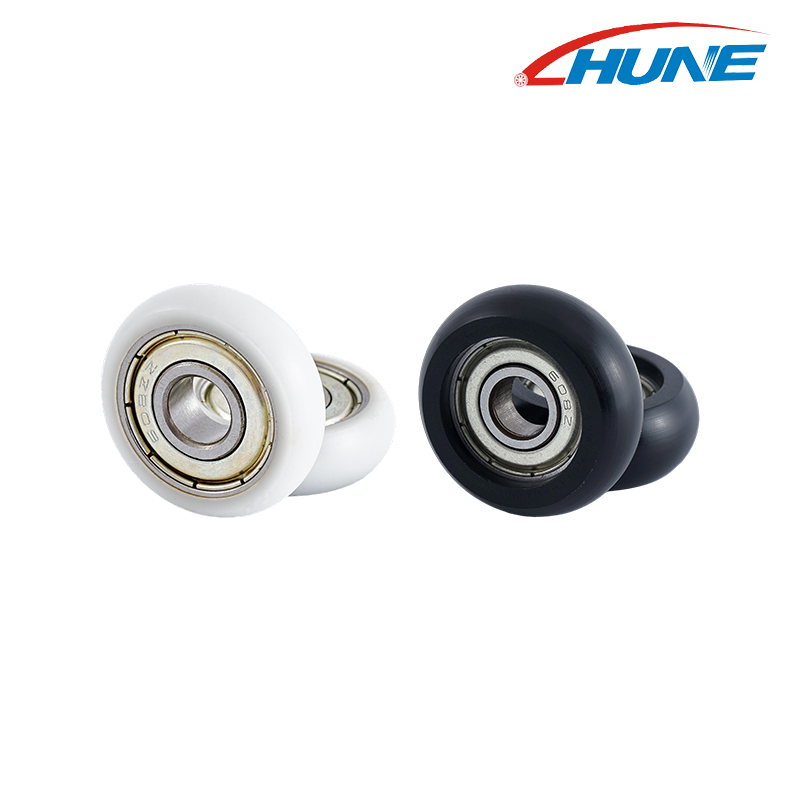
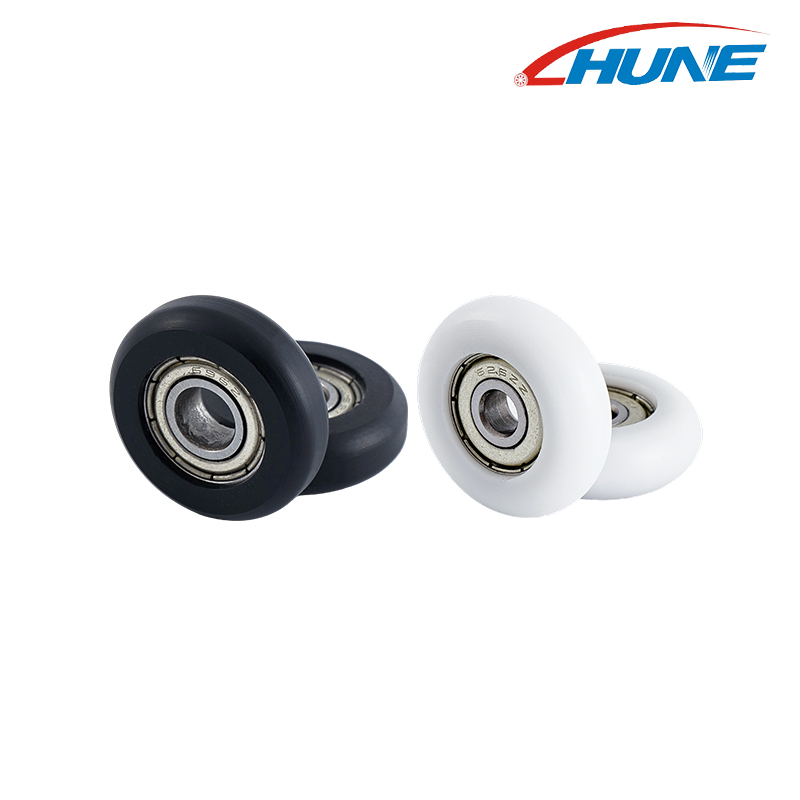
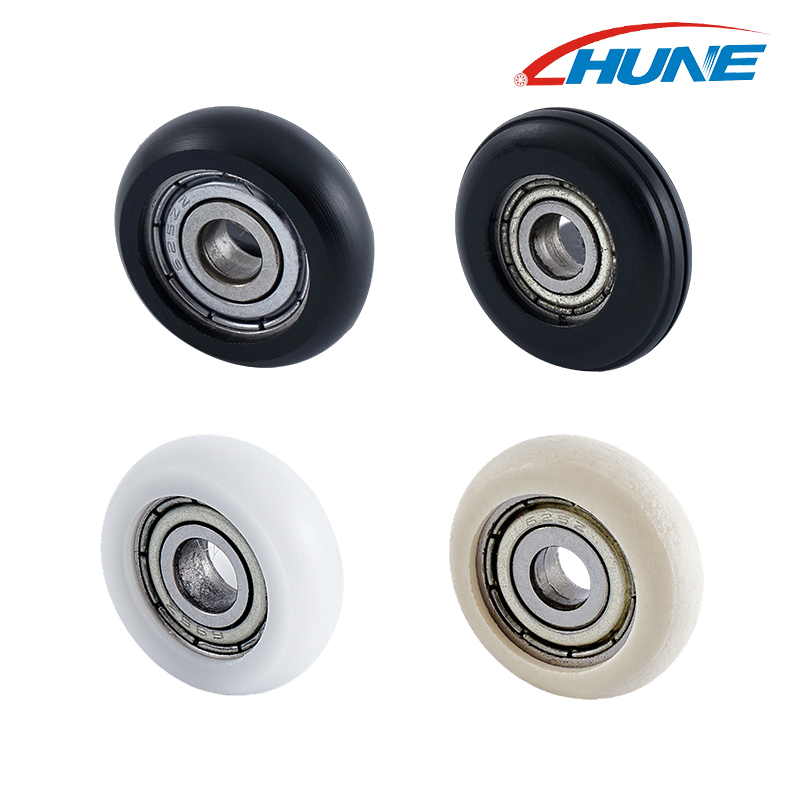
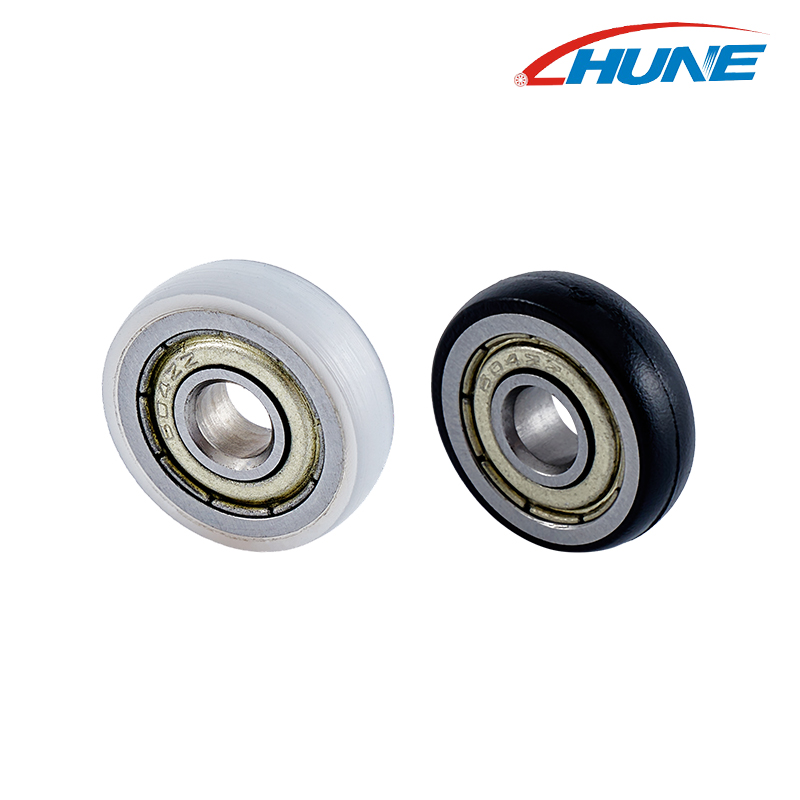
日本語Garage door rollers matter for smooth operation, carrying the door's weight and keeping it on track. Unlike universal parts, they have distinct types tailored to different needs: residential, commercial, and more. The right type reduces upkeep; the wrong one causes early wear. So, what specific types of garage door rollers exist, and how do their functions differ?
Steel Garage Door Rollers
The Heavy-Duty Workhorse We Still Use (But Only When It Makes Sense)
We keep a full box of steel rollers on every truck because some doors still demand them. They're loud, they're tough, and they'll outlast almost anything else — if you treat them right.
When Steel Is Still the Right Call
- We automatically reach for steel rollers on these jobs (and almost nowhere else):
- True commercial roll-up doors (the solid steel curtains that weigh 800–1,500 lbs)
- Oversized residential doors that are pushing 600+ lbs (big wood carriage doors, triple-layer insulated monsters)
- Customers who want the absolute lowest price per roller and are okay with greasing them twice a year
- Situations where the door has already chewed through nylon twice (yes, it happens on poorly aligned tracks)
What Steel Actually Gives You
- Raw strength – 13-ball bearing steel rollers laugh at weights that crush plastic and flatten cheap nylon
- Predictable wear – you can see and hear when they need attention instead of suddenly failing
- Galvanized or zinc-plated versions hold up surprisingly well even in damp garages
The Trade-Offs
- Noise – even fresh and greased, steel on steel sounds like a freight train compared to nylon
- Maintenance – skip lubrication for a year and they'll scream, rust, or seize
- Weight – each steel roller is roughly twice as heavy as nylon, so the springs have to work harder
How We Keep Steel Rollers Happy When We Do Install Them
- Grease them the day we install them
- Show the customer exactly how to lube them every 6–12 months
- Use galvanized or zinc-plated whenever possible
- Pair them with heavy-duty 11-gauge or 13-ball bearings
Nylon Garage Door Rollers
The Quiet, Maintenance-Free Choice We Install on Nearly Every Home
For more than 20 years, nylon rollers have been our go-to upgrade for homeowners who are tired of noisy, rusty, high-maintenance garage doors. Once customers experience sealed nylon rollers, they never want to go back to anything else.
Why Nylon Has Become the Residential Standard
- Virtually Silent Operation No more metal-on-metal clanging. Perfect for attached garages with bedrooms above or beside them.
- Zero Rust – Guaranteed Ideal for coastal areas, humid climates, or garages that occasionally flood. Nylon simply doesn't corrode.
- Lifetime Lubrication Factory-sealed bearings mean you install them once and forget about greasing forever.
- Smoother, Lighter Feel Less weight and lower friction make the door glide effortlessly and put less strain on your opener and springs.
- Reduced Track Wear The softer nylon surface is gentler on tracks than steel, helping the entire system last longer.
Best Applications for Nylon Rollers
|
Door Type |
Recommended Nylon Roller |
Real-World Lifespan |
|
Single-car (8–10 ft wide) |
2-inch sealed, 13-ball bearing |
15–20 years |
|
Double-car, insulated, or wood |
3-inch sealed, 13-ball bearing |
15–20 years |
|
High-humidity or coastal homes |
Same as above |
15–20+ years |
|
Customers wanting the quietest door possible |
3-inch sealed nylon |
Noticeably quieter than 2-inch |
Performance You Can Count On
Our premium nylon rollers are engineered with UV-stabilized, high-impact nylon and precision sealed bearings that perform flawlessly from −20 °F to 140 °F. Temperature extremes do not cause cracking or brittleness like cheap imported versions can.
When We Recommend Something Stronger
Nylon handles 98 % of residential doors perfectly. We only switch to steel or commercial-grade rollers on:
- True commercial/high-cycle doors (50+ cycles daily)
- Extremely heavy custom wood doors over 650–700 lbs
Plastic Garage Door Rollers
The Low-Cost Option We Strongly Recommend Replacing
Plastic rollers (usually white or light gray) were factory-installed on millions of builder-grade doors from the 1990s through the early 2010s. They helped keep new-home prices down, but they were never built to last.
Where Plastic Rollers Still Make Sense (Very Few Places)
- Vacation or rarely used homes (door opens a few dozen times per year)
- Extremely tight budgets where the customer fully understands the short lifespan
- Temporary fixes before a full door replacement
In all other situations, we replace them the same day we see them.
Real-World Performance of Plastic Rollers
|
Age of Roller |
What We Typically Find |
Customer Complaint |
|
0–3 years |
Still quiet and round |
None |
|
4–7 years |
Flat spots, small cracks, plastic dust on floor |
Door feels bumpy, some noise |
|
8+ years |
Large cracks, chunks missing, seized wheels |
Door jumps track, loud grinding |
Extreme heat, cold, and UV exposure accelerate the breakdown. Once the plastic becomes brittle, failure happens quickly and often damages tracks and openers.
Sealed vs. Unsealed Rollers
When choosing garage door rollers, one important distinction to consider is whether the rollers are sealed or unsealed. This difference significantly impacts the roller's maintenance needs, performance, and overall lifespan.
Differences in Maintenance and Performance
Sealed Rollers
Sealed rollers are equipped with protective coverings that shield the bearings from dirt, dust, moisture, and other contaminants. This added protection ensures that the roller's internal components are kept clean and lubricated, reducing friction and wear.
- Maintenance: Sealed rollers require less frequent maintenance than unsealed rollers because the sealed bearings are protected from the elements. Regular lubrication is still recommended, but the need for cleaning and bearing replacement is significantly reduced. This makes sealed rollers ideal for environments where minimizing maintenance efforts is essential.
- Performance: Sealed rollers provide smoother operation because the sealed bearings reduce friction, ensuring that the garage door moves quietly and with less resistance. They also have a longer lifespan, especially in harsh conditions where dust and moisture could otherwise degrade the performance of unsealed rollers.
- Ideal Use: Sealed rollers are best suited for high-traffic environments, such as commercial garages or residential garages with frequent door use. Their ability to withstand dirt, moisture, and debris makes them the go-to choice for environments where durability and low maintenance are priorities.
Unsealed Rollers
Unsealed rollers, on the other hand, do not have the same protective covering for their bearings. While they are generally more affordable than sealed rollers, they are more susceptible to the elements, which can lead to increased wear and more frequent maintenance.
- Maintenance: Unsealed rollers require more regular maintenance because they are exposed to dirt, debris, and moisture. The bearings can accumulate contaminants, leading to friction and noise. They also require more frequent lubrication and cleaning to ensure smooth operation and prevent premature failure.
- Performance: While unsealed rollers can perform adequately in low-traffic, residential settings, they are more prone to wear and tear compared to sealed rollers. The lack of protection from external elements means the rollers may experience more friction, which can result in a noisier operation and a reduced lifespan.
- Ideal Use: Unsealed rollers are more suitable for light-duty residential garage doors with infrequent use. If the garage door is used only a few times a day or in a dry, clean environment, unsealed rollers can provide an affordable option.
Sealed vs Unsealed & Ball Bearings vs Sleeve Bearings
High-Traffic or Busy Household? Sealed Bearings Only.
- If your door opens more than 8–10 times a day, unsealed bearings don't stand a chance. Dust, moisture, and dried-out grease turn them into grinders in just a couple of years.
- Sealed bearings are completely enclosed and come permanently packed with grease. Nothing gets in, nothing leaks out. We regularly remove 15- to 20-year-old sealed bearings that still spin as smoothly as the day they were installed — even on doors that see heavy daily use.
- Our rule on every truck: sealed bearings on every job, every time. The small upcharge pays for itself many times over in zero maintenance and no premature failures.
Ball Bearings vs Sleeve Bearings – There's No Comparison
- Sleeve bearings are the cheapest option. They're just a plastic or metal sleeve the shaft slides against. They work fine for a year or two on a light, rarely used door — then they flatten, drag, and get loud.
- True ball bearings (11-ball or 13-ball) use steel balls that actually roll instead of slide. The difference is instant: the door feels lighter, runs quieter, and puts far less strain on your opener and springs.
- We stopped installing anything with sleeve bearings years ago. The callbacks simply weren't worth it.
|
Feature |
Ball Bearings |
Sleeve Bearings |
|
Smoothness |
Smoother, quieter |
Rougher, more friction |
|
Durability |
Long-lasting, low wear |
Shorter lifespan, higher wear |
|
Load Capacity |
For heavy-duty doors |
For light-duty, low-traffic doors |
|
Maintenance |
Low-maintenance, occasional lubrication |
Requires more lubrication and care |
|
Noise Level |
Quiet |
More noise due to friction |
Heavy-Duty Rollers
Heavy-duty garage door rollers are engineered specifically for industrial and commercial applications, designed to withstand the demands of larger, heavier doors with high usage.
Features of Heavy-Duty Rollers for Industrial and Commercial Doors
- Enhanced Load-Bearing Capacity: Heavy-duty rollers are built to support the increased weight of industrial and commercial doors. Unlike standard residential rollers, they feature robust bearings and reinforced components that allow them to carry the weight of large, heavy doors without compromising performance. These rollers are essential for doors made from thick materials like insulated steel or solid wood, often used in commercial and industrial settings.
- High-Strength Construction: Typically constructed from high-grade materials such as reinforced steel, heavy-duty rollers are designed to endure the tough conditions of high-traffic environments. Their durable construction prevents wear and tear under continuous use, ensuring a longer lifespan compared to standard rollers.
- Corrosion Resistance: Given the challenging environments in which they operate, many heavy-duty rollers are treated with corrosion-resistant coatings or materials to protect against rust and moisture. This is especially important in facilities where the rollers are exposed to extreme temperatures, humidity, or chemical substances.
- Precision Bearings: Heavy-duty rollers often feature precision ball bearings that provide smooth and efficient operation, even under the heaviest loads. These bearings are designed to reduce friction, resulting in quieter, more reliable performance. The precision design allows for consistent movement, even when the door is in constant use.
- Sturdier Wheel Design: The wheels on heavy-duty rollers are typically larger and reinforced, allowing for better weight distribution and enhanced load capacity. The larger wheels also help reduce wear on the tracks, contributing to a smoother operation over time.
Ideal for Larger, Heavier Doors with High Usage
Heavy-duty rollers are ideal for a wide range of industrial and commercial applications where doors are larger, heavier, and subject to frequent operation. Some key scenarios where heavy-duty rollers are essential include:
- Commercial Garage Doors: Businesses that rely on garage doors for daily operations, such as warehouses, distribution centers, and loading docks, need rollers that can handle the constant opening and closing of large doors. Heavy-duty rollers ensure that these doors move smoothly and reliably under high usage.
- Industrial Facilities: Industrial buildings with large, heavy-duty doors (such as those used in manufacturing plants or factories) require rollers that can handle extreme weight and continuous operation. Heavy-duty rollers ensure that the doors remain aligned and operate smoothly, even under the toughest conditions.
- High-Traffic Commercial Garages: For high-traffic commercial garages, such as those in parking facilities or car service centers, heavy-duty rollers offer the strength and durability needed to ensure that the doors function correctly, no matter how frequently they are used.
- Large Roll-Up Doors: Large roll-up doors found in storage units, warehouses, and industrial complexes benefit from the strength and load-bearing capacity of heavy-duty rollers. These doors often weigh hundreds of pounds and require rollers that can withstand both the weight and the constant use.
Understanding Garage Door Rollers: Key Differences Between Steel, Nylon, Plastic, and More
|
Roller Type |
Features |
Best Use |
Advantages |
|
Steel Rollers |
Durable, heavy-duty construction |
Commercial, industrial, heavy doors |
Strong, long-lasting, suitable for high-load environments |
|
Nylon Rollers |
Quiet, smooth, corrosion-resistant |
Residential garages with moderate use |
Quiet operation, resistance to rust and wear |
|
Plastic Rollers |
Lightweight, cost-effective |
Light-duty, low-traffic residential doors |
Affordable, easy to install and maintain |
|
Heavy-Duty Rollers |
Reinforced construction, high load capacity |
Large, heavy doors in high-traffic areas |
Excellent durability, long lifespan, ideal for industrial settings |
|
Sealed Rollers |
Protected bearings, low maintenance |
High-traffic, commercial, industrial environments |
Reduced maintenance, increased longevity in harsh conditions |
|
Unsealed Rollers |
Simple design, requires frequent maintenance |
Low-traffic residential doors |
Cost-effective, easy to replace |
We've explored the different types of garage door rollers and their benefits, helping you understand which roller best suits your needs:
- Steel Rollers: Durable and ideal for heavy-duty applications, especially in commercial and industrial environments.
- Nylon Rollers: Quiet, smooth, and corrosion-resistant, making them a great choice for residential settings with moderate use.
- Plastic Rollers: Cost-effective and lightweight, best suited for light-duty, low-traffic residential doors.
- Heavy-Duty Rollers: Perfect for large, heavy doors in high-traffic areas, offering enhanced load-bearing capacity and durability.
- Sealed vs. Unsealed Rollers: Sealed rollers offer better protection and performance in harsh environments, while unsealed rollers are simpler and more budget-friendly for light-duty use.
Choosing the right garage door roller ensures smooth operation, reduced maintenance, and a longer lifespan for your door system. Whether you need rollers for a residential garage or a commercial warehouse, selecting the appropriate type can make a significant difference in performance.
At Hune, we offer a comprehensive range of high-quality garage door rollers to suit every application. Whether you're looking for steel, nylon, plastic, or heavy-duty rollers, we have the right solutions for your needs. With years of experience in manufacturing garage door components, Hune is your trusted partner for durable and reliable rollers that keep your doors running smoothly.