

 English
 Español
 日本語
日本語Most garage doors leave the factory with either 2-inch or 3-inch rollers. The difference seems small, but it has a huge impact on how smoothly and quietly your door operates — and how long the rollers (and tracks) last.
2-Inch Garage Door Roller
The standard choice for most residential doors
Best for
- Single-car garage doors (8–10 ft wide)
- Non-insulated steel doors
- Light to normal daily use (3–6 cycles per day)
Advantages
- Extremely quiet when new (especially nylon)
- Lightweight and very easy to install
- Lowest upfront cost
Common issues over time
- Faster wear on heavier or insulated doors
- More likely to develop flat spots and noise with frequent use
- Can contribute to track misalignment on doors over 400 lbs
3-Inch Garage Door Roller
The professional-grade upgrade
Best for
- Double-car garage doors (16–18 ft wide)
- Insulated doors of any size
- Wood or carriage-house doors
- High-cycle homes or light commercial applications
Advantages
- Larger diameter spreads weight better — smoother travel and less track wear
- Greater tolerance for minor track imperfections and settling
- Significantly longer service life (often 2–3× longer than 2-inch under the same conditions)
- Important note Virtually all modern 2-inch residential track systems accept 3-inch rollers with no modifications required.
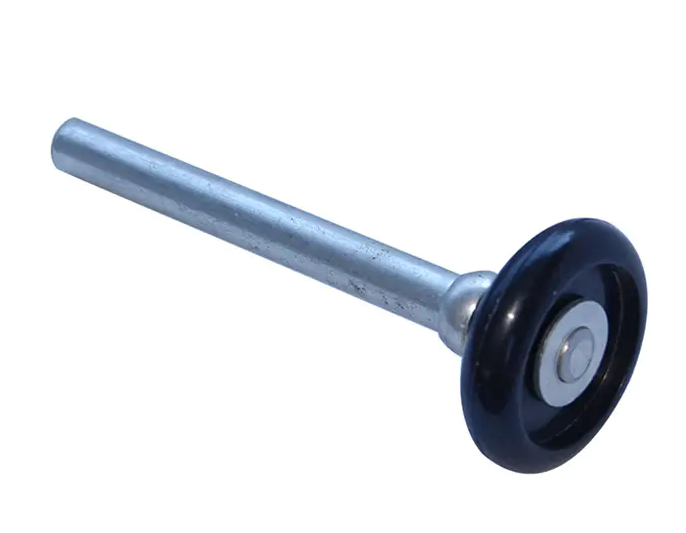
Key Differences Between 2-Inch and 3-Inch Garage Door Rollers
|
Roller Size |
Applications |
Key Points |
|
2-Inch |
Residential, single-car, light steel |
Lightweight, quiet, moderate load; wears faster |
|
3-Inch |
Heavy, double-car, insulated |
Durable, better weight distribution; more installation effort |
How Roller Size Impacts Door Operation
Roller size affects multiple performance aspects of a garage door system:
- Load Distribution: Larger rollers, like 3-inch, spread the door's weight more evenly along the track, reducing stress on the opener and prolonging component life. Smaller 2-inch rollers are adequate for lighter doors but may wear faster under heavier loads.
- Smoothness and Noise: 2-inch rollers offer quieter operation on lightweight doors, making them ideal for residential settings. 3-inch rollers maintain smoother operation on heavy or high-traffic doors, minimizing friction and reducing the risk of rattling or track wear.
- Track Compatibility and Alignment: Correct roller size ensures optimal engagement with the track groove. Undersized rollers may lead to misalignment, increased wear, or door wobble. Oversized rollers on light doors may fit too loosely, reducing stability.
- Durability and Maintenance: Larger rollers typically feature reinforced materials and high-quality bearings, resulting in longer service life and less frequent maintenance. Smaller rollers require more regular inspection in high-use scenarios to prevent performance degradation.
Load Capacity & Strength – What the Rollers Can Actually Carry
2-Inch Rollers Real-world limit: 150–225 lbs per pair These handle virtually every single-car, non-insulated steel door with no complaints. Put them on a 16×7 insulated door or a heavy wood carriage door and they're being asked to do a job they were never designed for. We see the stems bend, wheels develop flat spots, and bearings seize when they're overloaded.
3-Inch Rollers Real-world limit: 400–550 lbs per pair (depending on stem thickness and bearing rating) This is what we install on every double-car insulated door, every wood door, and every commercial roll-up. The extra inch of diameter spreads the weight over a much larger contact patch, so the roller doesn’t dig into the track and the stem doesn't twist under load. Result: dramatically less wear and a door that still feels smooth years later.
Track Compatibility – Will It Even Fit?
99 % of residential tracks built since the mid-1990s are 2-inch vertical track height and will accept both 2-inch and 3-inch rollers without any modification. The only time you run into problems is on very old 1-inch track systems (mostly pre-1985) or true commercial 3-inch track that requires a longer stem.
Quick field check we do on every call: Look inside the vertical track. If the opening is roughly 2 inches or a hair more, you can run 3-inch rollers today and instantly upgrade performance.
Alignment Tolerance – Why Bigger Rollers Forgive More
Small 2-inch wheels have to be almost perfectly aligned to run quietly. A 1/8-inch dip in the concrete or a slightly bent track section and the roller starts rocking, squeaking, and wearing a groove.
The larger 3-inch wheel bridges small gaps and imperfections. It literally rolls over minor track issues that would make a 2-inch roller bind or jump. That's why a door with 3-inch rollers stays quiet and straight even after the house settles or the track takes a few dings.
Noise & Smoothness – What You'll Actually Hear
Fresh 2-inch sealed nylon rollers on a light door = almost silent. Many customers tell us they didn't realize how loud their old steel rollers were until we swapped in new 2-inch nylons.
Fresh 3-inch sealed nylon rollers on a heavy door = just as quiet, sometimes quieter because the door isn't fighting the track. The bigger wheel turns slower at the same door speed, so there's less whining from the bearings and less vibration.
The myth that "bigger rollers are louder" usually comes from someone who put cheap steel 3-inch rollers on a light door years ago. Modern sealed nylon 3-inch rollers are whisper-quiet on both light and heavy doors.
Roller Materials & Bearings: What We Install and Why We Never Go Back
Material Choices – What Actually Holds Up
Nylon Rollers
This is what we put on 95 % of the doors we touch.
- Virtually silent – you'll think the opener is broken because you can't hear the door anymore
- Never rusts, even in coastal garages or places that flood every spring
- Self-lubricating properties mean no grease mess on your car
- Wheels stay round for 12–20 years instead of flattening out in 3–5 If you only remember one thing: nylon is the only material we trust long-term on residential doors.
Steel Rollers
- We still keep a box in the truck for true commercial roll-ups and steel warehouse doors.
- Extremely tough – they'll take a beating and keep rolling
- Loud as heck without constant greasing
- Will rust the second they see moisture We only use steel when the door literally weighs 800+ lbs or the customer specifically wants the lowest possible price and is okay with the noise.
Plastic Rollers
- These are the white or gray ones that came on most builder-grade doors 15–20 years ago.
- Cheap, quiet for the first year, then they crack, chunk out, and leave plastic shavings all over your floor
- We replace hundreds of sets every season – never seen a set last more than 7–8 years If your door still has plastic rollers, budget to replace them before they grenade and take the tracks with them.
Sealed vs. Unsealed Bearings – The Single Biggest Longevity Factor
Sealed Bearings
- Factory-packed with grease and sealed for life
- Zero maintenance – no spraying, no dripping, no black marks on the door panels
- Dirt, dust, and water can't get in, so they spin like new for 15+ years Every roller we sell and install is sealed. Period.
Unsealed (Open) Bearings
- Require greasing every 6–12 months
- Turn into grinders the moment dust or moisture gets inside
- Found on most cheap steel rollers and old stock We pulled a 4-year-old unsealed set last week that were completely frozen – the door was running on the stems instead of the wheels.
The Exact Combinations We Install Every Day
|
Job Type |
Material + Bearing We Use |
Expected Life |
|
Normal house, single or double door |
Sealed nylon (2" or 3" depending on weight) |
15–20 years |
|
Coastal / high humidity |
Sealed nylon only |
15+ years |
|
Light commercial / high cycles |
Heavy-stem sealed nylon |
12–18 years |
|
True commercial / 1000 lb+ doors |
Sealed steel or precision-bearing nylon |
10+ years |
Choosing the Right Garage Door Rollers
Key Factors That Determine the Best Roller for Your Door
Door Weight
- Under 400 lbs (most single-car, non-insulated steel doors) → 2-inch rollers are perfect
- 400 lbs and up (insulated doors, double-car doors, wood doors, commercial doors) → 3-inch rollers required
Daily Cycles
- 4–6 openings per day (typical household) → 2-inch works great
- 8–20+ openings per day (teen drivers, home business, rental property, commercial use) → 3-inch is a must for longevity
Environment
- Clean, dry, temperature-controlled garage → standard sealed rollers
- Dusty, humid, coastal, or extreme temperature swings → only sealed-bearing nylon or stainless-cap stem rollers
Quick Reference Guide
|
Door Type |
Recommended Roller |
Why It Matters |
|
Single-car, non-insulated |
2-inch sealed nylon |
Quiet, affordable, plenty of capacity |
|
Double-car or insulated |
3-inch sealed nylon |
Better weight distribution, longer life |
|
Wood or carriage-style doors |
3-inch sealed nylon |
Prevents track damage on heavy panels |
|
High-cycle residential/commercial |
3-inch sealed nylon |
Dramatically reduces wear and noise |
|
Light door but want ultimate quiet & durability |
3-inch sealed nylon |
Larger wheel = smoother, quieter roll |
Track Compatibility – 30-Second Check
Measure the inside height of your vertical track:
- ≈ 2" tall → use 2-inch rollers
- ≥ 2⅛" tall → upgrade to 3-inch rollers (most modern heavy-duty tracks accept them)
Our Strong Recommendation
- Always choose sealed-bearing nylon rollers, regardless of size.
- They're quieter, never need greasing, and in our experience last 2–3 times longer than steel or open-bearing rollers — especially in coastal or dusty areas.
Where Can I Buy 2-Inch and 3-Inch Rollers?
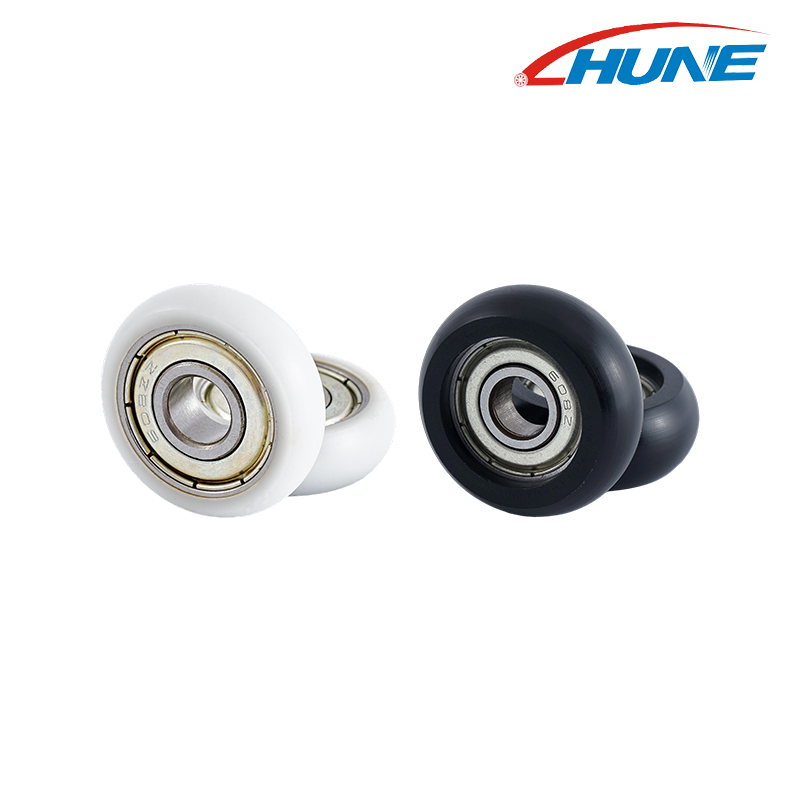
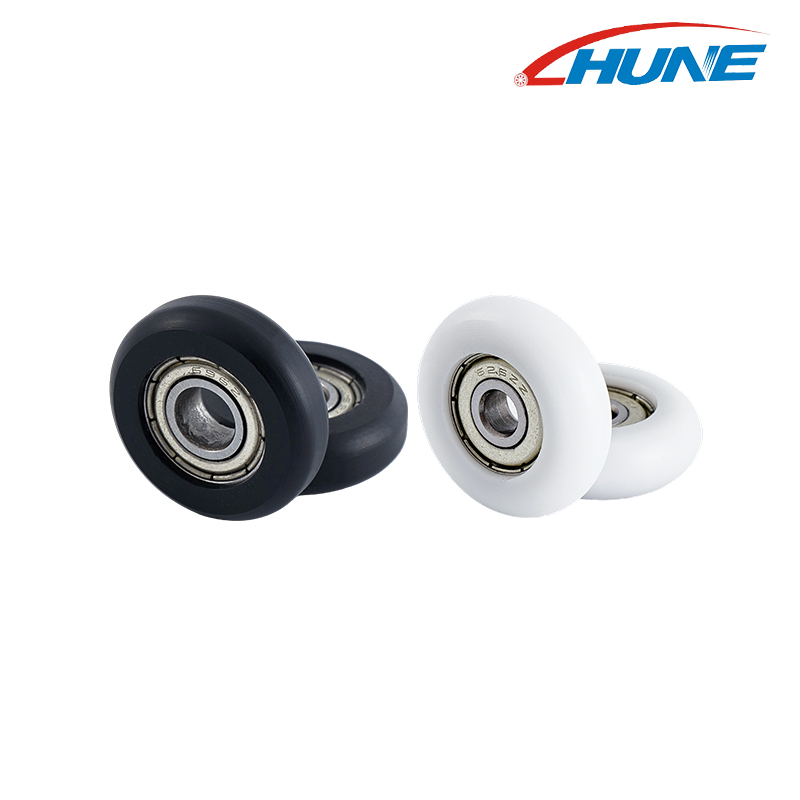
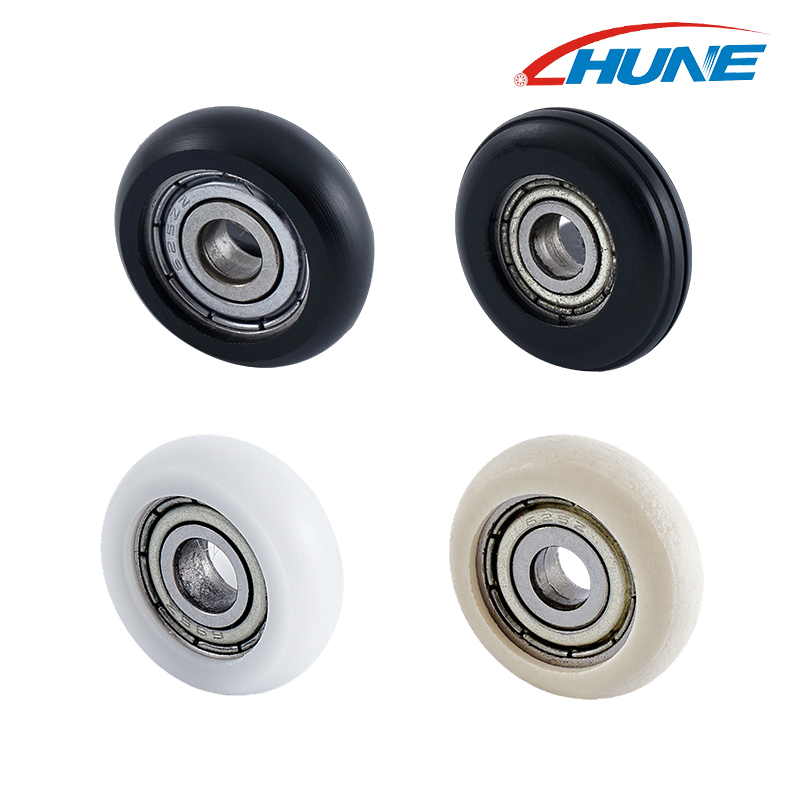
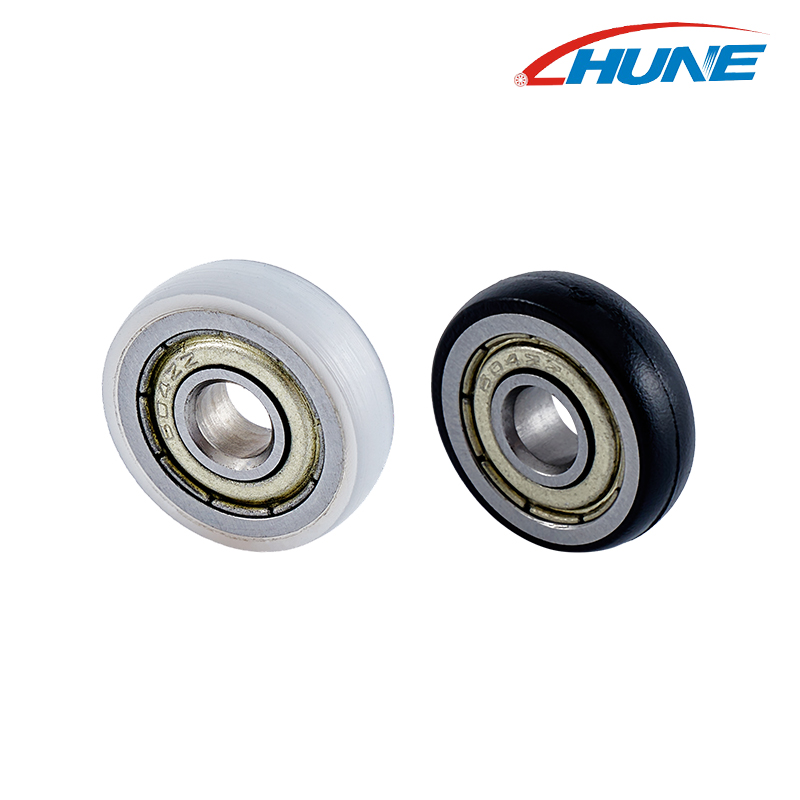
You can purchase 2-inch rollers and 3-inch rollers directly from Hune, a leading manufacturer specializing in high-quality garage door rollers. Whether you need rollers for residential garage doors, commercial doors, or industrial applications, Hune offers a wide selection of durable and reliable rollers to meet your specific needs.
- 2-Inch Rollers: Ideal for light to medium-duty residential garage doors, Hune's 2-inch rollers provide smooth operation, quiet performance, and long-lasting durability. These rollers are perfect for single-car doors, lightweight steel doors, and low-traffic residential applications.
- 3-Inch Rollers: Designed for heavier garage doors such as double-car doors, insulated doors, and commercial doors, Hune's 3-inch rollers offer superior load capacity, improved alignment tolerance, and long-lasting durability under frequent or heavy use.
At Hune, we use high-quality materials such as reinforced nylon, steel, and composite materials to ensure the strength and longevity of our rollers. Additionally, our rollers come equipped with sealed bearings to reduce maintenance and extend their lifespan.
You can easily place an order through Hune's website or contact our sales team for custom roller solutions tailored to your specific requirements. Our rollers are available in a variety of sizes, including the popular 2-inch and 3-inch options, to fit both residential and commercial-grade tracks.
If you're looking for high-performance garage door rollers that combine affordability, durability, and smooth operation, Hune is your go-to source.
2-Inch Rollers FAQs:
What Are 2-inch Garage Door Rollers Used for?
- These smaller rollers are designed for lightweight, residential garage doors, such as single-car or light steel doors.
Are Smaller Rollers Quieter Than Larger Ones?
- Yes, rollers with a 2-inch diameter typically produce less noise, making them ideal for residential areas where quiet operation is important.
How Long Can a Standard 2-inch Roller Last?
- With proper maintenance, these rollers typically last 5-10 years, depending on usage and environmental conditions.
Are 2-inch Rollers Compatible With All Track Types?
- They work best with standard residential tracks. For heavy-duty applications, a larger roller is required.
What Materials Are Commonly Used in These Smaller Rollers?
- Typically, these compact rollers are made from nylon, plastic, or light-duty steel, which balances performance and cost.
Are 2-inch Rollers Suitable for Insulated Doors?
- They may work for lighter insulated doors, but for heavier insulated doors, a larger roller size is recommended.
Can 2-inch Rollers Be Easily Replaced?
- Yes, these smaller rollers are commonly available and easy to replace, making them a convenient option for residential garage doors.
Do Smaller Rollers Like the 2-inch Diameter Help Reduce Noise?
- Yes, 2-inch rollers are generally quieter than their larger counterparts, making them ideal for low-traffic residential garages.
What Kind of Bearings Do Rollers With a 2-inch Diameter Typically Have?
- These rollers usually feature ball bearings or sleeve bearings. Sealed bearings offer better protection and longevity for these smaller rollers.
3” Rollers FAQs:
What Are 3-inch Garage Door Rollers Used for?
- 3-inch rollers are used for heavier garage doors, such as double-car doors, insulated doors, or high-traffic commercial garage doors.
Can 3-inch Rollers Support Heavier Doors?
- Yes, 3-inch rollers are specifically designed to support heavy doors, providing better load distribution and performance under stress.
How Long Do 3-inch Garage Door Rollers Last
- 3" rollers typically last longer than 2-inch rollers, with proper maintenance, they can last up to 15 years or more.
Do 3-inch Rollers Require More Maintenance Than 2-inch Rollers?
- Not necessarily. While 3-inch rollers may have more components due to their size, they generally require the same level of maintenance, including lubrication and cleaning.
3-What Are the Advantages of Using 3-inch Rollers on Commercial Doors?
- 3-inch rollers are ideal for commercial doors because they offer better weight distribution, higher durability, and smoother operation under frequent or heavy use.
What Materials Are 3-inch Rollers Made of?
- 3-inch rollers are typically made from reinforced nylon, steel, or composite materials to handle the increased weight and stress of heavy doors.
Do 3-inch Rollers Work Well for Insulated Garage Doors?
- Yes, 3-inch rollers are well-suited for insulated doors, as they can handle the added weight and ensure smooth operation.
Are 3-inch Rollers More Expensive Than 2-inch Rollers?
- Yes, 3-inch rollers are generally more expensive due to their larger size and higher load-bearing capacity.
Can 3-inch Rollers Help Reduce Track Wear?
- Yes, 3-inch rollers provide better load distribution, which can help reduce track wear and misalignment over time.
Do 3-inch Rollers Require Sealed Bearings?
- Sealed bearings are ideal for 3-inch rollers, especially in high-use or outdoor environments, as they provide better protection against dirt and moisture.
Are 3-inch Rollers Suitable for Heavy Industrial Doors?
- Yes, 3-inch rollers are commonly used in industrial applications where heavy-duty doors are required. They offer the durability and strength needed for these types of systems.