

 English
 Español
 日本語
日本語An awning roller assembly can seem like a simple mechanical part until the awning starts making unusual sounds or becomes difficult to operate. In an outdoor shading system, the roller has to work together with the guide, axle, bearing or bushing, mounting structure, and other moving components. When one part changes because of wear, dirt, loose hardware, or alignment issues, the entire movement can feel different. This is why a noisy or stiff awning should not automatically be treated as a failed roller.
For RV awnings, retractable patio awnings, folding shade structures, and similar applications, troubleshooting is usually easier when the complete movement is considered. Looking at where the problem appears, when the sound occurs, and how the roller sits inside the assembly can provide useful clues before a replacement part is selected.
Start With The Symptom, Not The Replacement Part
When an awning begins to behave differently, the first step is to understand exactly what has changed. A system that gradually becomes harder to move may have a different cause from one that develops a sudden clicking sound. Likewise, resistance across the whole movement path can point toward a different area than resistance that appears only when the awning reaches one particular position.
Outdoor awnings are exposed to dust, moisture, temperature changes, leaves, and general environmental conditions. Regular movement also places repeated stress on rotating and sliding components. Over time, these factors can affect the way a roller assembly operates.
Instead of immediately removing the roller, observe the mechanism while it moves and try to identify a pattern.
Look For Changes In Movement
If the awning moves smoothly at one point and becomes difficult at another, pay attention to that specific section. A localized problem may be related to the guide or contact surface rather than the entire roller.
If movement feels rough throughout the process, the roller, axle, bearing, bushing, or mounting arrangement may deserve closer inspection.
This does not provide a definite diagnosis, but it gives the inspection a more useful direction.
Why Does An Awning Roller Make Noise?
Noise is one of the easiest symptoms to notice, but it can have several possible causes. The type of sound, when it appears, and where it comes from are all useful details.
A light squeaking sound may come from contact between moving surfaces, contamination, or a rotating connection that needs inspection. A rough grinding-type sound may indicate wear around a wheel, axle, bearing, or bushing. A repeated clicking sound can sometimes be associated with a mounting component or a particular section of the guide.
The important point is that sound alone does not identify the damaged component.
| Observed Symptom | Areas That May Need Inspection |
|---|---|
| Squeaking during movement | Wheel, contact surface, rotating connection |
| Rough rotational sound | Bearing, bushing, axle, wheel |
| Repeated clicking | Guide, mounting hardware, local contact |
| Increased resistance | Roller, guide, alignment, debris |
| Uneven movement | Roller position, mounting, guide |
| Visible wheel damage | Roller and related components |
This is a troubleshooting reference rather than a fixed diagnosis because awning structures vary in construction.
The Guide Can Be Part Of The Problem
A roller does not operate by itself. It follows, contacts, or supports another part of the mechanism, which means the condition of that surrounding surface can directly affect movement.
Outdoor guides can collect dust and small debris. They can also develop surface wear or become slightly displaced after long-term use. If the guide is no longer in the condition expected by the original design, even a new roller may not move as intended.
Inspect The Contact Area
Look at the section where the roller travels or makes contact with the guide. Pay attention to visible dirt, foreign material, unusual wear marks, damage, or anything that could interfere with movement.
If the awning becomes difficult to operate at the same location each time, that section deserves particular attention. A problem that repeatedly appears in one place is worth investigating before the roller is replaced.
Could The Mounting Structure Be Causing The Noise?
The mounting area is easy to overlook because attention naturally goes toward the wheel itself.
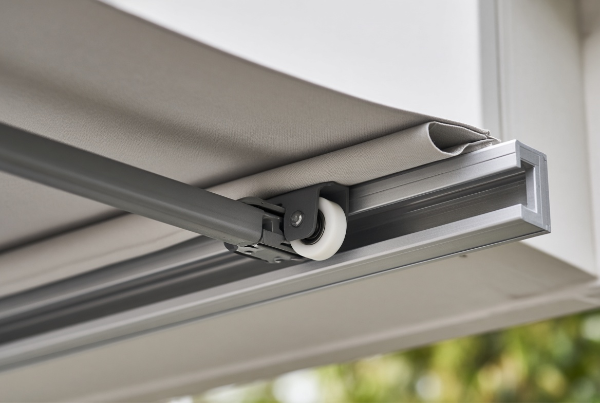
However, the mounting structure controls the position of the roller. If a bracket becomes loose, bent, or displaced, the wheel can sit differently within the assembly. That change may affect how it contacts the guide and may create additional friction or noise.
During an inspection, look at the bracket, axle, fastening points, and other visible parts around the roller. The goal is to determine whether the wheel is moving because it is designed to move or because the mounting structure has developed unwanted play.
This distinction matters when deciding whether a roller replacement is actually required.
What Does A Worn Roller Look Like?
Wear is not always dramatic. A roller may continue to move while its contact surface gradually changes.
Common visual signs can include uneven wear, surface damage, cracking, deformation, or unusual marks around the wheel. Increased movement around the axle or rotating connection can also indicate that the assembly should be examined more closely.
A useful comparison is to look at another similar roller in the same system when one is available. Differences in surface condition or movement may help identify which component has changed.
The old roller should also be kept if a replacement is being considered. Even a worn component can provide useful information about the original construction.
Choosing A Replacement Requires More Than Matching The Shape
Two awning rollers can look similar while being intended for different assemblies.
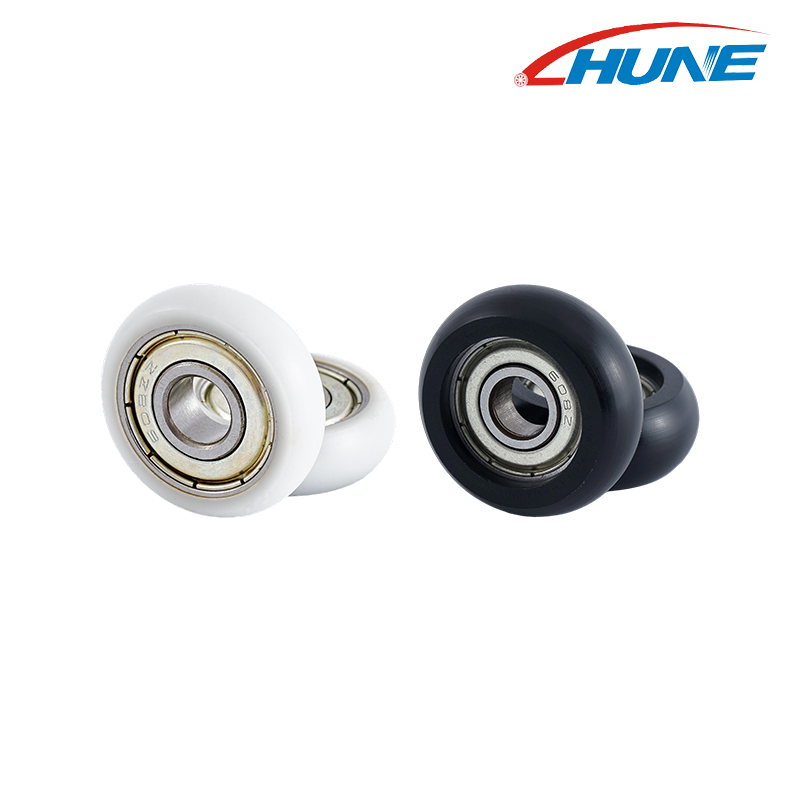
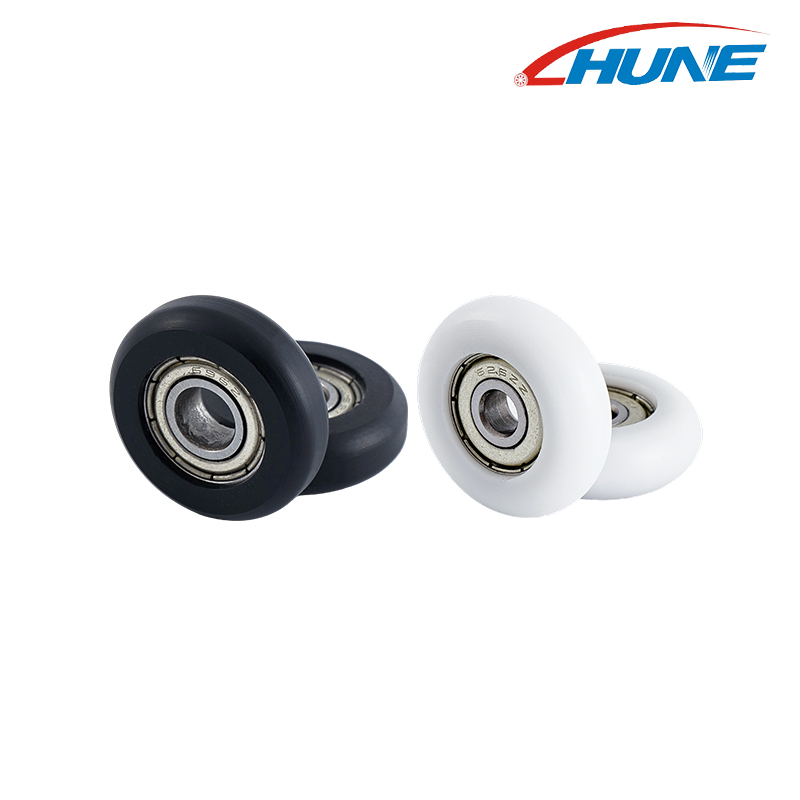
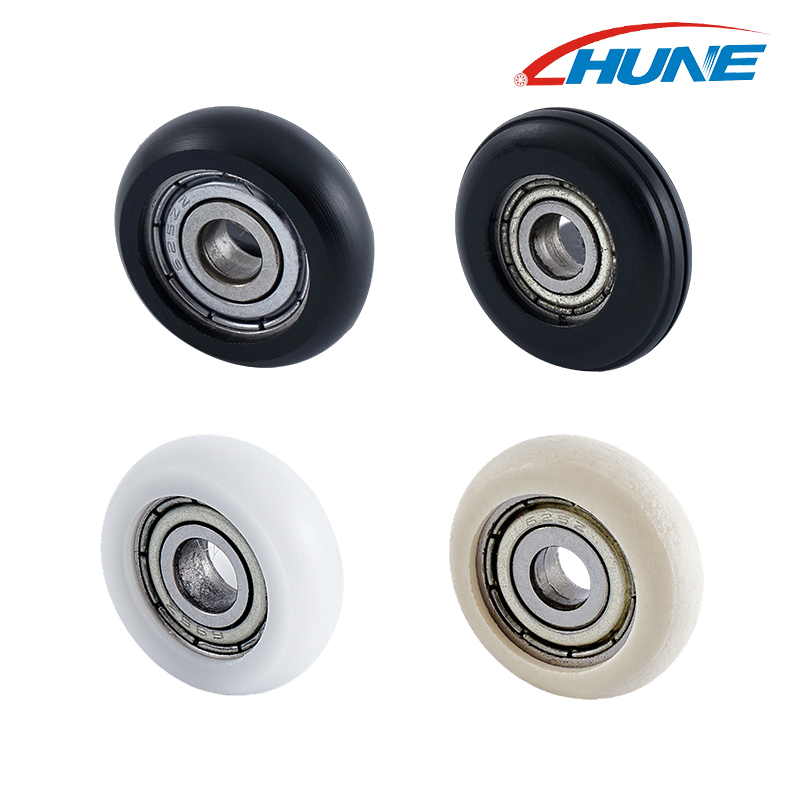
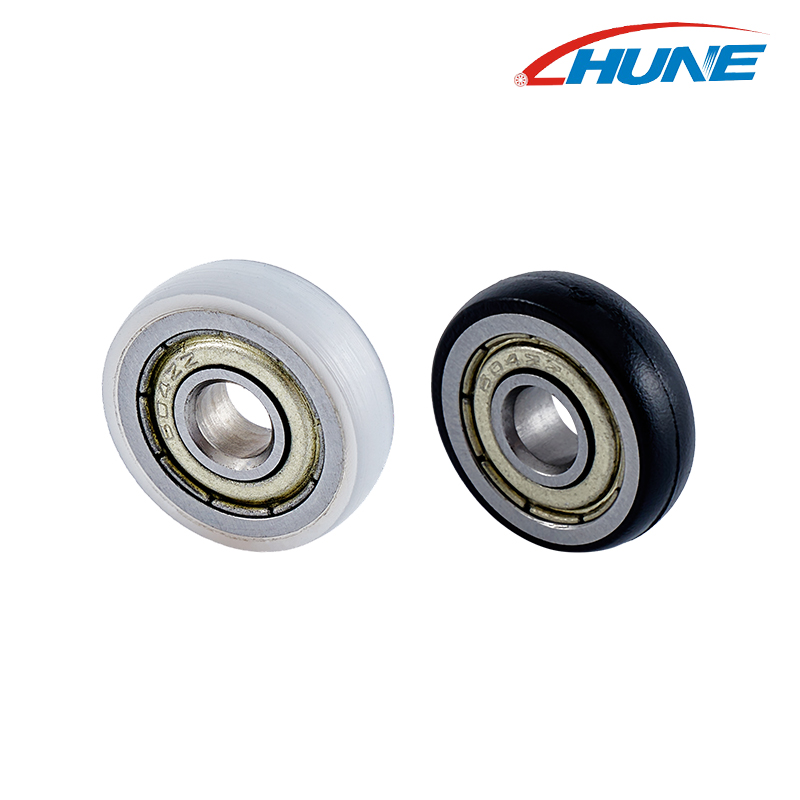
The wheel profile, axle arrangement, mounting structure, rotating connection, and relationship with the guide all influence compatibility. A replacement that looks correct in a photograph may still have a different mounting arrangement.
This becomes more important when dealing with older awnings, customized equipment, or components that do not have an easily identifiable product reference.
Before sourcing a replacement, compare the complete assembly rather than only the outer appearance of the wheel.
Information That Helps With Replacement Sourcing
A supplier can usually understand a component more clearly when the inquiry includes practical reference material.
Useful information may include:
- Photos of the original roller from several angles.
- A photo showing the roller installed.
- Images of the guide or track.
- An existing drawing, if available.
- Information about how the roller is used.
- Details about whether the requirement is replacement or OEM production.
- A physical sample when the component is customized.
The purpose is not to create unnecessary paperwork. It is simply to give the manufacturer enough information to understand what the component needs to do.
What If The Original Part Cannot Be Found?
This situation is common with older equipment. The awning may still be in service while the original component is no longer available through the previous supply channel.
When there is no product reference, a physical sample can become particularly useful.
The sample can provide information about the wheel, mounting arrangement, axle position, and general construction. Photographs of the installed part can then provide additional context about how the component interacts with the surrounding structure.
For a customized replacement, this information can form the basis for discussing a new sample before regular production.
Replacement And Troubleshooting Should Go Together
Replacing a worn roller without considering why it wore out can sometimes lead to another problem later.
Suppose a wheel shows uneven wear. It is worth checking whether the guide has an issue. If the roller has moved out of position, inspect the mounting structure. If the assembly continues to make noise after the wheel is changed, look at the surrounding components rather than assuming the new part is responsible.
This does not mean every roller problem requires a complete system overhaul. It simply means that the component should be considered within its working environment.
A Simple Inspection Routine For Awning Rollers
A practical inspection does not have to be complicated.
1. Observe The Awning
Move the system carefully and notice whether the issue appears during extension, retraction, or both.
2. Locate The Problem
Determine whether the noise or resistance occurs throughout the movement or in one particular area.
3. Examine The Roller
Look for visible damage, uneven wear, contamination, or unusual movement.
4. Check The Guide
Inspect the contact surface for debris, damage, or anything that could interfere with the wheel.
5. Review The Mounting Point
Check whether the roller remains properly positioned and whether the mounting structure appears secure.
6. Keep The Original Component
If replacement is needed, retain the old roller as a reference whenever possible.
This sequence helps separate a roller issue from problems elsewhere in the mechanism.
When A Sample Is Useful For Custom Manufacturing
Standard replacement parts are not always suitable for older or customized awning systems. In these cases, the original component can be used as a reference for manufacturing.
A manufacturer may review the physical sample together with photographs or drawings to understand the required structure. Once the replacement concept has been confirmed, a sample can be produced for evaluation before moving into repeat orders.
This type of process can be useful for distributors, repair businesses, and equipment manufacturers that need a recurring supply of a particular roller rather than a single replacement.
Hune Pulley For Awning Roller Applications
Hune Pulley works with roller and pulley components for mechanical applications and supports replacement and customized sourcing requirements.
For an awning roller project, customers can provide an existing sample, drawing, or photographs of the installed component. This information can be used to discuss the wheel construction, mounting arrangement, rotating connection, and application requirements.
For OEM and repeat-order projects, approved samples and technical references can also be retained as product references for future production. The actual manufacturing approach depends on the component design and the customer's requirements.
A Few Things To Check Before Ordering
Before placing an order for a replacement roller, it is worth checking the surrounding assembly one more time. Make sure the guide is not visibly obstructed, the mounting point has not shifted, and the old wheel actually shows signs of wear or damage.
If the original component is available, take several photographs and keep it as a reference. When the part is customized, providing the physical sample can make the sourcing discussion much clearer.
For businesses purchasing awning rollers in batches, keeping an approved sample and basic product documentation can also make future repeat orders easier to manage.
Understanding The Problem Makes Replacement Easier
Awning roller assembly issues are not always caused by the roller itself. Noise, resistance, and uneven movement can also come from the guide, mounting structure, axle, bearing or bushing, contamination, or alignment within the system.
A more practical approach is to observe the complete mechanism first and then narrow the inspection toward the component that appears to be causing the change. When replacement is necessary, the original roller, installation photographs, and available drawings can provide useful references for identifying or developing the required part.
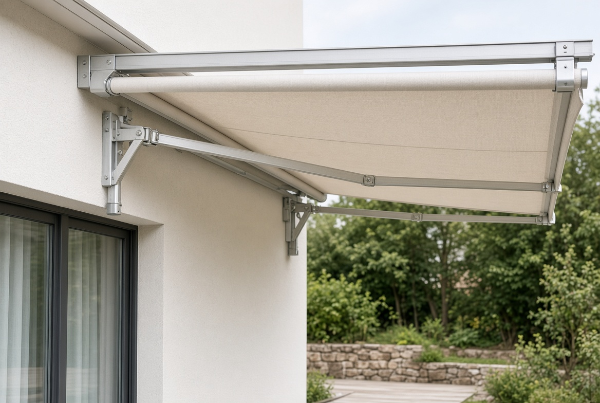
For RV awnings, retractable shading systems, and other outdoor applications, the roller may be a relatively small component, but its relationship with the surrounding mechanism matters. Understanding that relationship before ordering a replacement can make troubleshooting, sourcing, and future production much easier.