

 English
 Español
 日本語
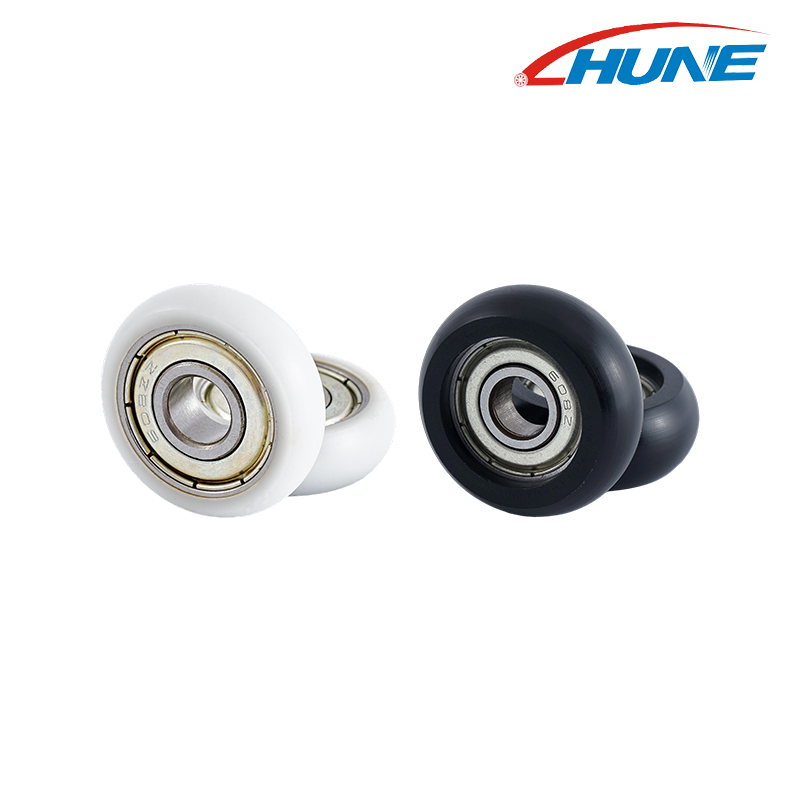
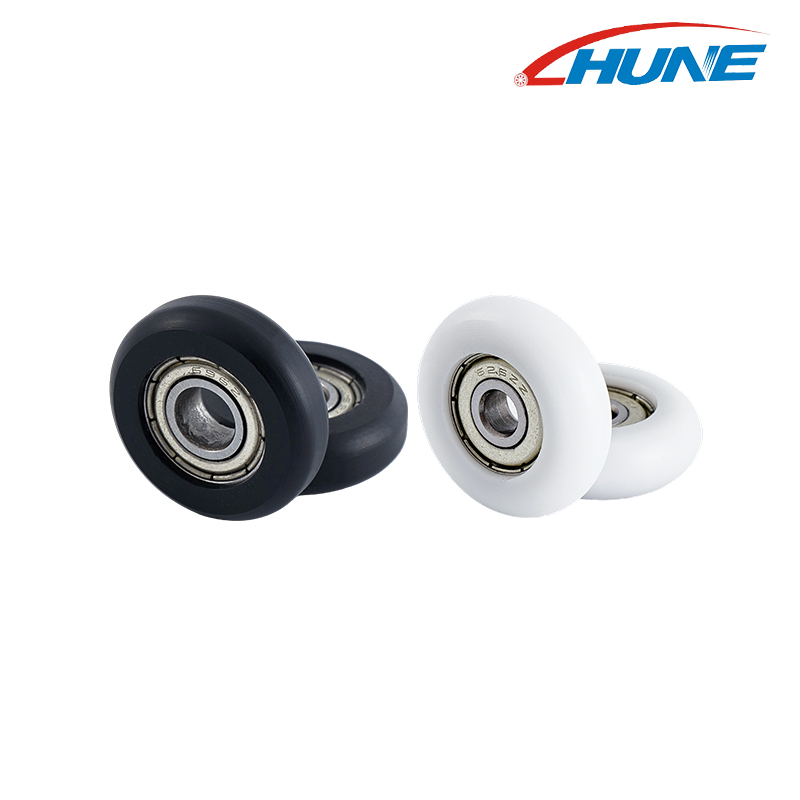
日本語Sliding windows look uncomplicated—just a frame, a sash, and a track—but the "effortless glide" you notice depends heavily on a part you rarely see: the rollers. When you choose the right ones, the window moves smoothly and quietly, closes squarely, and doesn't grind the track down over time. Choose the wrong ones, and you'll live with it every day: sticking, wobble, uneven gaps, and that gritty scraping sound that shows up the moment you've put your tools away.
The usual dilemma is straightforward: do you grab the cheapest replacement that fits, or spend more for better materials and bearings? The better approach is to focus on what truly determines performance for your specific window, usage, and environment—so where should you invest, and where can you safely save?
Why rollers matter more than most homeowners think
Sliding window rollers do more than help the sash move. They carry the sash weight, maintain alignment, and determine how consistently the sash tracks along the frame. That single system affects:
- Ease of operation, meaning how much force it takes to open and close
- Noise, such as grinding, clicking, or rattling
- Sealing, meaning whether weatherstripping compresses evenly
- Security and latch alignment, meaning whether the lock engages smoothly
- Longevity, meaning whether rollers and tracks wear prematurely
In short, rollers influence comfort, energy performance, and maintenance, not just convenience.
What performance actually means for window rollers
Roller performance is a combination of mechanical design and environmental suitability. When comparing options, focus on these outcomes.
Smooth movement under load
A roller can feel fine when spun freely, then struggle once it supports a heavy sash. Good performance means low friction while carrying real weight, not just a smooth spin in your hand.
Stable alignment with minimal wobble
High-performing rollers keep the sash steady and square. That reduces:
- Uneven gaps
- Frame rubbing
- The need to lift the sash to latch it
- Accelerated wear on one side of the track
Resistance to dirt and moisture
Tracks collect debris. Condensation happens. The right roller design tolerates grit and humidity without binding or corroding.
Low wear on both roller and track
A roller that lasts but damages the track is a poor value. Track repairs can be more expensive and disruptive than replacing rollers.
What you are paying for when roller prices increase
Most cost differences come from four areas: wheel material, bearing design, housing rigidity, and corrosion resistance. Those features often determine service life.
Wheel material: quietness versus durability versus track friendliness
Common wheel categories include:
- Nylon or basic plastics: quiet and smooth, but may wear faster under heavy load or rough tracks
- Hard composites: improved wear resistance while remaining relatively quiet
- Steel or stainless steel: durable under heavy load and rough conditions, but can be noisier and may increase track wear depending on track material
Priority: match wheel material to sash weight and track condition. Quiet wheels can be appealing, but softness often reduces lifespan.
Bearing design: where premium options can be worth it
Bearing construction is a major driver of both price and performance.
- Plain bushing designs: economical and simple, often adequate for light windows in clean, dry conditions, but more likely to develop drag over time
- Ball bearing designs: smoother under load and often maintain performance longer
- Sealed bearing designs: better protection from moisture and grit, especially valuable in humid, coastal, or dusty environments
Priority: if the window is used daily or exposed to moisture and debris, bearing quality is one of the best places to invest.
Housing rigidity and adjustment hardware: the overlooked feel factor
Two rollers with similar wheels can perform differently if their housings and adjustment systems differ. Better assemblies often provide:
- Stiffer housings that resist flex under load
- Stronger adjustment screws that are less likely to strip
- More consistent height control, keeping the sash level and sealed
Priority: if your sash wobbles, rattles, rubs, or will not stay aligned, housing rigidity and adjustability matter as much as wheel and bearing quality.
Corrosion resistance: climate determines the return on investment
Corrosion can turn a smooth roller into a seized roller quickly. Higher-risk conditions include:
- Coastal or salt-air environments
- Frequent condensation, such as in bathrooms, kitchens, or cold climates
- Dusty or windy regions that feed grit into the track
Look for corrosion-resistant metals, protective coatings, and sealed bearings when these conditions apply.
The top priority: compatibility and correct fit
Before price or materials, the most important factor is correct fit. A high-end roller that does not match the track geometry will perform poorly and may cause damage.
Compatibility includes:
- Wheel diameter, since small differences can change sash height and tracking
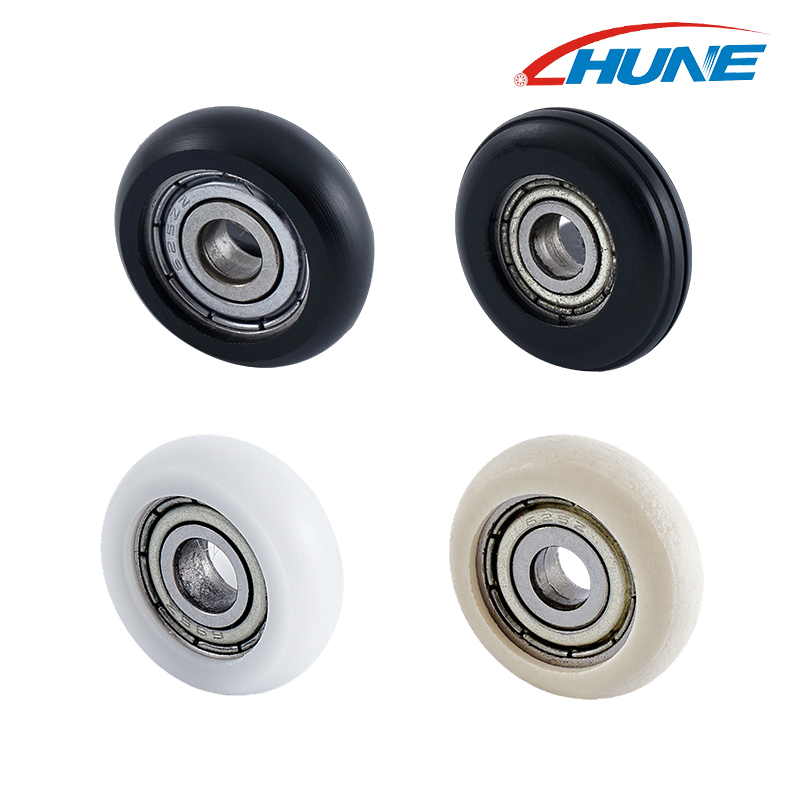
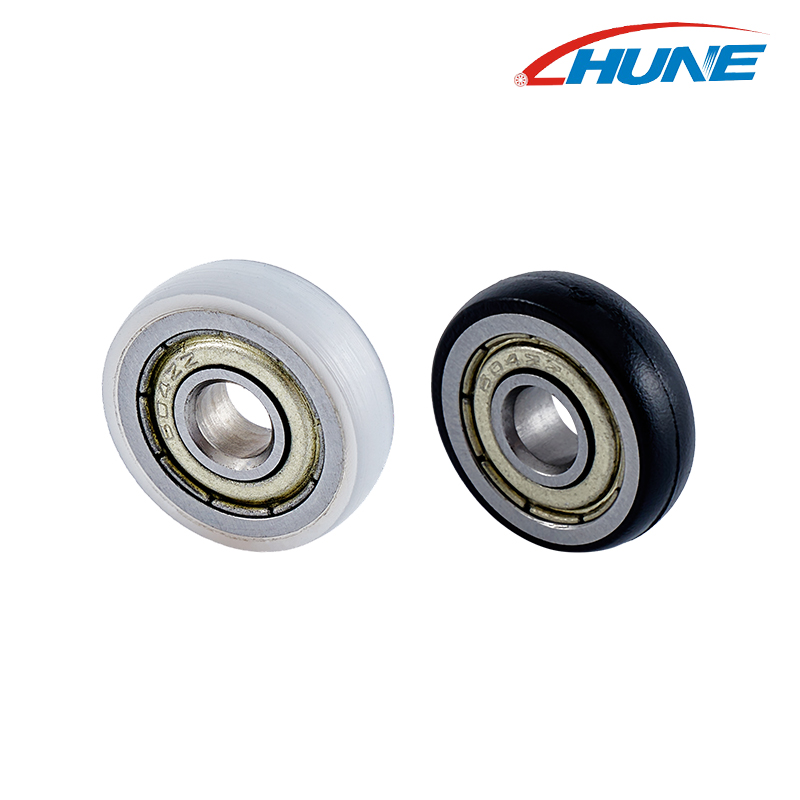
- Wheel profile, such as flat, concave, or V-shaped, which must match the track
- Housing dimensions and mounting method
- Adjustment range, ensuring enough travel to level the sash and maintain sealing
Practical rule: choose perfect fit over premium features every time.
Choosing Roller Priorities Based on Real-World Conditions
The most expensive roller is not automatically the best choice. The best choice is the roller that matches how the window is used, how heavy the sash is, and what the environment does to the hardware over time. Below are practical scenarios that help you decide what to emphasize before you buy.
Scenario A: Light sash, occasional use, mild climate
When the sash is light and the window is opened only now and then, you typically do not need top-tier hardware to get reliable performance.
- Focus on:
- Correct fit, especially wheel diameter and wheel profile that matches the track
- A decent-quality wheel material that rolls smoothly without excessive softness
- Enough adjustment range to keep the sash level and sealing evenly
- Best-value approach: a properly matched mid-range roller is usually the sweet spot, because it delivers smooth operation without paying for heavy-duty features you will not fully use.
Scenario B: High-traffic window, daily operation, busy household or rental
If the window gets opened and closed constantly, small weaknesses show up quickly. This is where the cheap option often becomes the repeat-repair option.
- Focus on:
- Higher-grade bearings, with sealed bearings preferred for long-term smoothness
- Wheel material that resists flat-spotting and deformation under frequent load
- A rigid housing and sturdy adjustment mechanism to prevent wobble and misalignment
- Best-value approach: stepping up in bearing quality and build rigidity typically saves time and frustration, because the roller stays consistent instead of degrading month by month.
Scenario C: Coastal or humid environment, frequent condensation
Moisture changes the rules. Corrosion and grit can turn a decent roller into a seized roller much faster than normal wear would.
- Focus on:
- Corrosion-resistant construction, including coated or stainless components
- Sealed bearings to keep moisture and debris away from the rolling surfaces
- Durable housings and fasteners that do not rust easily or lose adjustment
- Best-value approach: prioritize materials and sealing features over minor differences in glide feel on day one. In humid environments, survival is performance.
Scenario D: Heavy sash, large panels, double glazing
A heavy sash multiplies friction and stress. Rollers that feel fine under light loads may struggle immediately once they carry significant weight.
- Focus on:
- Load capacity and wheel durability suitable for sustained weight
- Bearings that stay smooth under pressure rather than binding over time
- Tandem roller designs if the window system supports them, because they distribute weight and reduce point loading
- Best-value approach: buy for strength first. Heavy sashes quickly expose weak wheels, soft materials, and flexible housings.
Scenario E: Rough, worn, or damaged tracks
A roller upgrade cannot compensate for a track that is dirty, pitted, dented, or mis-shaped. In fact, a damaged track can destroy new rollers quickly, including premium ones.
- Focus on:
- Track cleaning and basic repair before installing replacement rollers
- Tougher wheel materials that tolerate imperfect rolling surfaces
- Stable housings that reduce tilt and uneven wheel contact
- Best-value approach: treat the track as part of the system. A modest roller on a clean, true track often outperforms an expensive roller installed on a damaged one.
When you can spend less without regret
You can often choose a more economical roller when:
- The sash is light
- The window is opened infrequently
- The environment is dry and relatively clean
- Compatibility is confirmed and adjustment range is sufficient
In these situations, best value usually means a correctly matched, decent-quality roller rather than the highest-priced option.
When paying more is typically justified
Higher-cost rollers often make sense when they reduce repeat maintenance or solve persistent issues.
Consider upgrading when:
- The sash is heavy or the window is used daily
- Smooth operation is important for accessibility
- The environment is humid, coastal, or dusty
- You have experienced repeated roller failures
- The window will not stay aligned or the latch is finicky
- You want longer service life to reduce labor and downtime
When to Save vs. When to Spend on Sliding Window Rollers
|
Decision Scenario |
Key Indicators |
Recommended Approach |
|
When a Budget Roller Works |
Light sash Infrequent use Dry, clean environment Proper fit and adjustment |
Choose a well-matched, standard-quality roller for best value |
|
When Upgrading Is Worth It |
Heavy or daily-use sash Humid, coastal, or dusty areas Alignment or latch issues Repeated roller failures |
Invest in higher-grade rollers to improve durability and reduce maintenance |
Common mistakes that waste money
Even great rollers can perform poorly if fundamentals are missed.
Buying a close size instead of the correct size
Small differences in diameter or profile can cause drag, misalignment, and track wear.
Installing new rollers on a dirty track
Debris turns new rollers into consumables. Vacuum and scrub the track first.
Using oily lubricants on the track
Oil and grease attract dirt. A light application of dry silicone, used sparingly, is usually safer.
Skipping final alignment
Many complaints blamed on rollers are actually adjustment issues. Proper leveling improves glide, sealing, and latch alignment.
A simple decision checklist
When selecting rollers, prioritize in this order:
- Compatibility, including diameter, profile, housing, mounting, and adjustment range
- Load suitability, including wheel material and design appropriate to sash weight
- Bearing quality, especially for frequent use or harsh environments
- Corrosion resistance when humidity or salt air is involved
- Housing rigidity and adjustability for stability, sealing, and long-term feel
The best roller purchase is the one that stays smooth, keeps the sash aligned, and protects the track over time. Price matters, but it should follow function: fit first, then durability matched to sash weight and environment, then bearing and corrosion upgrades if your conditions demand them. This approach avoids overspending on features you will not benefit from while preventing underbuying the parts that determine longevity.