

 English
 Español
 日本語
日本語Choosing the right rollers for a sliding window can change everything from how effortlessly it opens and closes to how well it holds up after years of use. Standard rollers are often the most convenient option since they're inexpensive and easy to find, while custom rollers are made to match your specific window setup and can deliver smoother movement, quieter operation, and better long-term durability. The real decision comes down to value over time—do you need a quick, budget-friendly replacement, or a purpose-built upgrade that's designed to last?
What Sliding Window Rollers Actually Do (and Why They Matter)
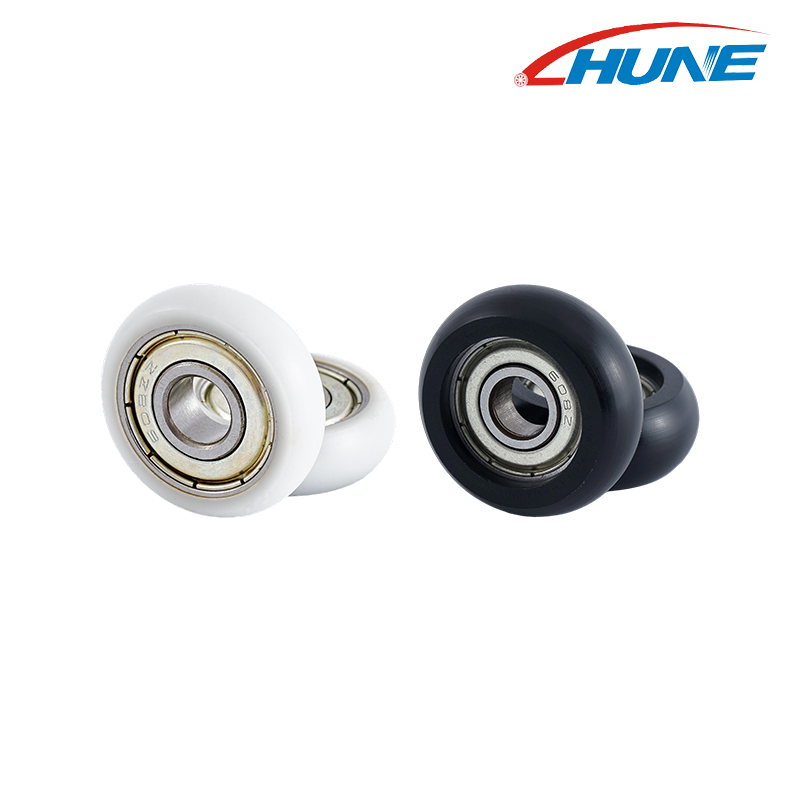
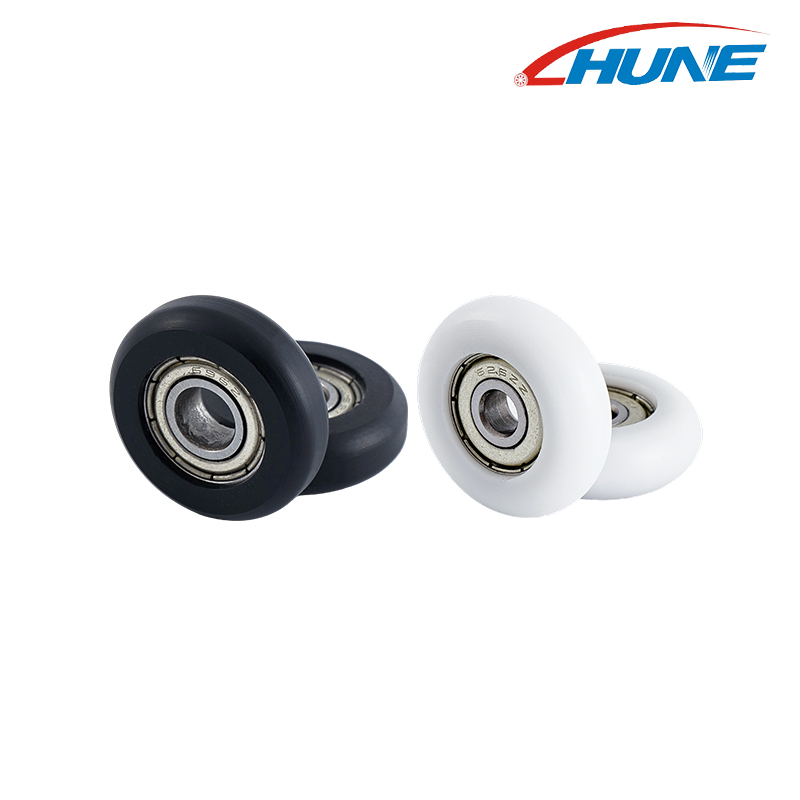
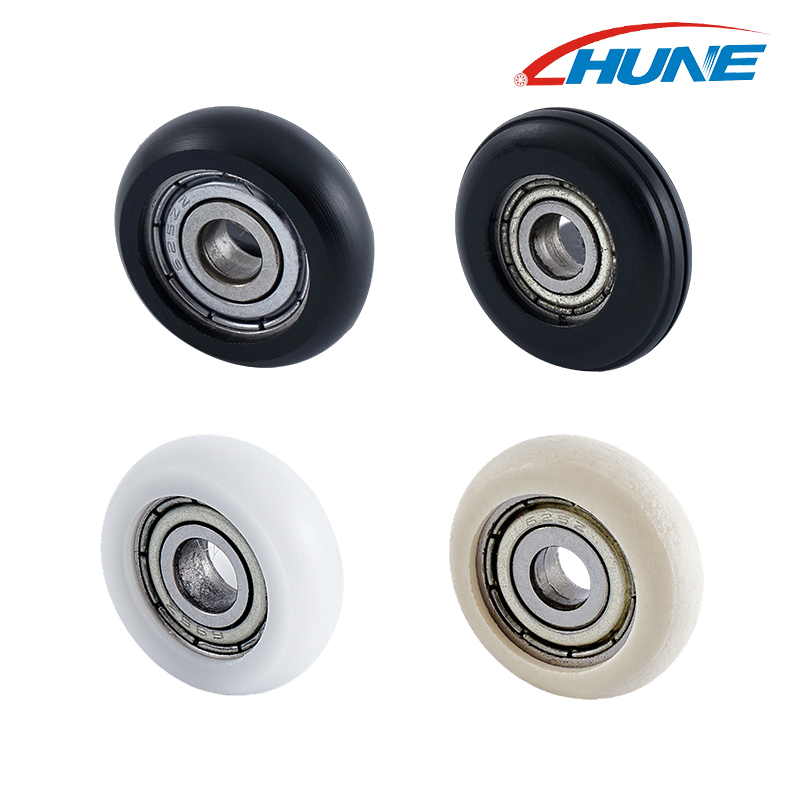
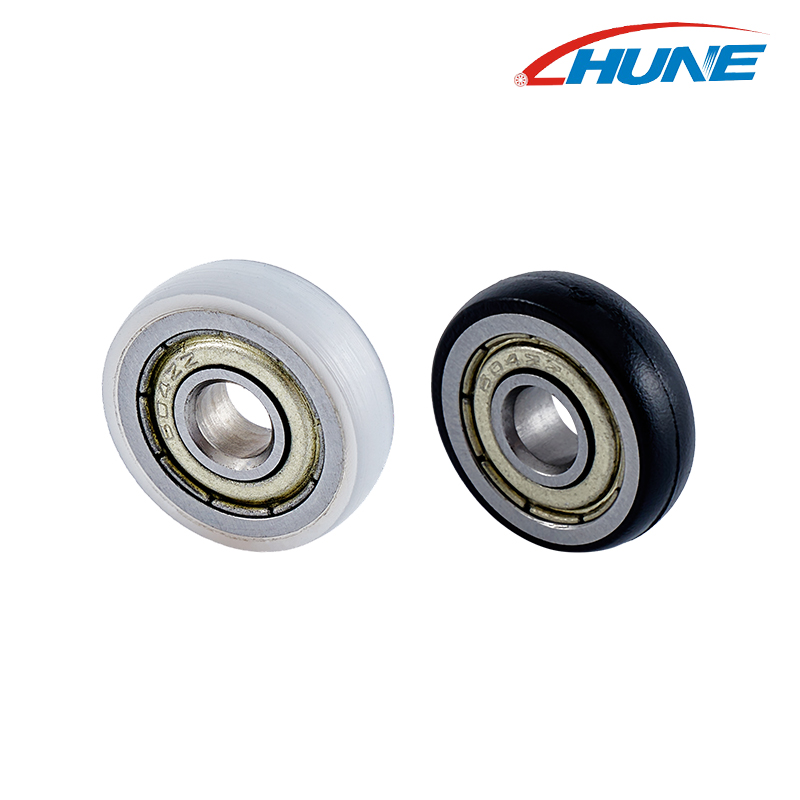
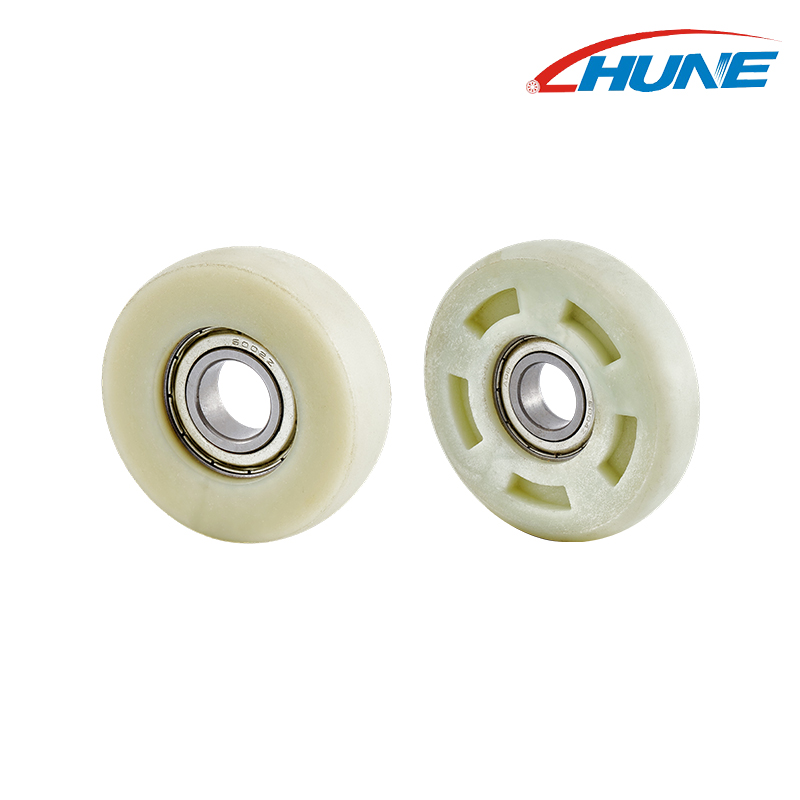
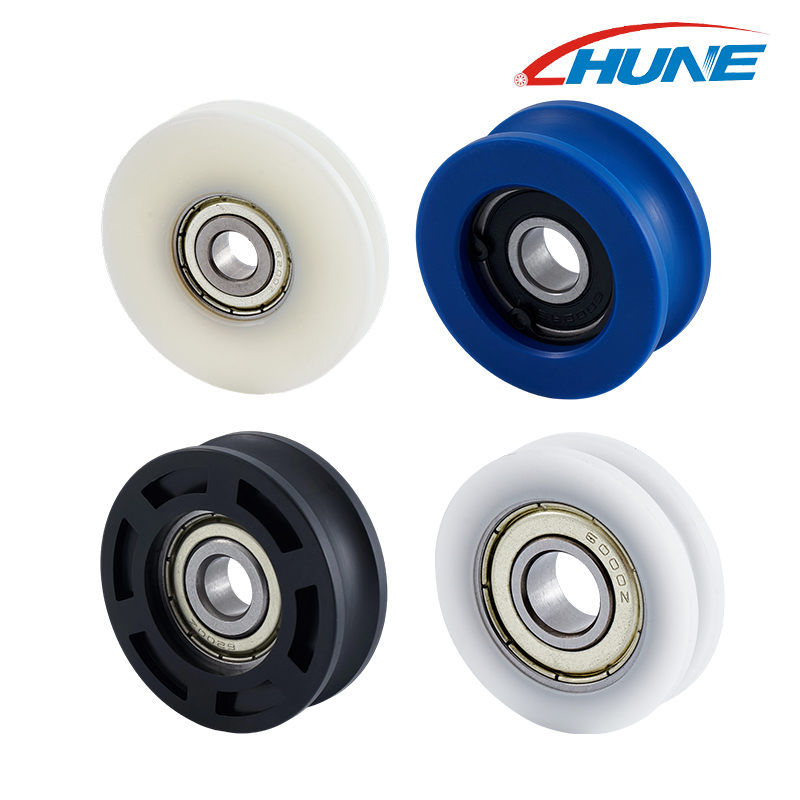
Sliding window rollers are the small wheel assemblies that let a sash (or panel) glide along a track. They look insignificant—until they aren't.
- When rollers are the right size and type, you get:
- Smooth, quiet movement
- Proper alignment so locks meet correctly
- Even contact with weatherstripping (better sealing)
- Less wear on tracks and frames
- When rollers are wrong, worn, or mismatched, you'll notice:
- Grinding, sticking, or "jumping" along the track
- A sash that tilts, drags, or won't close squarely
- Drafts or water intrusion because the sash doesn't seat properly
- Accelerated track damage (and then bigger repair bills)
So yes—rollers are small, but they're structural in the everyday sense: they hold the sliding geometry together.
Standard Sliding Window Rollers: What You're Getting
Standard rollers are mass-produced in common sizes and configurations. They're designed to fit a wide range of windows, especially newer or widely distributed models.
Why standard rollers are often the best choice
Standard rollers make sense when:
- Your window is from a major manufacturer with commonly available parts
- The original roller model is still produced (or has a direct replacement)
- The track and sash are in decent condition
- You want an economical fix with minimal lead time
Advantages
- Lower cost (often dramatically)
- Fast availability (local suppliers or quick shipping)
- Straightforward installation for typical assemblies
- Good reliability when you match size and material correctly
Where standard rollers can disappoint
Standard doesn't mean "bad"—it means "general." The problems show up when your window isn't typical.
Common issues include:
- Slight size mismatches (too tall/short, wrong wheel diameter)
- Wrong wheel material for your track (more on this below)
- Different mounting method than your sash uses
- Acceptable fit that still produces poor alignment or heavy drag
If a "close enough" roller changes the sash height by even a few millimeters, the lock may not align, the sash may scrape, or the weather seal may not compress properly.
Custom Sliding Window Rollers: What "Custom" Really Means
Custom rollers aren't always fully bespoke, artisan-made components. In practice, "custom" can mean:
- A roller assembly built to non-standard dimensions
- A modified version of a standard roller (different axle length, housing shape, offset)
- A reproduction part for discontinued or older window systems
- A heavier-duty design to handle thicker glass or large panels
Why custom rollers can be worth it
Custom rollers are ideal when:
- Your window is older, discontinued, or from a niche manufacturer
- Standard parts don't match the mounting holes, housing size, or offset
- The sash is heavy (large glazing, thick tempered glass, or multi-pane assemblies)
- You need precise sash height/tilt to restore proper locking and sealing
- The environment is harsh (coastal corrosion, extreme sun, high-use openings)
Advantages
- Precise fit (restores original geometry)
- Better performance (smooth sliding, proper closure)
- Potentially longer life when upgraded materials are used
- Reduced collateral damage (less track wear, fewer alignment problems)
The trade-offs with custom
Custom solutions can bring:
- Higher cost
- Lead time (fabrication or sourcing)
- More measurement responsibility (accuracy matters)
- A more involved installation if the sash needs minor adjustment
Custom is most valuable when it prevents repeat repairs—or when the alternative is replacing the whole window.
The Key Differences That Actually Affect Your Decision
Not all rollers are created equal, and "custom vs. standard" is only part of the story. These factors usually determine success.
1) Wheel material: nylon, steel, stainless, or specialty polymers
Wheel material should match load, track material, and environment.
- Nylon/plastic wheels: quiet, smooth; good for many residential windows; can flat-spot under heavy loads or degrade under UV/heat over time.
- Steel wheels: strong and long-wearing; can be noisier; may wear softer tracks and can rust if not coated.
- Stainless steel wheels: ideal for coastal/humid environments; cost more but resist corrosion.
- High-performance polymers (delrin-like materials): excellent wear characteristics; often found in premium or custom assemblies.
If your window is heavy or the track is exposed to salt air, material choice can matter more than whether it's custom.
2) Wheel diameter and "ride height"
Two dimensions often make or break a repair:
- Wheel diameter (affects how it rolls over imperfections)
- Overall roller height / offset (affects sash alignment and lock engagement)
A roller that's a little too tall can force the sash upward so it rubs the head track. Too short and it drags on the sill track. Custom rollers often solve this by matching the original ride height precisely.
3) Housing style and mounting method
Rollers may be:
- Corner-mounted assemblies
- Side-mounted housings
- Adjustable units (height screw)
- Riveted, screwed, or clip-in designs
Standard parts may not match your housing footprint, even if the wheel looks similar. Custom becomes useful when the mounting geometry is unusual or discontinued.
4) Load rating and sash weight
Large glass panels can be surprisingly heavy, especially with:
- Double-pane or triple-pane units
- Laminated or tempered glass
- Extra-wide sashes
If standard rollers repeatedly fail (cracked wheels, bent axles, flattened bearings), that's a sign you need either:
- A heavier-duty standard roller that truly matches the assembly, or
- A custom upgrade built for the load
5) Track condition
If the track is gouged, pitted, or bowed, even the best roller will feel terrible. In those cases:
- A larger diameter wheel can sometimes "bridge" minor damage
- Stainless wheels can resist corrosion-related roughness
- But severe track wear may require track repair or replacement
Custom rollers are not magic; they're precision components. They work best when the track isn't a disaster.
Key Factors That Influence Sliding Window Roller Selection
|
Key Factor |
Key Consideration |
Selection Impact |
|
Wheel Material |
Affects noise, durability, corrosion resistance. |
Nylon for light use; steel for heavy loads; stainless for harsh environments. |
|
Wheel Size & Height |
Controls smooth rolling and sash alignment. |
Incorrect height causes rubbing or dragging; precise fit is critical. |
|
Housing & Mounting |
Determines fit and installation compatibility. |
Standard parts may not fit discontinued or unusual designs. |
|
Load Capacity |
Must match actual sash weight. |
Frequent failures indicate under-rated rollers. |
|
Track Condition |
Influences rolling quality. |
Damaged tracks limit performance even with new rollers. |
Cost: The Honest Comparison
Here's what typically drives the cost difference.
Standard rollers: lower parts cost, lower time cost
You're usually paying for:
- The roller itself
- Basic labor (if hired)
- Minimal diagnostic time if it's a direct match
Best-case scenario: it's a quick swap and you're done.
Custom rollers: higher parts cost, higher "figuring it out" cost
You may pay for:
- Measurement, identification, or prototyping
- Small-run fabrication or specialty sourcing
- Potential adjustments during installation
But custom can be cheaper overall if it prevents:
- repeated replacements,
- track damage,
- or the need to replace the whole window.
A good way to think about it: standard is cheaper per attempt; custom can be cheaper per solved problem.
Which One Is Right for You? A Practical Decision Guide
Use this as a real-world checklist.
Choose standard rollers if:
- The window is relatively modern and from a common brand
- You can match the roller by part number or clear dimensions
- The sash rolls reasonably well when lifted slightly (a sign the track isn't the core issue)
- You want the fastest, most economical repair
- You're replacing rollers proactively before full failure
Choose custom rollers if:
- Standard replacements don't fit correctly (mounting, height, offset)
- The sash is heavy and keeps killing "normal" rollers
- The window is older/discontinued and parts are no longer stocked
- Proper lock alignment and sealing depend on exact ride height
- You're in a coastal/humid environment and corrosion keeps returning
- You're trying to preserve a higher-end window system rather than replace it
Common Mistakes (and How to Avoid Them)
A few pitfalls cause most roller repair frustration:
- Guessing based on appearance alone
- Two rollers can look identical but differ in height, axle length, or housing depth.
- Ignoring adjustment features
- Some roller assemblies include an adjustment screw. Replacing with a non-adjustable version can ruin alignment.
- Upgrading to "stronger" metal without considering the track
- Hard wheels on soft tracks can accelerate wear. Sometimes a quieter polymer wheel is the smarter choice.
- Fixing rollers when the real issue is the track or frame
- If the track is bent or the frame has shifted, the roller is only part of the story.
A Quick, No-Nonsense Measurement Approach
If you're assessing whether standard parts will work, focus on these fundamentals:
- Wheel diameter
- Wheel width
- Housing height (top to bottom)
- Housing depth (how far it sits into the sash)
- Mounting hole spacing and method
- Offset (where the wheel sits relative to the housing)
- Whether the assembly is adjustable
If any of these are unclear—or if your current roller is damaged beyond recognition—custom (or professional parts identification) often saves time and repeat ordering.
When your window is a common make and model—and you can match the roller's size, mounting style, and wheel material—standard rollers are often the quickest, most cost-effective way to restore smooth operation. But if the sash is heavy, the frame is older, or small dimensional differences throw off the window's alignment, custom rollers tend to deliver a noticeably better result. That "close enough" fit can lead to dragging, air leaks, and finicky locks over time. For homeowners who want the window to glide quietly, seal properly, and stay reliable, Hune often recommends a custom-fit solution where precision is the real fix.