

 English
 Español
 日本語
日本語Buying an awning roller can seem like a straightforward sourcing task until the component needs to be used in regular production. A manufacturer may find several products with a similar appearance, yet differences in construction, mounting, material, production method, and inspection can make one component suitable for a particular project and another unsuitable.
For this reason, sourcing decisions are often made before the purchase order is issued. The quality of communication with a supplier, the handling of samples, the ability to understand drawings, and the consistency of later production can all influence the outcome.
For manufacturers of retractable awnings, outdoor shading structures, and related systems, the goal is not simply to find a roller that can be purchased. It is to establish a supply relationship around a component that can be produced according to the needs of the application.
Why Can Awning Roller Sourcing Take More Work Than Expected?
The challenge often starts with incomplete information.
A buyer may have a photograph of an existing component but no drawing. Another manufacturer may have a drawing but need a different material or mounting arrangement. In replacement projects, the original part may have been used for years, while the supplier that produced it is no longer available.
This creates a situation where purchasing, engineering, and production teams need to communicate about the same component from different perspectives.
A useful sourcing process should therefore answer three basic questions:
- What component is required?
- How will it be used?
- Can the supplier reproduce it consistently?
Once these points are clear, other purchasing details become easier to discuss.
What Information Should Be Prepared Before Requesting A Quote?
Manufacturers do not need to prepare a complicated technical package for every inquiry. However, providing useful reference information can make the initial discussion much more efficient.
An existing roller, technical drawing, assembly photograph, or track sample can provide a starting point. If several components work together, showing the complete assembly can also help the supplier understand the application.
A Useful Inquiry Package
| Information | Why It Helps |
|---|---|
| Product drawing | Shows the intended design |
| Physical sample | Helps identify existing construction |
| Assembly photo | Provides application context |
| Material requirement | Guides production discussion |
| Bearing information | Helps clarify internal construction |
| Mounting details | Helps review installation |
| Order quantity | Supports production planning |
| Inspection requirements | Establishes acceptance criteria |
Not every project requires all of these items. The important point is to provide enough information for the supplier to understand what is being requested.
How Should Manufacturers Compare Potential Suppliers?
Price is naturally part of the purchasing decision, but it does not provide the complete picture.
A supplier offering a lower initial quotation may still create additional work if the sample process is unclear, technical communication is slow, or production details are not documented properly.
Manufacturers can instead compare suppliers across several areas.
Sample Handling
A sample gives both sides an opportunity to confirm the component before regular production.
The supplier should be able to review the sample carefully, identify relevant features, and communicate questions when information is unclear. If modifications are required, those changes should be confirmed before production moves forward.
A clear sample process reduces the possibility of producing a component based on assumptions.
Manufacturing Capability
The production method should correspond with the component design and expected order requirements.
Depending on the roller construction, manufacturing may involve molding, machining, bearing assembly, forming, or other processes. What matters is whether the supplier has a suitable process for the specific component rather than simply offering a broad product category.
Quality Inspection
Inspection should be connected with the actual product requirements.
For a roller component, manufacturers may review dimensional characteristics, appearance, assembly condition, rotation, material requirements, or other agreed inspection points.
The inspection method should be established around the approved drawing or sample.
Why Does Production Communication Matter?
Many sourcing problems do not begin on the production line. They begin with an unclear conversation.
A change to a drawing, material, bearing, mounting method, or packaging requirement can affect the finished component. If that change is not communicated clearly, the buyer and supplier may work from different versions of the product.
For repeat orders, maintaining a clear reference becomes even more useful.
A manufacturer can keep an approved drawing, sample, product code, inspection requirement, and packaging instruction together. The supplier can then use the same information when handling later orders.
This simple practice can reduce confusion as purchasing volumes increase.
When Should A Manufacturer Consider A Custom Awning Roller?
Custom production becomes relevant when an existing catalog component does not match the application or when a manufacturer wants the roller to correspond with a specific assembly.
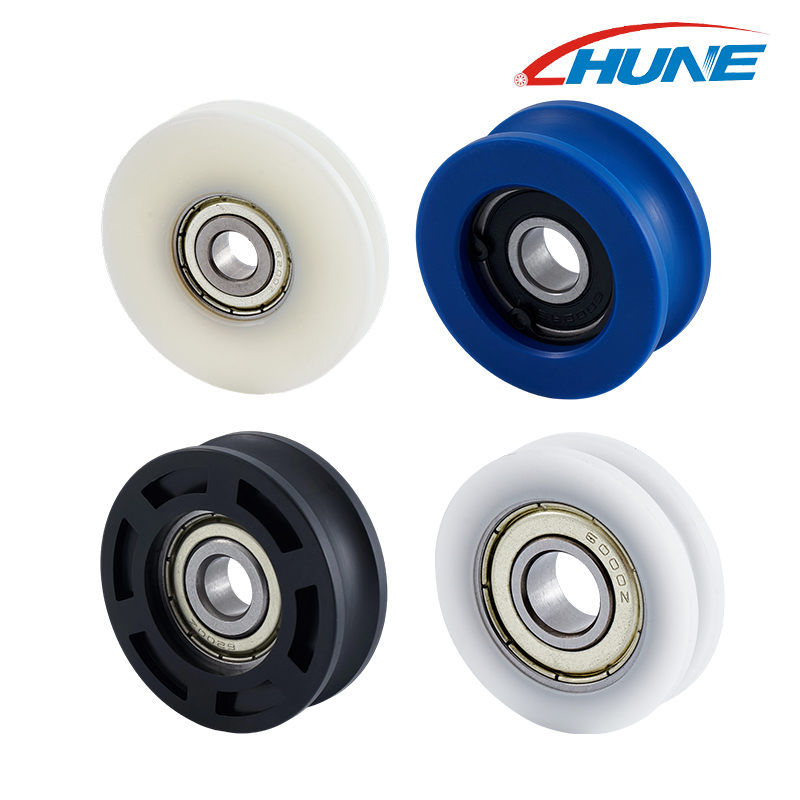
For example, the project may require a particular wheel shape, mounting arrangement, internal bearing structure, or material. The surrounding awning design may already be established, leaving the roller as the component that needs to be developed around it.
In this situation, a custom supplier can work from a sample or drawing instead of asking the customer to redesign the complete assembly around an existing wheel.
Custom Does Not Always Mean A Completely New Product
A custom project can involve modifying an existing construction rather than developing every feature from the beginning.
The required change might relate to:
- Wheel geometry.
- Mounting structure.
- Bearing arrangement.
- Material.
- Surface treatment.
- Assembly method.
- Packaging.
The exact scope depends on the project.
What Should Be Confirmed During Sample Approval?
Sample approval is an important point between development and production.
Before approving a sample, manufacturers should compare the physical component with the intended application and drawing. The sample should also be checked in the actual assembly where practical.
Useful points to review include:
- Overall appearance.
- Mounting compatibility.
- Wheel movement.
- Relationship with surrounding parts.
- Material identification.
- Bearing or bushing arrangement.
- Assembly condition.
If changes are needed, they should be recorded before the production version is approved.
This gives both sides a clear reference for the next stage.
How Can Manufacturers Prepare For Repeat Orders?
A roller may be purchased once for testing and then ordered repeatedly for production. The sourcing approach should therefore consider what happens after the initial order.
A documented product reference can help purchasing teams avoid repeating the same technical discussion for every shipment.
A useful record may include:
Approved Sample + Drawing + Material Information + Inspection Requirements + Packaging Instructions
The exact documents will vary between projects, but the principle is simple: keep the approved product definition clear.
This becomes particularly useful when different employees handle engineering, purchasing, warehouse operations, and supplier communication.
What About Packaging And Delivery?
Packaging is sometimes treated as a secondary issue, but small mechanical components can still require suitable protection during transportation and storage.
The packaging method should consider the component structure, quantity, handling process, and destination.
Manufacturers can discuss whether the rollers should be individually packed, grouped in bags or boxes, separated to reduce contact, or prepared according to a specific warehouse system.
For repeat orders, an agreed packaging method can also make receiving and inventory management easier.
How Hune Pulley Supports Awning Roller Requirements
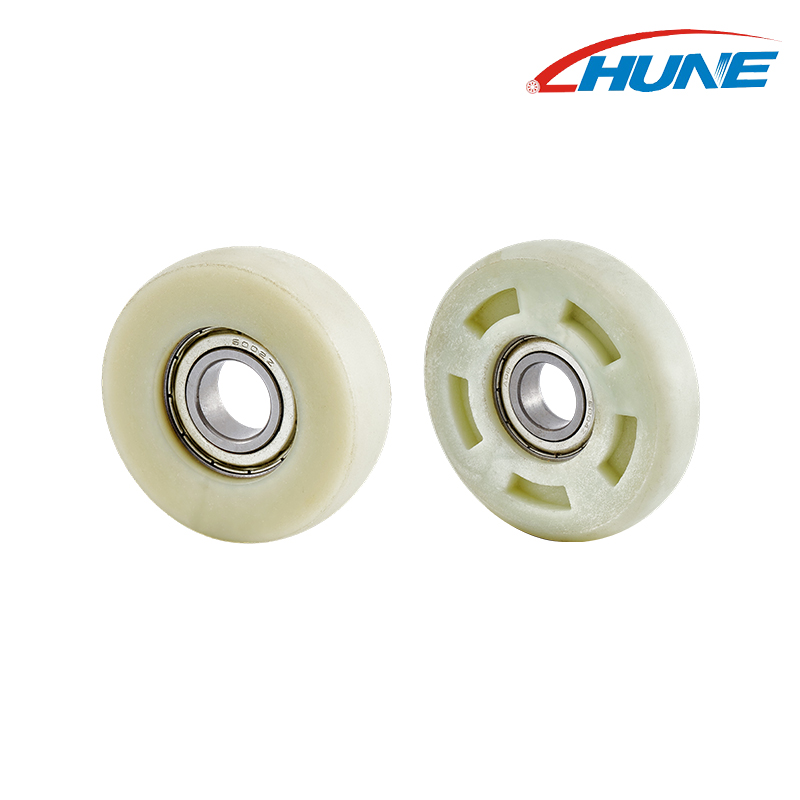
Hune Pulley provides pulley, roller, and bearing-related manufacturing support for applications that require specific mechanical components. The company works with customers on product development, customization, production, and quality inspection according to project requirements.
For an awning roller inquiry, the process can begin with an existing sample, technical drawing, assembly photograph, or application description. This gives the engineering and production teams a practical reference before discussing the manufacturing route.
When customization is required, the component can be reviewed according to its intended assembly, material requirements, mounting structure, and production needs. Sample development can then provide a physical reference before regular production.
For manufacturers, this approach can be useful when a standard component does not match an existing awning structure or when a project requires a component developed around a specific assembly.
What Makes Supplier Communication More Efficient?
Good communication does not mean sending a long technical document for every small inquiry. It means making the important information easy to understand.
A clear inquiry can include the following:
- Product name or application.
- Existing sample or drawing.
- Intended use.
- Required material, if already specified.
- Estimated order quantity.
- Customization requirements.
- Inspection expectations.
- Packaging requirements.
If some information is not yet available, that can also be stated clearly. A supplier can then identify which details need to be confirmed before production.
This is especially useful during early-stage OEM development, when the final design may still be under discussion.
A Practical Sourcing Checklist For Manufacturers
Before sending an awning roller inquiry, purchasing and engineering teams can review the following checklist.
Product
- Do we have an existing sample?
- Is there an approved drawing?
- Is the material already defined?
- Is the mounting arrangement clear?
- Does the component need customization?
Supplier
- Can the supplier review samples?
- Can the supplier work from technical drawings?
- Is the required manufacturing process available?
- Can samples be provided for approval?
- Are inspection requirements clearly discussed?
Production
- Is the expected order quantity known?
- Are repeat orders likely?
- Has the approved sample been documented?
- Are packaging requirements clear?
- Is the production version tied to an approved reference?
Having these points ready can make the sourcing process more organized without adding unnecessary complexity.
A Better Way To Approach Awning Roller Sourcing
For manufacturers, sourcing an awning roller is part of a larger production decision. The component needs to fit the intended application, but the supplier also needs to be capable of communicating clearly, handling samples, managing production, and maintaining the agreed product definition.
This is why a useful sourcing process begins before the quotation. A sample, drawing, application photograph, or assembly reference can give both sides a common starting point. From there, material, manufacturing, inspection, packaging, and production details can be discussed according to the actual project.
Hune Pulley supports manufacturers looking for customized pulley and roller components for different mechanical applications. If you have an existing awning roller, drawing, or assembly that needs to be developed into a production component, sharing the available reference information can be a practical way to begin the discussion.
For OEM and replacement projects, the focus should remain on clear requirements, suitable manufacturing processes, sample confirmation, and consistent production communication. That approach gives manufacturers a more manageable path from an initial sourcing request to an approved component ready for regular production.