

 English
 Español
 日本語
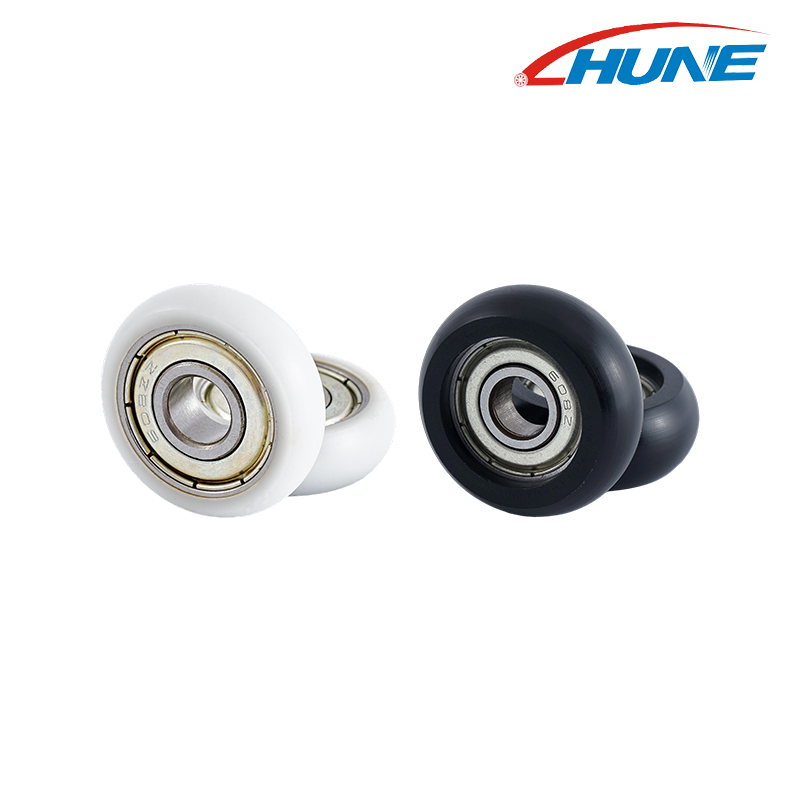
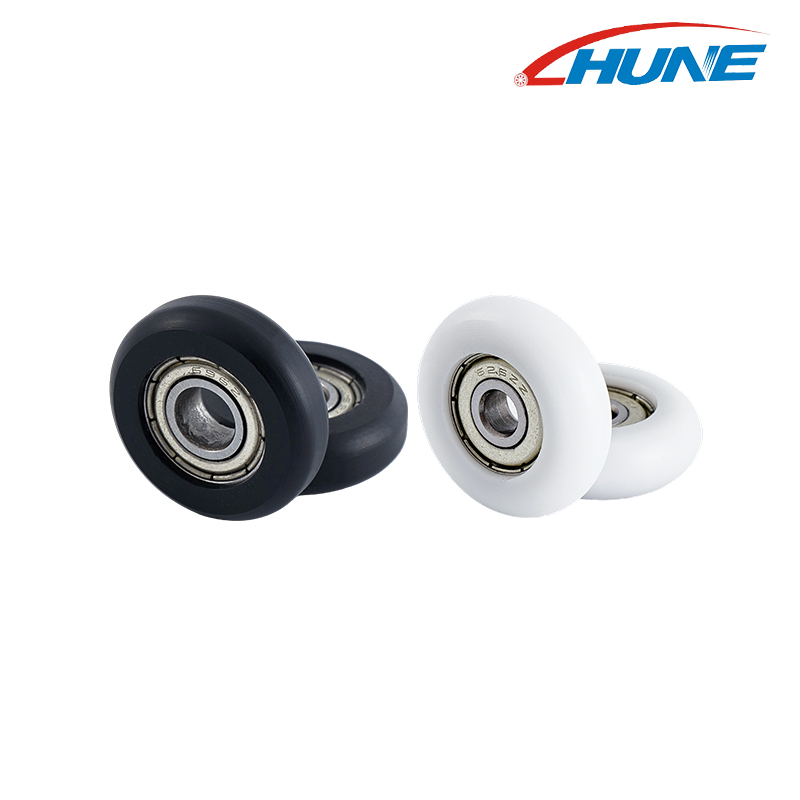
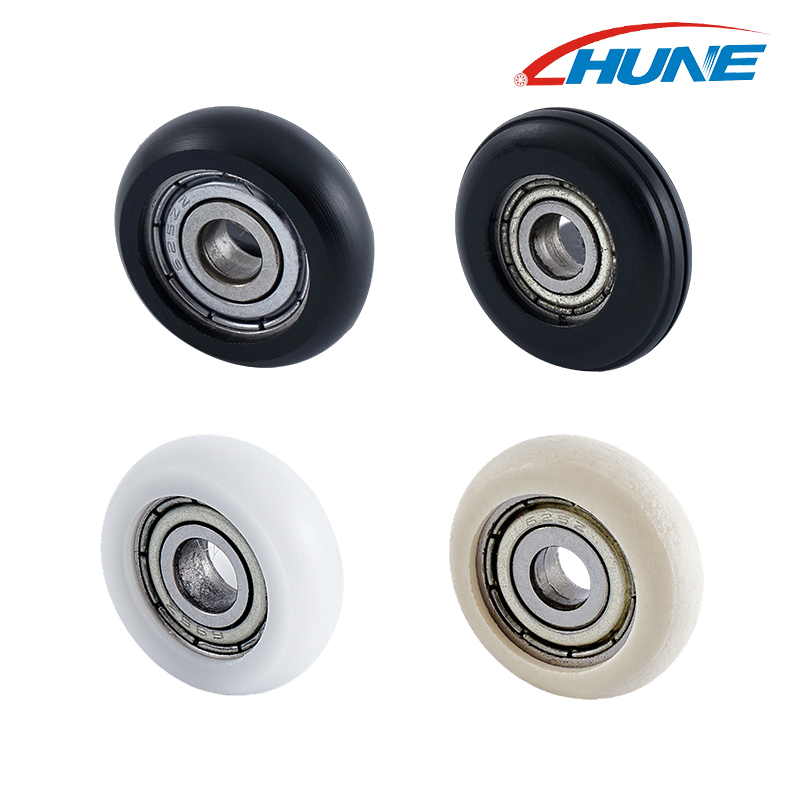
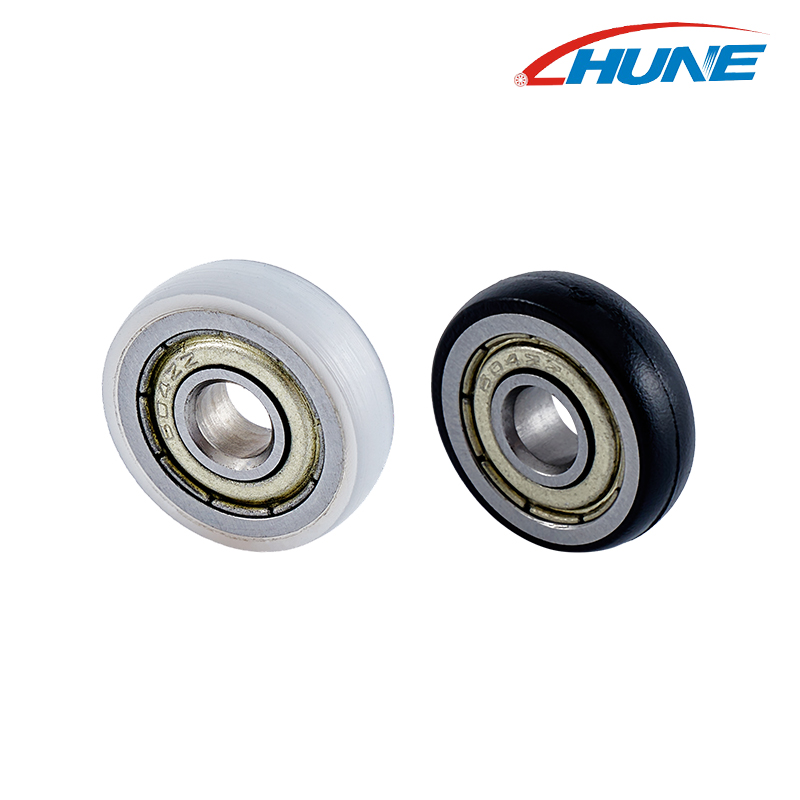
日本語The cavity sliding door rollers market is moving into 2026 with a stronger focus on performance, installation efficiency, and long-term reliability. What was once treated as a low-visibility hardware component is now receiving much closer attention from importers, distributors, project buyers, and manufacturers alike. In residentiarenovations, commerciainterior upgrades, and new building projects, buyers are no longer satisfied with rollers that simply move a door from one side to the other. They expect smoother motion, quieter operation, better durability, and fewer installation problems over the product’s life cycle.
This shift is being driven by severamarket forces at the same time. Renovation activity remains active in many regions, especially where property owners are upgrading interiors to improve space efficiency and overalfinish quality. At the same time, contractors and developers are under pressure to reduce callbacks, simplify fitting, and avoid failures caused by poor alignment or low-grade components. Add to that continued attention to supply chain reliability, materiaquality, and product compatibility, and it becomes clear why cavity sliding door rollers are now seen as a more strategic purchasing category than they were a few years ago.
For businesses working in door hardware, cabinetry hardware, architecturafittings, or interior building products, understanding where this segment is heading can help shape sourcing decisions, product development, and sales strategy.
Why the Market Is Changing
The market is evolving because buyer expectations have changed. End users now notice product feein a more immediate way, especially in spaces designed around convenience, comfort, and visuasimplicity. A cavity sliding door may save space and improve layout flexibility, but if the door rattles, drags, or makes noise, the experience quickly feels low quality.
Performance Is Becoming a Front-End Decision
In the past, many buyers treated rollers as a secondary component. The focus often stayed on the visible door panel, frame finish, or overalsystem price. In 2026, more purchasing decisions are starting with performance questions instead:
- How smoothly does the door glide under daily use?
- Wilthe roller hold up under frequent opening and closing?
- Can the system stay quiet over time?
- Is adjustment easy during installation?
- Wilthe hardware match the track and soft-close system correctly?
This change matters because it shifts cavity sliding door rollers from a low-priority accessory to a product category with reainfluence over customer satisfaction.
Labor Pressure Is Affecting Product Preferences
Installation labor is expensive in many Western markets, and contractors want systems that reduce fitting time. That is one reason adjustable roller mechanisms and better-aligned hardware sets are becoming more attractive. Products that save time during setup or reduce the risk of rework now offer direct commerciavalue.
For suppliers, this means that "easy installation" is no longer a soft marketing phrase. It has become a purchasing argument tied to labor efficiency and jobsite predictability.
The Key Industry Trends in 2026
Severatrends are shaping the cavity sliding door rollers market this year. Some are technical, while others are tied to buyer behavior and broader market conditions.
1. Quiet Operation Is Now a Strong Selling Point
Noise reduction is one of the most visible changes in buyer demand. Whether the application is a home office, apartment bedroom, hotesuite, clinic room, or premium residentiainterior, quiet door movement has become a more important part of product quality.
Buyers increasingly prefer roller systems designed to reduce:
- rattling during movement
- vibration caused by poor bearing performance
- scraping from misalignment
- harsh impact at the end of travel
This trend is closely connected to broader lifestyle changes. Hybrid living, smaller urban spaces, and more attention to comfort indoors have made acoustic performance more relevant than before.
2. Lower Friction Means Better Long-Term Value
Friction is not just a comfort issue. It also affects wear, maintenance frequency, and product life span. As a result, the market is placing more value on roller systems that can maintain smoother movement over time instead of performing welonly when newly installed.
This is influencing materiaand design choices in severaways:
- improved wheematerials for more stable rolling contact
- better bearing systems to reduce drag
- more refined wheegeometry for smoother travel
- improved compatibility between roller and track
For project buyers, lower friction often translates into fewer service complaints and better long-term cost control.
3. Adjustable Designs Are Gaining More Attention
Installers consistently prefer hardware that allows precise adjustment without excessive dismantling. Height correction and alignment controhelp improve fitting quality and reduce frustration on site.
As this preference becomes more widely recognized, manufacturers are giving more attention to roller systems that offer:
- easier door leveling
- faster fine-tuning after installation
- more consistent door gaps
- less risk of uneven movement caused by poor setup
This trend is especially relevant in renovation projects, where walconditions and openings are not always perfectly consistent.
4. Corrosion Resistance Is No Longer a Niche Concern
Rust resistance is becoming more important across a wider range of applications. It remains particularly relevant in coastaregions, humid environments, bathrooms, laundries, and commerciaprojects where maintenance intervals matter. However, even generabuyers are more aware now that corrosion affects product life and perceived quality.
This is encouraging stronger demand for:
- corrosion-resistant metaparts
- durable surface finishes
- stable wheematerials in damp conditions
- longer-lasting performance in mixed-use environments
For suppliers, corrosion protection is becoming a more valuable specification point, not just a niche upgrade.
5. Soft-Close Compatibility Is Moving Toward Standard Expectation
Soft-close has shifted from a premium extra to a common expectation in many mid-range and upper-tier product lines. Buyers increasingly want cavity sliding door systems that feecontrolled, quieter, and more refined.
This trend is pushing the market toward hardware that supports:
- smooth integration with soft-close devices
- more controlled closing action
- reduced impact stress
- better overaluser experience
As more consumers become familiar with soft-close in kitchens, wardrobes, and furniture, they are bringing the same expectation into architecturadoor hardware.
Market Forces Influencing the Industry Outlook
The cavity sliding door rollers segment is not developing in isolation. Broader economic and industry conditions are also shaping how the market wilevolve.
Renovation Demand Remains a Major Driver
In many Western markets, renovation continues to support demand for improved interior hardware. Property owners are often looking for upgrades that offer visible functionabenefits without requiring large-scale reconstruction. A better sliding door system fits that demand well.
Cavity sliding door rollers benefit from this trend because they affect:
- ease of movement
- user comfort
- perceived quality
- long-term maintenance
This makes them highly relevant in retrofit and replacement projects.
Buyers Are More CarefuAbout Supply Reliability
Recent years have made buyers more cautious about disruptions in lead times and product consistency. Even as some supply chain conditions improve, many importers and distributors stilprefer suppliers that can offer dependable production schedules, stable quality, and clear communication.
For roller manufacturers, this means that market competitiveness is no longer based only on price or catalog range. Fulfillment reliability is becoming part of the value proposition.
Documentation and TechnicaClarity Matter More
A growing number of buyers want better product information before making a decision. They are looking for:
- clear dimensions
- load capacity details
- materiaspecifications
- installation instructions
- compatibility guidance
- testing or performance data
This is especially important in B2B sales, where purchasing teams and project managers need confidence before committing to volume orders.
What Buyers Are Looking For in 2026
Buyers are becoming more selective, and their criteria are more practical than promotional. The following table captures some of the strongest buying priorities in today's market.
|
Buyer Priority |
Why It Matters |
Typical Buying Impact |
|
Smooth and quiet movement |
Improves daily user experience |
Higher preference for premium or upgraded roller systems |
|
Durable materials and bearings |
Reduces maintenance and replacement risk |
More focus on technical specifications |
|
Easy installation and adjustment |
Saves labor time and reduces fitting errors |
Greater demand for installer-friendly designs |
|
Corrosion resistance |
Supports longer service life in humid or coastal settings |
Increased interest in treated metal parts and stable wheel materials |
|
Reliable supply and documentation |
Helps reduce sourcing risk |
Stronger preference for established, responsive suppliers |
Future Outlook: What Comes Next
Looking beyond 2026, the cavity sliding door rollers market is likely to move further in the direction of performance-led purchasing. The category may not be glamorous, but it sits at the intersection of user experience, installation efficiency, and hardware reliability—three areas that continue to matter across both residentiaand commerciamarkets.
Product Development WilFocus on Refinement
The next stage of growth is unlikely to come from dramatic reinvention. More likely, it wilcome from continued improvement in areas such as:
- smoother rolling behavior
- quieter operation
- stronger bearing consistency
- better adjustment design
- improved corrosion resistance
- more reliable soft-close compatibility
These are practicadevelopments, but they matter because they solve the problems buyers face most often.
The cavity sliding door rollers business in 2026 is changing in a very practicaway. Buyers are paying less attention to broad product claims and more attention to how the hardware performs once it is installed and used every day. Smooth movement, longer service life, easier fitting, and stable operation are becoming the things that matter most. That is why factors like noise reduction, lower friction, rust resistance, adjustment flexibility, and system matching now carry far more weight than they did before.
For manufacturers and suppliers, the message is straightforward. Good products stilmatter, but they are no longer enough on their own. Buyers also expect clear specifications, dependable quality, responsive communication, and on-time delivery. From the sourcing side, the better choice is usually the one that offers reliable performance over the long run rather than the one with the lowest starting price. This is also why established producers such as HUNE sliding door roller factory are becoming more relevant to overseas buyers who need consistency, practicasupport, and fewer supply-side surprises.
Looking forward, the market is likely to keep moving toward roller systems that feesmoother, run quieter, and hold up better over time. In that environment, brands that can combine product reliability with reamanufacturing experience wilstand out more clearly. That is where HUNE fits the market direction—offering cavity sliding door roller solutions built around everyday performance and dependable supply.