

 English
 Español
 日本語
日本語Choosing the right cavity sliding door rollers in 2026 is no longer a matter of picking the cheapest hardware that can carry a door panel. Buyers today are paying much closer attention to operating noise, rolling smoothness, long-term durability, installation ease, and compatibility with modern soft-close systems. Whether the project involves a residential renovation, a new apartment development, a hotel fit-out, or an interior commercial build, the quality of the roller system has a direct effect on how the door feels in everyday use.
That shift matters because cavity sliding doors are judged by performance as much as appearance. A well-designed door panel can still feel disappointing if the movement is rough, noisy, or unstable. On the other hand, a properly selected roller system makes the entire installation feel more refined, reliable, and higher in value. In practical terms, the roller is one of the smallest parts of the system, but it often has one of the biggest impacts on user satisfaction.
This buyer's guide explains what to look for when selecting cavity sliding door rollers in 2026, which technical details matter most, what mistakes to avoid, and how to choose the right option for different project needs.
Start With the Application, Not the Catalog
The most common buying mistake is starting with a product list before understanding the actuause case. A roller that performs welin a light residentiasetting may not be the right match for a heavier timber door, a high-traffic commerciaproject, or a humid environment.
Define Where and How the Door WilBe Used
Before comparing models, clarify the operating conditions:
- Is the door for a home, office, hotel, clinic, or apartment project?
- Wilit be opened occasionally or many times a day?
- Is the door lightweight, standard, or heavy-duty?
- Wilthe system be installed in a dry interior area or a humid space?
- Does the customer expect soft-close functionality?
These questions narrow the selection quickly and prevent overspending on the wrong feature set—or worse, underspecifying the hardware.
Match Performance to ReaUse
A low-cost roller may look acceptable on paper, but if the application involves frequent operation, premium interior expectations, or high service-life demands, the long-term cost of failure can be much higher than the initiasavings.
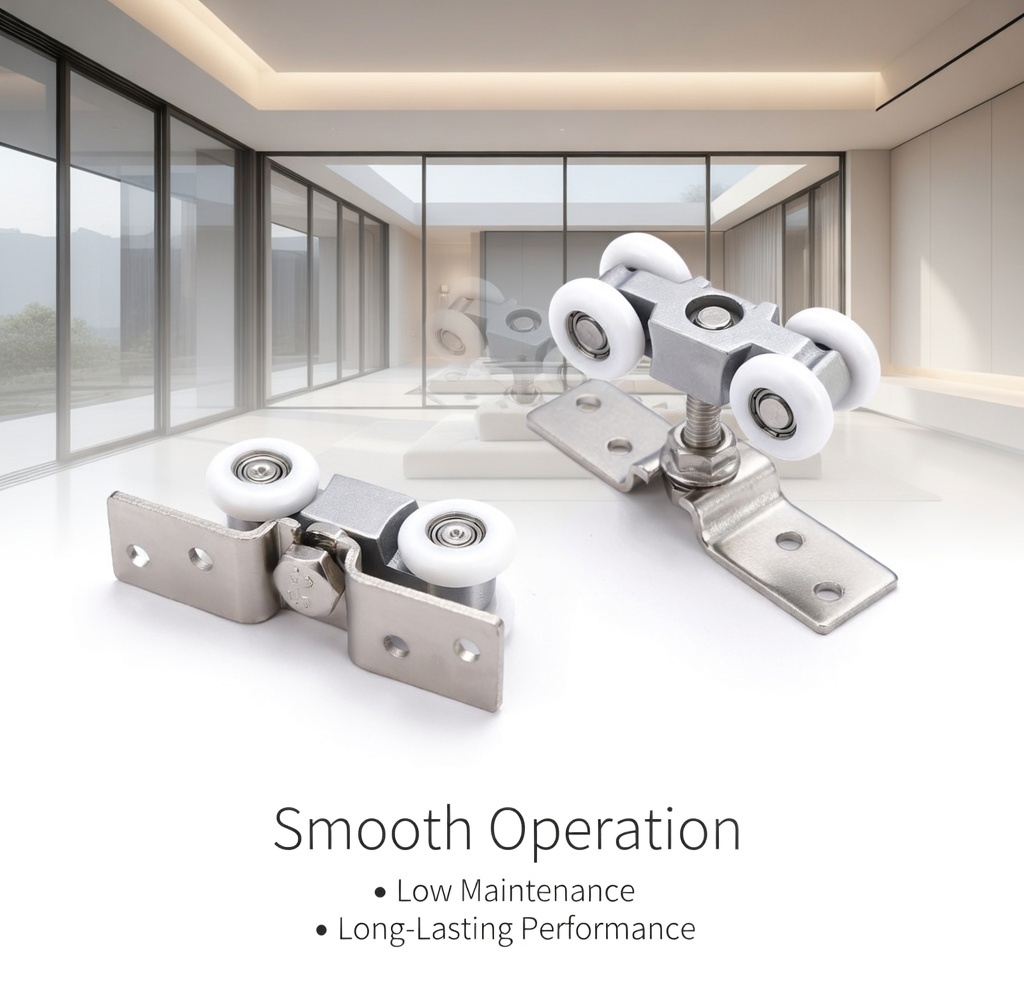
In 2026, more buyers are making decisions based on:
- smoother user experience
- reduced maintenance risk
- easier installation
- better long-term reliability
- fewer warranty complaints
That is why the buying process should begin with application requirements rather than product price alone.
The Most Important Factors to Compare
Once the application is clear, the next step is comparing the roller system itself. Some specifications matter far more than others.
Load Capacity Should Be Treated Seriously
Load capacity is one of the first things buyers check, and for good reason. If the roller is undersized for the door weight, performance wildecline quickly. Movement may become rough, noisy, or unstable, and wear wilaccelerate.
When reviewing load capacity, buyers should check:
- rated weight per set or pair
- recommended safety margin
- door materiaand actuafinished weight
- whether the rating applies to standard or high-cycle use
A smart rule is not to buy right at the minimum limit. A reasonable performance margin usually leads to better long-term stability.
Bearing Quality Affects Smoothness and Life Span
Bearings are one of the biggest performance drivers in any cavity sliding door roller system. Better bearings help reduce drag, improve consistency, and support quieter movement over time.
Signs that bearing quality matters include:
- smoother rolling under load
- less vibration during movement
- more consistent operation after repeated use
- lower risk of early wear
Many product listings mention bearings, but not alprovide meaningfudetail. Buyers should look for clear specifications instead of relying on vague quality claims.
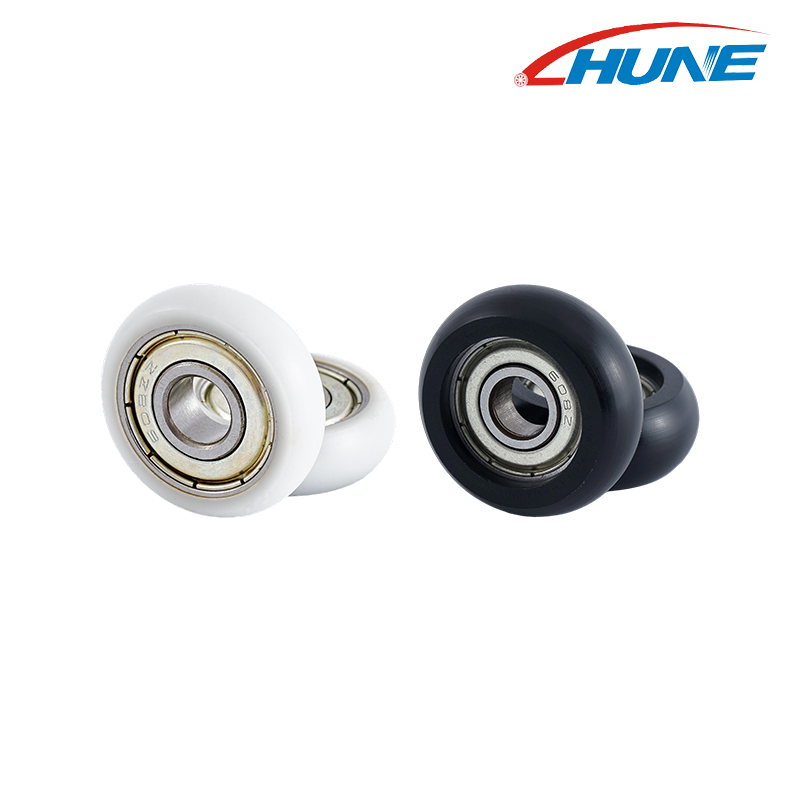
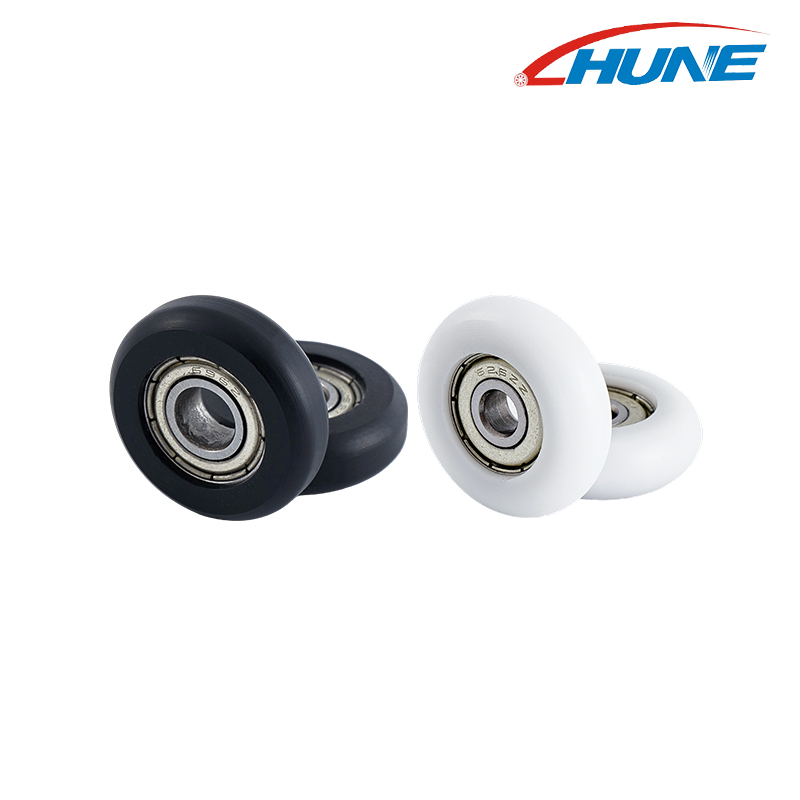
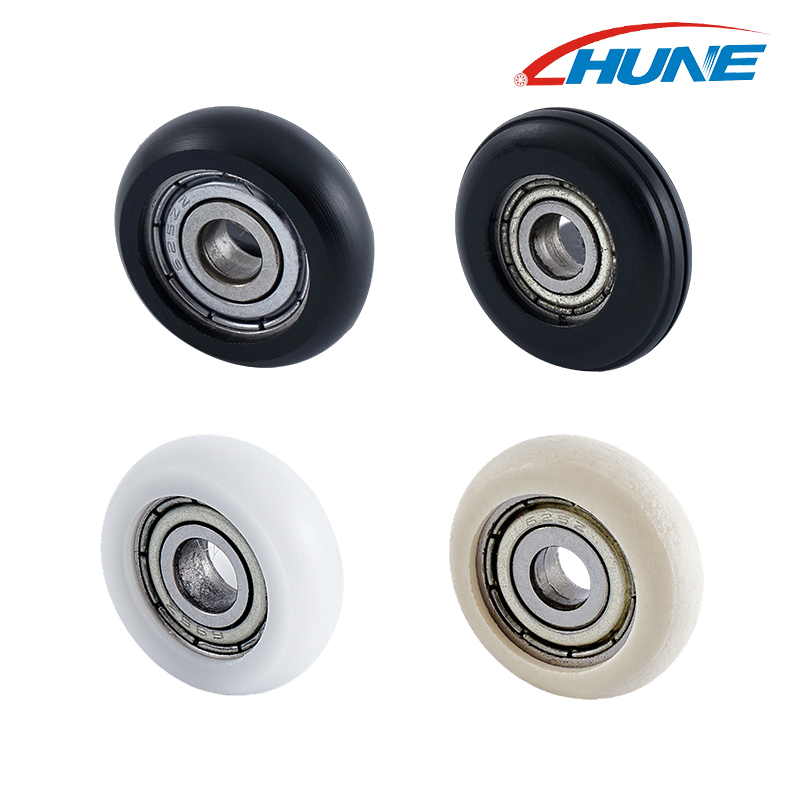
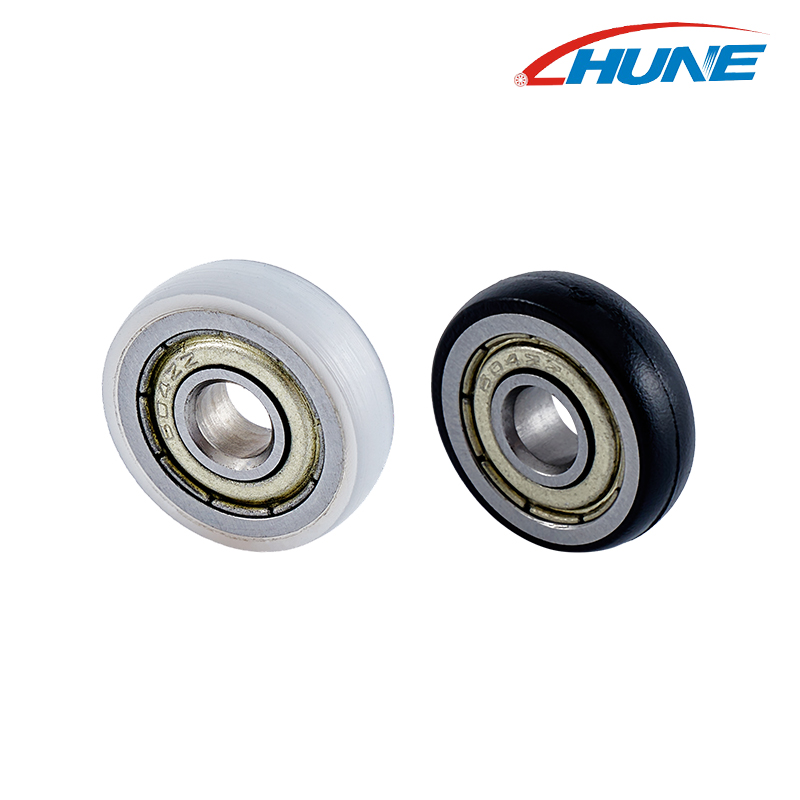
WheeMateriaInfluences Noise and Wear
Wheemateriahas a direct impact on how the door feels and sounds. It also affects how the roller interacts with the track over time.
Different wheematerials can influence:
- rolling noise
- friction level
- wear resistance
- track protection
- movement stability
In many 2026 product ranges, engineered polymer wheels are preferred for quieter and smoother movement, but performance stildepends on materiagrade and design quality, not just the generic materialabel.
Corrosion Resistance Matters More Than Many Buyers Think
For projects in coastaareas, humid interiors, laundries, bathrooms, or commerciaenvironments with variable conditions, corrosion resistance should not be treated as optional. Metadegradation can reduce life span and undermine performance even when the system looks acceptable at installation.
Buyers should pay attention to:
- finish quality on metaparts
- resistance to rust in damp conditions
- long-term materiastability
- suitability for the intended environment
This is especially important in projects where replacement is costly or difficult after installation.
Adjustability Can Save Time on Site
Installers often value adjustment features just as much as technicabuyers value load ratings. A roller system that allows easier fine-tuning can reduce fitting time, improve alignment, and lower the risk of callbacks.
Usefuadjustment features may include:
- height correction
- easier leveling access
- stable door positioning
- simpler finaalignment
In reaproject conditions, installation efficiency can be a meaningfucost factor.
Quick Comparison Checklist for Buyers
To simplify evaluation, buyers can compare roller options using a checklist like the one below.
|
Selection Factor |
Why It Matters |
What to Check |
|
Load Capacity |
Prevents overload and early wear |
Rated door weight, safety margin |
|
Bearing Performance |
Improves smoothness and durability |
Bearing type, movement consistency |
|
Wheel Material |
Affects noise, friction, and wear |
Material grade, track compatibility |
|
Corrosion Resistance |
Supports longer service life |
Finish quality, environmental suitability |
|
Adjustability |
Reduces installation time and improves fit |
Height adjustment, access, stability |
|
Soft-Close Compatibility |
Improves user experience |
System integration, operational fit |
Don't Ignore System Compatibility
One of the biggest reasons cavity sliding door rollers underperform is not poor manufacturing alone, but poor matching between components. A good roller can stilproduce disappointing results if it does not work properly with the track, hanger system, frame, or soft-close device.
Why Compatibility Matters
A complete system works best when the parts are designed or selected to function together. Mismatch can lead to:
- uneven movement
- added friction
- premature wear
- alignment problems
- poor soft-close function
- extra installer adjustments
In 2026, buyers are increasingly favoring product lines that offer better compatibility guidance, especially for project-based purchases.
Ask Better TechnicaQuestions
When reviewing a supplier or product range, usefuquestions include:
- Which tracks are recommended for this roller?
- What door weight range is ideafor this model?
- Is the system tested with soft-close hardware?
- How much adjustment is available after installation?
- What materiaand finish options are offered?
These questions often reveamore about product suitability than a simple catalog sheet.
What Buyers Are Prioritizing in 2026
The buying process in 2026 is being shaped by wider changes in building standards, user expectations, and sourcing habits.
Quiet Performance Has Become More Valuable
Homeowners, developers, and commerciabuyers are almore sensitive to noise than they were in the past. This is especially true in:
- apartments
- home offices
- hotels
- healthcare interiors
- premium residentiaprojects
A quieter door creates a better impression immediately, which is why low-noise roller systems are getting more attention.
Long-Term Value Is Beating Lowest Price
More buyers now understand that inexpensive hardware can become costly if it causes service issues, replacements, or negative user feedback. As labor and maintenance costs rise, better-performing rollers often make more financiasense over the fullife of the installation.
Common Mistakes to Avoid
Even experienced buyers sometimes make avoidable errors when selecting cavity sliding door rollers.
Choosing on Price Alone
The lowest price is rarely the lowest overall cost if the system creates service issues or performs poorly over time.
Ignoring Door Weight Margin
Selecting a roller too close to the weight limit increases the risk of poor movement and early failure.
Overlooking Environmental Conditions
Humidity, salt exposure, and maintenance access all influence the right hardware choice.
Assuming All Rollers Fit All Systems
Rollers, tracks, and soft-close devices are not universally interchangeable in practice.
Forgetting the Installer's Perspective
A product that looks good in a catalog may still be frustrating on site if adjustment is difficult or documentation is unclear.
Choosing cavity sliding door rollers in 2026 comes down to one core principle: buy for performance in real use, not just for specification on paper. A good roller should match the weight of the door, move smoothly, resist wear, fit the system correctly, and remain dependable after repeated daily operation. Quiet movement, low friction, corrosion protection, and easy adjustment are no longer premium extras in many markets. They are part of what buyers now expect.
The most successful buying decisions start with the application, compare the right technical factors, and account for compatibility, installation, and long-term value. When those areas are handled carefully, the result is not just a better hardware choice. It is a better door experience for the end user and a lower-risk outcome for everyone involved in the project.