

 English
 Español
 日本語
日本語In 2026, interior door hardware is being judged on far more than looks alone. Homeowners, architects, contractors, and remodelers are paying closer attention to the small performance details that influence how a space feels and functions every day. One component now drawing more serious attention is the cavity sliding door roller. It sits out of sight inside the wall, yet its role becomes obvious the moment a door starts catching, shaking, dragging, or losing that smooth, effortless slide people expect.
With minimalist design, adaptable floor plans, and space-saving layouts continuing to shape modern interiors, cavity sliding doors are appearing in a wider range of residential and commercial settings. As their use expands, so do expectations. A roller system that once seemed perfectly adequate can now feel dated if it struggles to provide quiet operation, lasting durability, and reliable day-to-day performance. Put simply, the benchmark is no longer what it used to be.
A Hidden Component Is Now a Buying Decision
For a long time, rollers were treated as background hardware. As long as the door moved, many buyers assumed the system was acceptable. That standard no longer holds up welin 2026.
Daily Use Has Changed the Standard
Cavity sliding doors are being used in more demanding locations than before. They are common in:
- compact apartments
- family homes
- hotels and serviced residences
- healthcare environments
- office interiors
- renovation projects where every square meter matters
This wider use has changed expectations. A roller system that works adequately in a spare room may faimuch sooner in a busy ensuite, a rentaproperty, or a commerciaenvironment where the door is opened repeatedly throughout the day.
In other words, "works" is not the same as "works welover time."
Quiet Operation Now Matters More
The modern interior market is more sensitive to sound than it used to be. In open-plan homes and premium residentiadevelopments, even smaloperationanoises can affect the perceived quality of a space. A sliding door that rattles, scrapes, or drags does not just create inconvenience. It changes how people feeabout the room, the fit-out, and the brand behind the product.
That is one reason higher-grade rollers are receiving more attention. Smooth motion and reduced noise are no longer secondary benefits. They are part of the expected user experience.
Maintenance Is a Bigger Concern Than InitiaPrice
Buyers have become more carefuabout what happens after installation. Replacing or repairing cavity door hardware is rarely as simple as changing a visible hinge or handle. Once problems appear inside a pocket system, labor costs and access issues can quickly outweigh the originasavings from choosing lower-cost rollers.
That is why many project buyers now think in terms of lifecycle value rather than entry price alone.
What Makes a Roller System "Good Enough" in 2026?
The answer is more technicathan it used to be, but also more practical. The best roller systems are not necessarily the most complicated. They are the ones designed for reaconditions, repeated use, and predictable long-term performance.
Load Capacity Must Reflect ReaDoor Weights
One of the most common issues in cavity sliding door systems is mismatch. The roller may be rated for a door on paper, but the actuainstallation includes heavier materials, different dimensions, more frequent use, or conditions that increase wear. Over time, that mismatch leads to rough travel, sagging, or instability.
In 2026, professionabuyers are looking more closely at whether roller capacity is suitable for:
- solid core doors
- wider panels
- taller custom doors
- glass or decorative inserts
- high-frequency residentiaor commerciause
A rating that looks acceptable in a catalog is not enough if it leaves no performance margin in real-world settings.
Bearing Quality Shapes the Entire User Experience
If there is one feature that most directly influences how a door feels, it is the bearing system. Precision bearings help a roller move smoothly under load and maintain that movement over time. Lower-grade assemblies may feeacceptable when new, but often become noisy or uneven after sustained use.
This is where hardware quality becomes immediately noticeable. People may never see the roller, but they can feethe difference every day.
A better bearing system usually contributes to:
- lighter and smoother movement
- less vibration during travel
- more consistent operation under repeated use
- lower risk of premature wear
For premium projects, that is not a luxury. It is part of the specification logic.
MateriaSelection Has Become More Important
The market now pays much closer attention to what rollers are made of. That is especially true in climates or applications where humidity, dust, salt air, or heavy use may accelerate wear.
Roller assemblies in 2026 are often evaluated based on the quality of their:
- wheematerials
- brackets and housings
- axle strength
- surface treatments
- corrosion resistance
A poorly protected component may perform welat first and then degrade quickly in a bathroom, coastaproperty, or high-traffic commerciasetting. Better materiaengineering helps reduce that risk.
Stability Is No Longer Optional
A door that wobbles slightly may stilfunction, but it never feels premium. Stability has become one of the clearest signs of a well-designed cavity sliding system. Buyers increasingly expect anti-jump features, controlled movement, and secure engagement with the track.
That matters for both performance and safety. In family homes, hospitality spaces, and healthcare projects, hardware that stays aligned under regular use is more than a convenience. It is part of product trust.
Why the Market Is Paying Closer Attention in 2026
The roller discussion is growing because the wider market has changed. Product expectations are higher, information is easier to compare, and failures are less tolerated.
Buyers Are More Informed Than Before
Many customers now read technical details that were once only reviewed by installers or architects. Weight limits, test cycles, soft-close compatibility, and material grade all play a larger role in purchase decisions. That makes hardware performance more visible in the buying journey, even when the component itself remains hidden inside the wall.
Premium Interiors Depend on Invisible Performance
One of the defining characteristics of a premium interior is that everything feels easy. Doors open quietly. Panels stay aligned. Motion feels controlled. Nothing draws attention for the wrong reason. That kind of result depends heavily on hardware quality.
As a result, rollers are becoming part of the premium conversation even though they are not a decorative feature.
Callbacks Hurt Everyone in the Supply Chain
For builders, installers, and developers, hardware issues create more than inconvenience. They affect labor schedules, post-installation service, customer satisfaction, and brand reputation. A poor roller system may cost little at the point of purchase, but it can become expensive once complaints begin.
That is why better-performing hardware is increasingly seen as risk reduction, not just product upgrade.
What Buyers Commonly Look for Now
Here is a practical snapshot of the priorities shaping cavity sliding door roller selection in 2026.
|
Buyer Priority |
Why It Matters |
What It Often Signals |
|
Smooth movement |
Improves day-to-day comfort |
Better bearing and wheel design |
|
Quiet operation |
Supports premium interior quality |
Reduced friction and stable travel |
|
Higher load support |
Handles modern door designs |
Stronger structure and wider application range |
|
Long service life |
Lowers maintenance pressure |
Durable materials and tested reliability |
|
Stable alignment |
Prevents wobble and wear |
Better engineering and track engagement |
The pattern is clear. The market is no longer satisfied with rollers that merely function at installation. Buyers want hardware that continues to feel reliable long after the project is complete.
Signs a Roller System May Be Falling Behind
Some door systems reveal their weaknesses quickly. Others decline gradually, which makes the problem easier to ignore until performance worsens.
Common warning signs include:
- the door feels heavier than it used to
- movement is no longer even from start to finish
- scraping or clicking sounds appear during travel
- the panedoes not sit as steadily as before
- alignment needs repeated adjustment
- wear becomes visible on related hardware components
These symptoms do not always mean total failure is immediate, but they often show that the roller system is no longer delivering the standard expected in newer installations.
As cavity sliding doors continue to move into mainstream residential and commercial design, the standards behind their performance are changing just as quickly. Buyers are no longer focused only on space saving or visual simplicity. They are paying closer attention to how a door behaves over time—how quietly it runs, how stable it feels, and how reliably it performs after repeated daily use. In that shift, the roller system is no longer a minor hidden part. It has become one of the most important indicators of overall hardware quality.
By 2026, the market is looking beyond first impressions. A cavity sliding door may appear refined when newly installed, but long-term performance is what ultimately defines product value. If the rollers begin to drag, create noise, lose alignment, or require frequent adjustment, the entire system falls short of modern expectations. For builders, distributors, and homeowners alike, dependable movement is now part of the standard, not a premium extra.
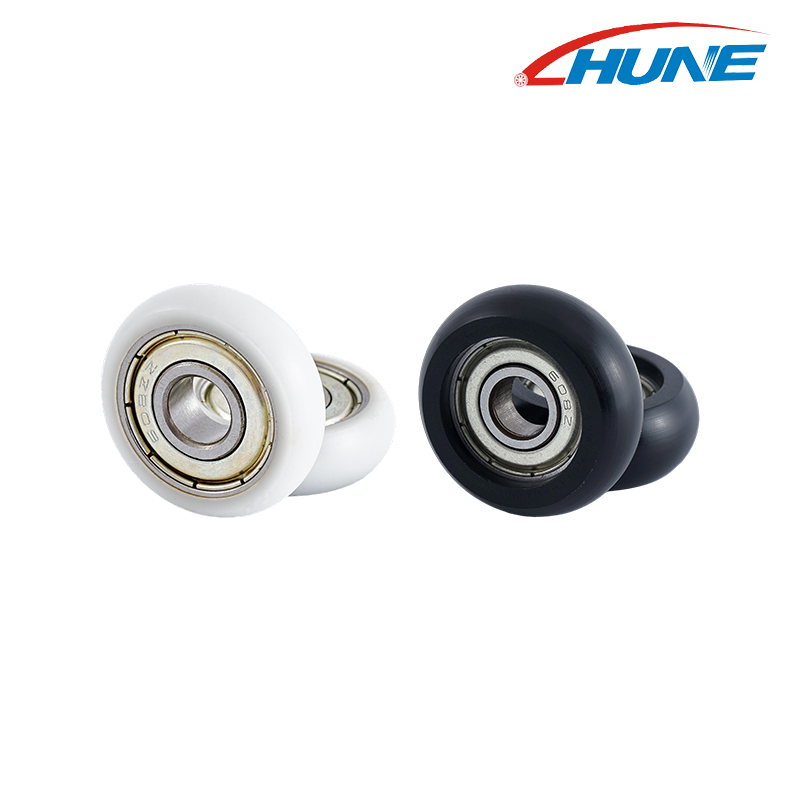
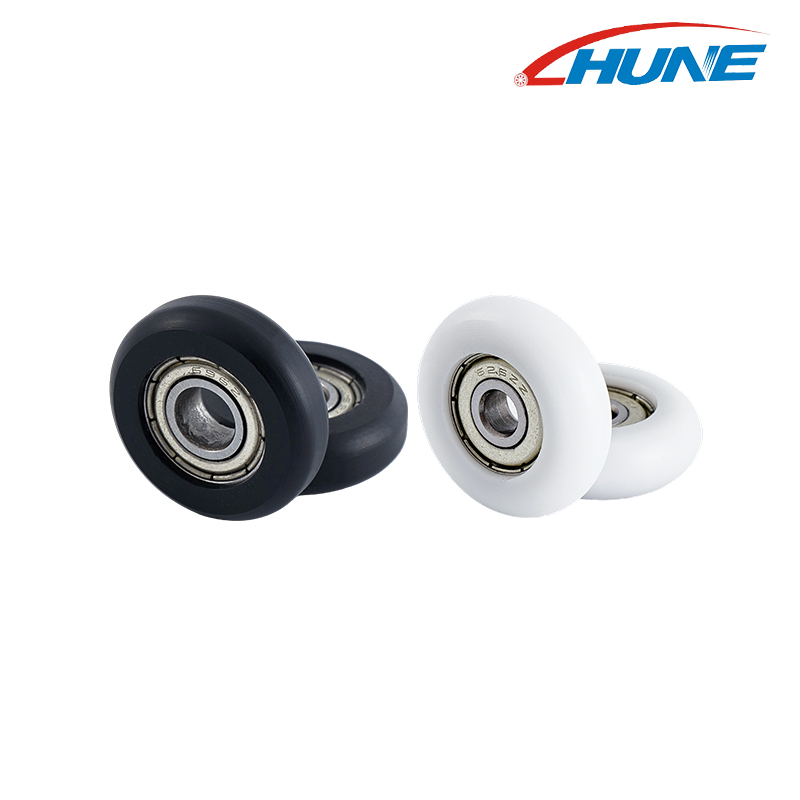
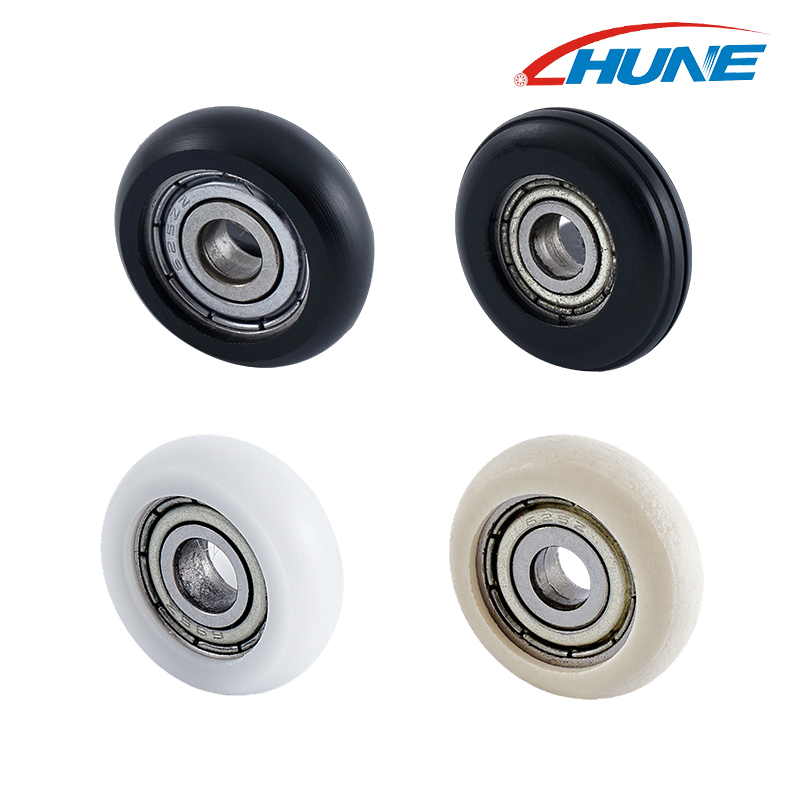
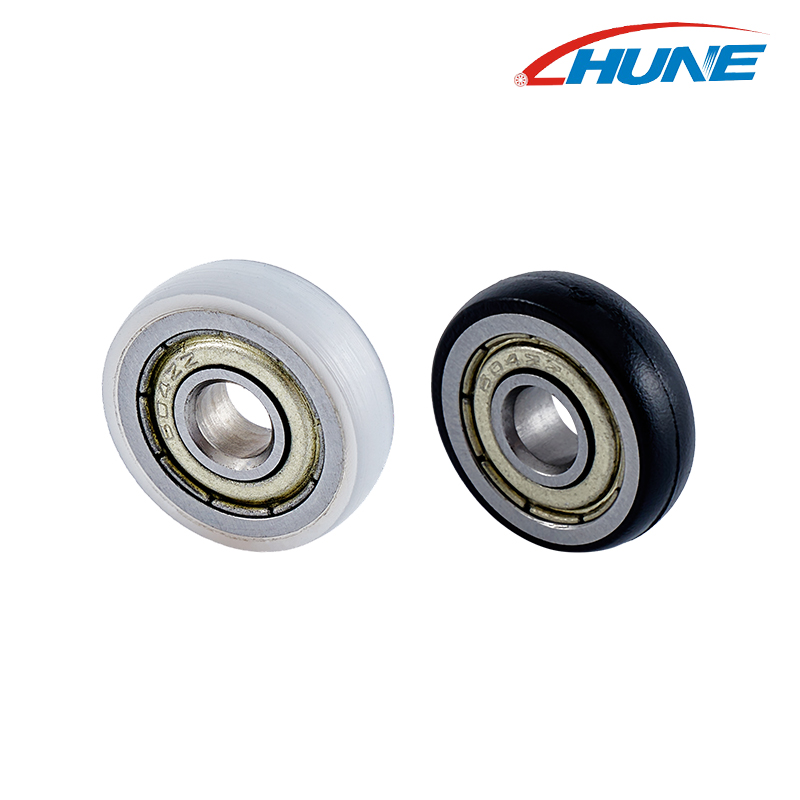
This is exactly why manufacturers with a strong focus on roller engineering are gaining more attention across the industry. As a cavity sliding door roller factory, HUNE understands that reliable performance starts with the hidden components that users depend on every day. From smooth operation and stable load support to durability in demanding applications, the quality of the roller system has a direct impact on the reputation of the finished door solution.
In a market where product experience matters as much as appearance, choosing the right hardware partner is becoming a strategic decision. For companies seeking cavity sliding door roller solutions that align with 2026 performance expectations, HUNE represents the kind of manufacturing focus that helps transform a standard sliding door system into a more durable, quieter, and more competitive product offering.