

 English
 Español
 日本語
日本語Why a Small Sliding Component Can Change Indoor Comfort More Than Expected
In most residential projects, people rarely pay attention to the small mechanical parts hidden inside sliding doors. The focus usually stays on glass, insulation, or HVAC systems.
But in real daily use, sliding doors behave very differently from fixed walls. They move, they settle, and they interact with the frame every single time they are opened or closed.
This repeated motion means that even small components inside the system can influence how stable indoor conditions feel over time.
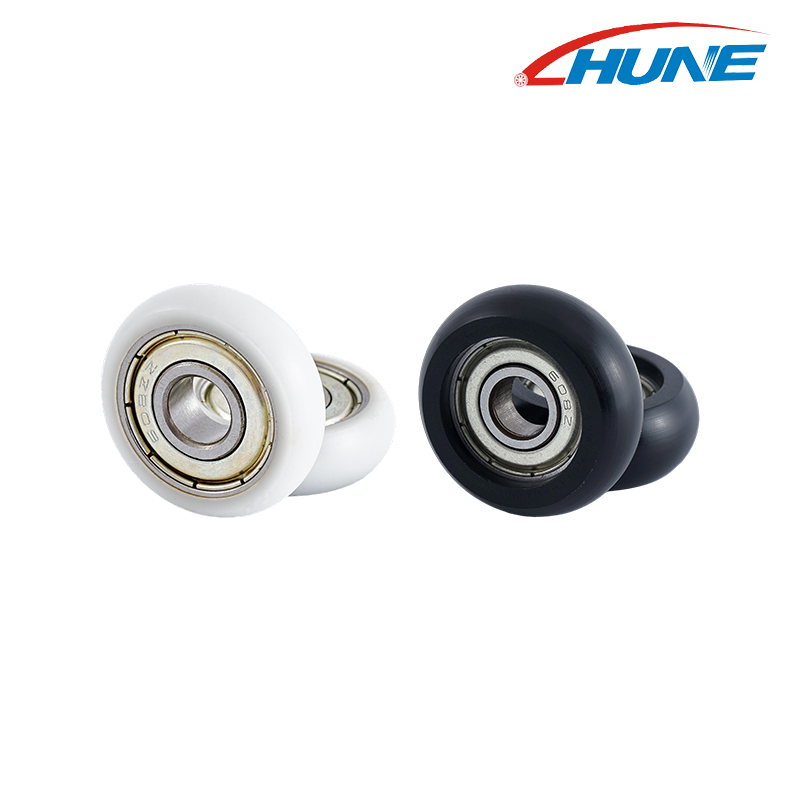
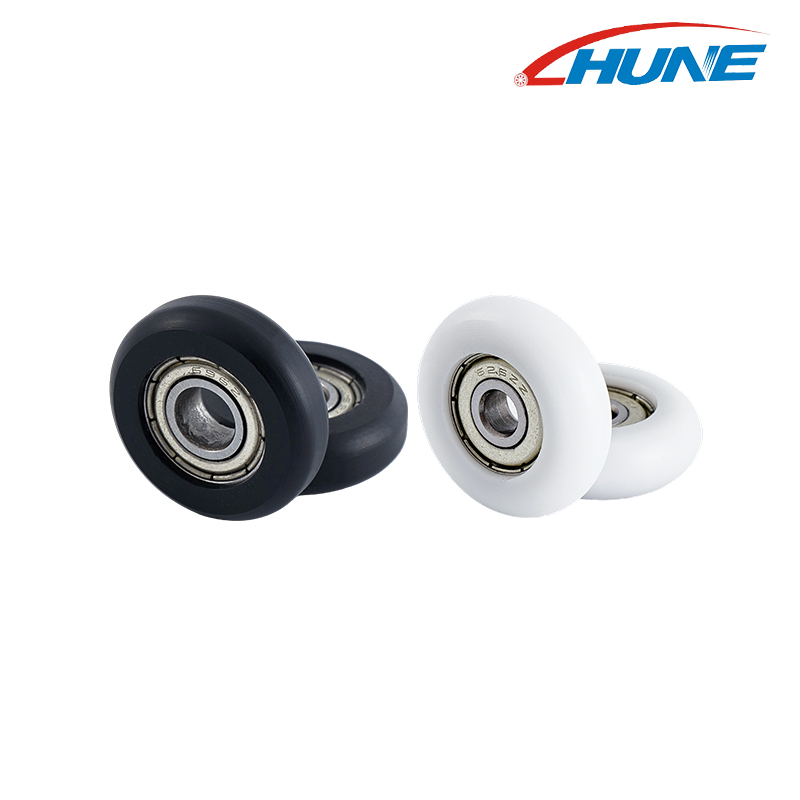
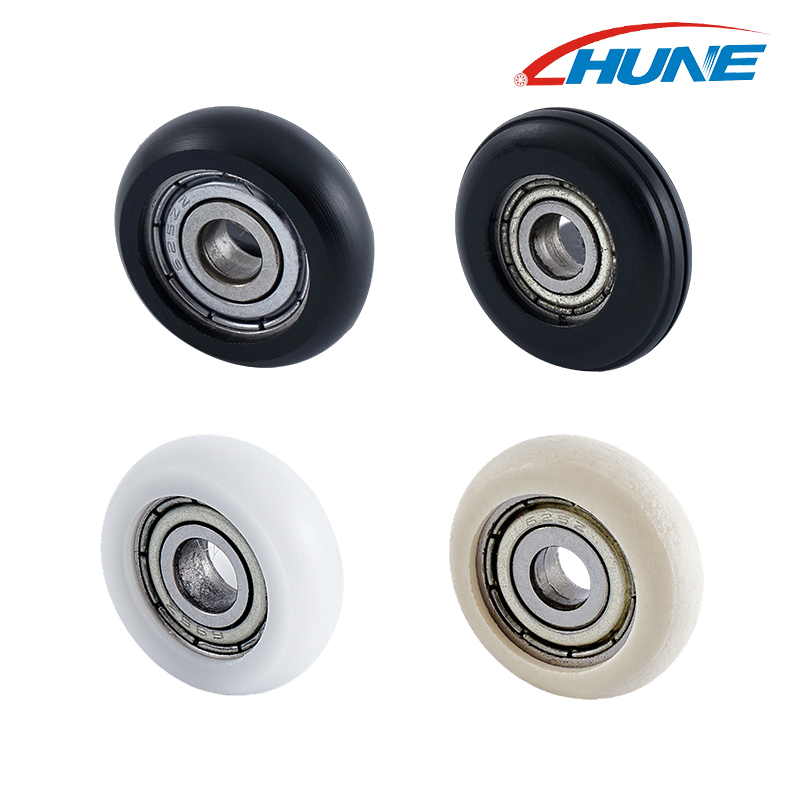
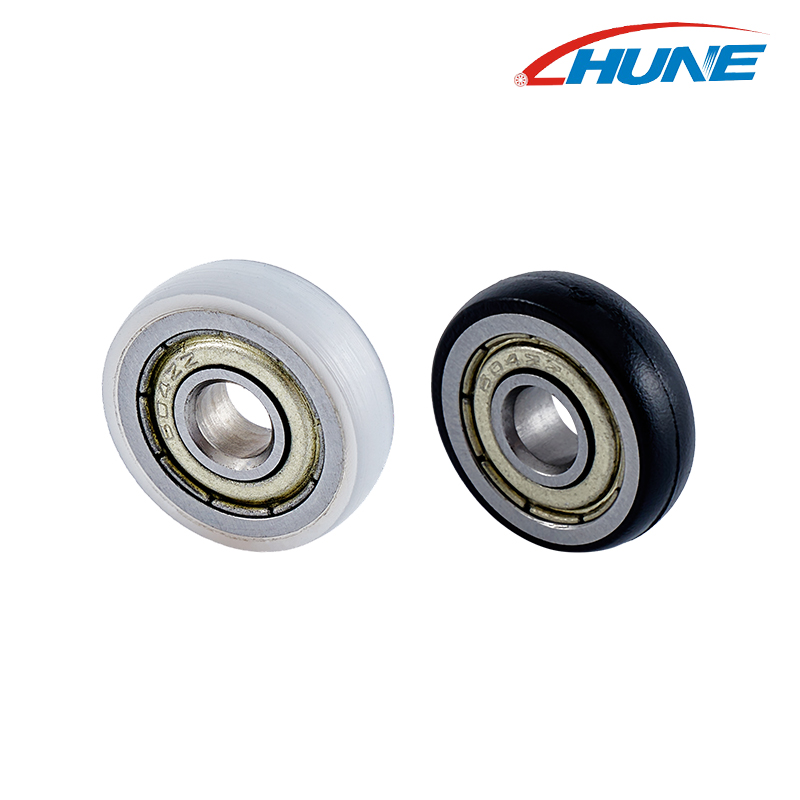
Aluminum Sliding Door Rollers are one of those components. They guide movement, support weight, and determine how precisely the door returns to its closed position.
When everything is aligned, the system feels stable. When small changes appear, the difference is not always visible, but it can affect how air moves inside the space.
What actually happens when a sliding door closes every time
A sliding door does not simply "shut." The process is more controlled than most people realize.
When the panel moves toward the closing point, several things must happen in sequence:
- The rollers guide the panel along the track
- The panel decelerates naturally at the end of travel
- The edge aligns with the frame
- The sealing strip begins to compress
If this sequence is consistent, the door behaves predictably every time it is used.
Aluminum Sliding Door Rollers play a direct role in this sequence. They determine how smooth the movement is and how accurately the panel arrives at the final position.
Even small inconsistencies in this movement can change how sealing pressure is distributed across the frame.
The quiet role of friction that nobody notices at first
Inside every sliding system, friction changes slowly over time. It does not fail suddenly. It evolves through usage.
Several everyday factors contribute to this:
- Fine dust entering the track channel
- Natural wear on rolling surfaces
- Seasonal humidity changes
- Continuous opening and closing cycles
At the beginning, the change is almost unnoticeable. The door still moves, still closes, still functions normally.
But over time, resistance may increase slightly. When that happens, users tend to adjust without thinking. They apply more force or close the door faster.
That small behavioral change can slowly affect alignment stability.
Once alignment shifts even slightly, sealing consistency is no longer identical across every use cycle.
This is where mechanical behavior begins to connect with energy performance.
Why track condition decides whether rollers work smoothly or not
Aluminum Sliding Door Rollers cannot operate independently.
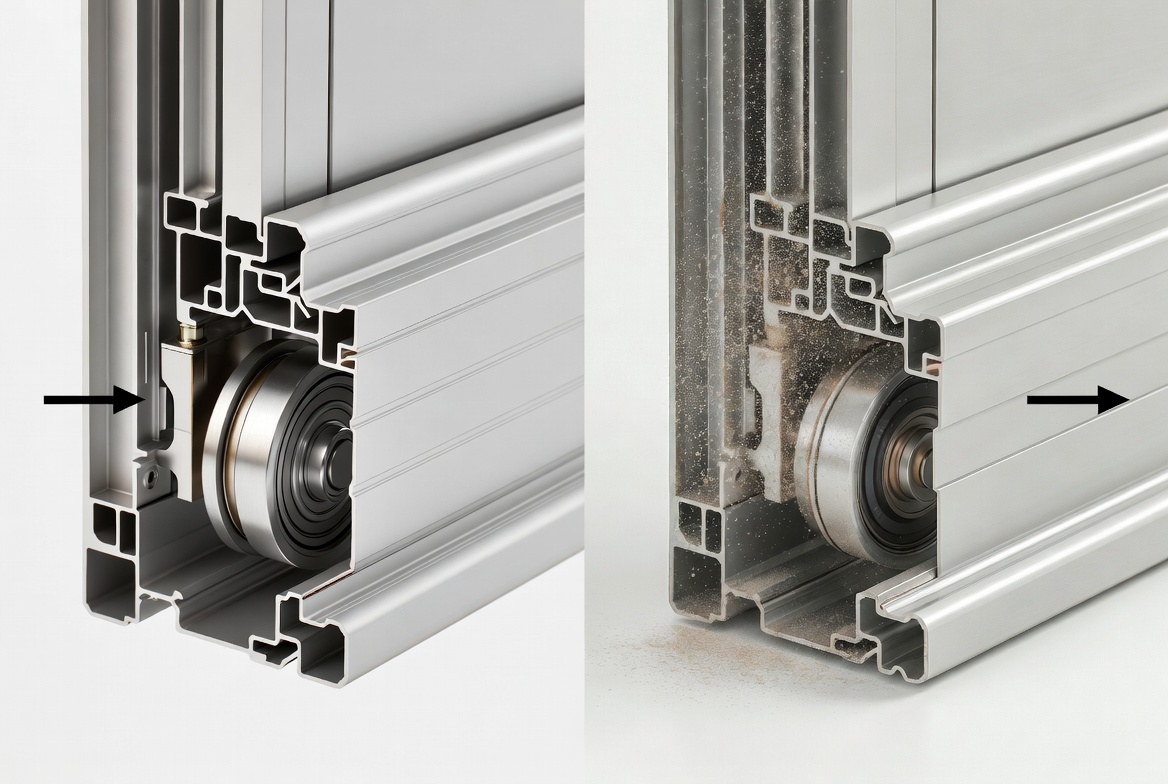
They rely heavily on the track surface.
If the track is clean and stable, movement stays predictable. The panel follows the same path every time and reaches the same closing position.
If the track condition changes, even slightly, the system starts to behave differently.
Common real-world factors include:
- Dust buildup inside the channel
- Micro wear patterns from long-term use
- Slight deformation from load cycles
- Outdoor particles entering the system
When this happens, rolling resistance is no longer uniform. The door may still operate, but the movement is not exactly the same every time.
That difference affects how the sealing system engages during closure.
Why installation quality quietly controls long-term performance
A sliding door system often starts its life at installation. That moment defines the baseline for everything that follows.
If the installation is accurate:
- Load is distributed evenly
- Track alignment stays consistent
- Rollers operate under balanced pressure
But if there is slight deviation:
- One roller may carry more weight than the other
- Wear develops unevenly over time
- Movement symmetry slowly changes
At first, the door still works normally. The change is slow and gradual.
Months later, users may notice that the closing feel is slightly different, even though nothing appears broken.
That is usually not a sudden issue. It is a slow shift that started at the installation stage.
How outdoor conditions slowly reshape sliding performance
Sliding doors are constantly exposed to environmental pressure.
Unlike internal components, they interact directly with:
- Temperature differences between day and night
- Wind pressure acting on glass surfaces
- Seasonal humidity changes
- Dust or airborne particles
Aluminum Sliding Door Rollers respond indirectly to these conditions.
They do not change immediately. Instead, the impact builds slowly:
- Rolling resistance may increase slightly
- Surface interaction changes over time
- Movement feel becomes less uniform
These changes are subtle, but in long-term residential use, they add up.
This is why identical sliding systems can behave differently in different regions or climates.
Why everyday usage matters more than design expectations
Even well-designed systems behave differently depending on how they are used.
In real homes, sliding doors are often:
- Opened and closed frequently throughout the day
- Operated with varying force depending on resistance
- Left without regular track cleaning
- Used without attention to early changes in movement
These habits gradually influence system behavior.
As Aluminum Sliding Door Rollers experience repeated cycles under changing conditions, their performance slowly evolves.
This is not a failure. It is normal mechanical adaptation.
But it does affect how consistently the system maintains sealing behavior over time.
How all of this connects back to energy efficiency
The connection between sliding door rollers and energy efficiency is not direct. It is indirect and cumulative.
It works through a chain of effects:
movement stability → alignment consistency → sealing performance → air exchange behavior → indoor environmental stability
If movement remains stable, the entire chain stays predictable.
If movement becomes slightly inconsistent, the downstream behavior also changes.
This is why small mechanical components matter in long-term building performance discussions, especially in modern homes where large sliding glass doors are widely used.
A few common misunderstandings in real projects
In practical use, a few ideas often come up that do not fully reflect how systems behave.
One common assumption is that insulation materials alone determine energy performance. In reality, movement systems also influence sealing consistency.
Another is that rollers only affect smoothness. In practice, they also influence alignment accuracy and closure repeatability.
There is also a belief that sliding systems remain stable after installation without change. In reality, they evolve gradually over time through daily use.
These misunderstandings often lead to underestimating the role of mechanical behavior in building performance.
Maintenance is less about fixing and more about keeping consistency
Sliding door maintenance is often ignored until something feels wrong. But in reality, it is more about maintaining consistent behavior than repairing damage.
Simple actions include:
- Keeping the track channel clean
- Observing changes in sliding resistance
- Checking whether closing position stays consistent
- Listening for changes in movement sound
Early signs of change may include:
- Slight variation in sliding noise
- Small vibration during closing
- Uneven resistance along the track
- Subtle delay in final alignment
These signals do not mean failure. They indicate that the system is gradually adjusting over time.
Where sliding door systems are heading next
In 2026 and beyond, sliding doors are increasingly being treated as part of building performance systems rather than standalone hardware.
Design focus is shifting toward:
- More stable long-term motion behavior
- Better resistance to environmental variation
- Improved alignment retention over repeated cycles
- Integration of movement behavior into energy planning
This shift means components like Aluminum Sliding Door Rollers are no longer just mechanical details. They are part of how modern buildings maintain stable indoor environments.
Why this small component keeps showing up in energy discussions
Aluminum Sliding Door Rollers do not directly control energy use. But they influence how consistently a system behaves every time it is used.
That consistency affects sealing, airflow, and long-term indoor stability.
In modern residential design, especially with large sliding systems, small mechanical behavior often becomes part of the bigger environmental picture.
Not visible. Not dramatic. But always working in the background.
In real applications, the performance of a sliding door system is not determined by a single component, but by how well all parts work together over time.
For projects that require stable movement behavior and long-term operational consistency, selecting a reliable roller system becomes an important part of the overall design decision.
Hunepulley focuses on sliding door roller systems designed for different residential and architectural environments, helping support smoother movement performance and more stable system operation in long-term use scenarios.
If you are evaluating roller solutions for new projects or replacement requirements, you can consider Hunepulley as a reference option during system selection.
Explore Hunepulley Roller Solutions