

 English
 Español
 日本語
日本語Aluminum sliding door rollers are one of those components that stay unnoticed for a long time in most homes. The door works every day, moving back and forth without drawing attention, until something starts to feel slightly different.
In real residential environments, especially in modern homes with large glass doors, the roller system is not just a supporting accessory. It is part of the daily motion cycle, carrying load, guiding direction, and controlling how the door settles when it closes.
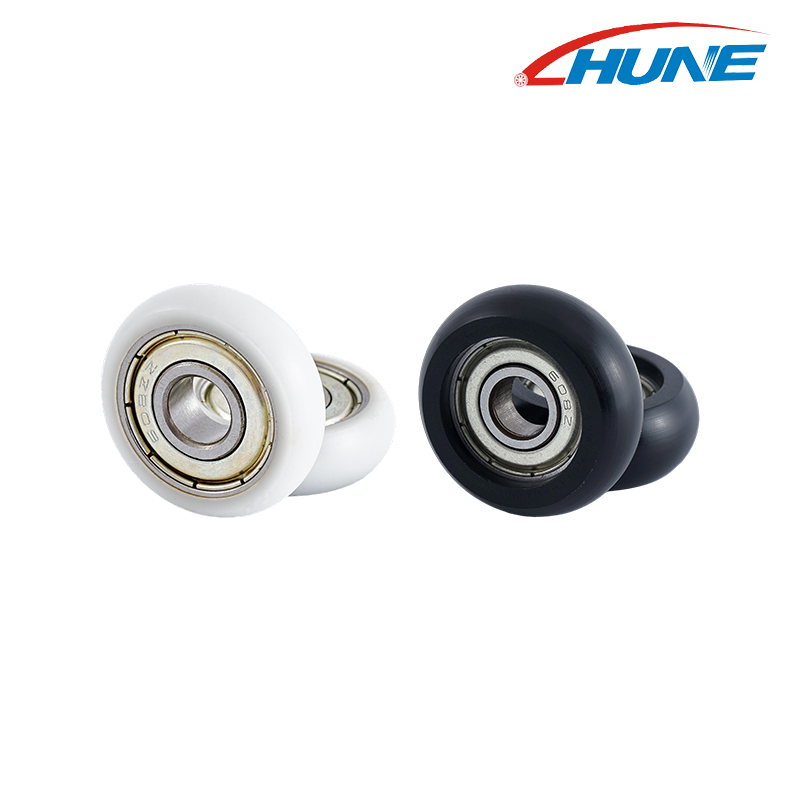
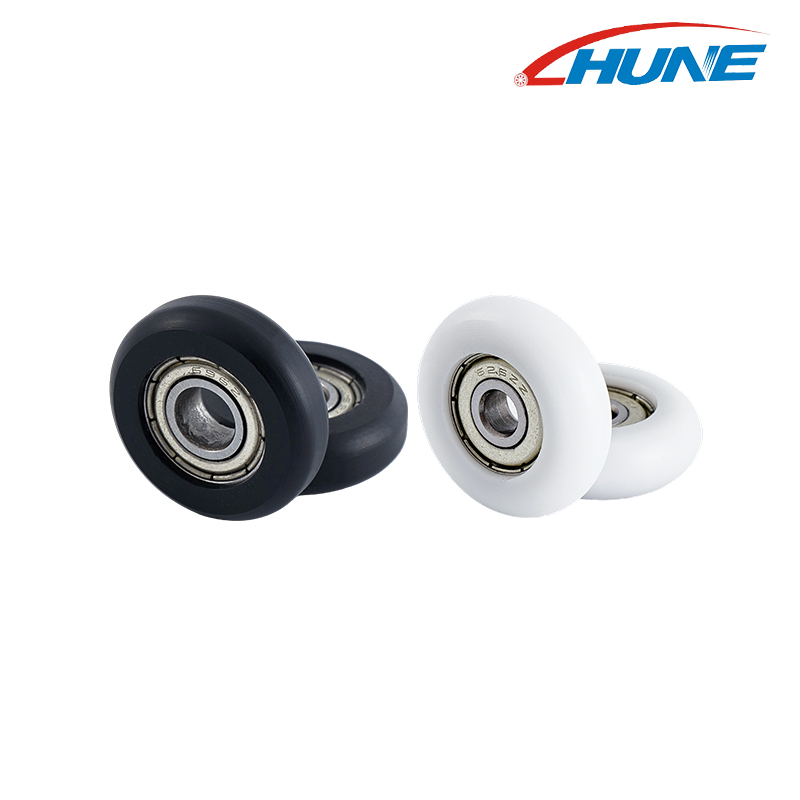
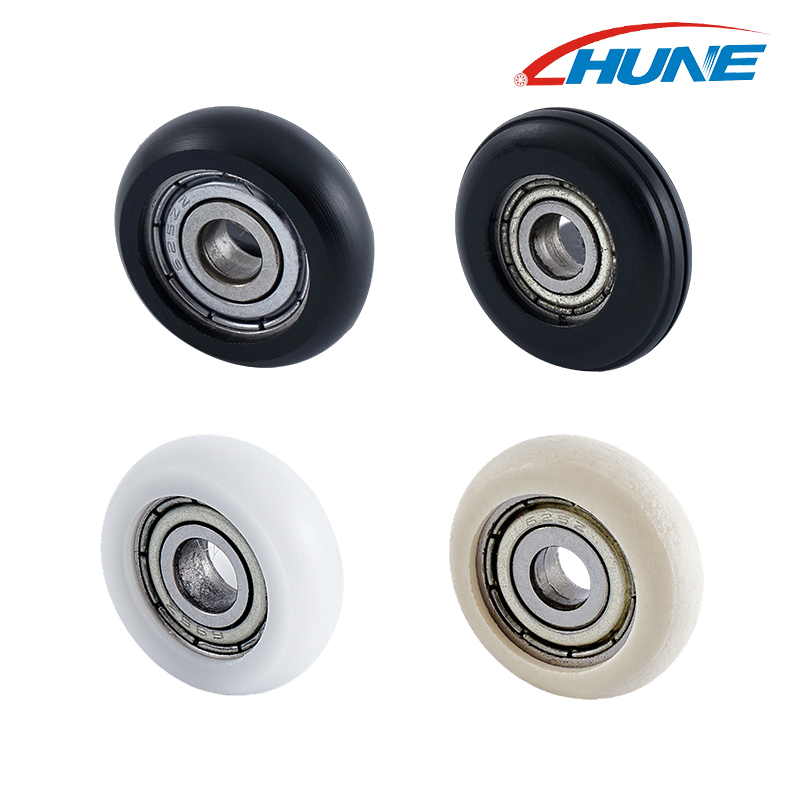
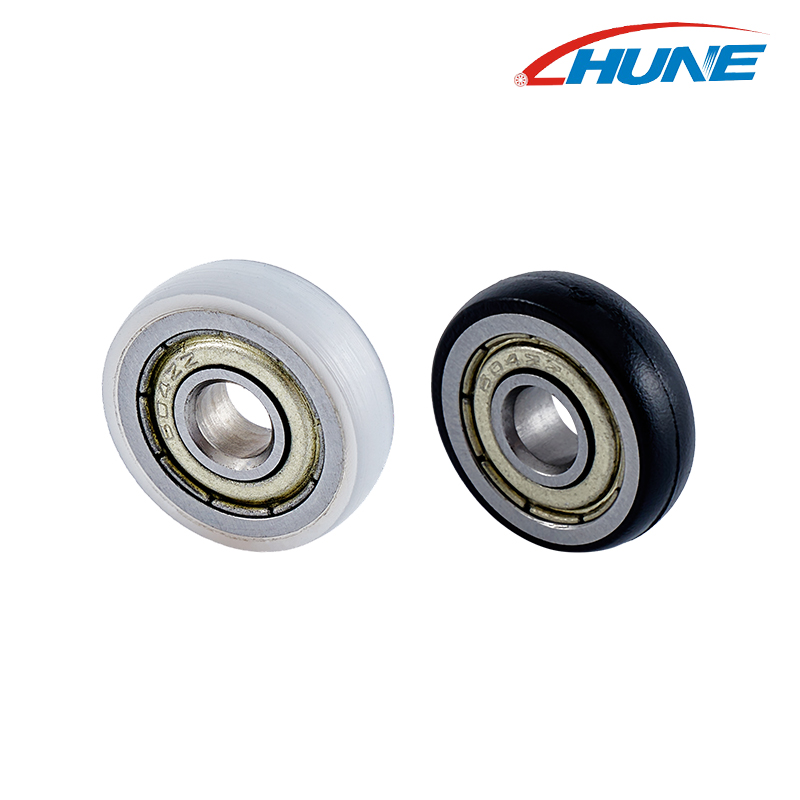
The outer structure is usually made from extruded aluminum. This part mainly supports strength and installation stability. Inside the structure, however, the actual movement behavior depends on the wheel system, which can be steel, nylon, or composite material depending on the design.
At the beginning of use, everything feels light and smooth. Over time, the system slowly adapts to real conditions such as dust, humidity, load changes, and daily usage frequency. These changes are not sudden. They build up quietly.
How long do aluminum sliding doors last?
There is no single lifespan that fits every sliding door system, because different components age in different ways.
In most residential cases, the aluminum frame itself remains stable for many years. It is usually not the first part that shows change. The movement system, especially the rollers, is what tends to evolve first.
From real-world observation in maintenance environments, sliding doors usually go through several stages of behavior:
Early usage stage
- Smooth movement with low resistance
- Consistent closing position
- Very stable alignment feel
- Almost no sound during operation
Mid usage stage
- Slight increase in sliding effort
- Small variation in closing feel
- Occasional uneven movement in certain sections
- Light sound begins to appear during travel
Later usage stage
- Noticeable resistance in parts of the track
- Less consistent closing alignment
- Movement feel changes depending on direction or speed
- Maintenance or adjustment becomes more frequent
These changes are not sudden failures. They are gradual mechanical responses to repeated daily cycles.
Why wheel material matters more than most people realize
Inside aluminum sliding door rollers, the aluminum housing mainly provides structure. It keeps the assembly stable and supports installation inside the frame system. It does not directly control how the door feels during movement.
The wheel material, however, defines most of the behavior.
Below is a simple comparison based on real usage conditions:
| Wheel type | Movement feel | Noise level | Behavior over time | Maintenance sensitivity |
|---|---|---|---|---|
| Steel wheel | Firm and stable | Medium | Handles load well, but reacts to track condition | Medium |
| Nylon wheel | Smooth and quiet | Low | Sensitive to dust and debris buildup | Higher |
| Composite wheel | Balanced feel | Low to medium | Designed for stable long-term use | Moderate |
Steel wheels are often chosen for heavier doors because they maintain load stability. However, when the track condition is not ideal, the movement feel can become slightly harder.
Nylon wheels are widely used in residential environments because they provide quieter operation. But in real use, they react faster when small particles enter the track.
Composite wheels try to balance both sides, offering more stable behavior in mixed environments where usage is frequent but not extreme.
What matters in real practice is not only the material itself, but how it interacts with the track surface over long-term use.
What are the common problems with door sliders?
Sliding door systems usually do not fail suddenly. They change gradually, and most issues appear through small differences in daily operation.
One of the most common issues is increased resistance during movement. The door still works, but the force required slowly increases. This is usually linked to dust accumulation inside the track or early-stage wheel wear.
Another common issue is uneven movement. The door may feel smooth in one section but slightly rough in another. This often comes from uneven track conditions or load imbalance between rollers.
Noise changes are also frequently reported. A system that was once quiet may start producing soft rolling sounds or subtle vibration during movement. This does not always indicate damage, but it shows that friction conditions are changing.
Some users also notice inconsistent closing positions. The door still closes fully, but the final position may vary slightly from day to day.
There are also cases where the door feels sticky at specific points along the track. It moves normally in most areas but slows down in one section. This is often caused by localized debris or surface wear.
These issues usually appear slowly over time rather than all at once.
Common warning signs
Sliding door systems often provide early signals before performance becomes noticeably affected. These signals are usually small and easy to overlook.
Homeowners often report the following early changes:
- Slight increase in effort when sliding the door
- Small vibration or uneven feeling during movement
- Change in closing smoothness compared to earlier use
- Slight difference in movement sound
- Minor variation in final stopping position
These signs do not necessarily indicate failure. They usually reflect gradual changes inside the system caused by normal usage and environmental exposure.
In many maintenance cases, these early signs are used as indicators for inspection before larger wear develops.
What are the common problems with door sliders?
Looking at sliding door systems as a complete structure, most problems fall into predictable categories that develop over time.
1. Track contamination
Dust, small particles, and debris slowly accumulate inside the track channel. This changes how smoothly the roller moves and creates uneven resistance across different sections.
2. Uneven roller wear
Depending on usage patterns and load distribution, one side of the system may experience slightly more pressure, leading to uneven wear over time.
3. Alignment drift
Repeated use, structural settling, or minor installation deviation can slowly affect how the door sits inside the frame. This changes movement behavior gradually.
4. Sealing inconsistency
Even when the door closes completely, the pressure along the sealing strip may not remain uniform over long-term use.
Real-world summary of system behavior changes
- Movement becomes less predictable over time
- Closing feel slowly changes
- Resistance patterns vary by position on track
- System remains functional but feels different
These changes are common in long-term residential use and usually develop in combination rather than isolation.
Practical usage patterns seen in real homes
Sliding door performance is strongly influenced by how it is used in daily life.
High-frequency use environments
- Faster wear on roller surfaces
- More frequent dust accumulation
- Earlier appearance of resistance changes
- Greater sensitivity to maintenance conditions
Low-frequency use environments
- Slower wear progression
- More stable movement over time
- Less noticeable changes in behavior
- Longer maintenance intervals
Humid or coastal environments
- Faster environmental influence on track condition
- More frequent surface changes
- Higher sensitivity to friction variation
- Earlier appearance of noise changes
These differences explain why identical systems can behave differently in different homes.
Simple maintenance habits that make a real difference
Sliding door systems do not require complex maintenance routines. What matters most is consistency and basic attention.
Useful practices include:
- Keeping the track channel clean from dust buildup
- Checking movement feel occasionally during use
- Observing whether closing position remains consistent
- Removing small debris before it affects movement path
- Avoiding excessive force when resistance increases
Maintenance is not about fixing damage. It is about keeping system behavior stable over time.
Aluminum sliding door rollers may seem like a small mechanical component, but they influence the entire behavior of a sliding door system.
The aluminum housing provides structural support, while the wheel material defines movement characteristics. Track condition, installation accuracy, environmental exposure, and daily usage all interact with this system.
In real residential environments, performance does not stay fixed. It slowly changes through repeated cycles of movement over months and years.
That is why sliding doors can still function normally but feel slightly different compared to when they were new. The system is not static. It evolves gradually under real-world conditions.
When a sliding system needs more than just replacement parts
In real residential and light commercial projects, the long-term behavior of a sliding door system is usually decided by how well the components work together rather than any single part alone. Roller stability, track condition, and installation accuracy all play a role in how the system feels after months or years of use.
When selecting replacement parts or planning a new installation, it is often more practical to focus on consistency of movement, material compatibility, and how the system performs under everyday conditions.
Hunepulley works with sliding door roller solutions designed for common usage environments, with attention to stable operation, material selection, and long-term movement behavior in real applications. For projects that require dependable sliding performance, it can be considered during the evaluation stage of system components.