

 English
 Español
 日本語
日本語Lightweight furniture has been changing the way interior spaces are designed and used. It is no longer only about reducing weight or simplifying appearance. The focus is now shifting toward how furniture behaves in real daily use, especially in terms of movement, stability, and long-term comfort.
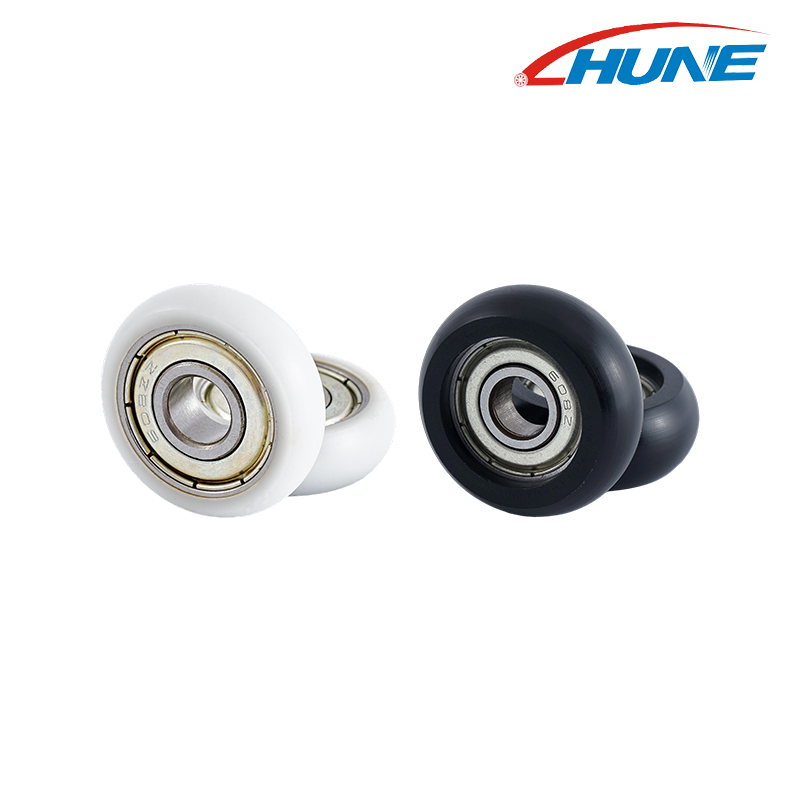
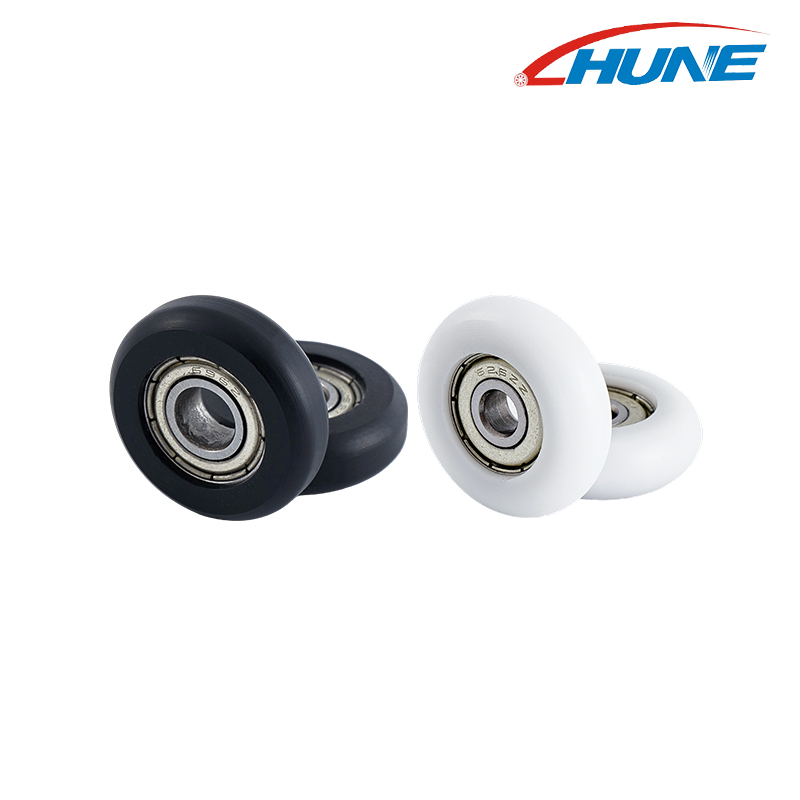
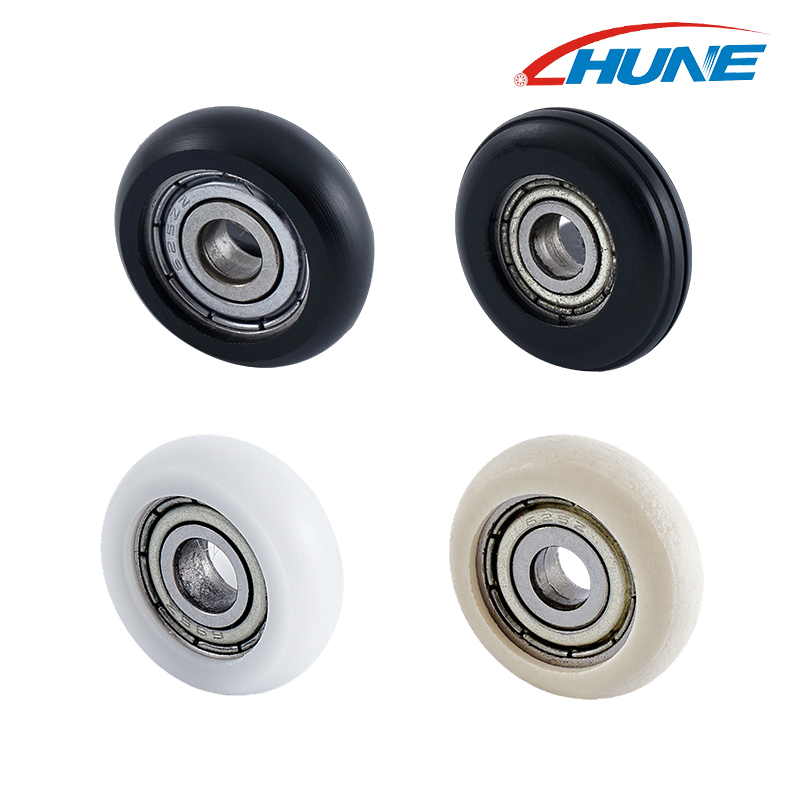
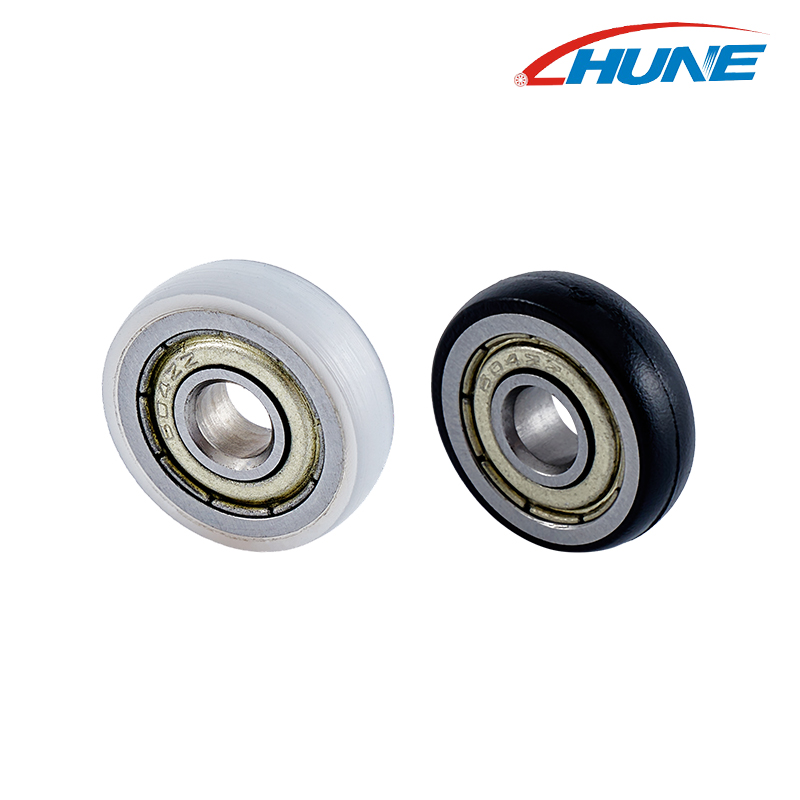
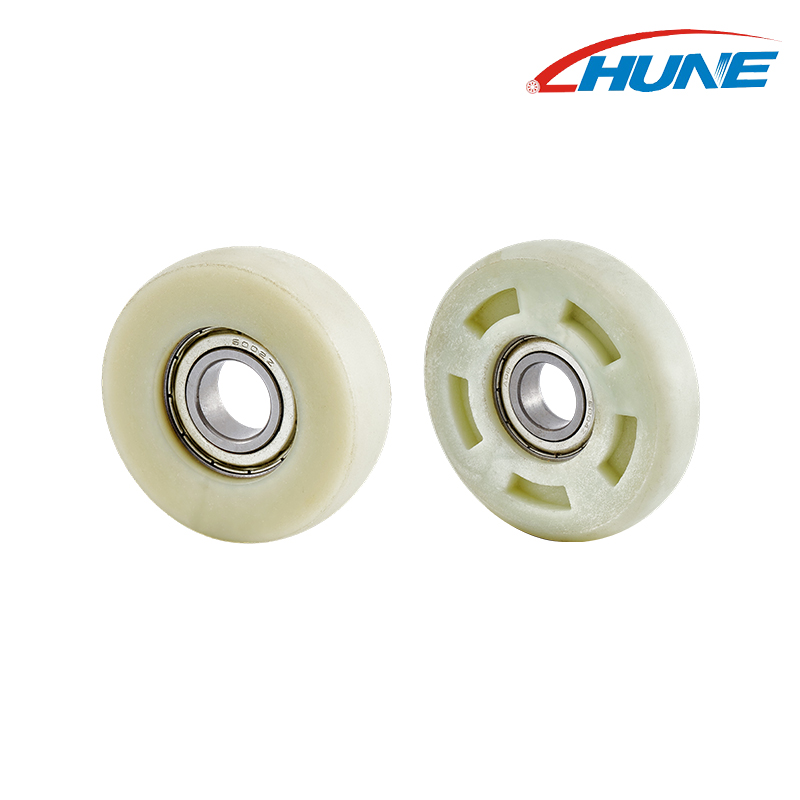
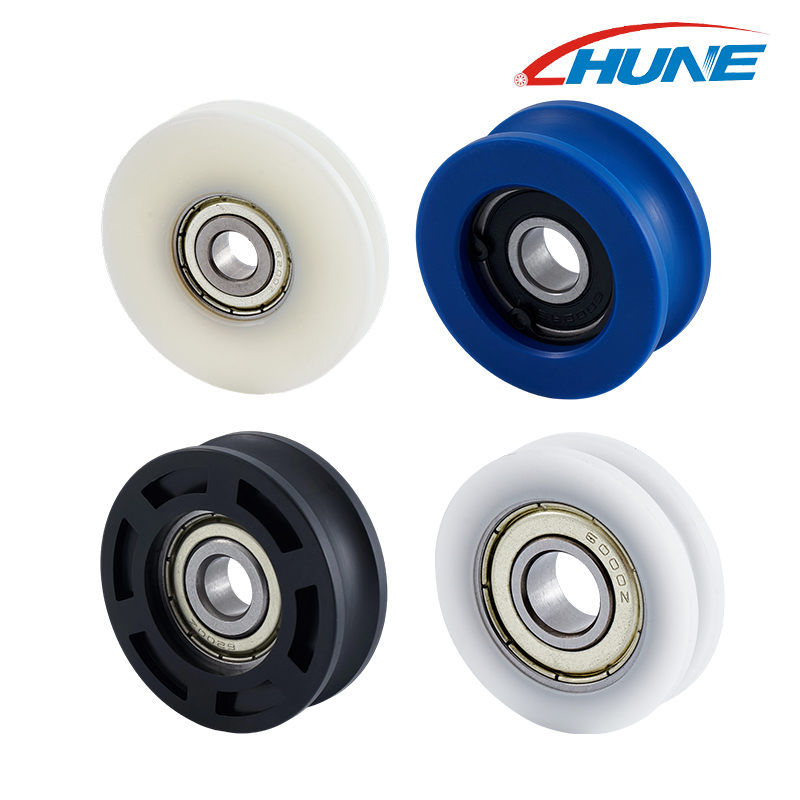
In this shift, sliding wardrobe systems have become more common in both residential and commercial spaces. While most attention goes to door panels and design style, the real performance often comes from a much smaller component hidden underneath the system: sliding wardrobe door wheels.
These small parts quietly influence how smooth, stable, and consistent a wardrobe feels every day.
Why Lightweight Furniture Is Changing How Movement Systems Are Expected to Perform
As living spaces become more compact and flexible, furniture design is adapting in a practical way. Lightweight structures are easier to handle, easier to install, and easier to adjust within limited spaces.
However, reducing weight does not automatically improve usability. In fact, it often increases sensitivity to small mechanical changes.
In real use, this means:
- Slight rail unevenness becomes easier to notice
- Small friction changes affect movement more directly
- Installation accuracy becomes more important
- Wear and dust influence performance faster
The Role Sliding Wardrobe Door Wheels Actually Play in Daily Experience
Sliding wardrobe door wheels are often invisible once installed, but they are active in every movement.
Inside a typical system, they handle multiple tasks at the same time:
- Supporting and distributing the door load across the rail
- Guiding directional movement during sliding
- Controlling resistance during start and stop motion
- Keeping alignment stable during repeated use
When the system is well balanced, the door feels effortless to move. When something is slightly off, even by a small margin, the difference becomes noticeable immediately.
Why Lightweight Furniture Makes Wheel Performance More Noticeable
Lightweight furniture behaves differently from traditional heavier systems.
With less mass, there is less natural stability in movement. That changes how force and vibration travel through the structure. As a result:
- Movement feels more responsive but also more sensitive
- Small imperfections are less "absorbed" by weight
- Alignment issues show up earlier
- Vibration travels more directly through the system
What Really Affects Smooth Sliding Performance in Real Use
Smooth sliding is not determined by a single factor. It is the result of multiple small conditions working together.
Friction is one of the most important elements. It is influenced by the bearing system, surface contact quality, and how evenly the load is distributed during movement. Over time, friction can change due to dust, wear, and small structural shifts.
Noise behavior is another key factor. In modern interiors, quiet operation is often expected. Noise usually does not come from one obvious source, but from vibration inside the system, slight rail mismatch, or structural resonance in lightweight doors.
Stability is equally important. Without proper side control, doors may feel unstable or slightly off track during movement. That is why many systems include guide components or anti-sway structures to maintain a consistent sliding path.
Design Trends in 2026 Shaping Sliding Wardrobe Systems
Minimal interior design continues to grow, which pushes hardware components further into hidden structures. This means visible design is reduced, but internal performance requirements are higher.
Space efficiency is another major driver. In smaller homes, sliding wardrobes are used more frequently because they save swing space and improve layout flexibility. Higher usage naturally increases demand for durability and consistent performance.
DIY installation is also becoming more common. Users expect systems that can handle small installation variations without performance loss. This requires more forgiving mechanical design in wheel systems.
At the same time, expectations for longer service life are increasing. People want furniture components that remain stable over time without frequent adjustment or maintenance.
Engineering Details That Influence Real-World Performance
Wheel geometry plays an important role in how smoothly the system transitions between movement states. Small differences in shape can affect how the wheel enters the rail and how force is distributed during motion.
Bearing quality determines long-term consistency. While many systems feel similar when new, differences often appear after extended use when wear begins to affect rotation stability.
Rail compatibility also plays a major role. Different rail profiles create different friction patterns and movement behavior. A wheel system that performs well on one rail type may behave differently on another.
Installation tolerance is another real-world factor. In practical environments, perfect alignment is rare. Even small deviations in installation can affect movement smoothness and long-term wear patterns.
Common Real-World Issues Users Experience
One common issue is increased resistance over time. This is often caused by dust accumulation or uneven load distribution across the wheels.
Another issue is gradual noise development. This is usually related to vibration changes within the wheel and rail system rather than material failure.
Uneven sliding movement can also appear when alignment shifts slightly after installation or during long-term use.
Misconceptions About Sliding Wardrobe Door Wheels
A common belief is that heavier wheel systems automatically perform better. In reality, performance depends more on system balance, bearing design, and rail compatibility than weight alone.
Another misconception is that noise is only caused by materials. In fact, vibration control and structural alignment are equally important factors.
It is also often assumed that all sliding systems behave in a similar way. However, differences in design, load distribution, and rail interaction can lead to noticeable variations in real use.
Practical Approach to Selecting a Sliding System
A more reliable way to choose a system is to focus on real usage conditions rather than isolated specifications.
Important considerations include matching the system with door material type, evaluating expected usage frequency, and ensuring post-installation adjustability.
Rail compatibility should also be checked carefully, as it directly affects movement behavior. In addition, long-term maintenance accessibility should be considered to ensure stable performance over time.
Simple Checklist Before Choosing or Installing
- Does the system support lightweight panels without instability?
- Does it allow adjustment after installation?
- Does it maintain smooth movement under repeated use?
- Is maintenance practical in real environments?
- Is it compatible with modern furniture materials?
Where Sliding Wardrobe Door Wheels Are Heading Next
The development direction is moving toward more stable low-friction materials, improved modular replacement structures, and better tolerance for installation variation.
At the same time, internal designs are becoming more compact while aiming for longer consistent performance cycles.
Movement systems are gradually becoming part of overall furniture experience design rather than just mechanical support components.
Small Part, Big Impact
Sliding wardrobe door wheels may be small in size, but their impact on lightweight furniture performance is significant. As furniture continues to evolve toward lighter structures and more flexible living environments, the importance of stable and consistent movement systems will continue to increase. In modern design, movement is no longer just a function — it has become part of the user experience itself.