

 English
 Español
 日本語
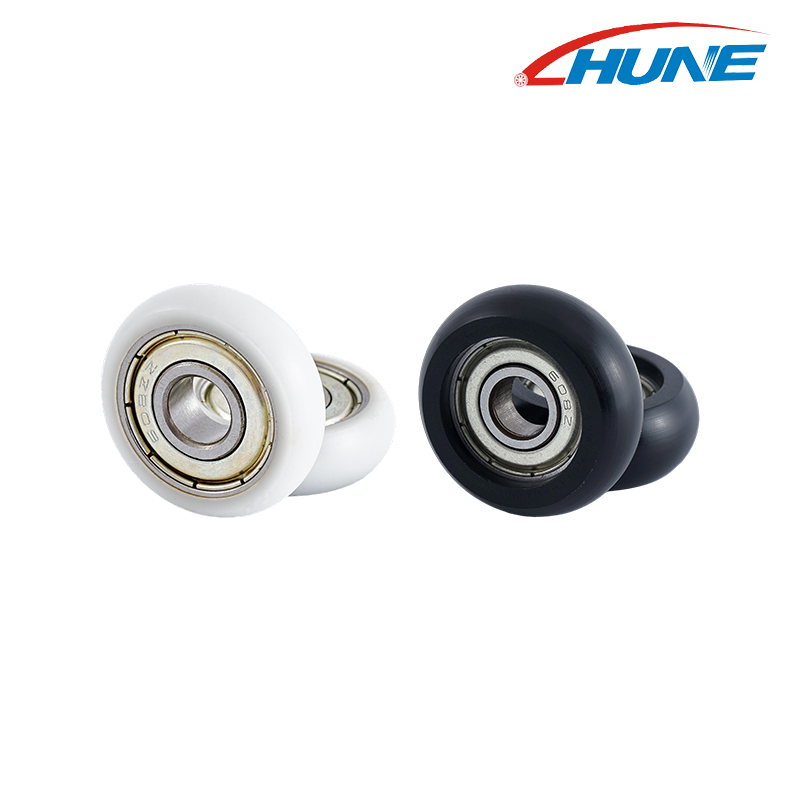
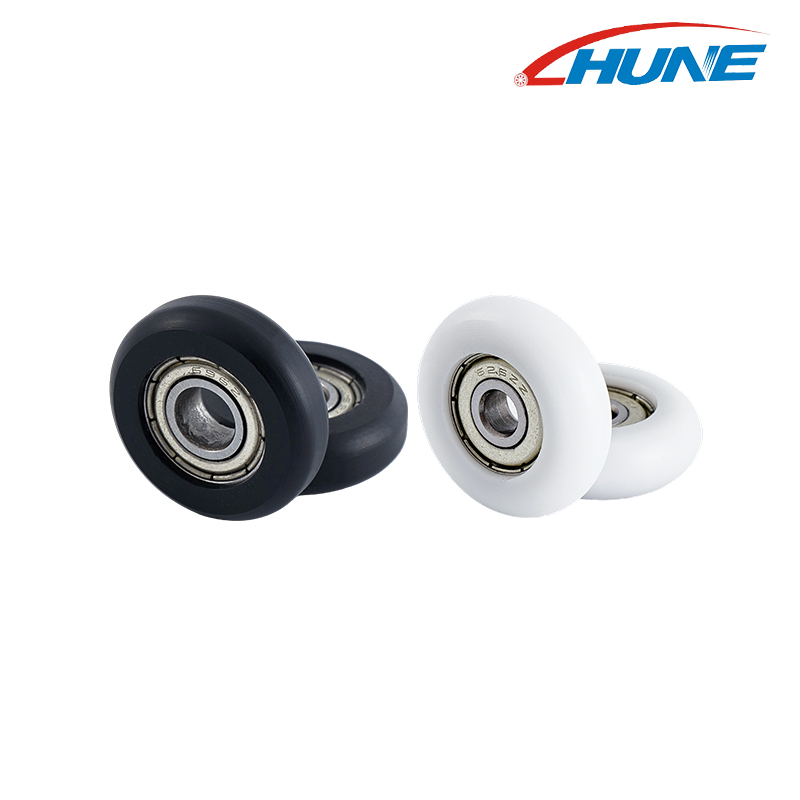
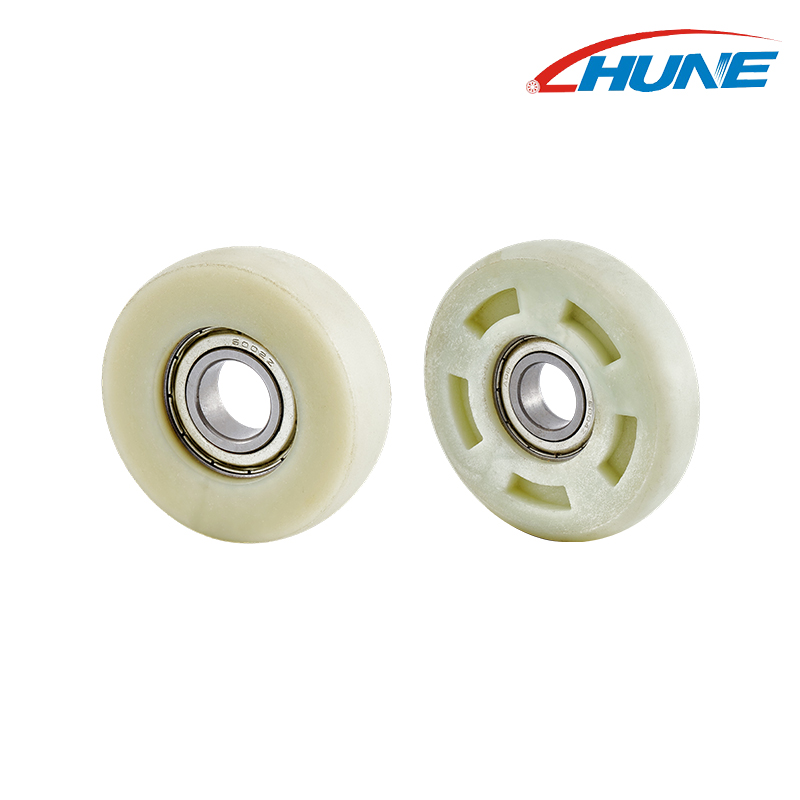
日本語Security door rollers are usually hidden inside sliding door systems, quietly doing their job without drawing attention. Most people only think about them when a door stops feeling smooth or starts making small changes in movement. At that point, the question naturally appears: where are these roller systems actually used in modern entry environments, and why do they show up in so many different places?
The answer is not tied to one building type. These systems appear in homes, offices, industrial facilities, transport hubs, and controlled access environments. Each location uses them in slightly different ways, but the purpose stays similar: support guided sliding movement with less resistance and more stability.
Instead of being a visible feature, they act like a hidden support layer behind modern entry design.
Why Sliding Doors Need Rolling Support In The First Place
A sliding door might look simple, but the movement system behind it is not.
When a door moves along a track, there is constant contact between surfaces. Without rolling support, that contact creates resistance. Over time, this can lead to uneven motion, noise, and extra wear on the frame.
Rolling elements change that behavior by turning sliding friction into controlled movement.
What Rolling Systems Actually Help With
- Reducing direct surface contact inside the track
- Supporting door weight across multiple points
- Keeping movement aligned along a fixed path
- Improving consistency during repeated use
In real-world conditions, this is what allows sliding doors to stay functional in environments where they are used many times every day.
Residential Applications And Everyday Usage Patterns
In homes, sliding systems are usually part of daily life without much attention. They are installed in places where space saving and visual openness matter.
Common Residential Locations
- Balcony and patio doors
- Interior sliding partitions
- Wardrobe and closet systems
- Garden access glass panels
At first, everything feels natural. The door moves easily, almost effortlessly. But over time, small changes begin to appear. The movement might feel slightly heavier, or the sliding path may not feel as smooth as before.
Why Performance Changes Over Time
- Dust or dirt entering the track
- Long-term usage wear on moving parts
- Humidity and temperature changes
- Slight frame alignment shifts
These changes happen slowly, which is why many homeowners only notice the system when something feels different.
Commercial Environments With Continuous Operation
Commercial spaces operate under very different conditions. Sliding doors are used constantly, often throughout the entire day.
| Location | Usage Purpose |
|---|---|
| Shopping malls | Main entrance flow control |
| Office buildings | Lobby entry systems |
| Hotels | Reception and access areas |
| Hospitals | Corridor separation and access control |
In these environments, consistency is more important than anything else. A door must behave the same way whether it is used 10 times or 1000 times in a day.
What Commercial Systems Need To Handle
- Continuous opening and closing cycles
- Stable movement during peak traffic
- Compatibility with automatic systems
- Predictable user experience
Even small differences in motion can affect how people perceive the space.
Industrial Environments And Heavy Duty Usage Conditions
Industrial settings introduce a completely different level of mechanical demand. Doors are often larger, heavier, and used in more demanding environments.
Common Industrial Uses
- Warehouse loading entrances
- Workshop separation doors
- Equipment storage gates
- Perimeter sliding barriers
In these systems, rolling components are not just guiding movement. They also help distribute structural load across the track system.
Key Differences In Industrial Usage
- Heavier door panels
- Longer operational cycles
- Higher mechanical stress
- Stricter alignment requirements
Instead of focusing on appearance, these systems focus on stability over time.
Security Focused Environments And Controlled Movement Systems
Some sliding systems are designed not for convenience, but for controlled access. These are used in environments where entry must be managed carefully.
Examples Include
- Restricted technical rooms
- Secure storage areas
- Data infrastructure spaces
- Controlled operational zones
In these systems, movement precision is more important than speed.
Why Alignment Becomes Critical
When the door reaches the closed position:
- Locking systems must engage correctly
- Sealing conditions must remain stable
- Access control systems depend on exact positioning
If movement is not accurate, the entire security function can be affected.
Transport Hubs And High Frequency Movement Systems
Transport environments are one of the most active use cases for sliding door systems.
Commonly Found In
- Airport boarding gates
- Subway station entrances
- Train platform access points
- Passenger corridor systems
What Makes Transport Systems Different
Unlike other environments, movement never really stops. Doors are constantly opening and closing as part of passenger flow.
Core Requirements In Transport Spaces
- Fast and repeated operation cycles
- Stable performance during peak hours
- Minimal interference with passenger movement
- Consistent mechanical behavior
Rolling systems help maintain controlled motion even under continuous use.
Office Environments And Flexible Space Design
Modern offices often rely on adaptable layouts instead of fixed walls. Sliding systems play a big role in this flexibility.
Common Applications
- Meeting room partitions
- Collaborative workspace divisions
- Conference room adjustable walls
- Temporary privacy zones
Why Movement Flexibility Matters
In office design, space is no longer static. Rooms can be adjusted depending on daily needs.
If the sliding system feels stiff or inconsistent, that flexibility becomes harder to use in practice.
Healthcare Environments And Quiet Operation Needs
Hospitals and medical facilities require sliding systems that support controlled and quiet movement.
Typical Usage Areas
- Patient room doors
- Treatment area partitions
- Medical storage access points
- Clean corridor separation systems
What Matters In Medical Environments
- Quiet movement during operation
- Smooth and predictable sliding behavior
- Frequent daily usage support
- Reduced disturbance in sensitive areas
Rolling systems help maintain controlled motion without sudden changes in resistance.
Retail Environments Combining Function And Visibility
Retail spaces often use sliding doors that balance access control with visual design.
Common Installations
- Storefront entrance systems
- Mall shop doors
- Display separation panels
- After-hours security closures
Movement Behavior In Retail Spaces
Retail systems often switch between open and closed states many times a day. The sliding mechanism needs to support that transition smoothly without affecting customer flow or store operation.
Simple Comparison Across Environments
| Environment | Main Focus | Movement Expectation |
|---|---|---|
| Residential | Comfort | Quiet and smooth |
| Commercial | Consistency | Continuous stable use |
| Industrial | Load handling | Structural strength |
| Security zones | Precision | Accurate alignment |
| Transport | Flow control | High frequency use |
Material And Structural Differences Behind Roller Performance
Rollers can look almost identical from the outside, yet behave quite differently once installed. Much of that difference comes down to what the wheel is made of and how the bearing inside it is built.
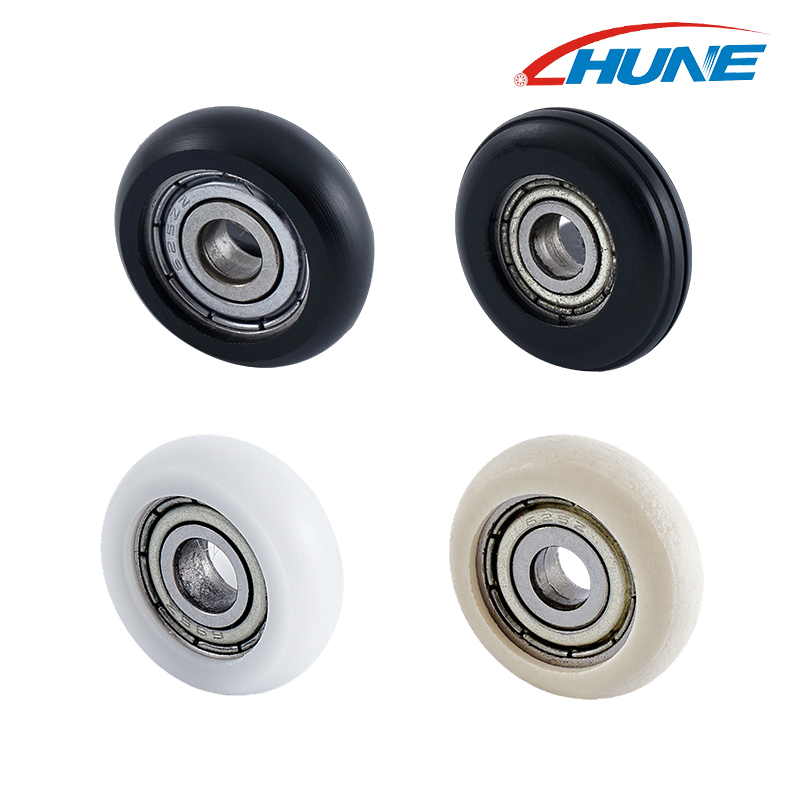
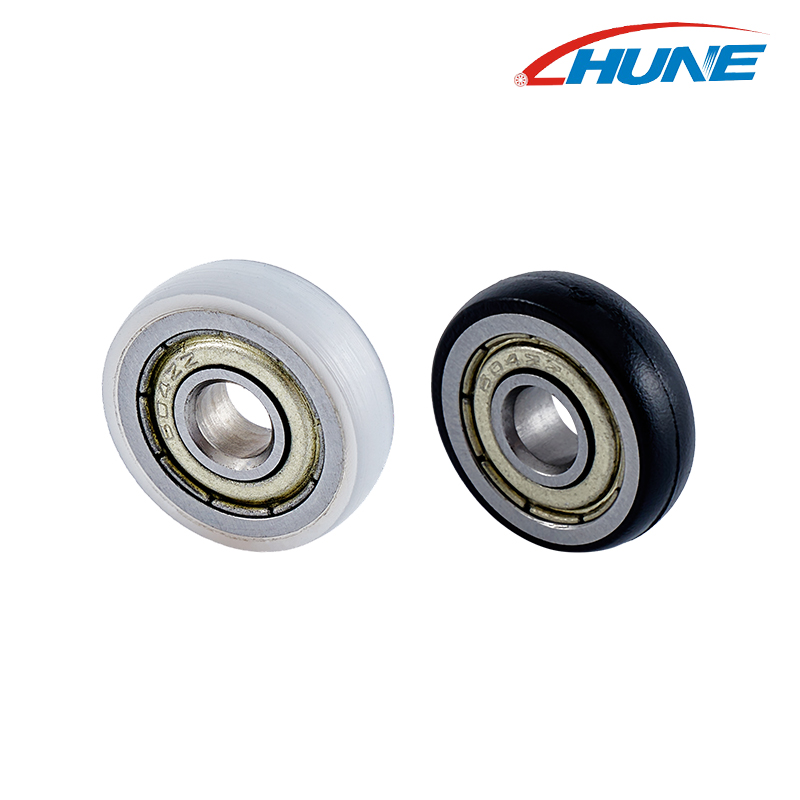
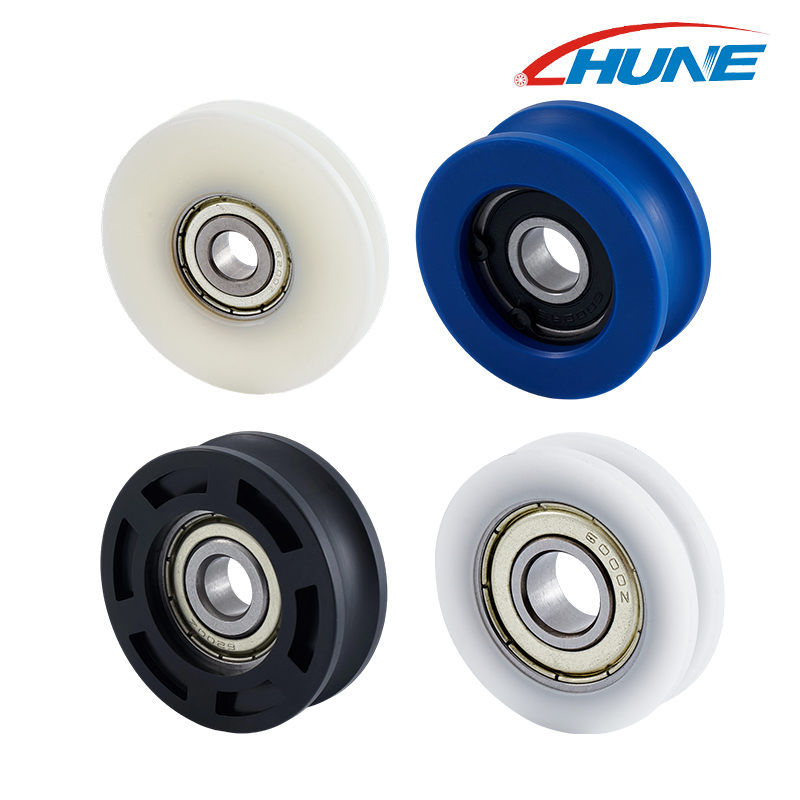
Stainless steel rollers, for example, tend to hold up better in humid or coastal settings, and are often chosen for heavier doors such as balcony panels or industrial gates. Engineering plastic wheels, on the other hand, are usually quieter in operation and are commonly used indoors — wardrobes, bathroom partitions, or spaces where noise is more of a concern than raw load capacity. Rubber-coated versions sit somewhere in between, adding a bit of cushioning where impact or vibration needs to be softened.
The bearing type inside the wheel matters too. Ball bearings generally run smoother and tend to cope better with frequent use, while simpler sleeve or bushing supports are often enough for lighter, less frequently used doors. Neither option is universally better — it depends on how the door is actually going to be used day to day.
How To Think About Choosing A Rolling System
There isn't a single correct roller for every situation, but narrowing the choice usually comes down to a few practical questions.
How heavy is the door?
Lighter interior doors don't need much load capacity, while large glass panels or industrial doors call for something rated higher. Underestimating the weight is a fairly common reason rollers wear out sooner than expected.
How often will it be opened and closed?
A door used a handful of times a day puts far less stress on a roller than one cycling constantly, like in a retail entrance or transport corridor. Higher frequency use tends to favor ball-bearing designs simply because they're built to handle more repetition.
What's the surrounding environment like?
Damp, coastal, or outdoor conditions usually point toward stainless steel. Quiet indoor spaces — bedrooms, hospital corridors — often do better with plastic or rubber-coated wheels that keep operating noise down.
Looking at these three factors together, rather than choosing based on price or appearance alone, tends to lead to a more suitable result.
Common Issues And What They Might Point To
Roller problems usually give some warning before a door stops working properly. Below are a few patterns that tend to show up, along with what's often behind them — though a physical check is always the more reliable way to confirm the actual cause.
| What you might notice | Often related to | Worth checking |
|---|---|---|
| Squeaking or grinding sound | Dust in the track, or a worn bearing | Clean the track first; if the noise stays, the roller may need replacing |
| Door feels heavier to move | Debris buildup or early bearing wear | Look for flat spots on the wheel surface |
| Door leans or sags on one side | Loose mounting or a deformed roller | Check the bracket and adjust height if needed |
| Sticking at certain points | Track slightly out of alignment | Recheck the track level along its full length |
| Door doesn't sit flush when closed | Uneven wear between left and right rollers | Compare both sides, replace as a matching pair if worn |
In access-controlled settings especially, it's worth acting on these signs early — small alignment issues can affect how well a lock engages.
A Few Habits That Help With Long Term Use
Rolling systems are meant to run with little attention, but a handful of simple habits can make a noticeable difference over time.
- Wipe down the track occasionally so dust doesn't build up around the wheel
- Try not to force the door past a point where it feels stuck — that's often where extra wear starts
- In coastal or humid areas, it's worth glancing at stainless steel rollers now and then for early signs of surface wear
- For doors used many times a day, checking every few months tends to catch issues before they become noticeable
- Keeping door weight within the roller's rated range can help it last closer to its expected service life
These small habits matter more in commercial and industrial settings, simply because daily use adds up faster there than in a typical home.
Why These Systems Are Used Everywhere
Even though each environment has different requirements, sliding roller systems continue to appear across almost all modern building types.
The reason is simple. They solve a basic mechanical problem in a way that scales well across different sizes and usage conditions.
They Support
- Space efficient design
- Adaptable installation methods
- Integration with manual and automated systems
- Stable movement over long-term use
Security door rollers are not designed to be noticed during daily use. They stay hidden inside tracks, quietly supporting movement in the background.
But once you start observing how many environments depend on sliding systems, it becomes clear that these small components play a consistent role across homes, commercial buildings, industrial spaces, and public infrastructure.
They are not the visible part of the system, but they are often the reason the system feels smooth in the first place.