

 English
 Español
 日本語
日本語Security doors usually get judged by what you can see first. Thick frames, solid locks, heavy panels, and the feeling that nothing is going to push through easily. But in real daily use, there is a quieter part that decides whether the whole system feels stable or slowly becomes awkward to operate. That part is the rollers underneath the door.
People rarely think about them because they are hidden. The door either slides or it does not. But in security entry systems, movement is not just about convenience. It affects how the door sits, how pressure spreads across the frame, and how consistently the locking points align every time the door closes.
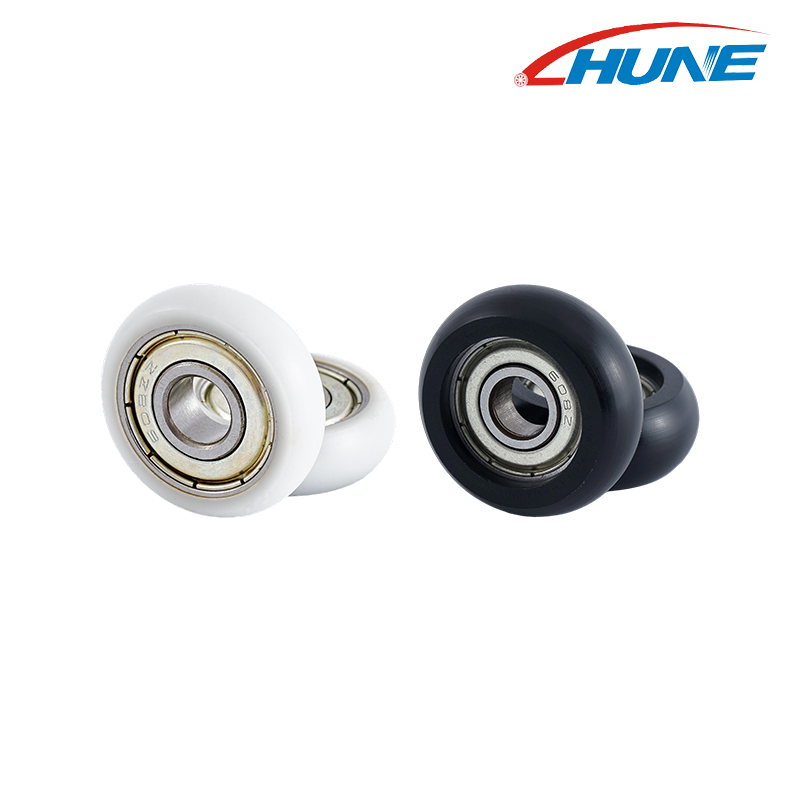
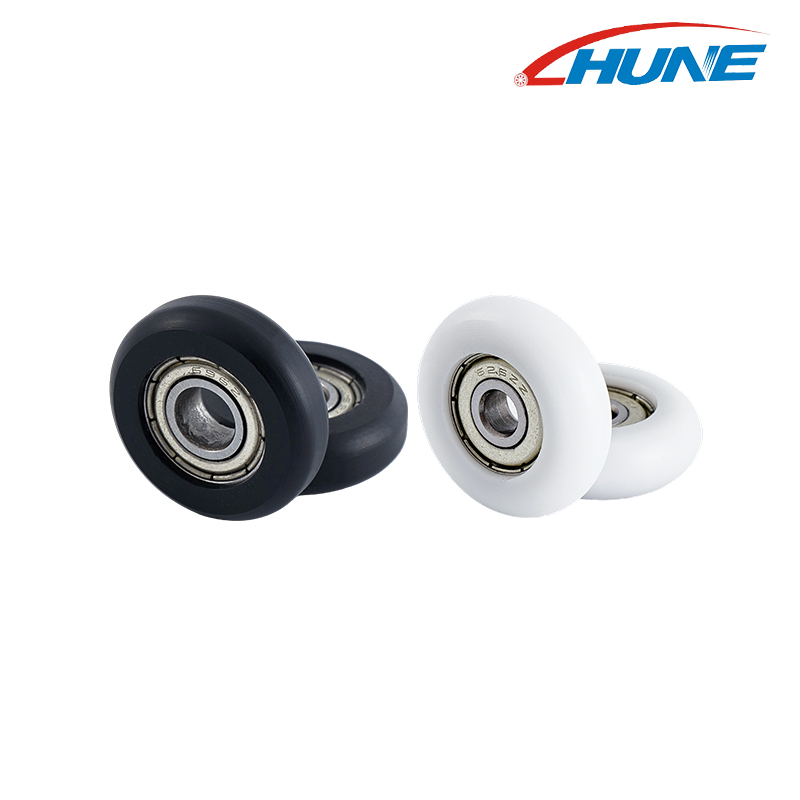
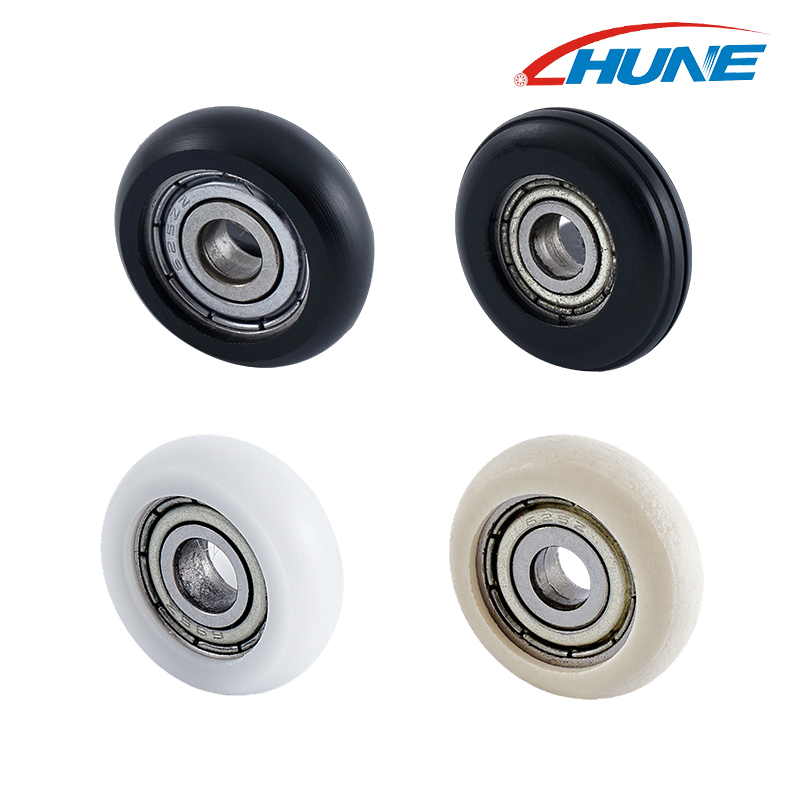
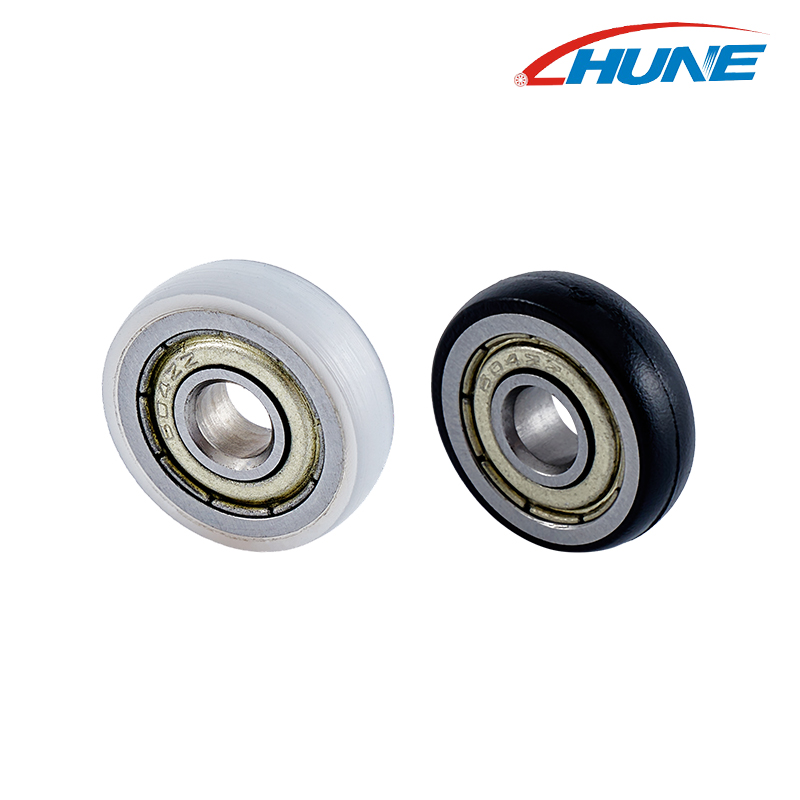
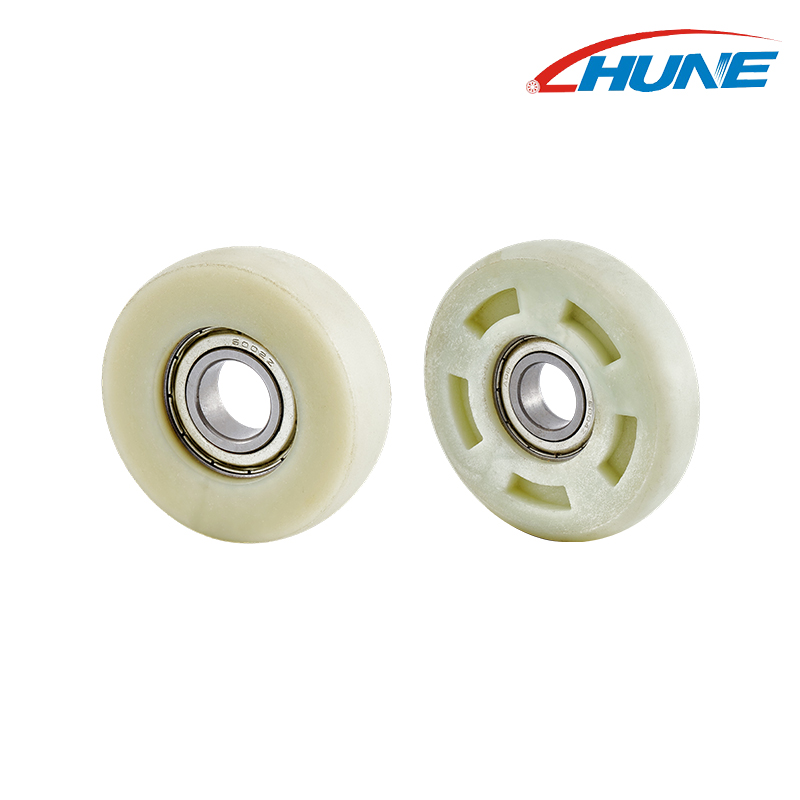
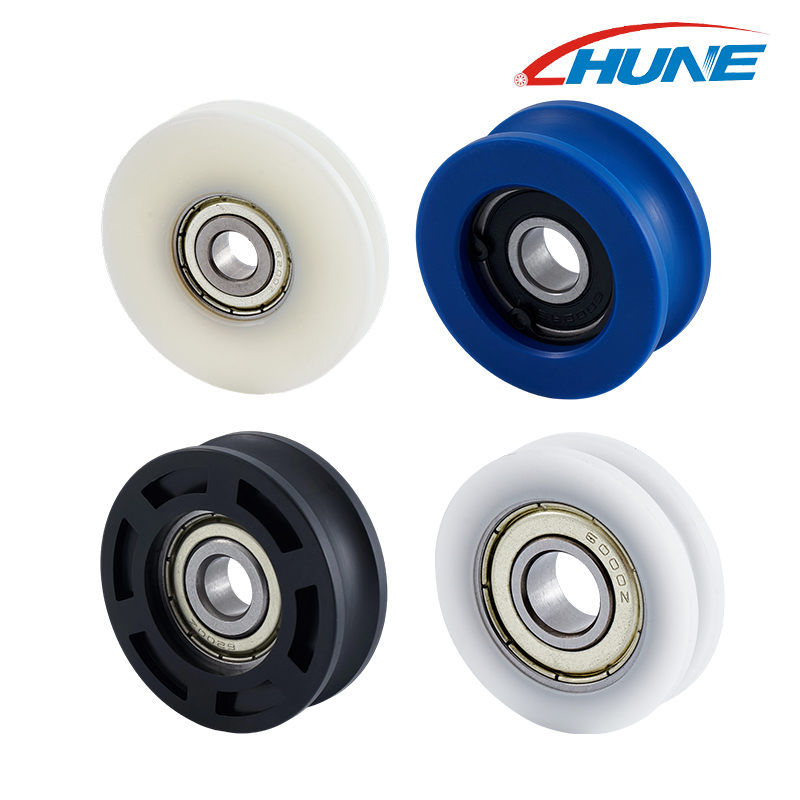
Security Door Rollers sit right in the middle of that behavior. They do not just "help the door move." They help the whole structure stay balanced while it moves.
Why Movement Stability Is Linked To Structural Safety
At first, it might sound like movement and safety are two different things. One is about comfort, the other is about protection. But in a heavy entry system, they are actually connected in a very practical way.
A security door is usually heavier than a normal interior door. It is built with reinforced materials, thicker panels, and stronger hardware. That weight has to go somewhere when the door is opening or closing. It does not float. It is carried through the rollers into the track, and then into the surrounding frame.
If that movement is smooth and consistent, the load is spread evenly. If it is uneven, certain points begin taking more pressure than others.
Over time, that imbalance can influence:
- How the door settles when fully closed
- How evenly the frame is loaded during movement
- How consistently the locking position is reached
- How much resistance builds up in certain areas
So even though rollers look like a small part, they are part of how the structure "behaves" under daily use.
How Security Door Rollers Handle Weight In Real Use
Security Door Rollers are designed to support continuous movement under load. They sit between the door panel and the track, carrying both static weight and dynamic motion.
When everything is working normally, the movement feels predictable. The door does not drop, tilt, or shift unexpectedly during sliding. That stability is what keeps the rest of the system calm.
What happens when load is balanced
In a well-functioning system:
- The door moves with steady resistance
- The frame does not feel stressed during operation
- The panel returns to the same position each time it closes
- Contact between parts stays consistent across the track
What changes when rollers start aging
As rollers slowly wear or lose smooth rotation, the load distribution becomes less even:
- One side may carry slightly more pressure
- Certain sections of the track feel heavier
- Movement becomes less predictable from start to end
- Small shifts in height or alignment begin to appear
It does not fail suddenly. It slowly changes how the system behaves during every use cycle.
How Rollers Influence Door Alignment Over Time
Alignment in an entry system is not only set during installation. It is also maintained through daily movement. Every time the door slides, the rollers guide it back into a consistent path.
When rollers are in good condition, that path stays stable. The door closes the same way each time, and the frame contact points stay aligned.
But when roller performance becomes uneven, the door may not return to exactly the same position every time it closes. The difference can be very small at first, almost unnoticeable.
Over time, this can show up as:
- Slight changes in how the door meets the frame
- Uneven spacing along edges when closed
- Minor resistance near the final closing position
- A feeling that the door "settles" differently each time
These are not dramatic changes, but they affect how consistent the structure feels in daily use.
The Link Between Rollers And Locking Behavior
Locking systems depend on alignment. They are designed to engage when the door reaches a specific position. If the door is slightly off, even by a small margin, the locking action may feel different.
Security Door Rollers help guide the door into that exact position every time. They control how the panel approaches the final closing point.
When roller movement is stable
- The door closes without extra force
- Locking points meet naturally
- There is no need to "adjust" the door by pushing harder
- The latch engages smoothly
When roller movement becomes inconsistent
- The door may require extra push to fully close
- Lock alignment may feel slightly off
- The handle may feel tighter than usual
- The closing motion loses its natural finish
This is why roller condition indirectly affects how secure the system feels, even though they are not part of the locking mechanism itself.
Why Small Roller Changes Affect The Whole Structure
One of the interesting things about security entry systems is that small mechanical changes can influence the overall feeling of stability.
Rollers do not just move the door. They control how the door interacts with the track and frame every time it is used.
When rollers are smooth and consistent, everything feels aligned. When they start changing, the system slowly shifts from predictable movement to slightly irregular movement.
That irregularity can affect:
- How pressure is distributed across the frame
- How smoothly the door transitions between open and closed states
- How stable the panel feels during motion
- How the system responds to daily use patterns
It is not about sudden failure. It is about gradual change in behavior.
Environmental Factors That Slowly Influence Roller Condition
Security doors are often exposed to outdoor conditions, even when installed in sheltered areas. That means rollers are not working in a clean, controlled environment.
Over time, several factors can influence performance:
- Fine dust entering the track area during wind
- Moisture exposure during rain or humidity changes
- Small particles accumulating in rolling paths
- Temperature changes affecting material behavior
These conditions do not usually cause immediate problems. Instead, they slowly change how the rollers interact with the track surface.
As a result, movement may start to feel slightly different over months or years rather than days.
Early Signs That Often Get Ignored
Before people notice clear performance changes, there are usually small signals that appear during everyday use. Most of the time, they are easy to overlook because the door still works normally.
Some of these early signs include:
- Slight increase in effort when opening the door
- Small variation in sliding smoothness
- Occasional uneven feeling in certain sections
- Light vibration through the frame or handle
- Subtle change in closing behavior
On their own, none of these feel urgent. But together, they often indicate that the system is gradually shifting away from its original condition.
Why Roller Condition Matters For Long Term Stability
Security entry systems are expected to perform consistently over long periods. They are not just used occasionally. They are part of daily movement in and out of a space.
Because of that, even small mechanical changes matter over time.
When Security Door Rollers stay in stable condition, the system tends to maintain:
- More predictable movement behavior
- Balanced load distribution
- Consistent alignment with the frame
- Smoother interaction with locking components
When roller performance changes gradually, the system does not stop working, but the experience becomes less stable and less consistent in how it behaves day to day.
Security Door Rollers may look like a simple mechanical component, but they play a quiet role in how an entire entry system holds together during daily use. They support movement, help distribute weight, and guide the door into consistent alignment with the frame.
When they are functioning normally, the door feels stable and predictable. When they start changing over time, the effects slowly appear in movement smoothness, alignment consistency, and locking behavior.
In security entry systems, safety is not only about strength in one moment. It is also about how consistently the system behaves over time. That is where rollers quietly make a difference in the background without most people noticing it directly.