

 English
 Español
 日本語
日本語A line roller sits at the front of a spinning reel's bail, and its job is to guide fishing line smoothly onto the spool while reducing the twisting and friction that would otherwise build up with every cast and retrieve. Inside that small cylindrical part, a bearing allows it to spin freely as line passes over it, which keeps the line running true instead of dragging against a fixed surface. Without a properly functioning line roller, even a well-built reel starts producing tangled line, uneven casts, and faster wear on the line itself.
Key Takeaways
- Line rollers reduce twist by allowing the line to roll rather than slide across a fixed surface
- The bearing inside the roller has a direct impact on how freely it spins and how much friction it generates
- Different line types, braided versus monofilament, put different kinds of stress on a roller's groove
- Saltwater exposure accelerates corrosion on rollers that lack proper sealing or material resistance
- Recognizing early wear signs, like grooving or stiffness, usually prevents bigger problems down the line
What Exactly Is a Line Roller and Why Does It Matter
Anyone who has handled a spinning reel has likely touched the line roller without realizing its name. It's the small cylindrical piece mounted at the tip of the bail wire, the part the line passes over every single time it goes out on a cast or comes back in during a retrieve. It looks minor compared to the drag system or the gear train inside the reel body, but its role in keeping everything running smoothly is larger than its size suggests.
The core function comes down to reducing friction and twist. As line moves off the spool during a cast, it travels in a slightly different direction than it does when being wound back on during retrieval. A line roller allows the line to roll across that changing angle instead of scraping against a fixed metal edge. That small difference between rolling contact and sliding contact adds up significantly over thousands of casts across a fishing season.
How Line Rollers Fit Into the Anatomy of a Reel
Understanding where the line roller sits helps explain why its condition affects so much of how a reel performs overall.
The bail arm swings open and closed with each cast, and the line roller sits at the point where the bail meets the spool area. Every foot of line that goes out or comes back passes across this single contact point. That makes it one of the highest-friction, highest-contact areas in the entire reel, even though it receives far less attention than components like the drag knob or the handle.
A few structural details shape how well a line roller performs its job:
- The groove shape, which determines how the line seats and rolls across the surface
- The bearing or bushing inside, which controls how freely the roller spins
- The material of the outer surface, which affects both friction and long-term corrosion resistance
- The overall fit within the bail arm, since a loose or misaligned roller creates uneven pressure
Each of these elements interacts with the others, so a roller with an appropriate groove shape but a worn-out bearing still won't perform as expected.
Why Smooth Rotation Changes Casting Distance and Accuracy
A line roller that spins freely distributes friction evenly as line pays out during a cast. One that's stiff, corroded, or clogged with debris creates uneven resistance, which shows up as shorter casts, line that peels off unevenly, or a faint dragging sensation that many anglers notice but can't always pinpoint.
This becomes especially noticeable with lighter lures or finesse presentations, where small amounts of added friction have an outsized effect on how far and how accurately the line travels. Heavier setups tend to mask the issue somewhat, since more force is already being applied, but the underlying friction problem still exists and still adds wear over time.
The Bearing Inside: A Small Part With Outsized Influence
Most modern line rollers rely on a small bearing, sometimes a simple bushing in more basic reels, to allow rotation. This bearing is easy to overlook because it's hidden inside the roller housing, but it does most of the actual work.
How Bearing Condition Affects Everyday Casting
A bearing that spins freely lets the line roller rotate in sync with the line moving across it. When that bearing seizes up, even slightly, from corrosion, dried grease, or trapped grit, the roller stops rotating properly. At that point, the line starts sliding across a stationary surface instead of rolling across a moving one, which reintroduces the exact friction and twist problem the roller was designed to prevent.
Sealed Versus Open Bearing Designs
Reels intended for saltwater use often rely on sealed bearings within the line roller assembly, since sealed designs keep out moisture and salt that would otherwise work their way into an open bearing and cause it to corrode from the inside. Freshwater setups sometimes use simpler open designs, since the environment is less aggressive, though sealed options still hold up better across repeated exposure to humidity or occasional splashes.
Materials Used in Line Rollers and Their Trade-Offs
Line rollers show up in a handful of common materials, and each brings a different balance of durability, weight, and corrosion resistance to the table.
| Material Type | General Behavior | Common Use Case |
|---|---|---|
| Stainless steel | Handles saltwater exposure reasonably well, resists corrosion longer than untreated metals | Saltwater spinning reels, reels exposed to humid coastal air |
| Aluminum alloy | Lightweight, keeps overall reel weight down | Freshwater reels, lighter finesse setups |
| Engineering plastic or composite | Corrosion-free by nature, quiet rotation | Budget-friendly reels, freshwater applications with lighter line |
| Titanium-coated or hardened surfaces | Resists grooving from braided line better than untreated metal | Reels paired frequently with braided line |
None of these materials work universally better across every situation. A stainless roller suits a reel that spends most of its time near saltwater, while a lightweight composite roller might make more practical sense on a freshwater setup where weight and quiet operation matter more than corrosion resistance.
Braided Line Versus Monofilament: Different Stress on the Same Part
The type of fishing line running through a reel changes how much stress the line roller experiences over time, and this is a detail that often gets overlooked when anglers switch line types without considering the roller underneath.
Braided Line and Groove Wear
Braided line has a thinner diameter relative to its strength and tends to cut into softer roller materials over repeated use, gradually carving a groove into the surface. Once that groove forms, the line settles into the same track every time, which can eventually create a rough edge that catches and frays the line during casting or retrieval.
Monofilament and Surface Friction
Monofilament line, being thicker and smoother, tends to create less of the cutting action associated with braided line, but it can generate more surface friction, particularly on rollers with a rough or under-lubricated groove. Over time, this friction shows up as slight heat buildup and gradual wear on the line itself rather than deep grooving on the roller.
A Side-by-Side Look
| Line Type | Main Stress on Roller | Typical Wear Pattern |
|---|---|---|
| Braided line | Cutting or grooving action | Narrow groove forms in roller surface over time |
| Monofilament line | Surface friction | Gradual smoothing or slight glazing on roller surface |
| Fluorocarbon | Moderate friction, stiffer line | Similar to monofilament but with added stiffness-related stress |
Matching roller material to the line type used most often helps reduce how quickly either wear pattern develops.
How Line Rollers Help Prevent Line Twist
Line twist ranks among the more frustrating problems anglers deal with, especially with spinning reels, and the line roller plays a meaningful part in either preventing or contributing to it.
As line comes off the spool and travels around the bail, it naturally wants to twist slightly due to the geometry of how spinning reels retrieve line compared to how it was originally spooled. A properly functioning line roller absorbs some of that rotational stress by allowing the line to roll rather than drag across the surface. When the roller isn't spinning freely, that twisting motion has nowhere to release, and it accumulates in the line itself, eventually showing up as tangles, loops, or line that won't lay flat on the spool.
This is why anglers who notice sudden increases in line twist sometimes trace the problem not to their casting technique or the line itself, but to a line roller that has quietly stopped rotating properly.
Recognizing Early Wear Before It Becomes a Bigger Problem
Catching line roller wear early usually means a simple cleaning or a quick part swap rather than dealing with frayed line or reduced casting performance out on the water.
A few signs tend to show up consistently:
- A faint grinding or clicking sound when the bail swings open and closed
- Visible grooving or a shiny worn patch on the roller surface
- Line that develops twist more quickly than it used to under similar conditions
- A roller that feels stiff or doesn't spin freely when checked by hand
- Small rust spots or discoloration, particularly after saltwater exposure
None of these signs necessarily mean the reel needs major repair, but they do suggest the line roller deserves a closer look before the next serious fishing trip.
Saltwater Exposure and Long-Term Roller Care
Why Rinsing Matters More Than Most Anglers Expect
Salt residue left on a line roller after a day of fishing continues working on the metal surface even after the trip ends, gradually breaking down protective coatings and working into any small gaps around the bearing. A simple rinse with fresh water after saltwater use removes most of that residue before it has a chance to cause lasting damage.
Lubrication Habits Worth Keeping
Line rollers with an internal bearing generally benefit from occasional light lubrication, applied sparingly rather than heavily, since excess grease attracts more dust and grit than it prevents. Reels used frequently in saltwater often need this attention more often than freshwater setups, given how aggressively salt exposure works against untreated metal surfaces.
Comparing Line Roller Needs Across Fishing Styles
Different fishing styles place different demands on a line roller, and recognizing this helps set realistic expectations for how often maintenance or replacement becomes necessary.
| Fishing Style | Typical Line Roller Demand | Maintenance Consideration |
|---|---|---|
| Light freshwater finesse fishing | Lower overall stress, lighter line | Occasional cleaning, less frequent replacement |
| Heavy saltwater surf casting | High exposure to salt and grit | Frequent rinsing, sealed bearing designs preferred |
| Braided line jigging | Consistent grooving stress | Periodic inspection for surface grooving |
| Trolling with heavier tackle | Sustained load over long periods | Bearing condition matters more than surface material alone |
When Cleaning Is Enough and When Replacement Makes Sense
Not every line roller issue calls for a full replacement, and knowing the difference saves both time and unnecessary part swapping.
| Observed Condition | Suggested Action |
|---|---|
| Slight stiffness after saltwater exposure | Rinse thoroughly and apply light lubrication, then retest |
| Visible groove forming from braided line | Monitor closely; replace once the groove starts catching line |
| Persistent grinding noise despite cleaning | Bearing likely damaged; replacement is the practical route |
| Surface rust spots with roller still spinning freely | Clean the surface and monitor; deeper corrosion may still develop later |
| Roller that no longer spins at all | Replace, since a frozen roller reintroduces the friction problem entirely |
Choosing a Replacement Line Roller That Actually Fits
When a line roller does need replacing, matching it to the original reel matters more than picking whatever happens to be available. Bearing size, groove shape, and outer diameter all influence how well a replacement performs once installed, and a poor match can introduce new friction or alignment issues even if the part technically fits into the bail arm.
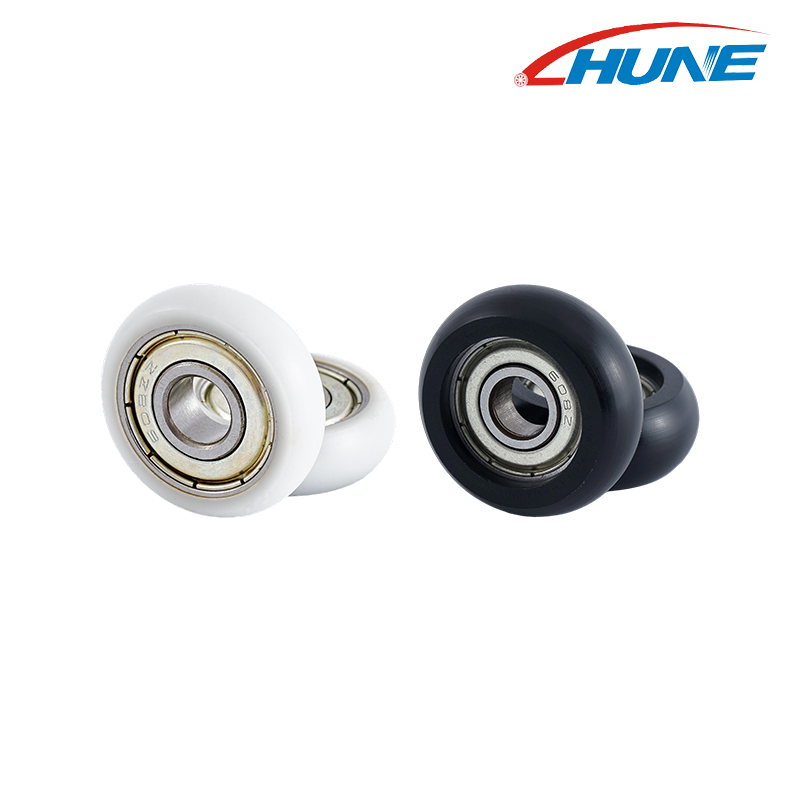
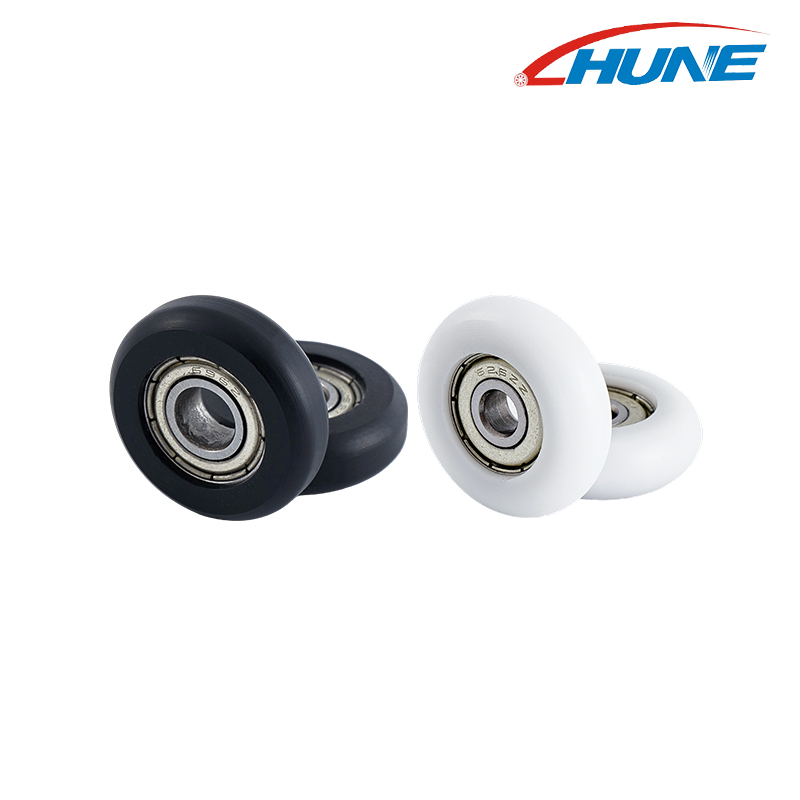
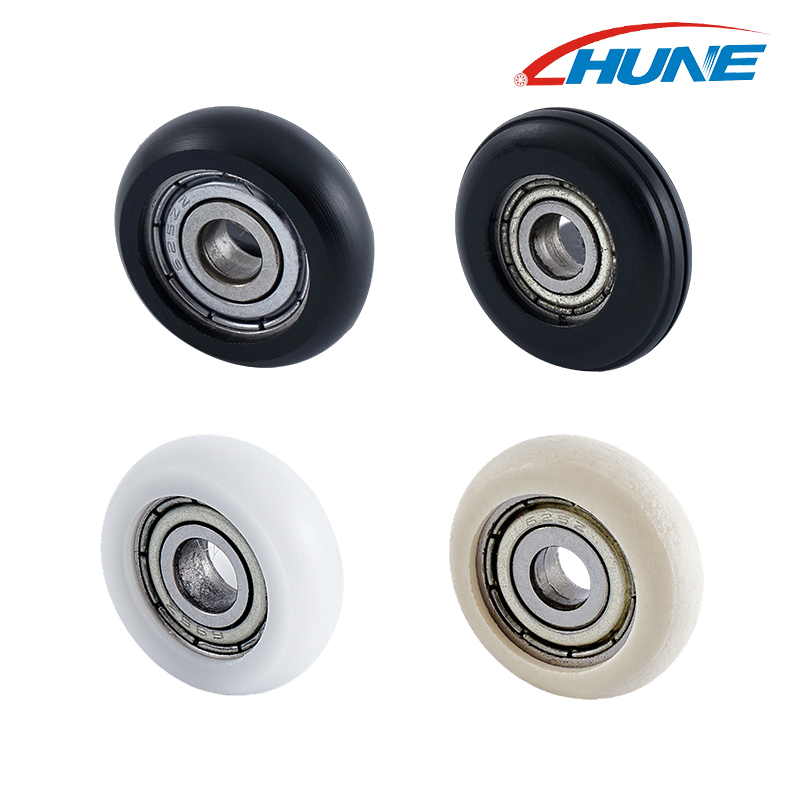
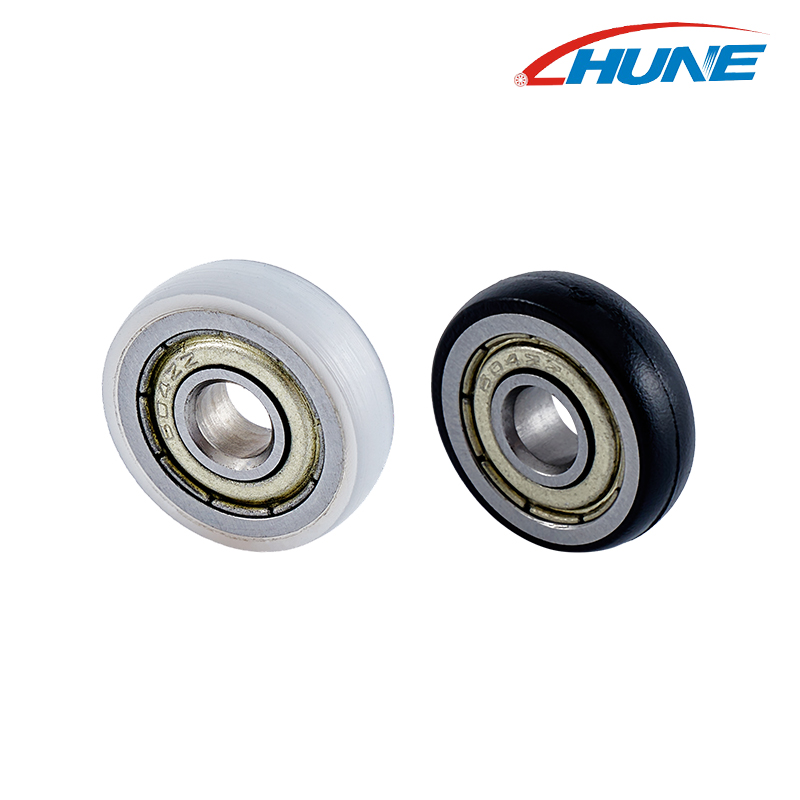
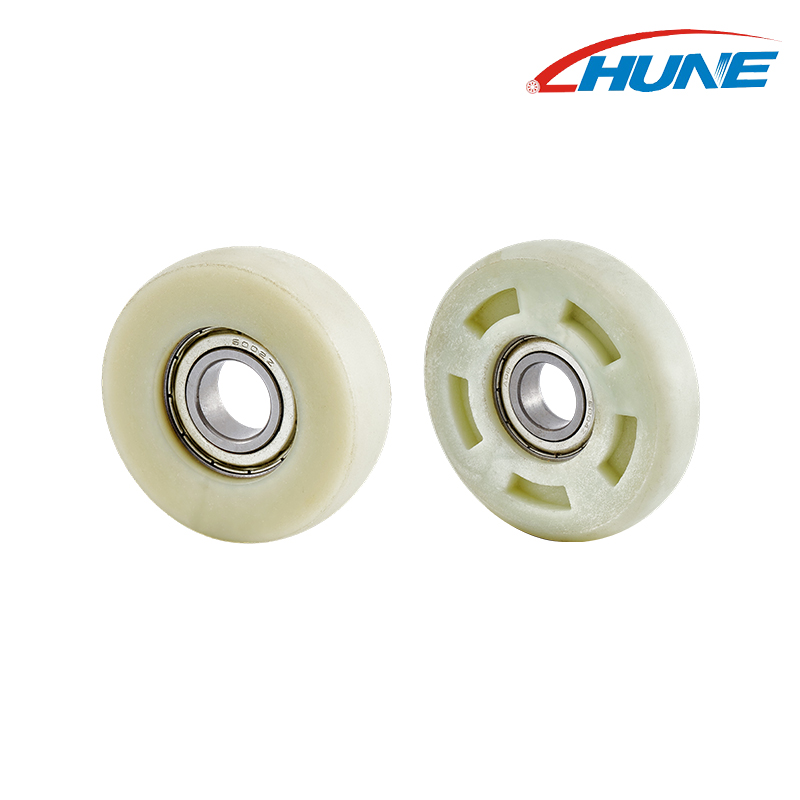
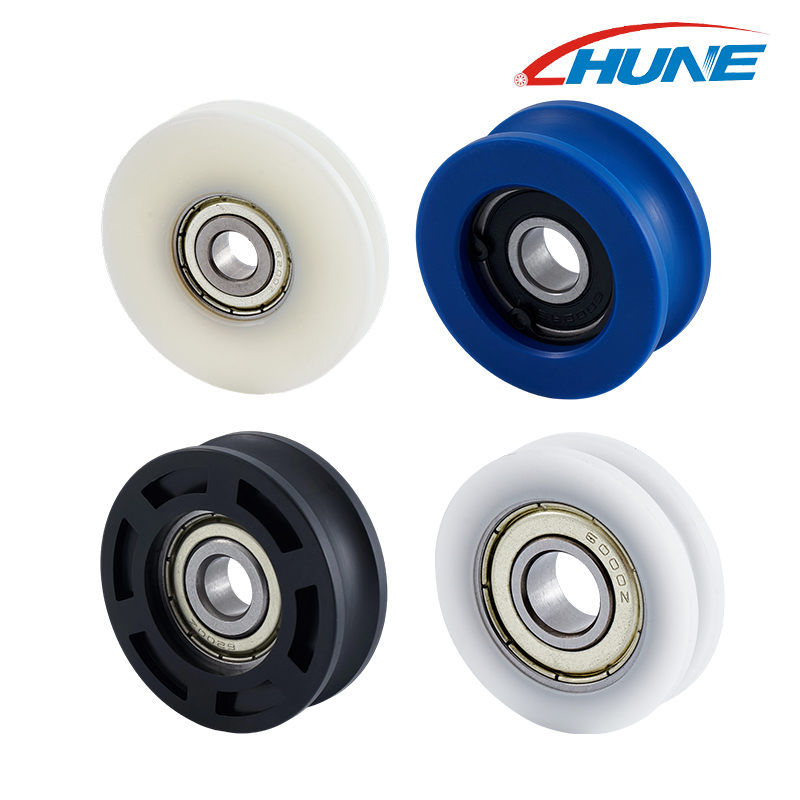
Manufacturers and suppliers who work with a range of small bearing pulleys and precision roller components, including ball bearing pulley wheels and custom groove profiles, can often help identify a suitable match based on the original part's dimensions or the specific fishing application involved. This becomes particularly relevant for older reels where original replacement parts are no longer readily available, or for anglers looking to upgrade a stock roller with a more corrosion-resistant option for saltwater use.
Sharing basic details such as the bearing bore size, the outer roller diameter, the type of line used most often, and the general fishing environment tends to make sourcing a suitable replacement considerably easier than guessing based on appearance alone.
Frequently Asked Questions
How often should a line roller be checked for wear? A quick visual and hand-spin check every few fishing trips is generally enough to catch developing issues early, particularly for reels used regularly in saltwater conditions.
Can a worn line roller actually damage fishing line? Yes. A roller with a deep groove or a seized bearing creates friction points that can fray or weaken line gradually with each cast and retrieve, even if the damage isn't immediately visible.
Does upgrading to a sealed bearing line roller make a noticeable difference? For anglers fishing regularly in saltwater or humid conditions, a sealed bearing tends to hold up longer against corrosion compared to an open design, which often translates into smoother performance over a longer period.
Is it normal for a line roller to develop a groove over time? Some degree of groove formation is common, especially with braided line, and doesn't necessarily indicate a problem until the groove becomes deep enough to catch or fray the line during use.
Can a line roller be cleaned instead of replaced? In many cases, yes. Rinsing away salt residue and applying appropriate lubrication resolves stiffness or minor friction issues without requiring a full part replacement.
The line roller occupies a small physical space within a spinning reel, yet its condition influences casting distance, line twist, and overall line lifespan in ways that are easy to underestimate. A bearing that spins freely, a groove that hasn't worn too deep, and a surface that resists corrosion all work together to keep line moving smoothly with every cast and retrieve.
Recognizing early wear signs, maintaining a simple rinsing and lubrication routine, and matching any replacement roller closely to the original reel specifications all contribute to a smoother fishing experience over time. Given how much line passes across this one small component throughout a typical fishing season, the attention it receives tends to pay off well beyond what its modest size would suggest.