

 English
 Español
 日本語
日本語Sliding cabinet rollers typically wear out early due to a combination of factors: mismatched materials between the roller and track, excess weight beyond the roller's intended range, poor alignment during installation, trapped dust or debris, bearing degradation, and lack of proper lubrication. Most of these causes develop gradually rather than appearing as a sudden failure, which is why the problem often goes unnoticed until movement becomes noticeably rough or noisy.
Key Takeaways
- Roller wear rarely stems from one single cause; it usually results from two or three overlapping factors
- Installation quality affects roller lifespan just as much as the material the roller is made from
- Dust and grit act as an abrasive agent inside the track, speeding up surface degradation
- Humid or coastal environments accelerate corrosion on unprotected metal components
- Catching early warning signs, like uneven resistance or faint noise, usually prevents the need for a full roller replacement
What Does "Premature Wear" Actually Mean for a Cabinet Roller
A roller reaching the end of its expected service life after years of steady use is normal wear. Premature wear refers to a roller degrading noticeably faster than that, often within months rather than years, under conditions that shouldn't have caused that level of damage.
This distinction matters because the fixes differ depending on which category applies. Normal wear calls for a routine roller swap. Premature wear signals something in the setup, the environment, or the usage pattern that needs attention beyond just replacing the part.
How Can You Tell a Roller Is Wearing Out Early
Certain signals tend to appear well before a roller fails completely, and recognizing them early usually means a simple fix instead of a bigger repair job.
Common early indicators include:
- A drawer or door that suddenly requires more effort to slide than it used to
- A clicking, grinding, or squeaking sound during movement that wasn't present when the unit was newer
- Visible flat spots or grooves worn into one side of the wheel
- Slight side-to-side wobble while the door or drawer is in motion
- Fine plastic dust or shavings collecting near the track opening
None of these signs confirm total failure is close, but together they suggest the roller is aging faster than expected for its stated use case.
Why Does Roller Material Matter So Much
Rollers are commonly made from engineering plastics such as nylon, stainless steel, or rubber-coated compounds, and each interacts differently with the surface it rolls against.
| Roller Material | How It Behaves Over Time | Where It Tends to Work Well |
|---|---|---|
| Engineering plastic | Quiet, corrosion-resistant, can develop flat spots under sustained heavy loads | Kitchen drawers, wardrobe systems, general household furniture |
| Stainless steel | Handles higher sustained weight, resists rust in damp conditions | Larger sliding doors, exterior installations, high-traffic commercial units |
| Rubber-coated wheels | Reduces noise and vibration, softer surface wears faster against abrasive grit | Office furniture, environments where quiet operation matters |
Choosing a replacement roller in a different material than the original, even when it physically fits, sometimes changes how it interacts with the existing track, which can quietly speed up wear on both parts.
What Role Does Installation Play in Roller Lifespan
A significant portion of premature wear cases trace back not to the roller itself but to how it was mounted in the first place. Small setup issues compound gradually rather than causing an immediate problem.
Frequent installation-related causes include:
- A track mounted at a slight angle, creating uneven pressure across the wheel with every pass
- Brackets that were not fully tightened, allowing the roller to wobble during movement
- A roller sized incorrectly for the track depth, resulting in partial rather than full wheel contact
- Fasteners that loosen gradually over months of regular use, shifting alignment without any obvious trigger
Because these issues build slowly, they often get mistaken for normal aging rather than a fixable setup flaw.
Can Dust and Debris Really Wear Down a Roller
Household environments generate a constant low level of fine particles: flour dust in kitchens, sawdust in workshops, general grit tracked in from outside. These particles settle into the track and work their way into the roller's groove.
Instead of rolling smoothly, the wheel ends up grinding against tiny abrasive particles with every cycle. This is one of the more preventable wear causes, since a simple wipe-down of the track on a regular basis largely keeps debris from accumulating to a damaging level.
Does Weight Load Affect How Fast a Roller Wears Out
Every roller is designed with a general weight range in mind based on its intended application. Loading a drawer or door well beyond that range, such as packing a kitchen drawer with heavy cookware or stacking dense items behind a sliding wardrobe door, places continuous strain on the wheel's bearing and outer surface.
Over time, this uneven pressure compresses the roller material inconsistently, leading to flat spots or small cracks that likely wouldn't form under more typical, lighter use.
What Happens Inside a Roller's Bearing Over Time
Many cabinet rollers include a small internal bearing that allows smooth rotation. When that bearing isn't sealed properly, moisture and fine dust can work their way inside, creating internal friction that isn't visible from outside the wheel.
A roller can look perfectly fine externally while the bearing inside has already started to degrade. Sealed bearing designs generally hold up better in humid or dusty environments, since they block particles from reaching the internal moving parts in the first place.
Is Lubrication Necessary, and What Happens Without It
Some rollers are designed to run without added lubrication, relying on the properties of the plastic or the internal bearing structure. Others perform better with occasional light lubrication to reduce friction.
Skipping lubrication on a roller that benefits from it, or using the wrong type of lubricant, can lead to dry friction that accelerates surface wear. Heavy household oils or thick greases aren't always suitable either, since some attract more dust over time or interact poorly with certain plastic compounds.
How Does the Surrounding Environment Speed Up Wear
Humidity and Coastal Exposure
Moisture affects metal and plastic components differently. Stainless steel resists corrosion reasonably well, but unprotected metal parts can develop surface rust that roughens the track, increasing friction against the roller. Coastal environments, with consistent salt exposure in the air, tend to accelerate this process compared to drier inland regions.
Temperature Swings
High heat can soften certain plastics slightly, changing how a roller sits against its track. Cold temperatures, conversely, can make some plastics more brittle, raising the chance of small cracks forming under repeated stress. Neither extreme causes instant damage, but ongoing exposure to either condition shortens expected service life over time.
How Often the Cabinet Gets Used
A drawer opened a few times daily experiences far less cumulative stress than one used dozens of times a day, such as in a commercial kitchen or a busy retail counter. Higher use frequency doesn't just add more wear overall, it also leaves less time between uses for debris to settle out of the track naturally.
What Maintenance Habits Actually Extend Roller Life
Most of the causes covered so far respond reasonably well to simple, routine upkeep. A short list of habits tends to make a measurable difference over the roller's working life.
- Wiping down tracks on a regular basis to clear dust and debris before it compacts into the groove
- Rechecking bracket tightness every few months, particularly on frequently used doors or drawers
- Testing movement smoothness occasionally to catch changes in resistance early
- Applying a light, appropriate lubricant only where the specific roller design calls for it
- Avoiding sustained overloading of drawers or doors beyond what slides comfortably with light effort
These steps rarely require professional servicing in typical residential or light commercial settings, and they tend to catch small issues before they escalate into full roller failure.
When Does Replacement Make More Sense Than Repair
Not every wear symptom calls for swapping out the roller entirely. The table below outlines when cleaning or adjustment is usually enough versus when replacement becomes the more practical route.
| Observed Symptom | Recommended Next Step |
|---|---|
| Slight resistance from dust buildup | Clean the track and roller, then reassess |
| Visible flattening or cracking on the wheel | Replace the roller, since surface damage does not reverse |
| Wobble that continues after tightening brackets | Recheck alignment first, replace if the wobble persists |
| Ongoing grinding noise despite cleaning | Likely bearing damage; replacement is the practical fix |
| Roller still smooth but track shows rust | Address the track surface; roller may not need replacing yet |
Telling these situations apart saves both time and the unnecessary cost of replacing parts that didn't actually need it.
How Do You Choose a Replacement Roller That Actually Fits
Matching a new roller closely to the original setup matters more than it might initially seem. Diameter, groove shape, bore size, and general load expectations all influence how well a replacement performs once installed.
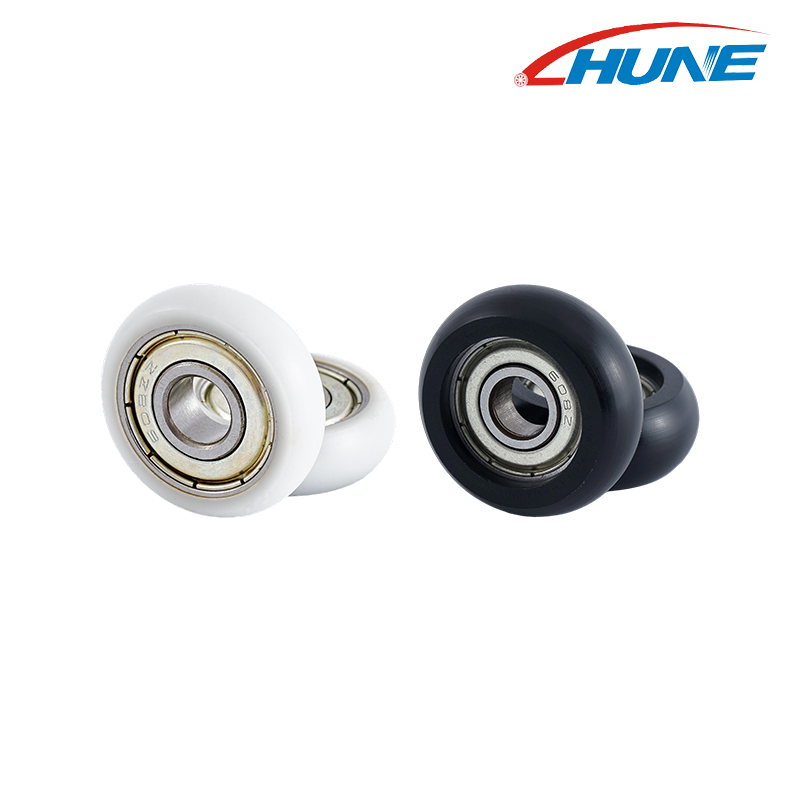
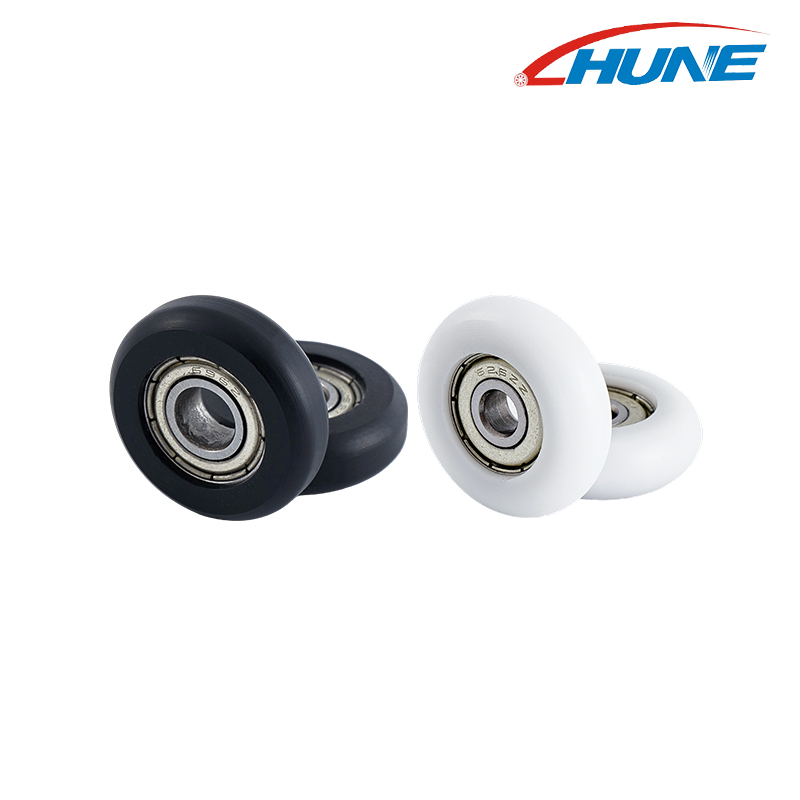
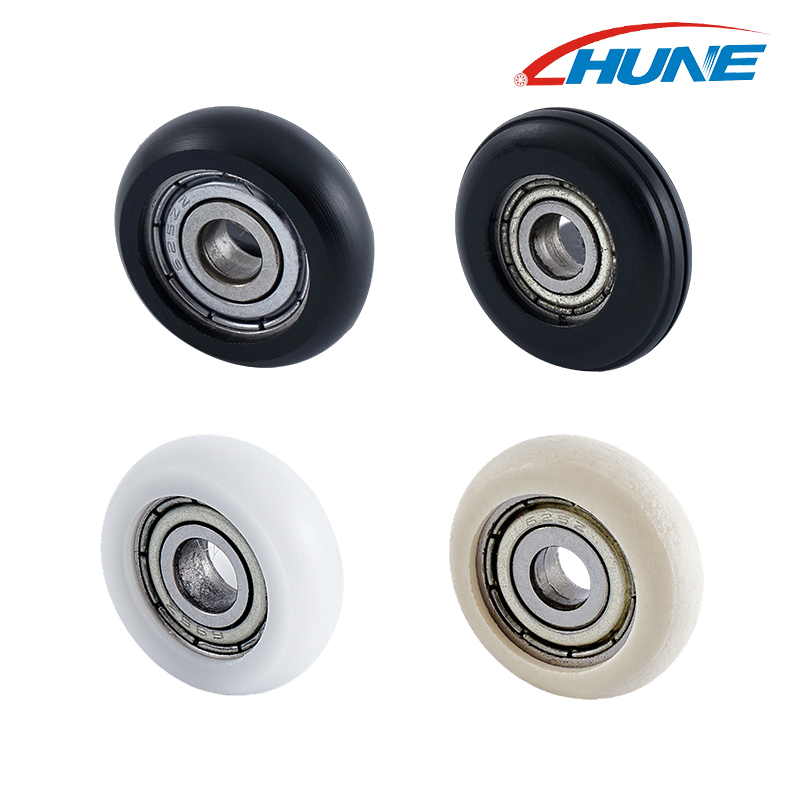
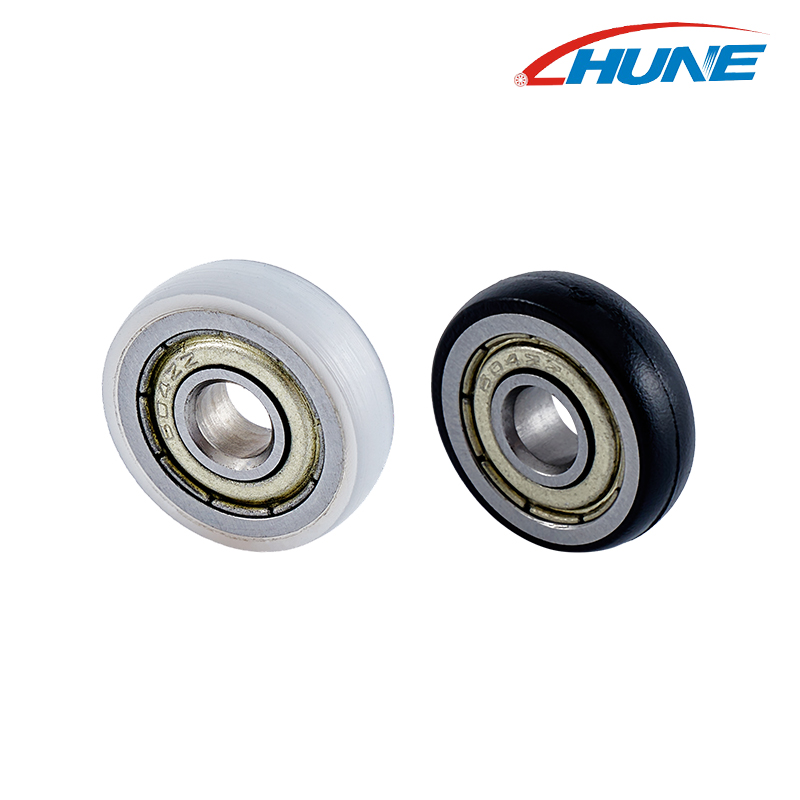
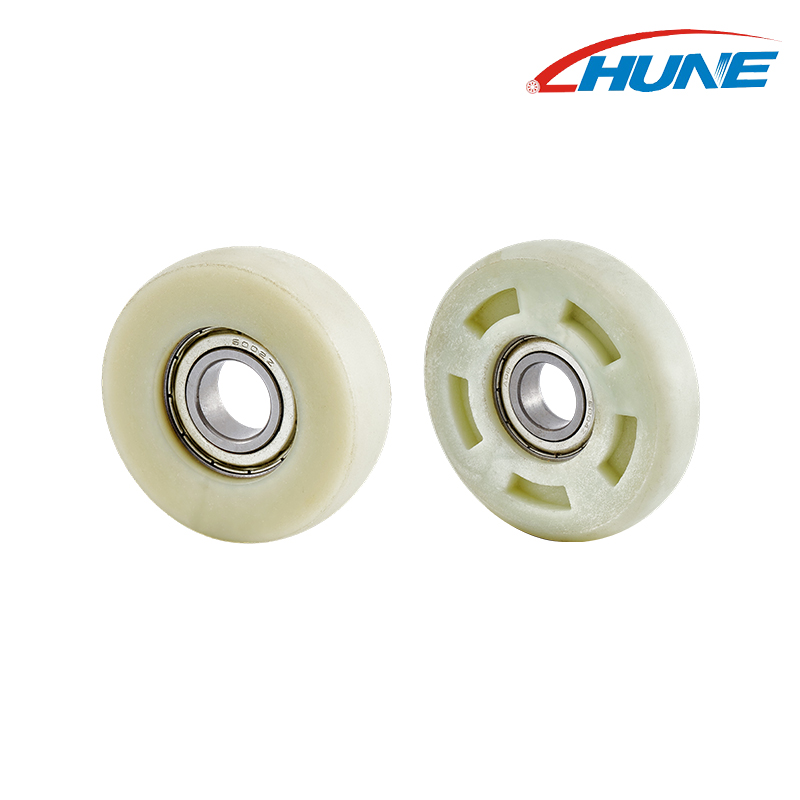
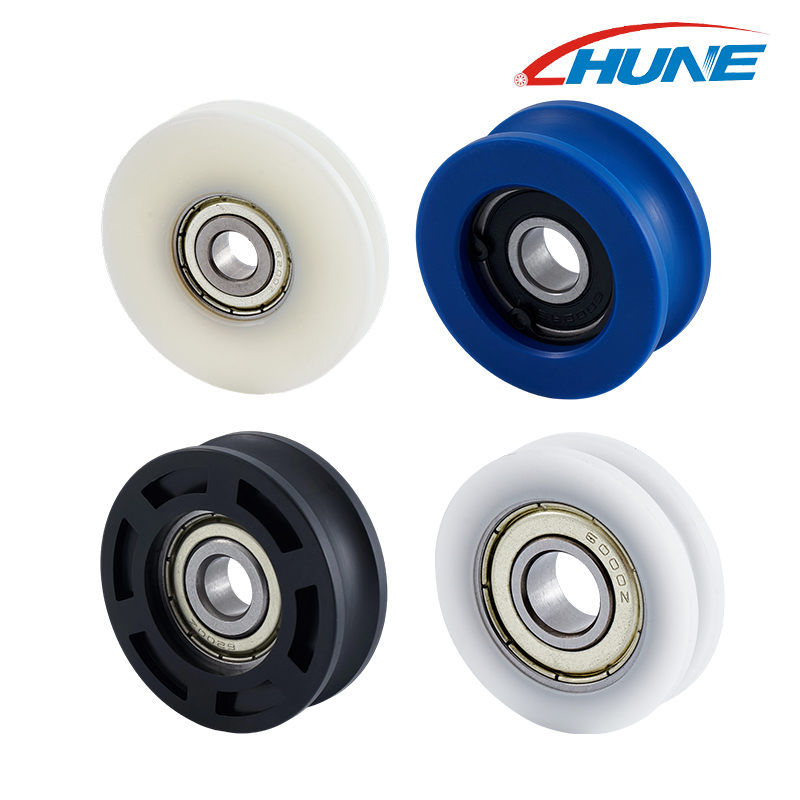
Manufacturers and hardware suppliers working with a range of roller types, including plastic bearing pulleys, stainless steel sliding door rollers, and custom groove profiles, can typically help identify a suitable match based on the original part or the intended application. This becomes especially relevant for custom cabinetry or non-standard sliding door systems, where standard off-the-shelf rollers don't always align with the exact dimensions required.
Sharing details such as the approximate wheel diameter, the type of track it runs in, expected daily use frequency, and the general environment (kitchen, exterior installation, commercial space) tends to make the replacement process considerably smoother than relying on visual comparison alone.
Frequently Asked Questions
Why does my cabinet drawer suddenly feel harder to slide? This usually points to dust buildup in the track, a roller starting to flatten on one side, or a bearing that has begun to degrade internally. Cleaning the track first is a reasonable starting point before assuming a full replacement is needed.
How long do sliding cabinet rollers typically last? Service life varies significantly depending on material, usage frequency, and environmental conditions, so there's no fixed timeline that applies universally across households or commercial settings.
Can a squeaky roller be fixed without replacing it? Sometimes. Light cleaning and appropriate lubrication resolve many noise issues. If the squeak continues after that, it often indicates bearing wear that lubrication alone won't correct.
Does the type of track affect how fast a roller wears? Yes. A rough, corroded, or misaligned track increases friction against the roller regardless of how well-made the roller itself is, which speeds up wear on both components.
Is it normal for one roller to wear faster than the others on the same cabinet? It can happen, particularly if that specific roller carries slightly more weight, sits in a section of track with more debris exposure, or was installed with minor misalignment compared to the others.
Premature roller wear on sliding cabinets and doors typically results from a combination of overlapping factors rather than one isolated cause. Material mismatches, installation quality, environmental exposure, debris accumulation, and bearing condition all play interconnected roles in how long a roller lasts under everyday use. Recognizing early signs, addressing simple maintenance gaps, and selecting a replacement roller that matches the original specifications closely all contribute to a sliding system that continues to operate smoothly well beyond what premature wear would otherwise allow.