

 English
 Español
 日本語
日本語A guide roller often gets swapped out for routine maintenance, and sometimes the belt or wire suddenly tracks differently afterward. That shift usually traces back to groove design. It's one of those details that rarely gets a second glance until something starts wobbling, slipping, or wearing unevenly. Once the groove's actual function becomes clear, a lot of those line issues stop feeling like a mystery.
Why the Groove Matters More Than It Looks
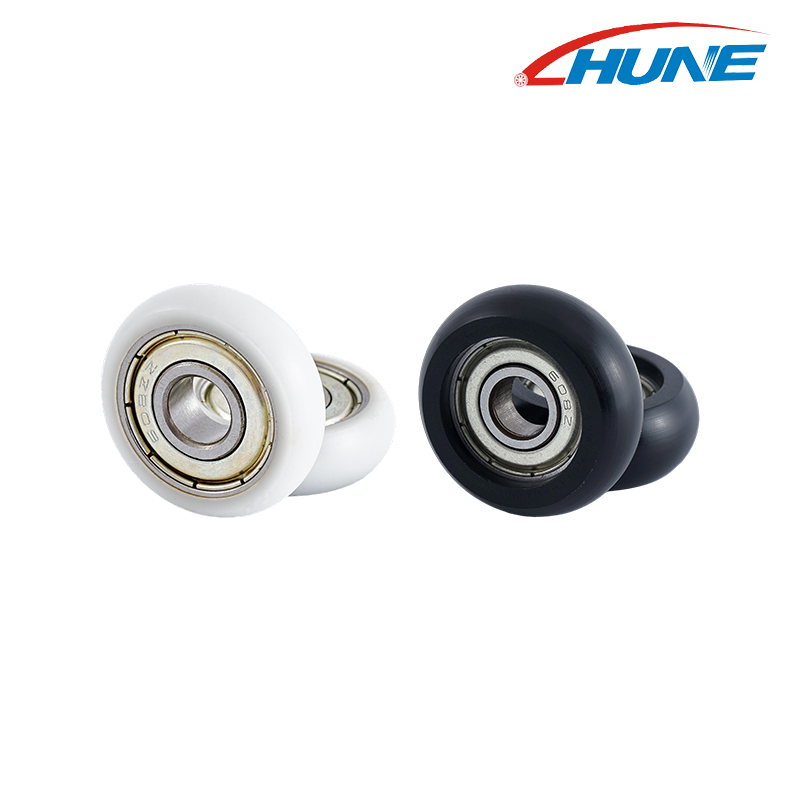
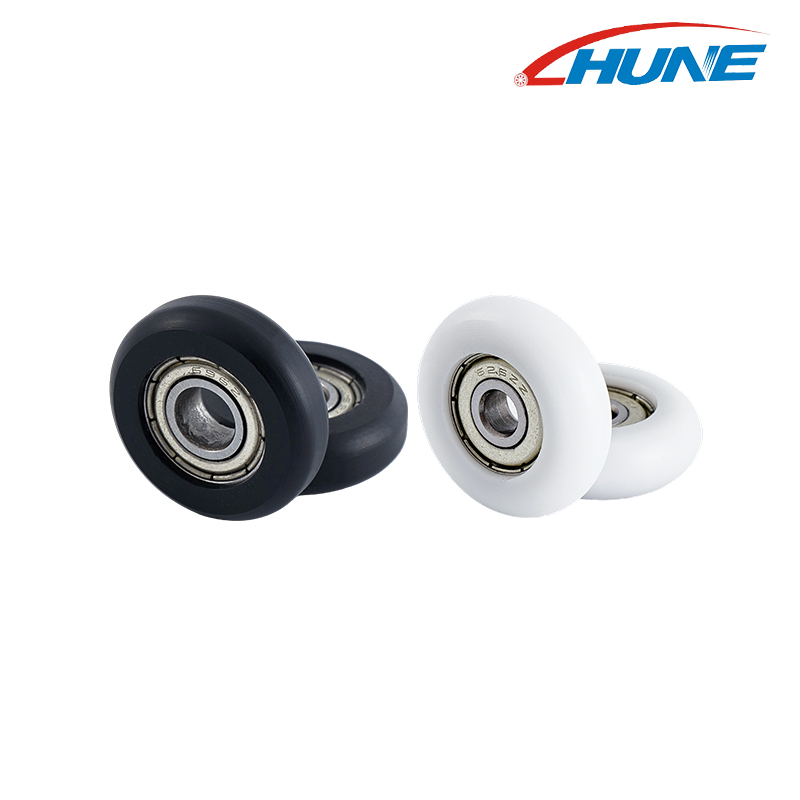
A guide roller's job sounds simple: keep a belt, cable, chain, or strip moving in a straight, controlled path. The groove, meaning the channel cut or molded into the roller's surface, is what actually performs the guiding work. Changing the groove profile changes how much contact area the roller has with the moving material, how tightly it holds that material in place, and how much friction builds up during operation.
The groove functions less like a decorative detail and more like a steering mechanism. A groove that's too shallow can let a belt drift sideways under load. One that's too tight can grip so firmly that it accelerates wear on both the roller and the belt itself. Somewhere between those extremes is usually where a system runs smoothest, and that balance point depends heavily on the application.
Getting to Know the Common Groove Profiles
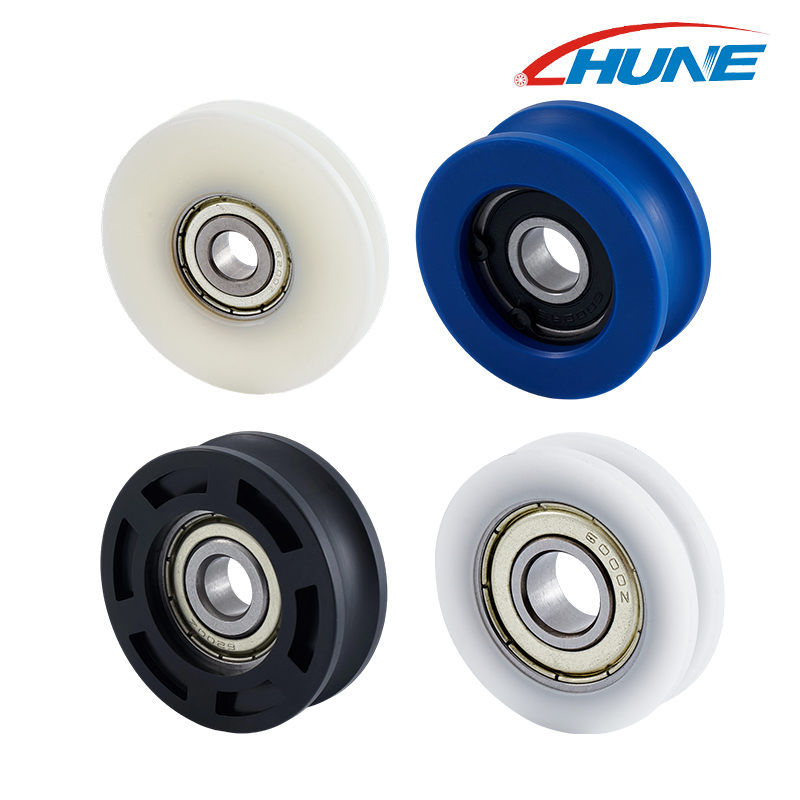
Not all grooves are cut the same way, and each shape brings a different set of trade-offs.
V-Shaped Grooves
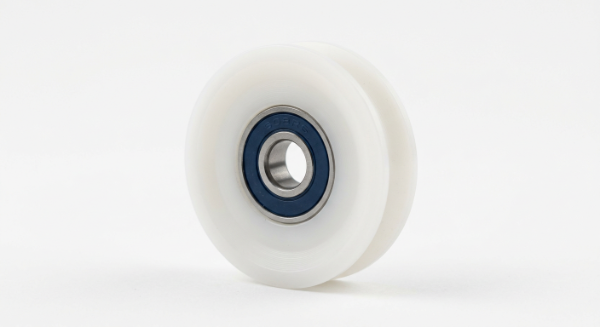
V-grooves are common on rollers used with round belts or wire rope. The angled sides naturally center the belt as it settles into the channel, which helps reduce lateral movement. This self-centering effect is one reason V-grooves show up so often in packaging lines and light material handling equipment.
U-Shaped and Round Grooves
Rounded or U-shaped channels tend to distribute contact pressure more evenly across the belt or cable surface compared to a sharp V-cut. This can be gentler on softer belt materials, since there's less concentrated pressure at a single contact point. Wire rope and cable guide rollers frequently use this profile because it cradles the cable without pinching it.
Flat or Grooveless Surfaces
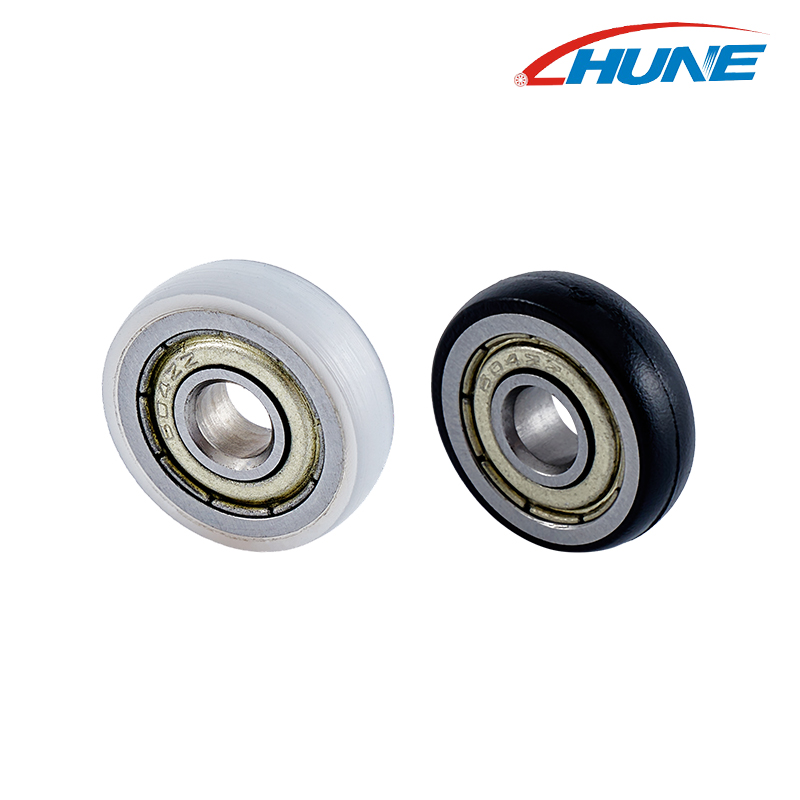
Some rollers skip the groove entirely and rely on a flat surface. This works fine for wide belts or flat strips where lateral guidance comes from other components in the system, such as side flanges or separate tracking rollers. Without a groove, though, the roller depends entirely on external alignment to prevent drift.
Multi-Groove and Stepped Designs
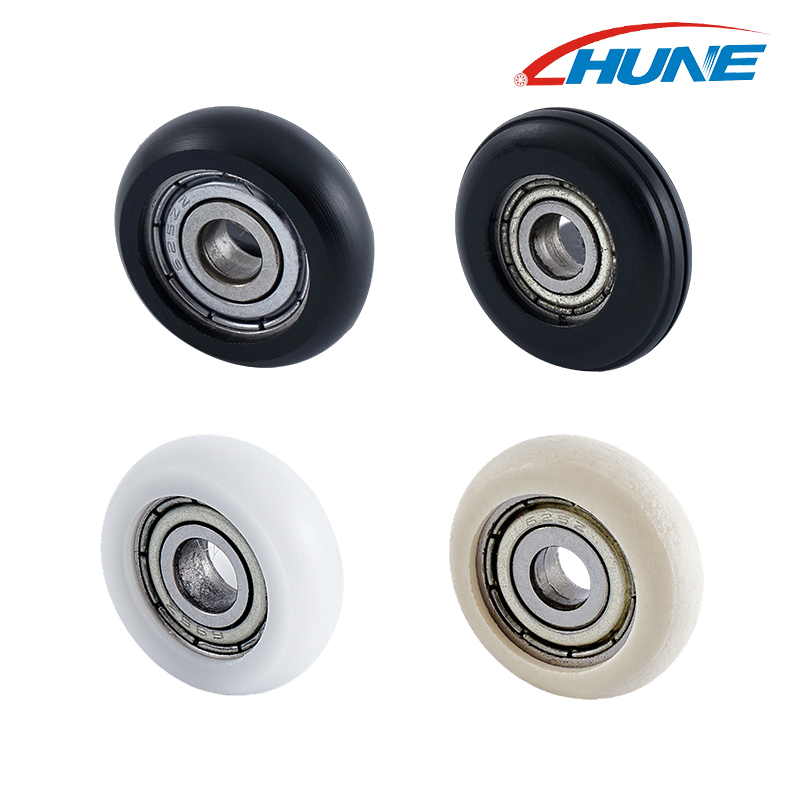
Equipment handling several strands at once, such as multi-wire feeding systems, may use rollers with repeated grooves across the width. Spacing and consistency between each channel becomes important here, since uneven spacing can cause one strand to run under different tension than its neighbors.
Depth, Width, and the Balance Between Grip and Freedom
Groove depth and width work together, and getting the balance right is really about matching the groove to the material passing through it.
- Shallow grooves allow easier release of the belt or cable but offer less resistance to sideways movement.
- Deeper grooves hold the material more securely, which helps in high-speed or vibration-prone environments, but can increase friction and heat buildup over time.
- Narrow grooves suit smaller-diameter cables or thinner belts, reducing unnecessary play.
- Wider grooves accommodate thicker materials but may allow more wobble if the fit is too loose.
A groove that's mismatched to the belt or cable diameter, even by a small margin, often shows up as uneven wear patterns long before it causes a visible operational problem. That's part of why groove sizing needs to be confirmed with a supplier before an order goes in, rather than after installation issues appear.
Material Pairing: How Groove Shape Works With Roller Compound
Groove geometry doesn't operate in isolation. The roller material itself, whether it's a nylon compound, polyurethane, rubber-coated, or a metal core with a plastic outer layer, interacts with the groove shape to determine how the whole assembly performs under repeated motion.
A softer material paired with a deep groove can sometimes deform slightly under sustained pressure, subtly changing the groove's original profile over months of use. A harder material holds its shape longer but may transmit more vibration or noise, especially in grooves with sharp internal angles. Manufacturers often adjust groove edges to be slightly rounded rather than sharp-cornered specifically to reduce stress concentration in the material at that point.
Load Distribution and the Hidden Stress Points
Every groove creates a contact zone, and that zone is where load gets transferred between the roller and whatever it's guiding. A poorly matched groove can create what's sometimes called a pinch point, a narrow area where pressure concentrates instead of spreading out.
Over time, pinch points contribute to a few recurring issues:
| Groove Condition | Common Effect on Performance |
|---|---|
| Groove too narrow for belt width | Localized pressure buildup, faster surface wear |
| Groove too shallow for cable diameter | Reduced tracking stability, increased drift |
| Sharp internal groove angles | Higher stress concentration, potential cracking over time |
| Groove depth inconsistent across roller width | Uneven tension distribution, possible skewing |
| Groove profile mismatched to belt cross-section | Excess friction, elevated heat during operation |
None of these issues tend to appear overnight. They build gradually, which is why periodic inspection of groove condition, not just the roller bearing or shaft, remains a useful habit on maintenance checklists.
Matching Groove Design to the Application
Different industries lean toward different groove profiles simply because their materials and operating conditions vary so much. Here's a general sense of how that plays out:
| Application Type | Typical Groove Preference | Reasoning |
|---|---|---|
| Wire and cable handling | U-shaped or round groove | Cradles round cross-sections without pinching |
| Packaging and conveyor belts | V-groove or flat with side guides | Self-centering or external alignment support |
| Sliding door and gate systems | Shallow V-groove | Smooth, low-friction lateral travel |
| Multi-strand wire feeding | Multi-groove, evenly spaced | Keeps individual strands separated and aligned |
| Textile and fiber processing | Rounded groove, softer material pairing | Reduces surface abrasion on delicate strands |
Everyday Wear and How Groove Shape Speeds It Up or Slows It Down
Groove wear is inevitable over the life of a roller, but its rate and pattern often reveal whether the original groove choice fits the application.
A few signs worth watching for during routine checks:
- Uneven groove depth across the roller's width, which often points to misalignment somewhere upstream
- Shiny or polished patches inside the groove, suggesting excess friction at specific contact points
- Belt or cable riding higher on one side of the groove than the other
- Increased noise or vibration during operation compared to when the roller was newly installed
- Small cracks forming near sharp internal groove corners, particularly in harder roller materials
Catching these early usually means a simple roller swap rather than a bigger downstream repair involving belts, cables, or connected machinery.
Discussing Groove Options With a Roller Supplier
Because groove requirements vary so much by application, the conversation with a supplier tends to go smoother with specifics rather than general requests. Useful details typically include the belt or cable diameter, expected operating speed, environmental conditions such as temperature range or exposure to moisture, and whether the roller will run continuously or in intermittent cycles.
A supplier familiar with a wide range of groove profiles can usually walk through the trade-offs for a given setup rather than defaulting to a single standard shape. This proves especially useful in custom equipment builds, where off-the-shelf groove dimensions don't always match the exact belt or cable being used.
Groove design might not be the flashiest part of an industrial guide roller, but it quietly influences tracking stability, wear rate, friction levels, and overall system reliability. Whether dealing with V-grooves guiding a packaging belt or rounded channels cradling a wire rope, the shape and sizing of that groove does more work than most people realize until something goes slightly off track. Paying attention to groove condition during routine maintenance, and having an honest conversation about groove options when selecting new rollers, tends to save more headaches down the line than expected from something this small.