

 English
 Español
 日本語
日本語Picking a roller bearing for a track system sounds simple enough, right up until you actually try to do it. There's the groove shape to think about, the track width, how much weight the thing needs to hold up, and somewhere in the middle of all that you also have to figure out how much wiggle room is okay before the roller starts rattling or, worse, jamming up entirely. Get any of this wrong and you're stuck with a roller that either binds inside the track or has so much play it rattles every time it moves.
Why the Fit Between Roller and Track Actually Matters
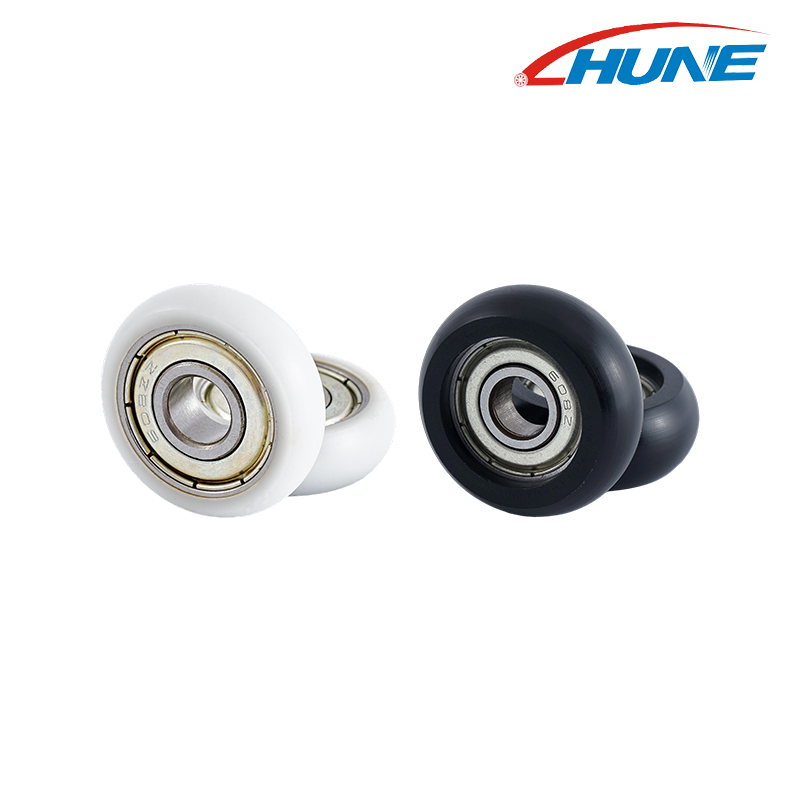
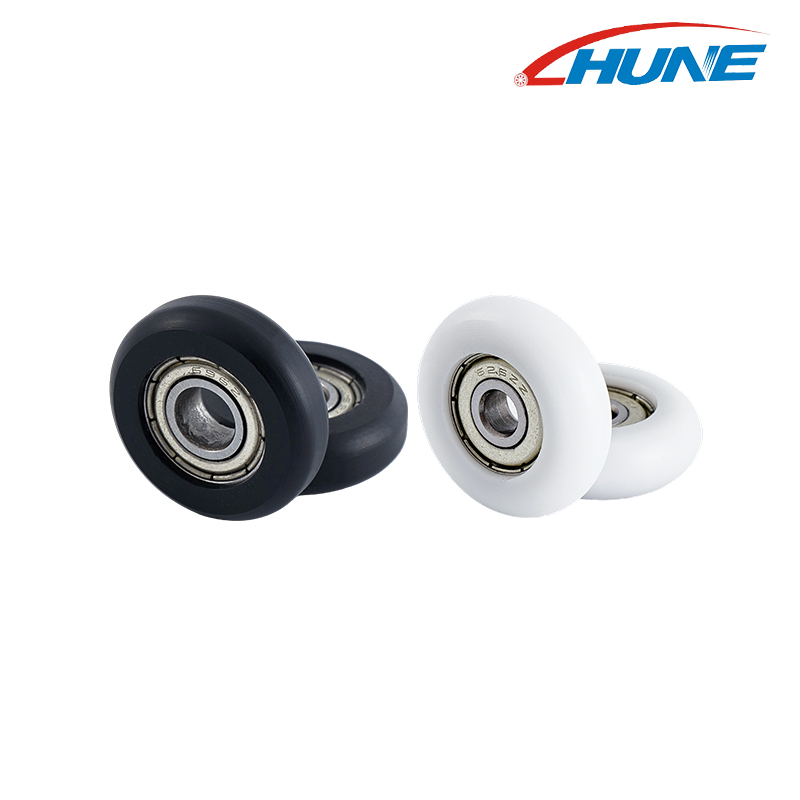
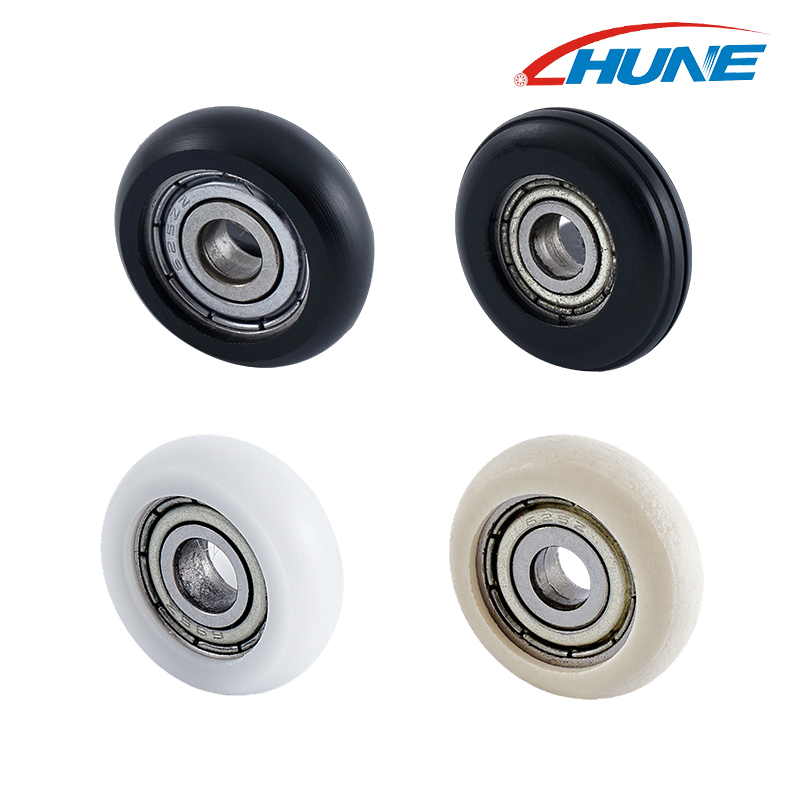
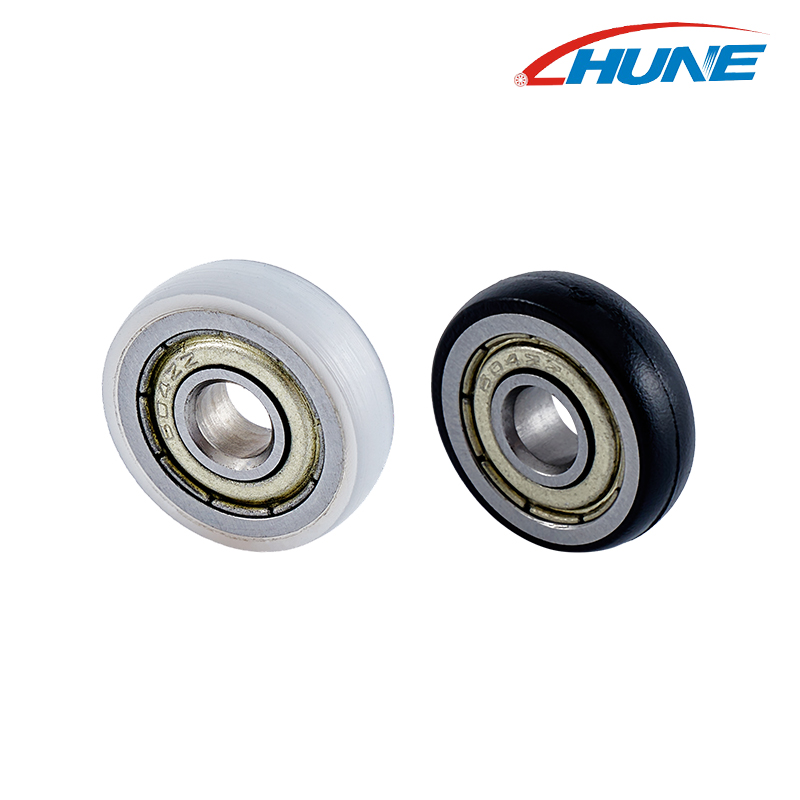
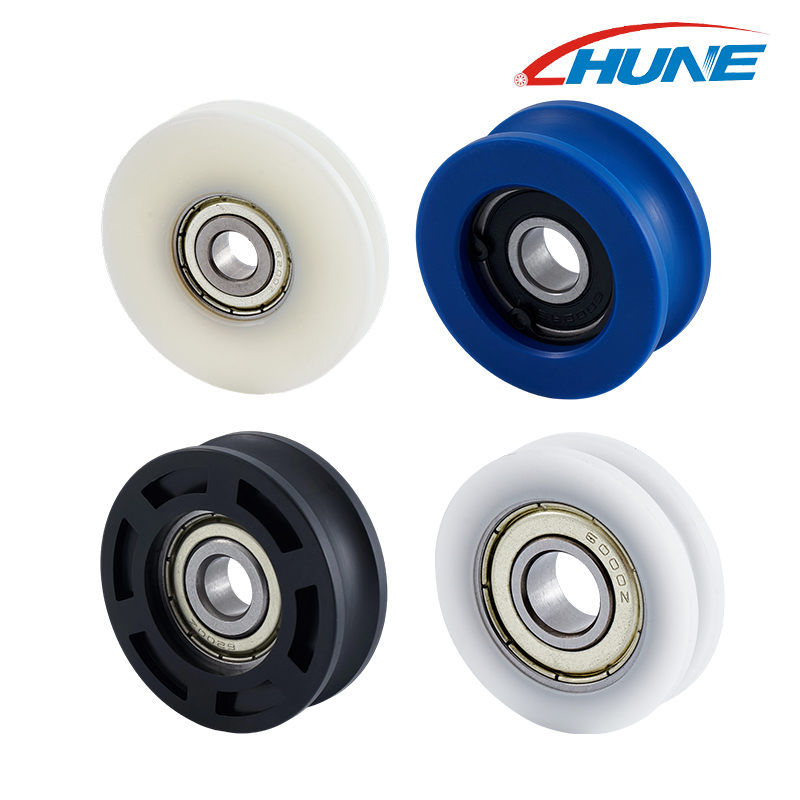
A U groove roller is basically a wheel with a channel cut around its outer edge, built to ride along a rail. That groove keeps the roller from sliding off sideways while it rolls back and forth. Make the groove too wide compared to the track, and the roller has room to wander left and right as it moves. That wandering creates wobble, then uneven wear, then eventually a noise problem that just gets worse the longer you leave it. Go too narrow, and the roller binds against the edges of the track instead, dragging rather than rolling.
Neither outcome is great. Wobble puts uneven pressure on the bearing sitting inside the roller, and that pressure wears it out faster than it should. Binding, meanwhile, creates constant friction that whatever's driving the mechanism, motor or hand, has to push against every single time. That also wears things down faster, and honestly it just makes everything feel stiff and clunky to use.
So the fit here isn't some minor detail you can eyeball and move past. It's really the whole foundation of whether the system rolls the way it's supposed to.
Getting a Real Read on Your Track Width First
Before even looking at rollers, it's worth spending a few minutes getting an accurate measurement of the track itself. Track width usually means the thickness of the rail that the roller groove has to wrap around, and this can shift depending on the material, how the track was made, or even small differences between production batches.
Measure More Than Once
A tape measure gets you in the ballpark, but calipers give a much more dependable number if precision actually matters here. Check the track at a handful of spots along its length rather than just one, since some tracks aren't perfectly consistent from end to end, especially older tracks that have already seen some use.
While you're at it, take a look at whether there's any coating, paint, or rust sitting on the track surface. That stuff adds a small amount of thickness that probably isn't reflected in the original spec sheet. A roller that seemed to fit fine on a bare, freshly made track might feel a little tight once a coating gets added later.
Track Shapes Aren't All the Same
Tracks come in different shapes, and that shape changes what kind of groove profile actually works with it.
| Track Shape | Where You'll Usually See It | What to Watch For |
|---|---|---|
| Flat rail | Sliding doors, drawer systems | Groove depth matters more than exact width tolerance |
| Rounded rail | Curtain tracks, light fixtures | Groove curve needs to follow the rail's shape closely |
| Angled or V-shaped rail | Industrial sliding setups | Groove angle should line up with the rail angle |
| Square edge rail | Cabinet hardware, smaller mechanisms | Slightly more forgiving on width tolerance |
Once you know which shape you're dealing with, it narrows down what kind of roller will actually work, since something built for a flat rail usually won't do great on a rounded or angled one.
Figuring Out the Right Groove Width
Once you know the track width, the next question is how much clearance the groove needs relative to that number. This is really where most of the decision-making happens, and it's also where people tend to either overthink things or not think about it enough.
A Bit of Clearance Is Actually Normal
It might feel like the groove should hug the track as tightly as possible, but a small gap is expected, and honestly necessary. Zero clearance sounds ideal on paper, but thermal expansion, tiny alignment issues, or small manufacturing variances can cause a roller with no wiggle room at all to bind unexpectedly. A slight gap lets the roller keep moving smoothly even when conditions aren't perfectly consistent.
That said, too much space defeats the whole point of having a groove in the first place. Excess play between the groove walls and the track edges lets the roller shift side to side while it moves, and that's exactly the wobble and uneven wear mentioned earlier.
How Much Clearance Depends on the Job
Instead of guessing at a number, it helps to think about clearance based on what the roller is actually being used for.
- Lighter jobs, like small drawers or curtain tracks, can usually get away with a slightly looser fit since the load is minimal and any wobble is barely noticeable anyway.
- Heavier or more industrial setups tend to need tighter tolerances, since even a small amount of side play becomes obvious once there's real weight involved.
- Outdoor setups or anything exposed to temperature swings usually benefit from a touch more clearance than an indoor, climate-controlled application would need, since materials expand and contract as temperatures shift.
Most manufacturers list a track width range for each roller model rather than one exact number, and that's exactly why. Checking your measured width against that range, instead of assuming there's a single perfect fit, usually gets better results.
The Bearing Inside Matters Just as Much
Groove width is only part of the equation. What's happening inside the roller, and how much weight or force it's built to handle, plays a role too in whether a given roller actually works for your setup.
Ball Bearings and Plain Bearings
Most U groove rollers use either ball bearings or plain bearings, sometimes called bushing style, inside them.
Ball bearing rollers generally roll with less resistance, which makes them a common pick for things that move a lot throughout the day, sliding doors and conveyor setups are typical examples.
Plain bearing rollers tend to have a simpler build, and depending on the load, they can handle certain conditions just fine, though they often need more regular lubrication to keep friction from building up over time.
There's no automatic winner between the two. It really comes down to how often the roller gets used, what it's carrying, and what kind of environment it's sitting in.
Don't Forget Which Direction the Load Comes From
Beyond bearing type, it's worth thinking about the direction the load hits the roller from. Some rollers are built mainly to handle weight pressing straight down, while others are designed to also deal with side load, meaning force pushing at an angle rather than straight down, which comes up when a track curves or when whatever's moving along it tends to lean or shift.
If your track curves, or the object riding along it has any tendency to tilt, side load capacity becomes more important. Picking a roller based purely on how much straight-down weight it can handle, in a setup like that, tends to wear down the groove edges faster than expected.
Mistakes That Keep Coming Up
A handful of problems show up again and again when people run into trouble after putting new rollers in, and most trace back to skipping a step somewhere along the way.
One common one is assuming every track in a given category is identical. Even tracks that look nearly the same, standard sliding door rails, say, can differ slightly depending on who made them or which batch they came from. Assuming a roller that worked fine on one track will work the same way on a similar-looking one elsewhere sometimes leads to a fit that's just slightly off.
Another is measuring the track just once. A single measurement doesn't always tell the whole story, particularly on longer tracks or ones that have already been in use for a while. Checking a few different points catches inconsistencies before they turn into a headache after everything's installed.
Coatings and finishes get overlooked a lot too. Paint, rust, or a protective coating adds a bit of thickness that's easy to forget about. Measure a bare track, then install rollers after that track's been painted, and suddenly the fit feels tighter than it should.
Environmental factors matter more than people expect as well. A roller that fits great indoors might act differently outside, where temperature swings cause both the track and the roller to expand or shrink a little. This shows up more with metal tracks, which expand more noticeably in heat than plastic or composite ones tend to.
And then there's the trap of focusing only on groove width. It's easy to get the width dialed in perfectly and forget to check load capacity or bearing type. A roller with a groove that fits like a glove can still wear out fast or perform poorly if it's not built for the weight or frequency of use it's actually facing.
A Rough Order to Work Through This In
If you want a straightforward path through all of this without getting lost in the details, here's roughly how it tends to go.
- Measure the track width carefully, calipers if you can, and check a few spots along the length rather than just one.
- Figure out the track shape, flat, rounded, angled, square edge, since that determines which groove profile is even worth considering.
- Look at the manufacturer's recommended width range for candidate rollers instead of hunting for one exact matching number.
- Think through the load, both how much weight and which direction it's coming from.
- Factor in the environment, indoor or outdoor, temperature swings, moisture, dust.
- Decide between ball bearing and plain bearing based on how often the mechanism gets used and how much friction is acceptable.
- If you can, do a test fit before committing to the full installation. Physical testing catches fit problems that measurements alone sometimes miss.
If Something Feels Off After Installing
Every once in a while, even with careful measuring, a roller just doesn't feel right once it's in place. If that happens, a few checks can help narrow down what's going on.
Pay attention to new sounds. A grinding or scraping noise usually points to a groove that's a bit too narrow, catching against the track edges. A rattling or clunking sound tends to mean the opposite, too much clearance and too much side-to-side movement.
Look for wear patterns after some use. Wear concentrated on one edge of the groove often means the roller isn't sitting evenly, which can point to a slight misalignment during install rather than the roller being the wrong size to begin with.
And if the whole thing feels stiffer than expected, or takes more effort to move than it should, it's worth rechecking the clearance. Sometimes a fit that seemed totally fine during a quick test reveals binding once it's been under regular use and actual load for a while.
Matching a U groove roller bearing to a track width is about more than just finding a groove that technically wraps around the rail. It means understanding the track's shape, checking for coatings that might quietly change the real measurements, thinking through load direction and bearing type, and factoring in whatever environment the whole thing has to operate in.
Taking a bit of extra time to measure properly, checking manufacturer ranges instead of assuming one universal size fits everything, and testing before fully committing tends to head off most of the usual problems, the noise, the wobble, the binding, the wear that shows up way sooner than it should. A little patience during selection usually pays off later in a system that just moves the way it's supposed to.