

 English
 Español
 日本語
日本語When replacing or developing an awning roller, knowing What Awning Roller Dimensions Matter for a Proper System Fit? is an important part of the process. A roller may look like a small and simple component, but its dimensions affect how it sits inside the assembly, contacts the guide, connects to the shaft, and moves during operation. Choosing by appearance alone can therefore create problems during installation.
For retractable awnings, patio shade systems, RV awnings, folding structures, and similar mechanisms, the roller should be considered as part of the complete assembly. Diameter, width, bore, axle position, profile, and available installation space all tell a different part of the story.
The goal is not to collect every possible measurement. It is to identify the dimensions that actually affect fit and movement.
Why Roller Dimensions Need To Be Considered Together
A roller does not operate on its own. It normally works with a shaft, bracket, bearing or bushing, guide, track, frame, or another moving component.
Changing one dimension can affect another part of the assembly.
For example, a different wheel diameter may change the position of the moving structure relative to the guide. A wider wheel may interfere with a nearby bracket. A different bore may prevent the existing shaft from fitting correctly. Even when the outer shape appears similar, the overall installation can be different.
This is why a replacement should not be selected from one measurement alone.
A useful way to think about the process is:
Roller size → mounting position → contact with guide → movement of assembly
If one part of this chain does not match, the roller may not perform as intended.
Which Awning Roller Dimensions Should You Check?
Several dimensions are worth recording when identifying an existing roller or preparing a new design.
| Dimension | What It Helps Identify |
|---|---|
| Outside diameter | Overall wheel size and running position |
| Wheel width | Available contact area and side clearance |
| Bore size | Relationship with the shaft or axle |
| Hub dimensions | Connection between the wheel and support structure |
| Overall height | Installation space and surrounding clearance |
| Profile shape | Contact with the track, guide, cable, or other surface |
| Mounting position | Relationship between the wheel and bracket |
| Axle location | Centering and movement within the assembly |
Not every project requires all of these measurements. The relevant points depend on how the roller is used.
Outside Diameter Affects Running Position
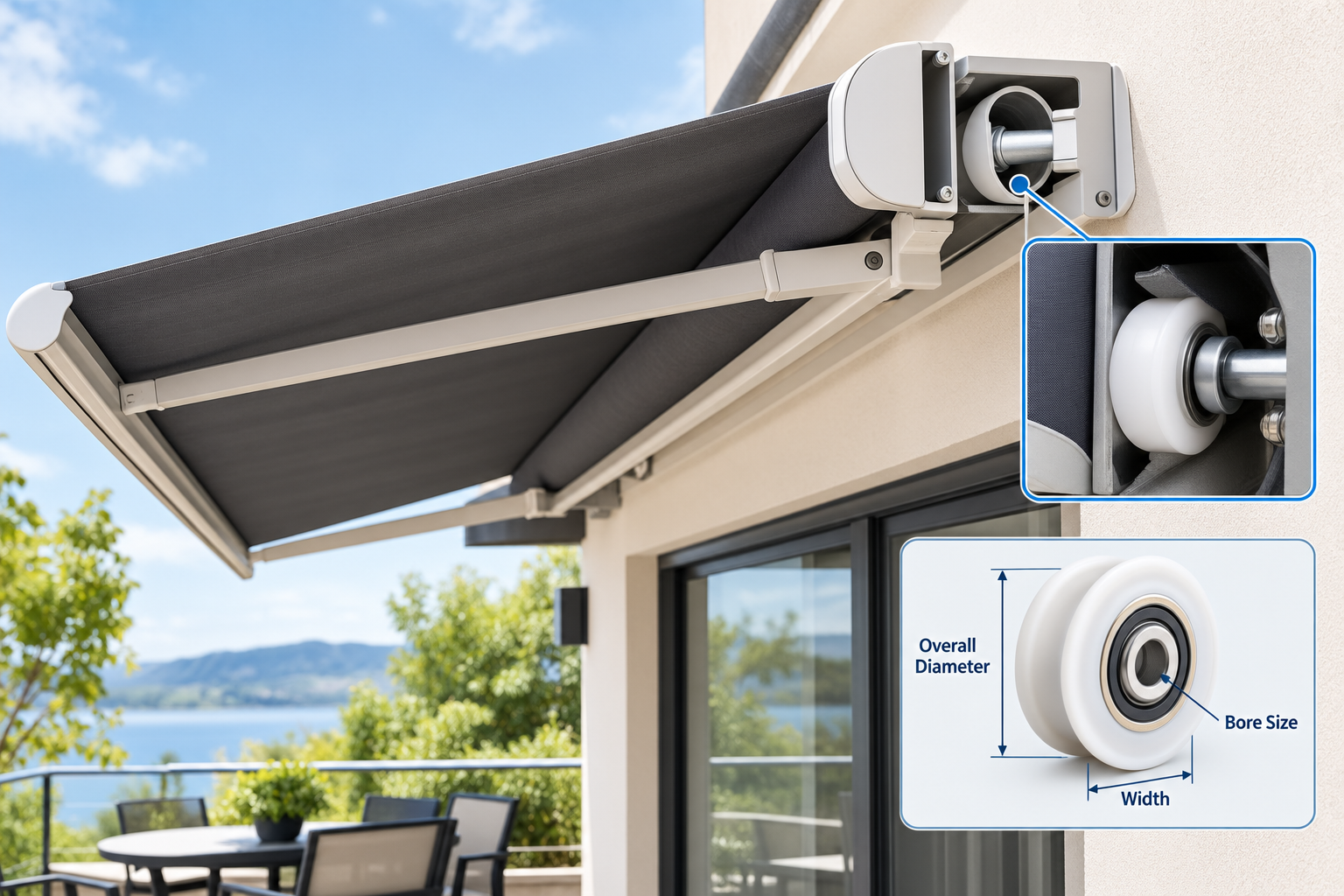
The outside diameter is often one of the first dimensions people measure, but its importance goes beyond simply describing the size of the wheel.
It can determine where the roller sits in relation to the track or guide. If the replacement has a noticeably different diameter, the moving section may sit higher or lower than intended.
That change can influence clearance between nearby parts. It may also alter the position of a frame, carriage, or supporting component.
For this reason, diameter should be considered together with the surrounding structure rather than treated as an isolated number.
Width Determines More Than Contact Area
Wheel width is another useful dimension.
A roller needs enough room to sit correctly on its running surface, but it also needs sufficient side clearance. If the wheel is too wide for the available space, it may rub against the bracket or guide wall. If it is narrower than the original design, its contact position may change.
The correct width therefore depends on the physical space around the wheel.
When measuring an existing part, check both the wheel itself and the gap between the wheel and neighboring components.
How Does The Bore Affect Compatibility?
The bore is the opening through the center of the roller. It is directly related to the shaft, axle, pin, or bearing arrangement used by the assembly.
A replacement wheel can have a matching outside diameter and still fail to fit because the center connection is different.
The bore should therefore be checked along with:
- Shaft or axle type
- Bearing arrangement
- Hub construction
- Retaining method
- Available side clearance
- Position of the wheel inside the bracket
In some designs, the wheel rotates around a shaft. In others, a bearing is integrated into the wheel. The same outside dimensions can therefore describe components with different internal structures.
This is one reason a photograph of the installed roller can be useful when requesting a replacement.
Does Wheel Profile Matter As Much As Size?
In many applications, yes.
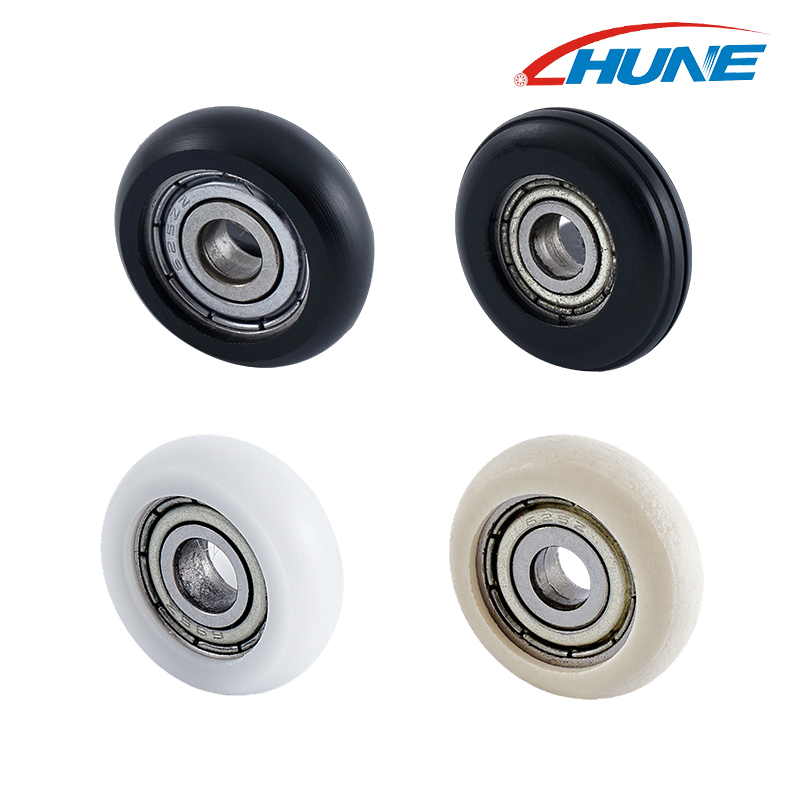
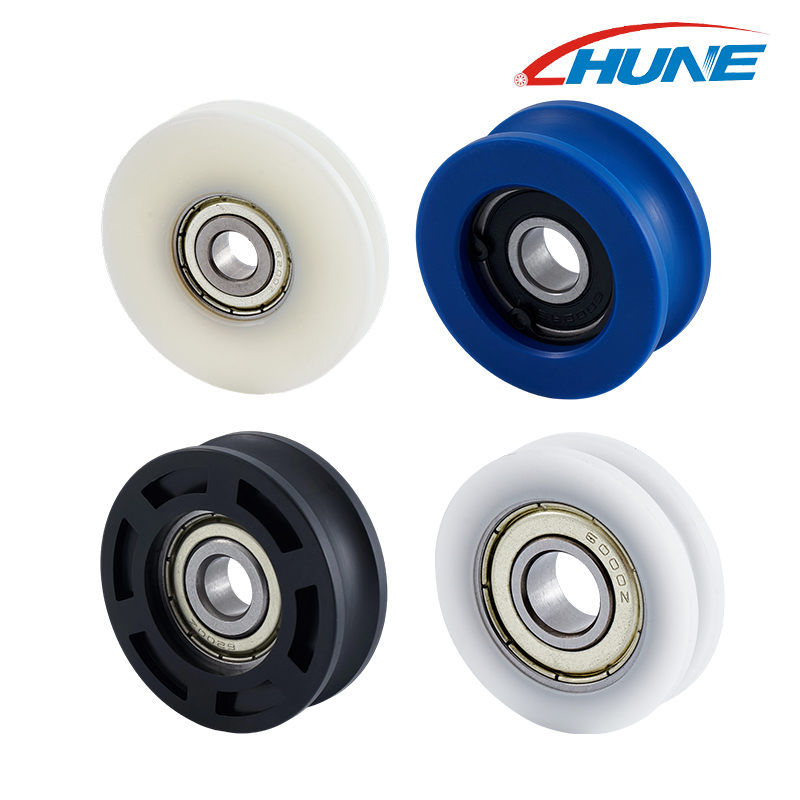
A roller is not simply a round object. Its running surface may be flat, grooved, curved, flanged, or shaped for a particular guide.
The profile determines where the wheel makes contact.
Consider a simple example. A roller designed to run on a flat surface has a different contact relationship from one intended to sit inside a groove. Two wheels may have similar outside diameters but still belong to different mechanical arrangements.
Match The Running Surface, Not Just The Wheel
When checking an existing awning roller, inspect the area where the wheel actually operates.
Look for:
- Flat contact surfaces
- Grooves or channels
- Raised guide edges
- Side flanges
- Curved running sections
- Enclosed guide spaces
- Signs of uneven contact
The condition of the track can also provide useful information. Wear marks may show where the roller normally contacts the surrounding structure.
This can be particularly helpful when the original part is worn and its profile is no longer easy to identify.
What About The Overall Installation Space?
A roller can have the correct basic dimensions and still be unsuitable if there is not enough room around it.
This is an easy detail to overlook during replacement work.
Measure the space around the component, not just the component itself. Check the distance between the wheel and the bracket, nearby frame members, guide surfaces, fasteners, and other moving parts.
A useful inspection should answer several practical questions:
- Can the roller enter the mounting position?
- Can it rotate without touching nearby parts?
- Does the wheel remain aligned with the guide?
- Is there enough room for the shaft or bearing?
- Can the retaining hardware be installed?
- Does the assembly still move through its full operating path?
These questions turn a simple dimensional check into a proper fit assessment.
Why Axle Position Can Change The Whole Assembly
The center of a roller is not always positioned in the same way relative to its mounting structure.
A small change in axle location can affect the height, angle, or position of the surrounding component. This matters when the roller forms part of a carriage, arm, bracket, or guided movement system.
For example, if the wheel center sits differently from the original design, the roller may contact the guide at a different point. That can change how the load is transferred through the assembly.
Therefore, when replacing a non-standard roller, measure the relationship between the wheel center and the mounting structure rather than recording only the wheel diameter.
A Simple Measurement Order Can Save Time
There is no need to measure everything randomly.
A practical sequence is easier to follow:
Step 1: Photograph The Complete Assembly
Take a wider photograph before removing the roller. This shows how the component is positioned.
Step 2: Remove And Inspect The Roller
Once removed, examine the wheel, hub, bore, profile, and mounting area.
Step 3: Record The Main Dimensions
Start with outside diameter, width, bore, and overall height.
Step 4: Check The Profile
Look carefully at the running surface and any groove, flange, or curved section.
Step 5: Measure The Mounting Relationship
Record how the wheel sits in relation to the shaft, bracket, guide, and nearby parts.
Step 6: Compare The Roller With The Guide
The guide can reveal information that the wheel itself cannot. Photograph both together when possible.
This process creates a clearer reference for a supplier, maintenance team, or product designer.
What Happens When One Dimension Is Slightly Different?
Not every dimensional difference automatically means that a roller cannot work. The effect depends on where the difference occurs and how the system is designed.
A change in an uncritical external surface may have little practical effect. A change in the bore, running profile, or mounting position can be much more significant.
That is why dimensional tolerance should be considered in relation to function.
For replacement sourcing, it is useful to separate measurements into three groups:
| Measurement Group | Main Question |
|---|---|
| Running dimensions | Does the wheel contact the guide correctly? |
| Mounting dimensions | Can the roller be installed securely? |
| Clearance dimensions | Can the assembly move without interference? |
This approach makes the inspection easier to understand and helps avoid unnecessary measurements.
When Should A Custom Roller Be Considered?
Standard components can work well when the original design already follows an established roller configuration.
A custom roller may be considered when the existing component has an unusual profile, non-standard bore, special mounting structure, limited installation space, or a design that is difficult to match with an available replacement.
Customization can also make sense during OEM development when the roller needs to be designed around a particular frame or guide.
For these projects, dimensions should be considered as part of the complete mechanical drawing rather than as a standalone product specification.
A supplier may need information about the guide, shaft, mounting bracket, operating environment, and intended movement before confirming a suitable design.
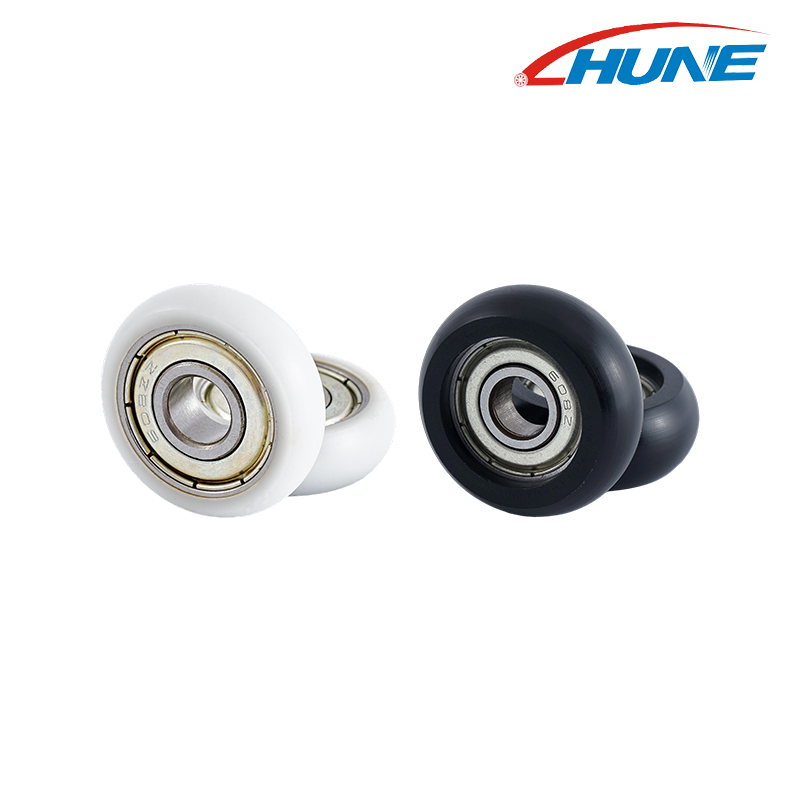
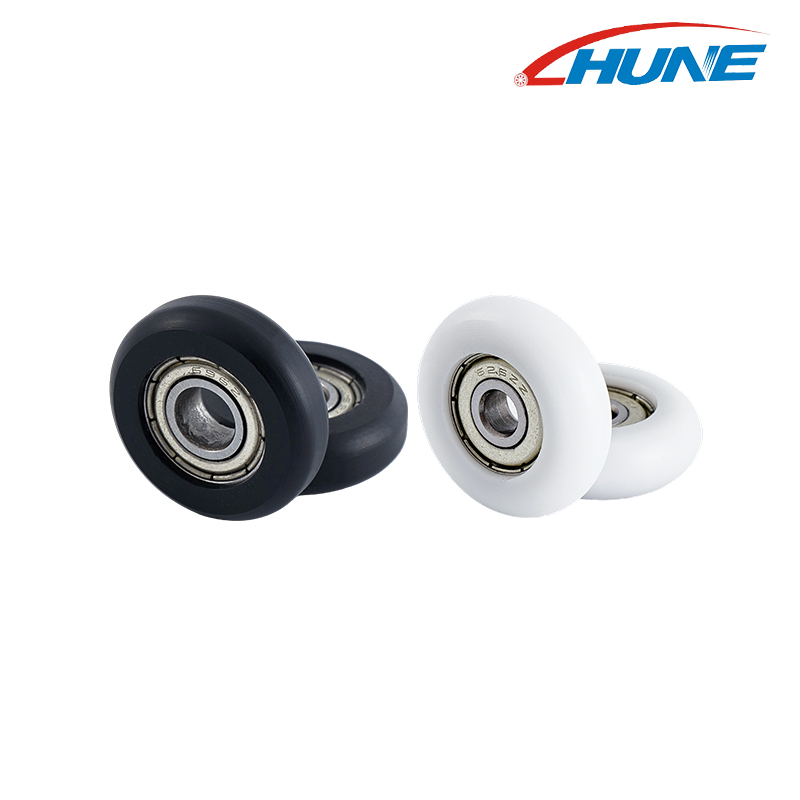
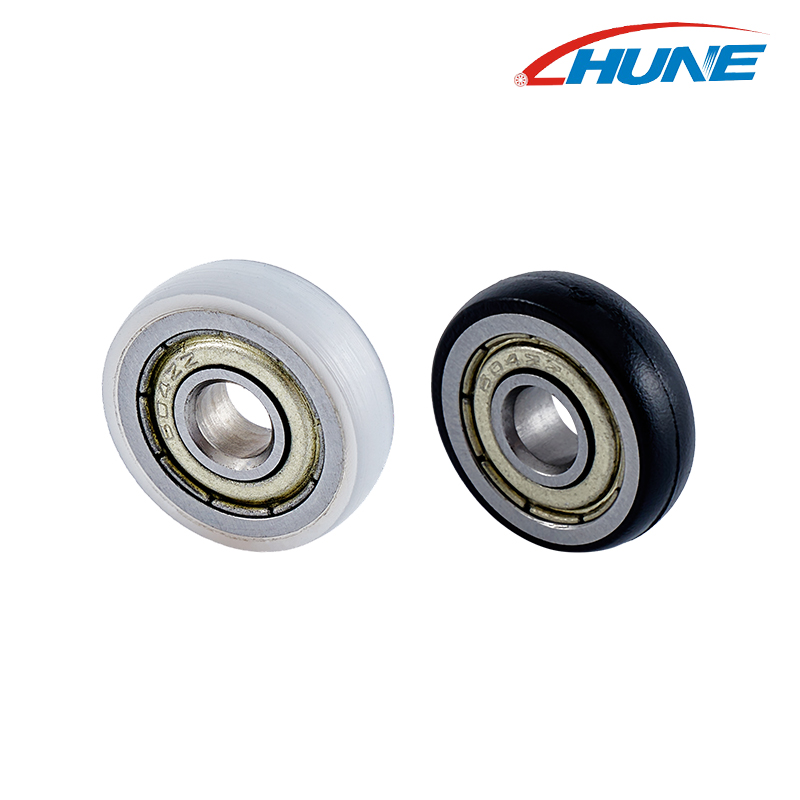
For customized pulley and roller production, manufacturers such as HUNE can review the structure and develop a component around the required mounting and movement conditions. HUNE's product range includes different pulley profiles and customized pulley solutions, which can be relevant when a standard component does not match the existing mechanical arrangement.
How Can Buyers Prepare Better Roller Information?
A clear request can make technical communication much easier.
Instead of sending only one measurement, prepare a small information package containing:
- Photos of the original roller
- Photos of the complete installation
- Main dimensional measurements
- Wheel profile details
- Shaft or axle information
- Guide or track photographs
- Mounting method
- Application type
- Replacement or new-development requirement
- Expected purchasing quantity
A drawing is useful when available, but it is not always necessary at the beginning. A physical sample and clear photographs can also help a manufacturer understand the component.
A Practical Checklist Before Ordering
Before confirming an awning roller replacement, review the following points:
Wheel
- Outside diameter
- Width
- Profile
- Bore
- Hub structure
Mounting
- Shaft or axle
- Bracket position
- Retaining method
- Available installation space
Running Conditions
- Guide shape
- Contact position
- Clearance
- Movement direction
- Possible curved sections
Application
- Type of awning
- Outdoor exposure
- Frequency of movement
- Replacement or new design
This checklist does not require complicated engineering calculations. Its purpose is to make sure that the physical relationship between the roller and the rest of the system is understood before an order is placed.
Key Takeaways
- Outside diameter affects the roller's running position within the assembly.
- Wheel width needs to be considered together with contact area and side clearance.
- Bore dimensions should match the shaft, axle, pin, or bearing arrangement.
- The running profile needs to correspond with the guide or contact surface.
- Axle position can affect the height, angle, and movement of surrounding components.
- Available installation space should be checked before confirming a replacement.
- Photos of the roller, mounting structure, and guide can provide useful information alongside measurements.
- Custom rollers may be considered when unusual profiles, mounting structures, or space restrictions make standard components difficult to match.
The Right Dimension Is The One That Supports The Whole System
Awning roller sizing is not simply a matter of finding a wheel with the same outside diameter. Proper fit depends on how several dimensions work together.
Diameter affects running position. Width affects contact and clearance. The bore determines the shaft connection. The profile controls interaction with the guide. Mounting dimensions determine whether the roller can sit correctly inside the assembly.
The surrounding space matters too.
For that reason, the most useful approach is to inspect the complete mechanism first, then identify the dimensions that control installation and movement. A few well-chosen measurements, supported by photographs and application information, can provide a much clearer basis for replacement sourcing or custom development.
When the roller is treated as part of the awning system rather than as an isolated wheel, dimensional checks become much easier to understand. That is also where careful component selection can help reduce avoidable fitting issues during assembly and maintenance.