

 English
 Español
 日本語
日本語Cabinet hardware used to stay hidden in the background. People focused more on wood texture, surface color, or storage layout. Today, the conversation has changed. More homeowners now notice how a cabinet door feels during daily use. If the movement sounds rough or becomes difficult after several months, the entire furniture experience feels different.
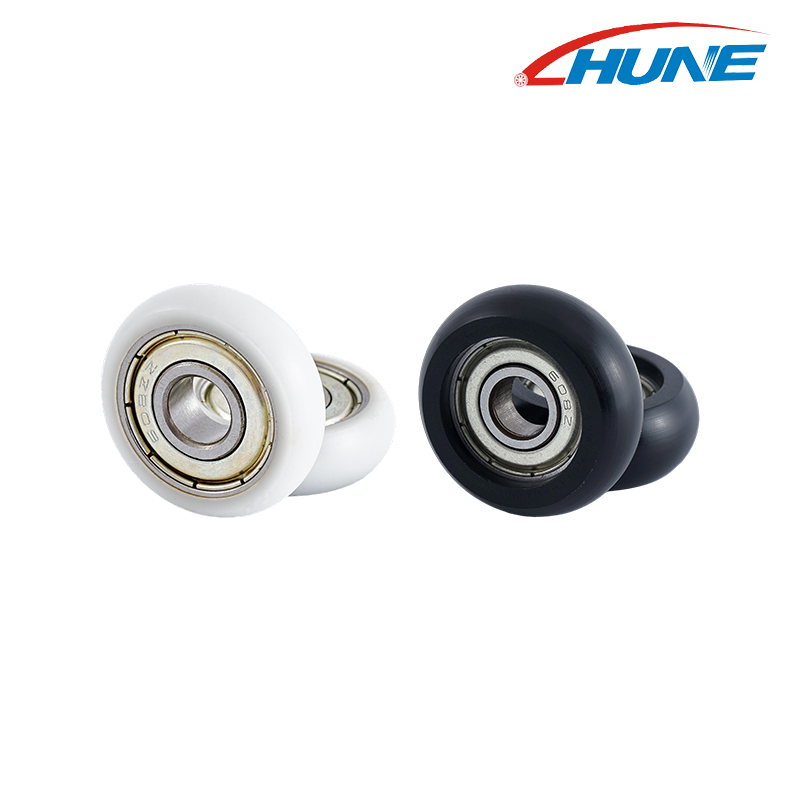
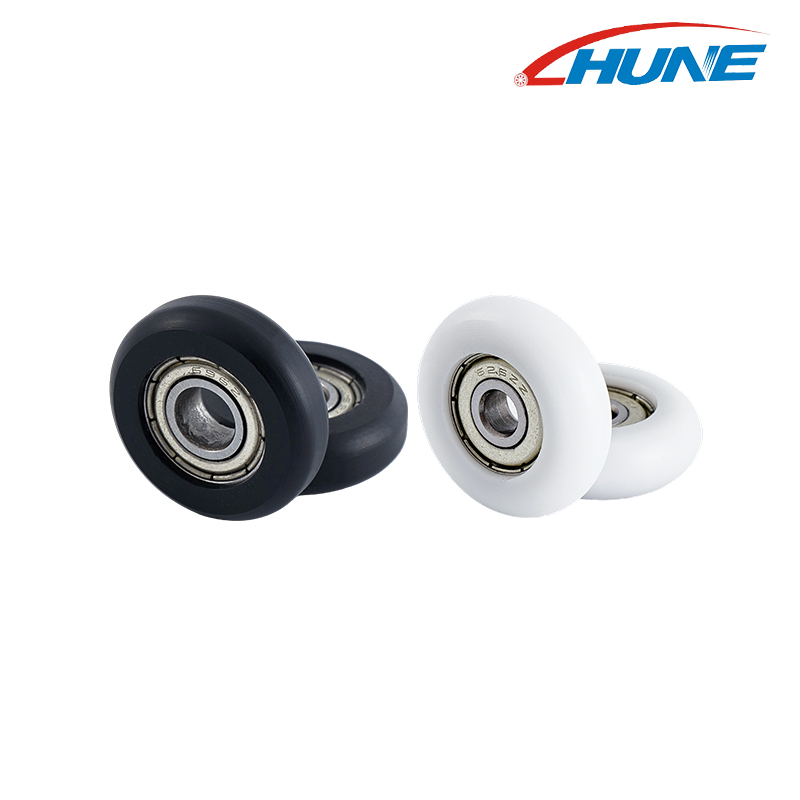
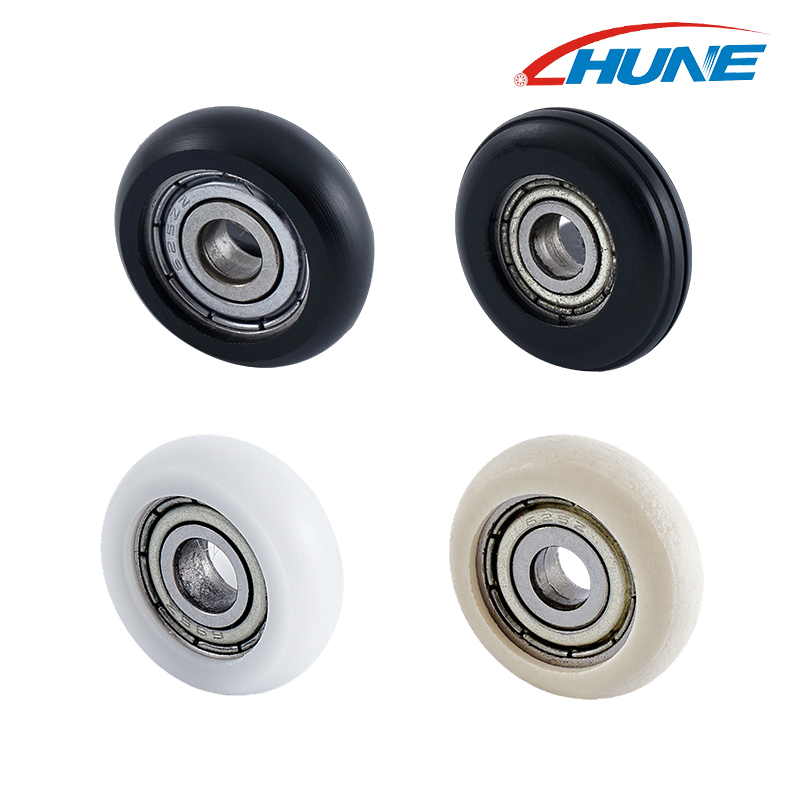
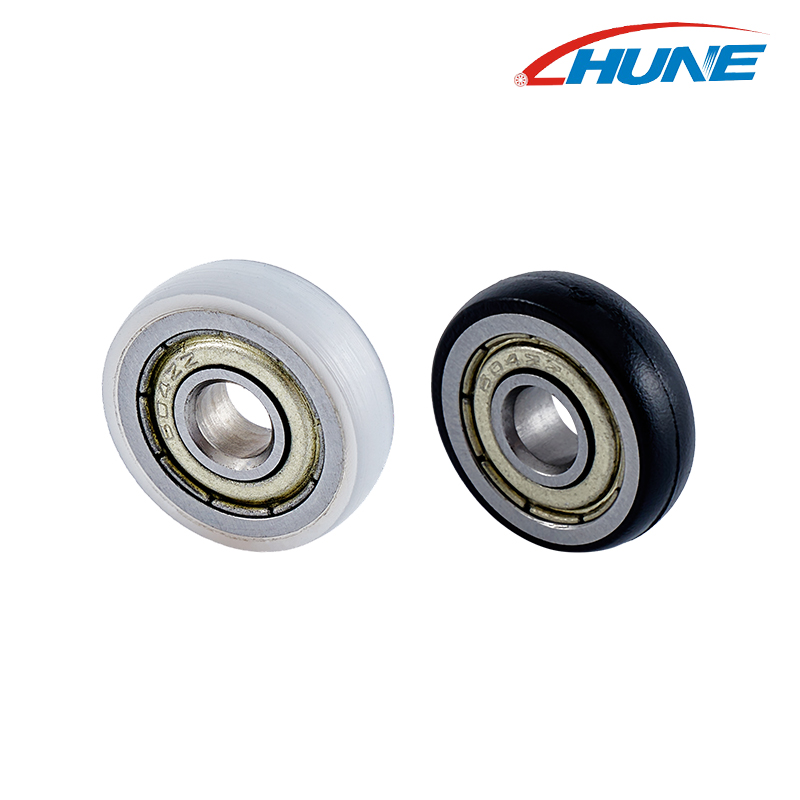
Because of this shift, Cabinet Sliding Door Roller design is receiving more attention across furniture projects, apartment renovations, retail interiors, and custom storage systems in 2026.
The market no longer looks only at whether a cabinet door can slide. Buyers now pay attention to quieter movement, smoother operation, cleaner visual appearance, and easier maintenance. At the same time, furniture spaces are becoming more compact, especially in urban apartments where every centimeter matters.
For manufacturers and suppliers, these changing expectations are influencing how sliding roller systems are designed, tested, and selected.
Hune has seen more sourcing discussions centered around movement comfort and hidden hardware integration instead of only basic structural function. This trend continues growing as interior design styles become simpler and users expect furniture to feel lighter and more refined during everyday interaction.
A Cabinet Door No Longer Feels Like Just A Cabinet Door
Several years ago, cabinet systems were mainly practical storage tools. In many homes today, cabinetry has become part of the interior atmosphere itself.
Kitchen islands connect with living rooms. Open storage blends with decorative furniture. Sliding panels appear in bedrooms, bathrooms, offices, and commercial interiors.
As furniture becomes more visible, users pay more attention to movement details.
A smooth sliding experience now influences how people judge product quality emotionally, even before they think about technical structure.
Why Movement Feel Matters More In 2026
Many users describe furniture experience through feeling instead of specifications.
They may say:
- The door feels light
- The movement sounds softer
- The sliding action looks cleaner
- The cabinet closes more naturally
- The track feels less noticeable
These reactions are connected closely with roller structure, track alignment, and movement balance.
Because modern interiors often use calm colors and simple layouts, operational noise becomes easier to notice than before.
Hidden Roller Design Quietly Changed Modern Furniture Style
One of the strongest design directions in 2026 is reducing visible hardware.
People prefer cabinet systems that look cleaner from the outside. Large exposed wheels or bulky brackets no longer fit many modern interiors.
As a result, hidden roller structures are becoming more common across cabinet applications.
Why Concealed Hardware Attracts More Attention
Minimalist design continues influencing residential and commercial spaces.
Many furniture brands now focus on:
- Narrow frame appearance
- Continuous surface lines
- Reduced visible mechanical parts
- Simpler cabinet profiles
- Cleaner edge transitions
Hidden roller systems support these visual goals by placing movement components inside the structure instead of outside the panel.
This creates a calmer appearance while maintaining sliding functionality.
The Challenge Behind Cleaner Design
Although hidden systems look simple, the internal structure often becomes more complex.
Suppliers must consider:
| Design Consideration | Why It Matters |
|---|---|
| Maintenance access | Hardware should remain serviceable |
| Track precision | Alignment affects movement stability |
| Internal spacing | Hidden structure needs accurate fit |
| Dust protection | Enclosed areas collect particles |
| Installation flexibility | Adjustment still matters after assembly |
The cleaner the exterior becomes, the more important internal engineering details often become.
Small Apartments Are Reshaping Cabinet Hardware Trends
Urban living spaces continue shrinking in many cities. Furniture now needs to support storage efficiency without making rooms feel crowded.
Sliding cabinet systems help solve this problem because they reduce the space needed for door movement.
In 2026, compact apartment furniture is influencing roller design in several ways.
Why Compact Spaces Need Different Sliding Behavior
In smaller homes:
- Cabinet doors open more frequently
- Furniture sits closer together
- Noise becomes easier to notice
- Track areas collect dust faster
- Users expect smoother operation in tighter areas
A heavy or unstable sliding action feels more obvious inside limited spaces.
This is why many apartment furniture brands now request roller systems with quieter movement and more balanced operation.
Soft Movement Became More Important Than Fast Movement
People no longer want cabinet doors that slam shut quickly.
Instead, many homeowners prefer movement that feels controlled and calm.
This change is influencing the direction of Cabinet Sliding Door Roller development.
What Users Now Expect During Daily Operation
Modern cabinet systems increasingly focus on:
- Stable opening movement
- Reduced vibration
- Softer closing feeling
- Lower friction sound
- Consistent sliding rhythm
The roller design influences all these experiences directly.
Some manufacturers now combine roller systems with damping structures or soft closing components to improve movement smoothness.
Why Sudden Impact Feels Outdated In Modern Interiors
Older cabinet systems often created sharp impact sounds during closing.
In open kitchens or studio apartments, those sounds become more noticeable because spaces are connected visually and acoustically.
Furniture brands are responding by selecting movement systems that feel calmer during operation.
Material Choices Are Becoming More Balanced
In previous years, some buyers focused heavily on appearance alone. Today, material selection discussions include practical indoor usage conditions more often.
Different roller structures use different combinations of:
- Nylon wheel sections
- Coated metal areas
- Internal bearing systems
- Composite materials
- Surface-treated hardware parts
The goal is not simply durability. Buyers also consider movement comfort, noise control, and compatibility with modern tracks.
Why Nylon Still Appears Frequently In Cabinet Systems
Nylon wheel structures remain widely used because they help support relatively stable sliding movement and reduce direct friction during operation.
In residential cabinet applications, nylon systems are often associated with:
- Smoother movement feel
- Lower operational sound
- Reduced track friction
- Better compatibility with lightweight furniture panels
At the same time, surrounding hardware structure still matters greatly. Wheel material alone cannot determine overall movement quality.
Buyers In 2026 Ask Different Questions Than Before
Sourcing conversations have changed noticeably.
Several years ago, many buyers focused mainly on pricing, visual appearance, and shipping schedule. Today, practical daily use topics appear more often during discussions.
Questions Importers Commonly Ask Today
Furniture brands and distributors now ask things like:
- Will the movement remain stable after repeated use
- Does the structure fit hidden cabinet systems
- How easy is track cleaning
- Can the roller support quiet movement
- Is the installation adjustment flexible
These questions reflect changing market priorities.
Why End User Feedback Now Influences Hardware Selection
Online reviews affect furniture reputation very quickly.
If users complain about noisy movement or unstable sliding, future customers may notice those comments before purchasing.
Because of this, cabinet manufacturers increasingly evaluate hardware based on actual user experience instead of appearance alone.
Kitchen Cabinet Trends Are Affecting Roller Design
Kitchen spaces continue evolving into multifunctional areas.
In many homes, the kitchen connects directly with dining rooms or living spaces. Cabinet movement becomes more visible and more audible.
This creates additional expectations for sliding systems.
Why Open Kitchen Layouts Change Hardware Requirements
Open layouts often require:
| Interior Trend | Hardware Influence |
|---|---|
| Quiet living environment | Reduced sliding noise |
| Cleaner visual style | Hidden hardware structure |
| Frequent cabinet access | Stable repeated movement |
| Compact storage layout | Space-saving sliding system |
| Easy maintenance preference | Accessible track cleaning |
As a result, cabinet roller systems must balance appearance and practical operation together.
Dust And Cleaning Habits Still Affect Daily Performance
Even modern roller systems can feel rough if maintenance is ignored.
Cabinet tracks collect dust gradually, especially in kitchens and storage areas. Small particles influence movement more than many users expect.
Common Problems Seen In Daily Cabinet Use
Users sometimes notice:
- Rough movement near corners
- Uneven sliding direction
- Light scratching sounds
- Increased resistance during opening
- Dust buildup around track edges
In many cases, these changes develop slowly over time rather than appearing suddenly.
Simple Maintenance Habits Often Help
Many installers recommend:
- Cleaning tracks regularly
- Avoiding heavy impact during closing
- Removing visible debris early
- Keeping track corners dry
- Checking unusual movement before damage grows larger
Small maintenance routines often help preserve smoother daily operation.
The Rise Of Slim Cabinet Profiles Changed Roller Expectations
Furniture design in 2026 continues moving toward slimmer structures and lighter visual proportions.
Cabinet frames now appear thinner than older designs. Sliding panels often use cleaner edges and reduced decorative details.
This creates new challenges for roller integration.
Why Thin Cabinet Structures Require Better Balance
Slim profiles leave less internal space for hardware adjustment.
As a result, roller systems must support:
- Stable pressure distribution
- Compact installation structure
- Cleaner internal alignment
- Smoother movement transition
- Reduced visible hardware exposure
Furniture brands increasingly prefer components that support modern visual proportions without making installation overly complicated.
Commercial Furniture Projects Follow Different Trends
Residential furniture is not the only market shaping Cabinet Sliding Door Roller development.
Commercial spaces such as retail stores, offices, hotels, and display systems also influence design direction.
Why Commercial Projects Focus On Different Priorities
Commercial buyers often pay attention to:
| Commercial Concern | Why It Matters |
|---|---|
| Repeated daily movement | Higher usage frequency |
| Maintenance convenience | Faster servicing needed |
| Consistent appearance | Public-facing environment |
| Installation efficiency | Project timeline management |
| Smooth operation | User experience consistency |
Why Furniture Designers Now Collaborate Earlier With Hardware Suppliers
In older workflows, hardware selection sometimes happened near the final production stage.
Today, many furniture designers involve hardware suppliers earlier during development.
The reason is simple. Roller structure now affects both appearance and user experience directly.
Areas Often Discussed During Early Design Stages
Designers and suppliers may review:
- Hidden structure integration
- Door movement direction
- Track visibility
- Weight distribution
- Installation flexibility
Early collaboration helps reduce compatibility issues during mass production.
Online Furniture Content Is Changing Buyer Expectations
Social media platforms and interior design videos strongly influence furniture trends today.
Consumers now watch cabinet doors open and close online before making purchasing decisions.
This changes how movement quality is perceived.
Why Sliding Action Became Part Of Product Marketing
Smooth movement now appears frequently in:
- Furniture showroom videos
- Apartment renovation content
- Kitchen design presentations
- Online cabinet demonstrations
- Interior influencer reviews
A rough sliding motion may affect product impression immediately, even if the furniture itself looks attractive visually.
Because of this, hardware performance receives more attention during furniture photography and video production.
Roller Systems Are Becoming More Adaptive
The market no longer expects one universal hardware solution for every cabinet application.
Instead, suppliers increasingly offer roller variations for:
- Compact furniture systems
- Large storage cabinets
- Hidden track applications
- Lightweight sliding panels
- Commercial interior projects
This flexibility helps manufacturers adapt products to different market demands.
Why One Roller Structure Does Not Fit Every Project
Different applications create different operational conditions.
For example:
| Application Type | Common Requirement |
|---|---|
| Bedroom cabinet | Quiet movement |
| Kitchen storage | Easy cleaning |
| Retail display | Repeated operation |
| Apartment furniture | Space-saving structure |
| Hotel interior | Consistent daily use |
Because of this diversity, sourcing decisions now involve more detailed application discussions.
What 2026 Might Continue Bringing To Cabinet Hardware
Several trends continue shaping the direction of Cabinet Sliding Door Roller development.
The industry appears increasingly focused on balancing:
- Cleaner appearance
- Stable movement
- Lower operational noise
- Easier maintenance
- Flexible installation compatibility
At the same time, furniture spaces continue becoming more multifunctional and visually simplified.
This combination encourages suppliers to create hardware systems that feel less mechanical and more integrated into the overall living environment.
Cabinet Sliding Door Roller design in 2026 is influenced by more than simple movement function. Modern furniture trends, compact apartment layouts, quieter interiors, and minimalist visual styles all shape how sliding systems are developed and selected.
Buyers now pay closer attention to movement feel, hidden hardware structure, maintenance convenience, and compatibility with modern cabinet design.
For suppliers, furniture brands, and project contractors, understanding these changing expectations helps support more suitable hardware selection across residential and commercial applications.