


 English
 Español
 日本語
日本語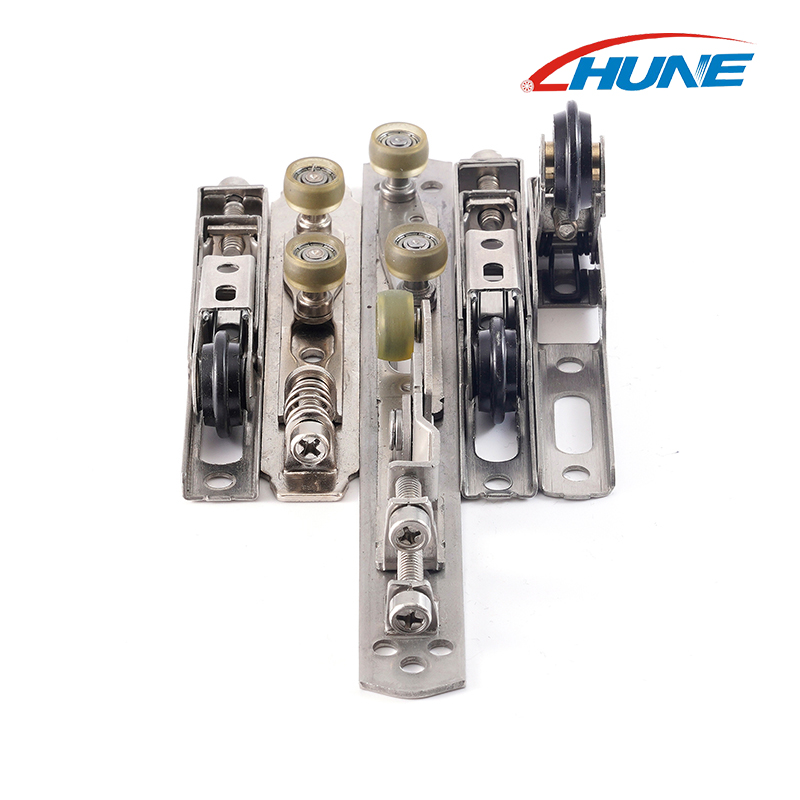
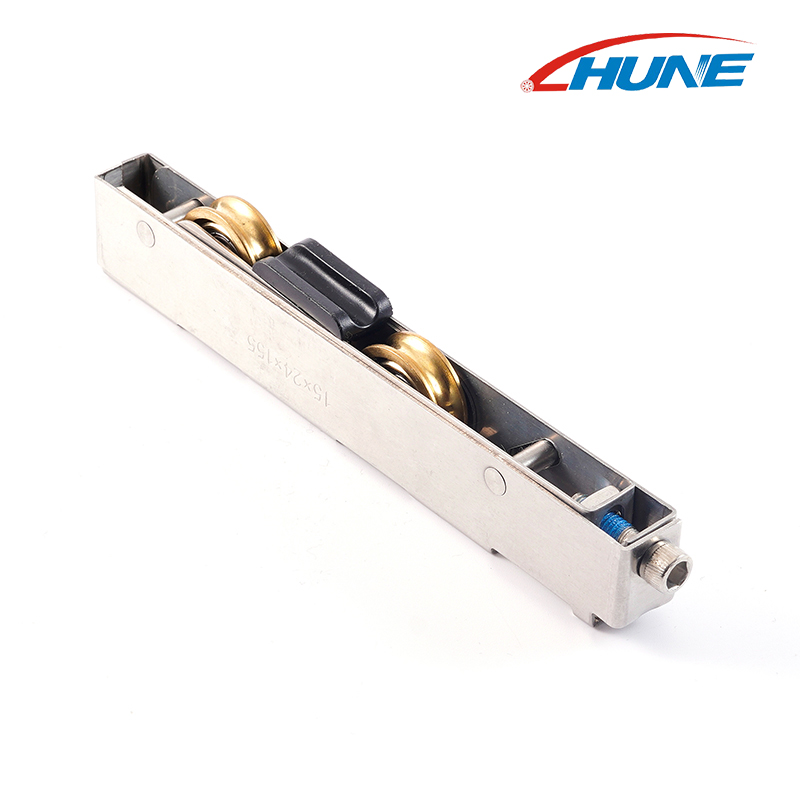
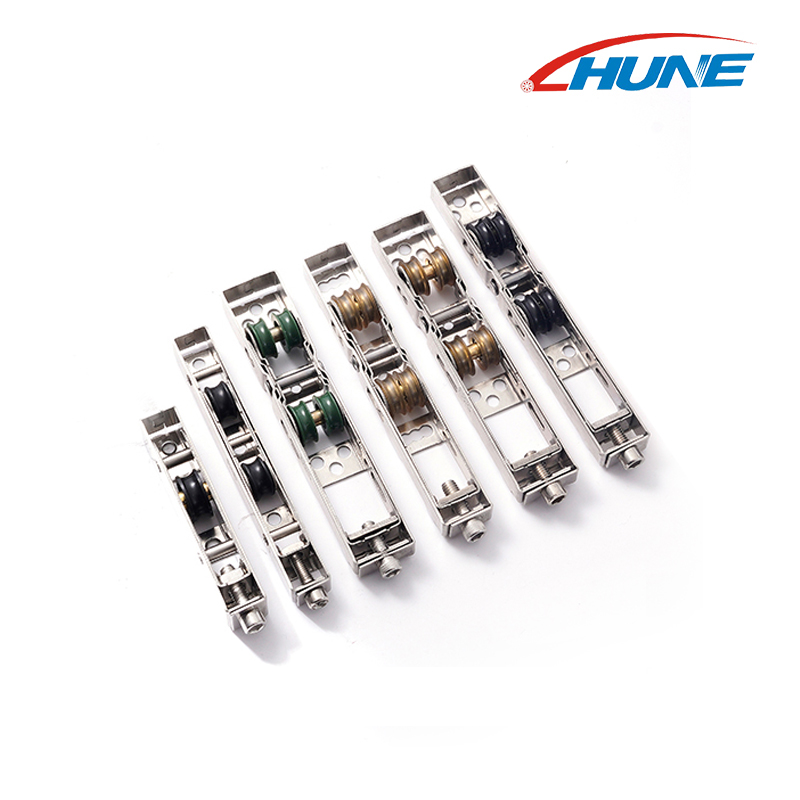
Over the past few years, we have diligently pursued higher standards to enhance our product quality, aiming to deliver increased convenience and a better user experience.
Product Categories
Hot Products
R-shaped Nylon Pulley Wheels
-
R-shaped Bearing Pulley Doors And Windows Wear-Resistant Load-Bearing Nylon R-Shaped 628ZZ Plastic Bearing Pulley View More +
-
R-shaped Bearing Pulley Household Appliances High Stability R-Shaped 625ZZ Bearing Pulley View More +
-
R-shaped Bearing Pulley Sliding Door Durable R-Shaped 6200ZZ 6202ZZ 6204ZZ 6004ZZ Big-Size Bearing Pulley View More +
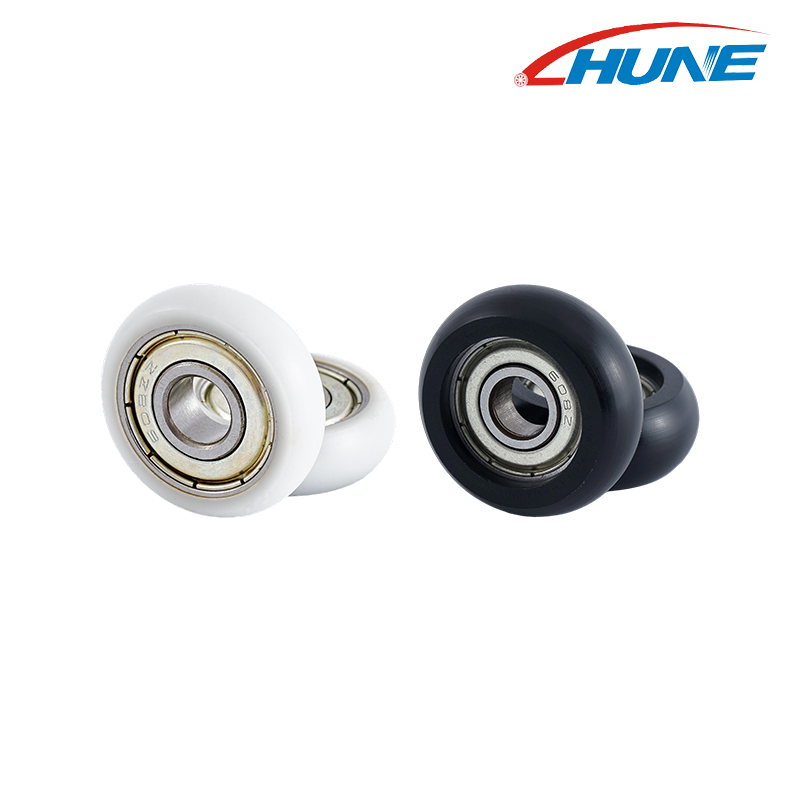
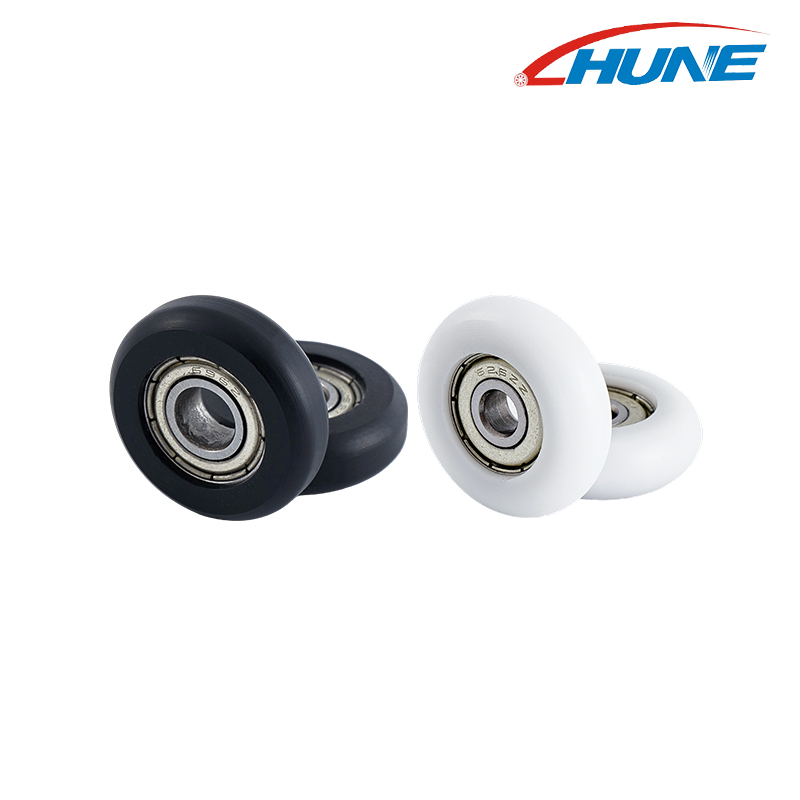
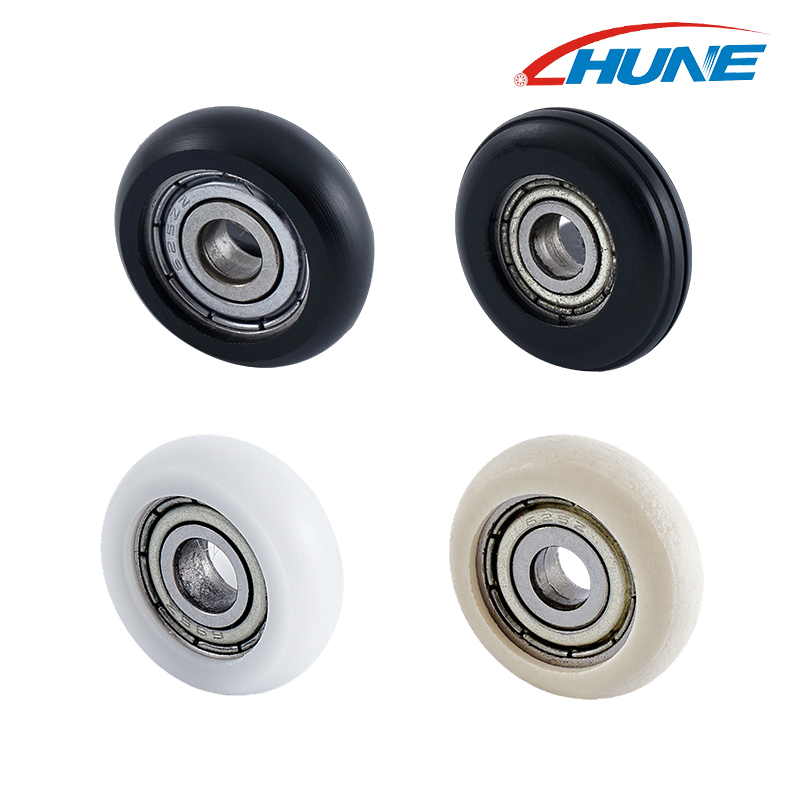
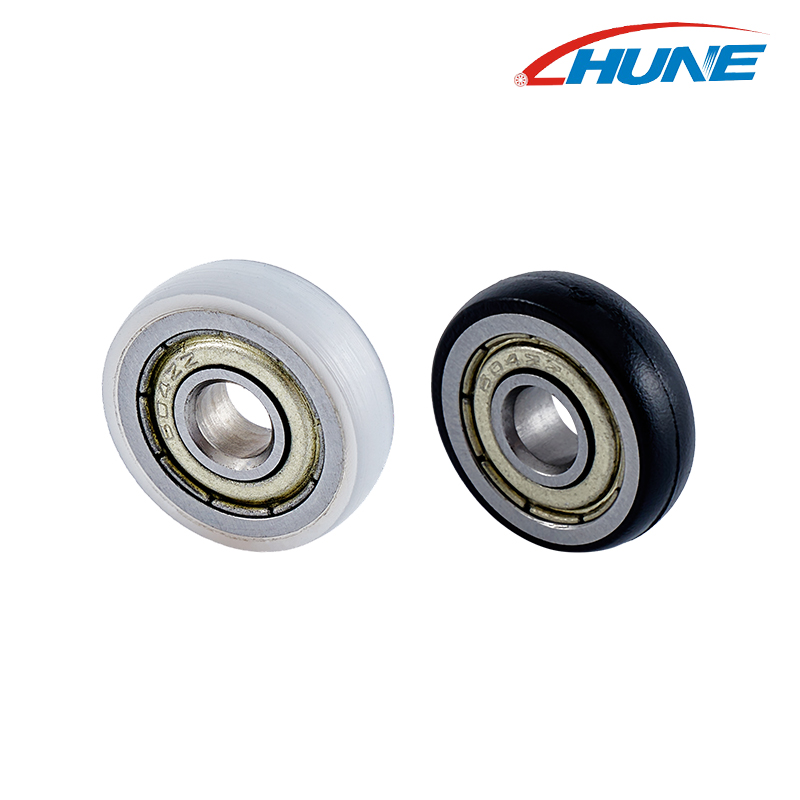
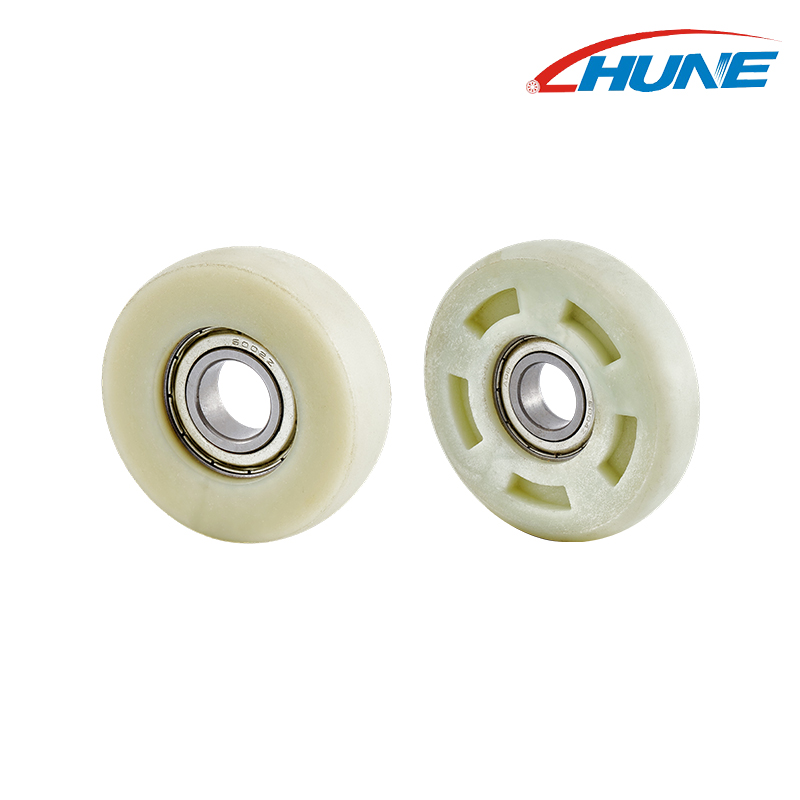
R-shaped Bearing Pulley is a highly efficient, wheel-like component designed to rotate smoothly around its central axis, making it indispensable for applications requiring seamless motion. Whether in sliding doors and windows, conveyor belts, or crane systems, this pulley excels in delivering consistent performance. Its precision-engineered bearings minimize friction, ensuring smooth rotation while reducing wear on both the pulley and the track. This results in quieter operation, enhanced durability, and extended equipment life. Built to withstand heavy loads and repetitive use, the R-shaped Nylon Pulley Wheels is good for both residential and industrial environments. From simplifying everyday tasks like opening sliding doors to optimizing material handling in manufacturing, this versatile tool ensures reliable functionality where it matters. Upgrade your systems with the R-shaped Nylon Pulley Wheels today—where effortless movement meets rugged dependability, empowering you to achieve peak efficiency effortlessly!
-
 0㎡Plant Area
 -
 0+Staff
 -
 0Established in
 -
 0+Exporting Countries
Zhejiang Huaneng Micro Bearing Co., Ltd.
Zhejiang Huaneng Micro Bearing Co., Ltd. specializes in the development and manufacturing of miniature and medium-sized bearings, non-standard bearings, and pulley systems. With over a decade of industry experience, we offer high-precision processing and responsive customization capabilities. As China Nylon Pulley Wheels Wholesaler and OEM/ODM R Groove Nylon Pulley Wheel Company.Our products are widely used in home appliances, industrial equipment, and door/window systems, and are exported to Japan, Korea, Europe, and beyond.
Industry Knowledge
How Bearing Precision Grades Directly Impact the Performance and Lifespan of R-Shaped Nylon Pulley Wheels
Understanding the precision grade of a bearing is essential for evaluating the performance potential of any R-shaped Nylon Pulley Wheels. Precision grades are standardized classifications—like ABEC (Annular Bearing Engineering Committee) or ISO tolerance classes—that indicate how tightly the components inside a bearing are manufactured. These tolerances affect everything from internal clearance and roundness to surface finish and noise. In pulley systems, particularly those used for guided linear motion or rotational loads, these small differences can significantly impact function, wear rate, and service life.
For R Nylon Pulley Wheels applications, especially those used in conveyor rails, sliding doors, and guided machinery, choosing the right bearing grade can mean the difference between smooth operation and frequent maintenance. Lower-grade bearings, while cost-effective, generally allow for greater internal play. This can result in increased vibration, noise, and accelerated surface fatigue under continuous load. Higher-precision grades, often found in industrial-grade pulleys, feature tighter internal tolerances and runout controls, contributing to quieter motion, reduced friction, and better load distribution.
Bearings graded as ABEC-1 or ISO P0 are typically used in low-speed or general applications where exact tolerances are not critical. These are suitable for entry-level systems or light-load environments. However, as demands increase—such as in automated handling systems or repeated-use rail sliders—the jump to ABEC-3 or ISO P6 becomes necessary. These grades offer improved concentricity and better balance under dynamic load, which are crucial for pulleys rotating at high frequencies or supporting lateral forces. In high-speed equipment, ABEC-5 and above become relevant, especially when the pulley needs to work with minimal runout and minimal vibration.
A typical R-shaped Bearing Pulley integrates these bearings inside a machined or molded wheel, relying on the bearing's precision to deliver reliable motion. High-grade bearings reduce axial and radial play, which helps maintain alignment on the track and minimizes the micro-shifts that gradually degrade both the pulley groove and the guide rail. This alignment is particularly important in systems requiring long travel distances or repetitive cycles, where misalignment leads to energy inefficiency and premature track wear.
Manufacturing tolerances also affect the load zones within the bearing. In low-grade bearings, misalignment between rolling elements and raceways can concentrate stress in narrow zones, increasing the likelihood of spalling or surface deformation. Precision grades help avoid this by ensuring better conformity of rolling paths, which evenly distributes forces and protects the pulley body. For R Groove Bearing Pulleys subjected to vertical and horizontal stresses—such as in lifting systems or storage automation—this can extend operational life considerably.
Noise and vibration control is another hidden benefit of higher bearing precision. Tighter tolerances reduce the "wobble" of the pulley, ensuring more stable rotation. This has direct acoustic benefits, especially important in applications where quiet motion is valued, such as in sliding glass doors, furniture hardware, or smart home components. Customers looking for smooth, noise-sensitive performance will immediately notice the difference between basic and precision bearings—sometimes without even knowing why.
Of course, the choice of bearing grade must align with the intended usage, load expectations, and environment. While higher-grade bearings cost more, they offer measurable ROI by reducing downtime, replacement intervals, and energy consumption. As a manufacturer with years of experience supplying R-shaped Bearing Pulleys to both equipment OEMs and distributors, we always advise specifying bearing grades based on actual performance needs rather than cost alone. This tailored approach often leads to better customer satisfaction and fewer post-installation issues.
Precision isn't a luxury—it's a performance factor. Whether you're sourcing pulleys for automation lines, architectural systems, or mechanical assemblies, understanding how bearing grades affect functionality helps you make informed choices. Investing in the right R-shaped Bearing Pulley with the appropriate bearing precision means fewer interruptions and a smoother operating experience from day one.

Huaneng specializes in the R&D and manufacturing of miniature and medium-sized bearings, non-standard bearings, and pulley systems.
R-shaped Bearing Pulley Custom.
- PRODUCTS
- Stainless Steel Sliding Door&Window Rollers
- Plastic Bearing Pulley
- Screw Thread Bearing Pulley
- Door & Window Roller Hardware
- Ball Bearing
- Rubber Ring
- Hardware Accessories
- INFORMATION
-
-
Tel+86-15058997617
-
E-mailshirley@cnhune.com
-
AddNo. 118, Development Road, Wengyang Industrial Zone, Yueqing City, Zhejiang Province, China
-
- MOBILE SITE
-