Industry Knowledge: How Compact 6mm Bore Bearing Pulley Rollers Work in Small Motion Systems
In a small motion system, a roller can appear to fit while still running poorly. The bore may match the axle, but the groove can contact the wrong part of a rail; the wheel may turn by hand, but bind once its bracket is tightened.
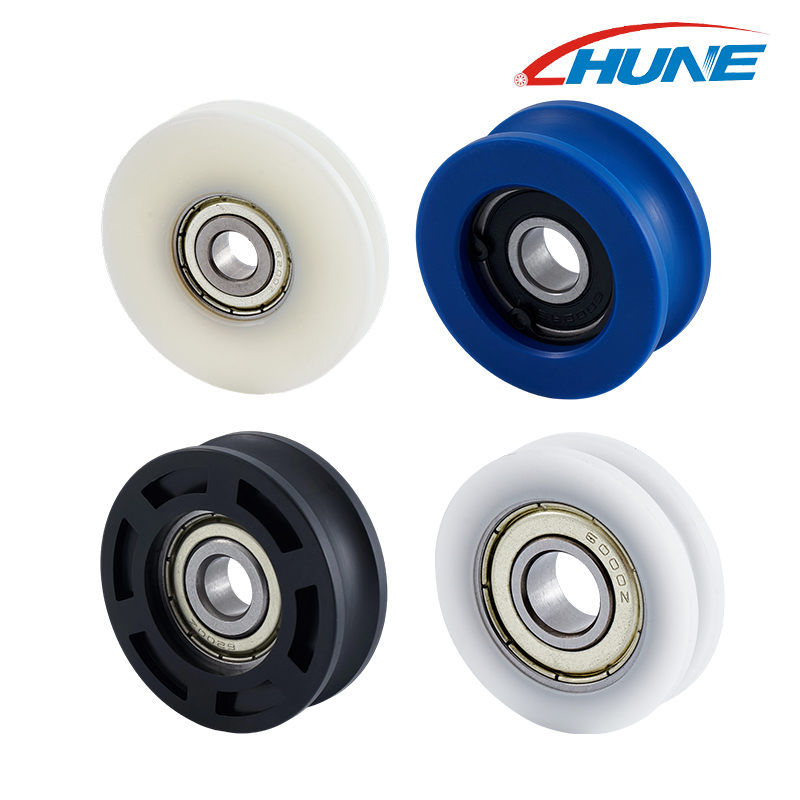
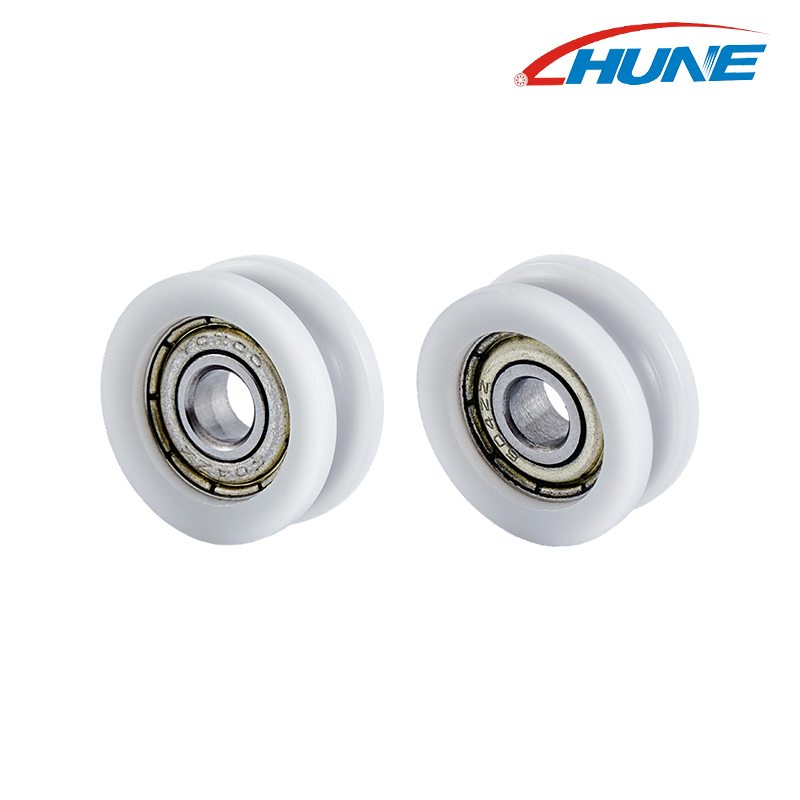
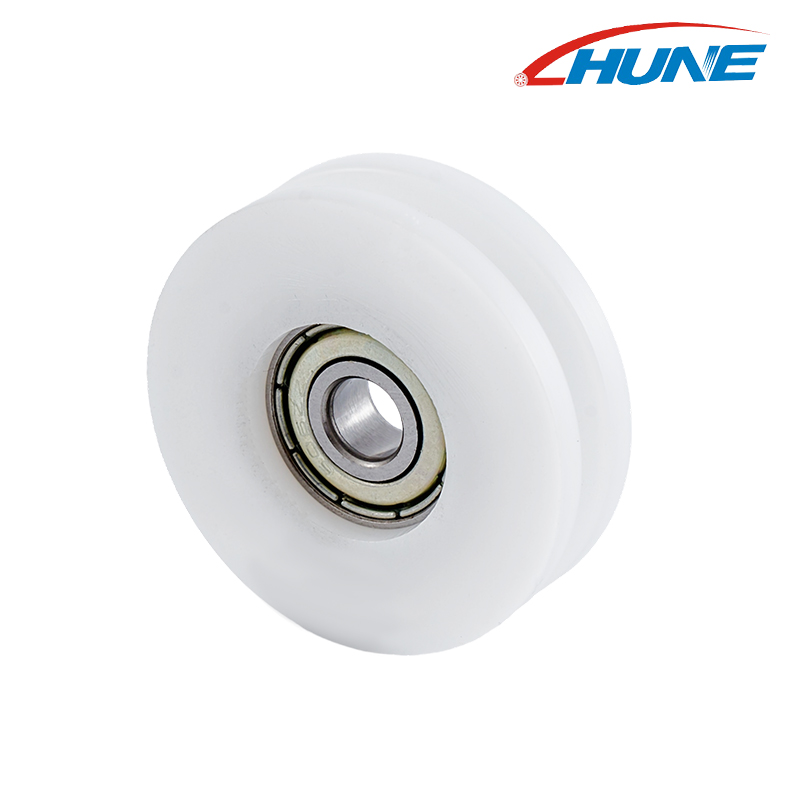
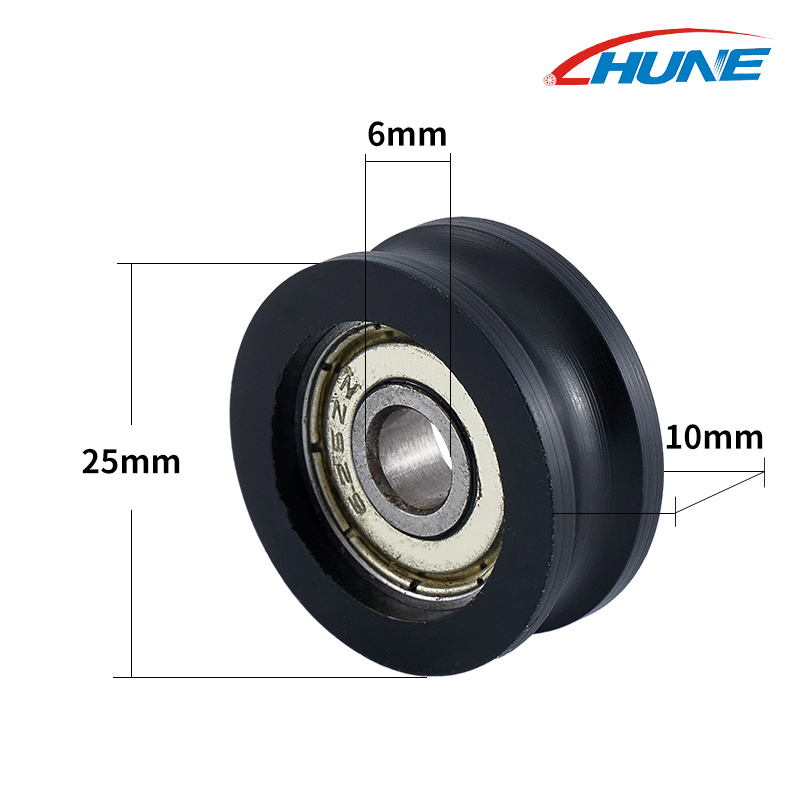
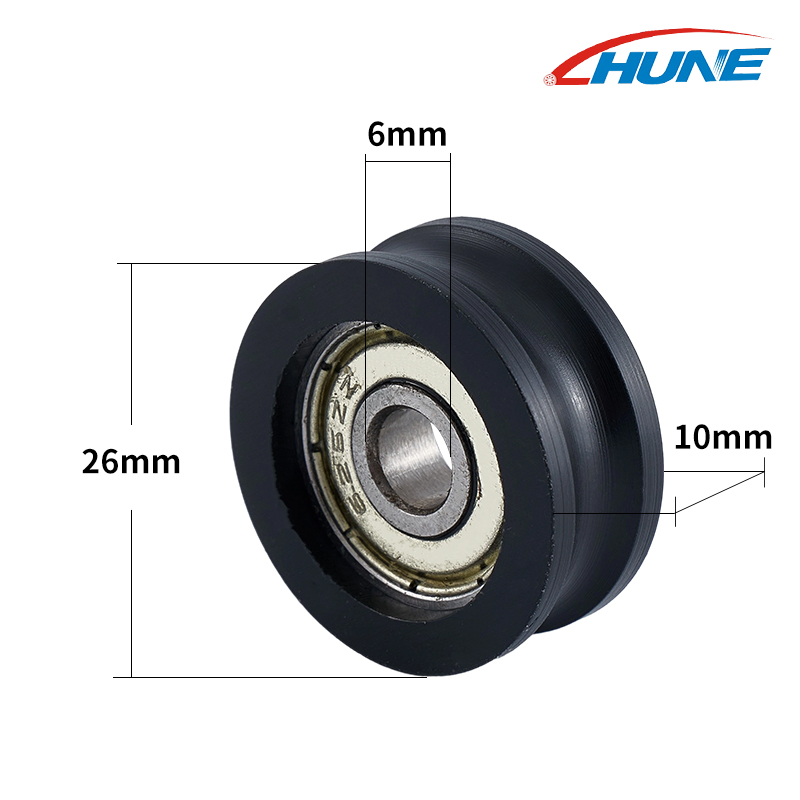
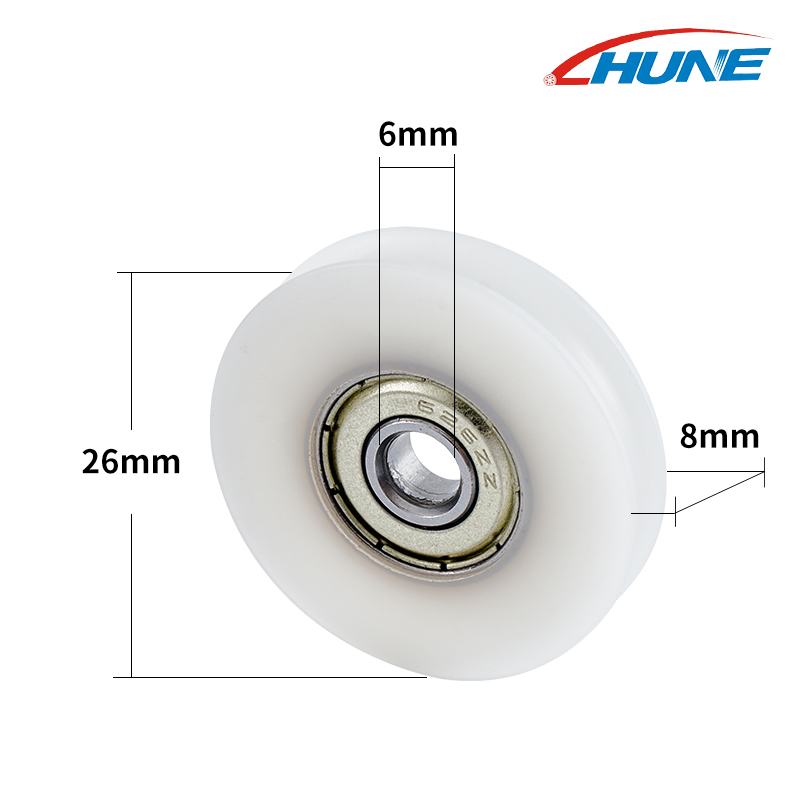
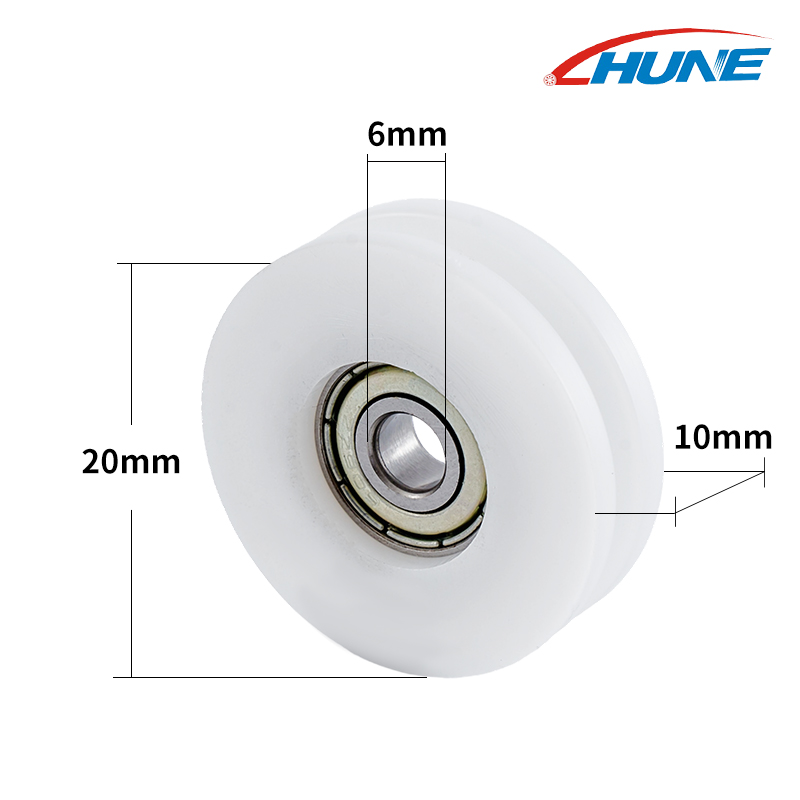
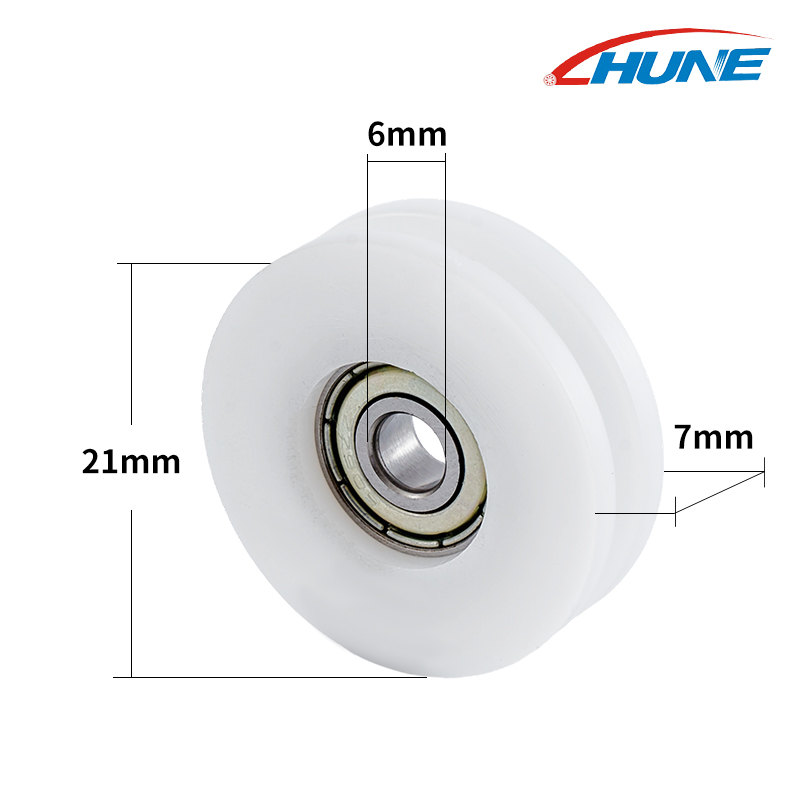
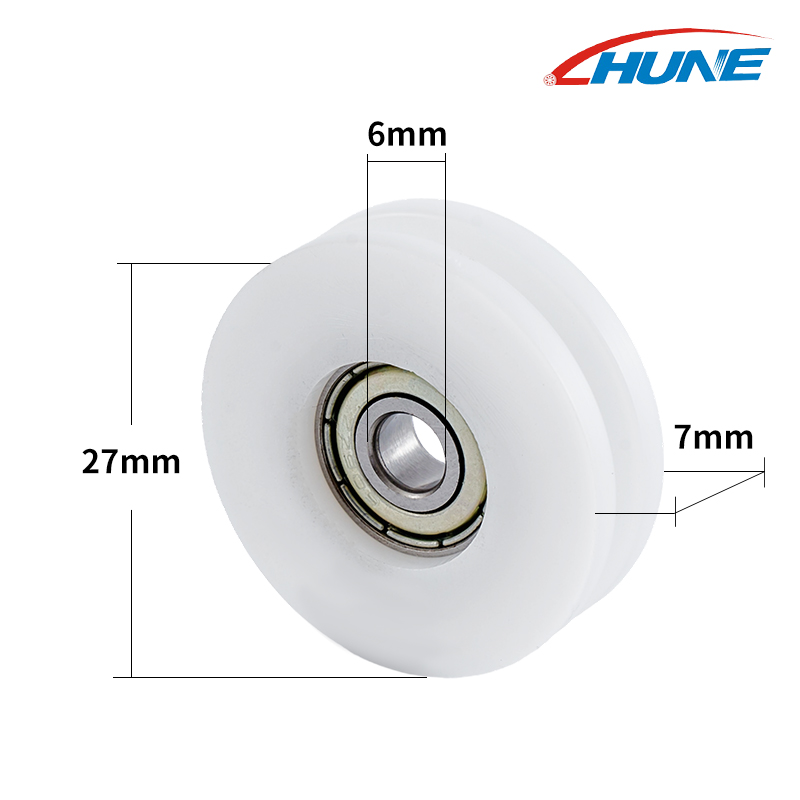
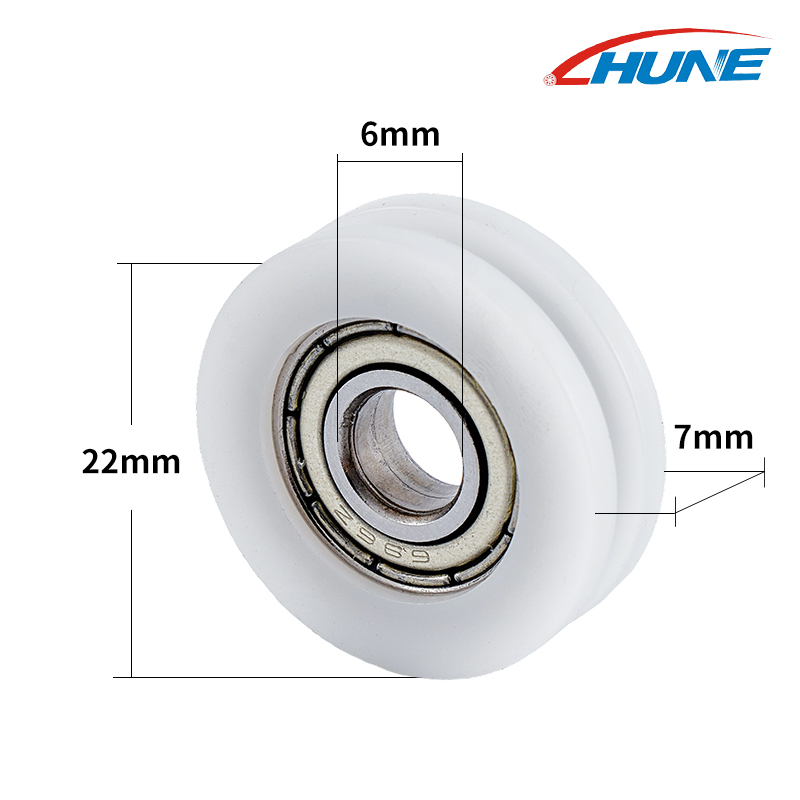
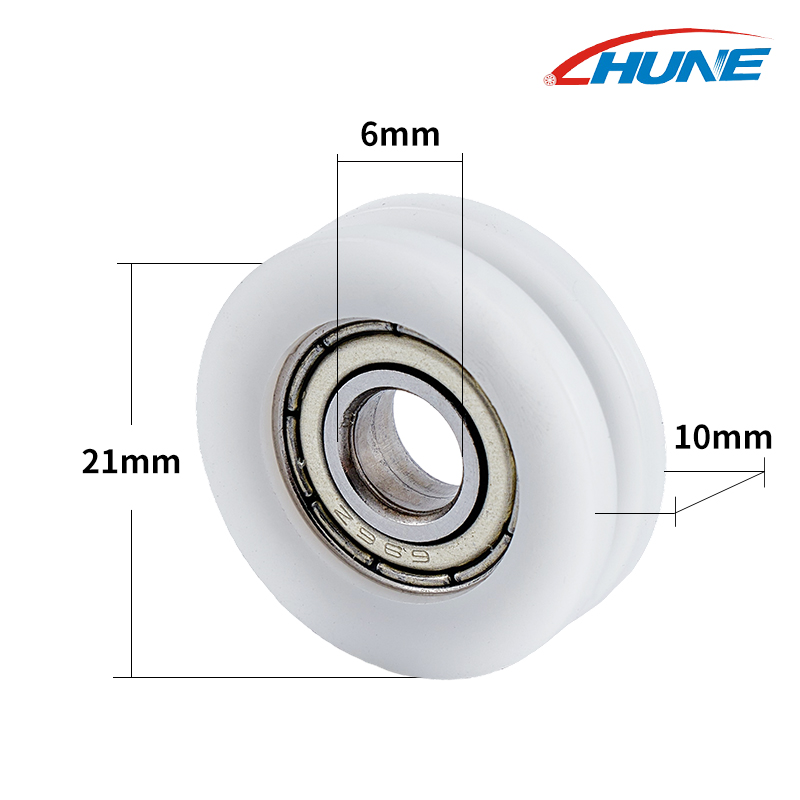
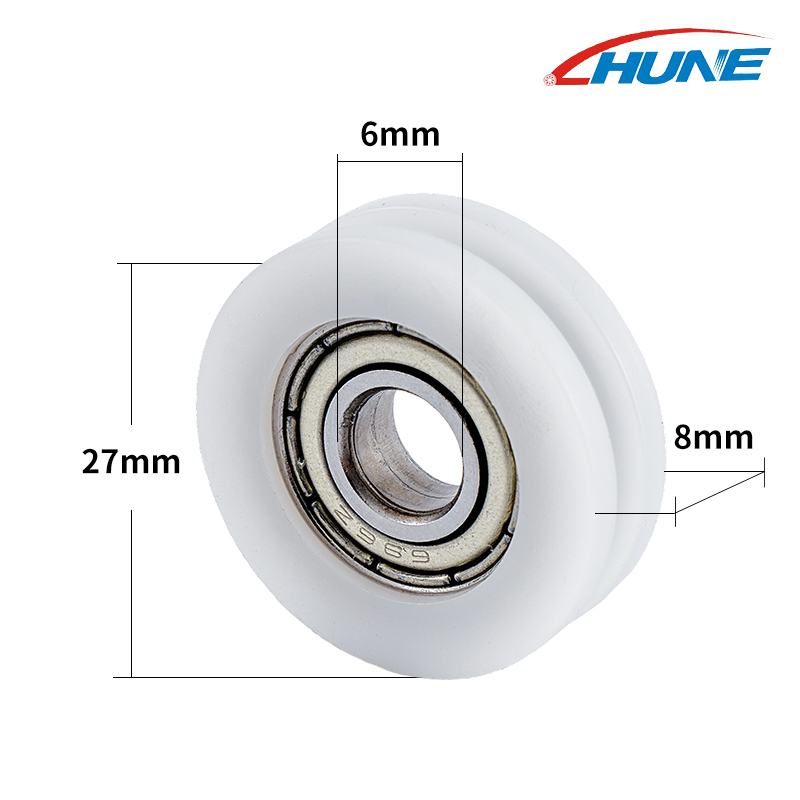
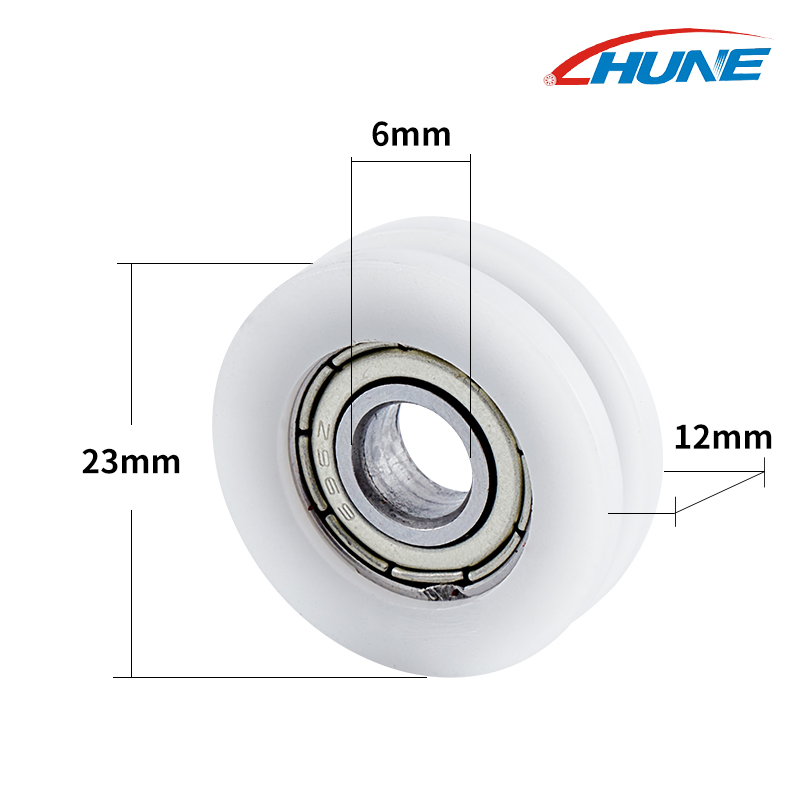
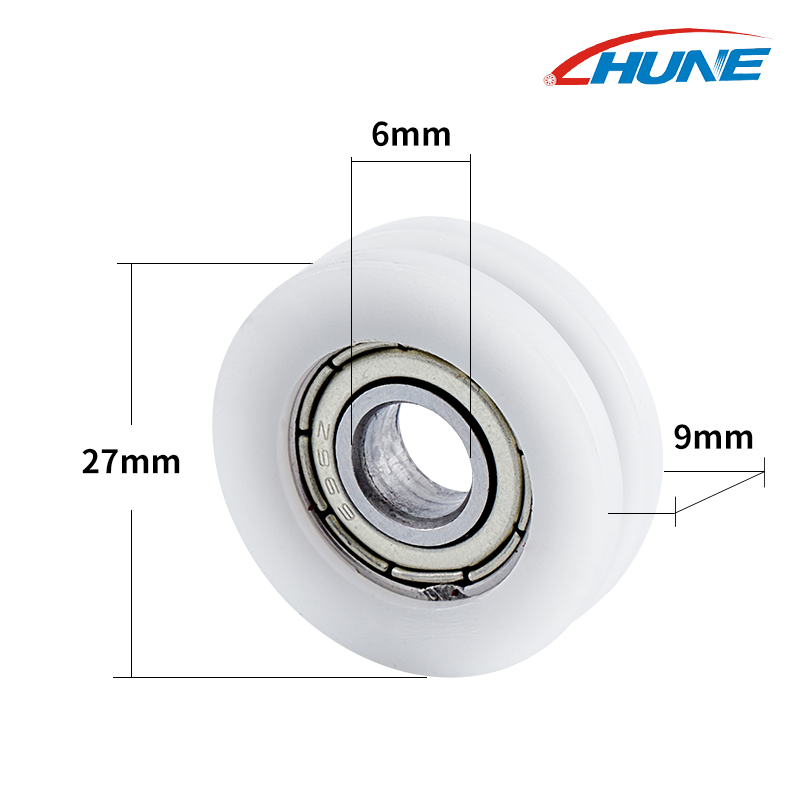
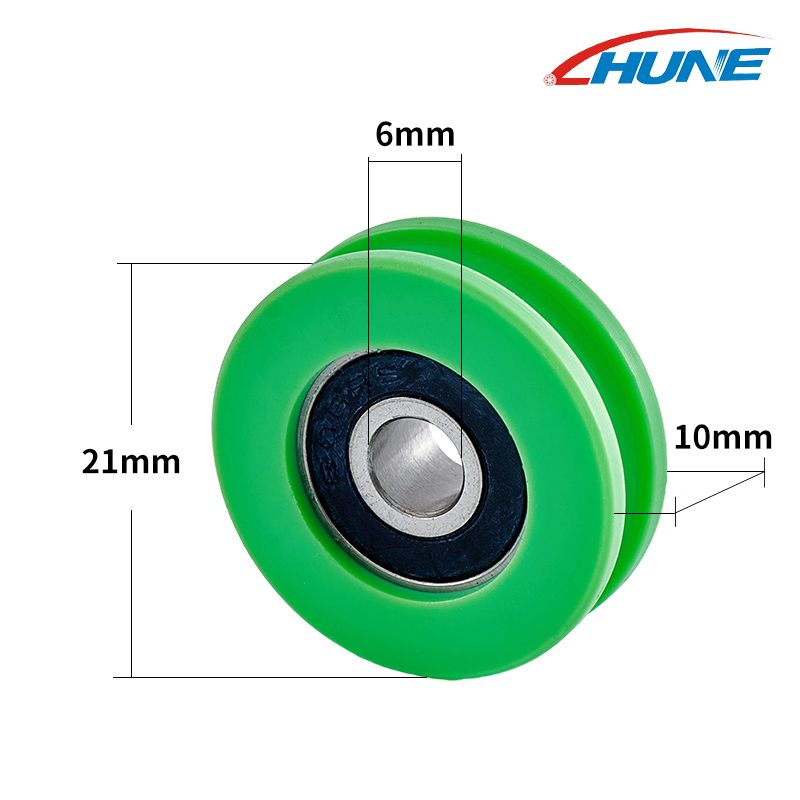
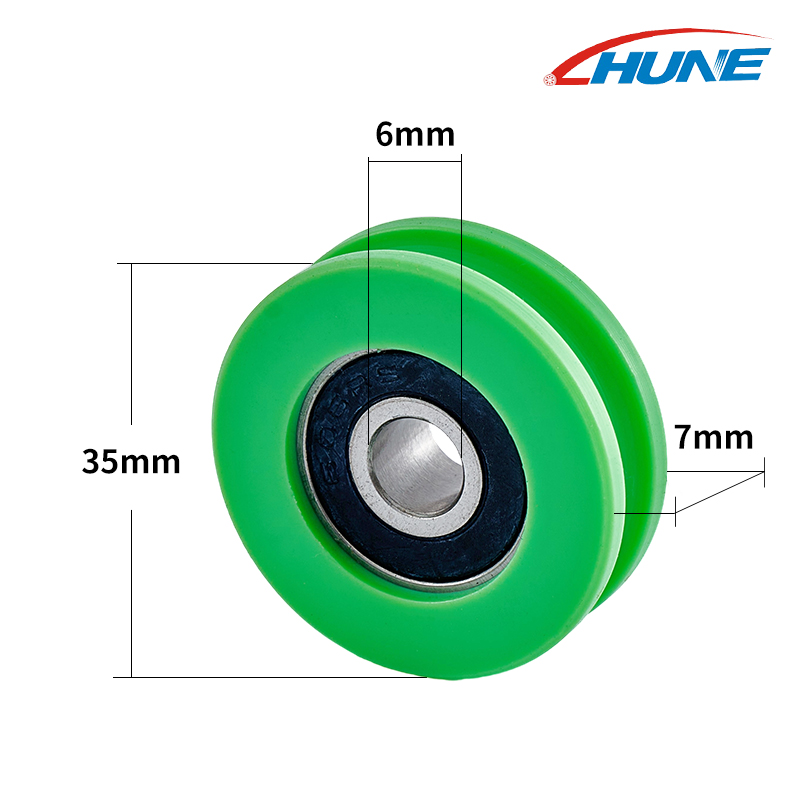
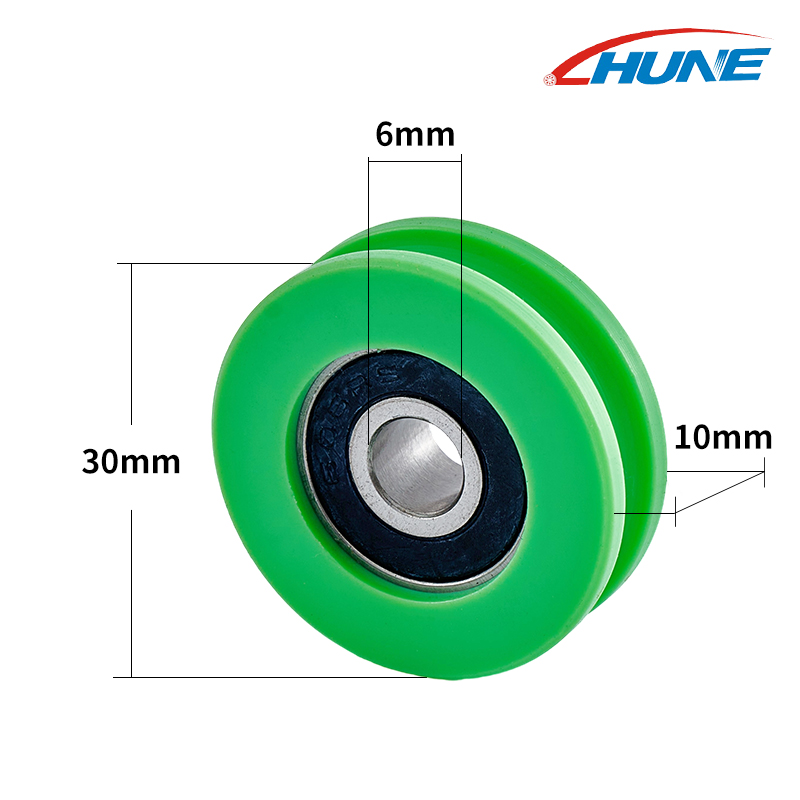
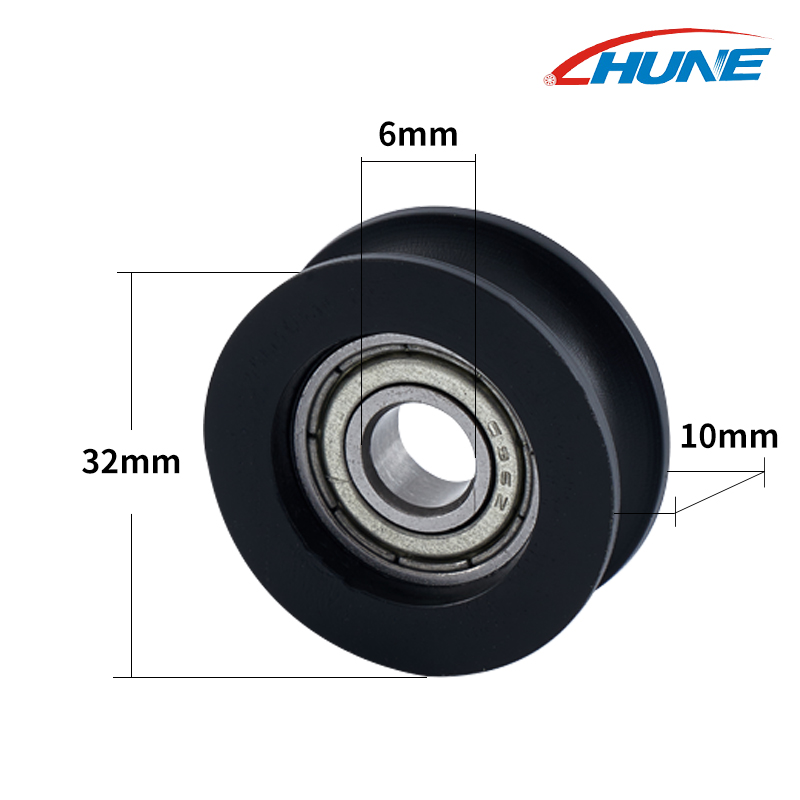
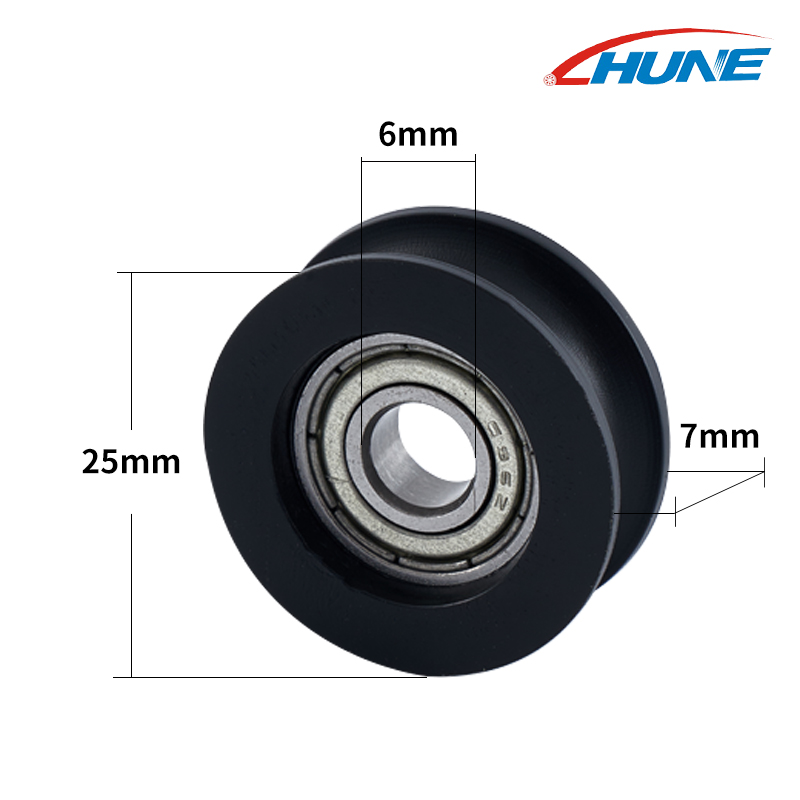
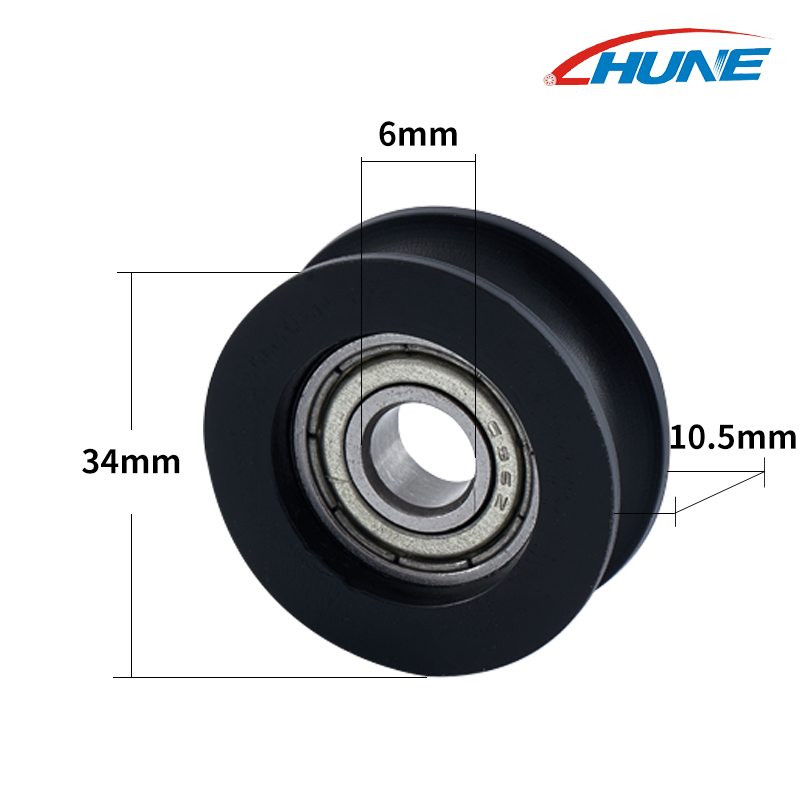
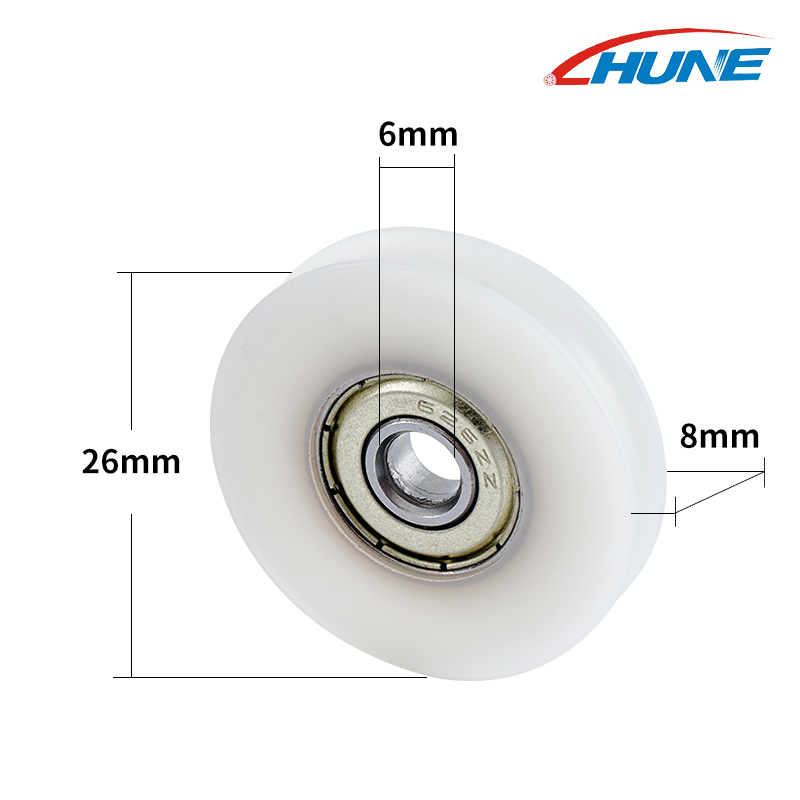
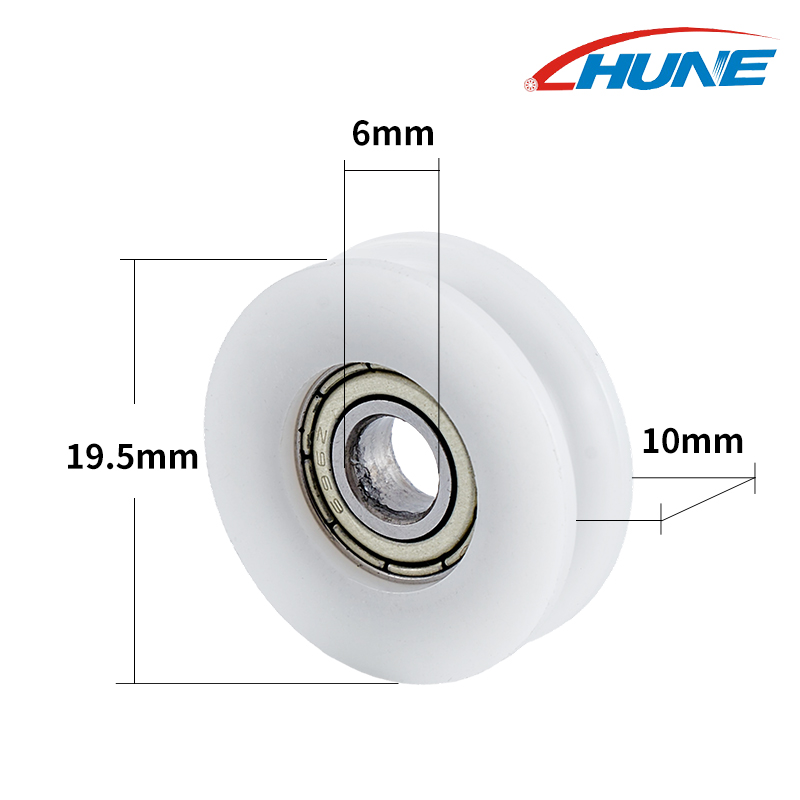
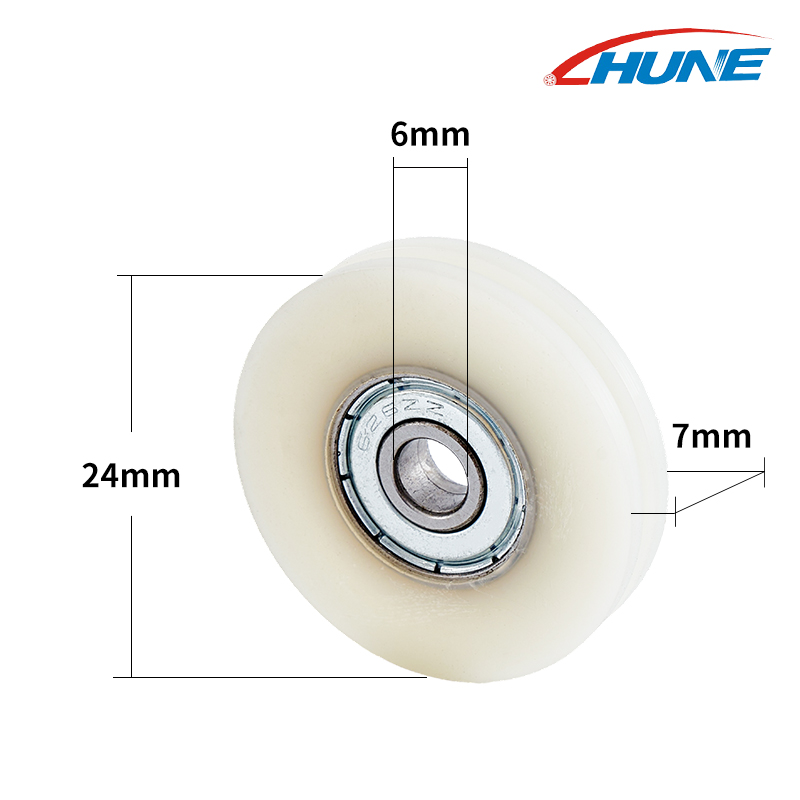
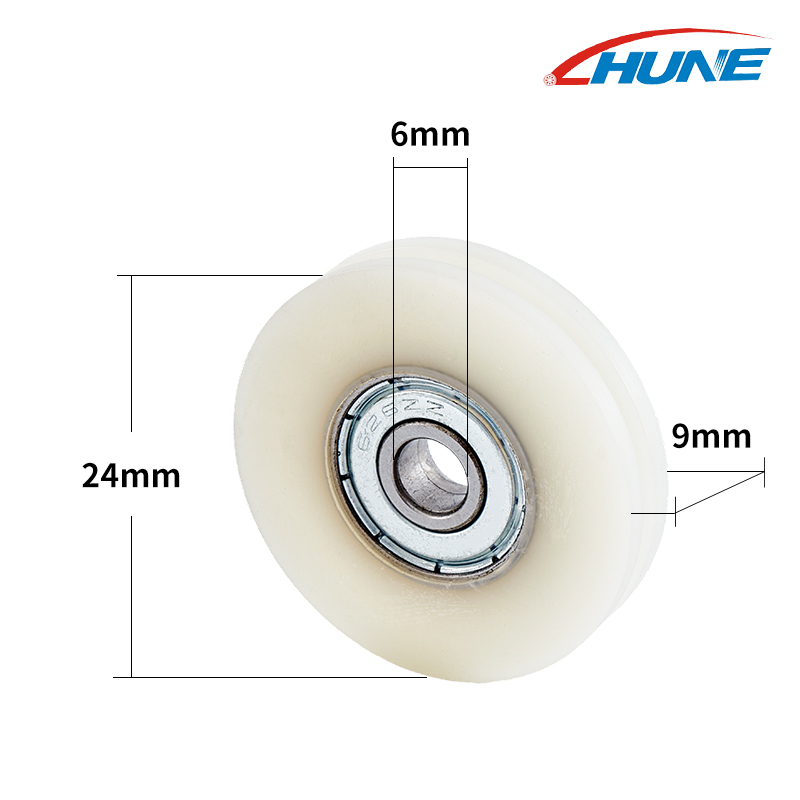
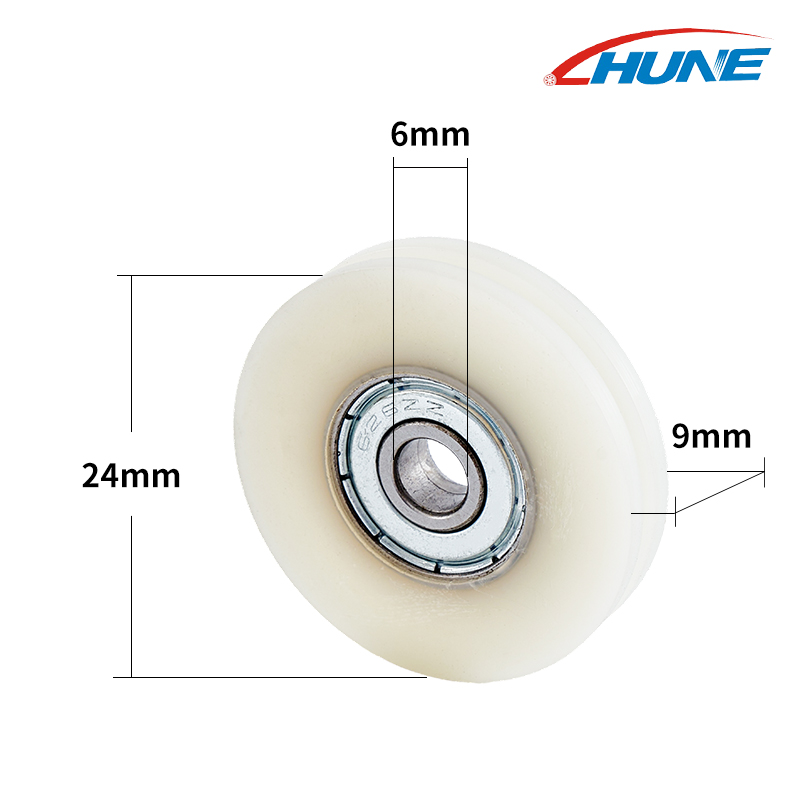
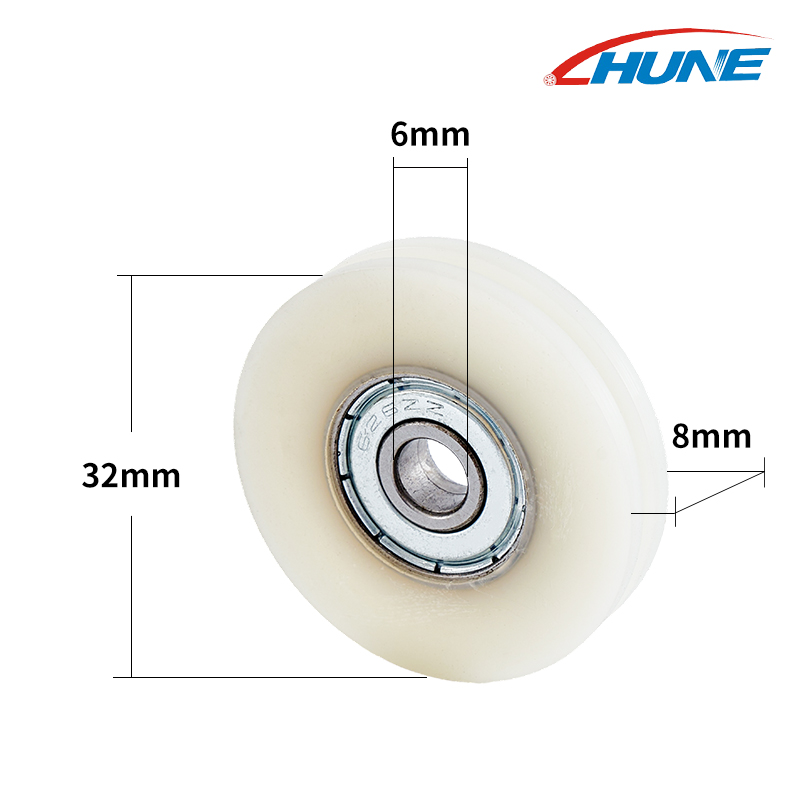
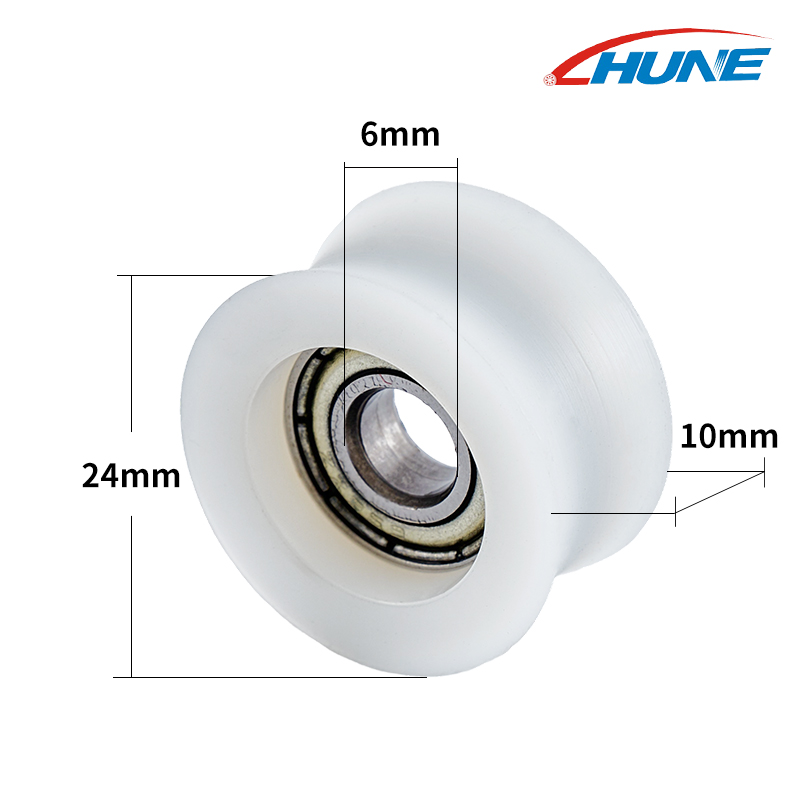
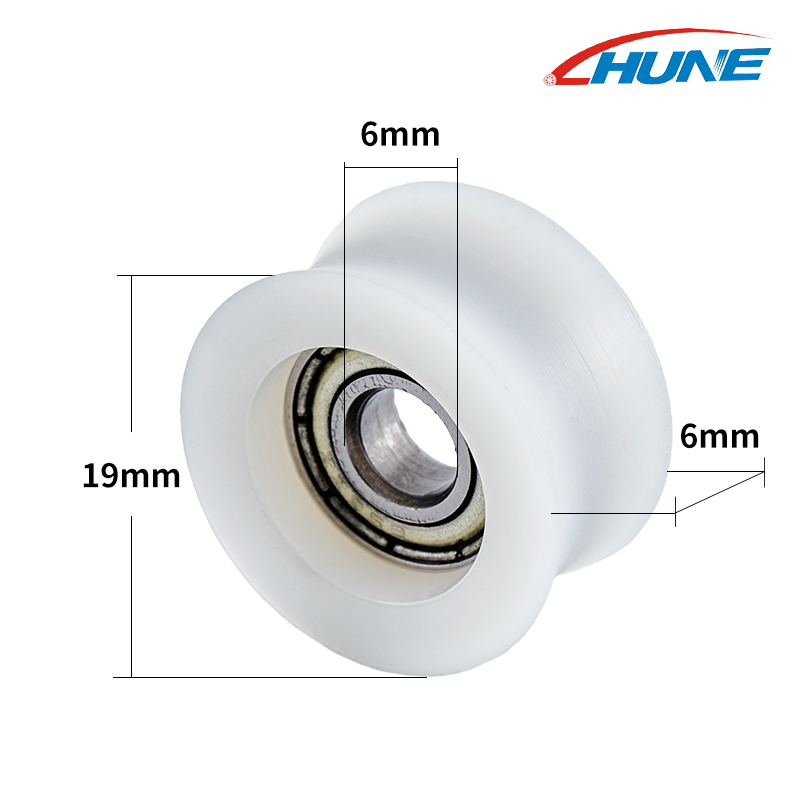
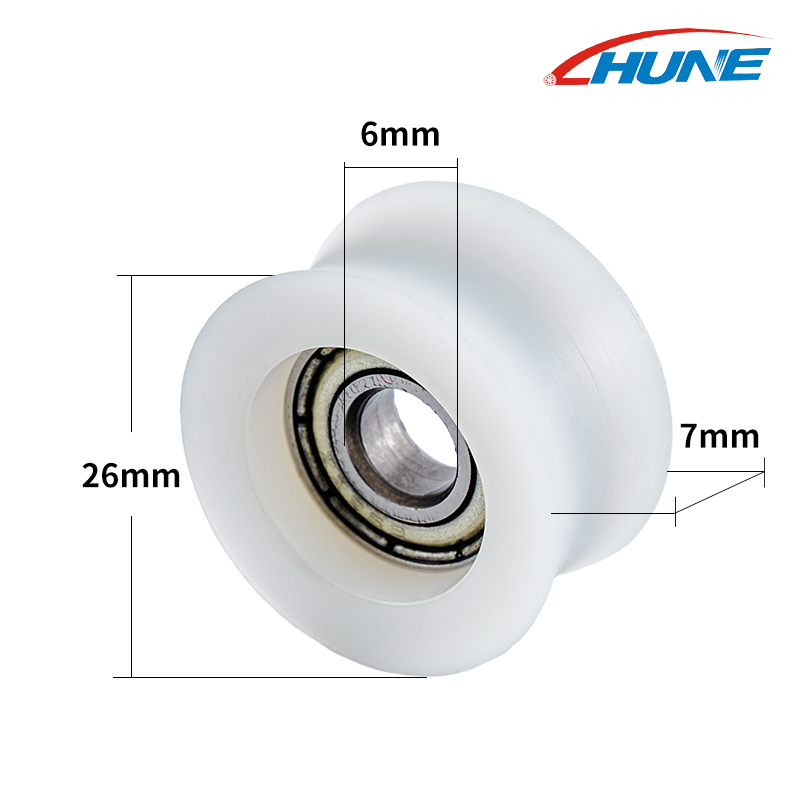
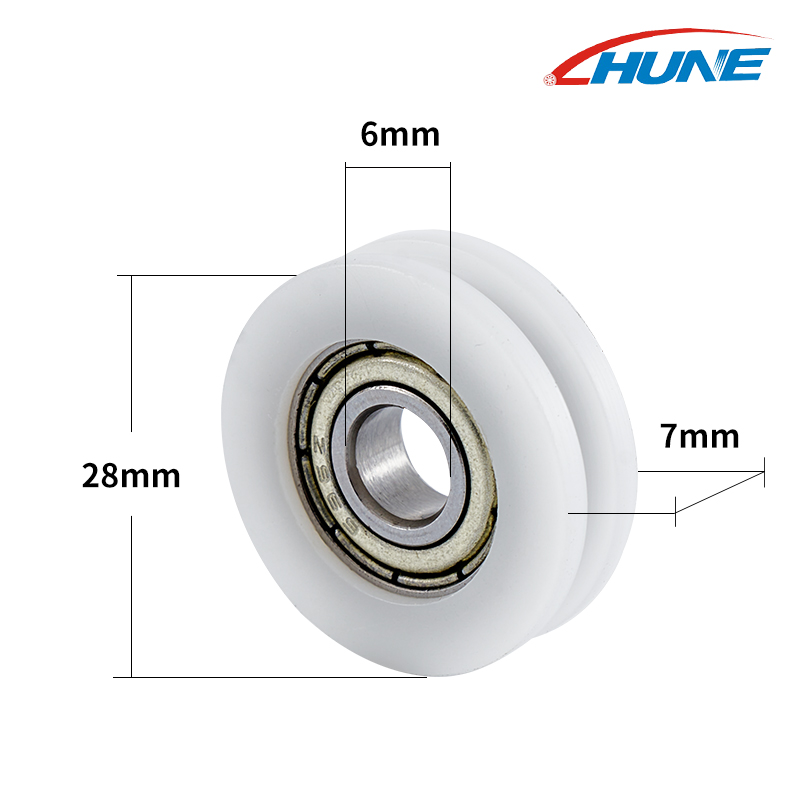
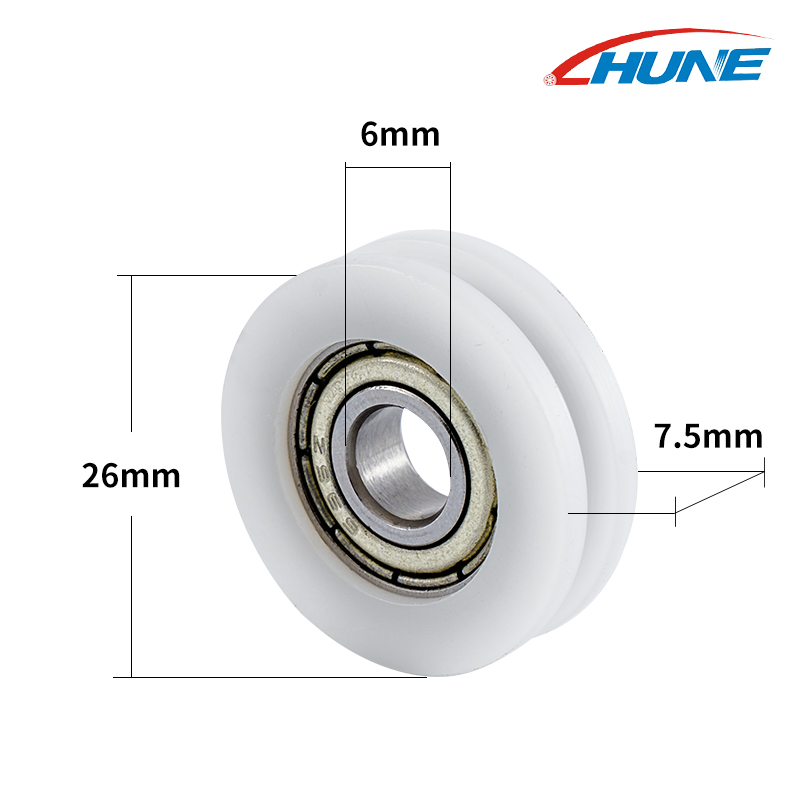
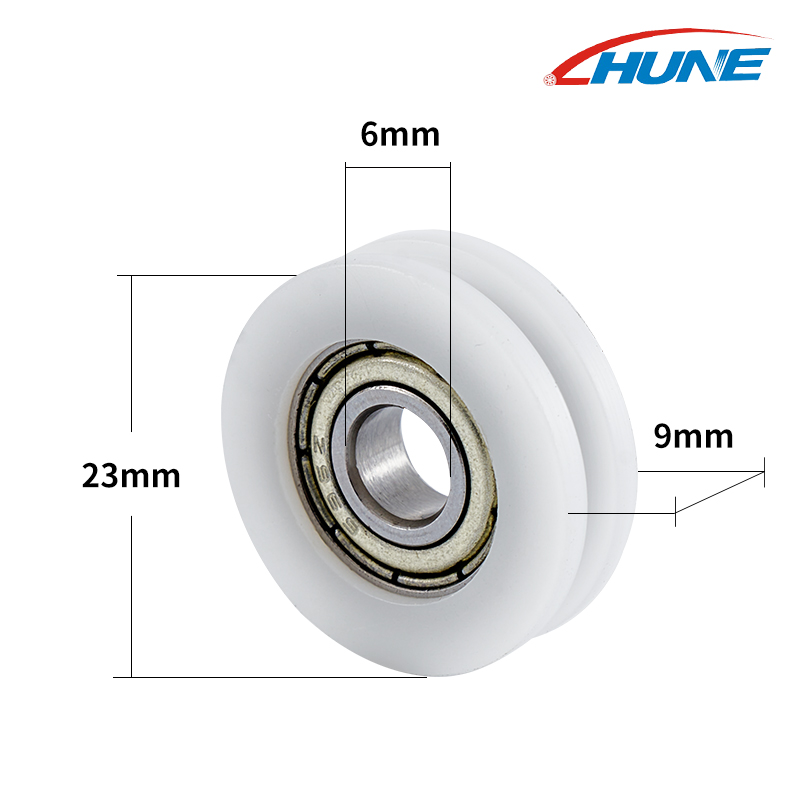
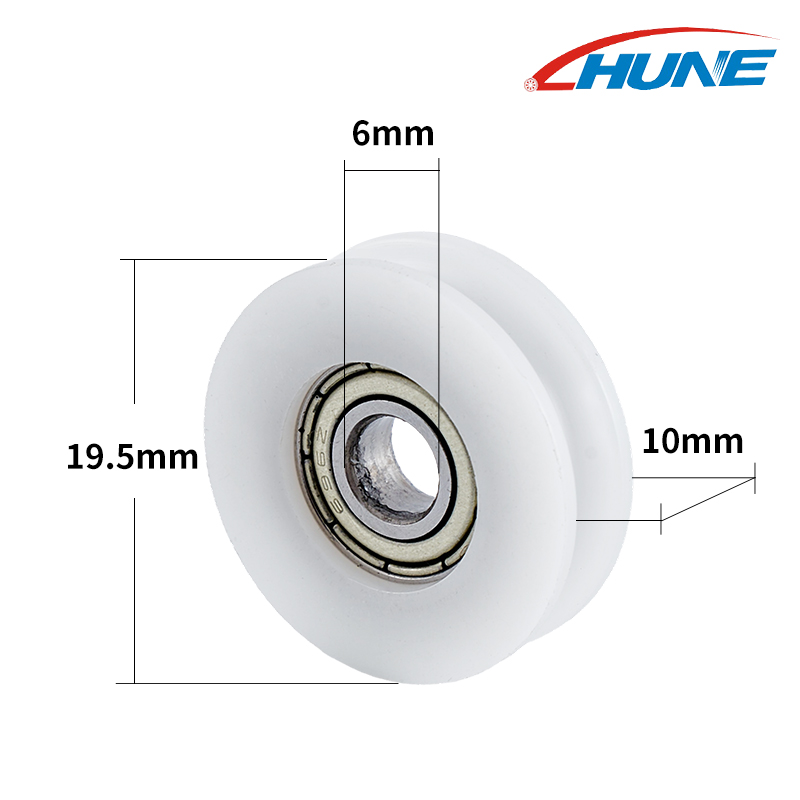
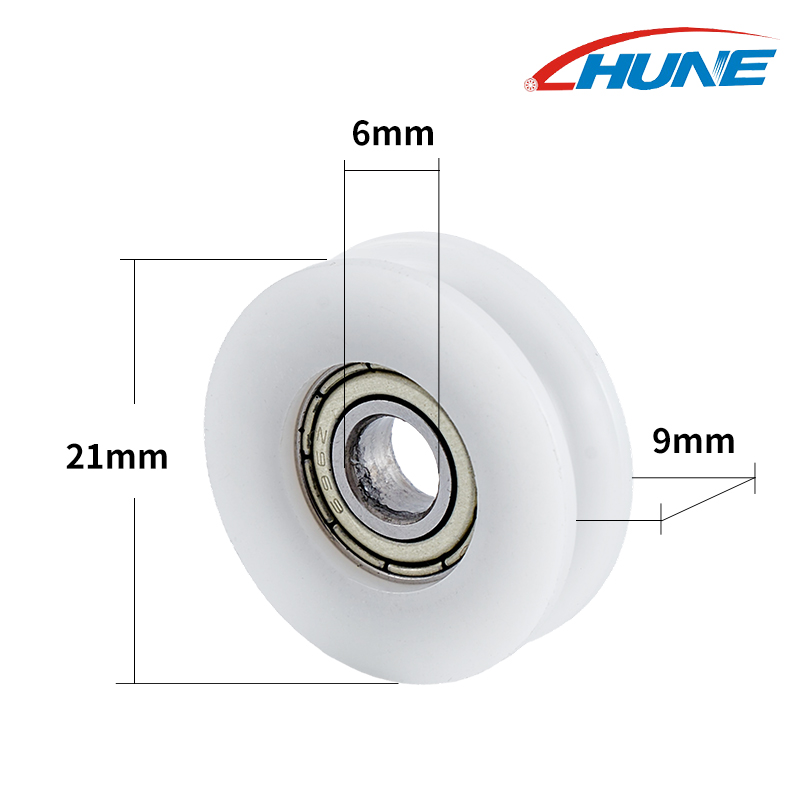
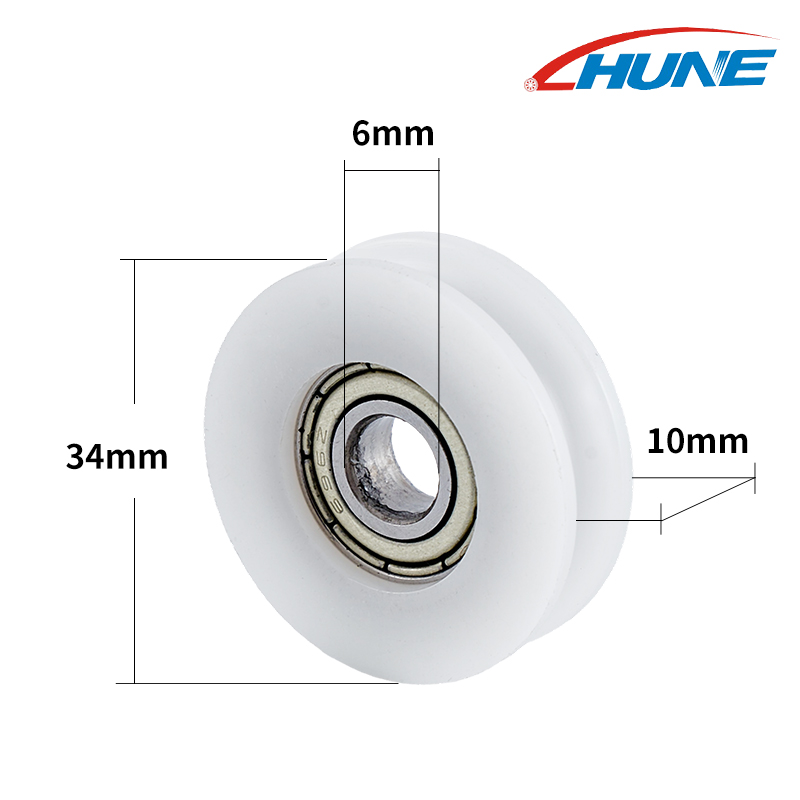
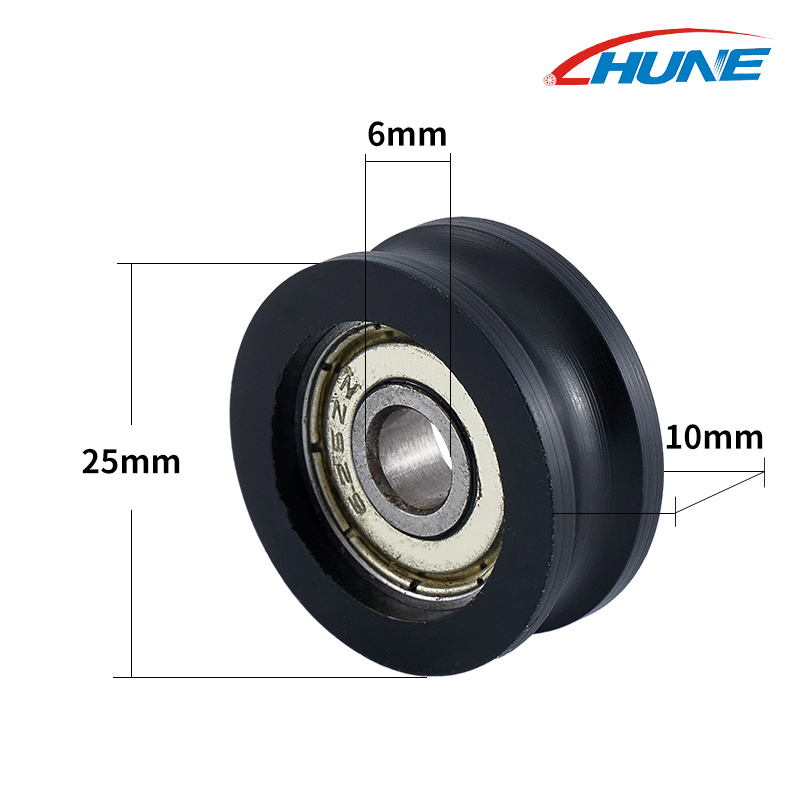
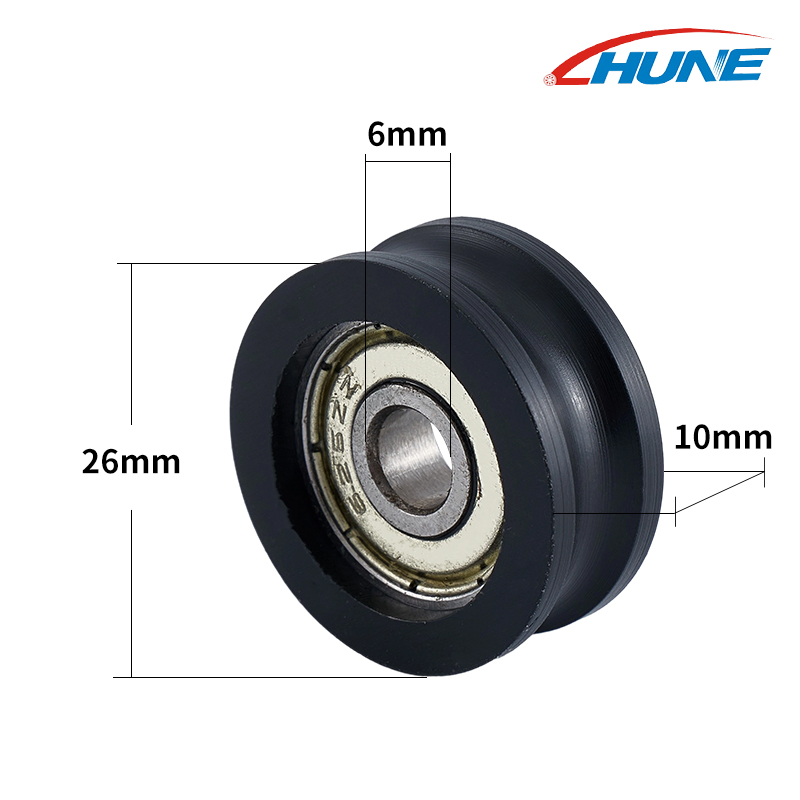
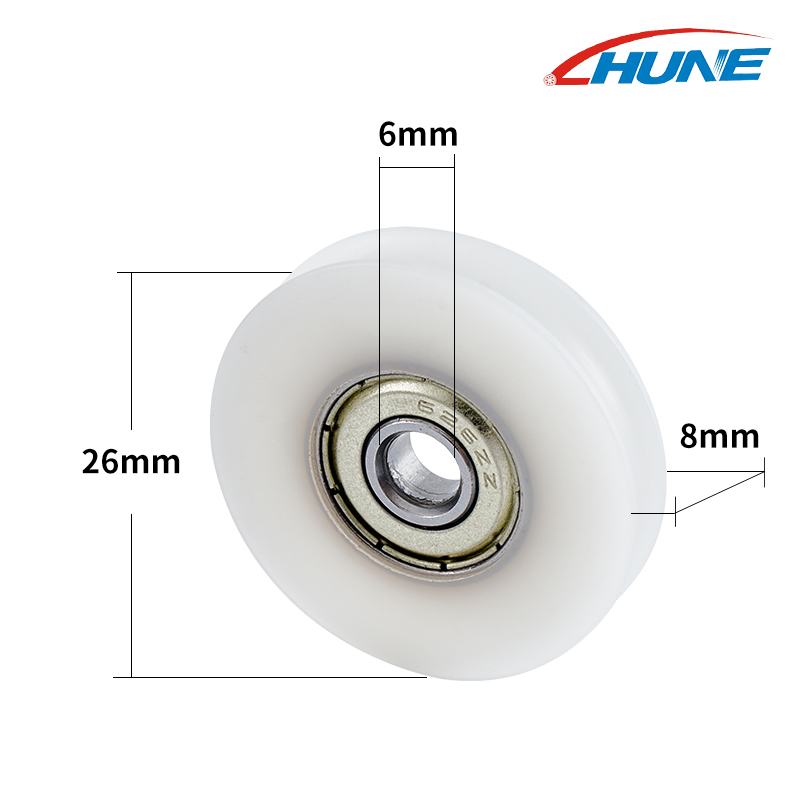
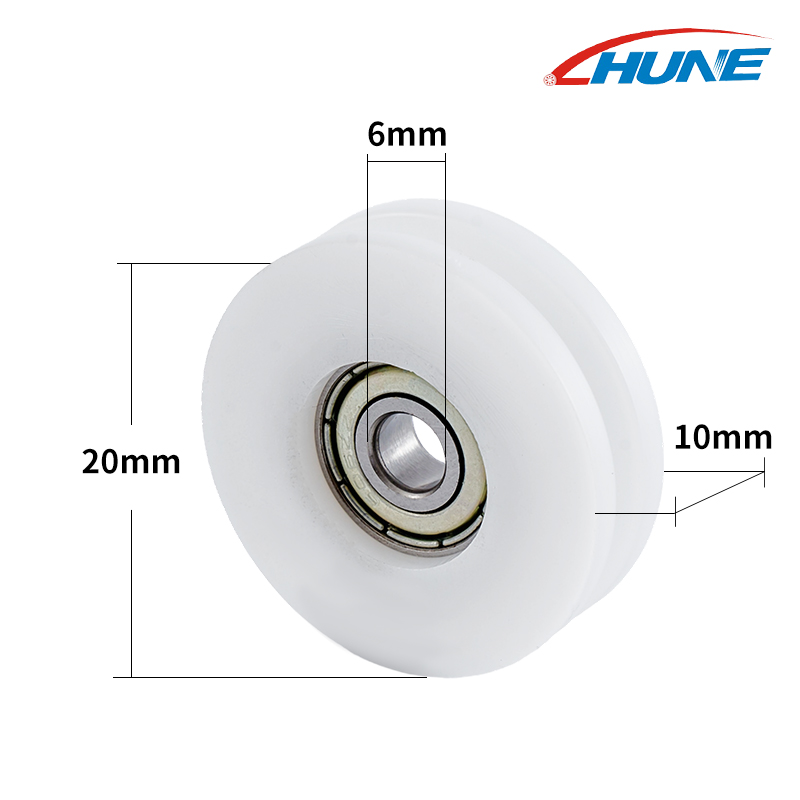
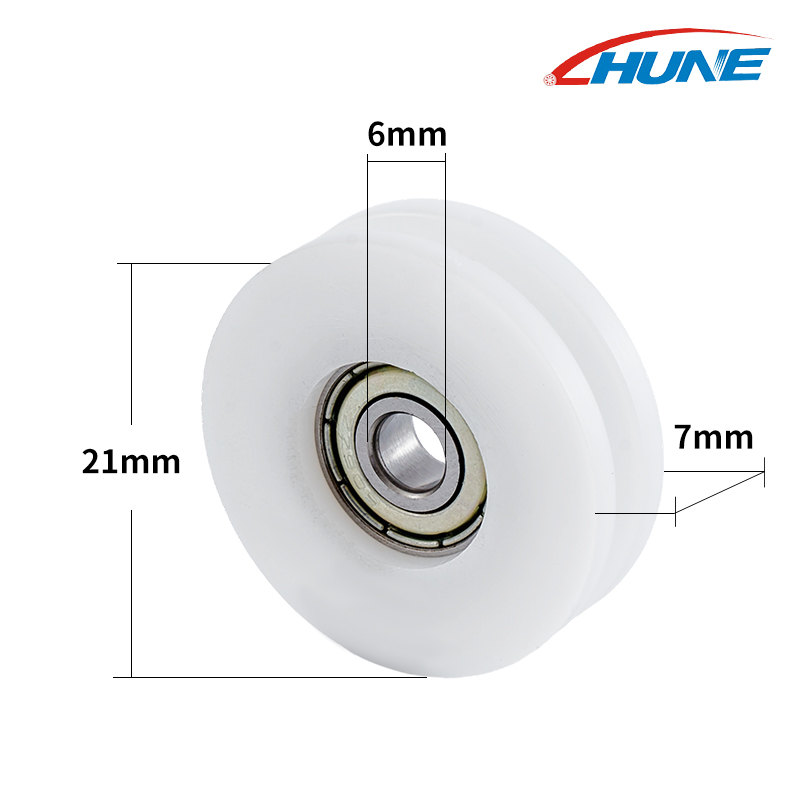
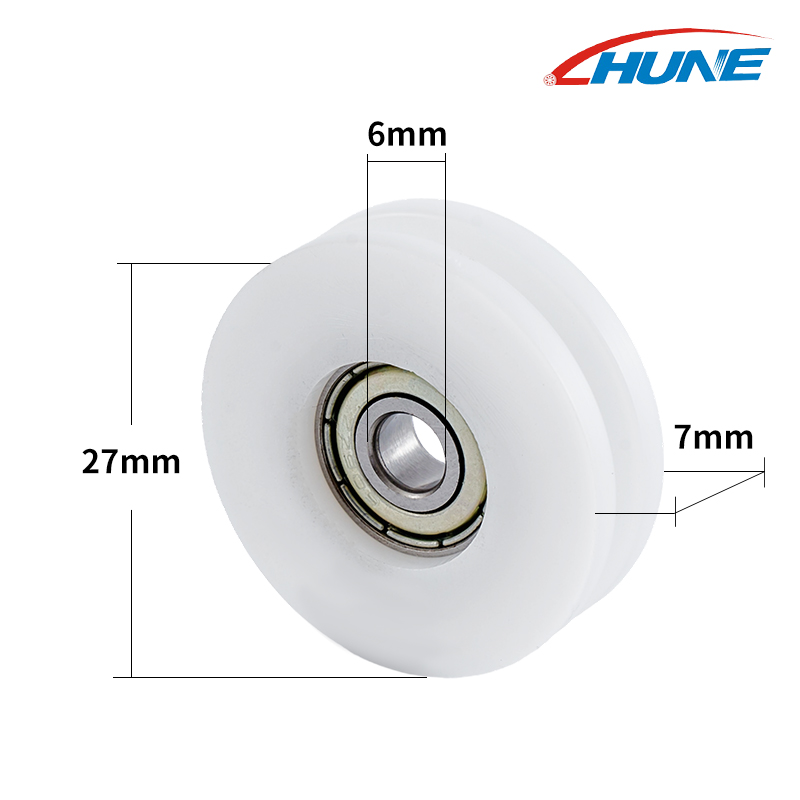
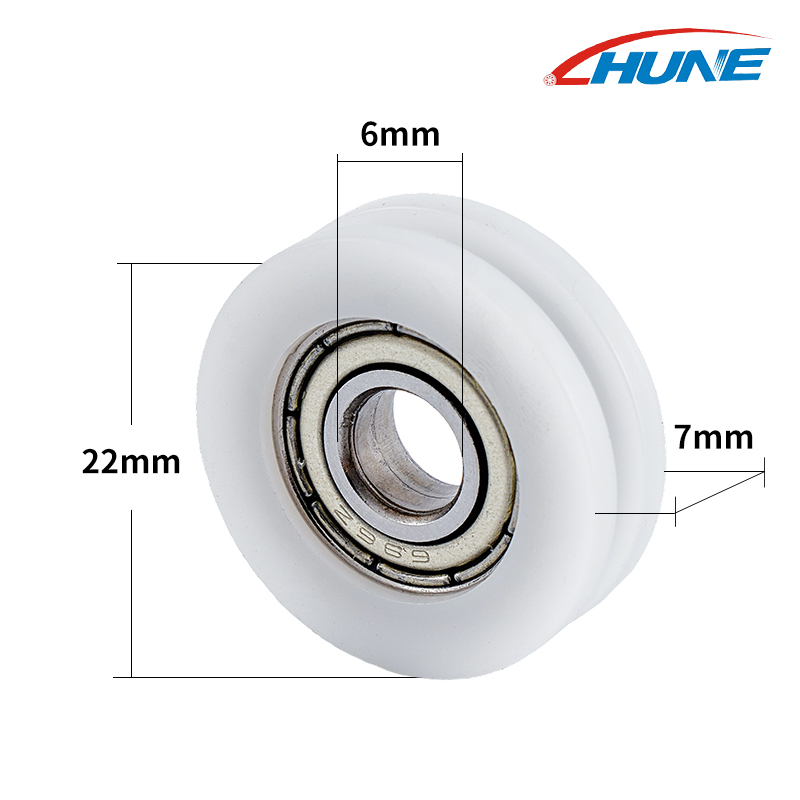
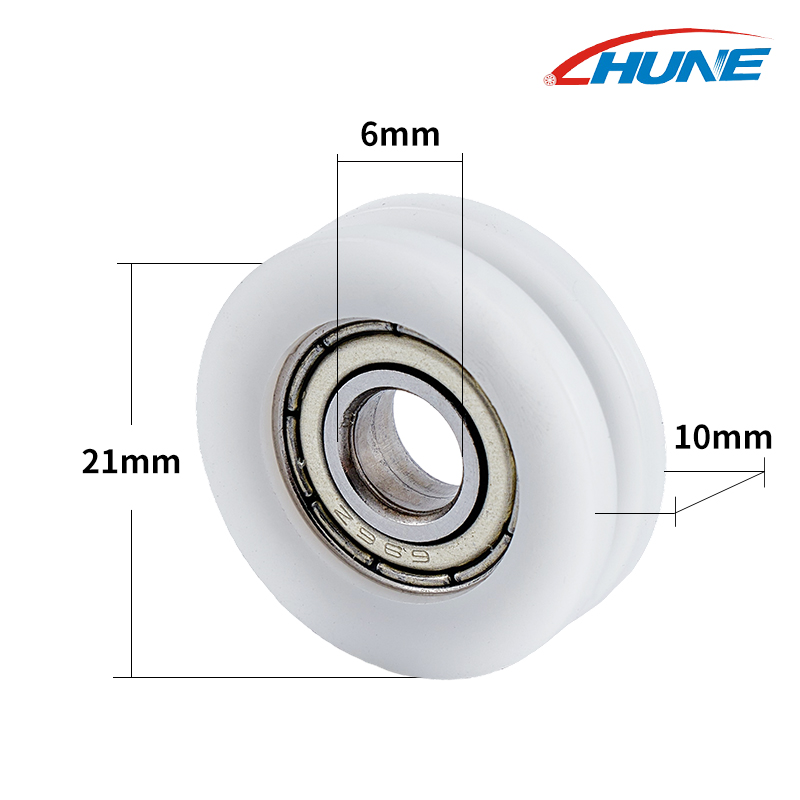
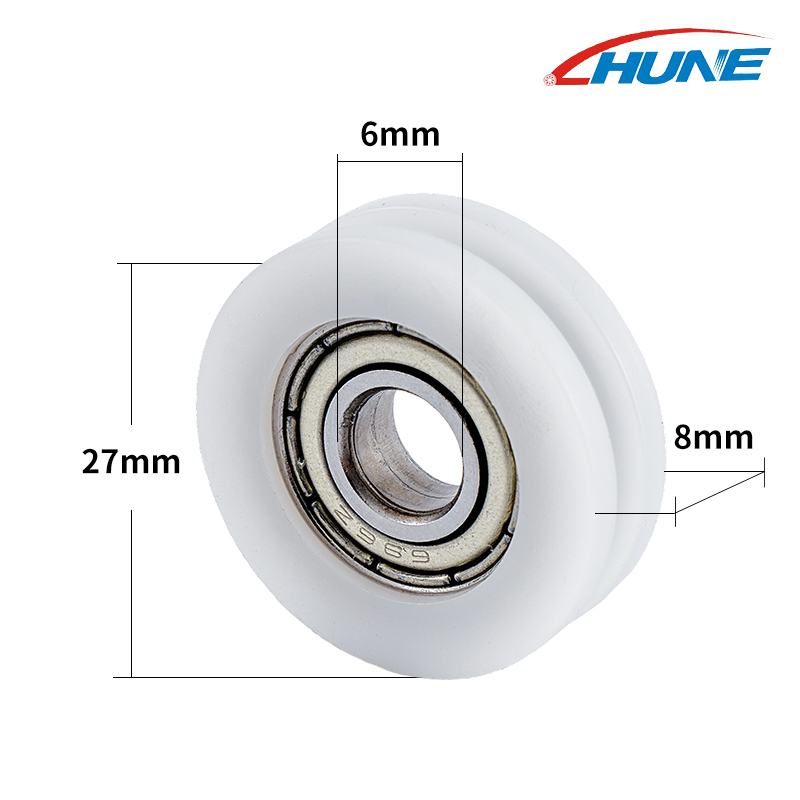
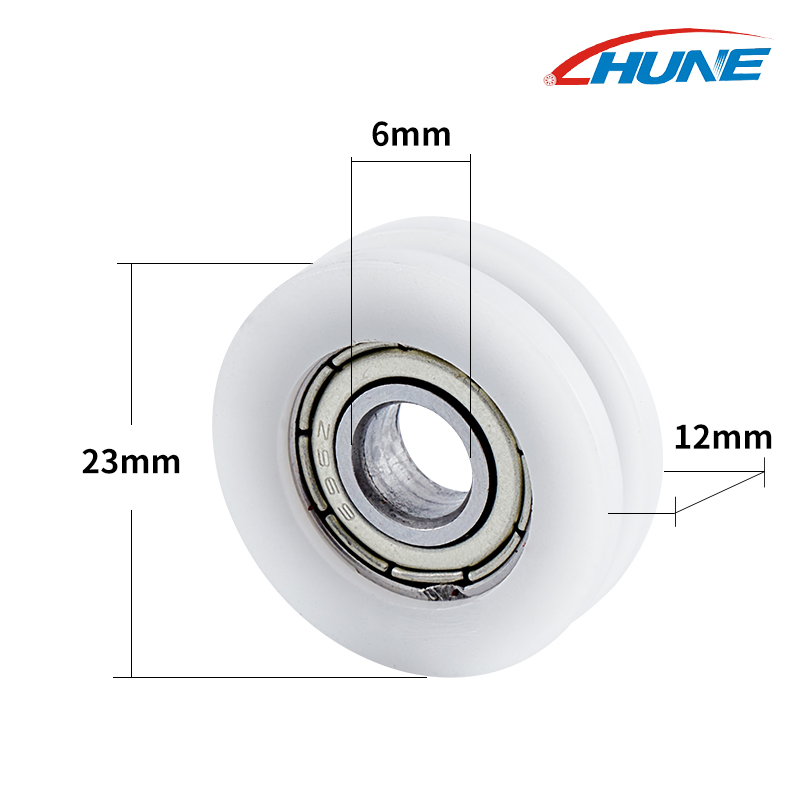
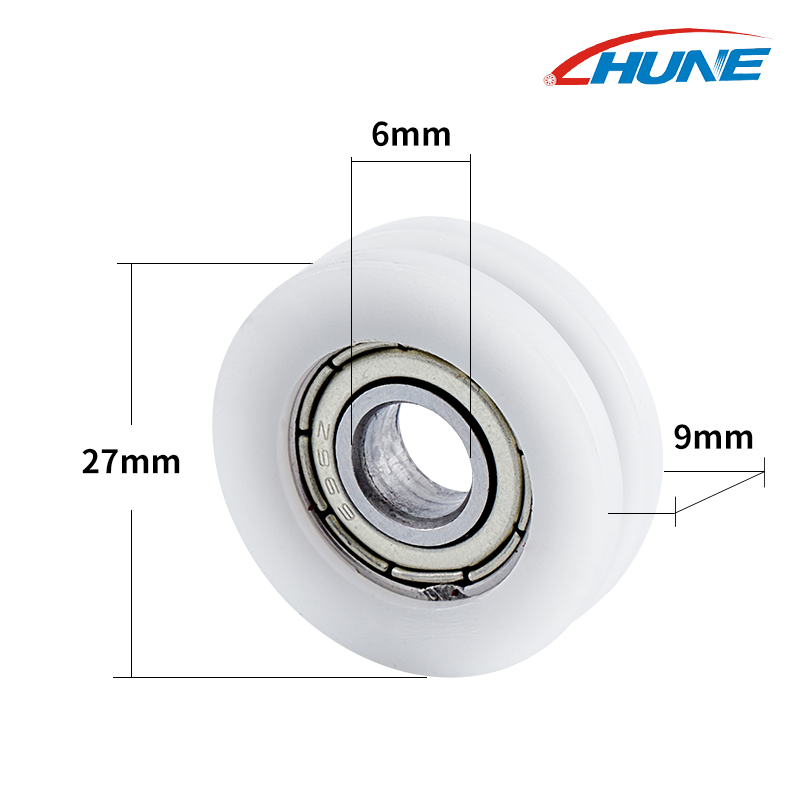
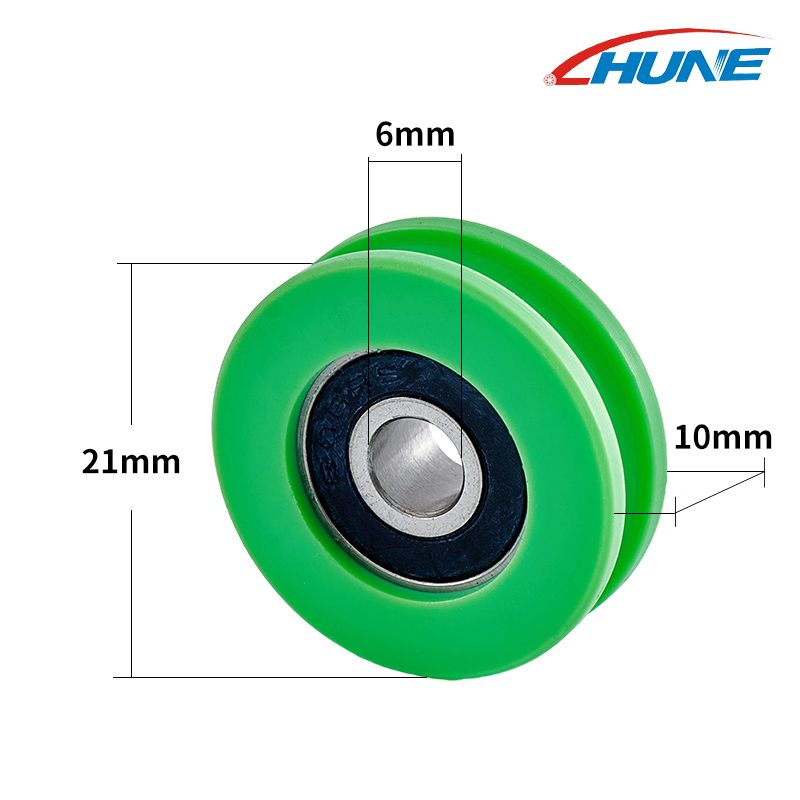
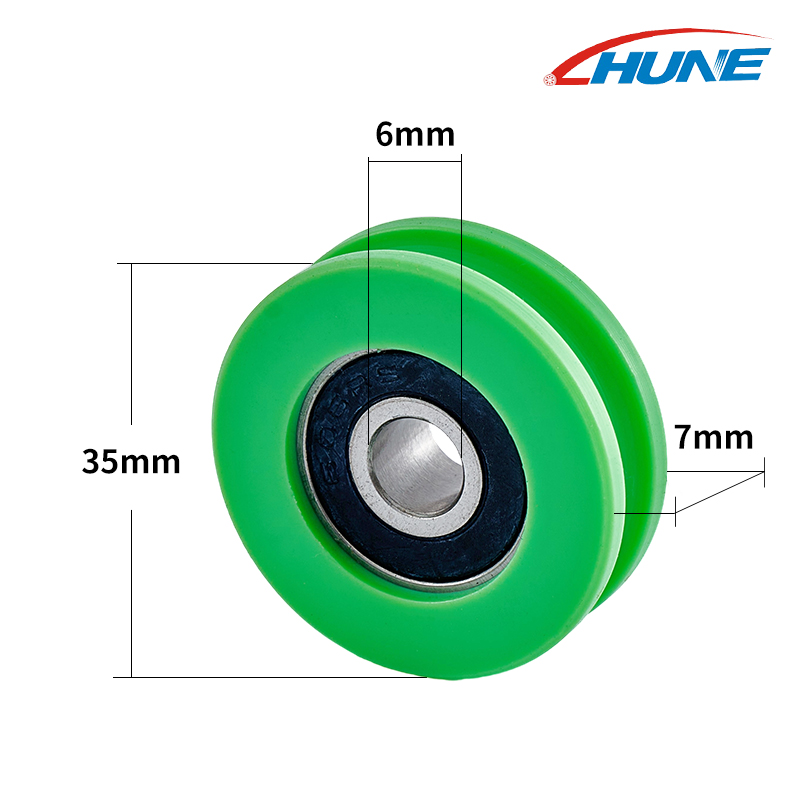
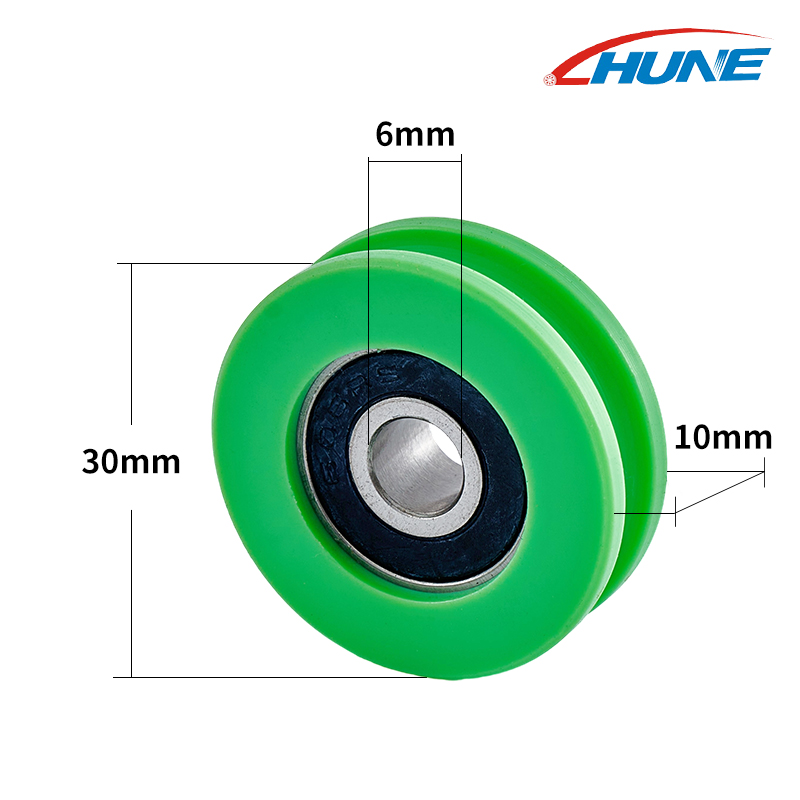
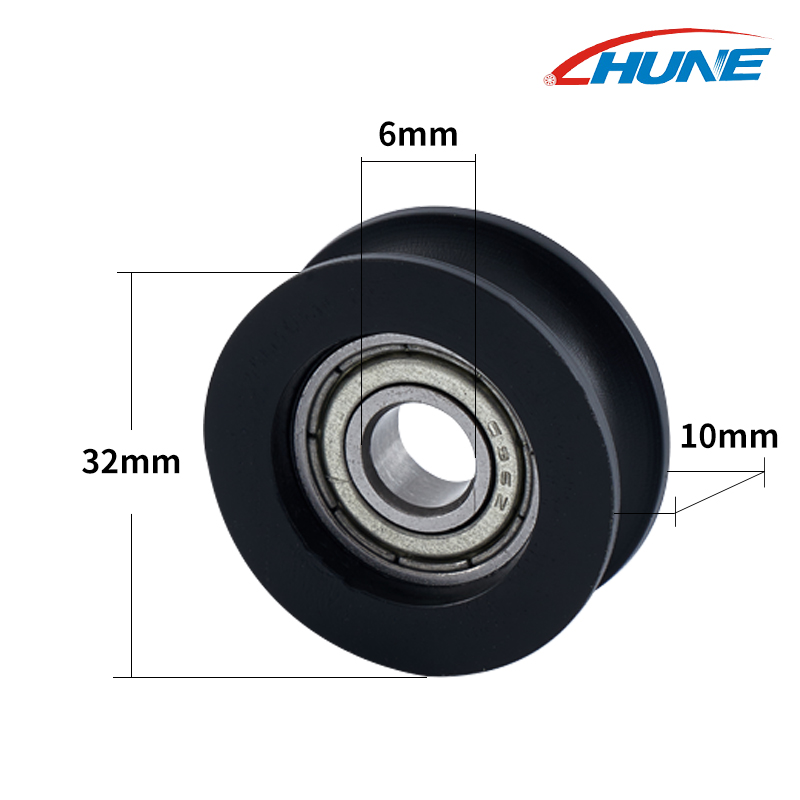
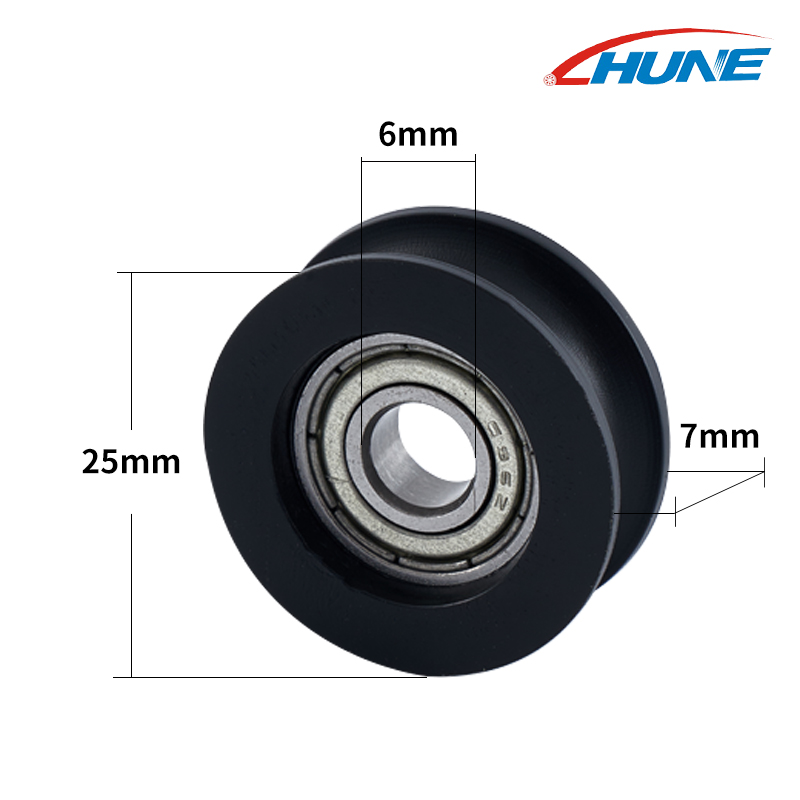
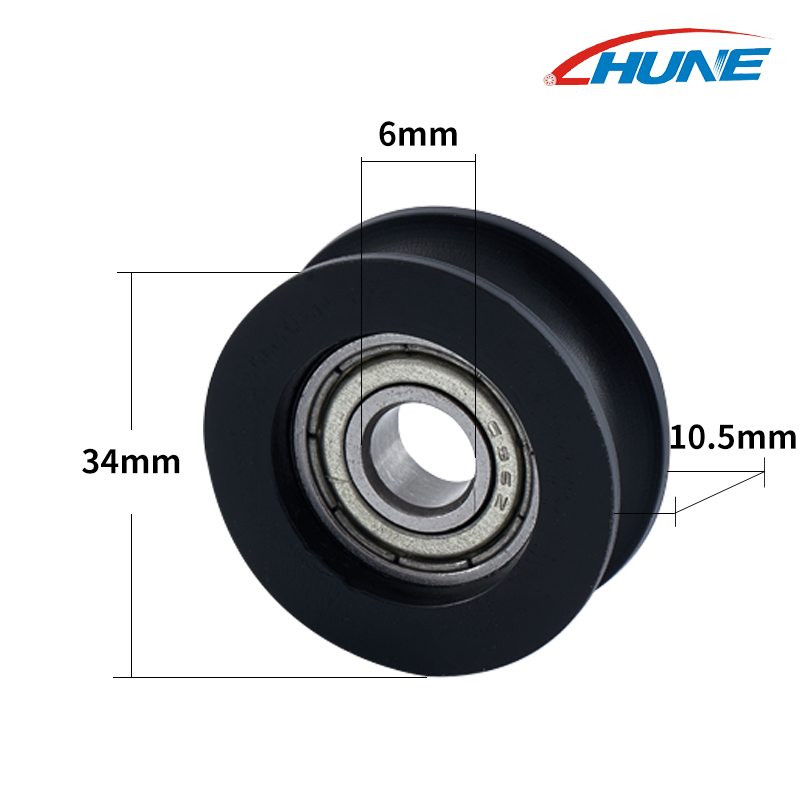
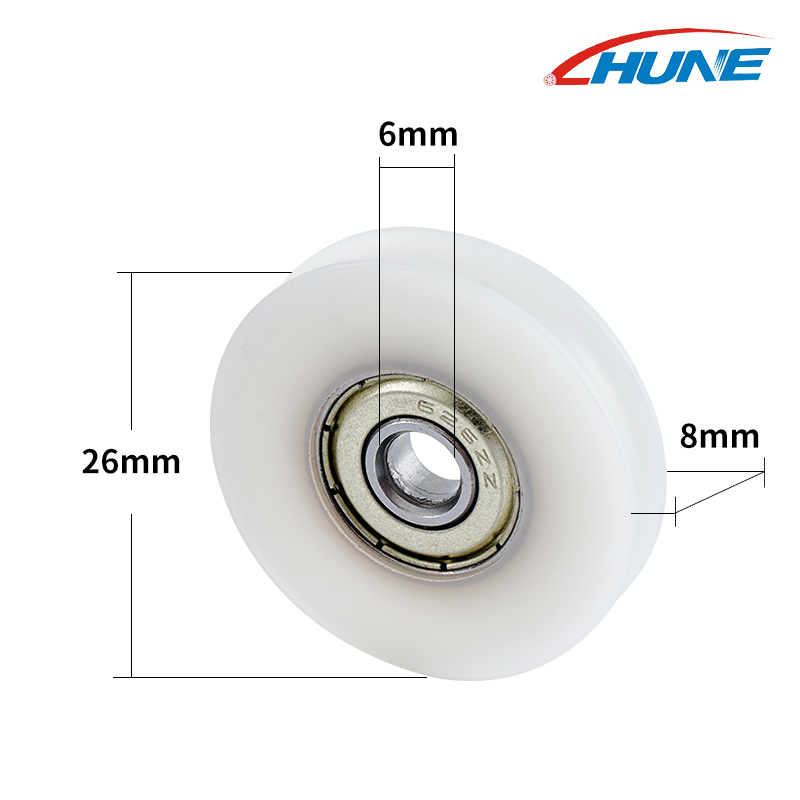
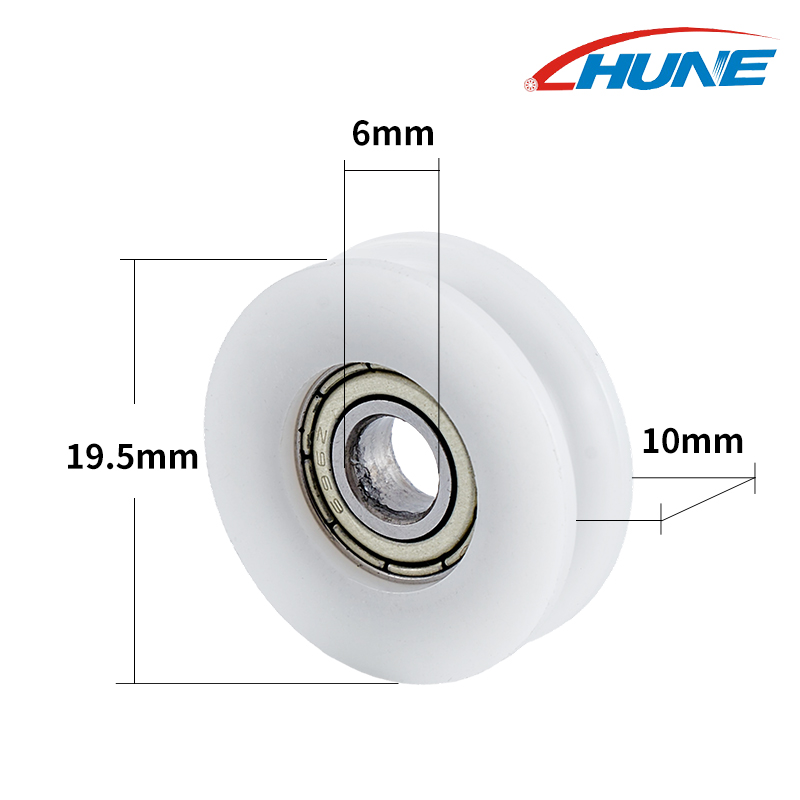
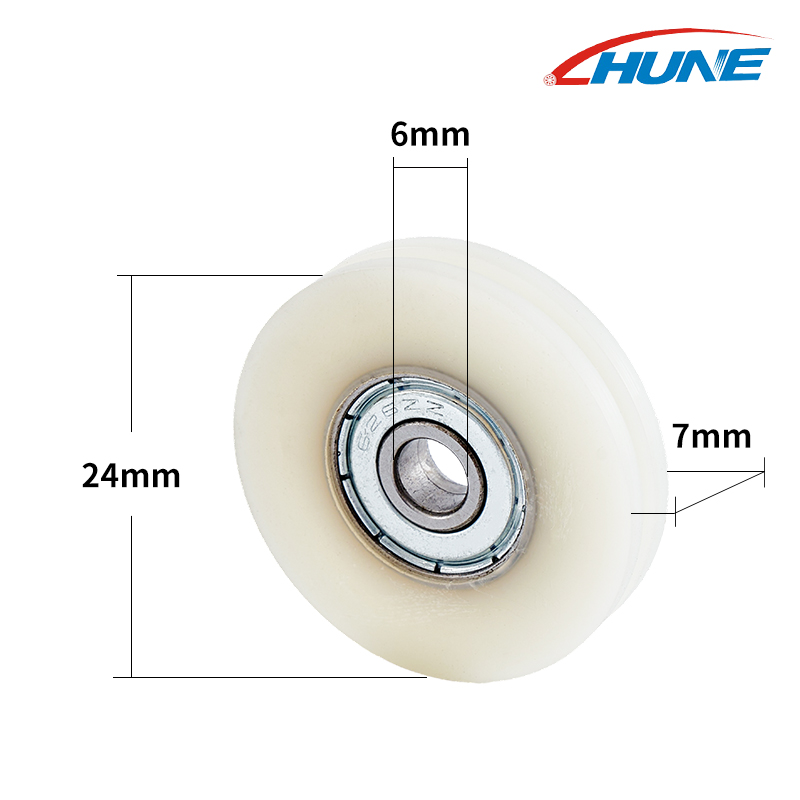
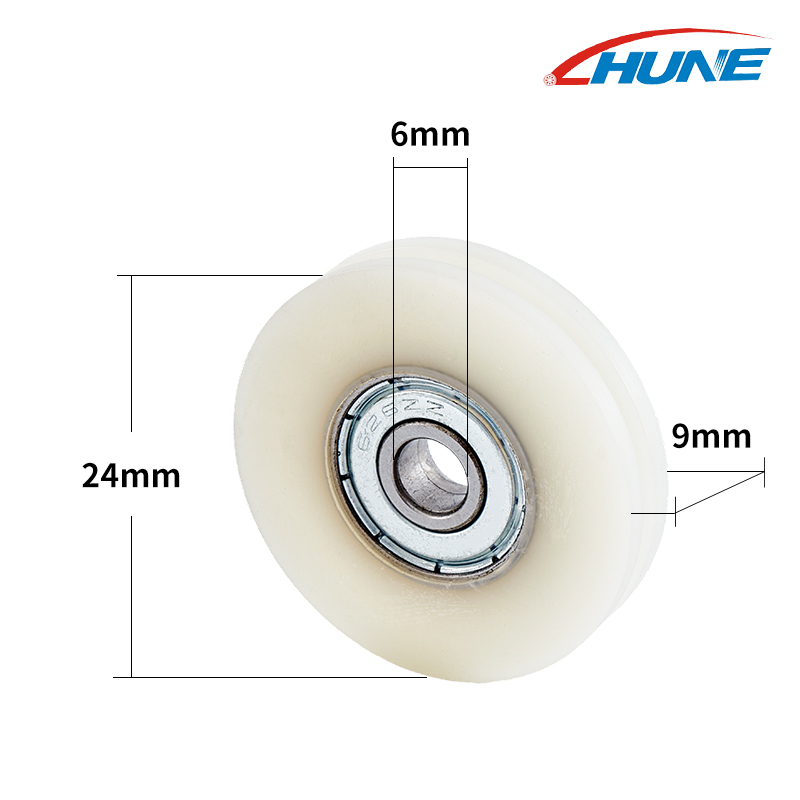
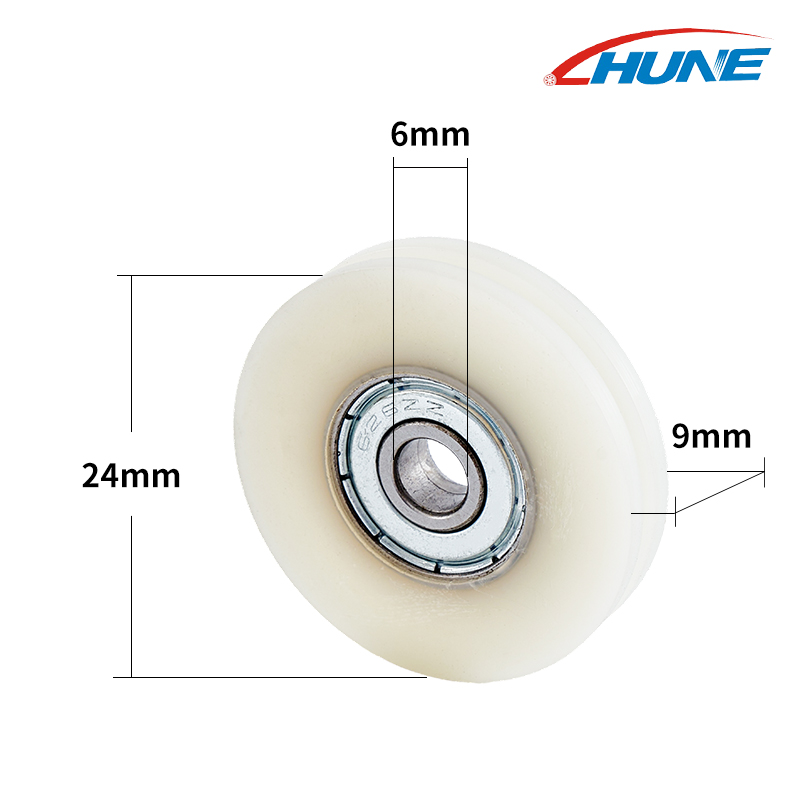
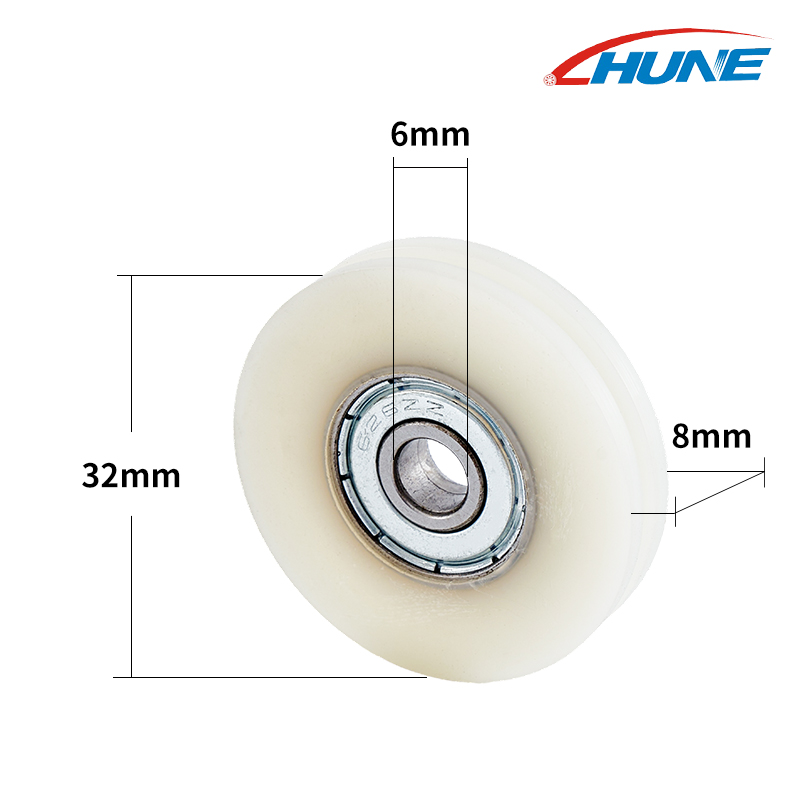
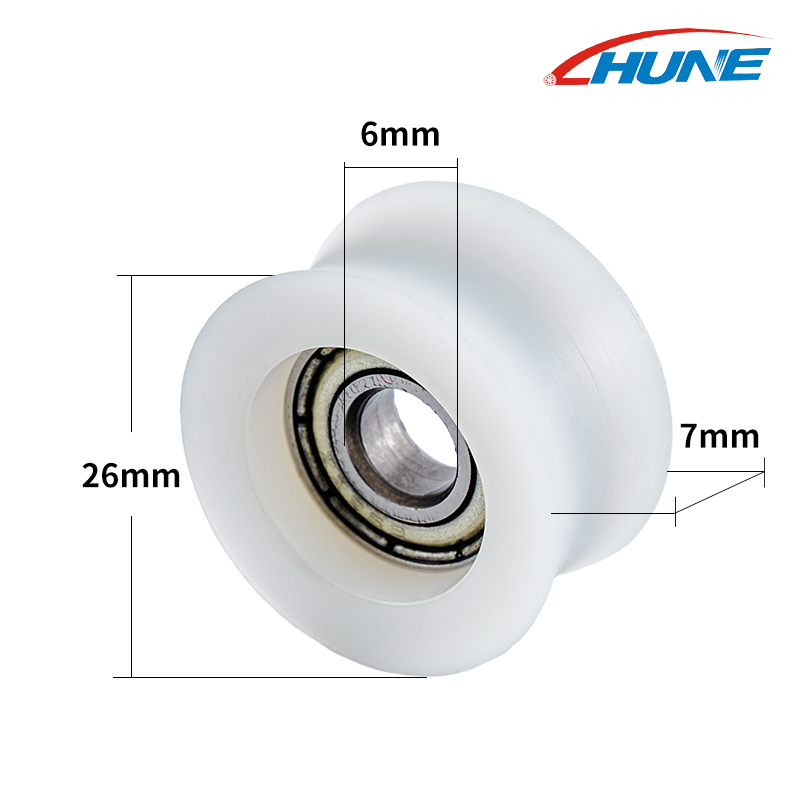
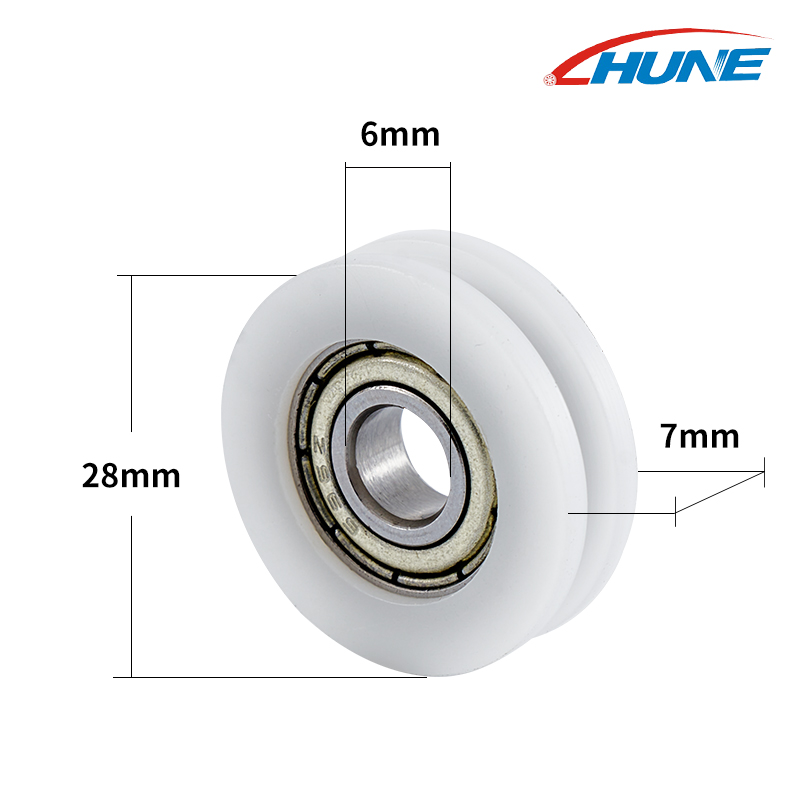
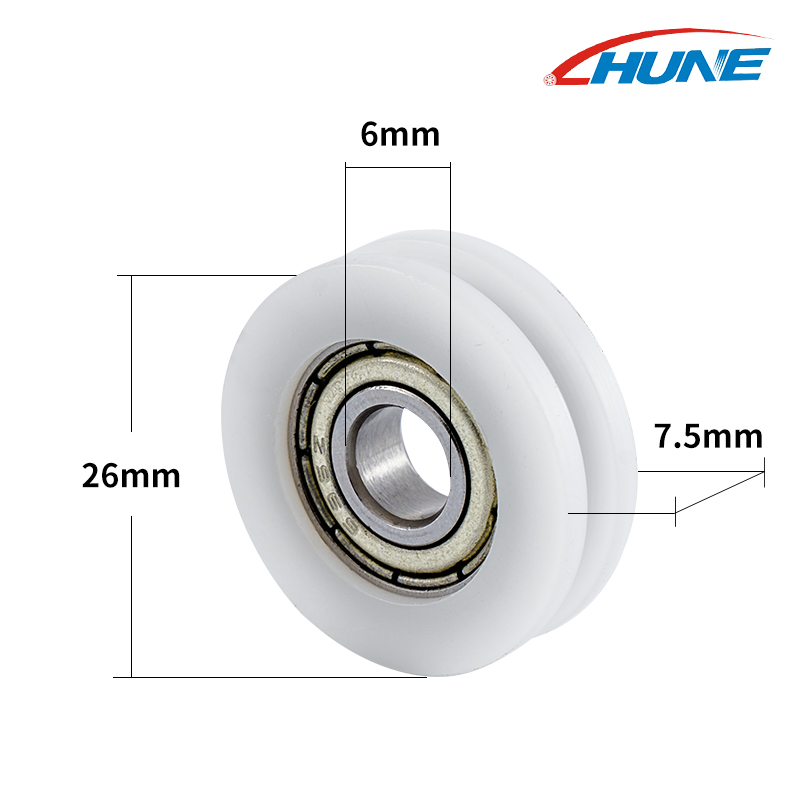
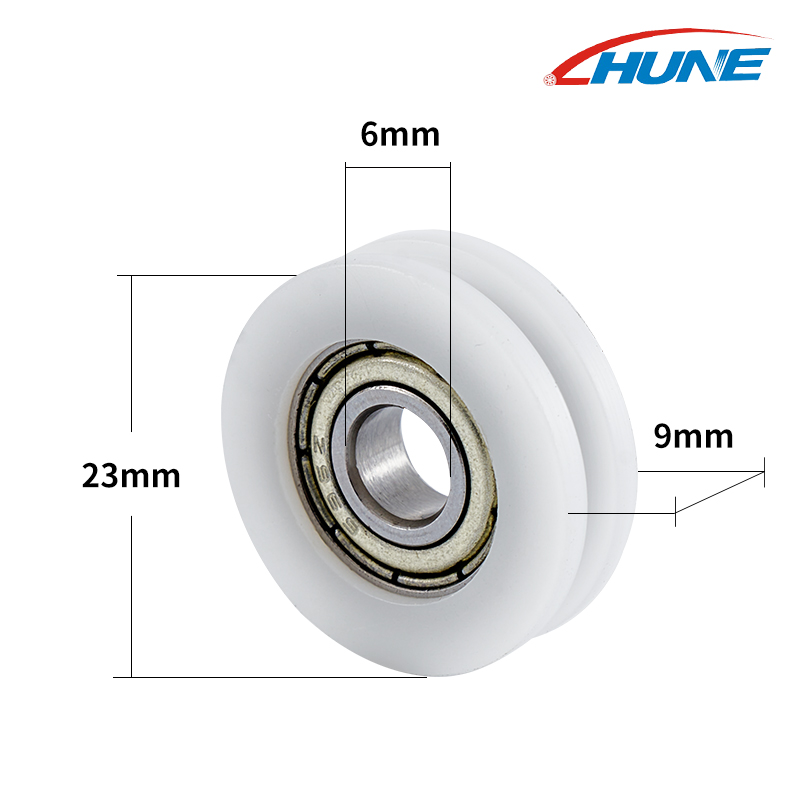
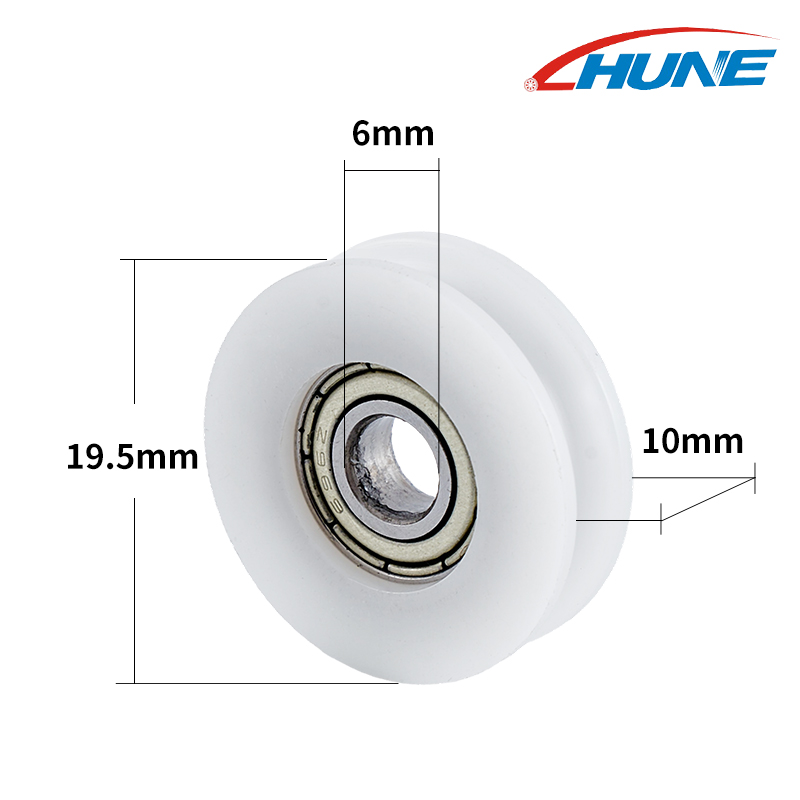
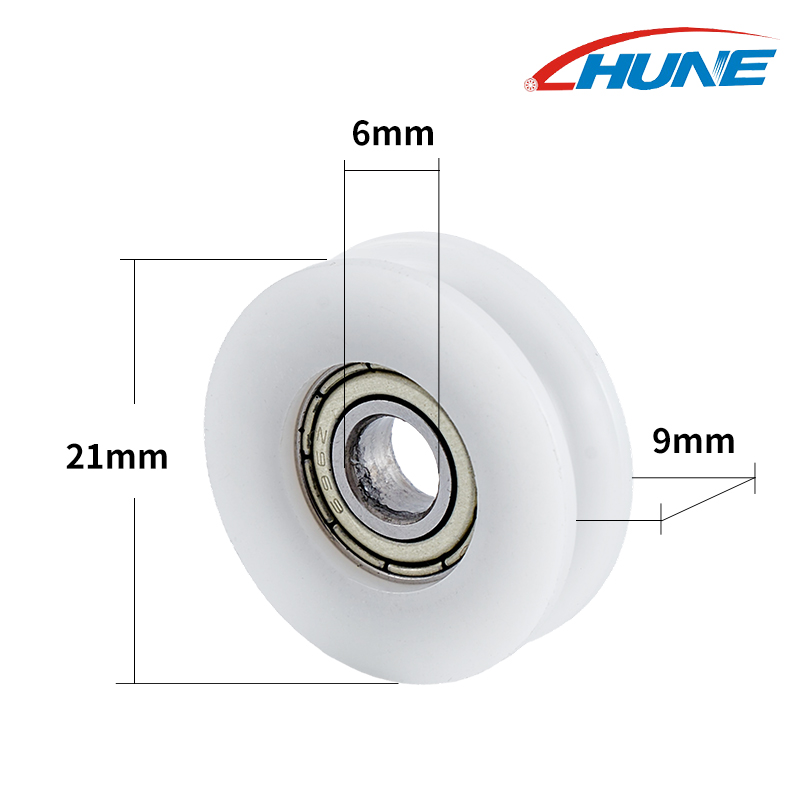
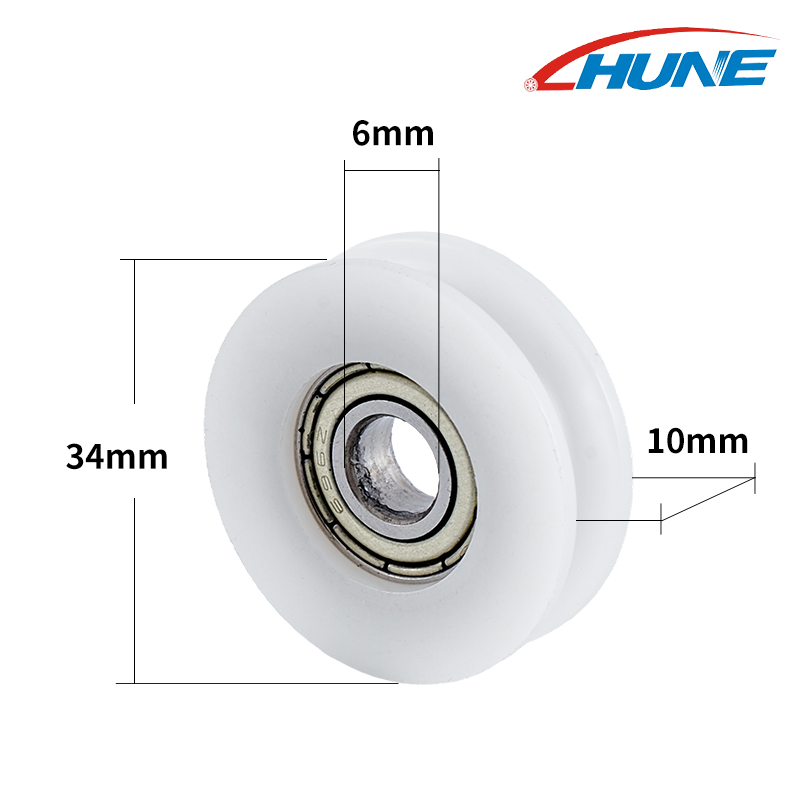
A compact 6mm bore bearing pulley roller is a bearing-supported wheel built around a nominal 6mm mounting bore. With a standard 626ZZ bearing, it can be developed for compatible furniture tracks, curtain rails, small guide assemblies, DIY fixtures, and selected automation layouts. The bearing reduces resistance at the axle; the outer wheel provides the application-specific running surface.
What Is a 6mm Bore Bearing Pulley Roller?
What Is a 6mm Bore Bearing Pulley Roller?
It is a compact wheel whose bearing has a nominal 6mm inner diameter. The wheel rotates around a correctly sized and supported axle while its outer profile contacts a matching guide surface.

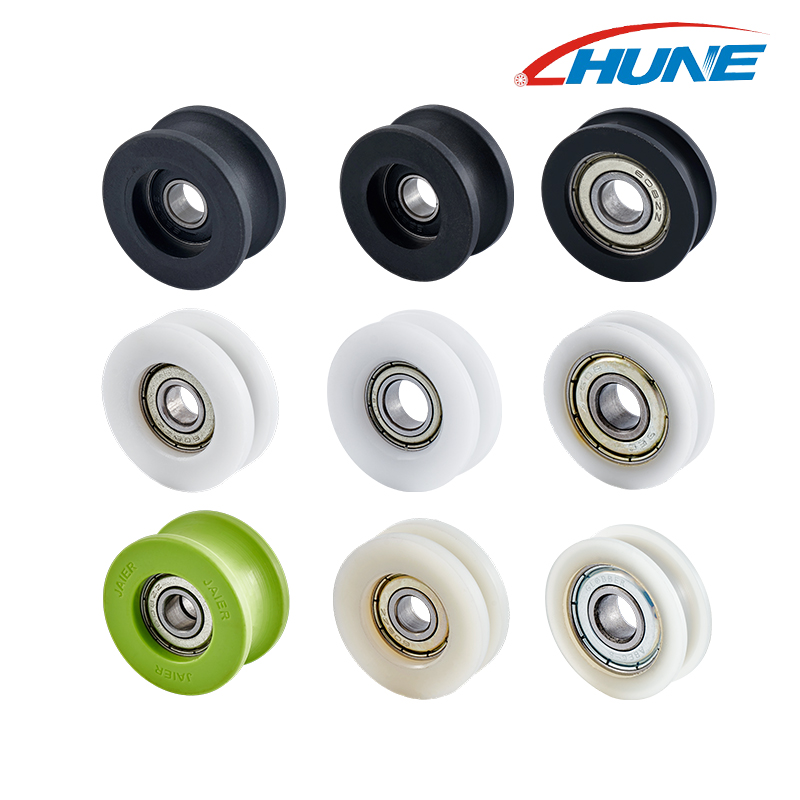
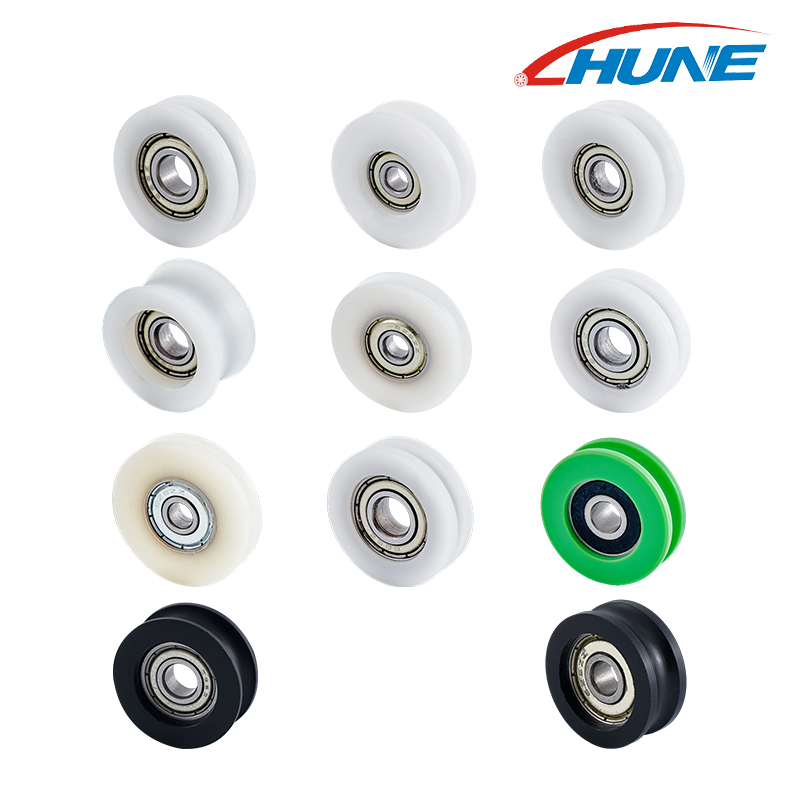
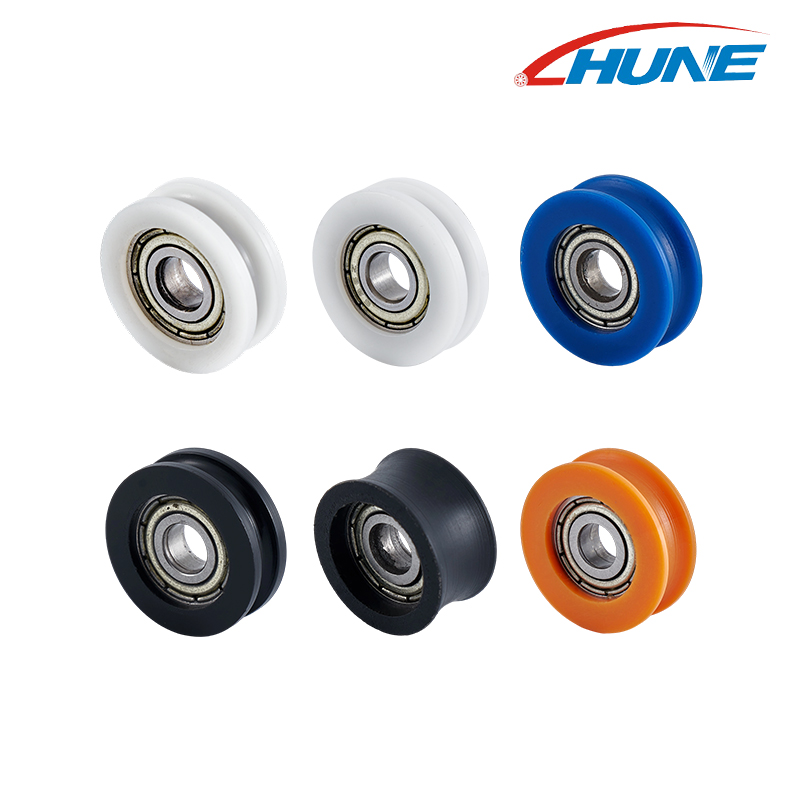
A configuration may include a nylon, POM, PU-coated, or rubber-coated wheel; a U-shaped or custom groove; a 626ZZ bearing; and a spacer or bracket. A 625ZZ bearing is a different nominal-bore option, not a standard 6mm-bore substitute.
Why the 6mm Bore Size Is Common
A 6mm bore can suit compact axle and shoulder-bolt arrangements used in furniture mechanisms, aluminum extrusion fixtures, and small guide frames. It provides a defined mounting size without requiring a large wheel.
The important check is the bearing's running support surface. A 6mm rod or correctly dimensioned shoulder may fit the application, while the threaded portion of an M6 bolt may not provide the required fit or support.
Bearing Selection: 625ZZ and 626ZZ Families
The bearing designation determines more than its protective shields. A standard 625ZZ has a nominal 5mm bore; a standard 626ZZ has a nominal 6mm bore. They must be evaluated as separate wheel and axle designs.
Both use metal shields on each side. These help limit some particle entry but do not eliminate the need for track cleaning or provide waterproof protection. Bearing selection also depends on load, shaft support, alignment, lubrication, speed, and temperature.
How Wheel Material Changes Roller Behavior
The running surface affects contact behavior, but its performance must be checked with the mating part.
| Wheel material |
Potential characteristic |
Key application check |
| Nylon |
Tough non-metallic contact |
Grade, humidity, and wear |
| POM |
Consistent shaped profile |
Load and track fit |
| Rubber-Coated |
Compliant contact and grip |
Deformation and coating retention |
| PU-Coated |
Compliant rolling surface |
Hardness, wear, and temperature |
| Engineering Plastic |
Grade-specific behavior |
Full material specification |
A softer wheel may moderate hard-contact noise, but it can also deform under load. The right choice depends on the rail or line, not a general ranking of materials.
Groove Profile and Track Matching
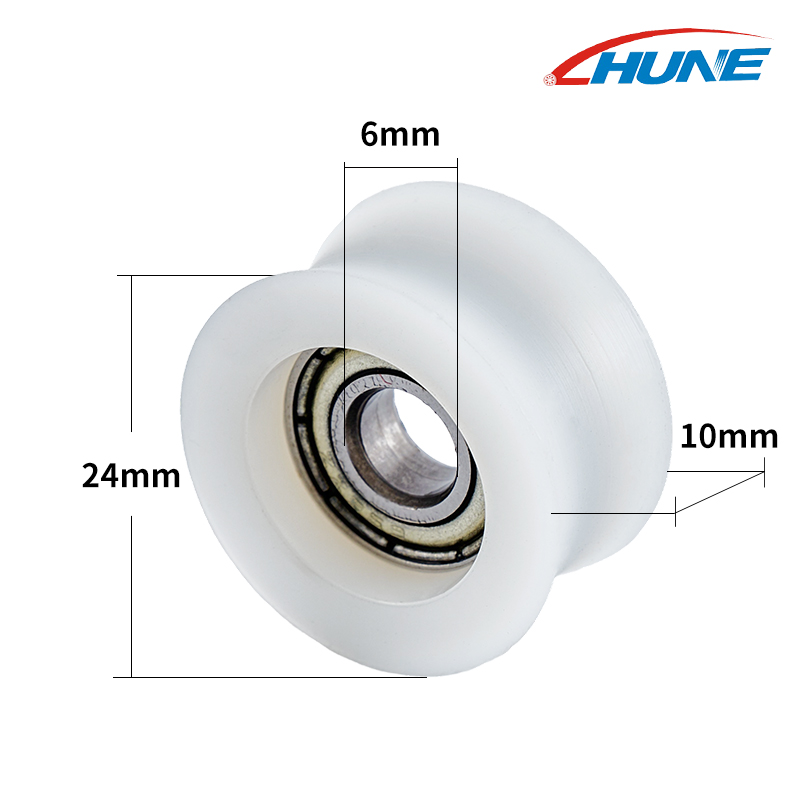
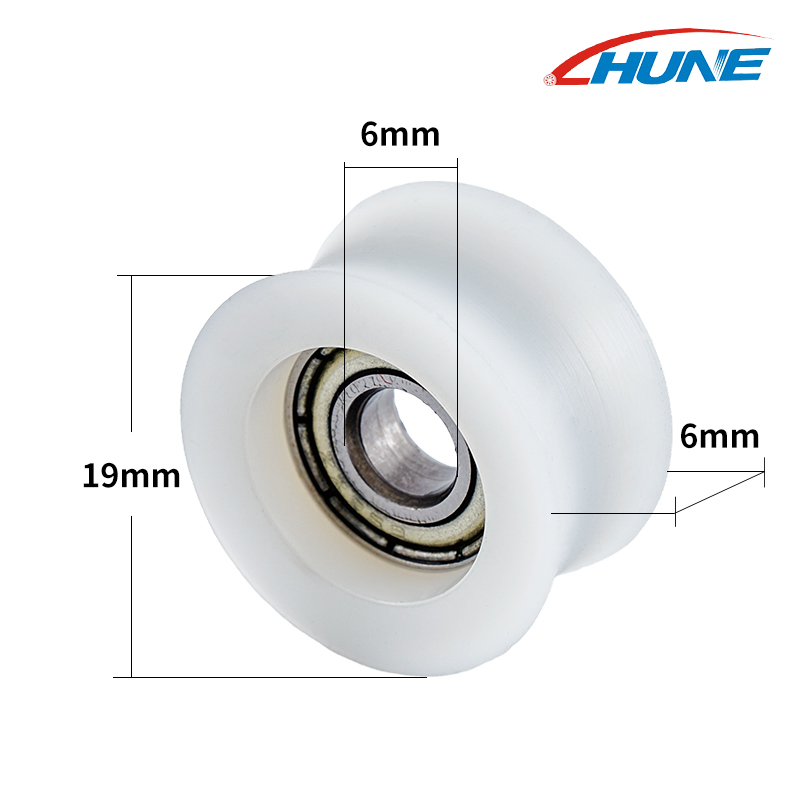
A U groove can locate a compatible round or convex guide surface. Its width, depth, and contact radius determine whether the wheel runs on the intended faces or rubs at an edge.
Rigid rails and flexible cables require different checks. For a rail, measure its cross-section and running path. For a cable, assess line diameter, bend radius, tension, and abrasion. A groove that looks suitable in a photograph is not sufficient evidence of fit.
Load Guidance for Compact Rollers
A compact roller’s allowable load must be established for its complete assembly. The wheel, bearing, axle, bracket, and mating track can each limit performance.
Avoid treating 5–30kg per wheel as a general rating. Without a specified test method, speed, load direction, temperature, and service-life target, that figure cannot reliably describe a particular model. Obtain an approved rating or validate the roller under representative conditions.
Common Applications and Technical Roles
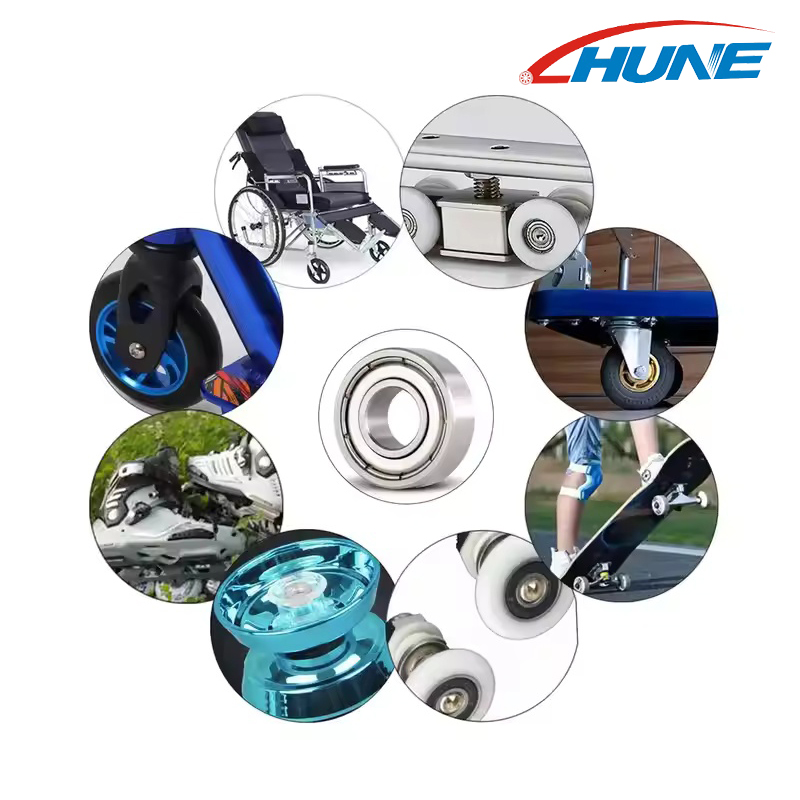
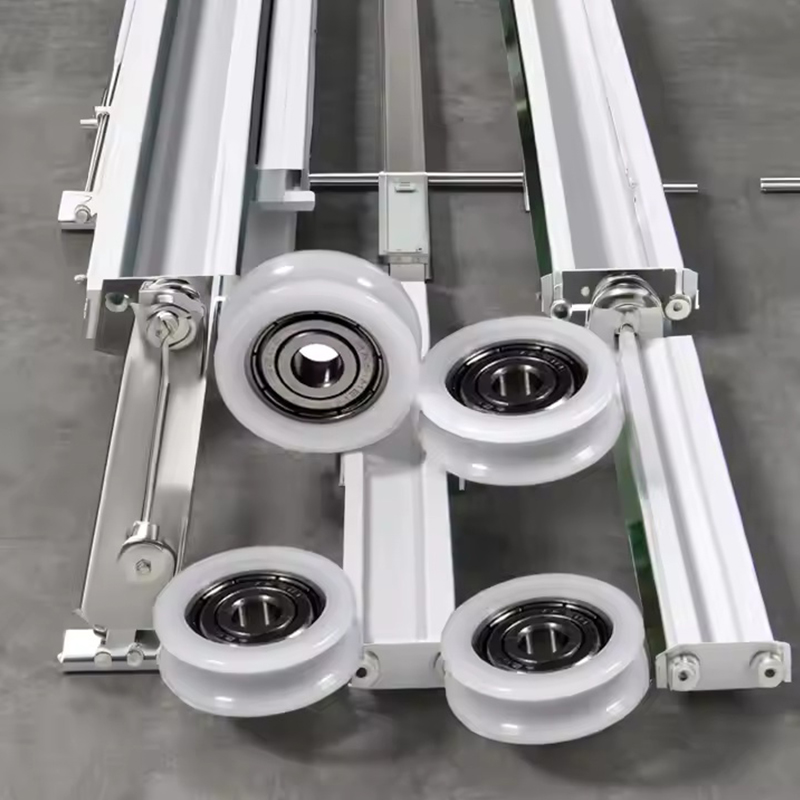
The same bearing-supported wheel concept can be adapted to several mechanisms, provided the contact and load requirements are checked separately.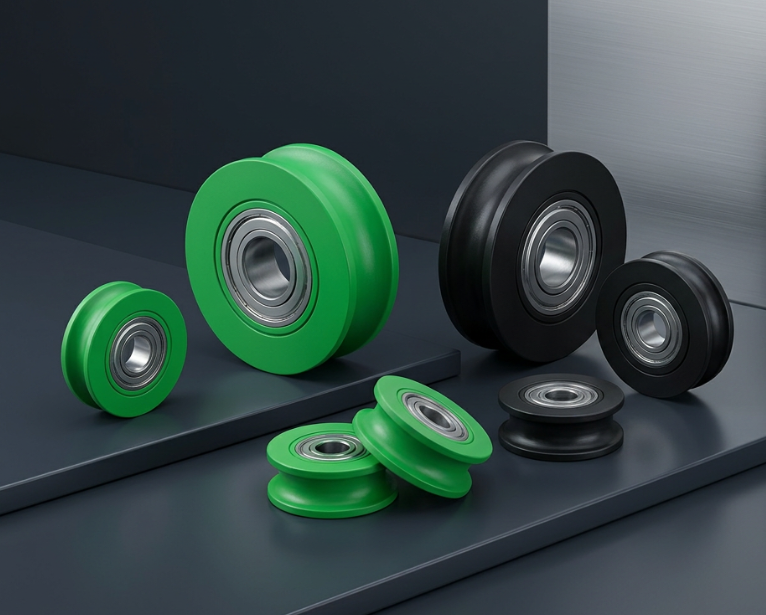
Furniture Sliding Systems
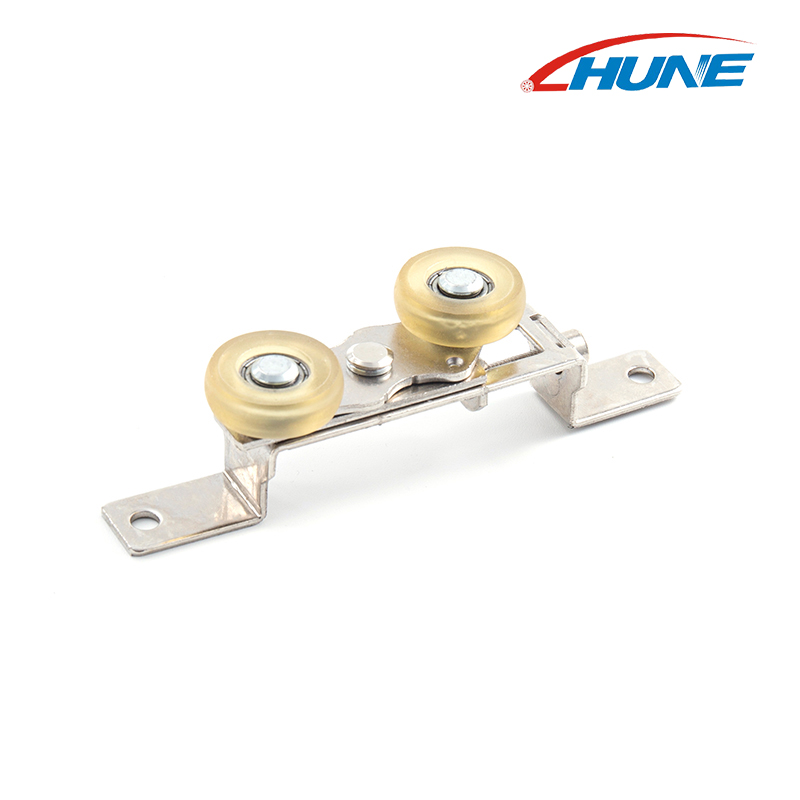
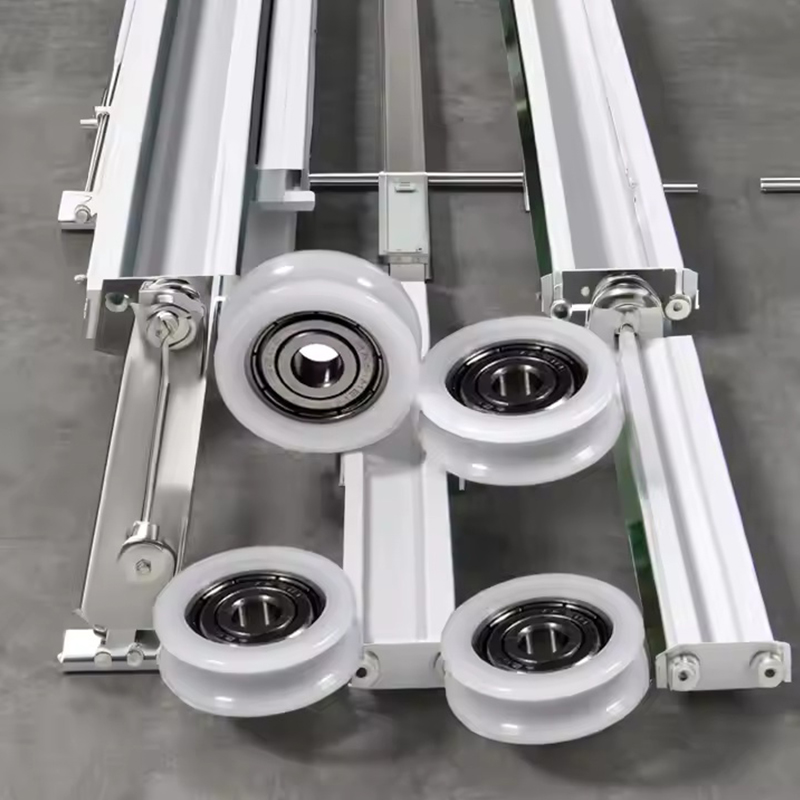
Cabinets, drawers, wardrobes, and partitions may use small rollers for support or guidance. Determine which role each roller performs before selecting it.
Curtain Rails and Display Tracks
Compact rollers may guide carriers or display panels along a matching rail. Joints, bends, and debris along the path should be included in testing.
3D Printer Idlers
An idler or guide wheel must match the belt, rail, or other part it contacts. A U-groove rail wheel should not be assumed suitable for a toothed belt.
Fitness Equipment
Cable-guiding parts require verified groove geometry, bearing duty, retention, and assembly strength. A general-purpose compact pulley is not a substitute for a validated fitness-equipment component.
Compact Conveyors
Selected conveyors may use a roller as an edge guide or idler when speed, duty cycle, rail geometry, and load are compatible.
DIY Linear Motion Builds
A 6mm-bore roller can be useful in prototypes with a suitable axle, bracket, and track. Prototype testing should include full travel under the intended load.
Selection Guide for 6mm Bore Pulley Rollers
Start with the mating track or line, then confirm the bearing and mounting. The smallest dimension is not necessarily the most important one.
| Selection factor |
Why it matters |
Technical checkpoint |
| Bore and Bearing |
Determine axle fit |
Confirm standard 626ZZ for nominal 6mm bore |
| Outer Diameter |
Affects installed height |
Check available space |
| Wheel Width |
Affects side clearance |
Include spacer and bracket |
| Wheel Material |
Affects contact behavior |
Specify grade or coating |
| Groove Profile |
Determines guidance |
Measure rail or line |
| Load and Side Force |
Affect component duty |
Check load path and alignment |
| Speed and Temperature |
Affect material and bearing |
Define operating conditions |
| Environment |
Affects contamination and corrosion |
Review dust, moisture, and cleaning |
| Mounting Method |
Affects free rotation |
Check axle and inner-ring support |
Selection is complete only after the mounted roller has been tested through its intended travel.
Installation Notes
Inspect the bearing and wheel before mounting. Clean the track, remove bracket burrs, and confirm that the groove matches its mating part.
Fit the bearing on the specified axle and use the intended spacer arrangement. Secure the fastener without clamping the rotating wheel. Then test the full path under working load, checking for side rubbing, clicking, tight spots, and changes in alignment. Reinspect after initial operation for concentrated wear marks.
Maintenance and Replacement Signals
Keep the running path clear of hard particles and fibers. Inspect the groove for deformation, cracks, and uneven wear; check the bearing for rough rotation and the bracket for looseness.
Replace the roller when confirmed damage affects guidance or movement. If the replacement develops the same wear pattern, investigate the track, alignment, load, and spacer arrangement rather than replacing another wheel immediately.
When Custom Rollers Are Needed
A custom U groove roller may be needed for a non-standard rail, restricted housing, different axle, specified coating hardness, or a defined color-coding system. Development can include wheel diameter and width, groove dimensions, nylon or POM grade, PU or rubber coating, bearing model, spacer, and mounting structure.
Provide a drawing or sample together with the mating rail or line dimensions, load, speed, temperature, environment, and intended service conditions. A worn sample is useful for understanding the assembly, but its damaged groove should not automatically be copied.
FAQ: Compact 6mm Bore Bearing Pulley Rollers
What is a compact 6mm bore bearing pulley roller?
It is a small bearing-supported wheel with a nominal 6mm bearing bore, developed to run on a compatible guide surface.
What shafts fit a 6mm bore pulley roller?
A correctly dimensioned 6mm axle or shoulder may fit. M6 hardware requires a separate check of its actual running surface, thread position, and mounting arrangement.
What bearing types are commonly used?
A standard 626ZZ is a nominal 6mm-bore, double-metal-shielded option. A standard 625ZZ has a nominal 5mm bore and requires a different mounting design.
What is a Nylon U Groove Pulley used for?
A Nylon U Groove Pulley can guide movement on a matching round or convex surface. Cable use requires a groove designed and checked for that specific line.
What is the difference between nylon, PU, and rubber-coated rollers?
Nylon provides a non-metallic structural wheel surface; PU and rubber coatings offer more compliant contact. Their actual wear, grip, and noise behavior depend on grade, hardness, load, and mating surface.
What load can a compact pulley roller handle?
There is no reliable universal load for this category. Capacity must be established for the specific wheel, bearing, axle, bracket, contact surface, and operating conditions; 5–30kg is not a verified general rating.
Why do shielded bearings matter?
Metal shields help limit some particles entering the bearing. They do not make it waterproof or prevent debris from collecting on the track.
What causes pulley roller noise?
Possible causes include debris, bearing roughness, groove mismatch, side rubbing, loose mounting, excessive load, and poor alignment.
How do I choose the right pulley roller?
Check the mating rail or line first, then confirm groove dimensions, bearing bore, axle fit, wheel material, load, speed, temperature, and installed clearance.
Can compact pulley rollers be customized?
Yes. Diameter, width, groove, material, coating, color, bearing, bore, and spacer arrangement can be developed from drawings, samples, and application data.
A compact 6mm bore bearing pulley roller is most effective when its 626ZZ bearing fits the axle, its groove matches the guided part, and its wheel remains free after mounting. For non-standard systems, Hune can develop U Shaped Pulley, Nylon U Groove Pulley, U Groove Pulley, 626ZZ Bearing Pulley, plastic roller wheel, nylon roller wheel, PU-coated roller, rubber-coated pulley roller, and custom U groove roller configurations against defined drawings and test conditions.





 English
 Español
 日本語
日本語


 +86-15058997617