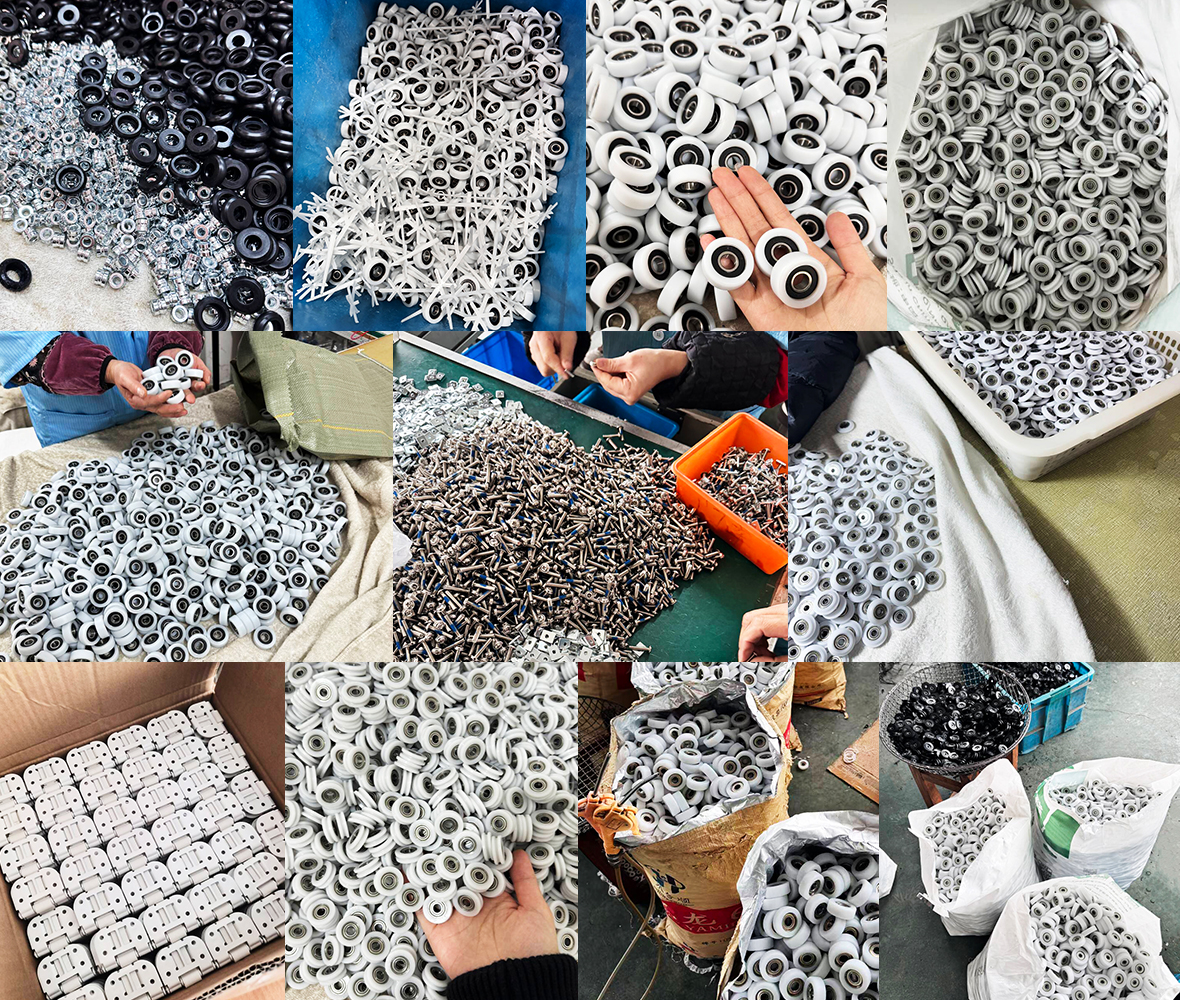
Industry Knowledge: How V-Shaped 626ZZ Bearing Pulleys Support Sliding Doors, Windows, and Guide Track Systems
A V-groove roller works well only when it contacts the rail where the designer intended. If its angle is wrong, the wheel may ride on an edge instead of its running faces. The bearing may still rotate, but the panel can become noisy, unstable, or difficult to move.
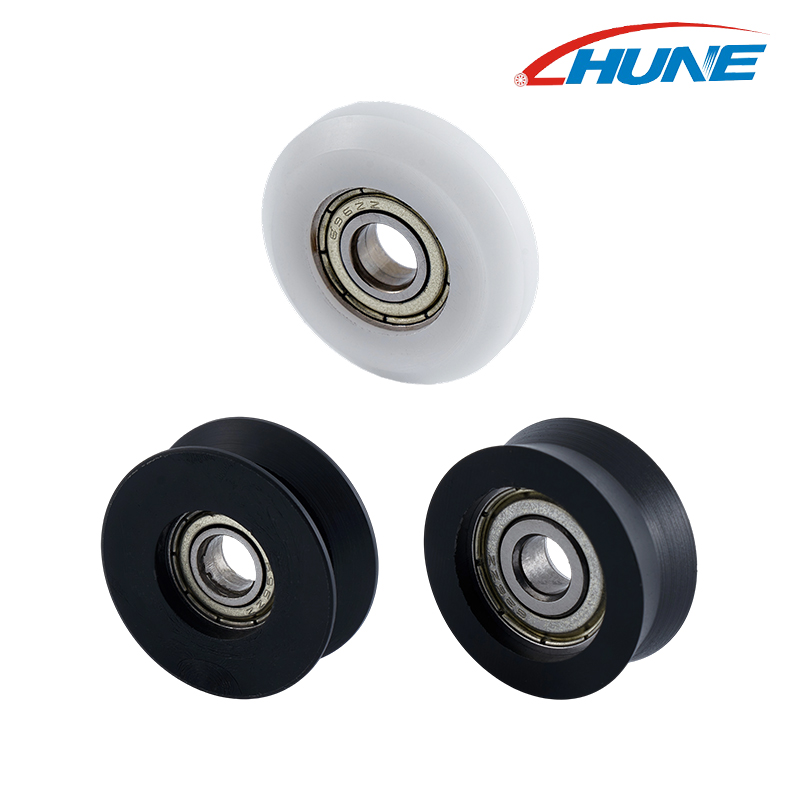
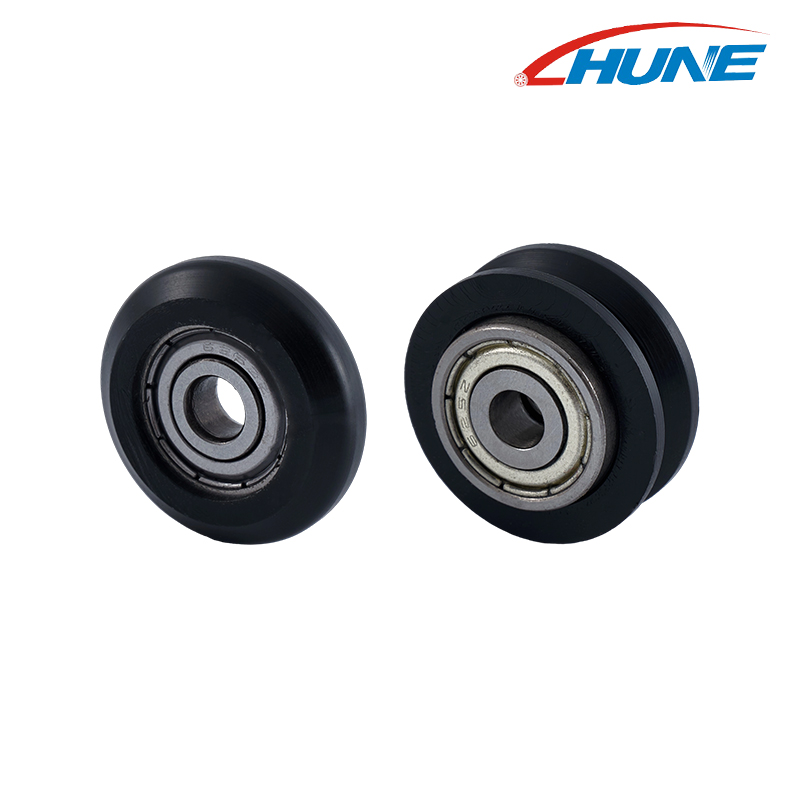
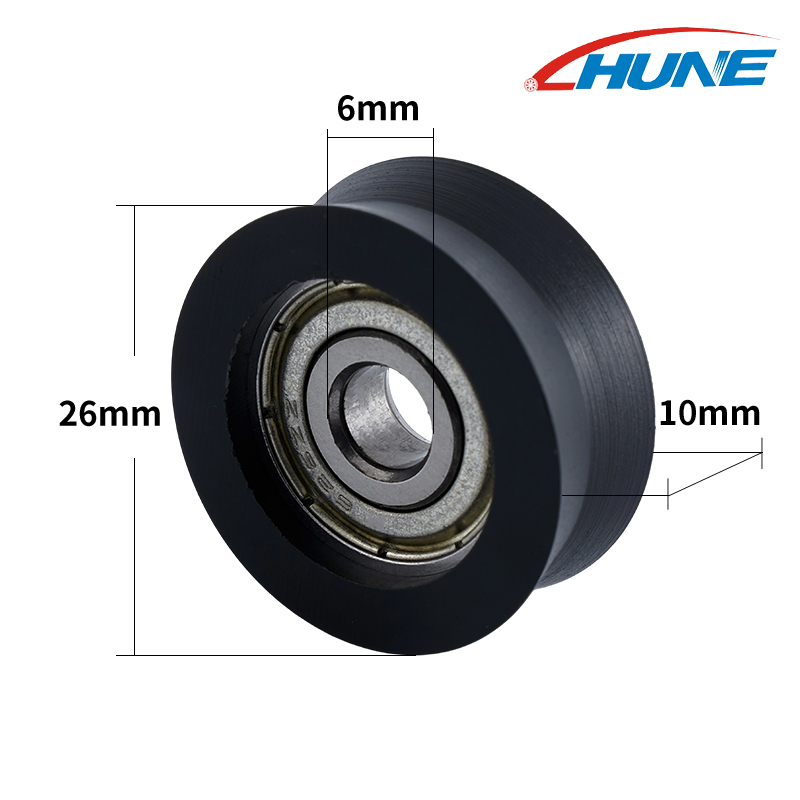
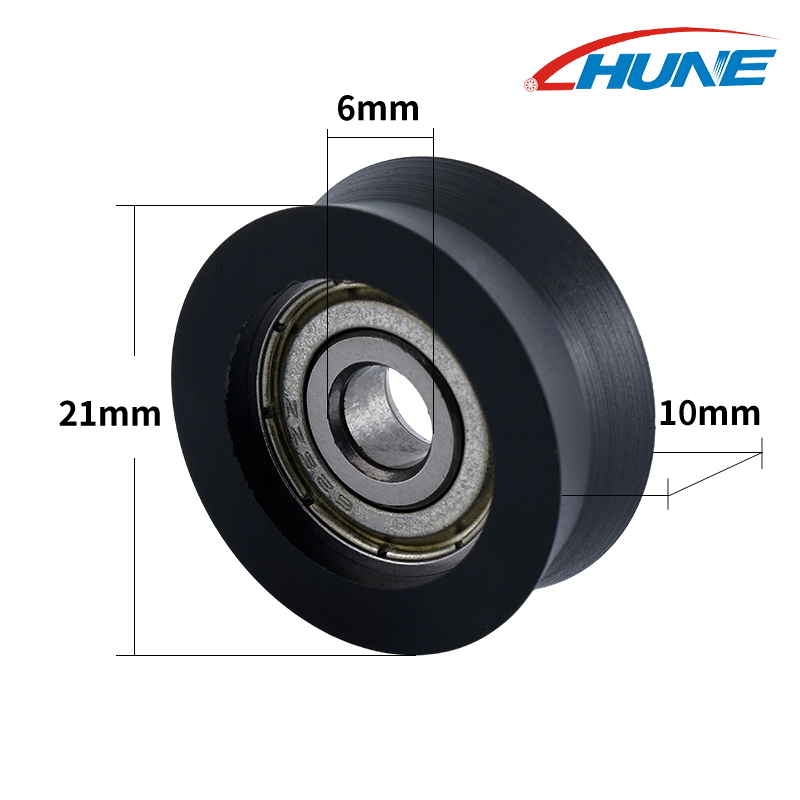
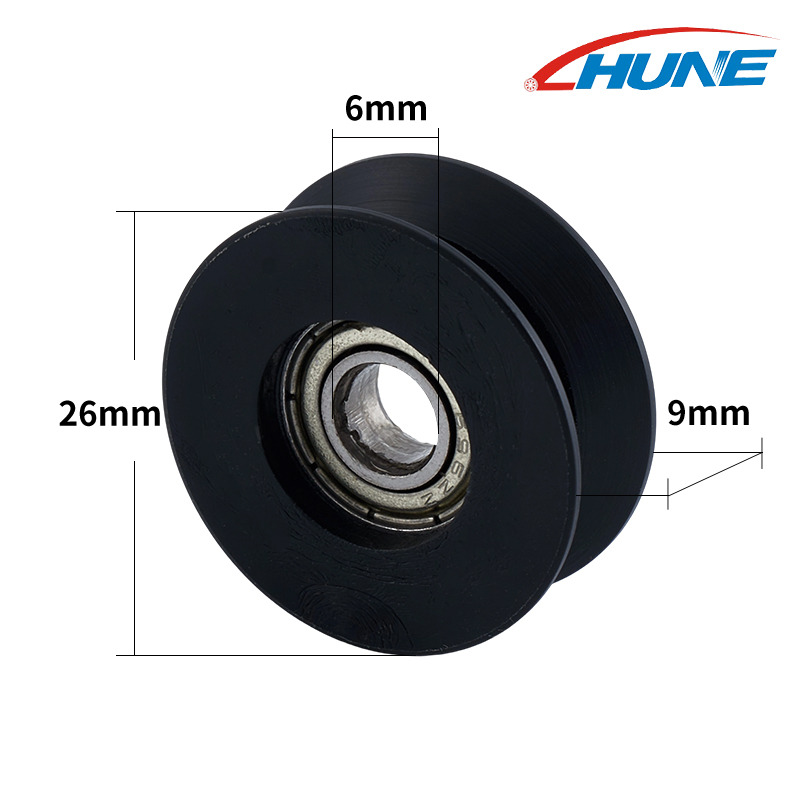
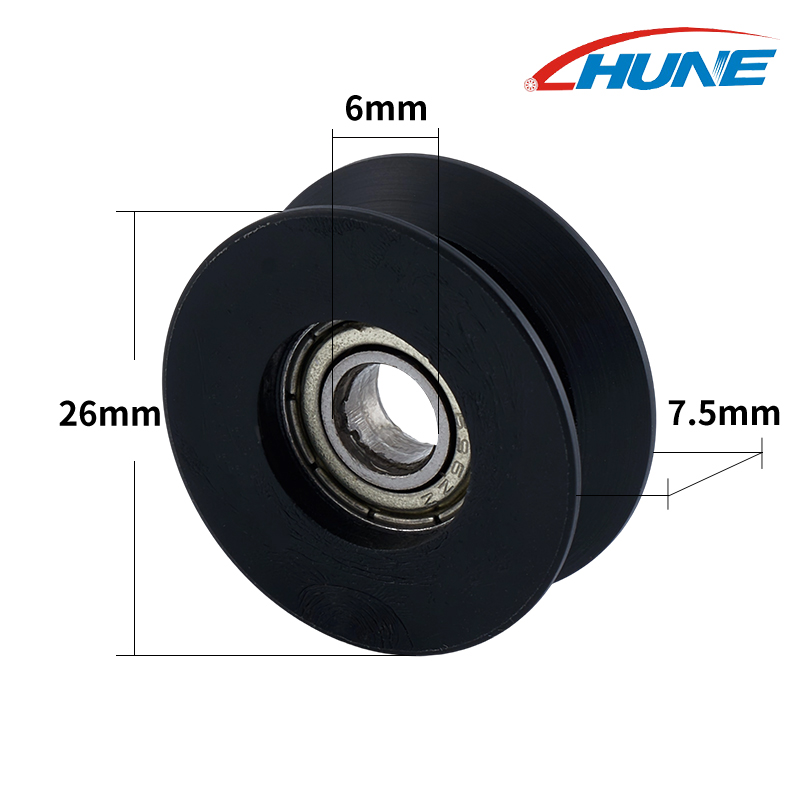
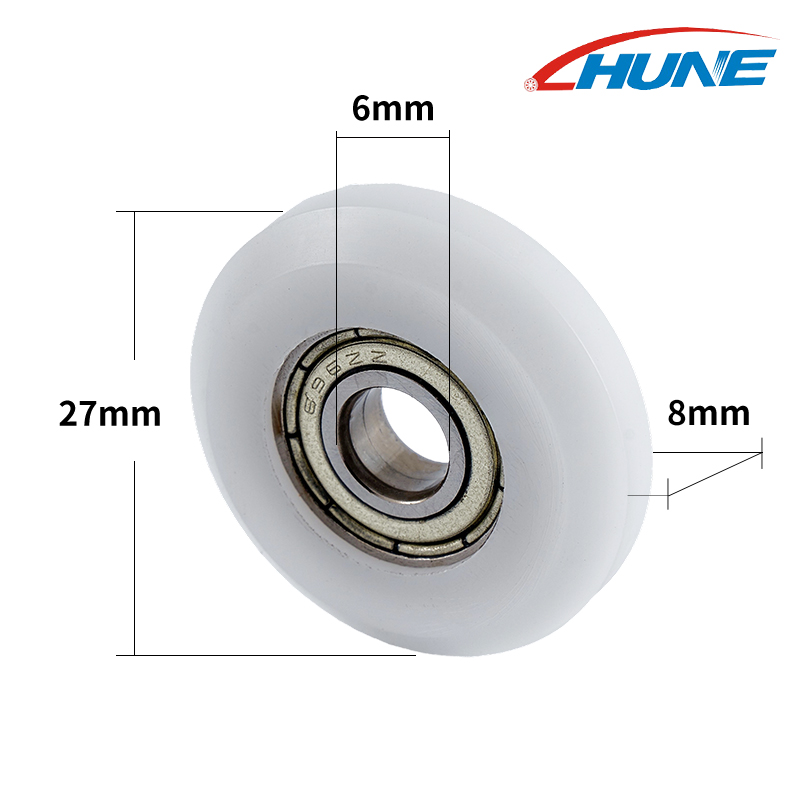
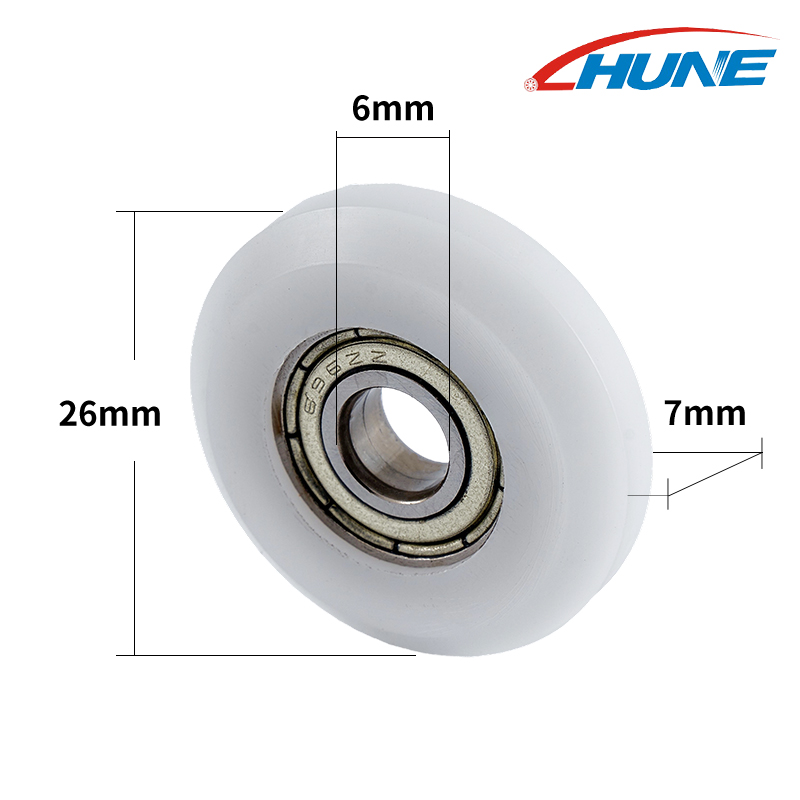
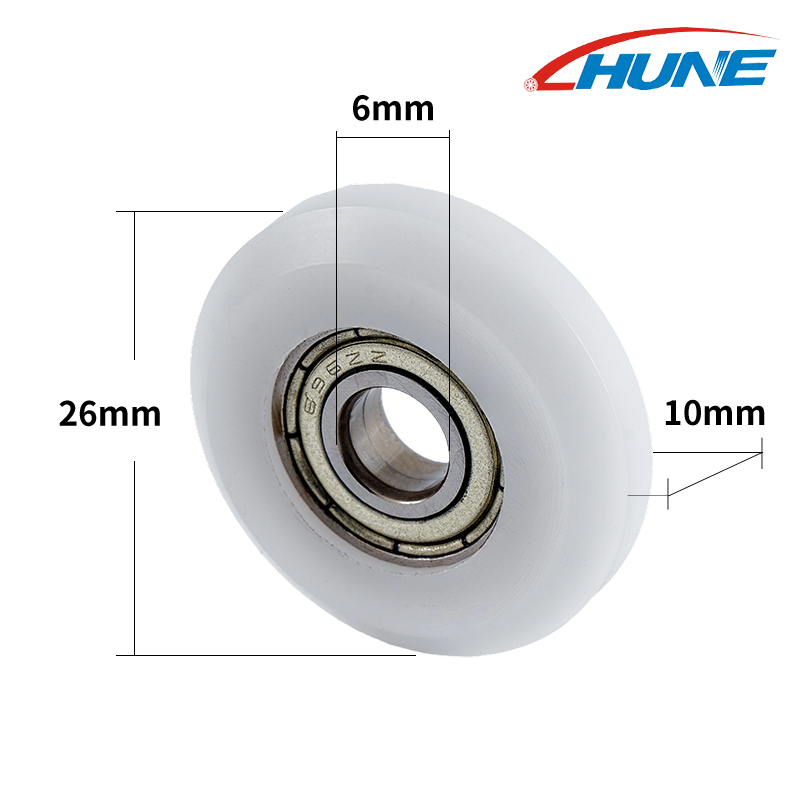
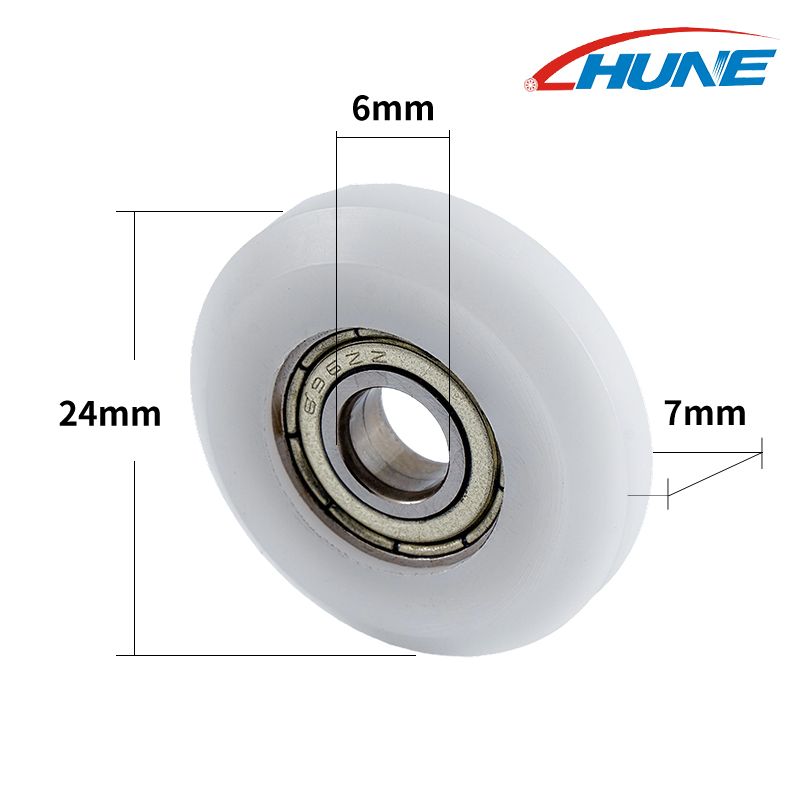
A V-shaped 626ZZ bearing pulley combines a grooved wheel with a compact, metal-shielded bearing. In a suitable assembly, it can guide a moving component along a V rail or angled track and, where designed to do so, carry part of its load. Applications range from sliding doors and windows to selected automation and machinery guides. Each requires its own checks for rail geometry, load, mounting, and environment.
What Is a V-Shaped Bearing Pulley?
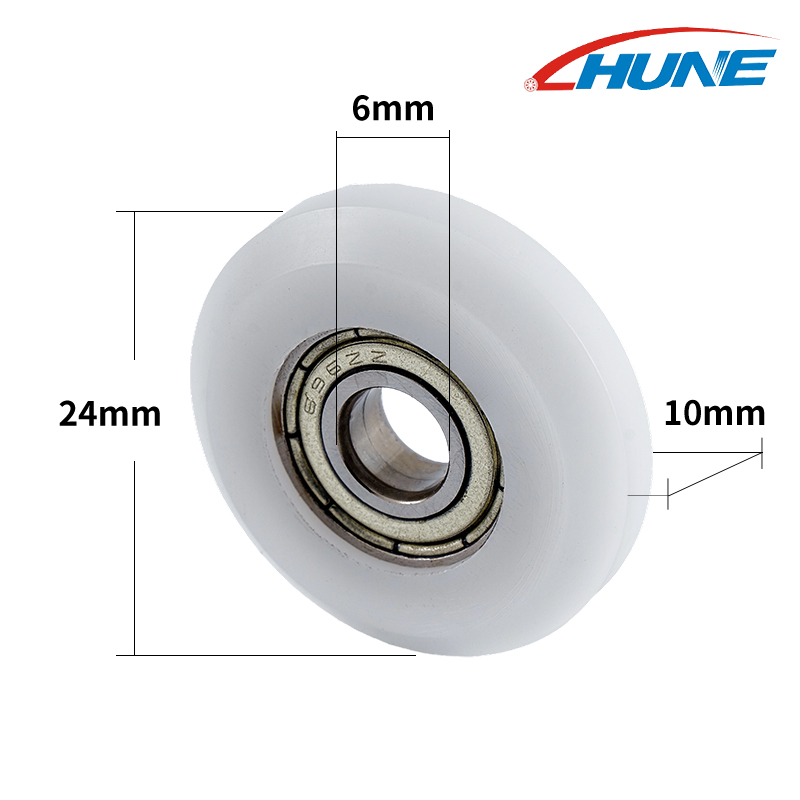
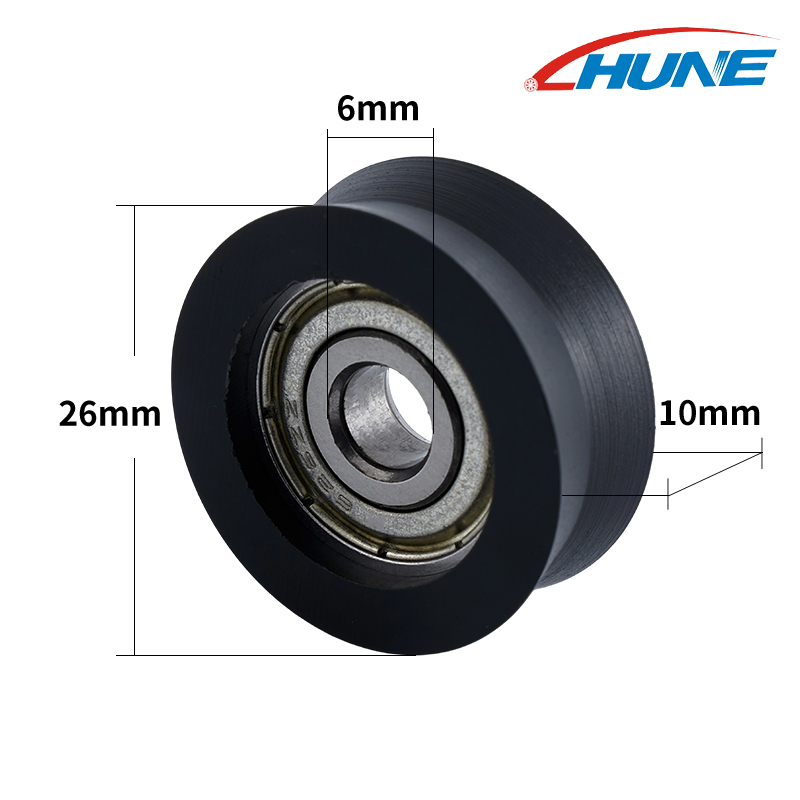
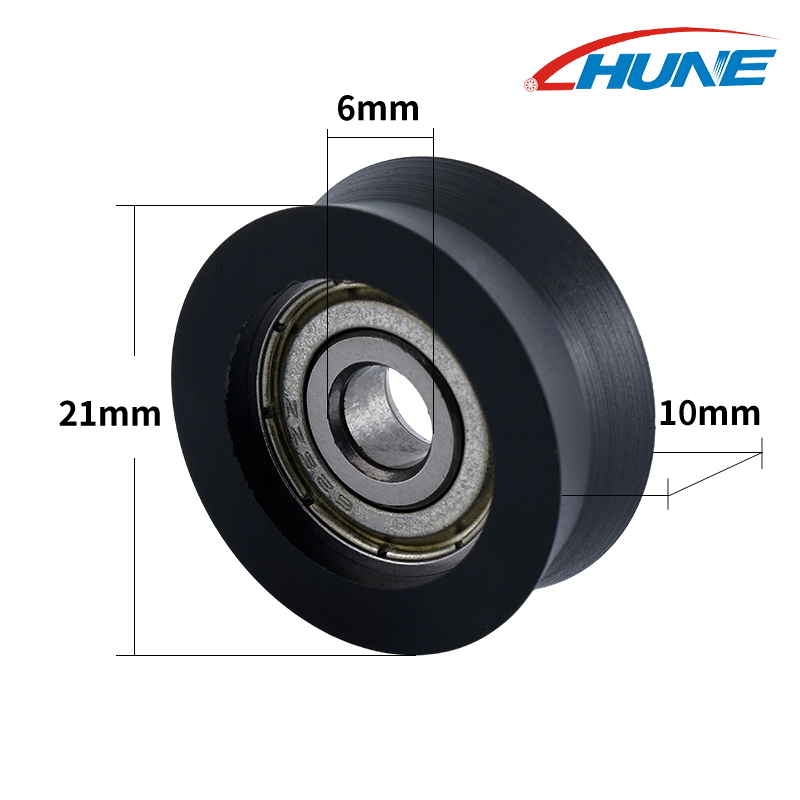
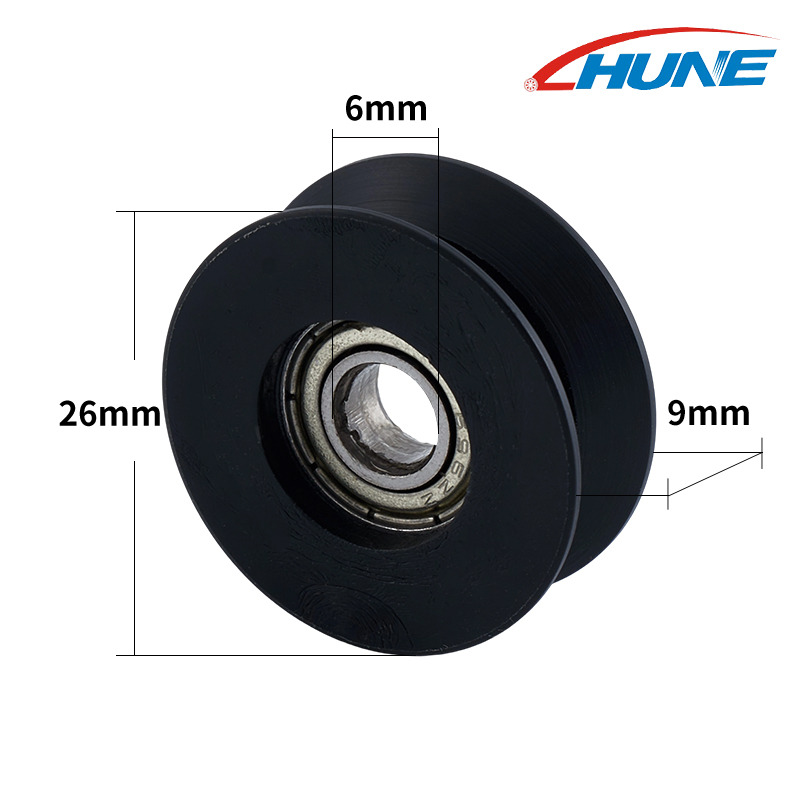
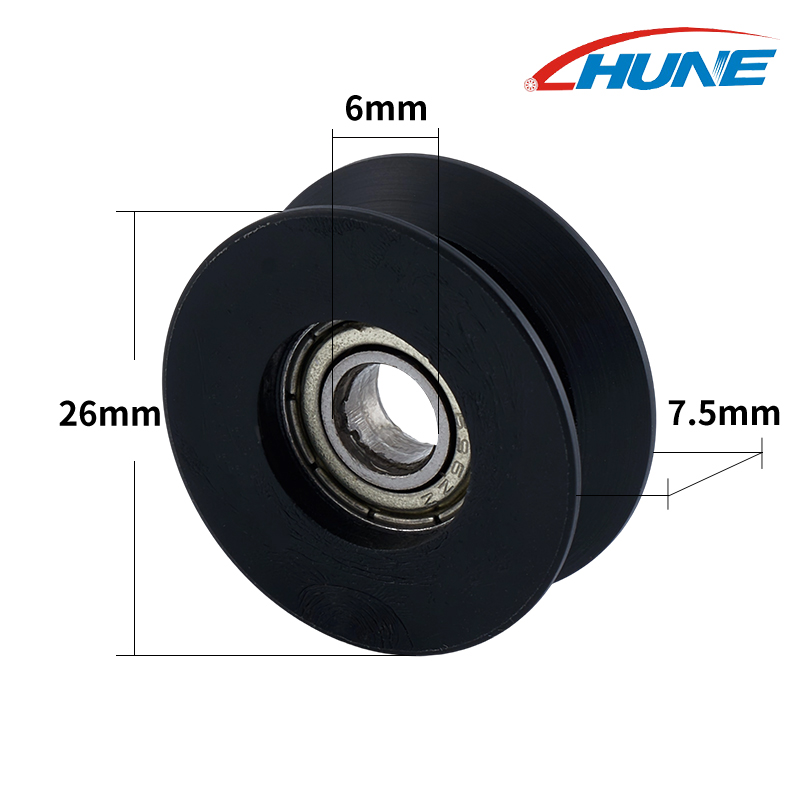
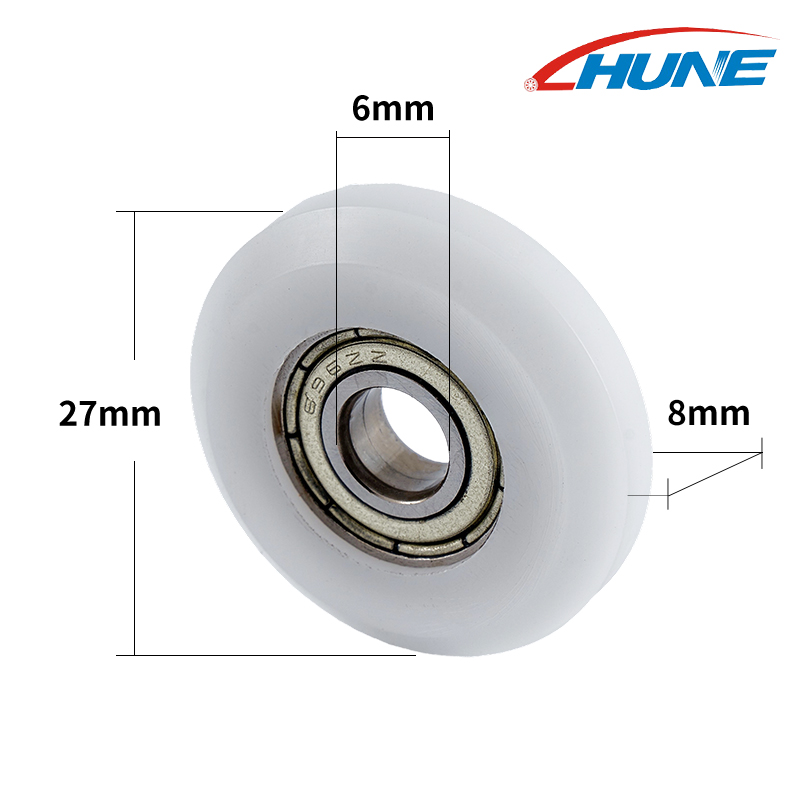
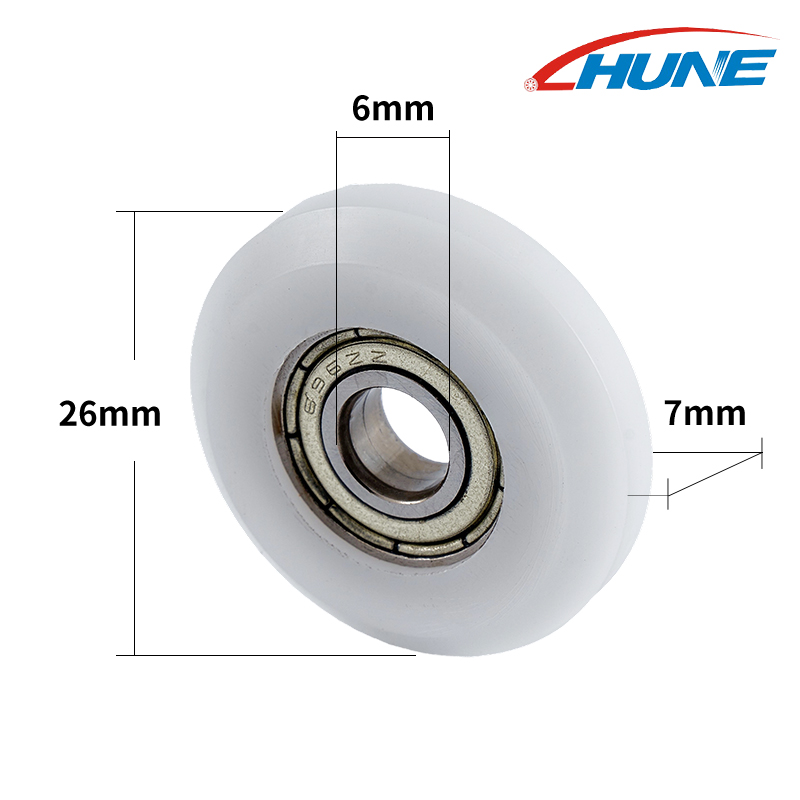
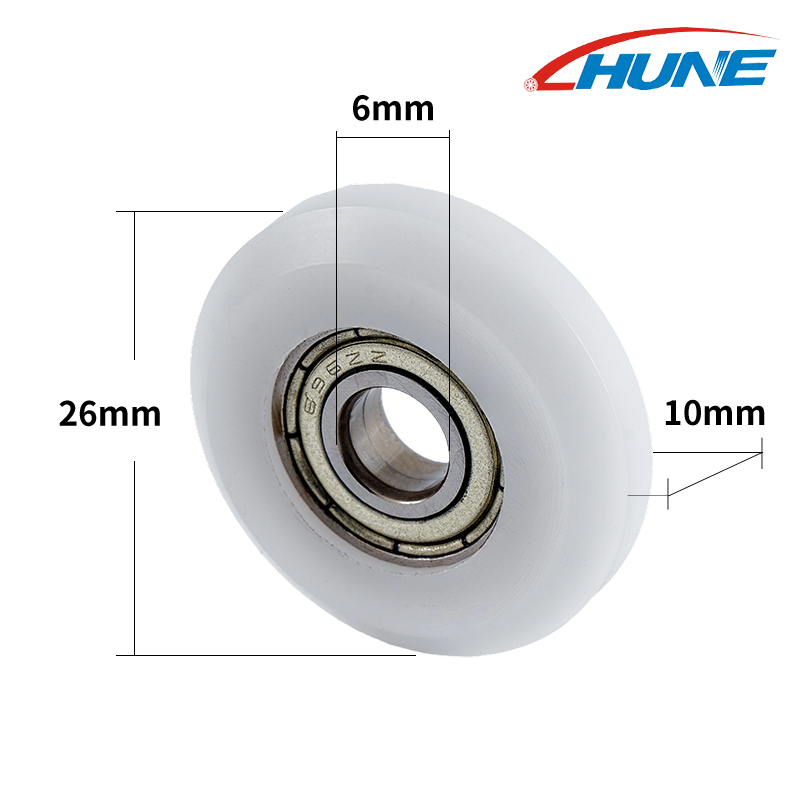
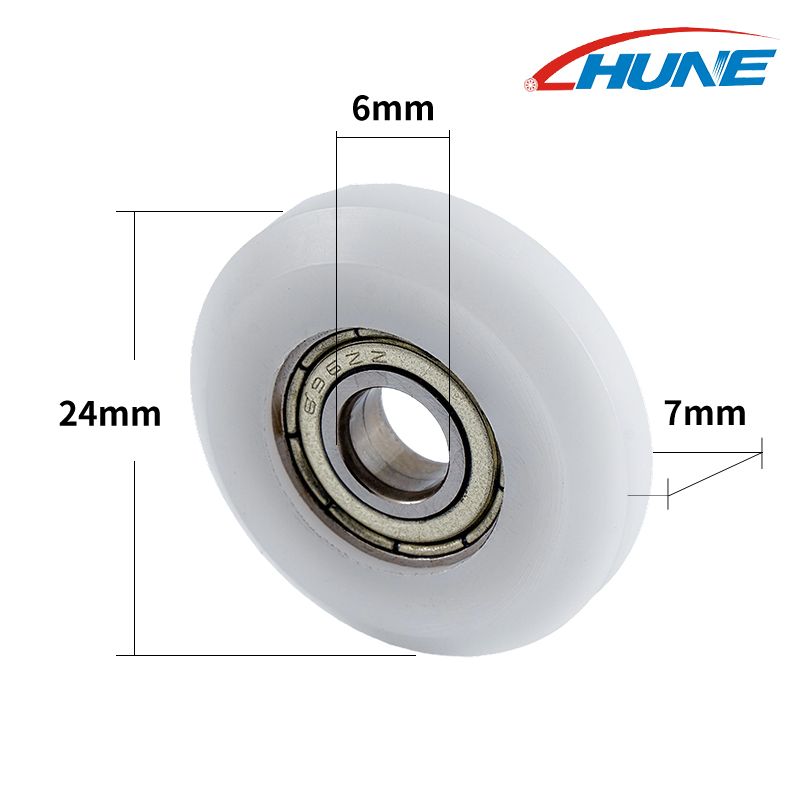
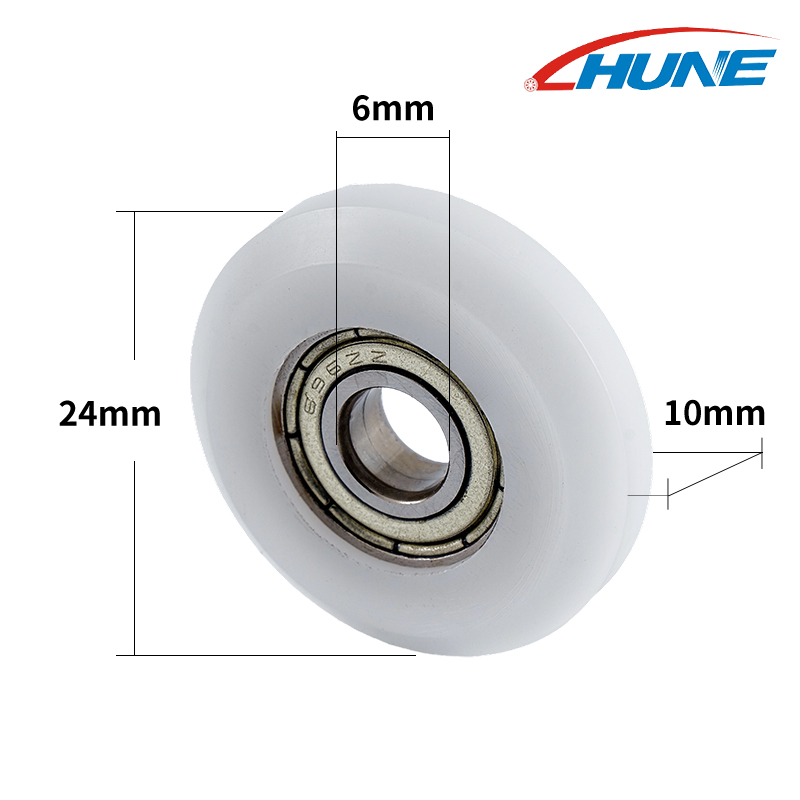
A V-shaped bearing pulley is a wheel with an angled running groove and an internal bearing. The groove establishes contact with a compatible rail; the bearing allows rotation around a fixed axle.
A typical assembly may contain:
- A V-groove wheel profile
- A 626ZZ bearing or specified alternative
- A nylon, POM, or other application-matched wheel body
- A mounting bore and axle
- An optional spacer, sleeve, bracket, or housing
The V profile can help position the wheel laterally, but "V-shaped" is not a universal rail specification. Groove angle, depth, contact width, and rail dimensions must be checked together.
Why the 626ZZ Bearing Matters
The 626ZZ bearing provides compact bearing-supported rotation. Its two metal shields help limit the entry of some particles into the bearing. They do not create a waterproof seal, and they do not prevent dirt from accumulating on the rail.
Rotation quality depends on more than the bearing designation. The axle must fit correctly, the bearing must be supported as intended, and the mounting hardware must not squeeze the rotating wheel. Bearing load, lubrication, alignment, and exposure also affect service behavior.
If a sealed V-shaped bearing pulley is required for a particular environment, specify the sealed bearing separately and confirm that its dimensions and operating characteristics suit the wheel.
Why V-Groove Geometry Is Used
A V groove provides angled contact surfaces that can guide a wheel along a matching rail. With suitable geometry and alignment, it can help limit unwanted lateral movement.
The key is contact location. A groove that is too narrow, too shallow, or cut at the wrong angle may concentrate load at an edge. That can increase resistance and produce uneven wear on both the wheel and rail. Panel stability also depends on roller spacing, bracket stiffness, and the condition of the track—not groove shape alone.
For replacement development, measure the rail cross-section and inspect where the original wheel actually ran. A worn groove may no longer represent its original dimensions.
Material Choices for V Groove Rollers
Wheel material affects contact sound, deformation, and wear. The options below are starting points for selection, not universal performance ratings.
| Material |
Typical characteristic |
Application check |
| Nylon |
Tough, non-metallic running surface |
Grade, load, humidity, and rail finish |
| POM |
Consistent profile and smooth surface |
Contact pressure and fit |
| PU |
More compliant contact |
Hardness, deformation, and tread retention |
| Rubber |
Flexible contact |
Grip, aging, and rolling resistance |
| Metal |
Rigid running surface |
Rail compatibility and contact noise |
Nylon V Groove Rollers and a V groove nylon roller can avoid direct metal-wheel contact with the track. They cannot prevent damage caused by trapped grit, incorrect alignment, or excessive load.
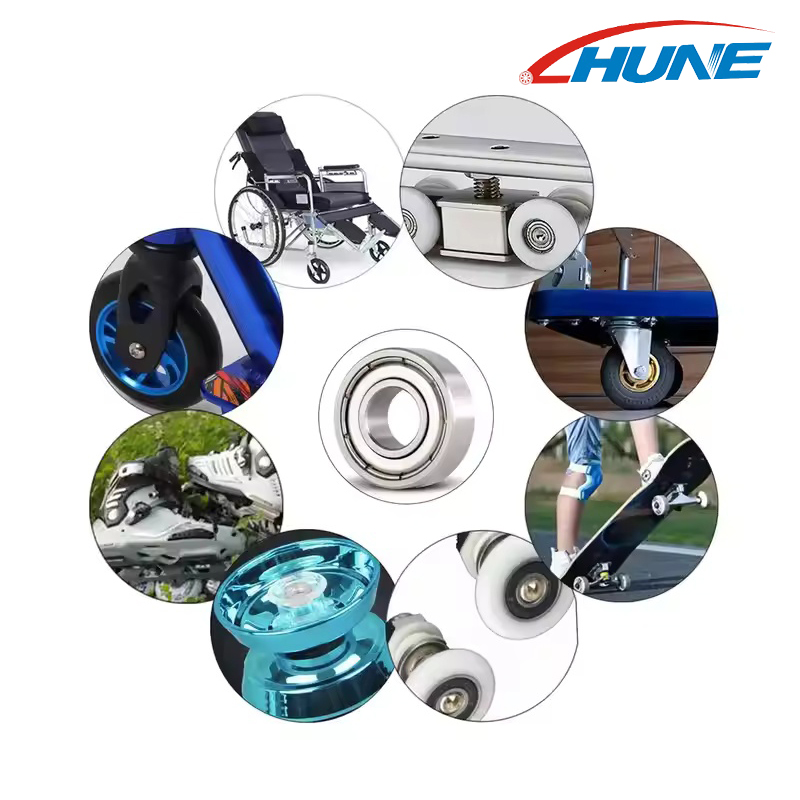
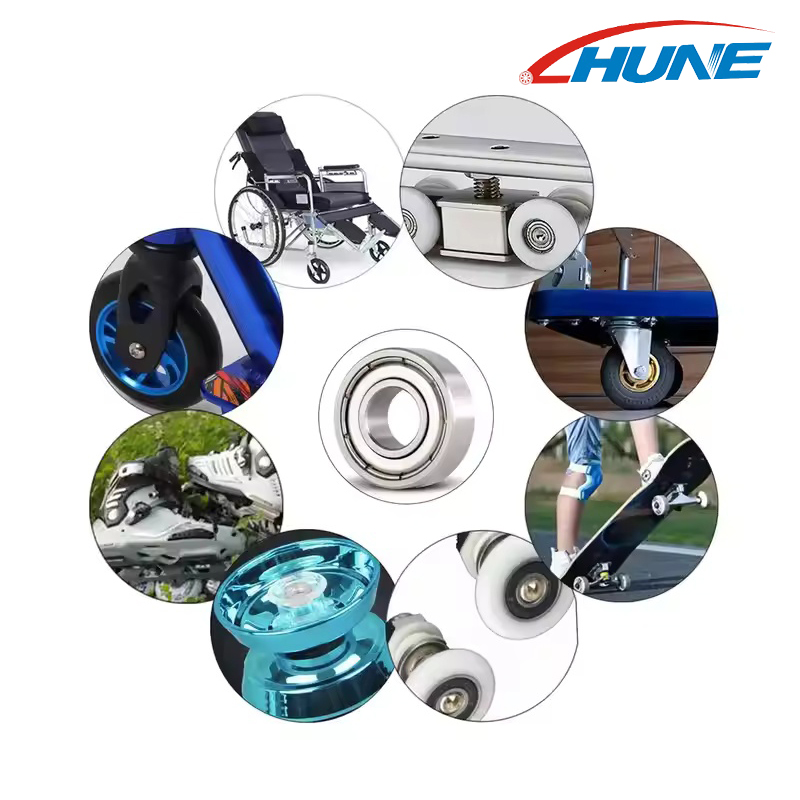
Where V-Shaped 626ZZ Bearing Pulleys Are Used
The same guiding principle can serve several systems, but the wheel’s duty changes by application.
Sliding Door Systems
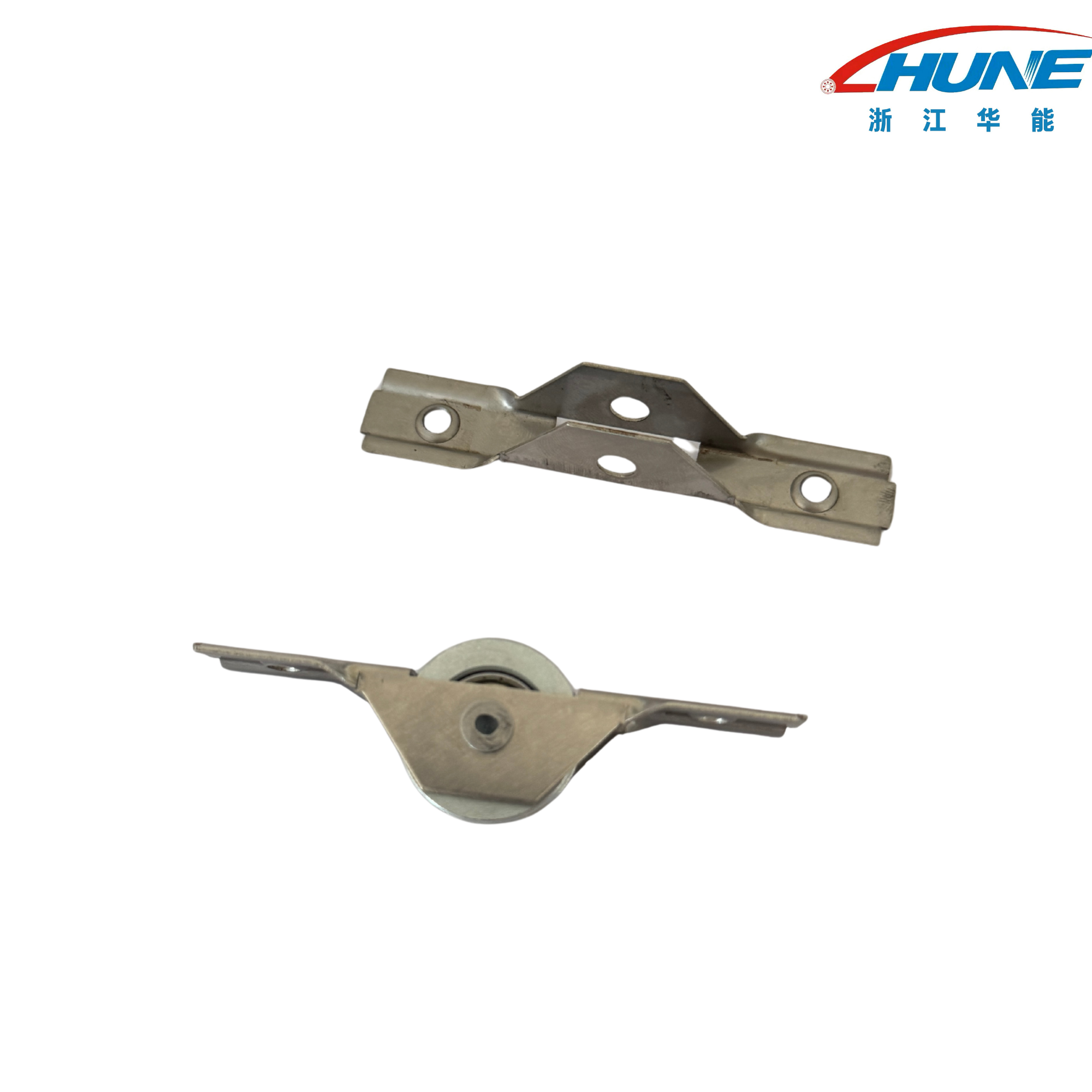
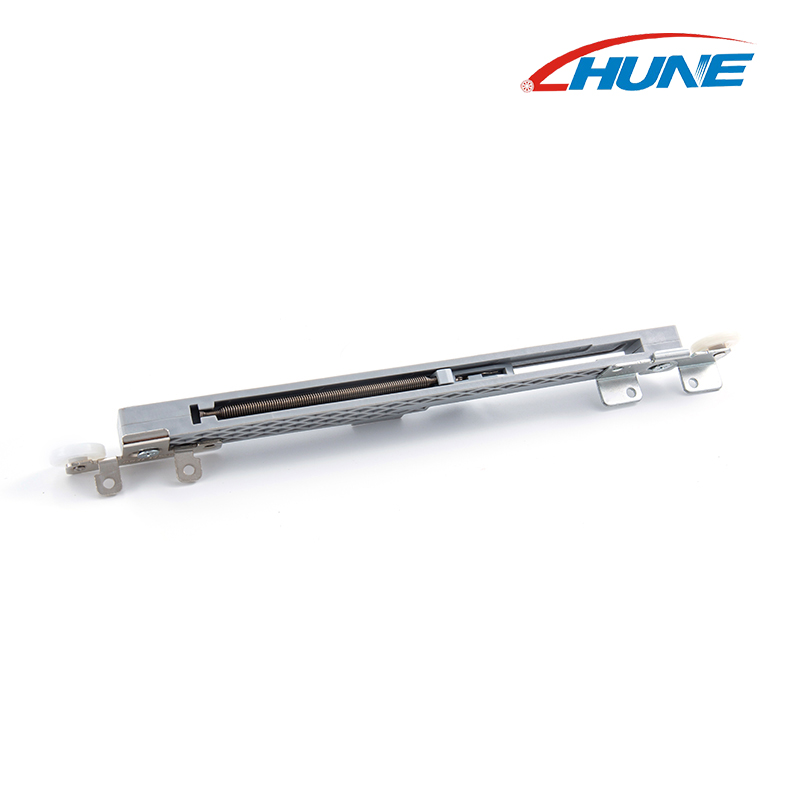
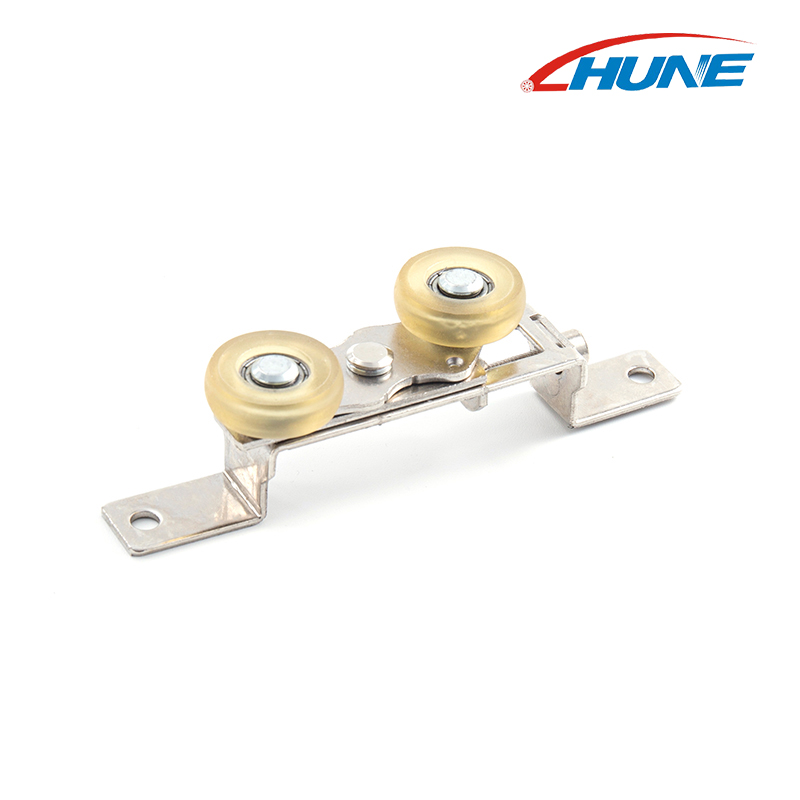
A V-groove sliding door pulley may support panel weight or provide guidance along a matching rail. Determine its role and the load shared by other rollers before selection.
Sliding Window Systems
A sliding window pulley must fit the sash, track, and available mounting space. Check rail condition and full-travel clearance, including at joints and end positions.
Commercial Sliding Doors
Commercial systems may operate more frequently or carry heavier panels. Bearing, wheel, bracket, and rail should be assessed as one assembly rather than selected by wheel appearance.
Home Automation Systems
Automated panels require attention to travel speed, repeated cycles, alignment, and what happens if the roller encounters an obstruction.
Overhead Equipment
An overhead application needs a separately validated load path, retention arrangement, and safety assessment. A compact door-and-window roller must not be assumed suitable for suspended loads.
Conveyor Systems
A guide track roller may help position a moving part in a selected conveyor or transfer system when rail profile, speed, duty cycle, and load are compatible.
Industrial Machinery
Machinery covers, sliding guards, and guide modules may use V-shaped rollers. Installation must account for the machine’s actual forces and operating environment.
Selection Guide for V-Shaped 626ZZ Bearing Pulleys
Select the pulley against the complete rail system. The bearing model is important, but it cannot correct a mismatch between the groove and track.
| Selection factor |
Why it matters |
Technical checkpoint |
| Track Shape |
Defines running contact |
Measure the rail cross-section |
| V Groove Angle and Depth |
Affect rail seating |
Compare wheel and rail drawings |
| Wheel Diameter and Width |
Affect fit and travel |
Check installed clearances |
| Bearing Model |
Defines bearing dimensions |
Verify 626ZZ or an alternative |
| Bearing Protection |
Addresses contamination |
Distinguish shields from seals |
| Wheel Material |
Affects contact behavior |
Match material to rail and load |
| Load and Frequency |
Affect component duty |
Identify each roller’s assigned load |
| Mounting Bore and Spacer |
Affect free rotation |
Check axle and fastener arrangement |
| Housing and Environment |
Affect stability and exposure |
Review bracket, dust, and moisture |
The final check is an installed test under the intended load: the mounting remains secure, the wheel rotates freely, and the moving component travels without unintended edge contact.
Common Technical Issues and Causes
A symptom at the wheel may originate elsewhere in the sliding assembly. Inspect the rail, mounting, and panel alongside the pulley.
The Pulley Makes Noise
Check for debris, bearing roughness, loose hardware, groove-angle mismatch, or wheel contact with the bracket. Noise is not proof that the bearing alone has failed.
The Door or Window Does Not Slide Smoothly
Inspect the full track for dents or deformation. Also check wheel diameter, panel alignment, axle fit, and whether fastener pressure restricts rotation.
The Roller Wears Unevenly
Uneven wear may indicate concentrated edge contact, side loading, misalignment, hard particles on the rail, or an unsuitable wheel material.
The Bearing Becomes Rough
Contamination or wear is possible, but mounting pressure can produce a similar symptom. Compare wheel rotation before and after assembly.
The Moving Panel Wobbles
Check roller spacing, loose brackets, worn rails, panel alignment, and groove-to-rail clearance. Replacing one wheel may not resolve movement elsewhere in the structure.
Installation Notes for V Groove Pulleys
Before installation, clean the rail and compare its cross-section with the V groove. Rotate the wheel by hand, then check the axle, spacer, and housing for correct fit.
Secure the mounting hardware without clamping the rotating wheel. Align the moving component, test its full travel under the intended load, and look for scraping, clicking, tight spots, or concentrated rail contact. Reinspect the running surfaces after initial use; early wear marks can reveal a profile or alignment problem.
Maintenance and Replacement Signals
Keep the rail clear of dust and hard particles. Inspect the V groove for edge wear, cracks, and flat spots, and check the bearing for roughness or unusual sound. Confirm that the bracket and fasteners remain secure.
Also inspect exposed metal parts for corrosion where moisture is present. Replace a roller when confirmed wheel, bearing, or mounting damage affects guidance. If a replacement develops the same wear pattern, investigate the track and alignment before replacing it again.
Customization Considerations
A custom V groove roller may be needed when a standard wheel does not match the rail angle, installation width, load, or mounting arrangement. Development can cover wheel diameter, width, groove angle and depth, bearing model, material, spacer, housing, color, and specified treatment of metal parts.
Provide a rail cross-section, wheel mounting details, moving-component load, operating frequency, and environmental conditions with any drawing or sample. In a V-groove system, even a small profile change can move contact from the intended running face to a rail edge.
FAQ: V-Shaped 626ZZ Bearing Pulley
What is a V-shaped 626ZZ bearing pulley?
It is a V-groove guide wheel with an internal 626ZZ bearing, designed to run on a compatible rail or angled track.
What is the function of the V groove?
The groove establishes guided contact with a matching rail. Its angle, depth, and running faces must suit the track.
Why is a 626ZZ bearing used?
It provides compact bearing-supported rotation. The ZZ designation identifies metal shields on both sides.
What does a sealed bearing pulley do?
A contact-sealed bearing can help limit contamination inside the bearing. A standard 626ZZ bearing is metal-shielded, not contact-sealed or waterproof.
Where can V groove nylon rollers be used?
They can be used in compatible sliding doors, windows, guide tracks, and selected machinery after checking rail geometry, load, and mounting.
What affects the noise level of a V-shaped pulley?
Wheel material, bearing condition, rail cleanliness, groove fit, load, alignment, and installation pressure all affect operating sound.
How do I choose the right V groove pulley?
Start with the rail cross-section. Then check groove dimensions, wheel size, bearing, axle, load, housing clearance, and environment.
Can a V-shaped pulley be used in conveyor systems?
Yes, in a suitably designed system where rail geometry, speed, load, duty cycle, and mounting have been verified.
When should a V groove roller be replaced?
Replace it when confirmed groove wear, cracking, bearing roughness, or mounting damage affects smooth travel or guidance.
Can V-shaped bearing pulleys be customized?
Yes. Wheel size, groove profile, material, bearing, bore, spacer, housing, color, and metal-part finish can be developed from drawings, samples, and track data.
A V-shaped 626ZZ bearing pulley performs best when its groove contacts the intended rail surfaces, its bearing fits the axle, and its mounted wheel remains free to rotate. Hune can develop Doors and Windows V-Shaped 626ZZ Bearing Pulley, Nylon V Groove Rollers, V groove plastic wheel, guide track roller, and custom V groove roller configurations from measured rail profiles and defined operating requirements.





 English
 Español
 日本語
日本語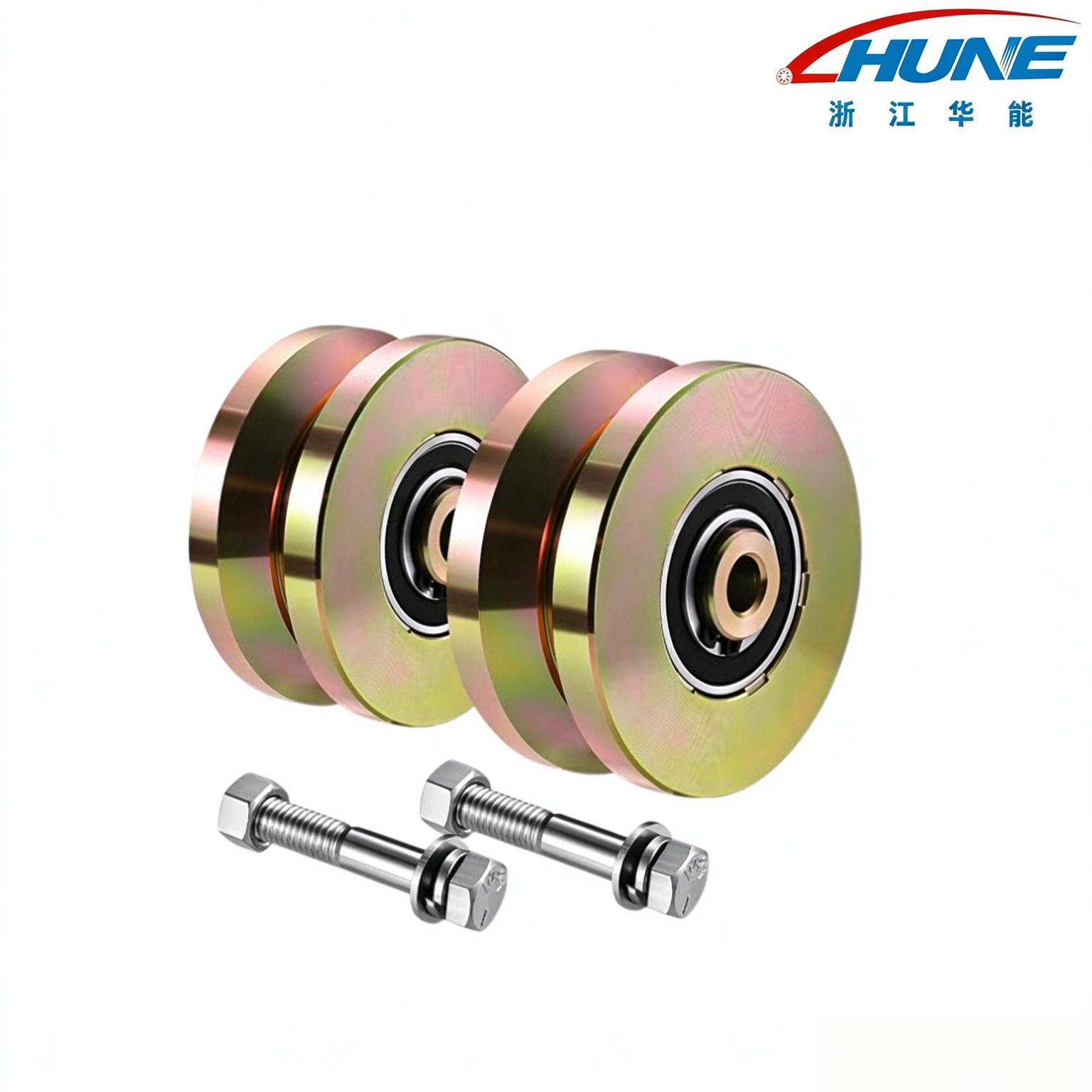


 +86-15058997617