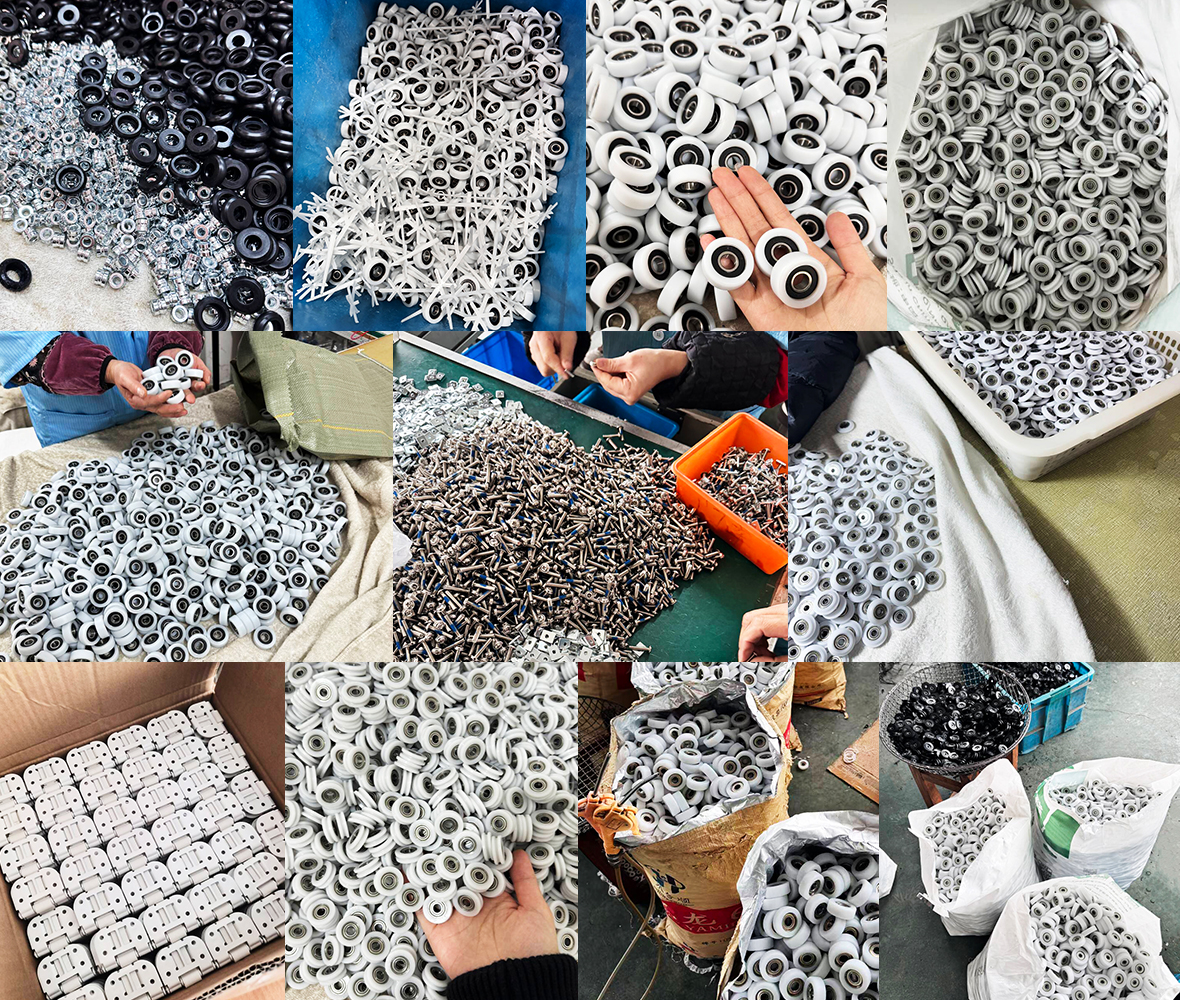
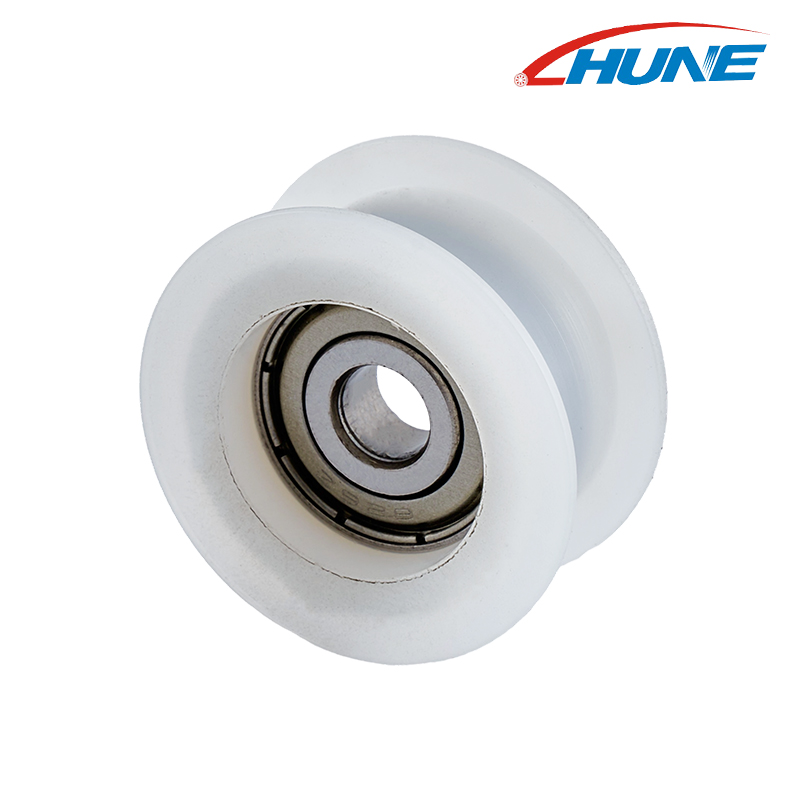
We often say that the key factors in determining the performance of doors and windows are smooth sliding and noise levels. Customizable, low-noise sliding rollers are a valuable tool that can address these issues and comprehensively improve the performance of doors and windows. Some may wonder how these two features, "customization" and "low noise," contribute to the improved performance of doors and windows. Today, we'll discuss this in detail.
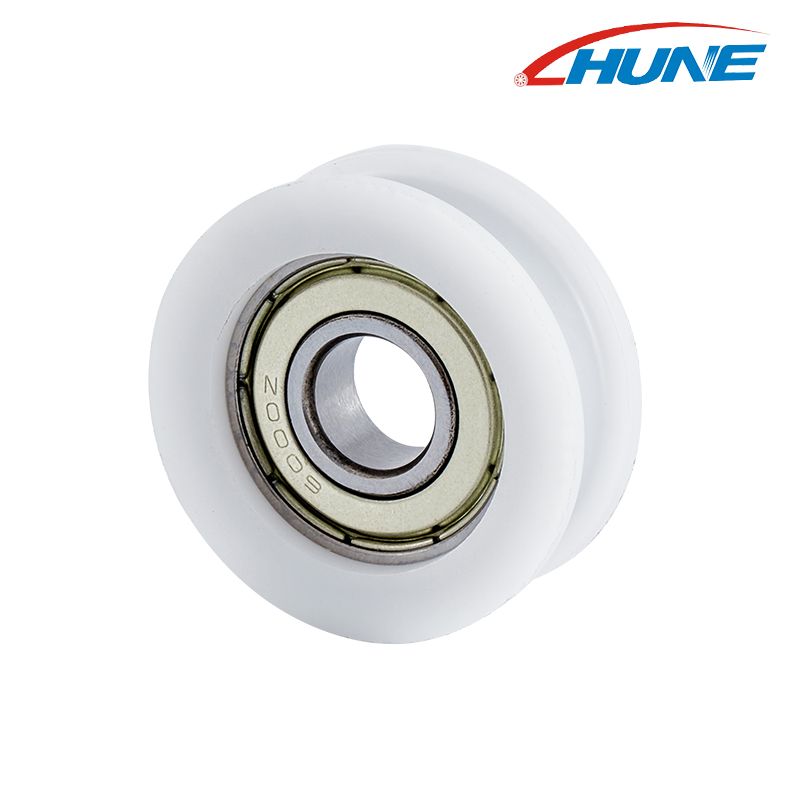
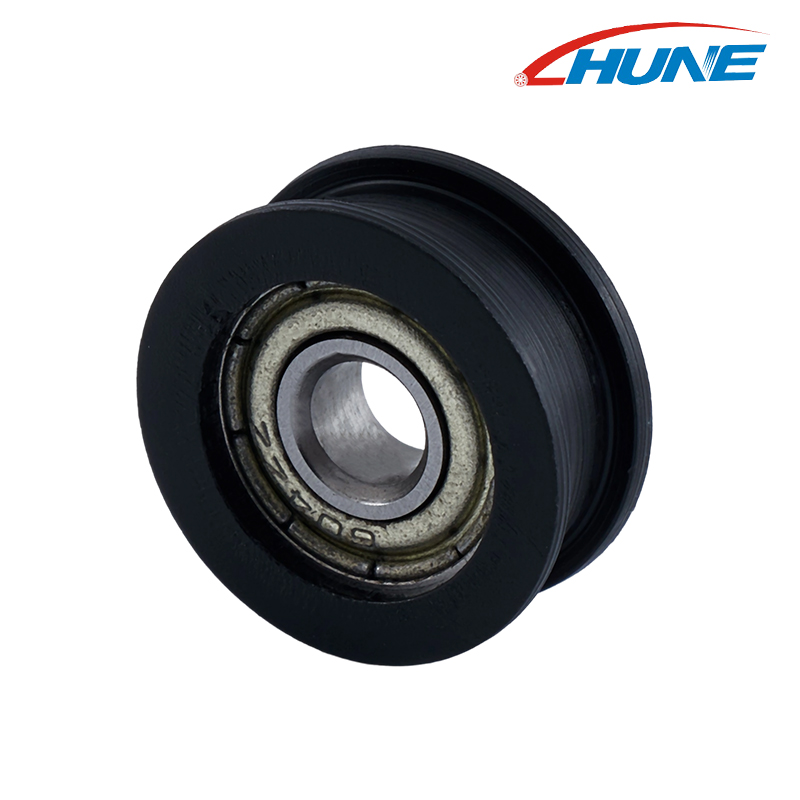
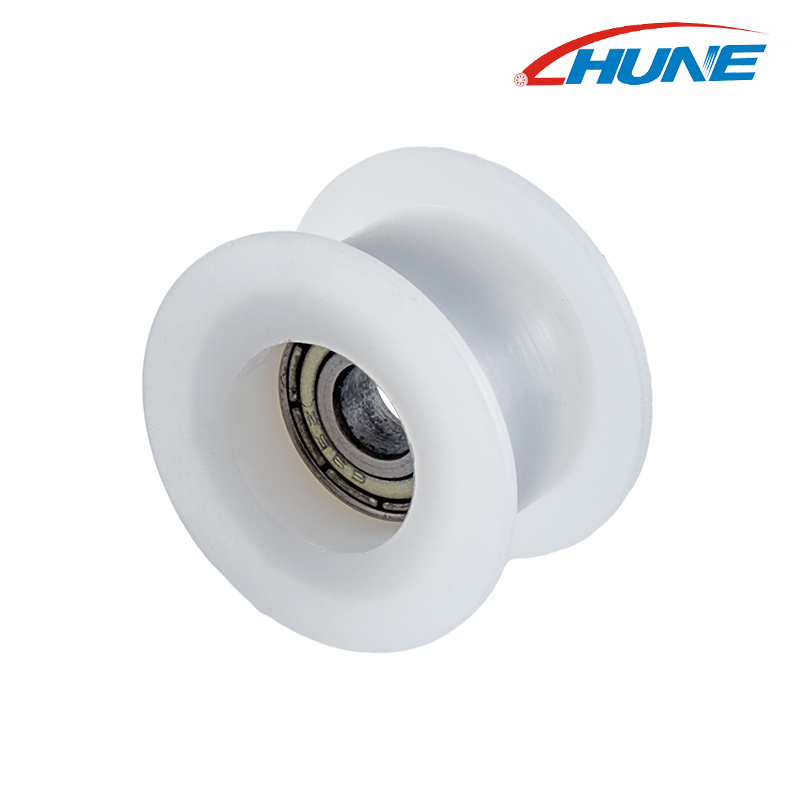
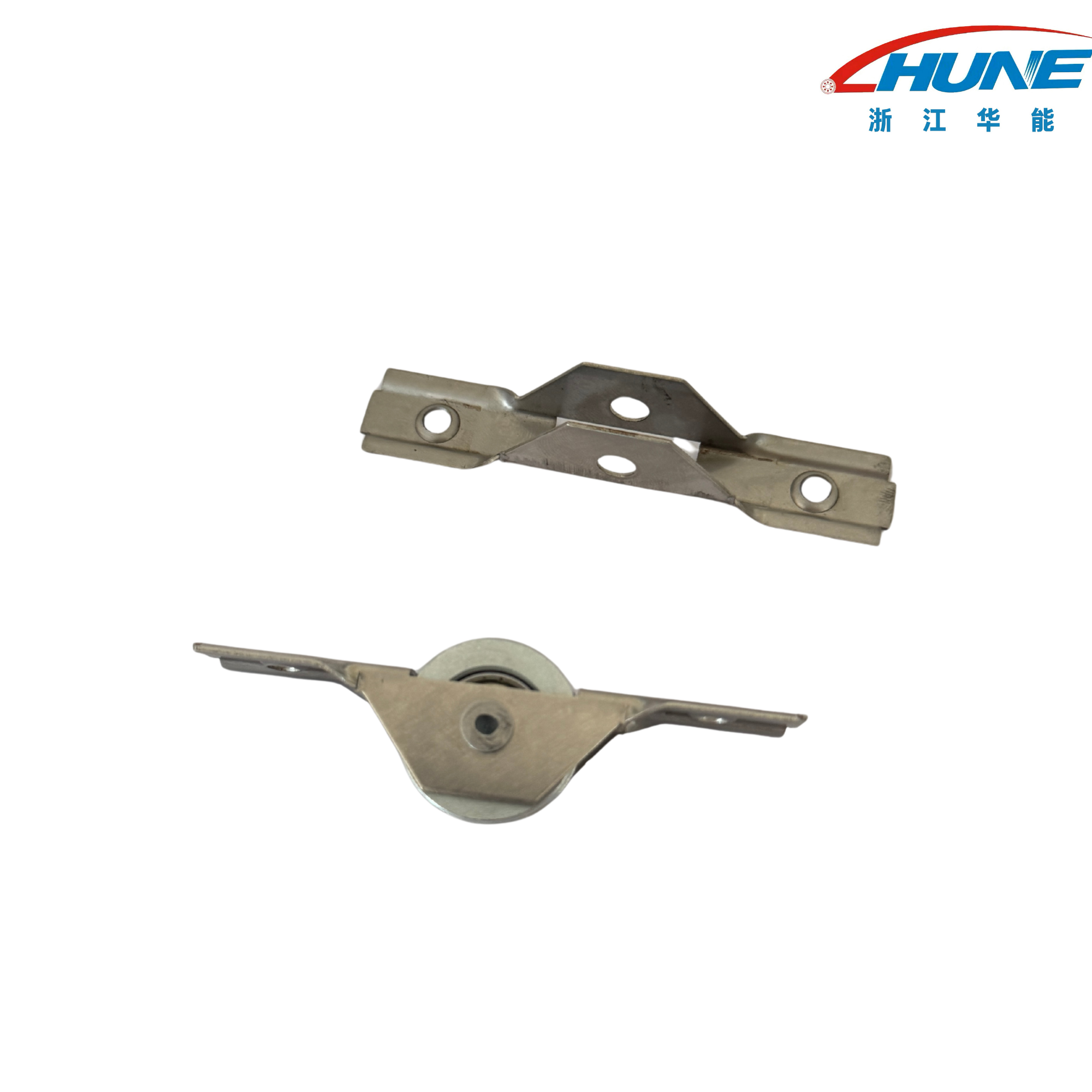
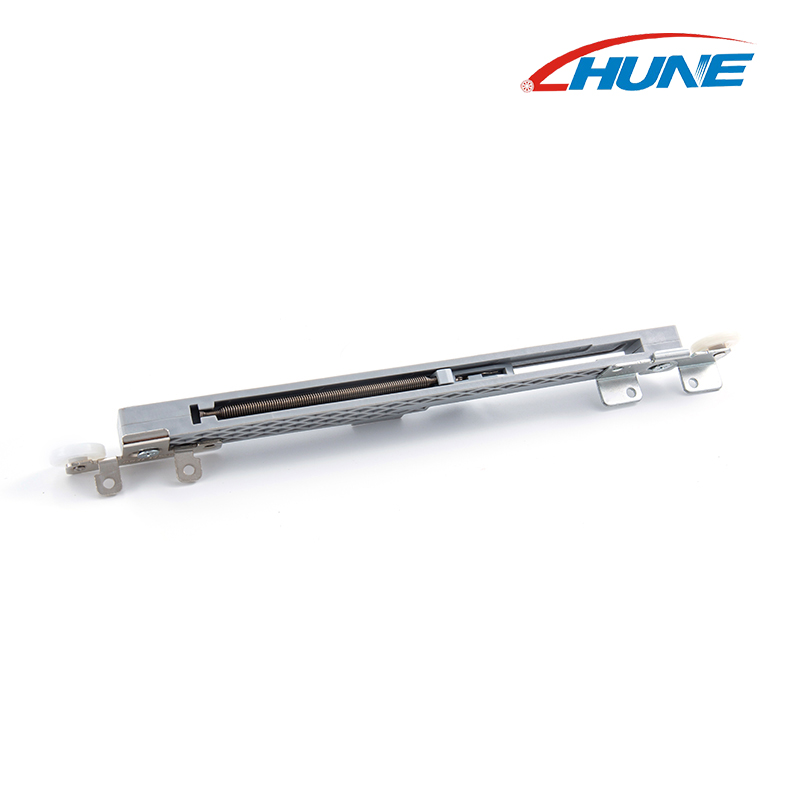
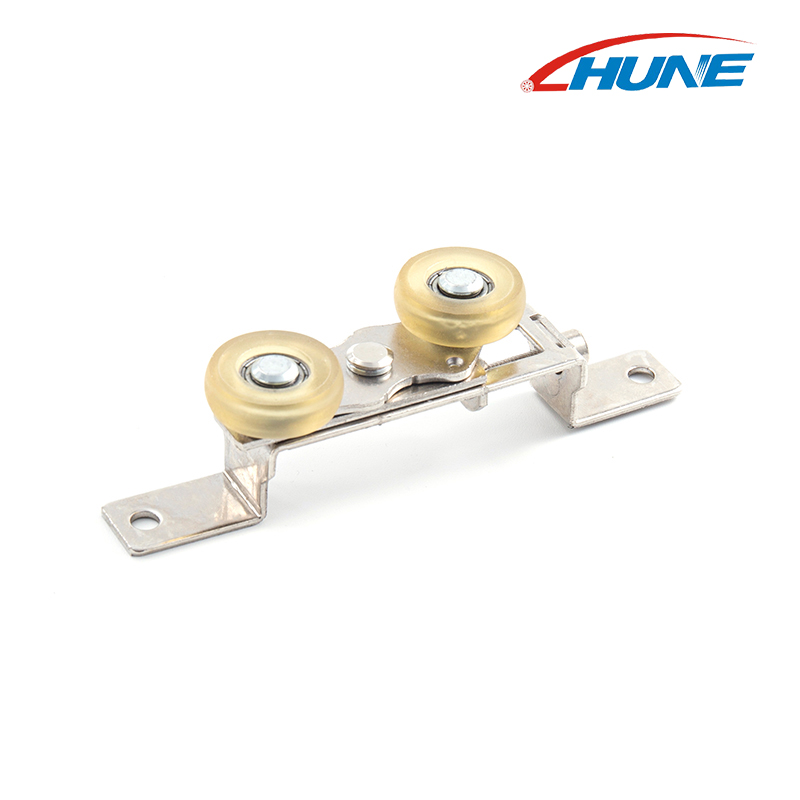
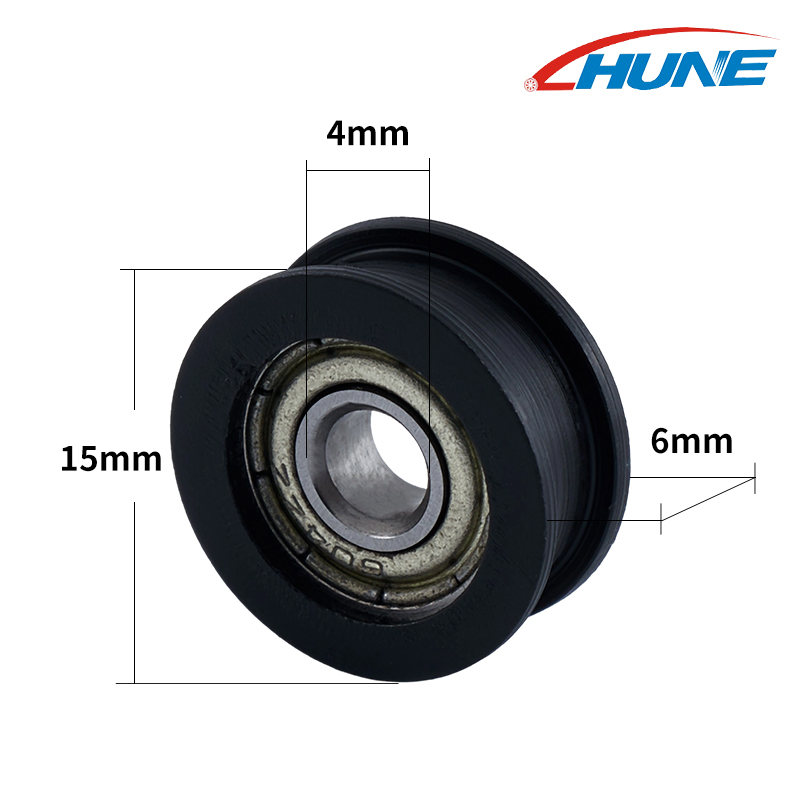
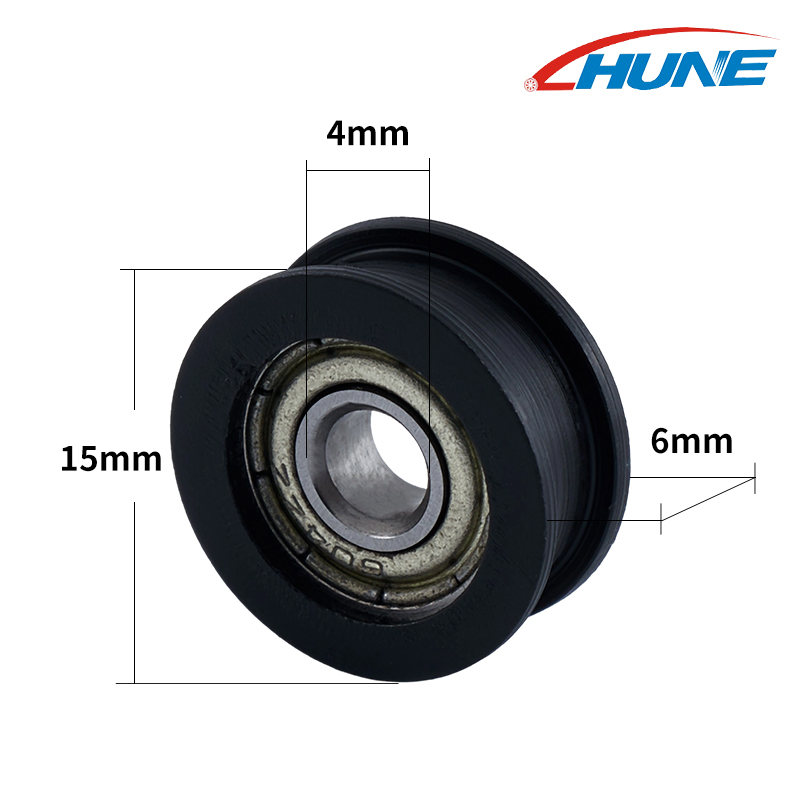
First, it's important to note that "customization" isn't simply about changing the dimensions; it allows for tailor-made solutions tailored to the specific needs of individual doors and windows. For example, large commercial doors and windows are significantly larger and heavier than typical household ones, necessitating custom rollers with greater load-bearing capacity. Or, for example, doors and windows with curved tracks, standard rollers simply won't fit. Customized rollers can adjust their shape to the curve of the track to ensure a perfect fit. This "customization" fundamentally addresses the problem of generic rollers being incompatible, ensuring the rollers and windows are perfectly matched from the outset, laying the foundation for optimal performance. Let's talk about the core advantage of "low noise," which directly improves the user experience of doors and windows. The constant creaking sound of opening and closing windows at home can be extremely annoying, especially in quiet spaces like bedrooms and studies. Customizable low-noise rollers are designed with meticulous attention to detail. They utilize inherently noise-reducing materials like nylon and modified plastics to reduce the harshness of metal friction. They also incorporate high-precision bearings, such as the previously mentioned 628ZZ model, to ensure smoother rotation and reduce noise at the source. Customized models can also adjust the fit between the roller and track based on the sealing requirements of the door or window, eliminating vibration noise caused by excessive gaps. This results in a quieter indoor environment when the window is closed.
Beyond noise reduction, customizable low-noise sliding rollers improve door and window performance in multiple ways. For example, when it comes to smoothness, the roller diameter and rolling resistance are precisely adjusted during customization based on the track width and weight of the door or window. Whether it's a residential window weighing dozens of kilograms or a commercial door weighing hundreds of kilograms, they slide into place effortlessly, without any snagging or shifting. Regarding durability, custom models feature materials tailored to the environment in which they are used. For example, rust-resistant stainless steel rollers are used for humid bathrooms and balconies, while wear-resistant reinforced materials are used for busy shopping mall entrances. This prevents the rollers from breaking and extends the overall lifespan of the door or window by 3-5 years.
Another crucial aspect is energy efficiency. Many people may not realize that rollers also play a role in energy efficiency. Customizable rollers can precisely adjust their height and fit, ensuring a seamless fit between closed doors and windows, eliminating gaps that could leak air or water. This prevents hot or cold air from escaping during summer air conditioning and winter heating, reducing energy consumption by 15%-20%, saving both money and the environment. For large-scale windows and doors like shopping malls and office buildings, this can significantly save electricity costs over the long term.
Whether for residential or commercial use, choosing the right customizable, low-noise sliding rollers is crucial. While less visible than the door or window frame, they are crucial components that influence user experience and performance. Their customizable design allows them to perfectly adapt to different scenarios, while their low noise levels enhance comfort. Combined with their smoothness, durability, and energy efficiency, they are a perfect choice for easy-to-use and worry-free windows and doors.





 English
 Español
 日本語
日本語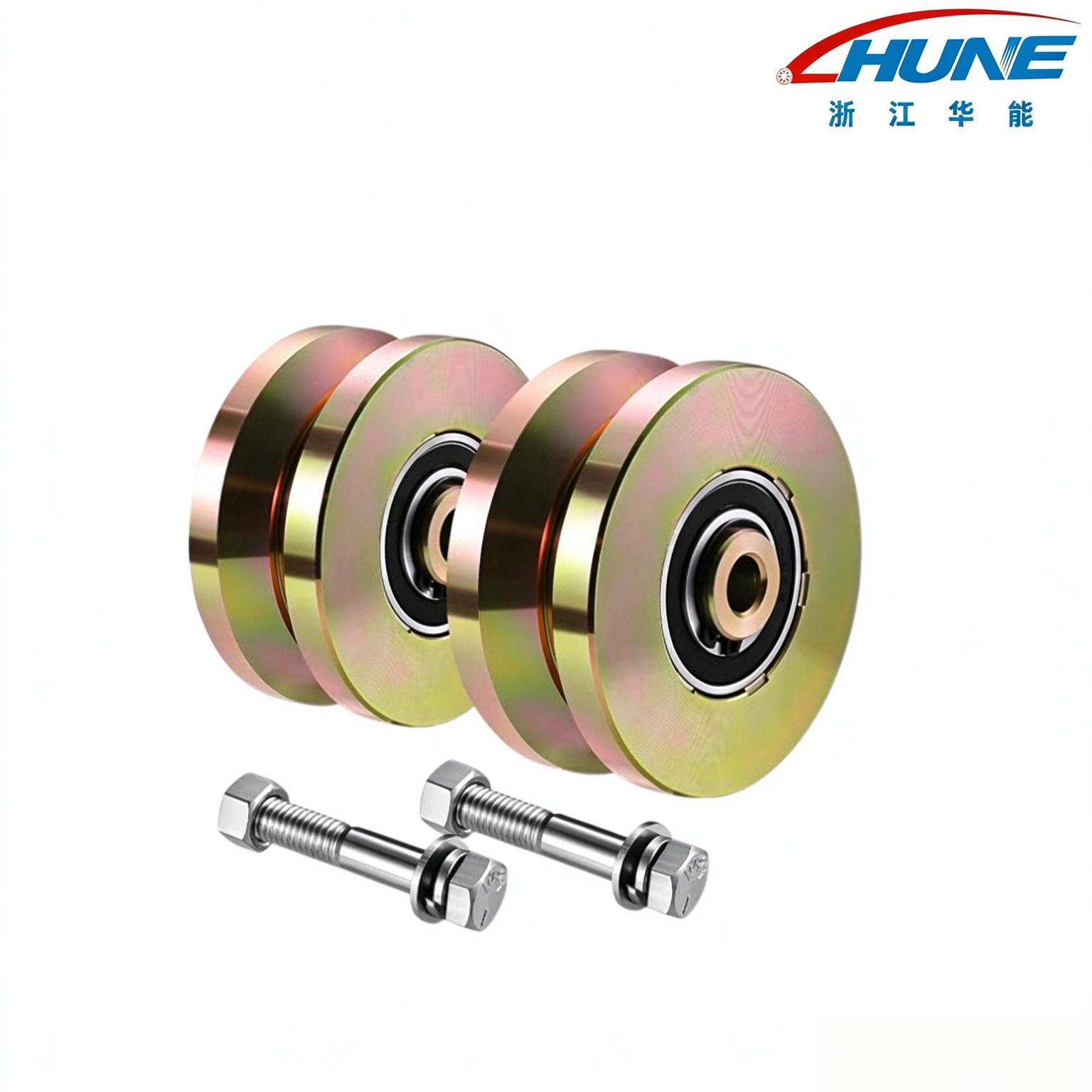
 +86-15058997617