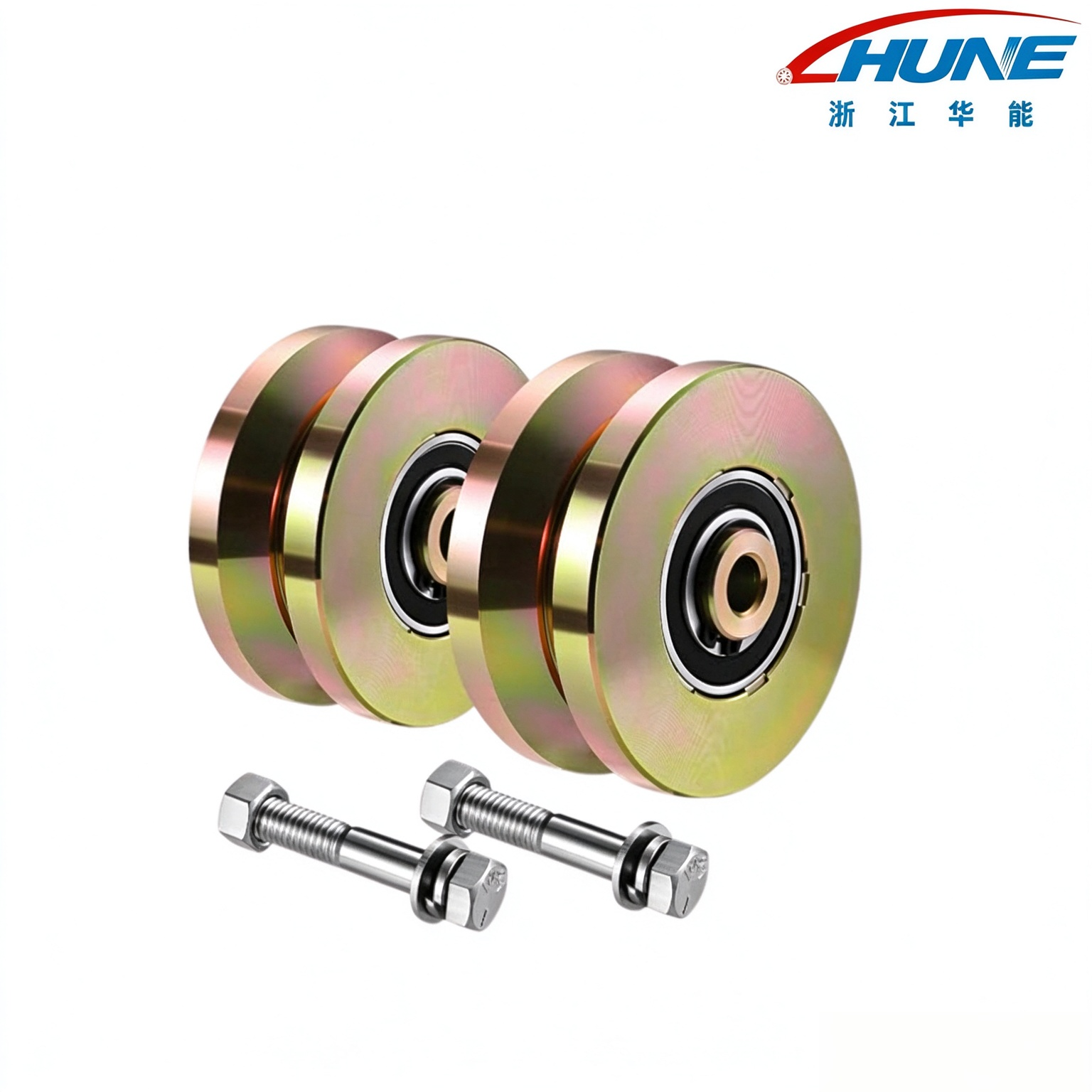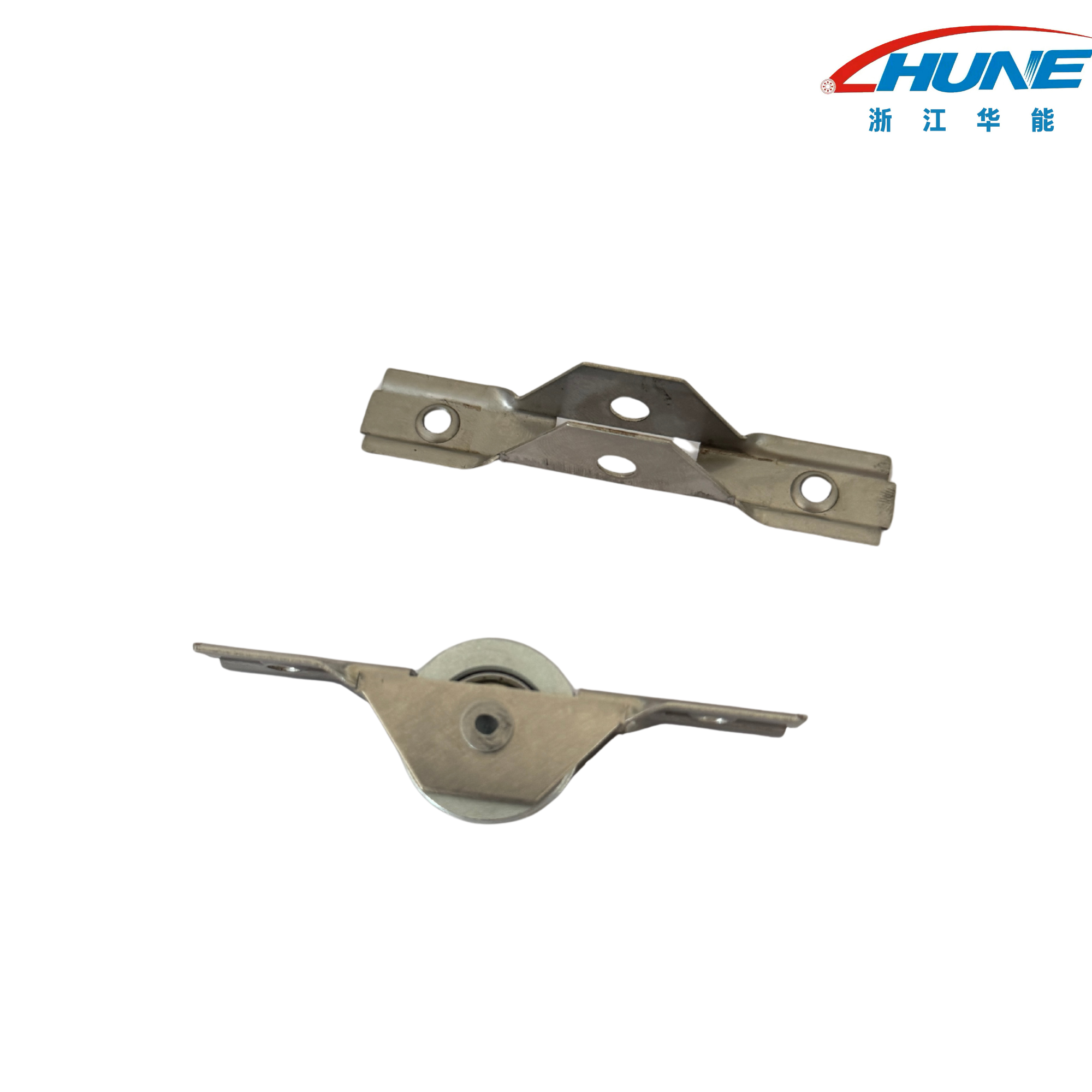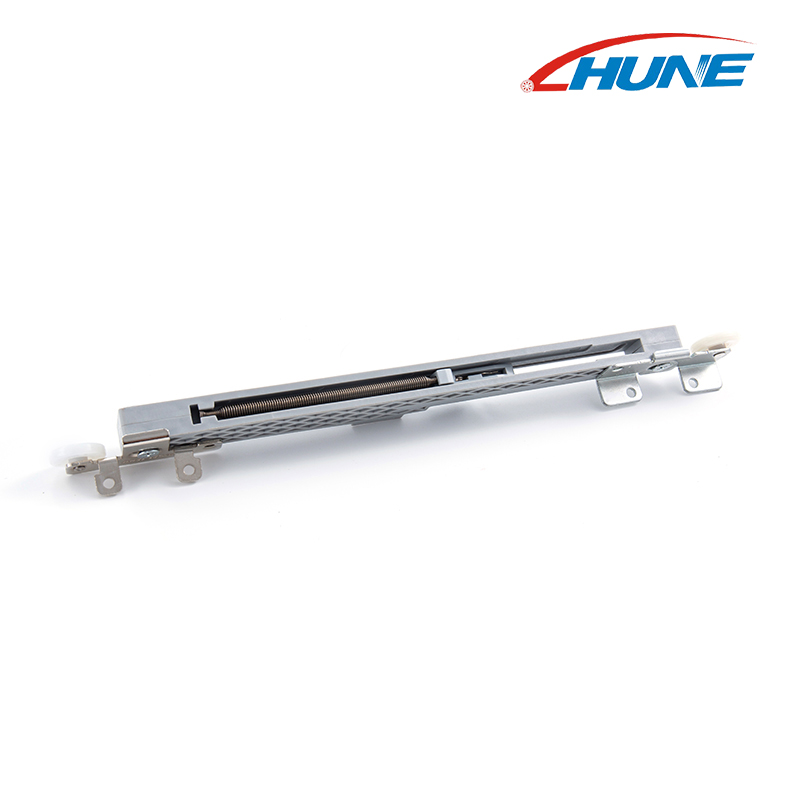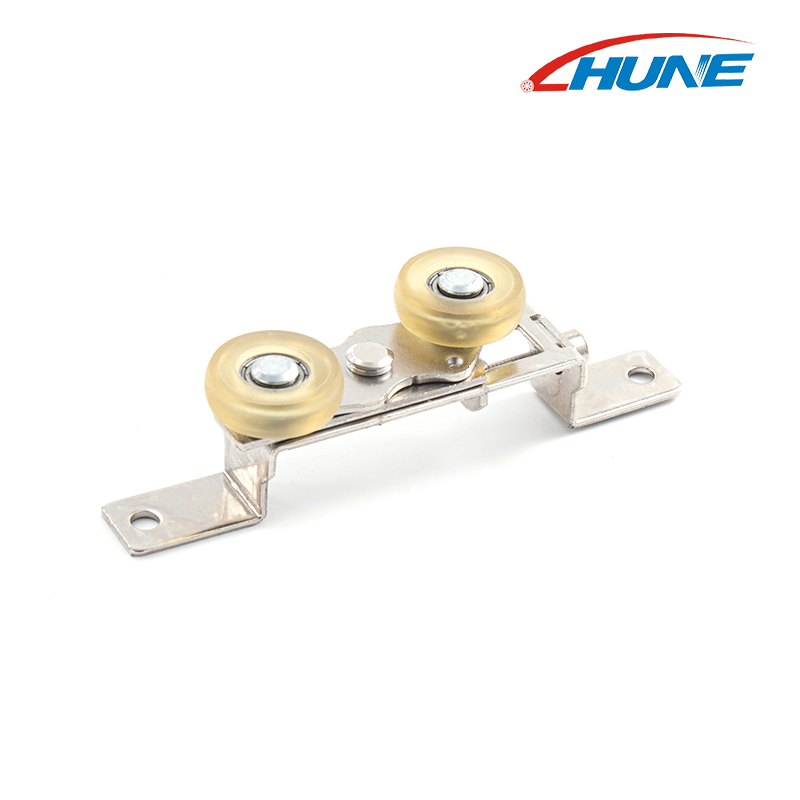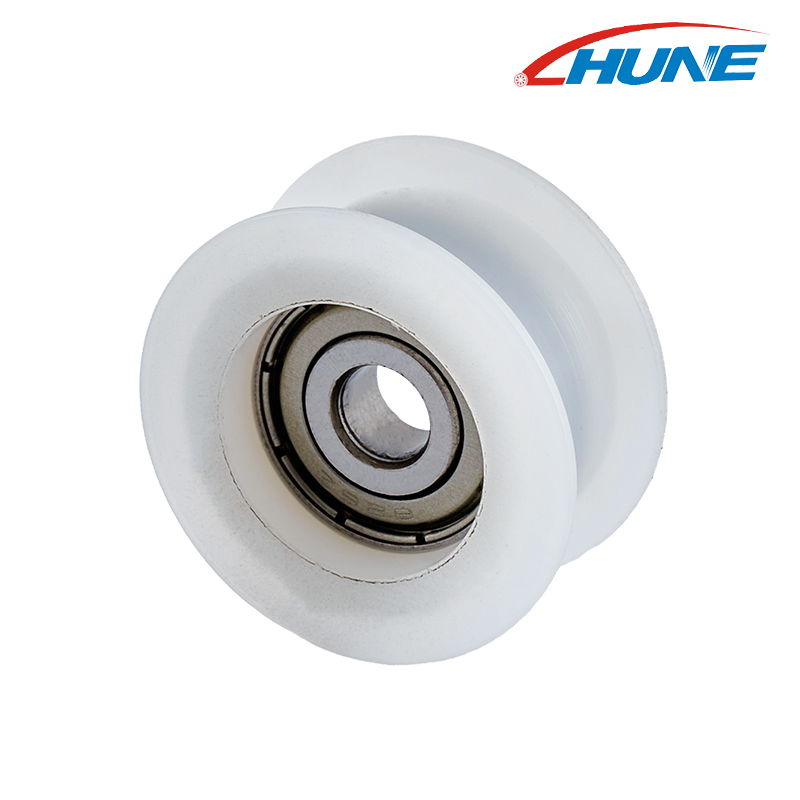
H-shaped Bearing Pulley

HOME / PRODUCT / Plastic Bearing Pulley / H-shaped Bearing Pulley / Nylon Bearing Pulley Wheel - Smooth & Silent Wear-Resistant Roller

Nylon Bearing Pulley Wheel - Smooth & Silent Wear-Resistant Roller

○ Material and color can according to customers' requirement.
○ We can make different size as per customers' requirement.

Product Advantages
  • Smooth Operation
    The spacer design ensures smooth rolling and no jamming, even when screws are fully tightened.
  • Silent & High Load Pulley
    Combines quiet bearings with high load capacity for smooth, low-noise performance.
  • Durable Materials
    The nylon-coated outer layer offers strength, toughness, and fatigue resistance.
  • Precision Bearings
    High-quality bearing steel provides quiet, high-speed, and wear-resistant performance.
  • Sealed & Dustproof
    Metal dust cover ensures tight sealing; smooth surface with no burrs for refined quality.
Product Description
A compact pulley may look simple, but its performance depends on what contacts its groove. A wheel running on a rail has different contact and load requirements from one guiding a rope or cable. In either case, the groove must fit the mating component, the bearing must turn freely after installation, and the mounting structure must support the applied load.

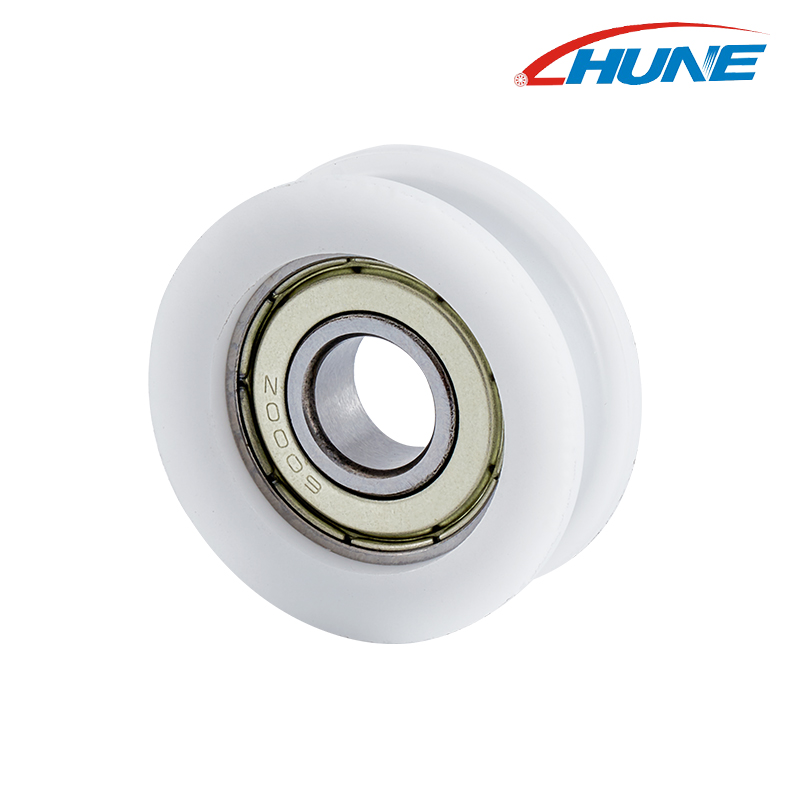
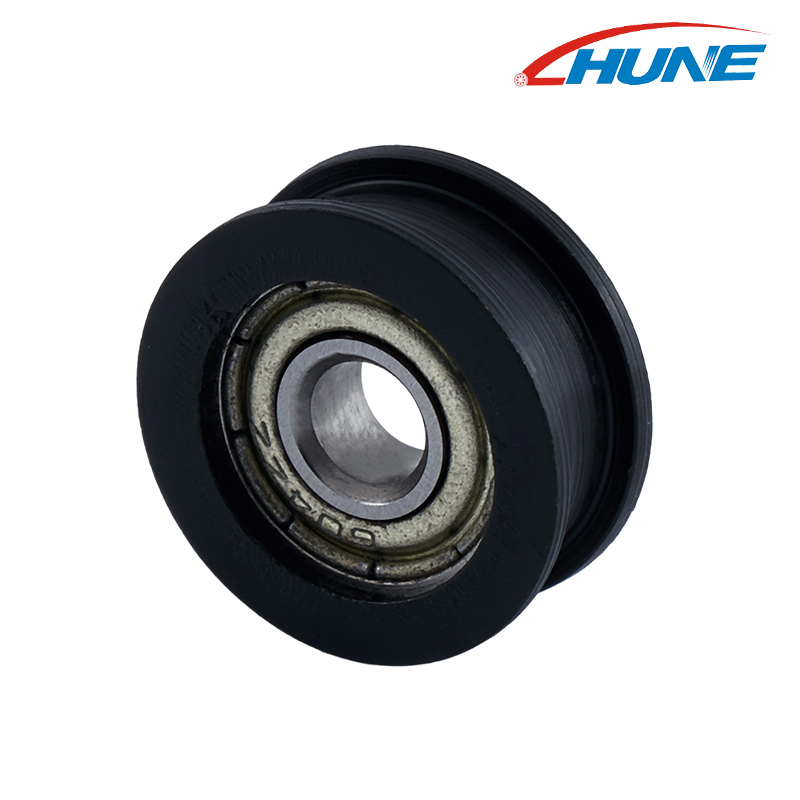
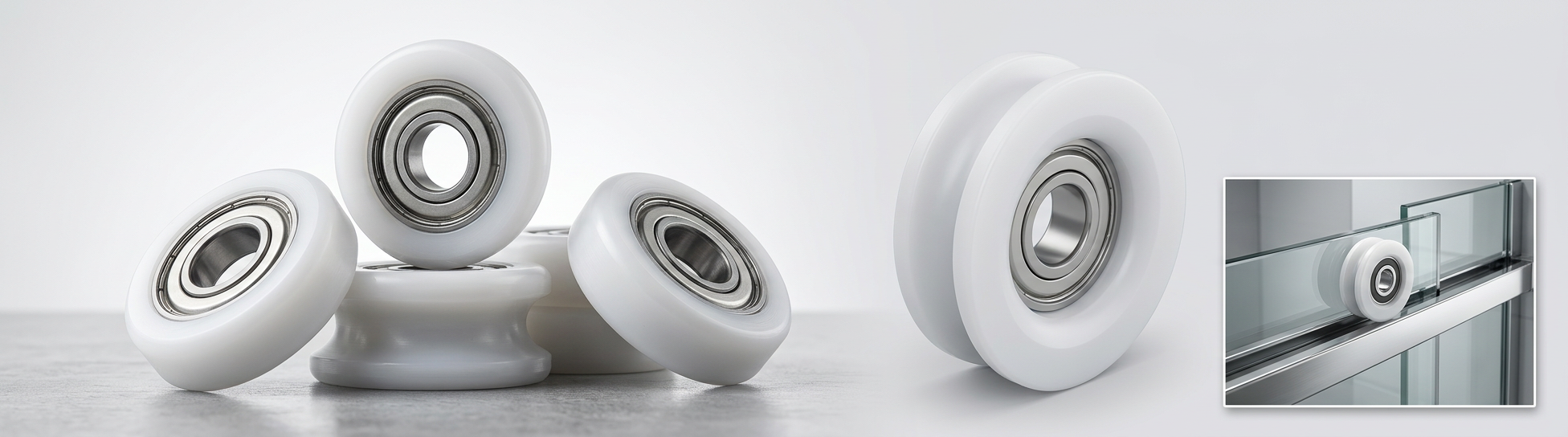
The Nylon Bearing Pulley Wheel - Smooth & Silent Wear-Resistant Roller is an H-shaped nylon or POM pulley built around a 625ZZ Ball Bearing. It can be developed for compatible furniture sliding systems, drawer slides, cabinet and wardrobe tracks, sliding doors and windows, shower room pulley assemblies, guide rails, and selected rope or cable routing mechanisms.

"Smooth," "silent," and "wear-resistant" describe design objectives rather than fixed performance ratings. Installed noise and service life depend on groove geometry, material, load, alignment, operating speed, and maintenance. 

Product Structure and Components

The pulley combines a shaped polymer running surface with bearing-supported rotation. Its suitability should be assessed at three interfaces: groove to track or line, bearing to wheel, and bearing to axle.

625ZZ Ball Bearing

The 625ZZ bearing allows the wheel to rotate around its mounting axle. It is a compact deep-groove ball bearing used in small roller assemblies where bearing dimensions fit the wheel and available installation space.

The ZZ designation means metal shields on both sides. These shields help limit the entry of some particles, but they are not contact rubber seals and do not make the bearing waterproof. Bearing load, fit, lubrication, and installation accuracy remain important even when the wheel spins freely before mounting.

Chrome Steel or Stainless Steel Bearing

Chrome steel and stainless steel bearing constructions may be considered according to the specified bearing and operating environment. Chrome steel is commonly used in controlled indoor applications. Stainless steel may be considered where greater corrosion resistance is required.

Material selection must cover the complete assembly. A stainless steel bearing does not protect an untreated axle, spacer, or mounting bracket from corrosion.

Nylon or POM Outer Wheel Body

The nylon or POM wheel body provides the contact surface. In a compatible track, it avoids direct metal-wheel contact with the guide surface. For a rope or cable, its suitability depends on groove shape, line material, contact pressure, and bend requirements.

Nylon and POM have different mechanical and dimensional characteristics. Neither should be assumed to protect every rail or cable from wear, particularly when grit is trapped in the groove or the load exceeds the intended design.

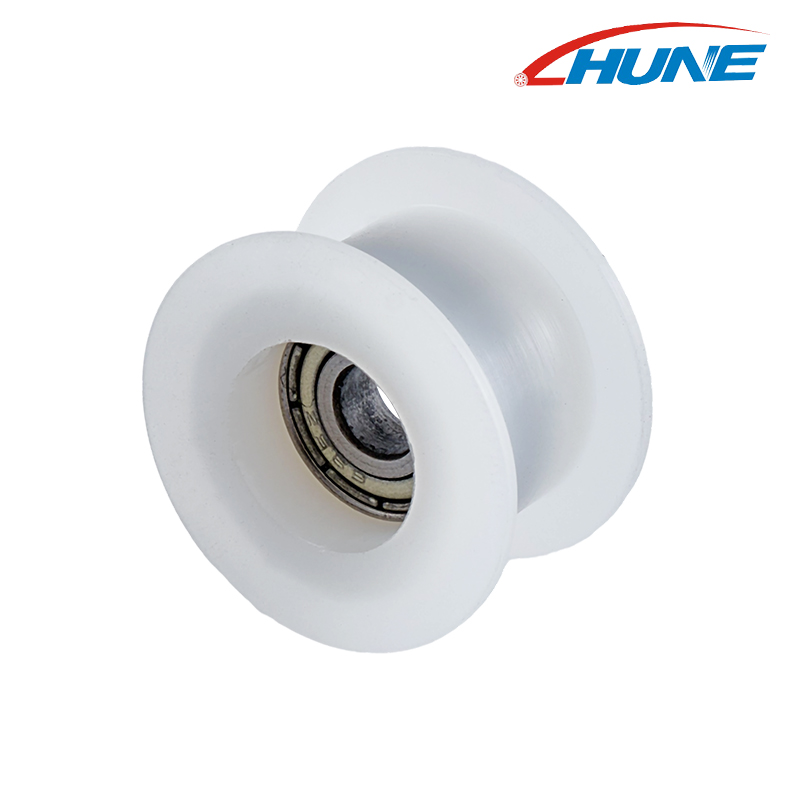
H-Shaped Groove Profile

The H-shaped groove helps position a matching rail, rope, or cable along a defined path. Those applications require different groove specifications: a rail needs appropriate running faces and clearance, while a flexible line needs a suitable groove width, depth, and contact radius.

An H-shaped appearance alone does not establish compatibility. For a cable guide pulley or rope guide pulley, assess line diameter, construction, tension, bending, and abrasion requirements. Do not use a small guide pulley as a lifting or safety-critical sheave without a separately validated design and rating.

Plastic Plain Bearing and Rolling Bearing Combination

The polymer wheel makes contact with the track or guided line, while the internal 625ZZ rolling bearing permits rotation around the axle. Polymer contact does not mean the pulley also contains a plastic plain bearing.

If an application requires a separate plain bushing or bearing surface, that feature should be identified on the drawing and specified as a distinct construction.

Anti-Corrosion Surface Treatment

A specified coating or finish can help protect exposed metal components. Its effectiveness depends on the material, coating process, coverage, wear, and environmental exposure.

The nylon or POM wheel body does not itself establish the corrosion resistance of the bearing, axle, or bracket. For humid locations, including some shower room pulley assemblies, review every exposed metal part and the bearing closure.

Sealed Bearing Structure

Where the pulley uses a 625ZZ Ball Bearing, its standard closure is double metal shields, not contact seals. If a sealed bearing is required, specify a suitable alternative bearing and verify that its dimensions and operating characteristics fit the wheel design.

Shielded or sealed bearings help limit contamination inside the bearing. They do not keep dirt off a rail or prevent particles from collecting in a rope groove.

Smooth Surface Finish

A controlled, burr-free groove and wheel edge help avoid unintended rubbing. Surface quality is especially important where the wheel contacts a rope or cable: a sharp edge or damaged groove can increase abrasion.

The finished pulley should be inspected for surface defects and tested with its actual mating track or line.

Key Features

The Nylon Bearing Pulley Wheel - Smooth & Silent Wear-Resistant Roller can be configured for a defined sliding or guiding application. Depending on the approved design, its features include:

  • Nylon Bearing Pulley Wheel with a shaped polymer running surface
  • POM Nylon H-Shaped Bearing Pulley material options
  • 625ZZ Bearing Pulley construction with a double-metal-shielded bearing
  • H-shaped bearing pulley, H-shaped nylon pulley, and H groove nylon pulley wheel profiles for compatible mating parts
  • Bearing-supported rotation in a compact mounting space
  • Custom groove width, depth, and contact shape for the intended track, rope, or cable
  • Spacer and axle arrangements that preserve free rotation after fastening
  • White or application-matched color options

Related product terms include smooth silent roller, wear-resistant roller, plastic bearing roller, low noise guide roller, furniture pulley wheel, drawer pulley wheel, door pulley wheel, track guide roller, and custom nylon pulley wheel. These names describe potential configurations; the drawing and application requirements determine the actual fit and performance.

Technical Parameters and Custom Options

Selection should start with the part the pulley contacts. A replacement track guide roller needs the rail cross-section, while a rope guide pulley or cable guide pulley needs line dimensions and working conditions.

Parameter Specification focus Why it matters
Bearing Type 625ZZ or specified alternative Bearing fit and closure type
Bearing Material Chrome steel or stainless steel option Exposure and operating requirements
Wheel Material Nylon, POM, or specified engineering plastic Contact, wear, and dimensional behavior
Wheel Diameter and Width Outside size and installed width Path geometry and mounting clearance
H Groove Width and Depth Groove dimensions and running faces Fit with rail, rope, or cable
Mounting Bore and Axle Bearing bore and shaft arrangement Support and free rotation
Spacer Size Width and contact position Prevents binding after fastening
Dust Protection Shielded or separately specified sealed bearing Contaminant exposure
Surface Treatment Finish for applicable metal parts Corrosion protection
Load Requirement Applied load and pulley arrangement Complete-assembly assessment
Application Data Drawing, sample, track profile, or line specification Custom development and verification

Hune can develop a custom H-shaped pulley wheel using a sample or drawing together with wheel size, groove geometry, shaft fit, material, color, and working conditions. For rope and cable uses, provide the line diameter, material, tension, travel path, and expected cycle frequency. For sliding hardware, provide the track cross-section, panel weight, pulley quantity, and mounting layout.

Material and Performance Characteristics

Material properties matter most when considered alongside contact geometry and installation. A low-friction wheel material cannot correct an unsuitable groove, and a good bearing cannot compensate for a clamped axle arrangement.

Nylon and POM Surface

Nylon and POM offer non-metallic running surfaces for suitable furniture hardware, door rollers, and guide mechanisms. Their noise and wear behavior depend on the specific grade, mating surface, load, and environment.

Bearing Steel Core

The chrome steel or stainless steel bearing transfers load between the rotating wheel and mounted axle. The bearing must be supported correctly by the wheel seat and shaft; material choice alone does not determine the pulley's load capacity.

Wear-Resistant Outer Layer

The polymer wheel body provides the replaceable contact surface in many designs. Its resistance to wear should be assessed against the actual rail or guided line. Check for groove deformation, uneven wear, and trapped abrasive particles during use.

H Groove Guidance

The H groove helps maintain a defined contact path when its profile matches the mating component. Track guidance and flexible-line routing are separate design cases and should not share an unverified groove specification.

Compact Hardware Compatibility

The pulley can be developed for visible or concealed hardware where wheel diameter, width, axle position, and available clearance are limited. After installation, the mounting should remain secure while the wheel rotates freely through the mechanism's full travel.

The Nylon Bearing Pulley Wheel - Smooth & Silent Wear-Resistant Roller is best specified by its contact application, H groove geometry, 625ZZ bearing arrangement, axle fit, and operating load. Hune can develop nylon or POM versions for compatible furniture, door, window, track-guide, and selected rope or cable-guide systems based on drawings, samples, and application data.
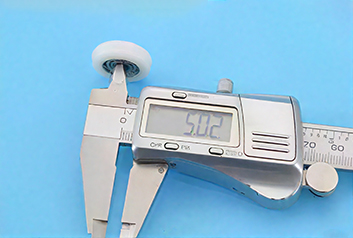
Product Parameters
Item No. 625zz
Material Bearing -Chrome steel, carbon steel, stainless steel
Plastic part- POM/ Nylon6 /Nylon66 +GF/PU/Rubber
Housing part - Plastic(Nylon)/ Steel/ Zinc alloy die casting / Aluminium profile/ alu. Alloy die casting
Color Original/black/white/Red/ Green/ Orange, or per customers' requirement
Surface Treatment Zinc plated/Nickle Plated/Black treatment/ Painting/Electrophoretic treatment
Features heavy-duty,adjustable,low noise,easy installation,sliding smoothly,long life,standard,customized,etc.
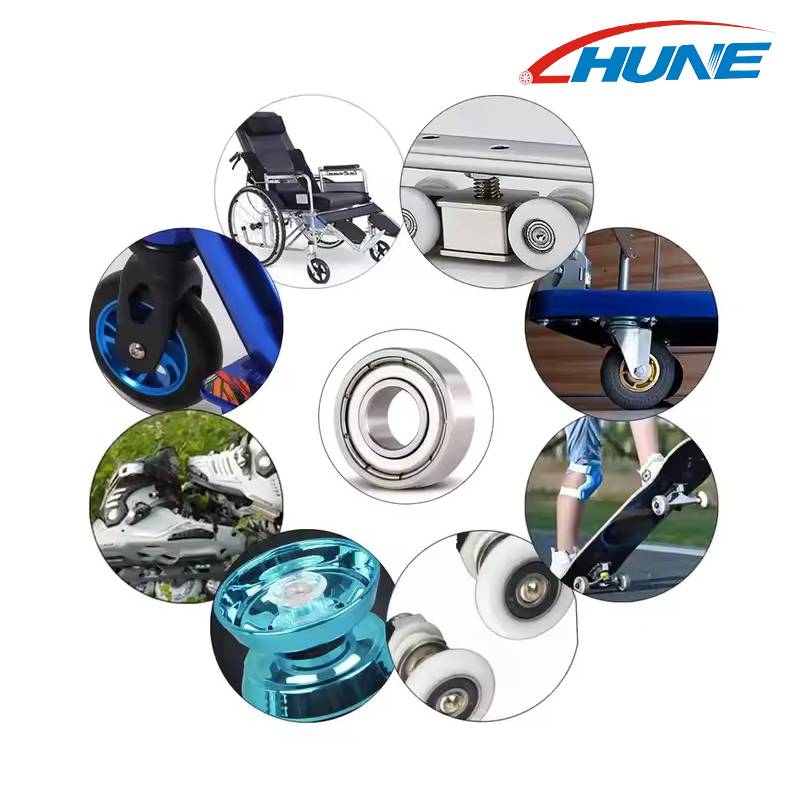
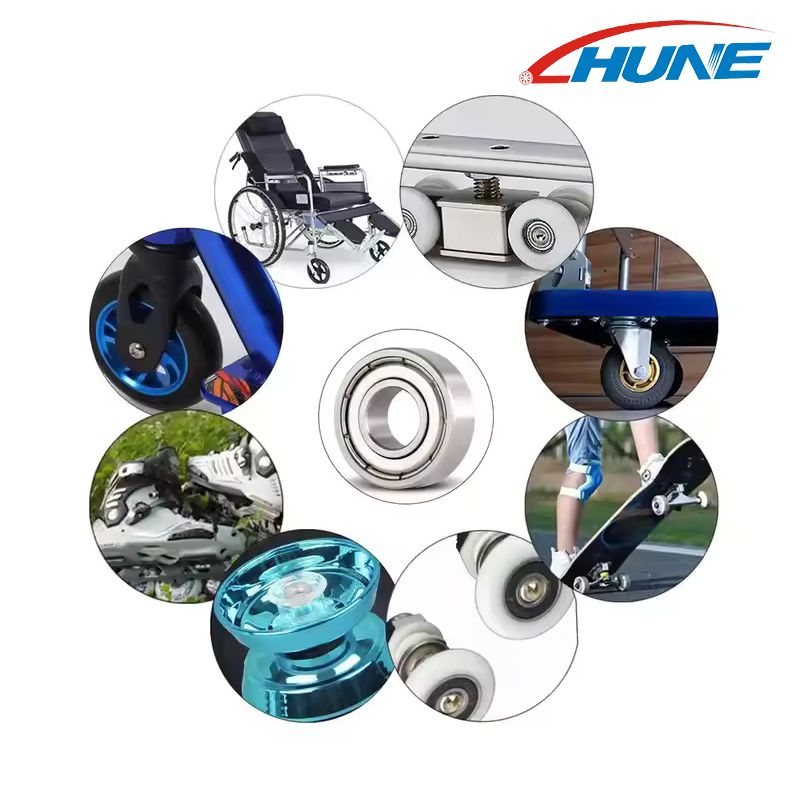
Application Sliding window and door, Sliding accessories, furniture accessories etc.
Packaing Foil bag+Neutral Carton+Pallet, or per customers' requirement
Lead Time According to the order q'ty
After-Sales Service Online Support,Free Spare Parts
HS Code 8302410000
Origin Wenzhou Zhejiang
OEM& ODM Technical drawing or sample is needed
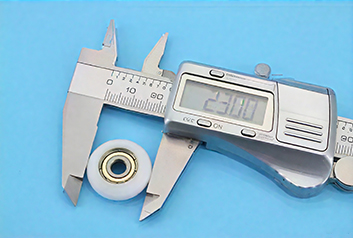
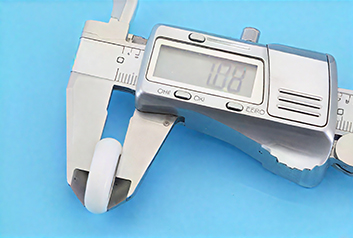
Measurement Method
Weight(g) ID(mm) OD(mm) Height(mm)
Payment Terms
1.100% T/T in advance
2.30% T/T deposit, 70% balance against copy of B/L
3. PayPal
Packaging Details: Standard export packing (plastic bag, carton, and pallet or wooden case), or as per customer's requirements.
Delivery Port: Ningbo / Shanghai
Delivery Time: Normally within 30 days for ready goods or as per customer's request.
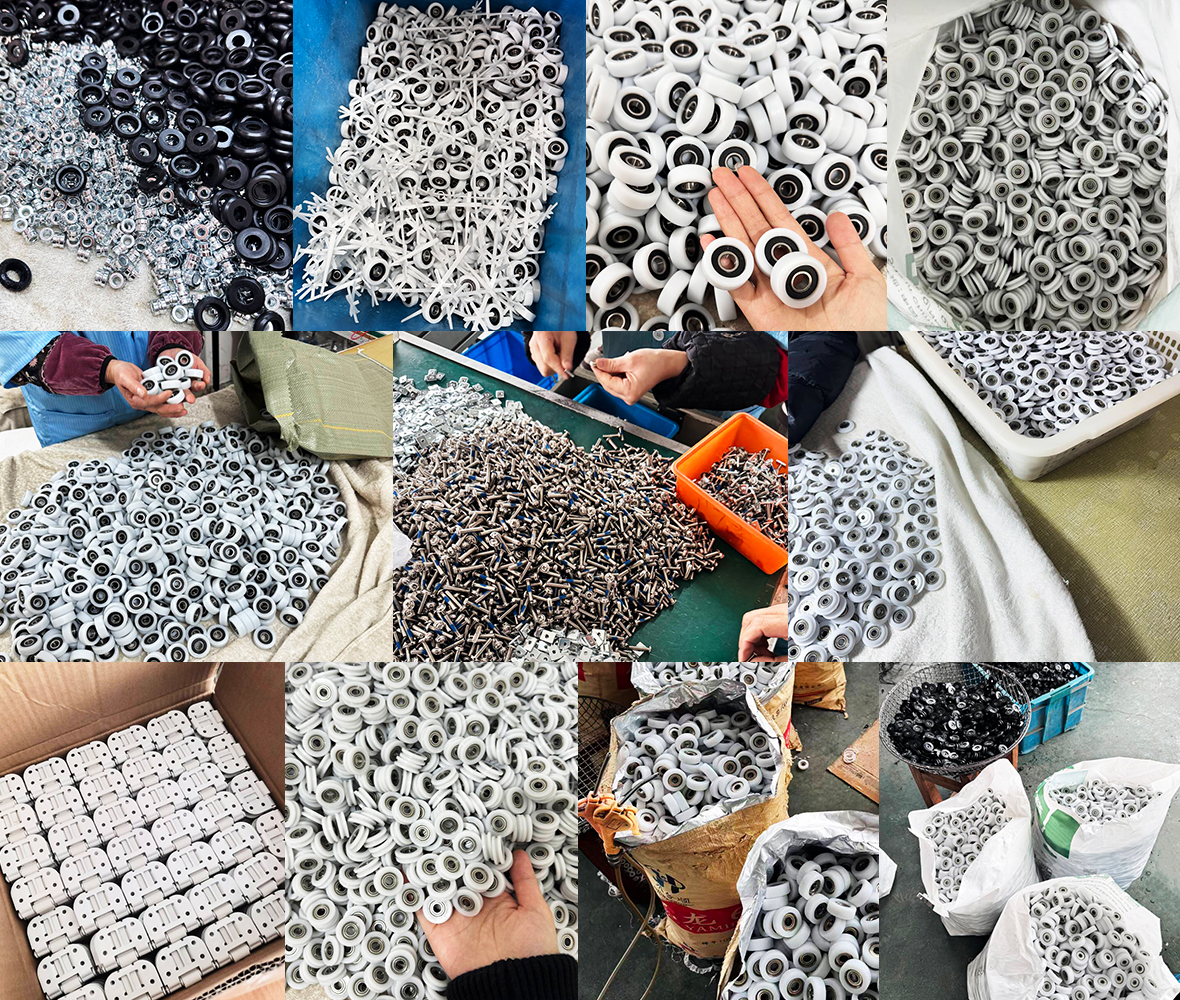
ACTUAL PHOTOS
FAQ
  • What are your payment terms?
    What are your payment terms?

    1.100% T/T in advance2.30% T/T deposit, 70% balance against copy of B/L3. PayPalPackaging Details: Standard export packing (plastic bag, carton, and pallet or wooden case), or as per customer's requirements.Delivery Port: Ningbo / ShanghaiDelivery Time: Normally within 30 days for ready goods or as per customer's request.

  • How do you handle shipment?
    How do you handle shipment?

    For small orders: we ship via express (DHL, FedEx, UPS, TNT, etc.).For bulk orders: we ship by sea or by air, depending on your preference.

  • How long is the production lead time?
    How long is the production lead time?

    For in-stock samples: shipped within 2 days.For out-of-stock samples: lead time is within 7 days.For mass production: approximately 15 days after receiving the deposit.

  • What after-sales service do you offer for sliding rollers?
    What after-sales service do you offer for sliding rollers?

    We provide online technical support.  If the issue is caused by a quality defect, we will replace the defective items with new ones.

  • How does your factory ensure quality control?
    How does your factory ensure quality control?

    80% of our staff have over 10 years of experience.  We have a mature and skilled technical team along with a comprehensive quality management system to ensure consistent product quality.

  • Can we print our logo on the products?
    Can we print our logo on the products?

    Yes, we can print your logo on the products based on your design requirements.

  • Can we customize our own color box?
    Can we customize our own color box?

    Yes, if your order quantity reaches 1,000 sets, we can provide customized color box packaging.

  • Do you offer free samples?
    Do you offer free samples?

    Yes, we are happy to provide free samples for you to evaluate the quality.

  • Are you a manufacturer?
    Are you a manufacturer?

    Yes, we are a professional manufacturer specializing in door and window roller pulleys for over 20 years. We also have our own international sales department and handle both production and sales in-house.

  • How long does it take to receive a response after sending an inquiry?
    How long does it take to receive a response after sending an inquiry?

    We will reply to you within 6 working hours on business days.

Send Inquiry
Zhejiang Huaneng Micro Bearing Co., Ltd.
  • Zhejiang Huaneng Micro Bearing Co., Ltd.
    0㎡
    Plant Area
  • Zhejiang Huaneng Micro Bearing Co., Ltd.
    0+
    Staff
  • Zhejiang Huaneng Micro Bearing Co., Ltd.
    0
    Established in
  • Zhejiang Huaneng Micro Bearing Co., Ltd.
    0+
    Exporting Countries
Zhejiang Huaneng Micro Bearing Co., Ltd.
Zhejiang Huaneng Micro Bearing Co., Ltd. specializes in the development and manufacturing of miniature and medium-sized bearings, non-standard bearings, Nylon Bearing Pulley Wheel - Smooth & Silent Wear-Resistant Roller and pulley systems. With over a decade of industry experience, we offer high-precision processing and responsive customization capabilities.As nylon bearing pulley wheel supplier for low-friction sliding performance. Our products are widely used in home appliances, industrial equipment, and door/window systems, and are exported to Japan, Korea, Europe, and beyond.
CONTACT US

Industry Knowledge: How Nylon Bearing Pulley Wheels Improve Sliding and Guide Systems

When a drawer becomes difficult to open or a guide cable begins to wear, the pulley is worth inspecting—but replacing it with any wheel of the same diameter may not solve the problem. The wheel profile, contact material, bearing, shaft, and alignment must work together.

A Nylon Bearing Pulley Wheel combines a nylon or POM running surface with an internal ball bearing. Depending on its groove and mounting design, it can guide movement in furniture hardware, door and window tracks, compact machinery, or selected rope and cable systems. The wheel contacts the track or guided line; the bearing allows it to rotate around an axle.

An H-shaped groove is one possible running profile, not a universal fit for every rail, rope, or cable. Smooth movement and reduced wear depend on matching that profile to the actual application.

What Is a Nylon Bearing Pulley Wheel?

A nylon bearing pulley wheel is a compact roller with an engineering-plastic outer body and a bearing-supported center. Its outer surface provides the running contact, while its bearing and mounting structure allow rotation under the assigned load.

Nylon Bearing Pulley Wheel - Smooth Silent Wear-Resistant Rolle

A typical design may include:

  • A nylon or POM wheel body
  • An internal ball bearing, such as a 625ZZ Bearing Pulley configuration
  • An H-shaped groove or another application-specific profile
  • A mounting bore and compatible axle
  • A spacer or sleeve to maintain clearance
  • A smooth, finished running surface

Not every design needs every component. For example, the spacer dimensions depend on how the bearing is held and how the mounting fastener is secured. The complete assembly should be checked after installation: the mounting must be secure, and the wheel must still rotate freely.

Why Nylon and POM Are Used in Pulley Wheels

Nylon and POM provide non-metallic running surfaces that can be formed into compact wheel profiles. Both are useful in suitable guide systems, but their behavior varies with material grade and operating conditions.

Nylon

Nylon is valued for its toughness and ability to serve as a running surface in furniture, doors, cabinets, and guide hardware. Its dimensions and wear behavior should be assessed against load, humidity, temperature, and track condition.

POM

POM can provide a consistent machined or molded profile and a smooth contact surface. It is used in compact rollers where dimensional fit and repeatable guidance are important.

Compared with Metal Contact Surfaces

A plastic wheel avoids direct metal-wheel contact with a rail and may reduce hard contact sound. It does not guarantee quiet operation or prevent wear: trapped grit, an unsuitable groove, or excessive load can damage both the wheel and the mating surface.

How a Bearing Core Changes Pulley Performance

A wheel without a rolling bearing may rotate directly around a shaft through sliding contact at its bore. A ball-bearing pulley uses rolling elements between its inner and outer bearing rings, which can reduce rotational resistance when installed correctly.

A bearing core may improve rotation consistency during repeated cycles, but the result depends on bearing selection, lubrication, load, shaft fit, and mounting pressure. If tightening the fastener makes the wheel difficult to turn, inspect the spacer and bearing support before assuming the bearing itself is faulty.

For a 625ZZ bearing, "ZZ" denotes metal shields on both sides. The shields help limit entry of some particles; they are not contact seals and do not make the bearing waterproof.

Understanding H-Shaped Groove Design

The H-shaped groove gives the wheel a defined contact path. On a rigid track, its running faces and side clearances must match the rail cross-section. With a rope or cable, the groove must instead be assessed for line diameter, contact radius, tension, and abrasion.

A suitable groove can help limit lateral wandering, but one groove should not be assumed suitable for both rail guidance and flexible-line routing. A groove that guides a narrow rail well may pinch a cable or force a rope around an unsuitable bend.

For a rope guide pulley or cable guide pulley, review the complete routing arrangement. A compact guide roller should not be used as a lifting or safety-critical sheave without a design and rating validated for that purpose.

Sliding Friction and Rolling Friction in One Component

The wheel is intended to roll, but some sliding can still occur at the contact surface—particularly during misalignment, changes in direction, or an incorrect groove fit. The bearing also contains rolling contact between its internal elements.

Contact condition Where it occurs Design implication
Intended rolling Wheel moving along a rail or guided path Match wheel profile and alignment
Internal bearing rolling Bearing elements rotating between rings Specify bearing, load, and shaft fit
Unwanted sliding Wheel rubbing a rail edge or housing Correct clearance and groove geometry
Flexible-line contact Rope or cable moving over the groove Check bend, tension, and abrasion

The goal is not to claim that all sliding friction disappears. It is to keep contact on the intended surfaces and avoid rubbing caused by poor fit.

Applications of Nylon Bearing Pulley Wheels

A similar-looking wheel may serve different duties across sliding and guide systems. Each application needs its own contact and load check.

Furniture Systems

Drawer slides, cabinets, wardrobes, and movable panels may use a furniture pulley wheel or drawer pulley wheel to support or guide travel. Confirm whether the wheel carries panel weight or acts primarily as a guide.

Door and Window Tracks

Sliding doors, windows, glass-door hardware, and aluminum tracks can use nylon bearing pulleys when the wheel profile, mounting, and load match the system. Glass doors require a suitable door-supporting hardware assembly.

Rope and Cable Guide Systems

A grooved wheel can guide a rope or cable along a specified path. Check line construction, diameter, working tension, groove finish, and minimum bend requirements before use.

Shower Room Hardware

Shower room pulleys require attention to moisture exposure. Review the bearing, axle, fasteners, and bracket together; a plastic wheel body does not protect the metal components from corrosion.

Machinery and Transmission Equipment

Small machines may use a plastic bearing roller as a guide or routing component. Operating speed, load direction, and maintenance access should be included in selection.

Display Fixtures and Enclosures

Compact panels and access covers may benefit from a low noise guide roller where space is restricted. Installed noise should be assessed with the actual rail and housing.

Selection Guide for Nylon Bearing Pulley Wheels

Begin with the mating part—the track, rope, or cable—then work back to the wheel and its mounting. This is more reliable than selecting by wheel appearance alone.

Selection factor Why it matters Technical checkpoint
Wheel Diameter Affects clearance and contact path Check available installation space
Wheel Width Affects bracket and track fit Confirm total installed width
Groove Shape and Depth Controls running contact Match the rail or flexible line
Bearing Type Determines rotation arrangement Confirm 625ZZ or specified alternative
Bearing Material Affects environmental suitability Review all exposed metal parts
Wheel Material Affects contact behavior Select nylon, POM, or another grade
Mounting Bore and Spacer Affect fit and free rotation Check axle and fastener arrangement
Load Affects wheel and bearing selection Identify force on each pulley
Environment and Frequency Cause wear and maintenance needs Review moisture, dust, and cycles

For rope or cable applications, also specify line material, tension, and bend requirements. For a track guide roller, supply the rail cross-section and the pulley's position in the assembly.

Common Problems and Technical Causes

A pulley symptom may originate at the wheel, bearing, mounting, or mating surface. Inspect each before choosing a replacement.

The Pulley Makes Noise

Check for a rough bearing, loose mounting, track debris, edge rubbing, groove mismatch, or excessive load. Noise alone does not identify which part has failed.

The Rope or Cable Wears Quickly

Inspect the groove for sharp edges or particles. Also check groove size, pulley alignment, line tension, and bend requirements.

The Wheel Does Not Rotate Smoothly

Bearing damage or contamination is possible, but so are shaft misfit and side pressure from the fastener. Compare rotation before and after installation.

The Pulley Deforms Under Load

The wheel material or geometry may be unsuitable for the applied force. Check how the load is shared and whether contact is concentrated on a narrow edge.

The Track Shows Wear Marks

Wear marks can reveal misalignment, an incorrect groove, trapped grit, or unintended side contact. Compare marks on both the track and wheel.

The Pulley Jams After Installation

Check spacer length, fastener contact, side clearance, and housing interference. A wheel that spins freely in hand can bind when mounted incorrectly.

Installation Guidelines for Nylon Bearing Pulleys

Before mounting, confirm the shaft fit and rotate the bearing by hand. Compare the groove with the actual track, rope, or cable, and remove burrs from brackets or guide channels.

During installation, support the bearing as specified and preserve side clearance. Tighten the mounting hardware securely without clamping the rotating wheel. Then test the mechanism through its full travel, checking for scraping, clicking, wobble, and tight spots.

If the pulley binds only after tightening, recheck the spacer and mounting contact faces. Applying more force to the moving panel will not correct an assembly fit problem.

Maintenance and Replacement Signals

Keep tracks and grooves clear of dust, fibers, and abrasive particles. Inspect the wheel for cracks, flat spots, edge wear, or groove deformation. Check the mounting for looseness and the bearing for rough rotation.

In a rope or cable system, inspect the guided line as well as the pulley. Fraying or localized abrasion may indicate an unsuitable groove or path even if the wheel still turns.

Replace the pulley when confirmed wheel or bearing damage affects movement or guidance. If a new pulley develops the same symptoms, investigate the rail, alignment, load, and mounting arrangement.

When Custom Nylon Pulley Wheels Are Needed

A custom nylon pulley wheel may be required when a standard product has the wrong groove, installed width, bore, material, or bearing configuration. Development options can include a POM Nylon H-Shaped Bearing Pulley, alternative wheel dimensions, a track-specific running surface, a rope- or cable-specific groove, spacer changes, color, or housing integration.

Useful development inputs include a drawing or sample, mating-track cross-section or line specification, available mounting space, axle details, load, movement frequency, and environment. If the supplied sample is worn, its damaged groove should not automatically be copied as the original design.

FAQ: Nylon Bearing Pulley Wheels

What is a nylon bearing pulley wheel?

It is a roller with a nylon or POM running body and an internal bearing that allows the wheel to rotate around a compatible axle.

What is the purpose of an H-shaped groove?

It provides a defined contact path for a matching rail or, when specifically designed for it, a rope or cable. “H-shaped” alone does not confirm fit.

Why is a 625ZZ bearing used in pulley wheels?

A 625ZZ bearing provides compact bearing-supported rotation. Its two metal shields help limit some particle entry but are not waterproof seals.

What is the difference between nylon and POM pulley wheels?

Both provide non-metallic contact surfaces. Their dimensional and wear behavior differs by material grade and conditions, so selection should follow the actual load and environment.

Can nylon pulley wheels be used in drawer systems?

Yes, when the wheel dimensions, running profile, mounting, and load match the drawer hardware.

Can an H groove pulley guide cables?

Yes, if its groove, contact radius, and working conditions are suitable for the specific cable. A track pulley should not be assumed cable-compatible.

What causes a pulley wheel to jam?

Common causes include incorrect spacer dimensions, mounting pressure, inadequate side clearance, debris, and misalignment.

How can pulley noise be reduced?

Clean and align the running path, use a correctly matched groove, check the bearing and mounting, and select a suitable wheel material. Verify the result in the installed assembly.

When is stainless steel bearing material useful?

It may be considered when moisture or corrosion exposure is a design concern. The axle, fasteners, and other metal parts still need review.

What information is needed for a custom nylon pulley?

Provide wheel and mounting dimensions, bearing requirements, load, environment, and a drawing or sample. Include a track cross-section for rail guidance or line specifications for rope and cable guidance.

A Nylon Bearing Pulley Wheel can improve movement in a compatible sliding or guide system, but its value comes from the complete fit: material against mating surface, groove against rail or line, and bearing against axle and load. Hune can develop H groove nylon pulley wheel, 625ZZ Bearing Pulley, track guide roller, and custom H-shaped pulley wheel designs from application data, drawings, and samples.

Message Feedback