


 English
 Español
 日本語




 +86-15058997617

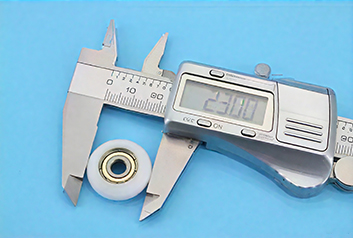
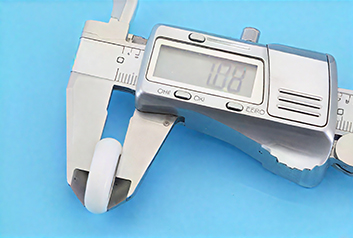
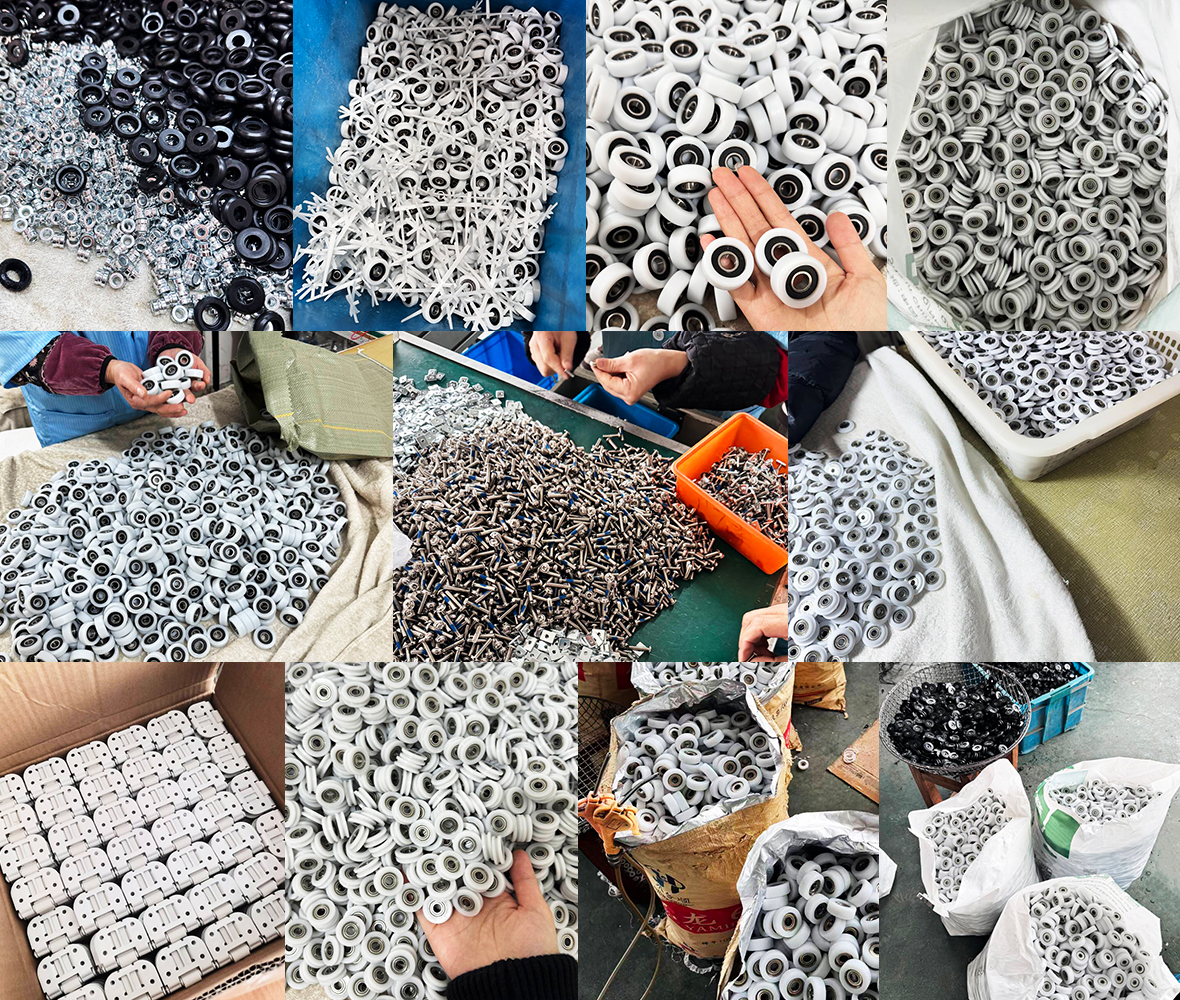


Industry Knowledge: How H-Shaped 626ZZ Bearing Pulleys Improve Sliding Door and Window Systems
A sliding door can feel heavy even when its pulley still turns. The cause may be a worn bearing, but it may also be an H groove that contacts the wrong part of the rail, a mounting screw that restricts rotation, or a panel that is no longer aligned. Good sliding performance comes from the pulley, track, and panel working as a system.
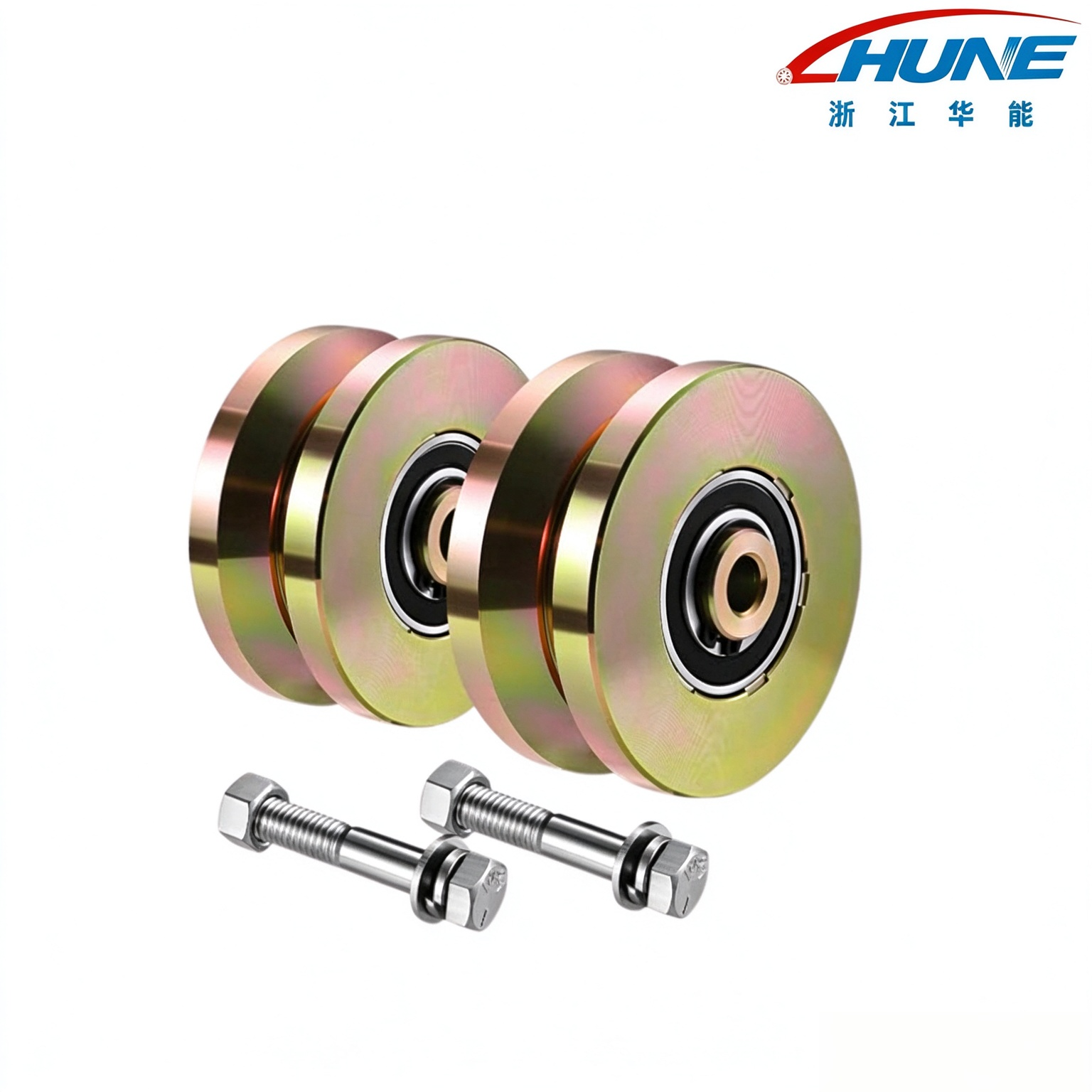
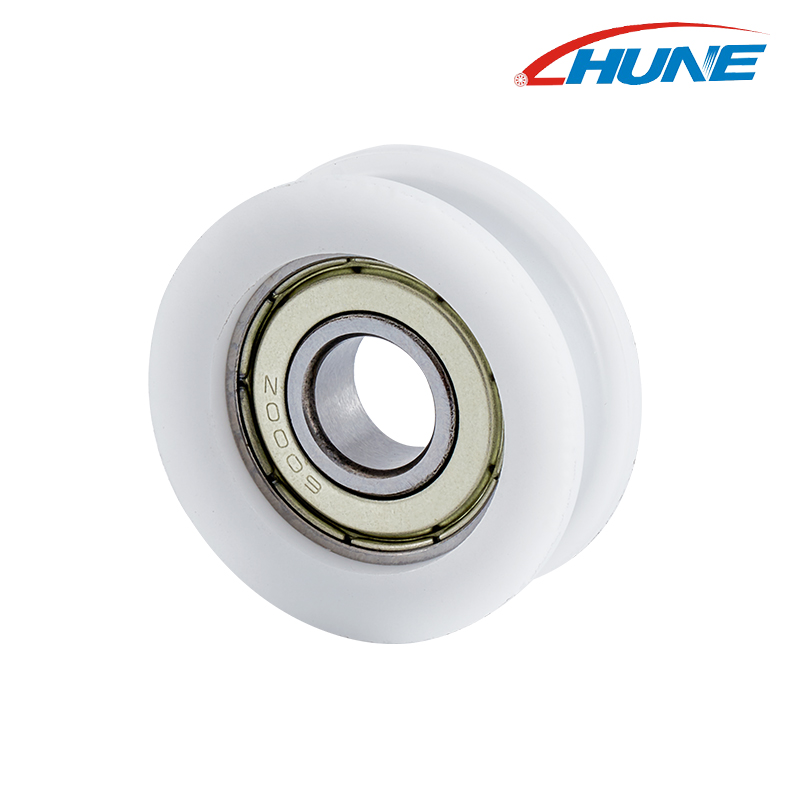
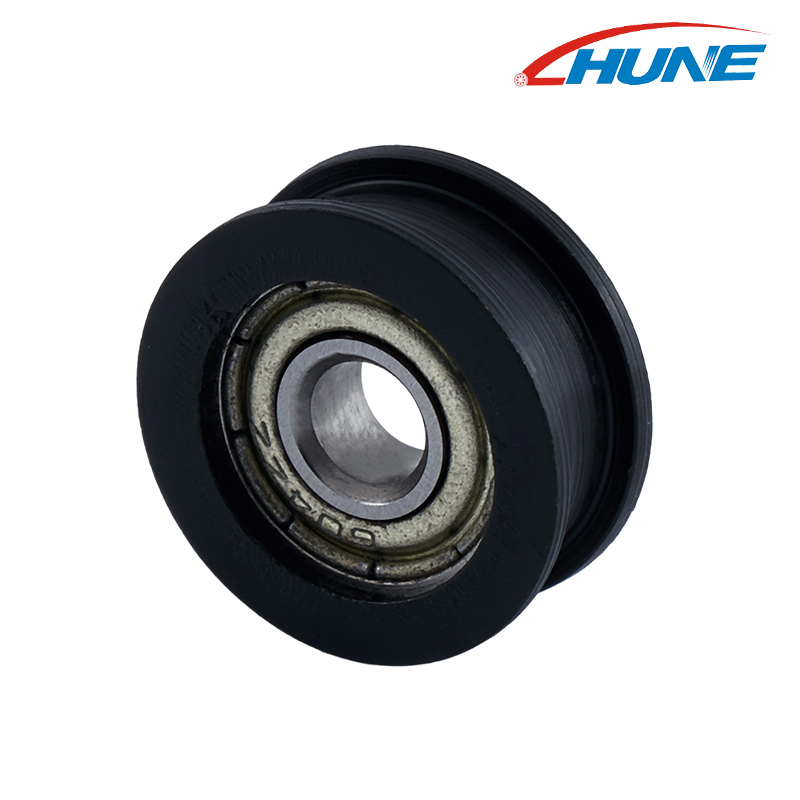
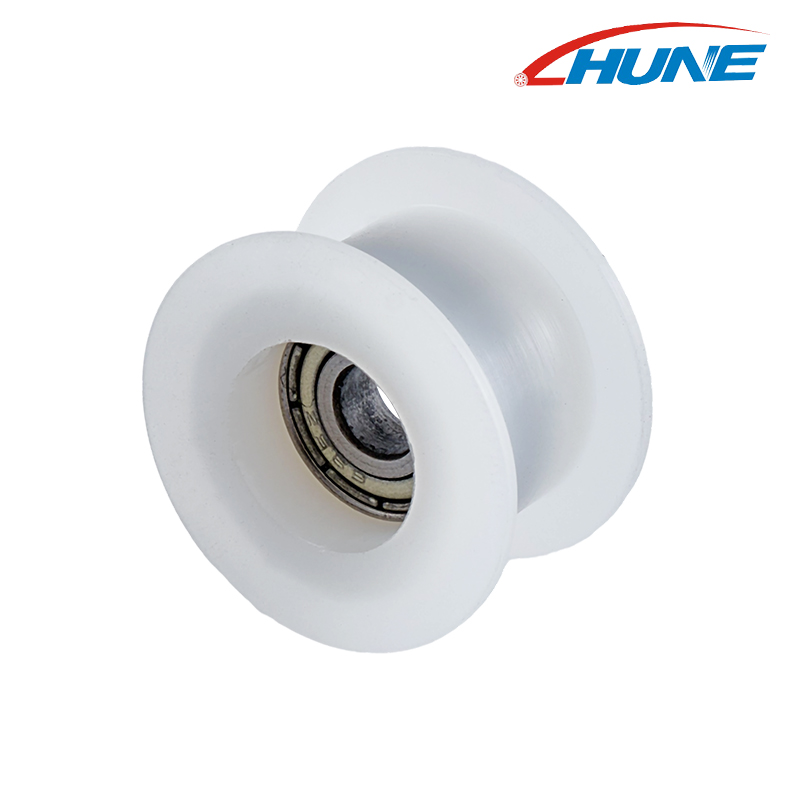
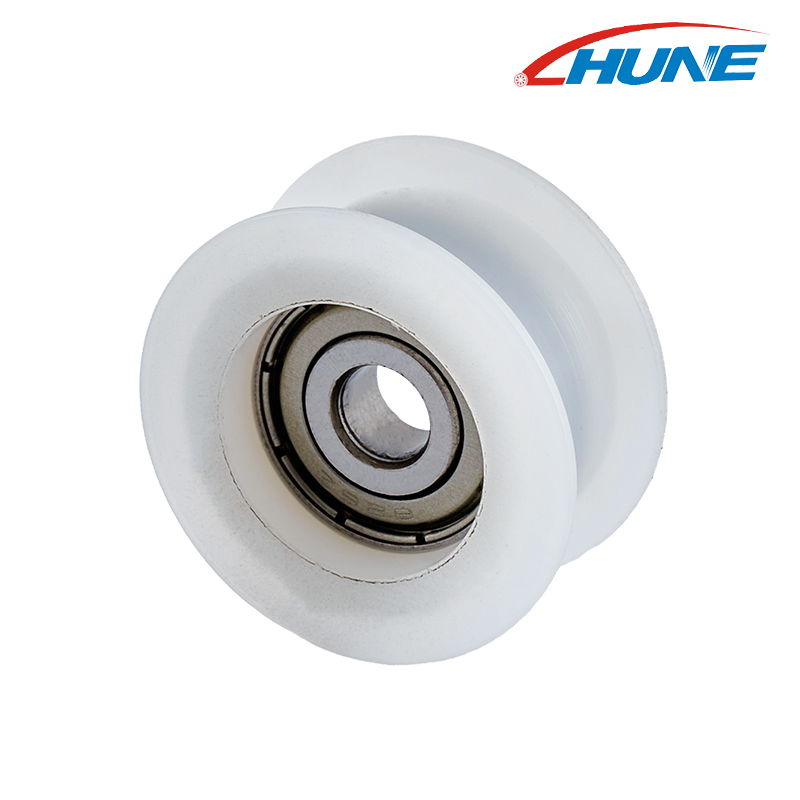
An H-shaped 626ZZ bearing pulley combines an H groove running profile with a compact bearing-supported wheel. It can be used in compatible sliding doors, sliding windows, wardrobes, cabinets, furniture panels, partitions, and aluminum track systems. Its suitability depends on the track cross-section, load carried by each pulley, mounting arrangement, and operating environment.
For technical selection, the clearest description is a bearing-supported H groove pulley wheel designed to roll on a matching rail and guide a moving panel. The profile guides contact; the bearing permits rotation. Neither feature can correct a damaged track or a poorly aligned frame.
What Is an H-Shaped Bearing Pulley?
An H-shaped bearing pulley is a guide wheel whose running profile is designed for a compatible rail. The wheel may carry part of a panel's weight, control its lateral position, or perform both functions, depending on where it is installed.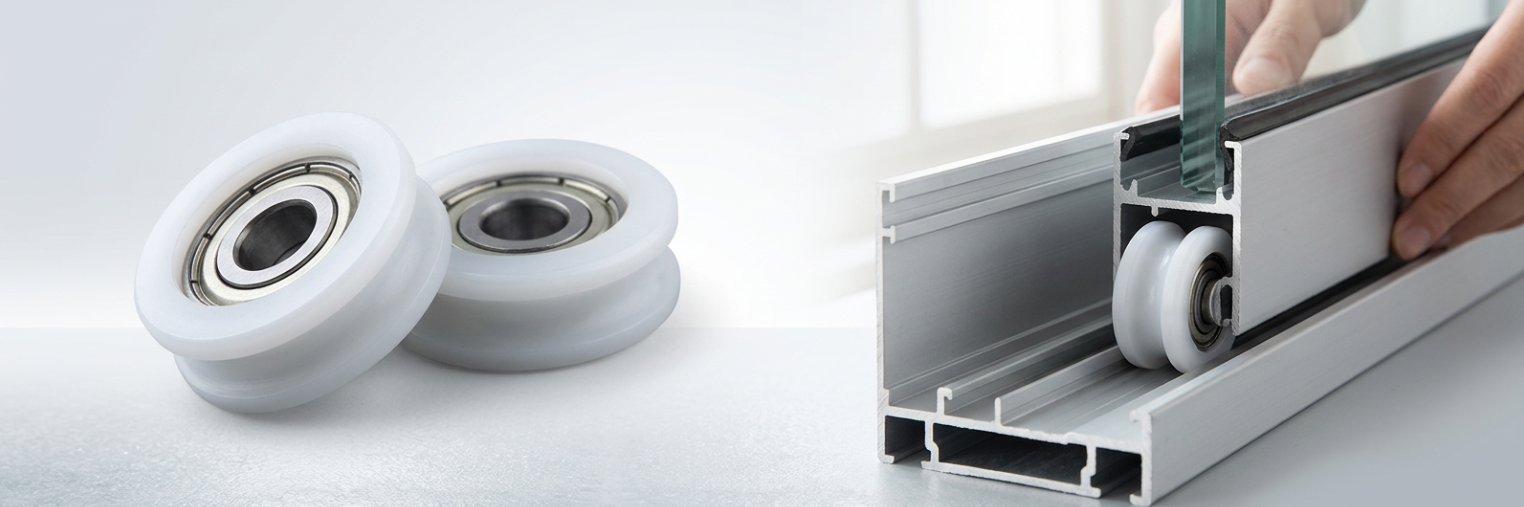
A typical assembly may include:
- An H groove wheel body
- An internal bearing, such as a 626ZZ bearing
- A mounting bore, axle, or screw connection
- A spacer or sleeve
- A shaped running surface
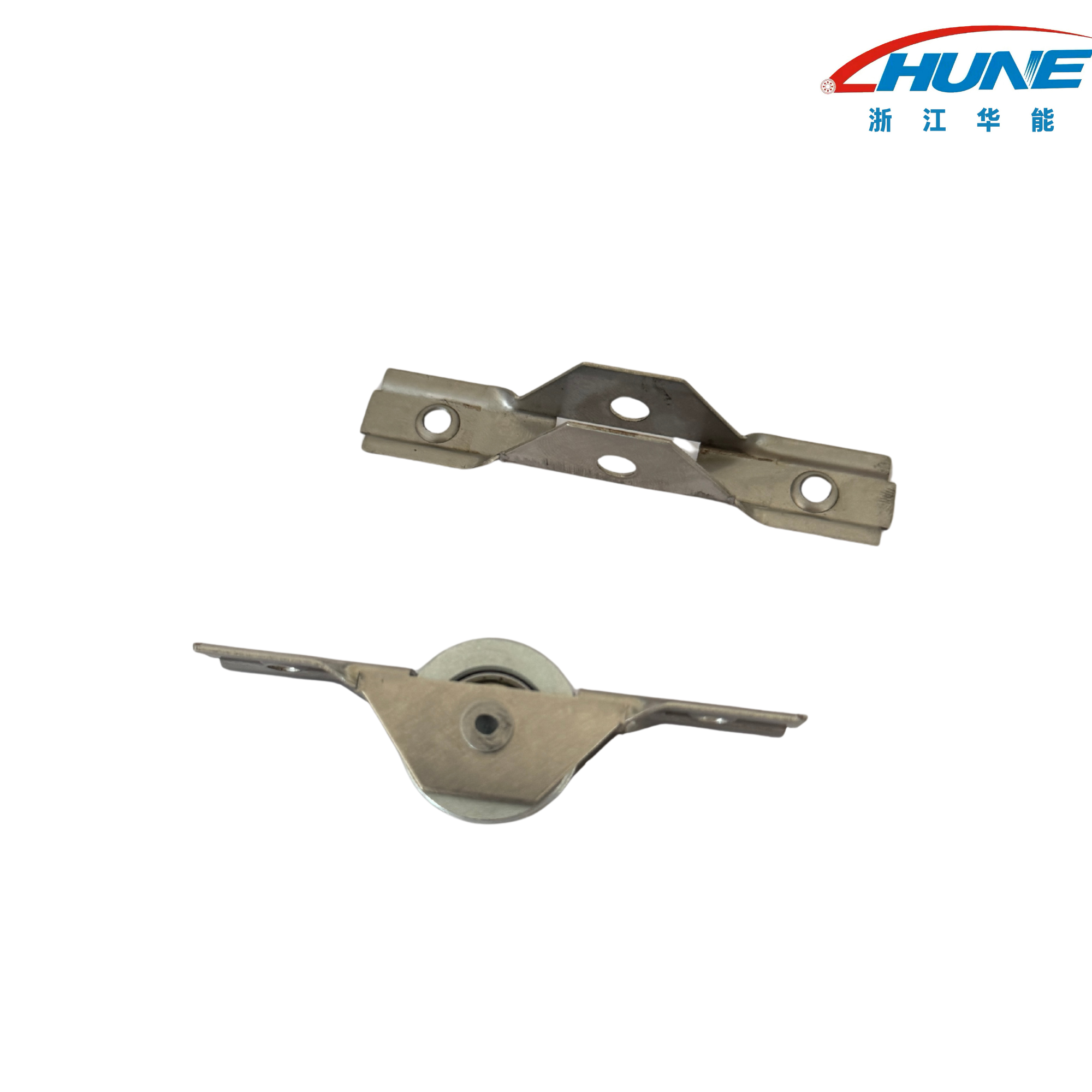
- An optional bracket or housing
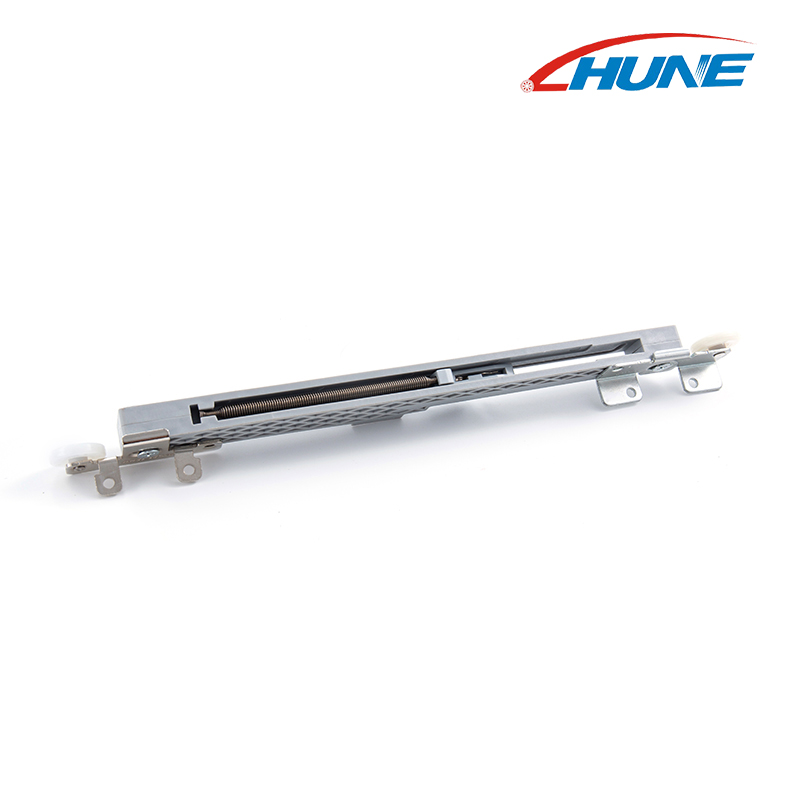
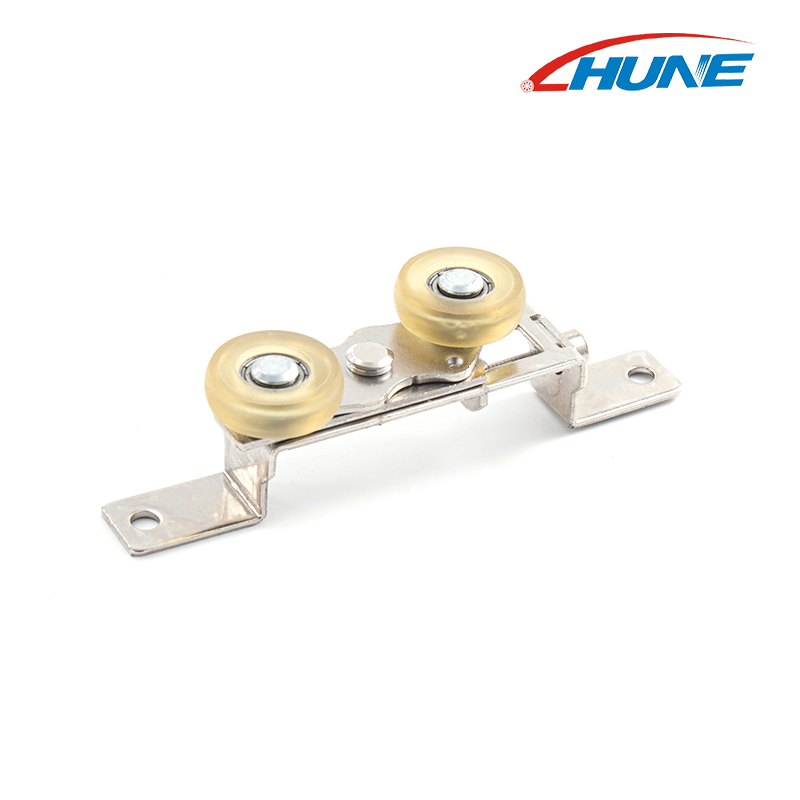
Several pulleys often work together in one sliding system. Their spacing and adjustment influence how evenly the panel loads the rail. “H-shaped” identifies a general profile, not a universal track standard; the wheel and rail dimensions still need to be compared.
Why 626ZZ Bearings Are Used in Compact Pulleys
A 626ZZ bearing is a compact deep-groove ball bearing with metal shields on both sides. Inside a pulley wheel, it allows the wheel to rotate around its axle without relying on the wheel bore to slide directly against the shaft.
The bearing can support repeated rolling movement in a compact assembly, provided its fit and operating load are appropriate. Its performance also depends on lubrication, mounting accuracy, bearing quality, and exposure to contaminants.
The ZZ designation means shielded, not waterproof. Metal shields help limit the entry of some particles, but they are different from contact seals. If a project calls for a sealed bearing pulley, specify the required bearing closure rather than assuming a 626ZZ provides it.
How the H Groove Profile Affects Sliding Stability
The H groove determines where the wheel meets the rail. When its width, depth, and running faces match the track, the wheel can remain on its intended path while the panel moves.
A poor match may cause the wheel to ride on a rail edge, rub against a nearby surface, or sit at the wrong height. The resulting symptoms can include side play, noise, uneven wear, or increased sliding effort.
Groove depth alone does not determine guidance. Rail width, wheel contact faces, side clearance, and the position of other rollers all matter. For replacement or custom development, a cross-section of the actual track is more reliable than selecting a pulley from a photograph.
Plastic, Nylon, and POM Wheel Materials
The wheel material changes how the pulley contacts the rail. The table below gives selection considerations rather than guaranteed noise or load ratings.
| Material option | Contact characteristic | Selection consideration |
| Nylon | Tough, non-metallic running surface | Check grade, load, humidity, and wear |
| POM | Dimensionally stable running profile | Check track fit and operating conditions |
| Nylon66 + GF | Increased stiffness from reinforcement | Assess contact wear on the mating rail |
| PU | More compliant contact | Check deformation and tread retention |
| Rubber | Flexible, cushioning contact | Check rolling resistance and aging |
H Groove Plastic Pulley Wheels and H Groove Nylon Pulley Wheels can help avoid direct metal-wheel contact with a track. They do not make the track immune to scratches: grit, excessive load, or an incorrect groove can still damage the running surfaces.
Sealed and Shielded Bearing Designs
Tracks in doors and windows can collect household dust, fibers, and outdoor particles. Bearing shields or seals help limit contamination inside the bearing, but they do not remove debris from the track.
For a pulley specified with a 626ZZ bearing, the bearing has two metal shields. A contact-sealed alternative is a different specification and should be checked for dimensional fit and operating requirements before substitution.
Moisture resistance must also be assessed across the complete assembly. A protected bearing does not automatically protect the axle, bracket, fasteners, or wheel-to-track contact area.
Technical Factors That Influence Pulley Performance
A pulley's installed behavior depends on more than the wheel material or bearing designation.
Track Shape
Measure the rail's width, height, and running faces. Confirm that the H groove contacts the surfaces intended to carry load and provide guidance.
Panel Weight
Determine how many pulleys support the panel and how the load is shared. A pulley in a guide-only position may have a different duty from one supporting the door's weight.
Wheel Diameter
Diameter affects installed panel height, nearby clearances, and how the wheel negotiates minor changes in the running surface.
Wheel Width
The complete wheel must fit within its bracket or housing without side rubbing. Check overall assembly width as well as running-surface width.
Groove Depth
Groove depth affects how the wheel sits over the rail, but it should be assessed with groove width and contact geometry.
Bearing Fit
The bearing must be retained correctly in the wheel and supported properly on the axle. An incorrect fit can create play or restrict rotation.
Spacer Length
A spacer should preserve the specified clearance when the fastener is tightened. If the wheel becomes tight after mounting, inspect the spacer and bearing contact faces.
Alignment
The rail, pulley positions, and panel must be aligned. A new wheel cannot compensate for a bent track or a distorted mounting bracket.
Common Problems in Sliding Door and Window Pulley Systems
The symptoms below identify where to investigate; they do not confirm that the pulley is always the defective part.
The Door Feels Heavy During Sliding
Check for debris, a damaged rail, panel misalignment, an overloaded roller, or a wheel that is restricted after its mounting screw has been tightened.
The Pulley Makes Noise
Possible sources include bearing roughness, loose hardware, track particles, edge rubbing, and an H groove that does not match the rail.
The Door Panel Shakes
Shaking may result from excess guide clearance, uneven roller adjustment, worn wheels, loose brackets, or movement in the track or frame.
The Wheel Jams
Inspect the spacer, fastener, housing clearance, and rail condition. A jam at one point in the travel may indicate local track damage rather than a failed bearing.
The Track Shows Wear Marks
Compare wear marks on the rail and wheel. Concentrated contact can result from incorrect groove geometry, misalignment, trapped grit, or uneven load sharing.
The Pulley Rotates Roughly
A rough bearing, damaged shield, incorrect axle fit, or side pressure from mounting hardware may be responsible. Test the wheel both before and after installation.
How to Select an H-Shaped Pulley for Sliding Systems
Begin with the actual track and panel, then specify the wheel and bearing around them. This avoids choosing an apparently similar pulley that mounts correctly but runs on the wrong rail surface.
| Selection factor | Why it matters | Technical checkpoint |
| Track Profile | Determines groove compatibility | Measure the rail cross-section |
| Panel Weight | Determines each pulley's duty | Identify roller quantity and load path |
| Wheel Diameter and Width | Affects height and clearance | Check bracket and track space |
| H Groove Size | Determines running contact | Confirm width, depth, and contact faces |
| Bearing Model | Determines bearing fit | Verify 626ZZ or specified alternative |
| Bearing Protection | Addresses contamination | Distinguish metal shields from seals |
| Wheel Material | Affects rail contact | Select nylon, POM, PU, rubber, or another specified material |
| Housing and Spacer Affect mounting and free rotation | Affects mounting and free rotation | Check assembly drawing |
| Environment | Affects material selection | Review dust, humidity, and maintenance access |
The final selection should be verified in the installed panel. A pulley that turns freely in hand may still bind once its fastener is secured or its wheel contacts the track.
Installation Guidelines for H Groove Pulley Wheels
Installation should position the wheel on the correct running faces while keeping it free to rotate.
- Clean and inspect the track for debris, dents, and uneven wear.
- Compare the H groove and rail before fitting the panel.
- Confirm the bearing, axle, and spacer arrangement against the assembly drawing.
- Secure the mounting hardware without clamping the rotating wheel.
- Check panel alignment and the load shared by supporting pulleys.
- Move the panel through its full travel, checking for tight spots, scraping, or changes in height.
- Recheck the fasteners and contact marks after initial operation.
- If the panel binds at a particular location, inspect that section of track before increasing roller adjustment or replacing another wheel.
Maintenance Tips for Door and Window Rollers
Track cleaning is a useful first step when sliding effort or noise increases. Remove particles from the rail, then inspect the wheel for edge wear, cracks, and an uneven running band.
Check that brackets remain secure and the panel stays aligned. If the bearing feels rough, determine whether the roughness remains when the wheel is removed from the mounting structure; side pressure from installation can imitate a bearing fault.
For windows and balcony doors exposed to moisture or outdoor debris, review the bearing protection and materials of the entire pulley assembly. Do not force a jammed panel, as added force can damage both the roller and the track.
When Custom H-Shaped Pulleys Are Needed
A custom H-shaped pulley wheel may be needed when a standard roller cannot match the rail, mounting recess, or panel load. Common reasons include a non-standard H groove track, restricted wheel width, a different bearing or bore, a discontinued component, or a specified material and housing design.
Custom development can also address wheel diameter, spacer dimensions, color, bearing protection, and the contact profile. Provide the track cross-section, panel weight, roller position, installation space, and operating environment alongside a drawing or sample. If the sample is worn, identify its original running geometry before reproducing it.
FAQ: H-Shaped 626ZZ Bearing Pulleys
What does the H-shaped groove do?
It provides shaped contact with a compatible rail to help guide the wheel. Its width, depth, and running faces must match the actual track.
Why is a 626ZZ bearing used in sliding pulleys?
A 626ZZ bearing provides compact bearing-supported rotation. Its ZZ metal shields help limit some particle entry but are not waterproof seals.
What materials are used for H groove pulley wheels?
Options include nylon, POM, Nylon66 + GF, PU, rubber, and other engineering plastics, selected according to the rail, load, and environment.
What causes sliding door pulley noise?
Common causes include track debris, bearing roughness, loose mounting, incorrect groove contact, wheel damage, and panel misalignment.
How do I choose a sliding window pulley?
Match the track cross-section, H groove dimensions, wheel size, bearing and axle fit, mounting structure, and the load assigned to the pulley.
Can H-shaped pulley wheels reduce door shaking?
A correctly matched wheel can improve guidance. Shaking may still occur if brackets are loose, rollers are unevenly adjusted, or the rail and frame are misaligned.
When should an H groove pulley be replaced?
Replace it when confirmed wheel wear, bearing damage, or mounting defects affect movement. Inspect and clean the track before deciding.
Are sealed bearings useful in door and window pulleys?
They can help limit contamination inside the bearing. A 626ZZ bearing is shielded, not contact-sealed; specify a suitable alternative when a sealed design is required.
Can H-shaped pulleys be customized?
Yes. Wheel diameter, width, H groove profile, bearing, material, spacer, mounting bore, housing, and color can be developed for a defined sliding system.
An H-shaped 626ZZ bearing pulley performs best when its groove matches the rail, its bearing and axle fit correctly, and its mounting allows free rotation under the assigned load. These checks are more useful than relying on an “H groove” label or a bearing designation alone.
Hune can develop H Groove Plastic Pulley Wheels, H Groove Nylon Pulley Wheels, shielded or specified sealed bearing pulleys, low noise guide rollers, and custom H-shaped pulley wheels from drawings, samples, rail dimensions, and application data.