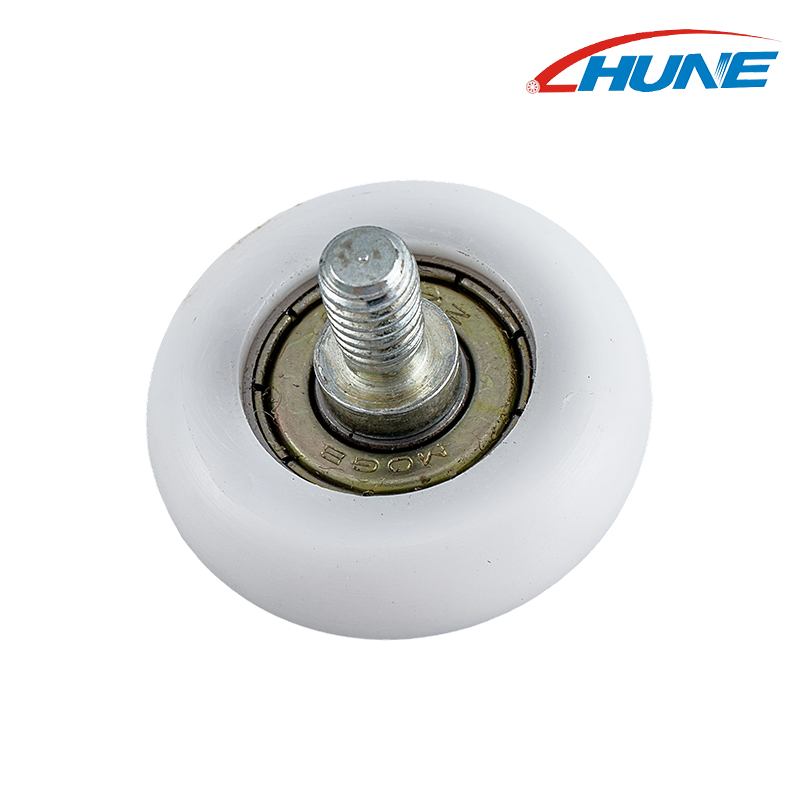
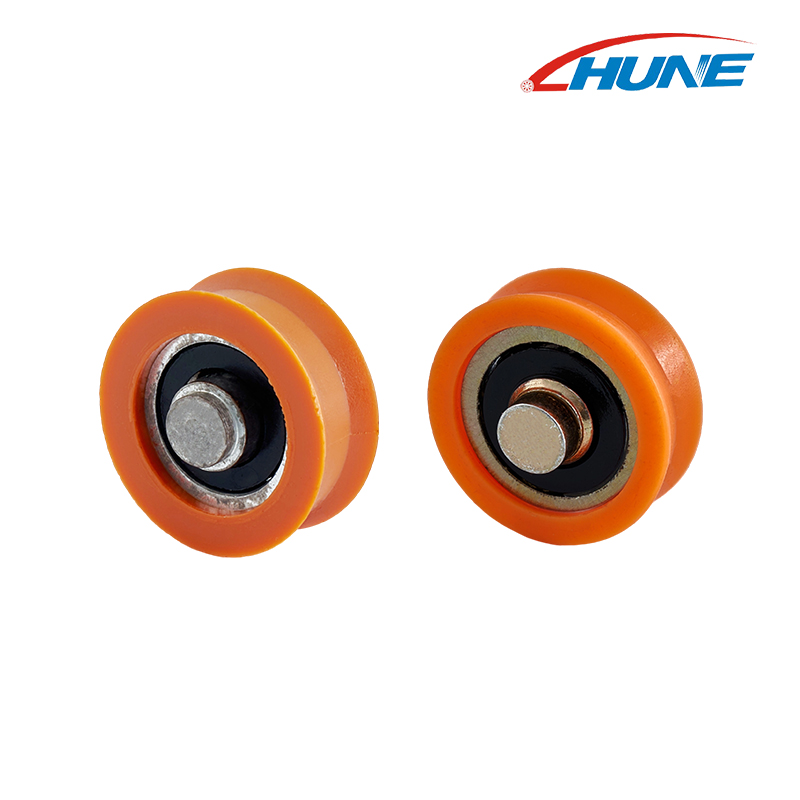
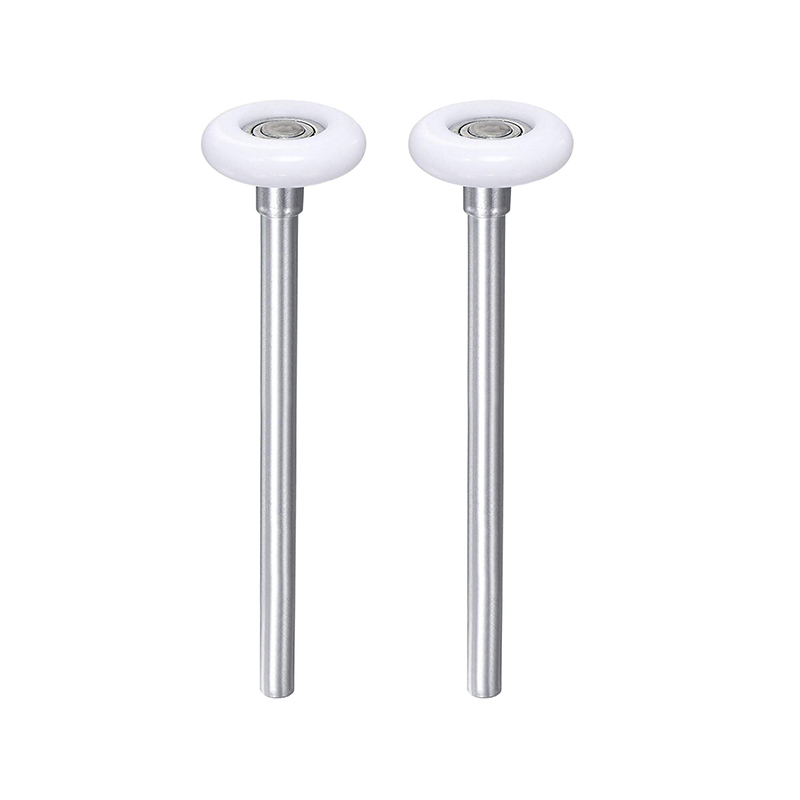
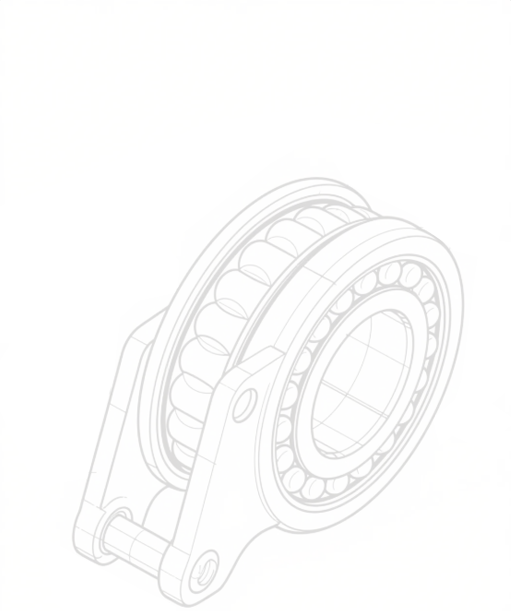
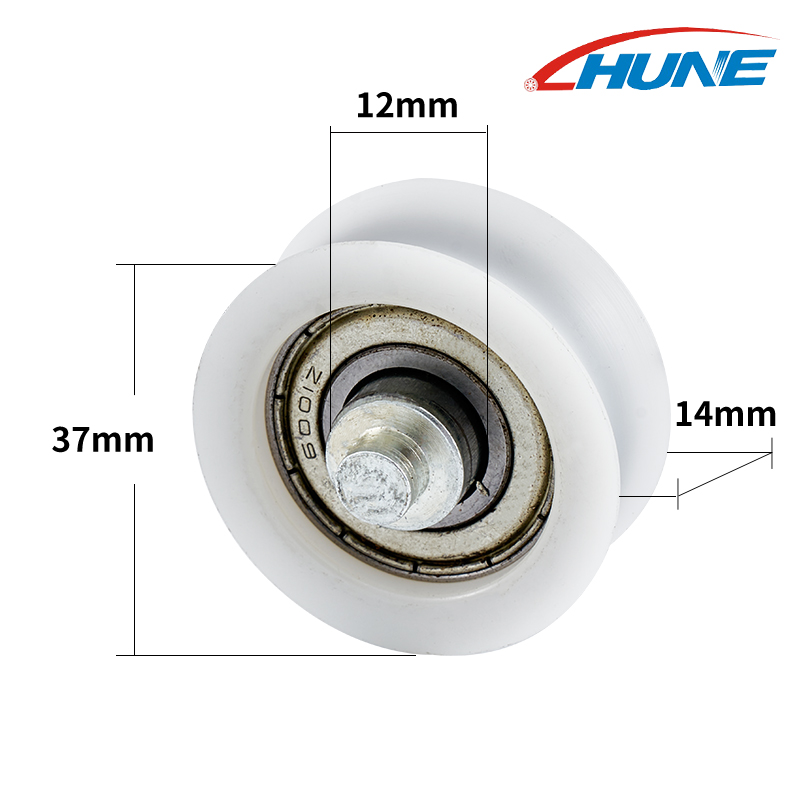
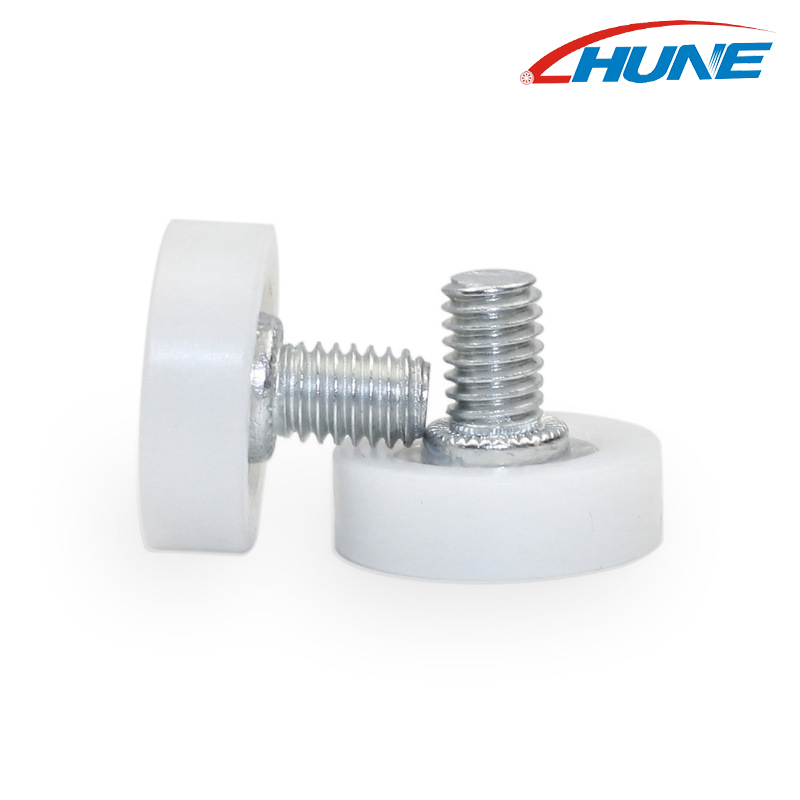
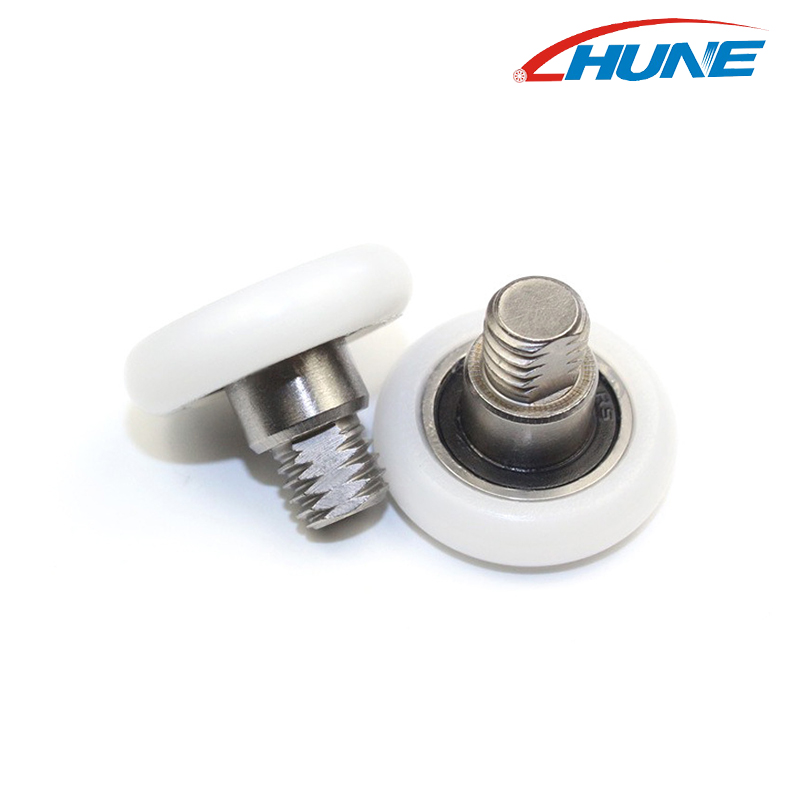
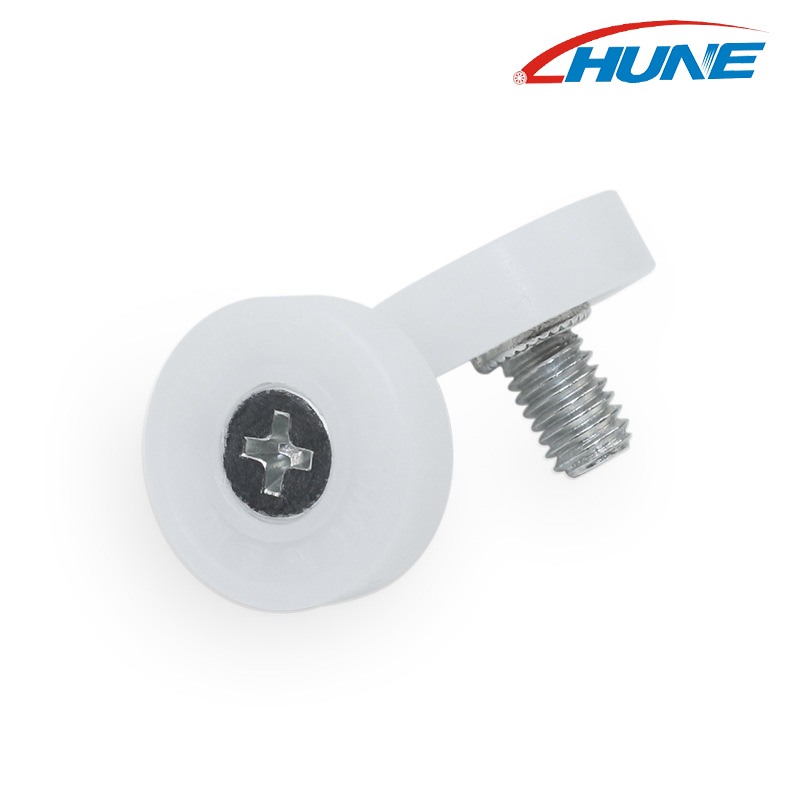
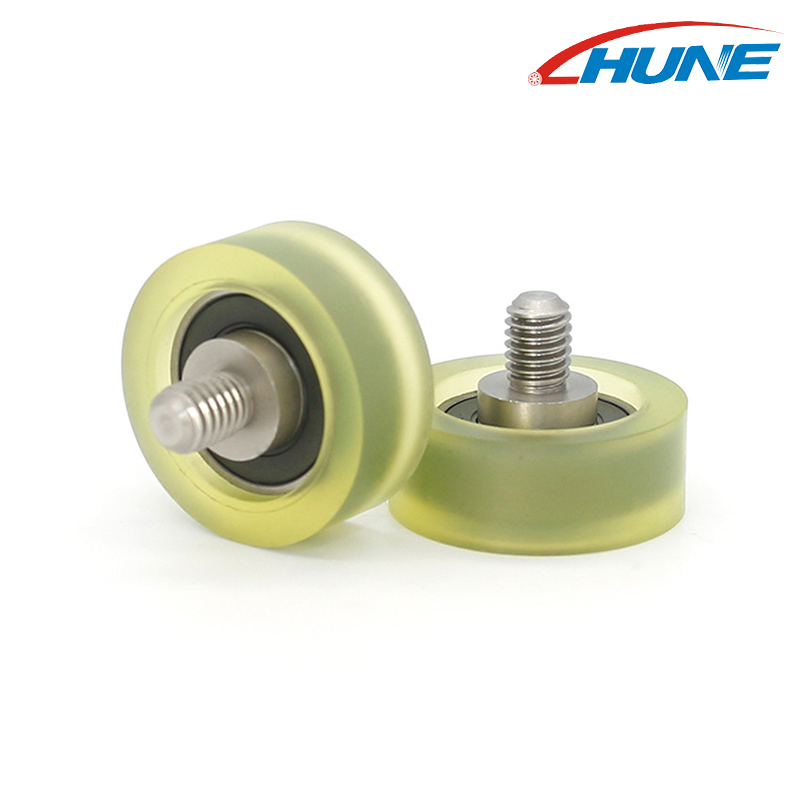
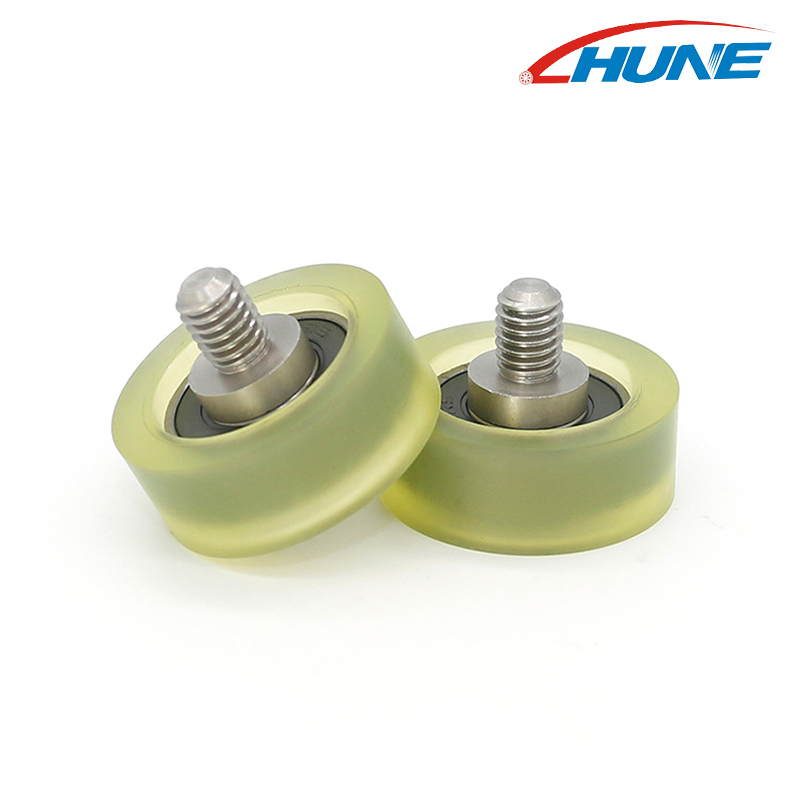
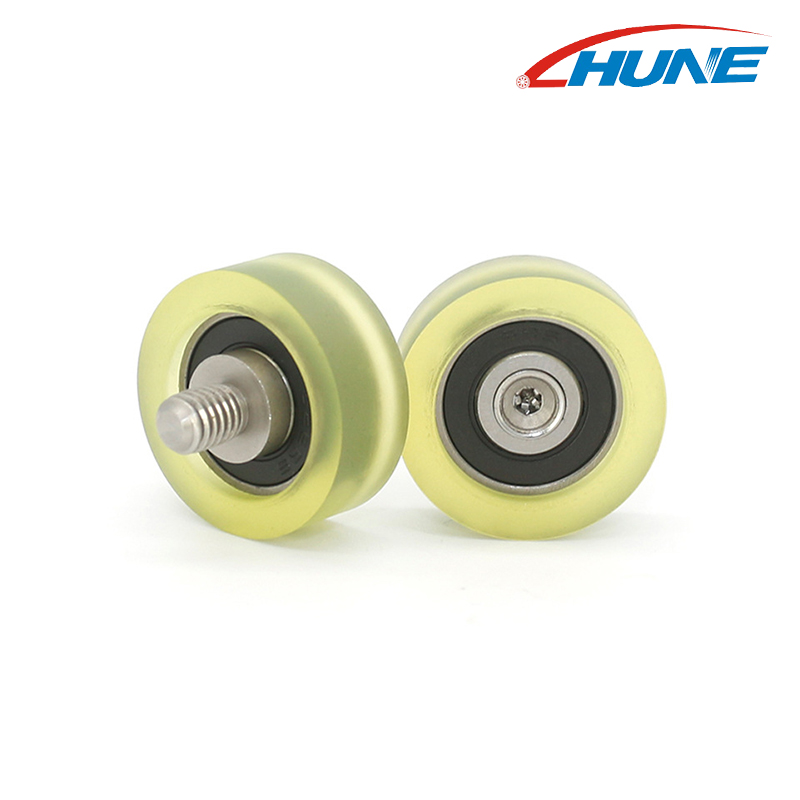
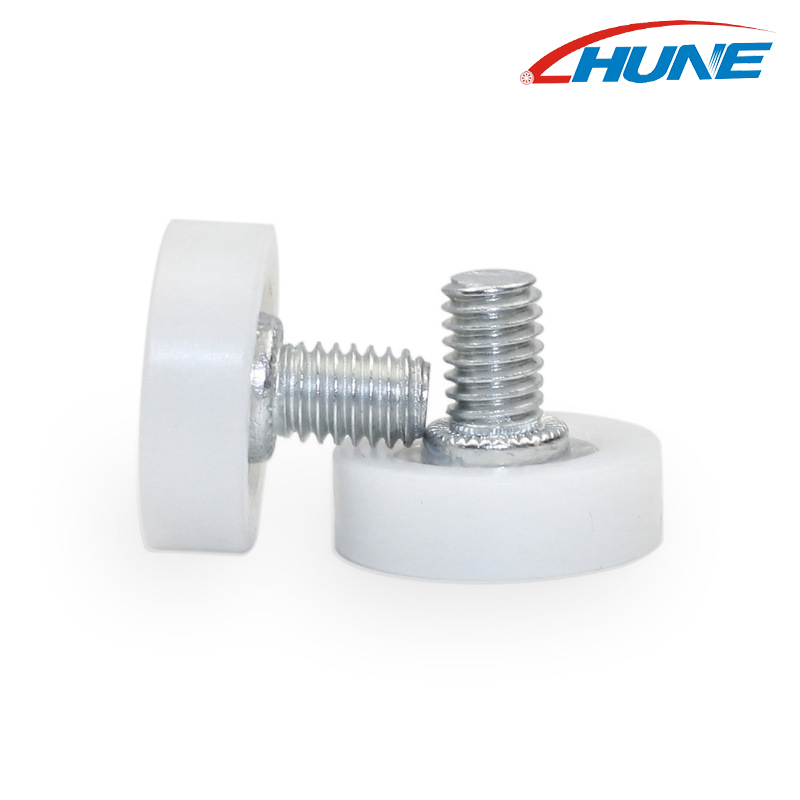
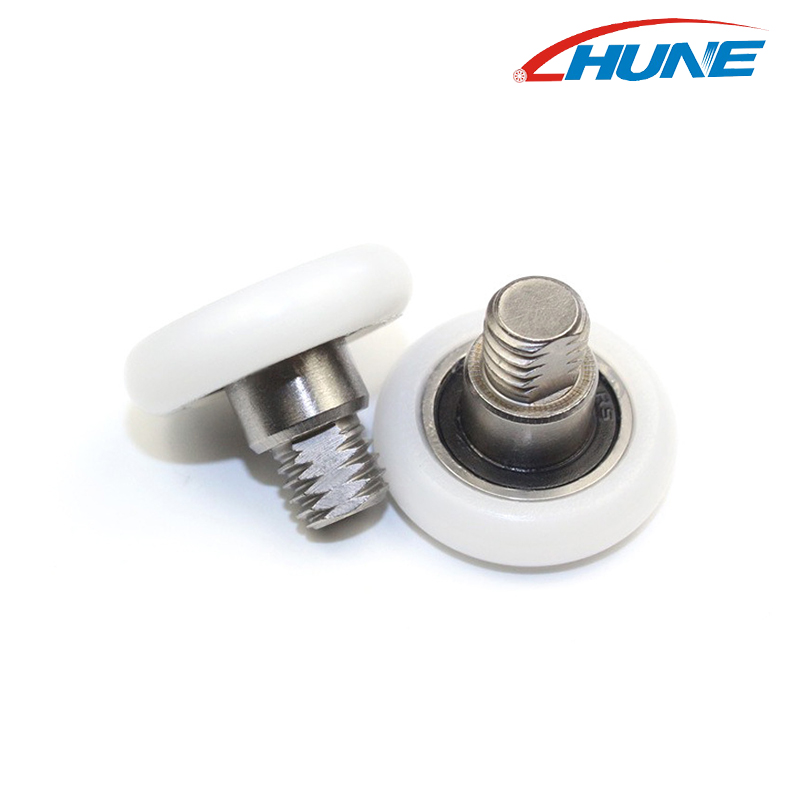
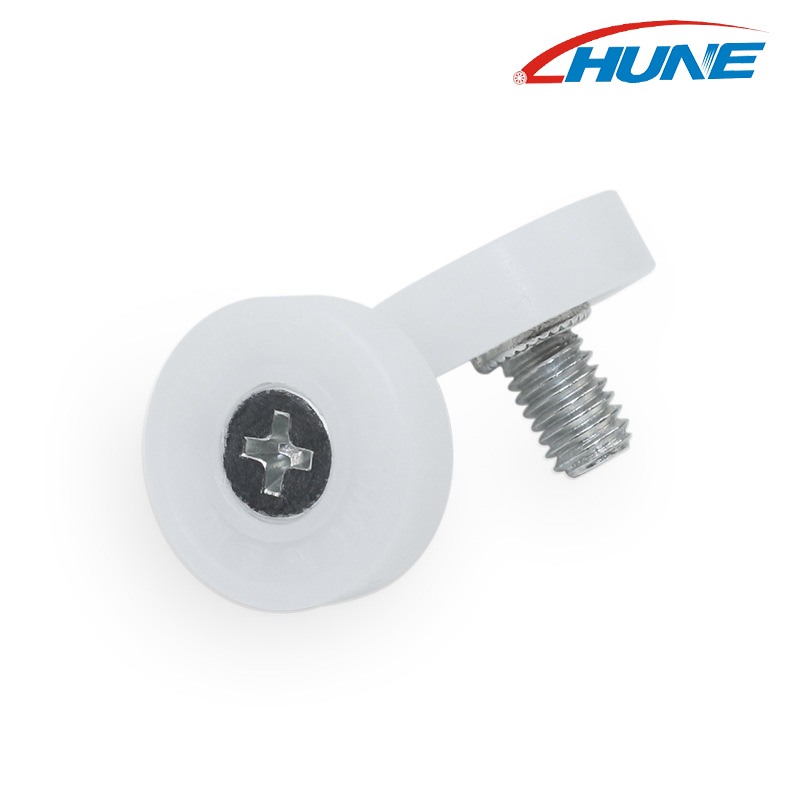
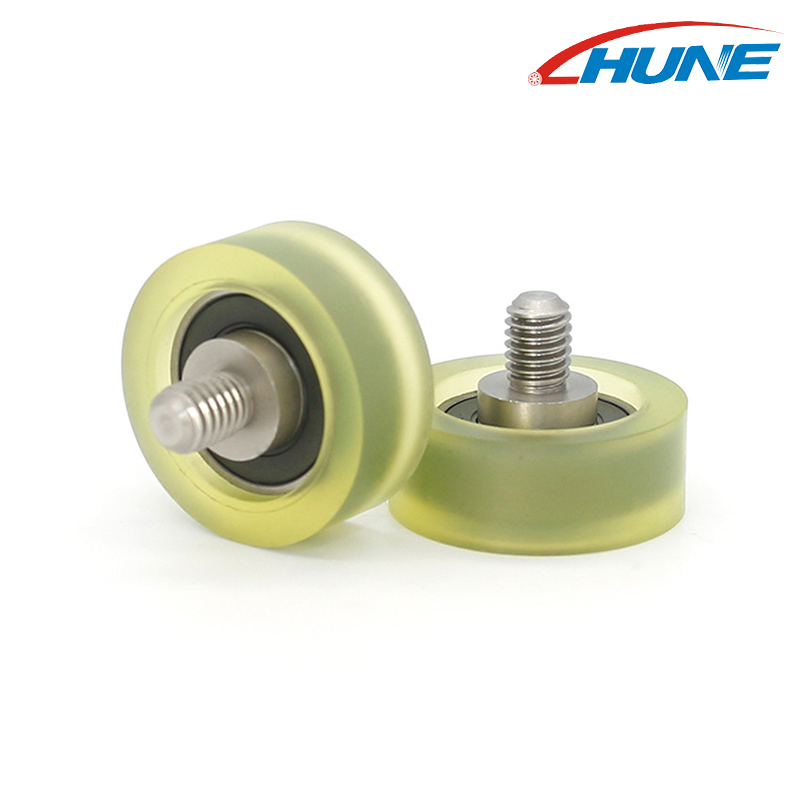
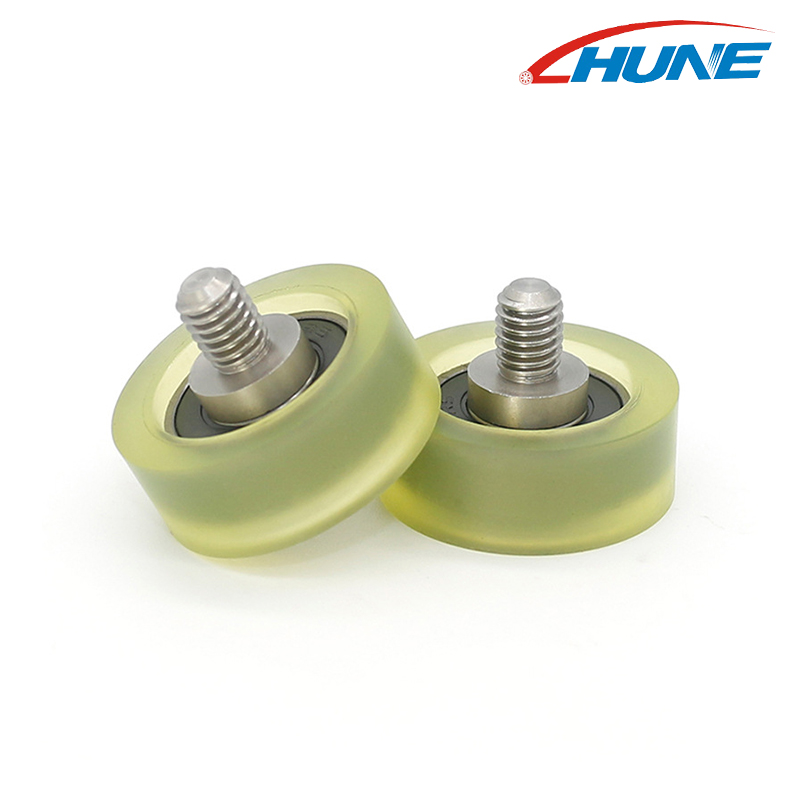
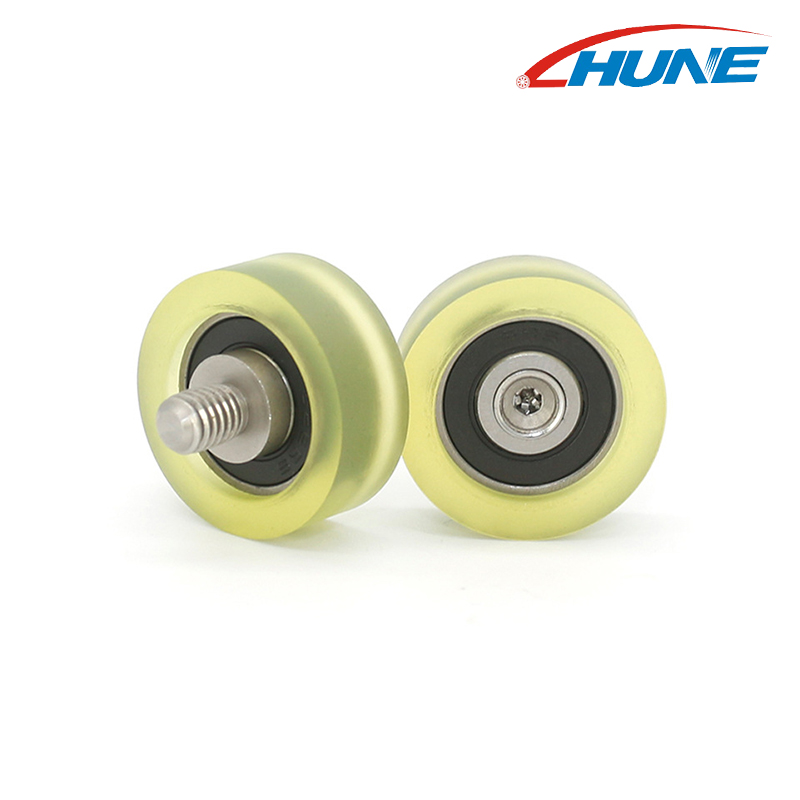
Rubber Coated Roller Bearings are roller bearing components with an elastic outer layer formed around the rolling surface. The internal bearing structure provides smooth rotation, while the coated outer surface works as a roller, guide wheel, support wheel, traction wheel, or contact wheel in sliding, guiding, conveying, and transmission applications.
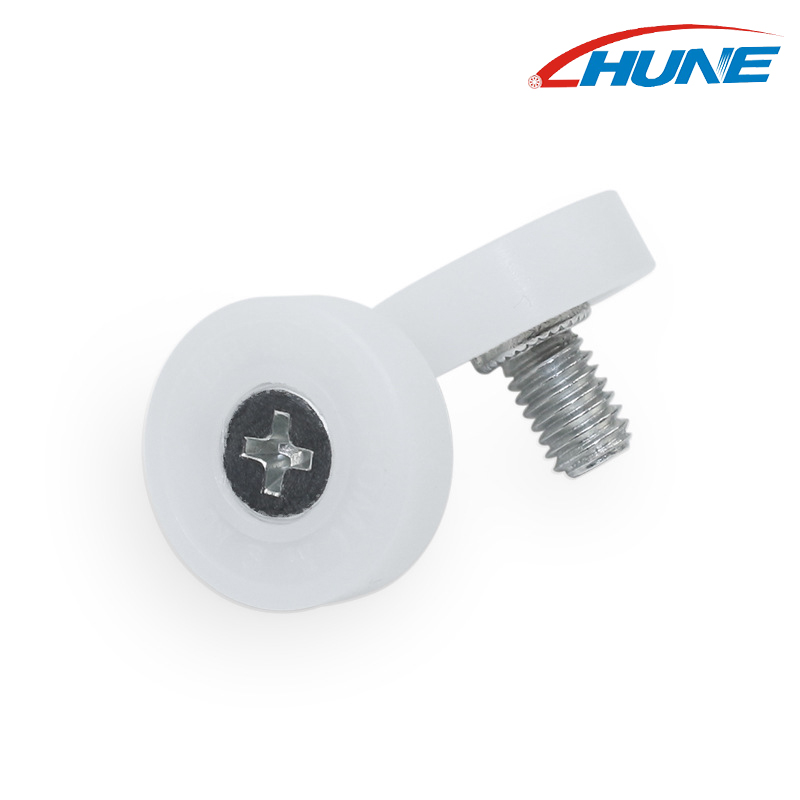
The coating material can be rubber, PU, polyurethane, silicone, NBR, EPDM, TPE, TPR, or other elastomer materials. This outer layer helps reduce noise, improve surface friction, absorb vibration, protect contact surfaces, and support stable rolling performance.
Hunepulley manufactures Rubber Coated Roller Bearings for automation equipment, conveyor systems, logistics equipment, sliding structures, door and window hardware, furniture hardware, guide rail systems, packaging machinery, and customized industrial roller assemblies. Standard models and customized structures can be produced according to drawings, samples, photos, or application requirements.
What Are Rubber Coated Roller Bearings?
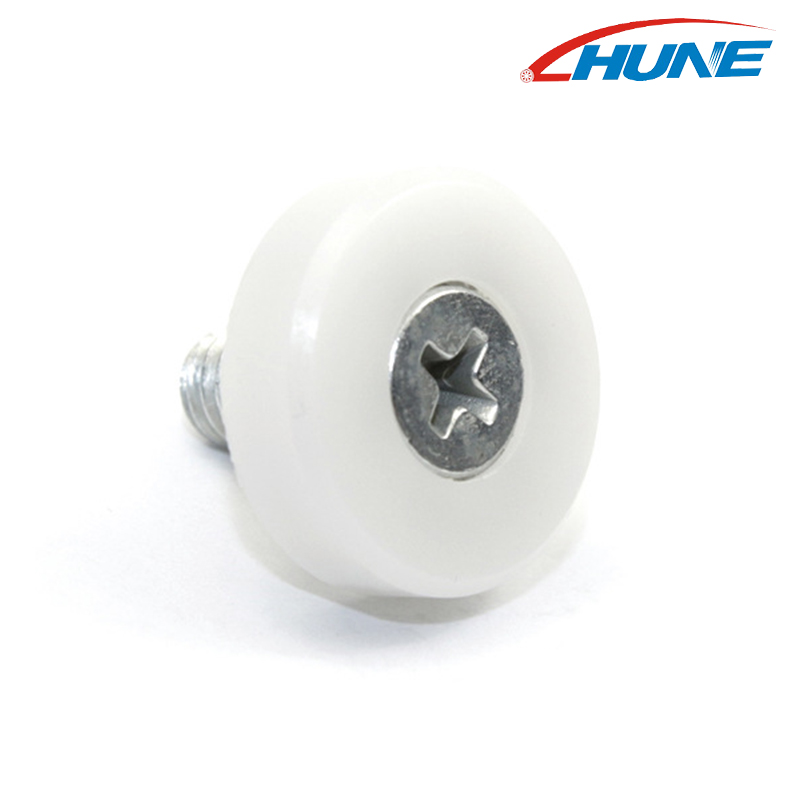
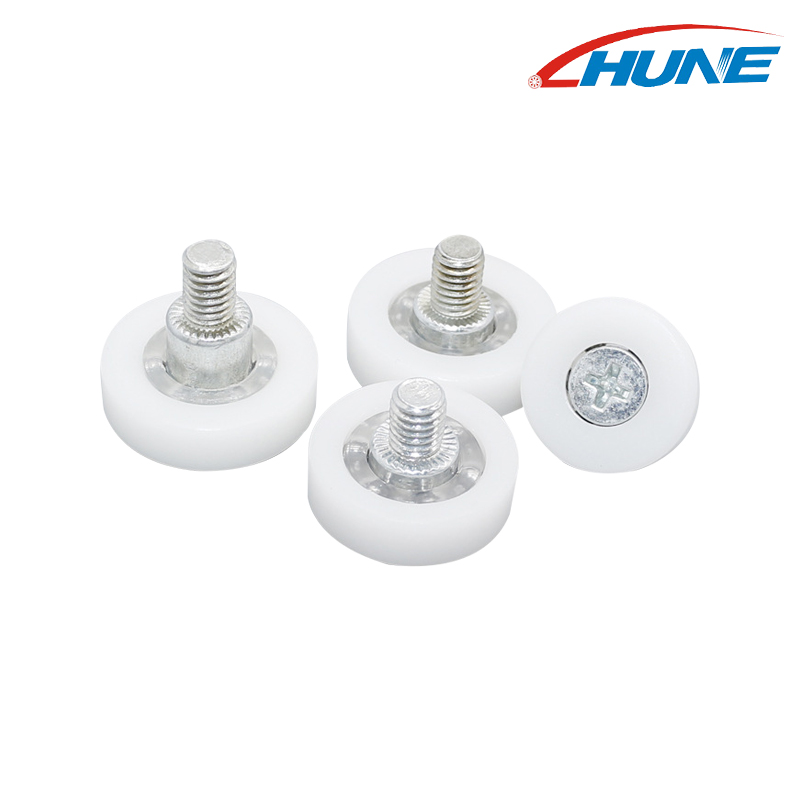
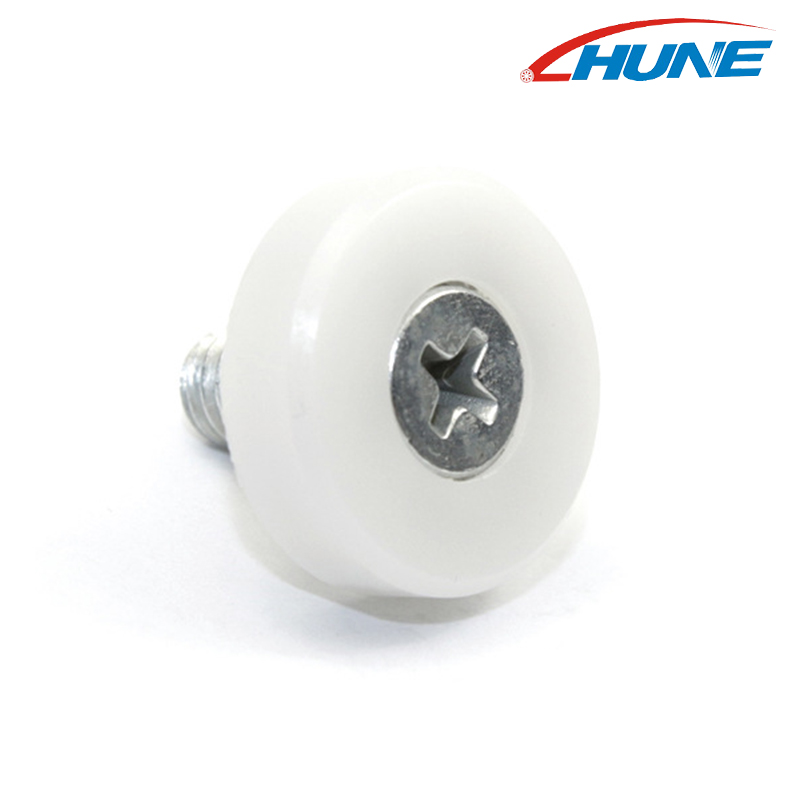
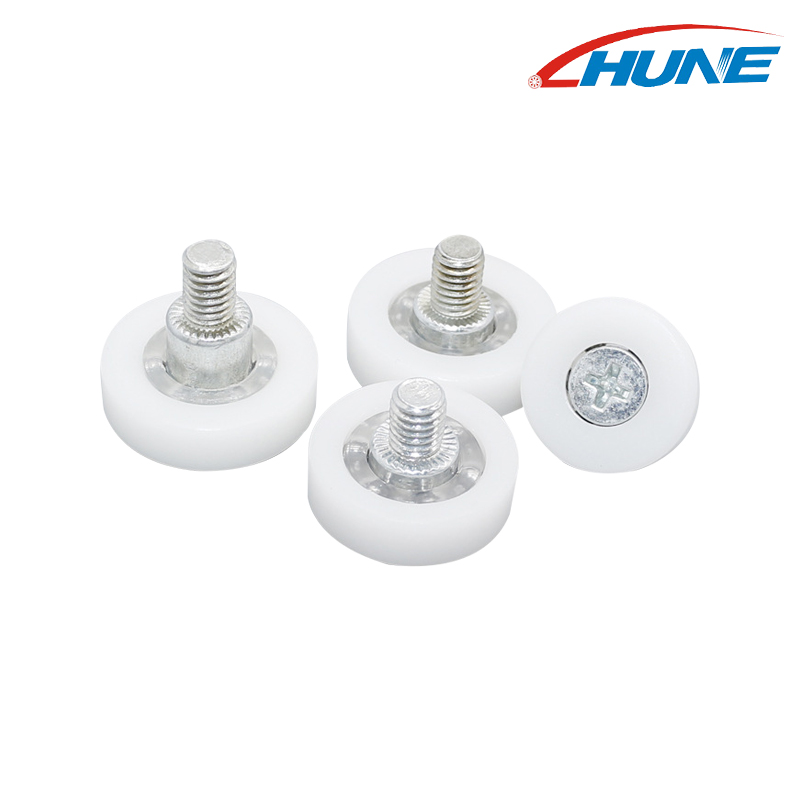
Rubber Coated Roller Bearings are made by combining a bearing core with a molded or coated elastic roller surface. The internal bearing allows the roller to rotate smoothly, while the outer coated layer provides contact with tracks, rails, panels, belts, profiles, or moving parts.
Compared with bare metal rollers or standard exposed bearings, rubber coated roller bearings provide a softer and more controlled contact surface. This helps reduce hard contact noise, improve grip, reduce vibration, and protect the working surface from scratches, dents, and wear marks.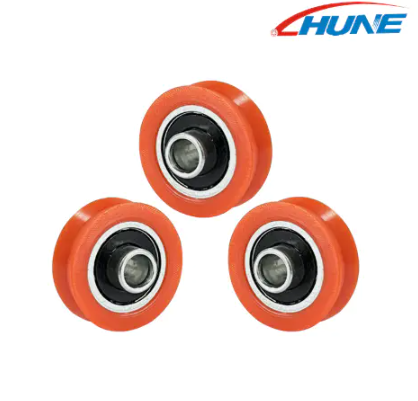
These products are commonly used as:
- Guide rollers
- Support rollers
- Sliding rollers
- Conveyor rollers
- Pressure rollers
- Feed rollers
- Drive support rollers
- Low-noise roller components
- Replacement roller parts
- Custom industrial roller assemblies
In many applications, the coated roller surface is as important as the internal bearing. The coating material, hardness, surface shape, bonding quality, and dimensional consistency directly affect rolling stability, contact performance, and service reliability.
Common Application Areas
Rubber Coated Roller Bearings are suitable for equipment and hardware systems that require smooth rolling, quiet movement, traction, surface protection, or vibration reduction.
Typical Applications include equipment and systems requiring stable rolling contact, low-noise movement, controlled friction, surface protection, or vibration damping.
- Automation equipment
- Conveyor line systems
- Packaging machinery
- Logistics sorting equipment
- Door and window sliding systems
- Furniture sliding mechanisms
- Industrial guide rail systems
- Medical equipment movement structures
- Fitness equipment pulley assemblies
- Printing and office equipment
- Textile machinery
- Food processing equipment
- Light-duty transmission systems
- Robot sliding structures
- Silent roller systems
- Machinery spare parts
- Industrial hardware product lines
- Private label roller products
- Custom roller assemblies
Rubber coated roller bearings are often used where the roller contacts aluminum profiles, painted surfaces, plastic tracks, glass, finished metal rails, belts, panels, or other surfaces that need protection from hard metal contact.
Materials and Structure Options
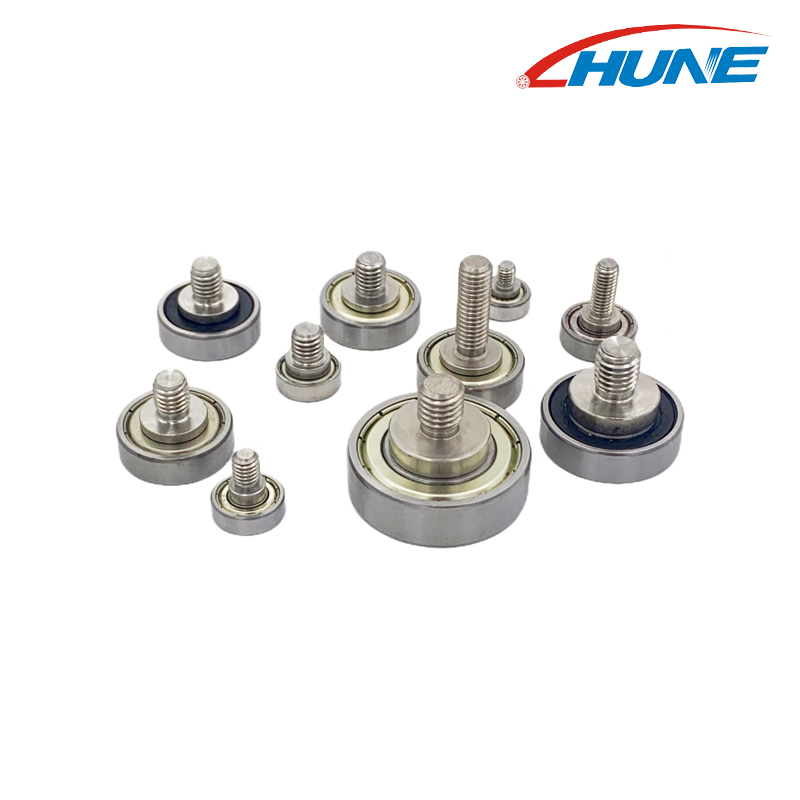
Hunepulley provides different combinations of bearing cores, coating materials, roller surface profiles, sealing types, mounting methods, and supporting accessories. The suitable option depends on load, speed, noise requirement, contact surface, installation method, and working environment.
| Item |
Available Options |
| Bearing Core |
Deep groove ball bearing, miniature bearing, single row bearing, double row bearing, flange bearing, custom bearing core |
| Bearing Material |
GCr15 bearing steel, carbon steel, stainless steel |
| Seal Type |
Open type, ZZ metal shield, 2RS rubber seal |
| Coating Material |
Rubber, NBR, silicone, EPDM, PU, polyurethane, TPE, TPR, customized elastomer |
| Roller Surface |
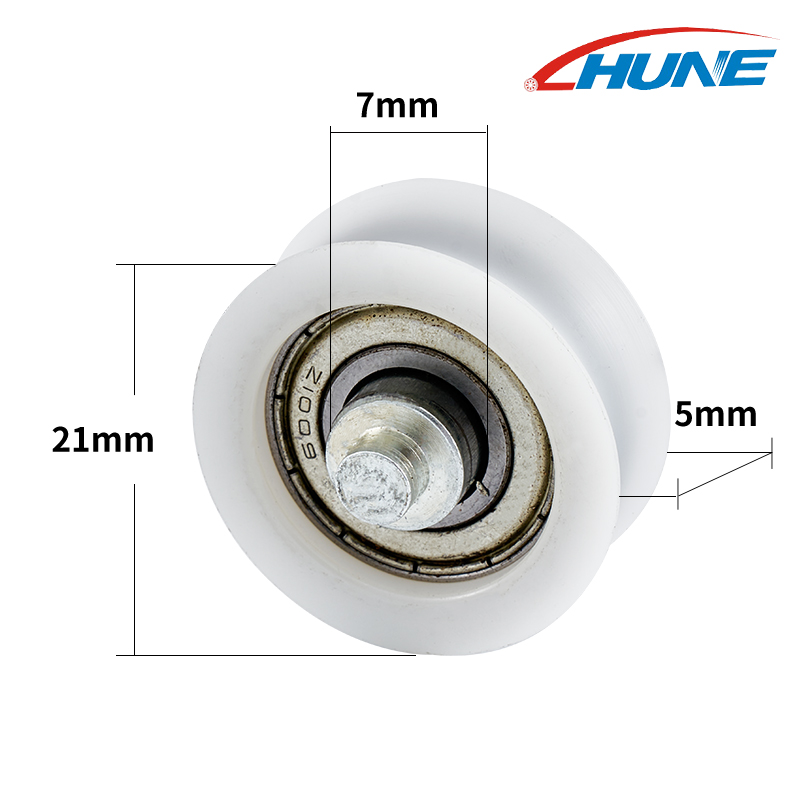
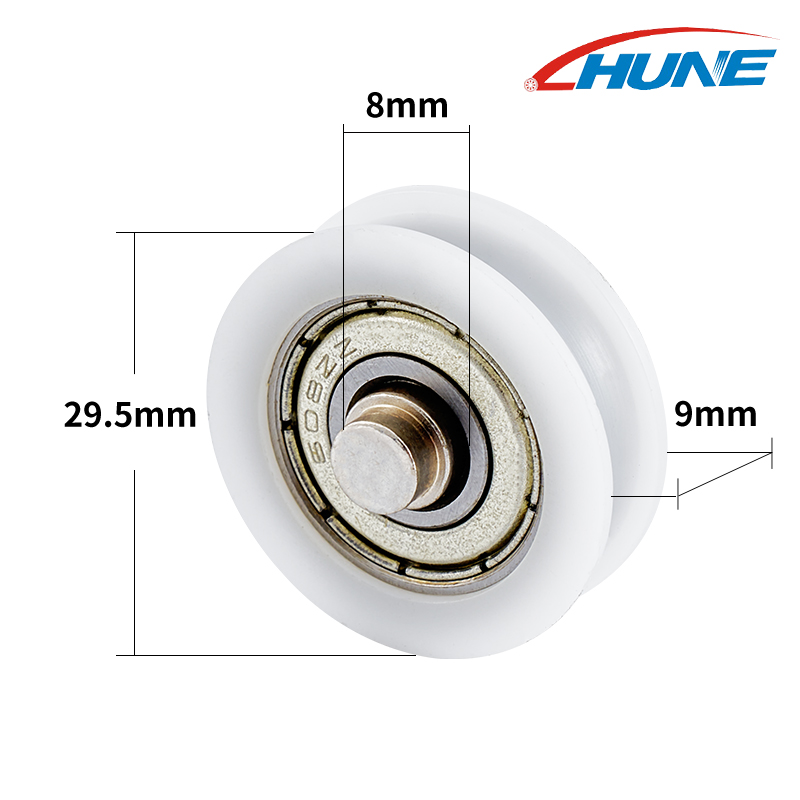
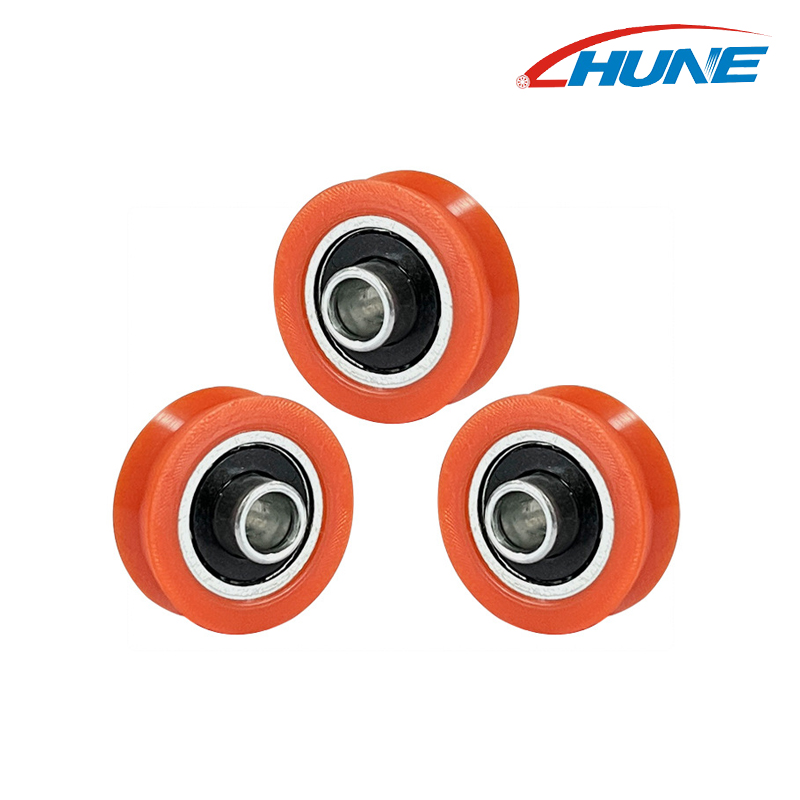
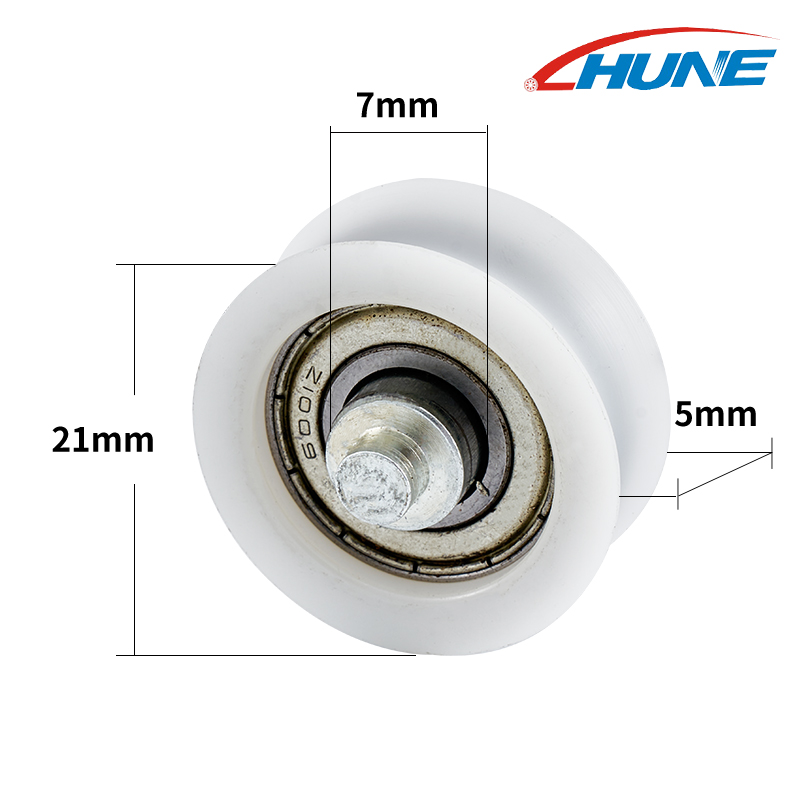
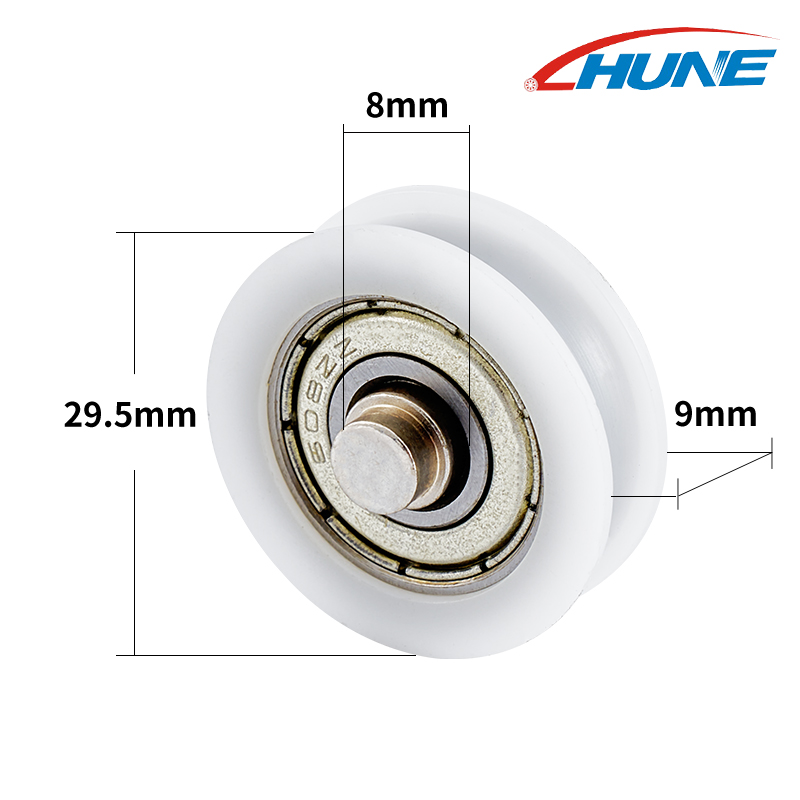
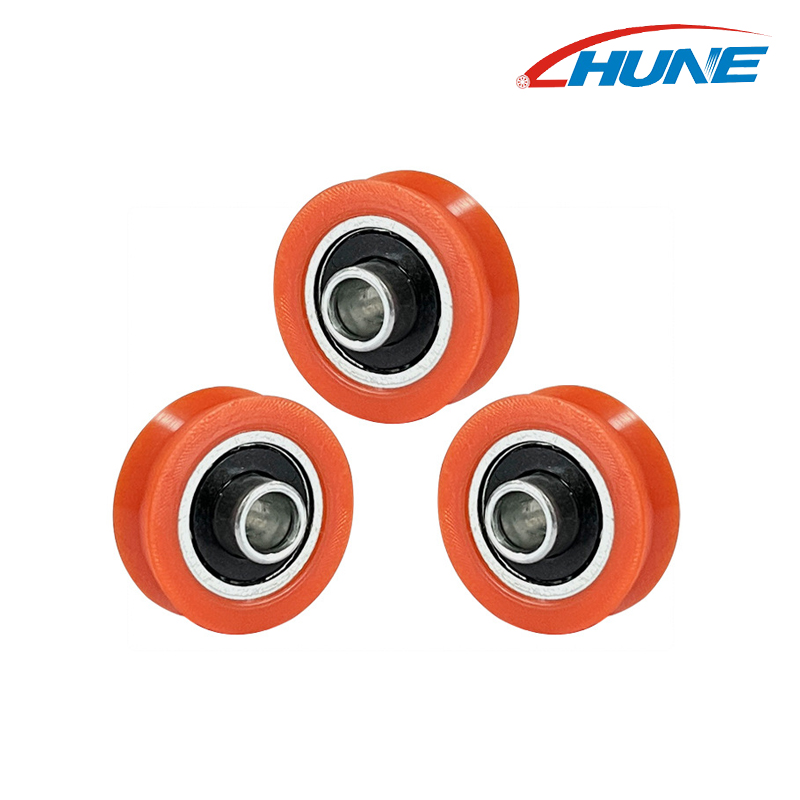
Flat surface, crowned surface, V groove, U groove, H groove, anti-slip surface, customized profile |
| Hardness |
Different Shore A hardness levels according to application |
| Color |
Black, white, grey, transparent, or customized color |
| Dimension Range |
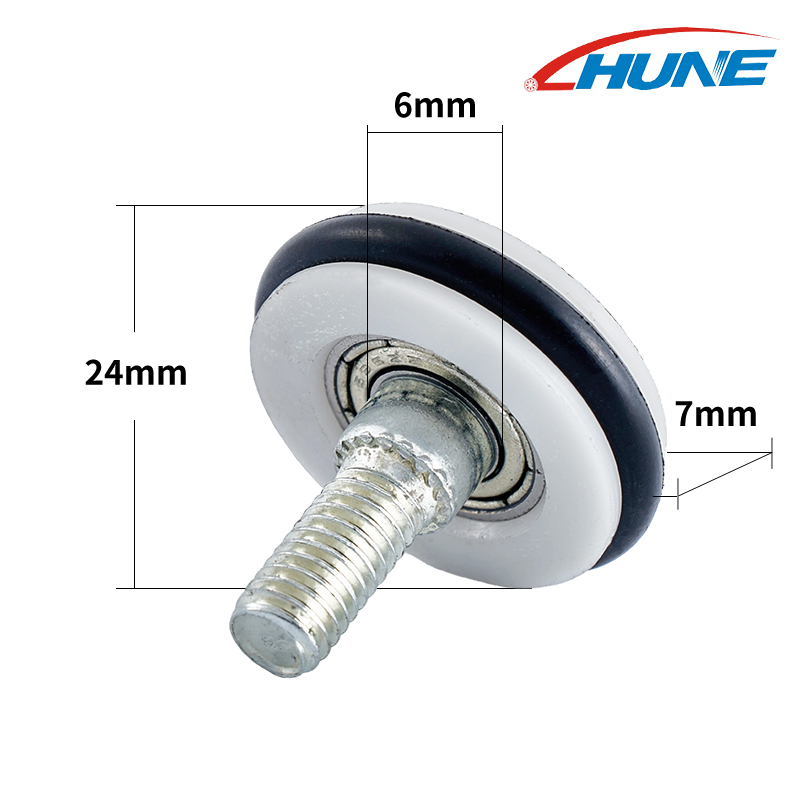
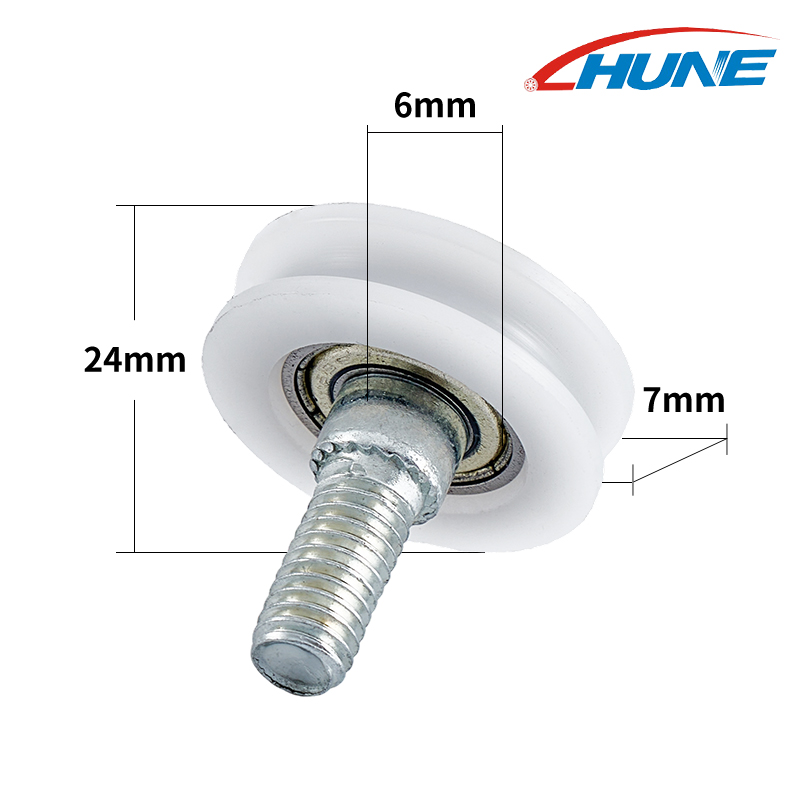
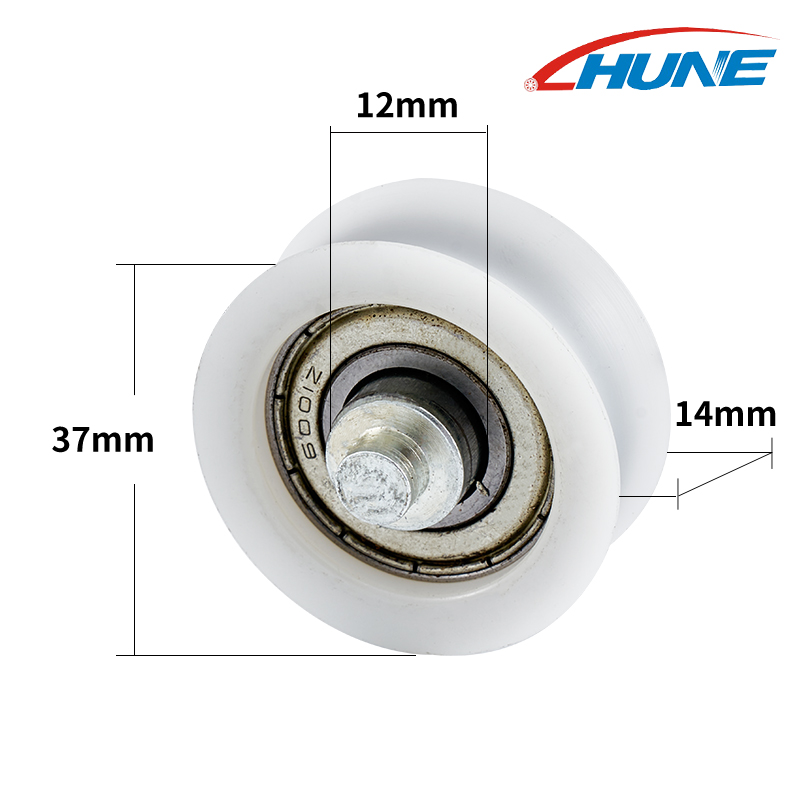
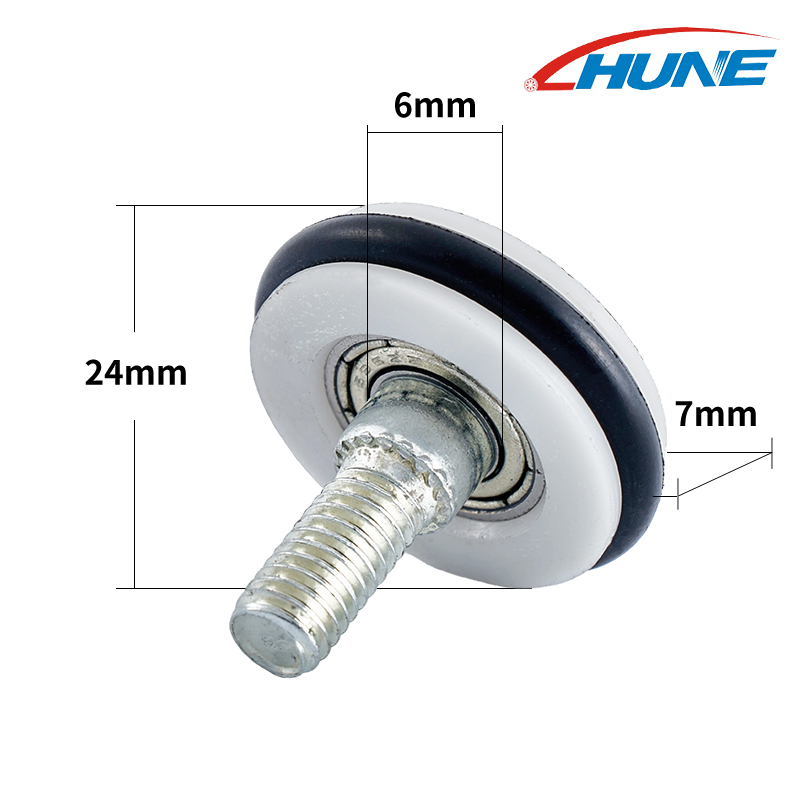
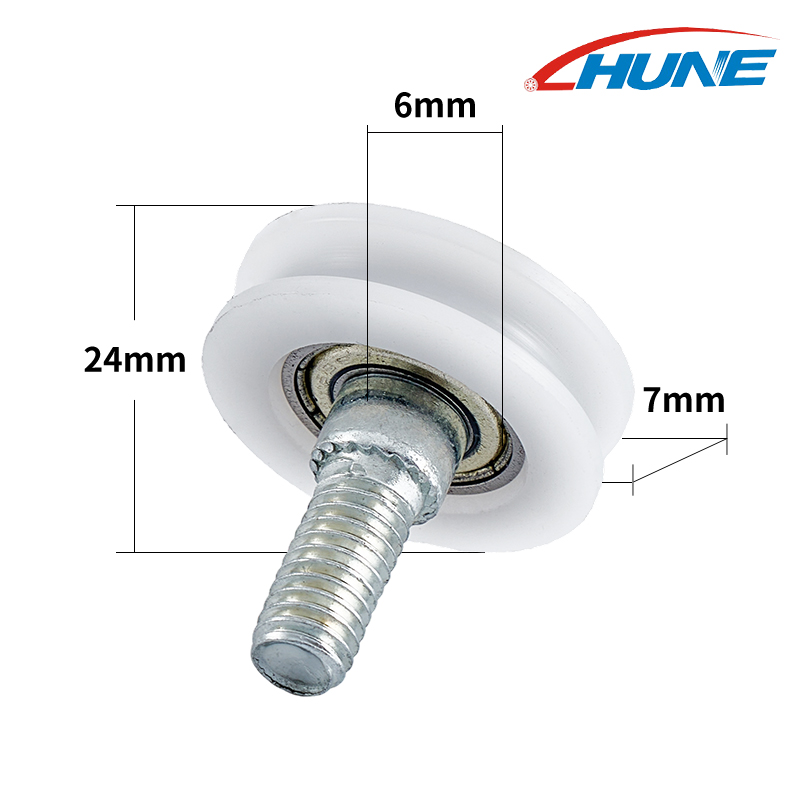
Inner diameter, coated outer diameter, roller width, coating thickness, contact surface width |
| Installation Method |
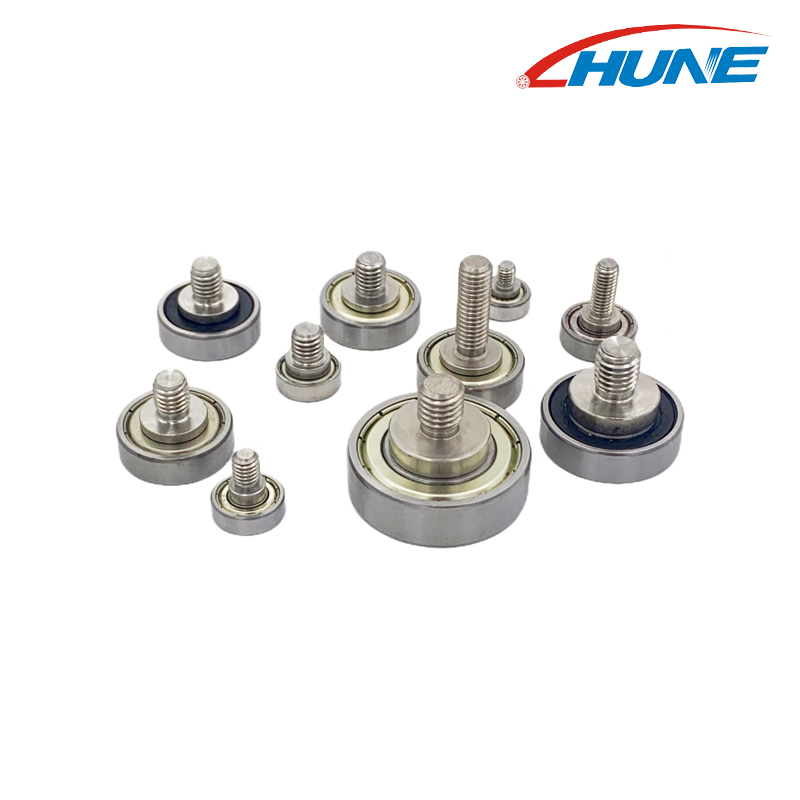
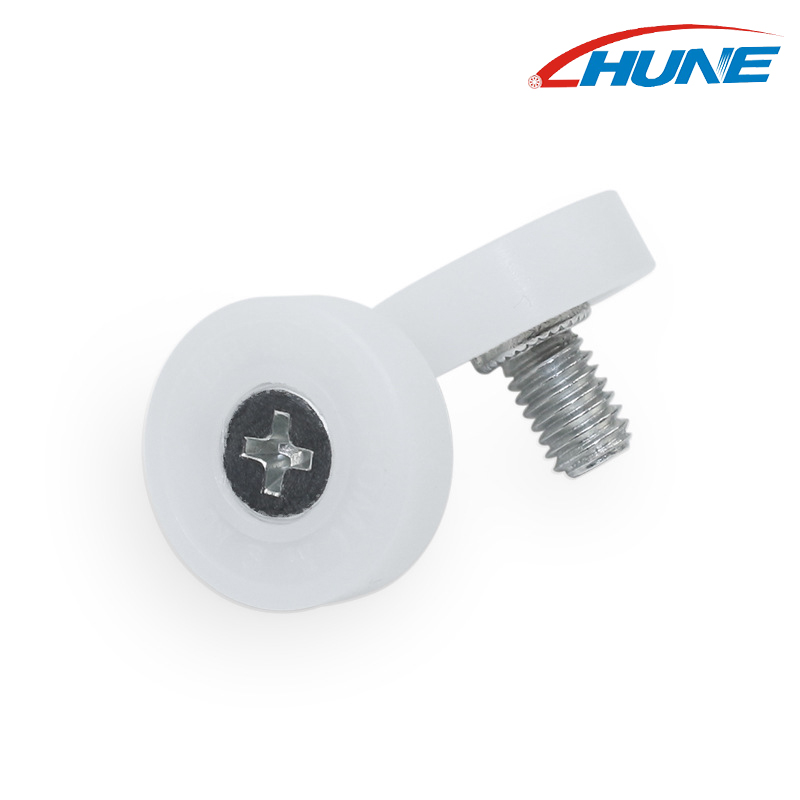
Shaft mounting, screw mounting, bolt mounting, guide rail mounting, bracket mounting |
| Accessories |
Shaft sleeve, screw, nut, washer, bracket, spacer, and customized metal parts |
This flexible structure makes Rubber Coated Roller Bearings suitable for standard roller use, replacement parts, and special mechanical designs.
Key Product Advantages
Smooth Rolling Performance
The internal bearing core helps maintain smooth and stable rotation. This is important for repeated movement in conveyor systems, guide rails, sliding assemblies, automation equipment, and mechanical devices.
Lower Operating Noise
The rubber or PU coated roller surface helps absorb impact and vibration during contact. It can reduce harsh rolling noise compared with hard metal rollers running directly on tracks or panels.
Surface Protection
The elastic coating helps protect contact surfaces from scratches, dents, and metal-to-metal wear. This is especially useful for aluminum tracks, painted panels, plastic rails, glass systems, belts, and finished metal surfaces.
Better Grip and Friction
Rubber coated roller bearings provide higher surface friction than bare metal rollers. This can improve traction in guiding, feeding, pressing, conveying, and light-duty transmission applications.
Vibration Absorption
The coated outer layer works as a damping contact surface. It helps reduce vibration transfer between the roller and the contact surface, improving movement comfort and operational stability.
Flexible Roller Surface Profile
The outer roller surface can be designed as flat, crowned, V groove, U groove, H groove, or a custom profile. This allows the roller to match rails, tracks, grooves, cables, belts, or special guiding structures.
Multiple Material Choices
Different coating materials can be selected for wear resistance, oil resistance, water resistance, aging resistance, temperature resistance, chemical stability, or low-noise movement.
How to Select Rubber Coated Roller Bearings
Choosing the right Rubber Coated Roller Bearing depends on how the roller will be used in the final equipment. Instead of focusing only on the bearing size, it is important to consider the contact surface, movement direction, installation position, working environment, and expected operating performance.
For applications requiring quiet movement, the coating material should help reduce vibration and rolling noise. For guiding, feeding, or transmission use, the roller surface should provide suitable friction and stable contact. If the roller runs against painted parts, aluminum profiles, plastic tracks, glass, belts, or finished metal surfaces, the coating should also help protect the contact surface from scratches or impact marks.
The working environment should also be reviewed before selection. Temperature, moisture, oil contact, chemical exposure, dust, movement frequency, load condition, and speed requirement can all affect the choice of coating material and hardness. A roller used in indoor furniture hardware may require a different material from one used in automation equipment, conveyor systems, or machinery guide rails.
For replacement parts, the new roller bearing should match the original installation position and movement function. For new equipment development, it is better to confirm the application details first, then select the coating material, roller surface design, and bearing configuration according to actual use conditions.
A practical selection process can help improve rolling stability, reduce noise, protect the contact surface, and avoid unnecessary replacement or assembly problems.
Custom Rubber Coated Roller Bearings
Hunepulley provides custom Rubber Coated Roller Bearings for equipment manufacturers, hardware brands, industrial component programs, and special roller applications. With experience in precision bearing production, non-standard bearing development, molding, surface finishing, assembly, and inspection, we can support different coated roller bearing requirements from sample review to regular production. 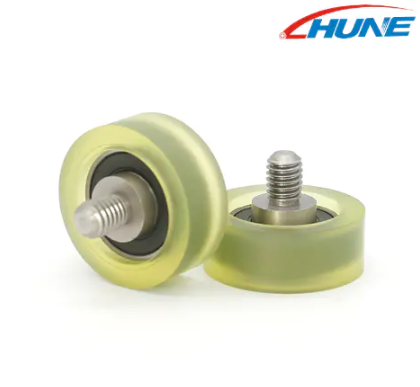
Custom development can be based on drawings, physical samples, photos, or detailed application information. Our team reviews the installation method, contact surface, movement requirements, working environment, and expected performance before recommending a suitable coated roller bearing solution.
For projects that require a special rolling surface, quieter movement, better grip, surface protection, or improved wear performance, Hunepulley can adjust the product design according to the application. Material selection, coating performance, bearing configuration, roller appearance, packaging, and supporting accessories can be discussed during development.
For new products, samples can be produced for testing and confirmation before larger production runs. For repeat production, we focus on consistent dimensions, stable coating quality, smooth rotation, clean appearance, and reliable packaging, helping each batch match the confirmed sample and application requirements.
Manufacturing Capability
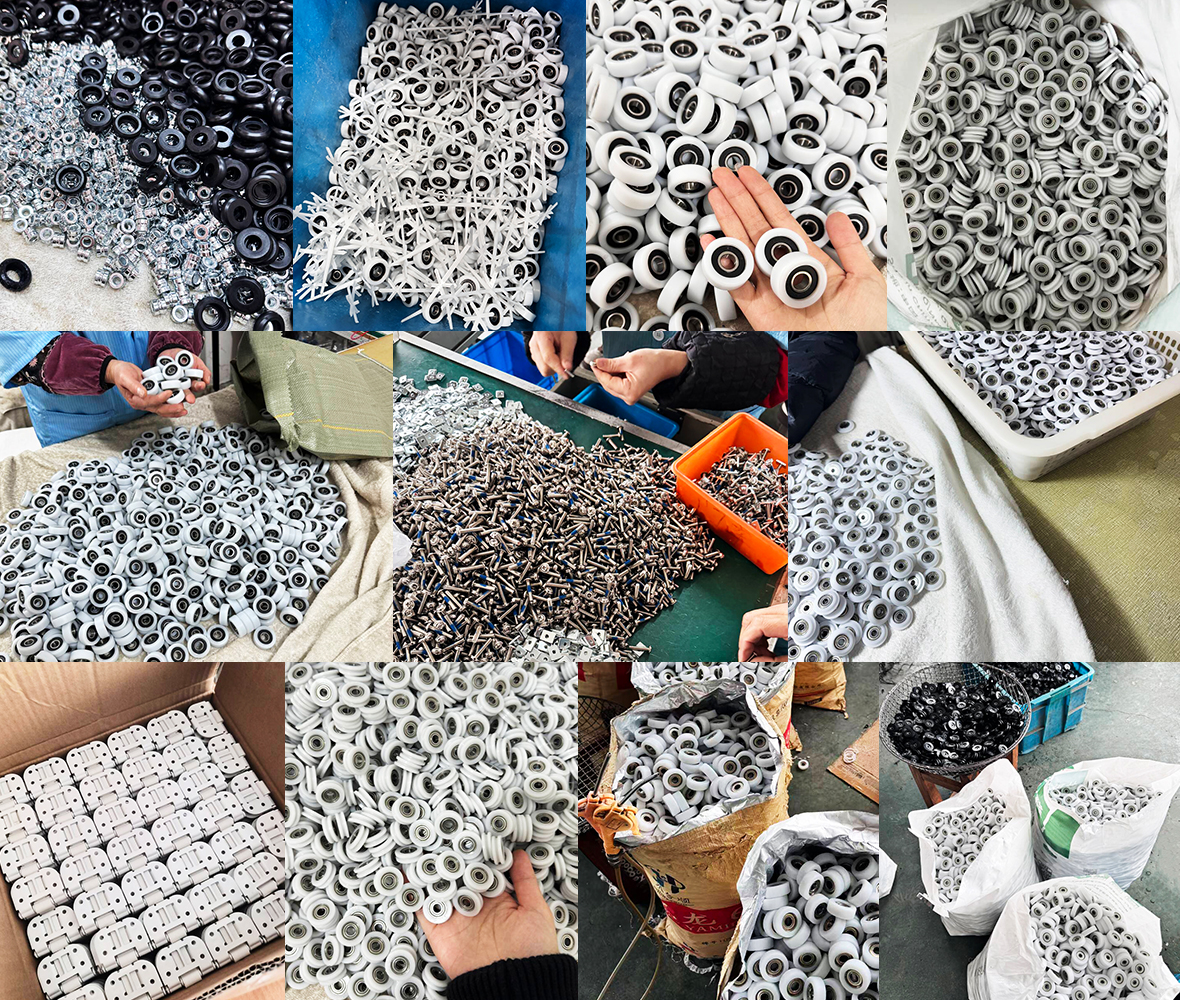
Hunepulley specializes in the research, development, and production of miniature and medium-sized precision bearings, non-standard bearings, and pulley systems. Our production base covers 12,000㎡, with a 10,000㎡ building area and around 200 employees.
Our manufacturing process includes bearing production, precision grinding, polishing, heat treatment, surface finishing, anti-rust treatment, cleaning, rubber or plastic molding, bearing assembly, lubrication, testing, and packaging.
For Rubber Coated Roller Bearings, production control focuses on:
- Bearing core accuracy
- Coating material selection
- Mold accuracy
- Coating thickness control
- Rubber-to-metal bonding
- Roller surface finish
- Hardness consistency
- Rotation smoothness
- Noise control
- Appearance inspection
- Batch consistency
- Packaging protection
Hunepulley supports bearing accuracy options including ABEC-1, ABEC-3, ABEC-5, and ABEC-7, as well as clearance options including C2, C0, C3, C4, and C5. The proper bearing configuration can be selected according to installation conditions, speed, noise, and application requirements.
Packaging and Supply Options
Rubber Coated Roller Bearings can be supplied as standard coated roller bearings, custom roller bearings, replacement components, or private label industrial parts. Packaging can be arranged according to product size, quantity, shipment method, and project requirements.
Available packaging and supply options include:
- Standard product supply
- Custom production according to drawings
- Sample-based production
- Small trial orders
- Regular production orders
- Industrial bulk packaging
- Individual packaging
- Carton packaging
- Pallet packaging
- Product labeling
- OEM packaging
- Private label packaging
Clear product identification and protective packaging help improve storage, transport, and assembly management.
Rubber Coated Roller Bearings for Industrial Roller Applications
Hunepulley provides Rubber Coated Roller Bearings for roller systems, guide assemblies, sliding mechanisms, automation equipment, door and window hardware, furniture hardware, conveyor equipment, and custom machinery components.
Whether the requirement is a standard coated roller bearing, a low-noise rubber roller, a V groove guide roller, a U groove coated roller, or a custom bearing roller assembly, Hunepulley can support development from sample review to production and packaging.
With precision bearing manufacturing experience, molding capability, controlled production processes, and flexible customization support, Hunepulley provides practical coated roller bearing solutions for repeated-use industrial applications.





 English
 Español
 日本語
日本語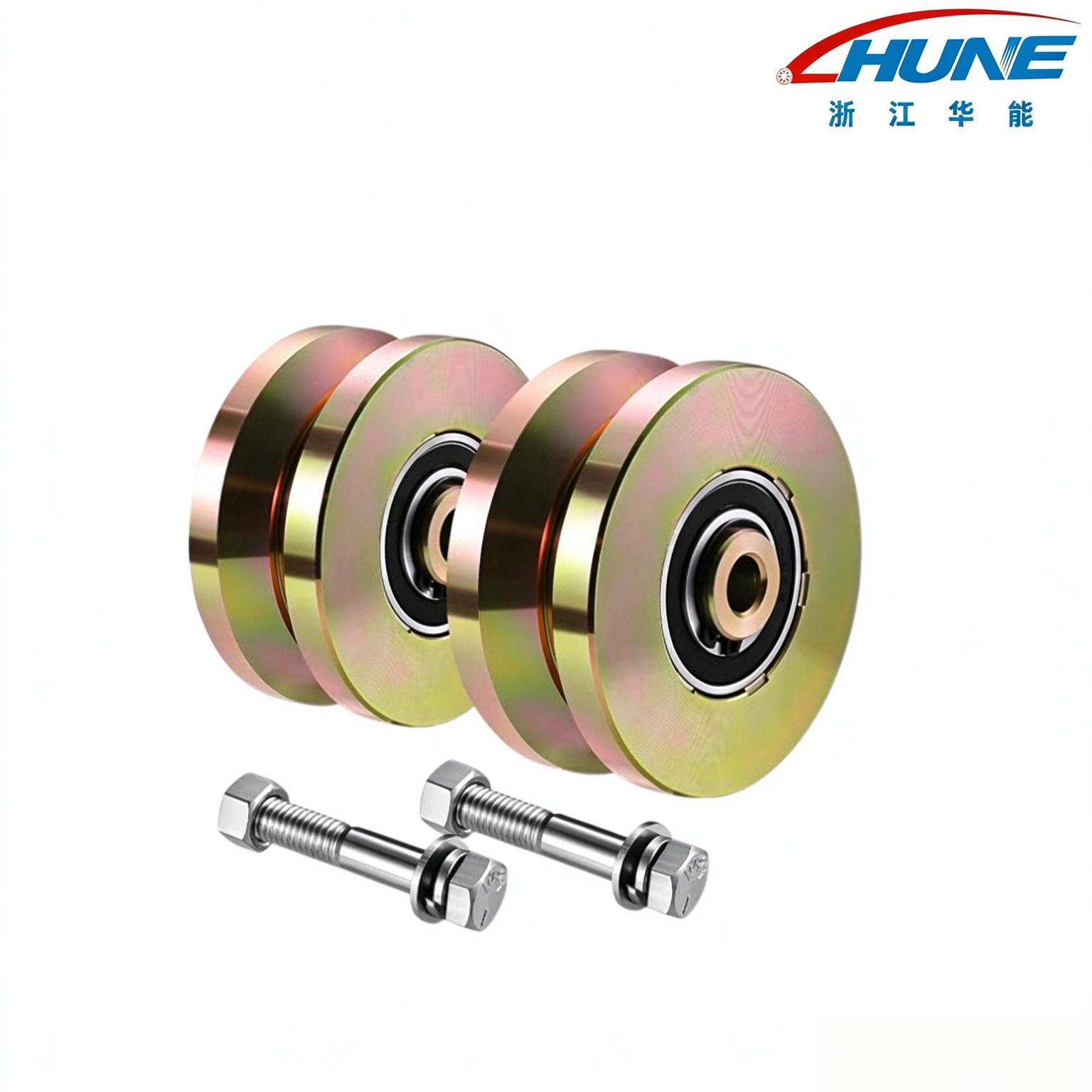


 +86-15058997617